When Sydney mum Danielle Slater first noticed she was getting strange pains in her calves, she didn't think too much of it.
"I usually just put it down to me having had a big day," Slater told 9news.com.au.
"Because it was often after I had been out all day and then I would come home and that's when the throbbing would start in my legs."
READ MORE: Bali's official 'dos and don'ts card' for tourists
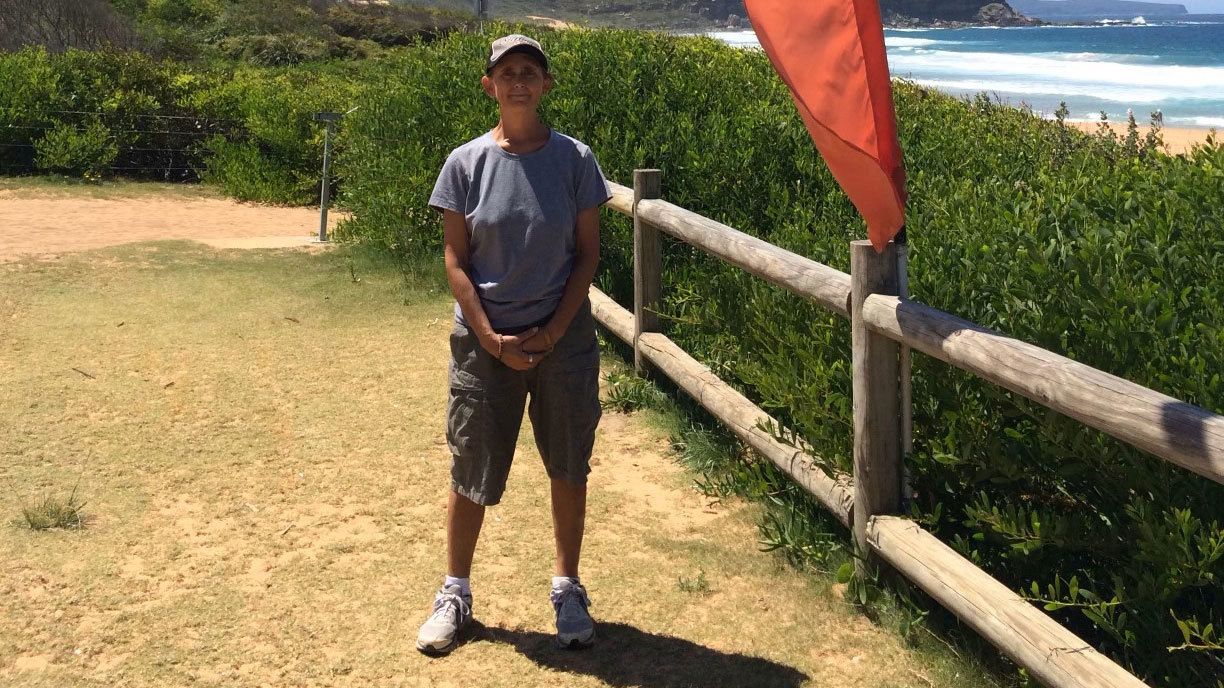
However, over the next few months, the pains got steadily worse, to the point where she sometimes found herself in such agony that she would have to call an ambulance.
"There would be times when I would be fine until I went to bed and then I would wake up with extreme pain in my calves … I would just be screaming in pain," she said.
Doctors at Concord Hospital, in Sydney's inner west, diagnosed Slater – who was 45 at the time – with a condition many Australians have never heard of, but is surprisingly common and on the rise – peripheral arterial disease (PAD).
The disease is caused by a buildup of fatty plaque in the arteries, leading to a narrowing or blockage of blood vessels in the limbs.
About 15 percent, or 3.85 million Australians are affected by PAD, which is associated with a six-fold risk of heart attack or stroke.
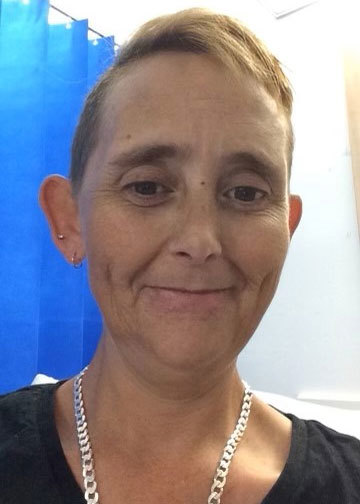
However, medical experts now say the disease could be even more common than we think, with about half of people with PAD showing no symptoms at all, leading to under-diagnosis and under-treatment.
If it's left untreated, the disease can cause pain, ulceration and gangrene – with some severe cases of PAD even leading to amputation.
This is what happened to Slater, who was told she had an especially severe case of PAD by the time she was diagnosed.
For almost three years, doctors fought to save Slater's leg, but ultimately conceded defeat.
"(My doctor) said to me, 'We've got to make a decision – your leg is dying. What are we going to do? She said, 'The only thing I can think of is amputation' and I said, 'Let's do it.'"
What followed was a nightmarish six months for Slater in 2019 and 2020, when she endured six operations over six months.
"I had a blockage in my thigh, so with each surgery I've had to have more and more of my leg taken. I've now got about a hand width between my groin and what's left of my leg," she said.
Slater is no stranger to serious health scares. A decade ago she was diagnosed with stage 4 uterus cancer and given just a seven percent chance of survival. Now, she is determined to beat the odds again and says she has no regrets about deciding to amputate her leg.
"It saved my life in doing it, big time," she said.
"I'll do anything to protect my heart. I'd rather have no leg than no life".
Do you have a story? Contact reporter Emily McPherson at Sign up here to receive our daily newsletters and breaking news alerts, sent straight to your inbox.