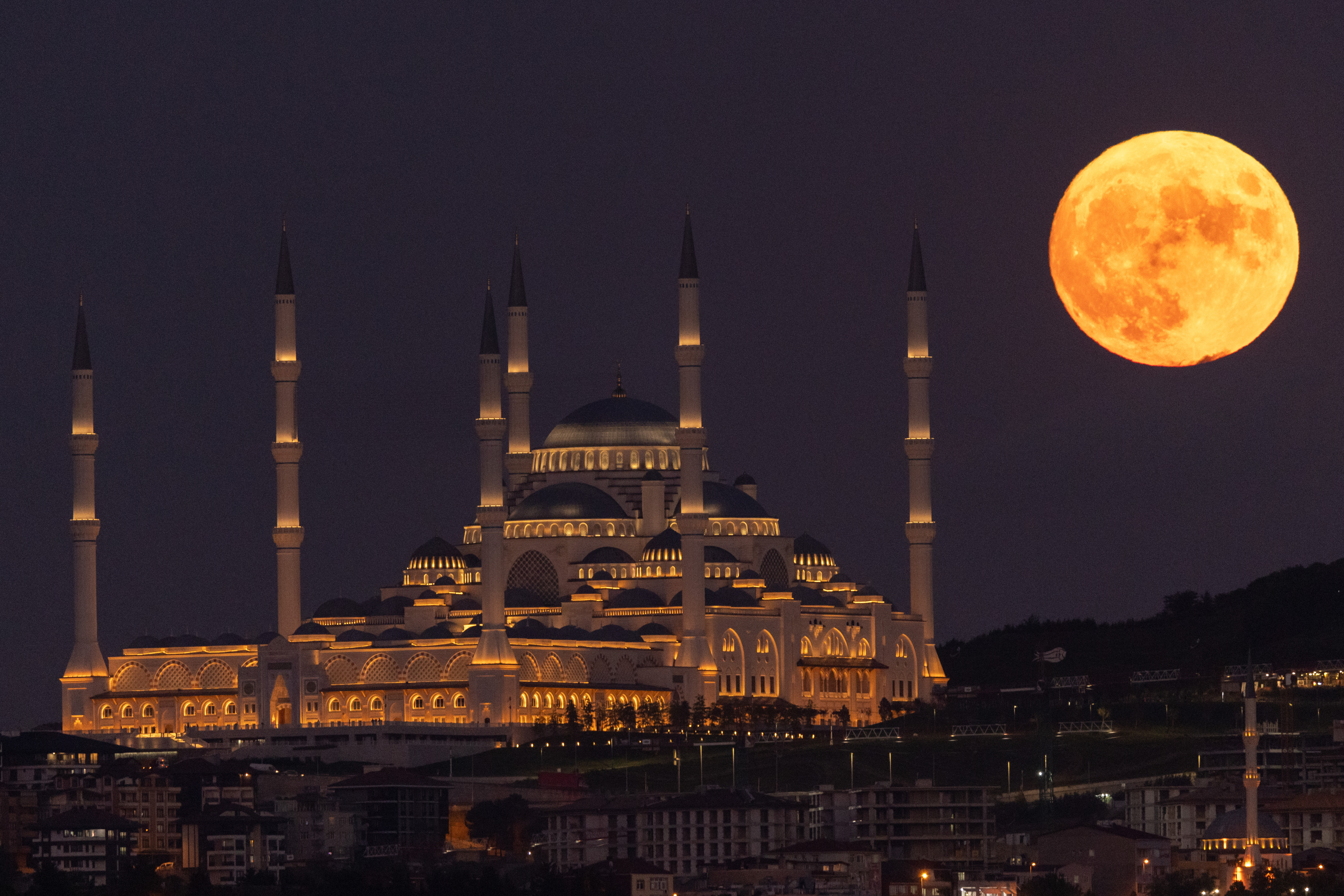
For the first time in a long time, August this year will have the unusual distinction of having two sturgeon supermoons.
That phrase might be meaningful for astronomers and astrologers, but what does it mean for us?
What is happening in August?
There will be a full moon on the early morning on August 2, Australian time.
Then close to midday on August 31, there will be a second full moon, known as a blue moon.
A blue moon is simply the name for a second full moon taking place within a calendar month.
READ MORE: How to get up to 16 days off over Christmas with as little as seven annual leave days
READ MORE: Victoria axes plans to host 2026 Commonwealth Games
Because there are 28 days between full moons and months are only a few days longer than that, it is rare for a blue moon to take place.
Hence the term, once in a blue moon.
What makes this month even more unusual is that both of those full moons will be supermoons.
What is a supermoon?
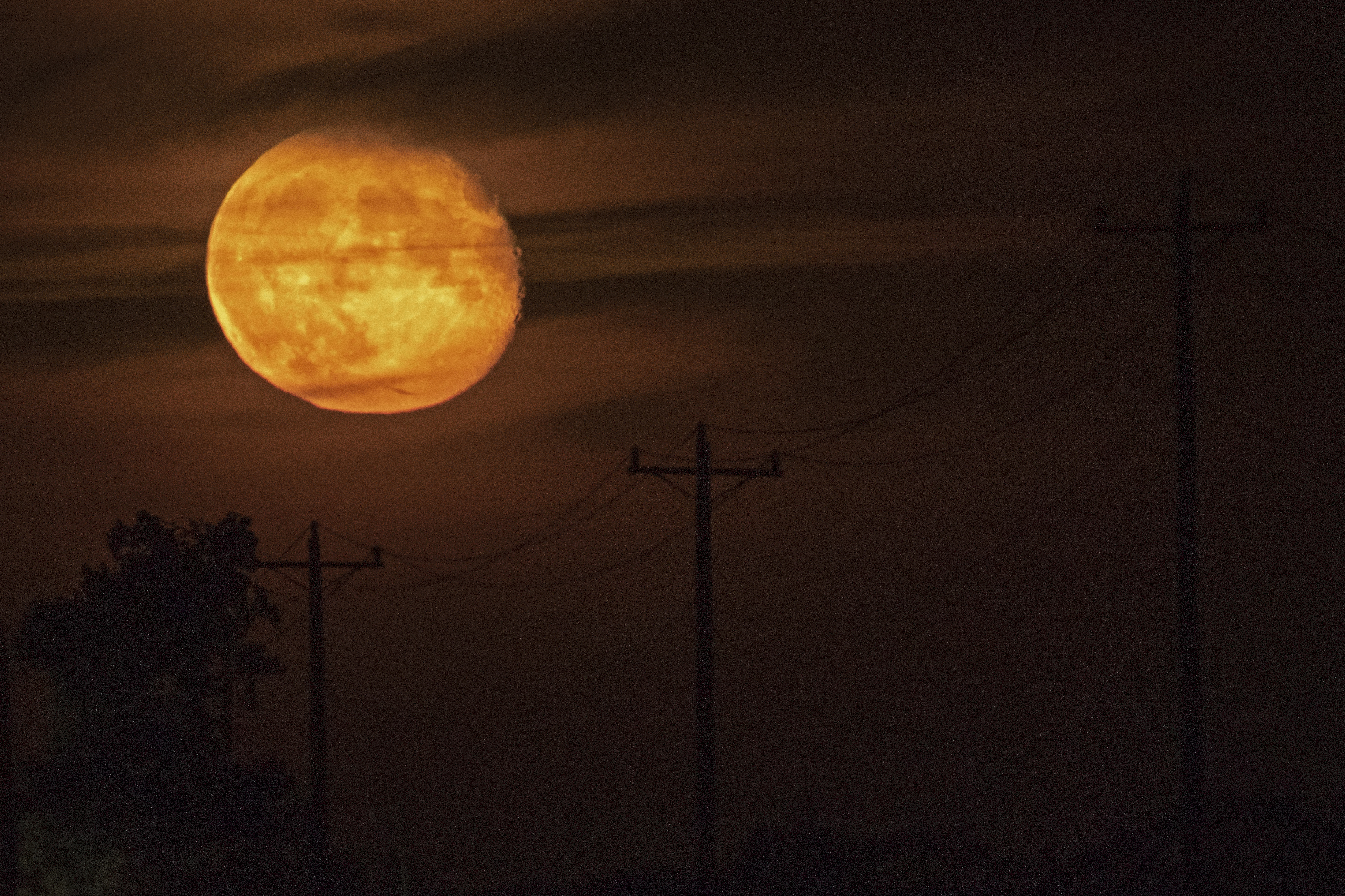
While there isn't a single definition of "supermoon", the term typically refers to a full moon that can stand out more than others because it is within 90 per cent of its closest orbit to Earth.
Due to their proximity, super moons can appear up to 16 per cent brighter and seven per cent larger than a 'normal' full moon.
While both sturgeon moons will be big, the second will be the biggest of the year.
READ MORE: Giant mystery object washes up on Aussie beach
Why is it a 'sturgeon' moon?
Supermoons don't actually come in different varieties, but historically, they would be given different names to help track the months and seasons.
The name "sturgeon moon" comes from the Old Farmer's Almanac, first published in the US in 1792.
The August moon was nicknamed the "sturgeon moon" because it was typically when the largest catches of sturgeon were made in North America.
A sturgeon is a large fish critically endangered in parts of the Northern Hemisphere, caught for its eggs, known as caviar.

Under UK law, all sturgeons in British waters are considered the property of the monarchy.
The Almanac claims that the moon nicknames derive from colonial and Native American sources, with different interpretations possible.
For example, January is the "wolf moon", but also the "Canada goose moon", "cold moon" and "spirit moon".
READ MORE: Gas stoves are in homes all over Australia. And the evidence says they're making kids sick
Sign up here to receive our daily newsletters and breaking news alerts, sent straight to your inbox.