Tiana Offord is a massive fan of the TV show Gilmore Girls.
So much so that the 20-year-old university student from Brisbane estimates she has seen all seven seasons of the comedy-drama TV series – currently being streamed on Netflix – at least ten times over.
"I would say more than once a year I rewatch the whole series," Offord says.
"It's just on a constant rotation in my lounge room."
READ MORE: Federal MPs to get biggest pay rise in last decade
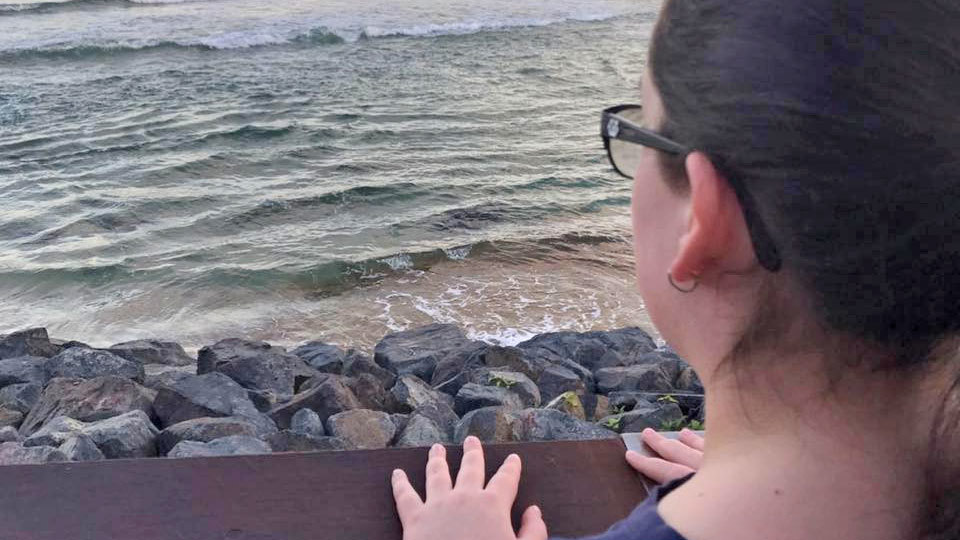
But, even after all those viewings, there are some key moments of the popular TV show's plot that Offord is still finding out she's missed.
That's because Offord is blind, and there is no audio description available for Gilmore Girls.
Audio description works like an extra track that is layered over the original audio of a show or movie.
For blind or vision-impaired people it's been labelled a "game changer" because it describes what is happening on a screen when there's no dialogue.
"In Gilmore Girls, there are a lot of scenes where there's just music in the background while things happen," Offord – who was born without vision due to optic nerve hyperplasia, said.
"People keep telling me things that I had no idea happened," she said, adding that, for years, she mistook a dream sequence in a Gilmore Girls episode for something that happened in real life to one of the characters.
READ MORE: Elton John hospitalised after 'slip' at home
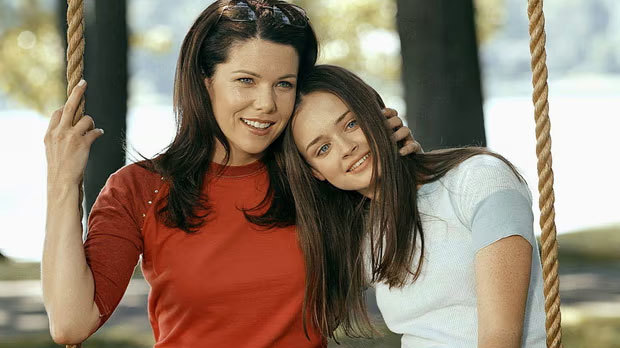
Audio description technology has been around for about 15 years now, and it has grown more and more popular.
Many new TV shows and movies have audio description and Netflix has its own delivery platform to allow viewers to select the option from its audio and subtitles menu.
Other streaming service platforms like Stan, owned by Nine Entertainment Group which is the publisher of this website, also has audio description available for some newer shows.
However, Offord said a lot of the older TV shows like Gilmore Girls, which first aired more than 20 years ago in 2000, had frustratingly missed the window for audio description.
It was a situation that prompted Offord to start an online petition calling on Netflix to add audio description to its offering for Gilmore Girls. The petition has so far attracted around 2500 signatures.
Offord said another popular and classic TV show that other blind or vision impaired people were missing out on because there were no audio descriptions available was Friends.
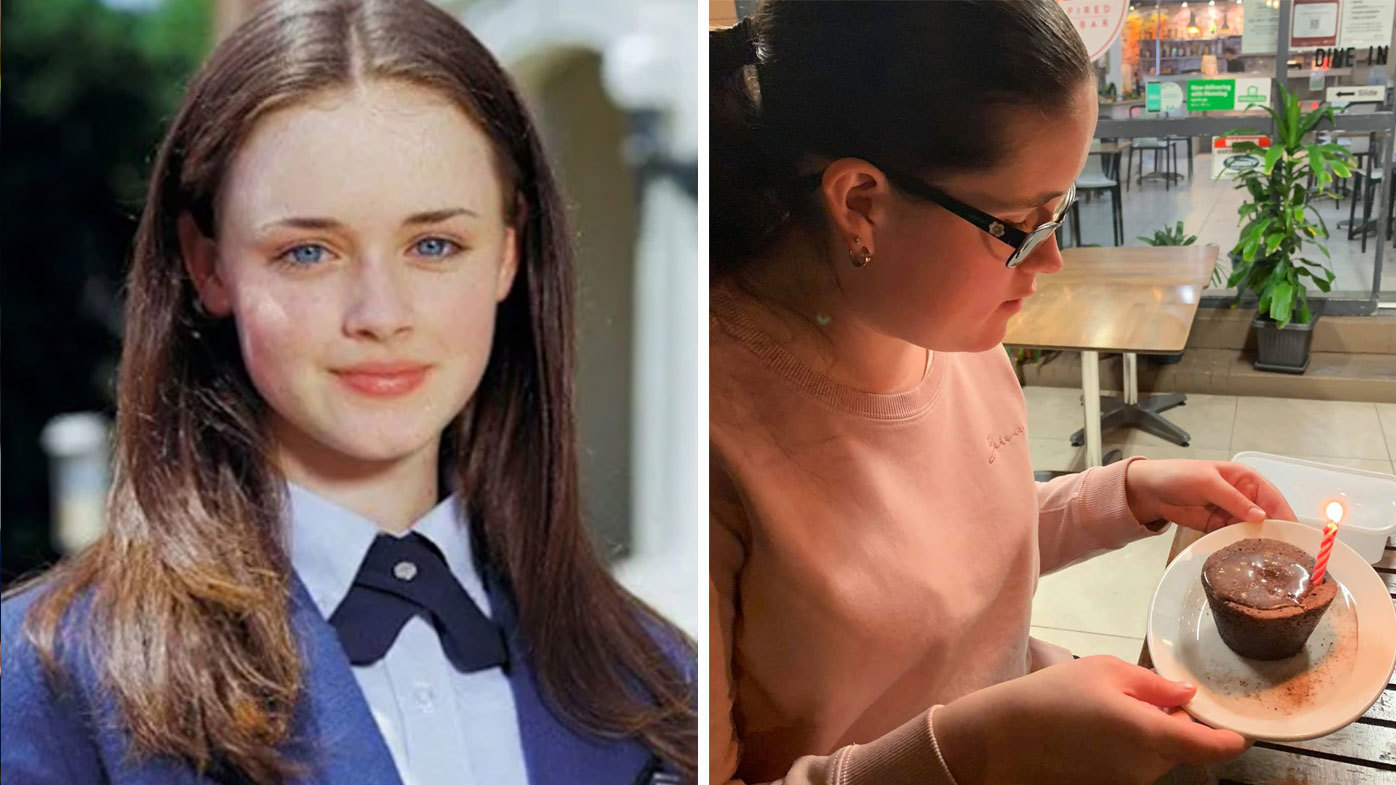
"You've got shows like Friends, which is massive, but there is still no audio description for it. It's sad, because I would love to watch that show," she said.
"I just think this is something that people who can see don't realise how it can be for a blind person to actually enjoy television, in the way that sighted people can every day," she said.
"I think having one show like Gilmore Girls audio described could be the stepping stone to having other shows auto described and lead to a more inclusive television experience overall."
A spokesperson for Netflix declined to comment to 9news.com.au on Offord's petition, but pointed to a statement on its website that said audio description is "available for most Netflix original titles and many other TV shows and movies".
"We are always working with studios to make them available for more titles," the statement said.
9news.com.au contacted Warner Bros., the studio behind Gilmore Girls, but is yet to receive a response.
Chris Edwards is the director of government relations and advocacy at Vision Australia – and is also blind himself.
Do you have a story? Contact reporter Emily McPherson at em********@******om.au