When Stephanie Miller was diagnosed with Attention-Deficit/Hyperactivity Disorder (ADHD) last year, she knew she wanted to speak about it on social media.
She also knew she had to be careful.
The influencer and entrepreneur, better known online as @stephclairsmith, grew up believing the worst myths about ADHD and had seen those myths spread on social media as an adult, even by people with lived experience.
READ MORE: Gold Coast retirement village becomes first with private 5G network
The last thing she wanted was to accidentally contribute to that misinformation.
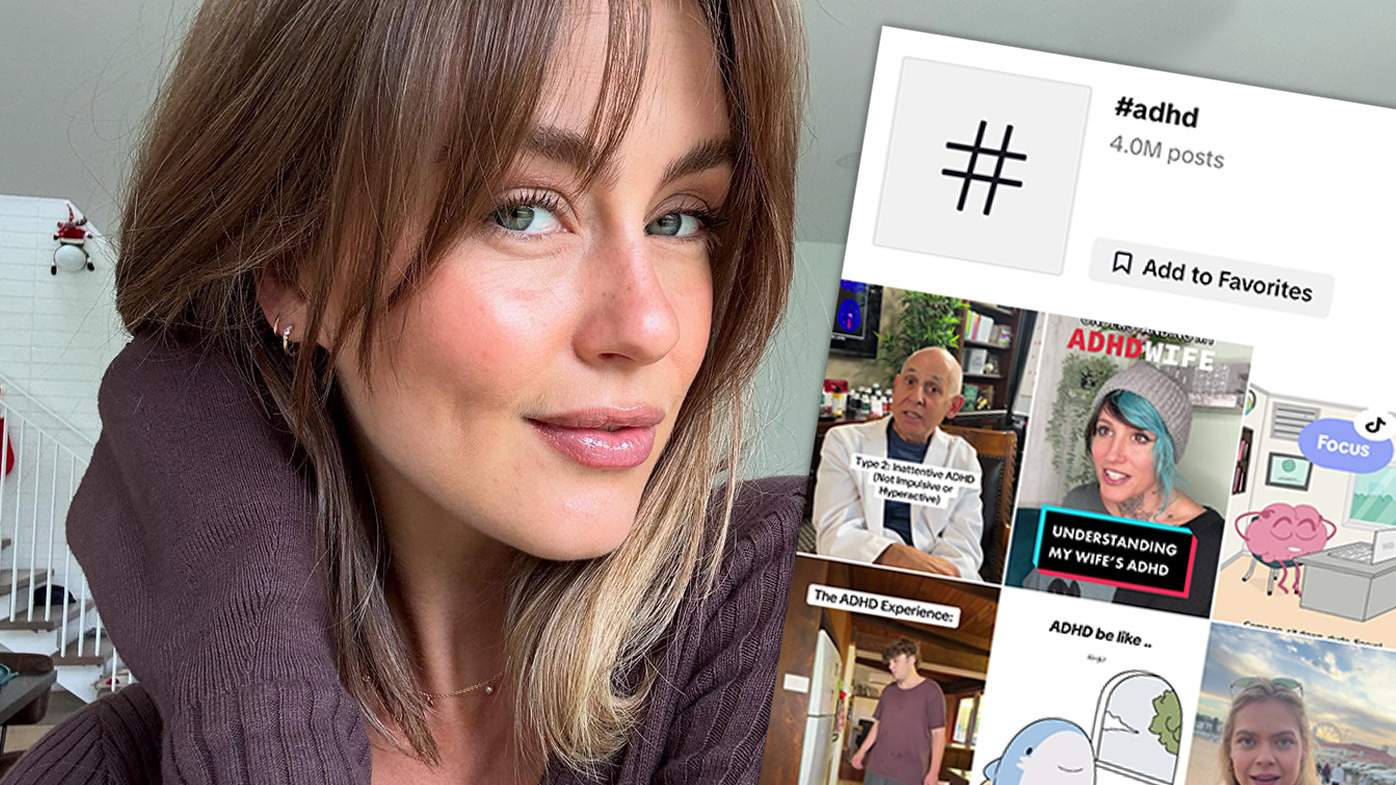
Miller was right to be cautious, as new research published in the PLOS One journal found that more than half of the most popular TikTok videos about ADHD contain misinformation.
Researchers at the University of British Columbia, Canada analysed the 100 most popular TikTok videos with the #ADHD hashtag and found that fewer than half of the claims made about ADHD in the videos were in accord with the Diagnostic and Statistical Manual of Mental Disorders, which is used for clinical diagnosis.
The study suggests that misinformation about ADHD symptoms is common on social media and that may be affecting users' perceptions of ADHD.
Have you got a story? Contact reporter Maddison Leach at Google Play.