Children who use social media more often are likely to have lower cognitive function than their peers, a new US study has claimed.
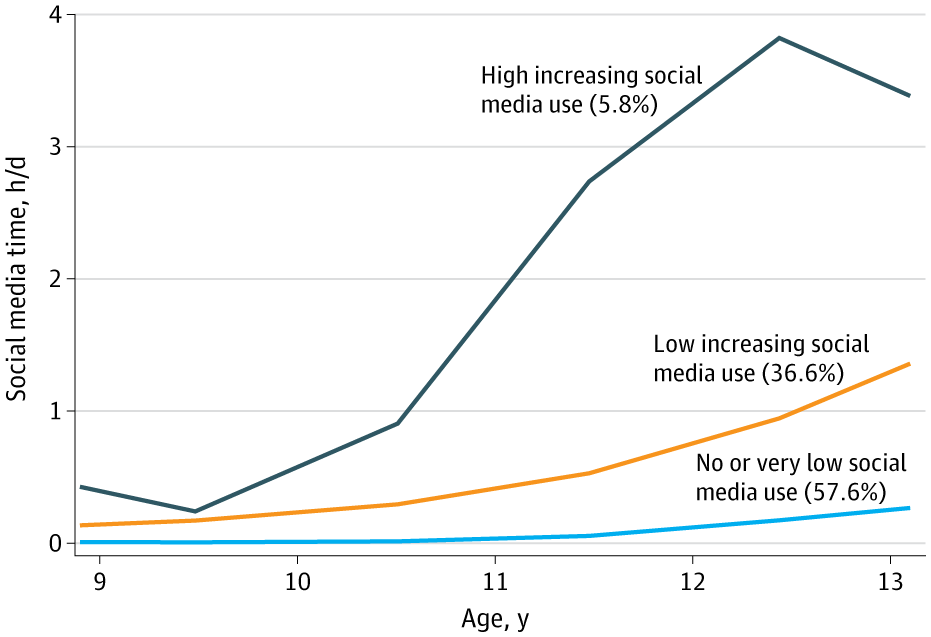
The study, published in the JAMA network, found children who increased their social media use between the ages of nine and 13 performed worse than their kids with less social media usage.
Thousands of kids were categorised into groups based on their social media usage, and then tasked with completing a range of memory, reading and vocabulary tests to chart whether social media usage impacted cognitive abilities.
READ MORE: Joy, relief and jubilation as Israeli hostages and Palestinian prisoners and detainees given freedom

For example, children with zero or low social media usage scored an average of 103.5 in an oral reading recognition test, whilst kids with low increasing usage and high increasing usage scored 99.4 and 96.7, respectively.
The study found social media usage remains low at the age of nine, but increases dramatically as kids turn 12 years old and enter high school.
"This analysis found that both low and high increases in social media use throughout early adolescence were significantly associated with lower performance in specific aspects of cognitive function," the authors of the study wrote.
"The finding that even low levels of early adolescent social media exposure were linked to poorer cognitive performance may suggest support for stricter age restrictions."
READ MORE: Whip-sawing temperatures to see millions bake while others freeze
The findings come as Australia prepares to implement its world-first social media ban on children under the age of 16.
Communications Minister Anika Wells fronted media today to launch an advertising campaign ahead of the ban being enforced from December 10.
Wells claimed it was important for kids impacted by the ban to watch the campaign to get a greater understanding as to why it is going ahead.
READ MORE: 'Warm and loving' teen killed on way to school was days from starting his first job
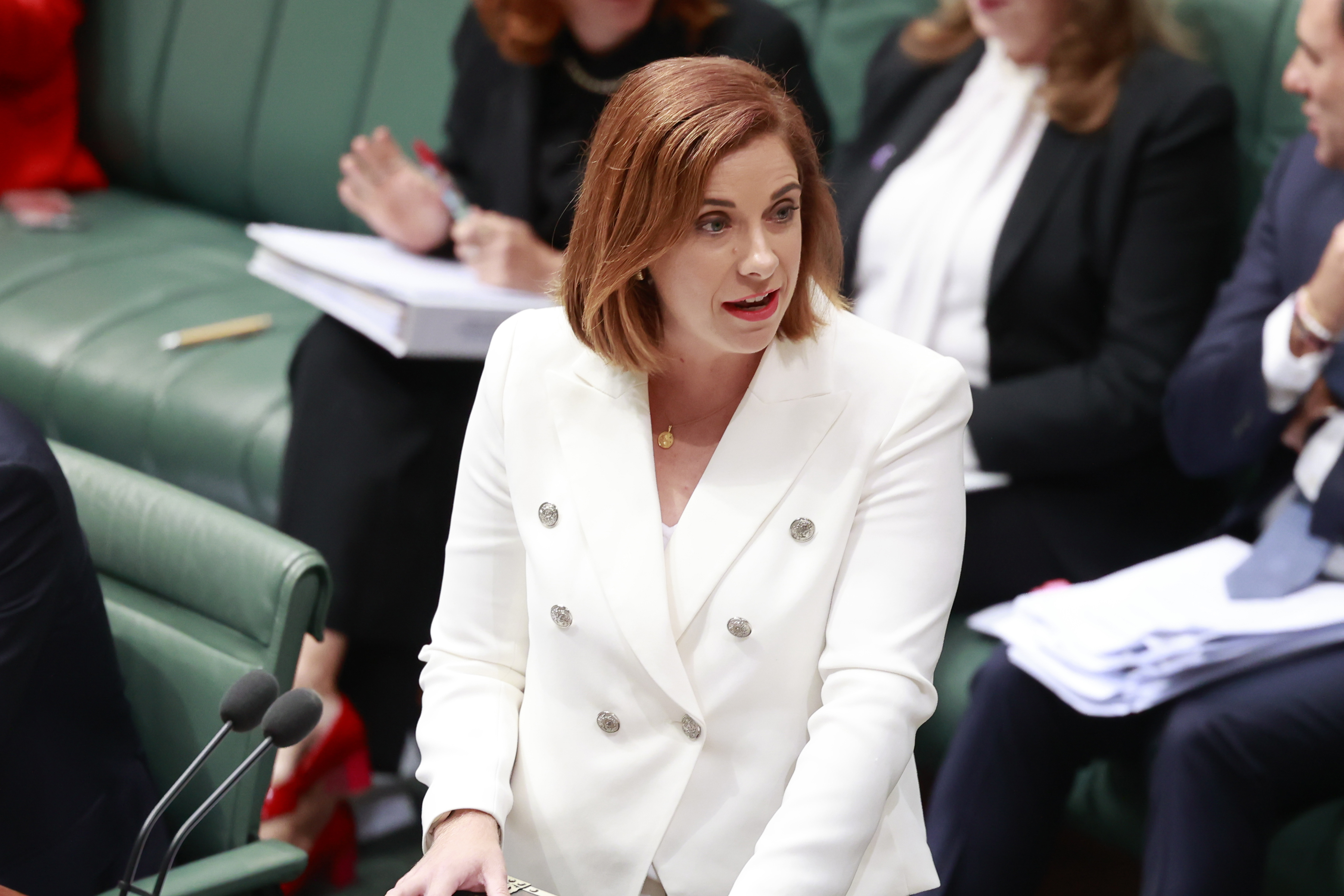
"They'll see it on TV, they'll see it online, they'll see it ironically on social media, because until the 10th of December, it is legal for kids to be on social media," Wells said.
"And if that's where they are, that's where we need to talk to them about what this means and why we're doing it."
The ban is still receiving backlash from some of the world's biggest social media companies, with officials from Google warning a Senate committee yesterday of the potential negative impacts.
"Forcing kids to use YouTube without an account removes the very parental controls and safety filters built to protect them," Rachel Lord, Google and YouTube's public policy and government affairs manager, said
"It's also the ability of parents to set up supervised accounts for their children."
DOWNLOAD THE 9NEWS APP: Stay across all the latest in breaking news, sport, politics and the weather via our news app and get notifications sent straight to your smartphone. Available on the Apple App Store and Google Play.