With fuel prices rocketing and supplies tightening, the world's energy watchdog is now urging Australians to work from home, as conflict in the Middle East threatens global oil supply.
The International Energy Agency has issued a warning as diesel hits a record three dollars a litre.
In its list of 10 recommendations, the watchdog has also urged Australians to slow down on the roads, avoid air travel and carpool to work or take public transport.
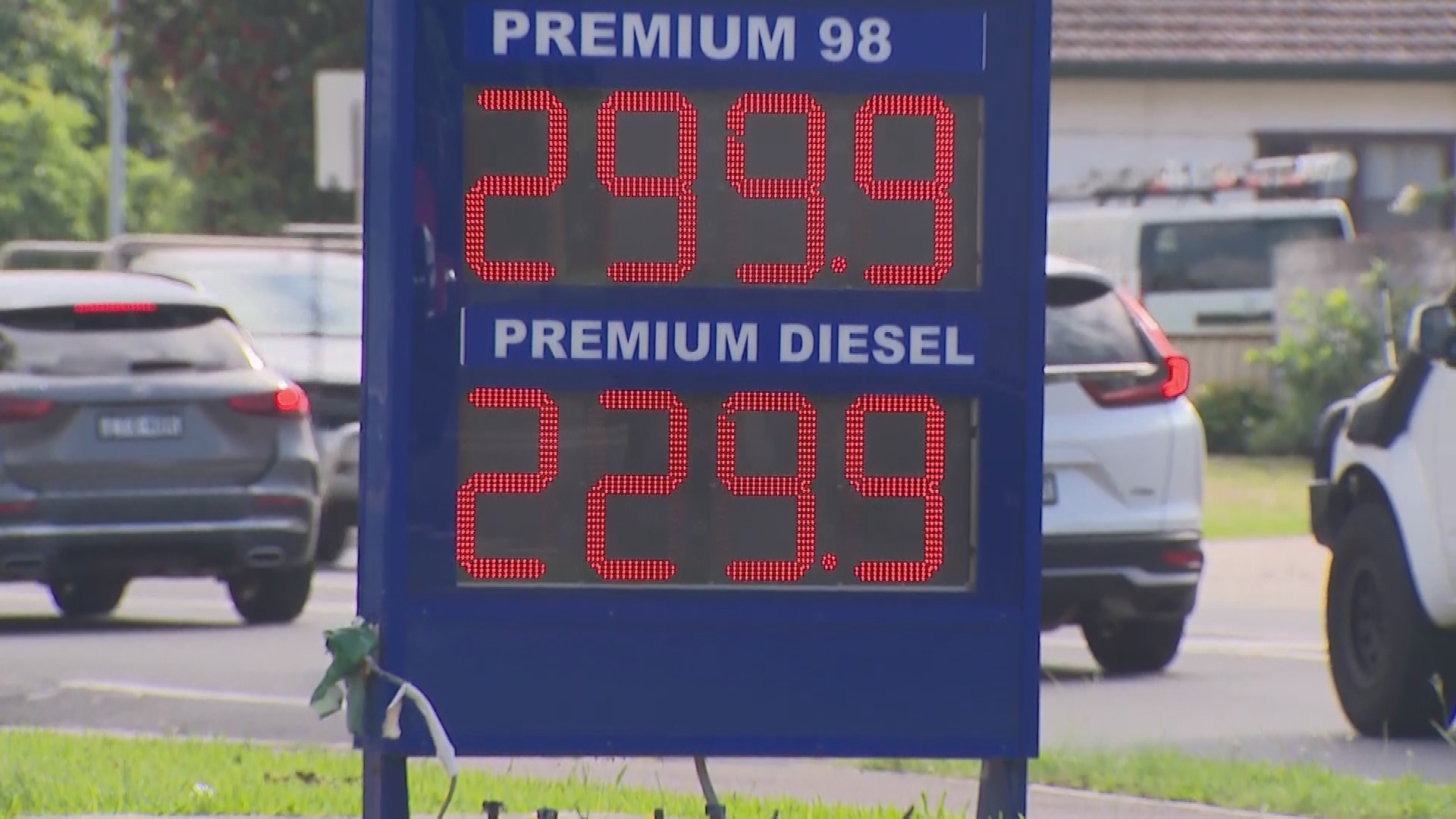
This morning, the cheapest petrol in Australia was in Perth, at $2.19 a litre, and Melbourne was the most expensive place to fill up at $2.99 a litre in Hawthorn.
Some petrol stations in Kingsbury in Melbourne's North are charging $3.10 a litre.
The next most expensive petrol in Sydney is in Lewisham, at just over $2.79.
The nation's average is currently sitting at $2.45 a litre with little relief in sight due to the escalating conflict in the Middle East.
Prime Minister Anthony Albanese said the calls for people to ease up on fuel use was not a direct aim at Aussies.

"They're not suggestions to us of course, they're suggestions to the world," he said.
He said Australia's fuel supplies have not dropped and deliveries have been made as expected.
"[What] we know is that there hasn't been less supply over the last few weeks. There have been issues of distribution," he said.
"We need to identify where there are shortages and get the fuel to where it's needed."
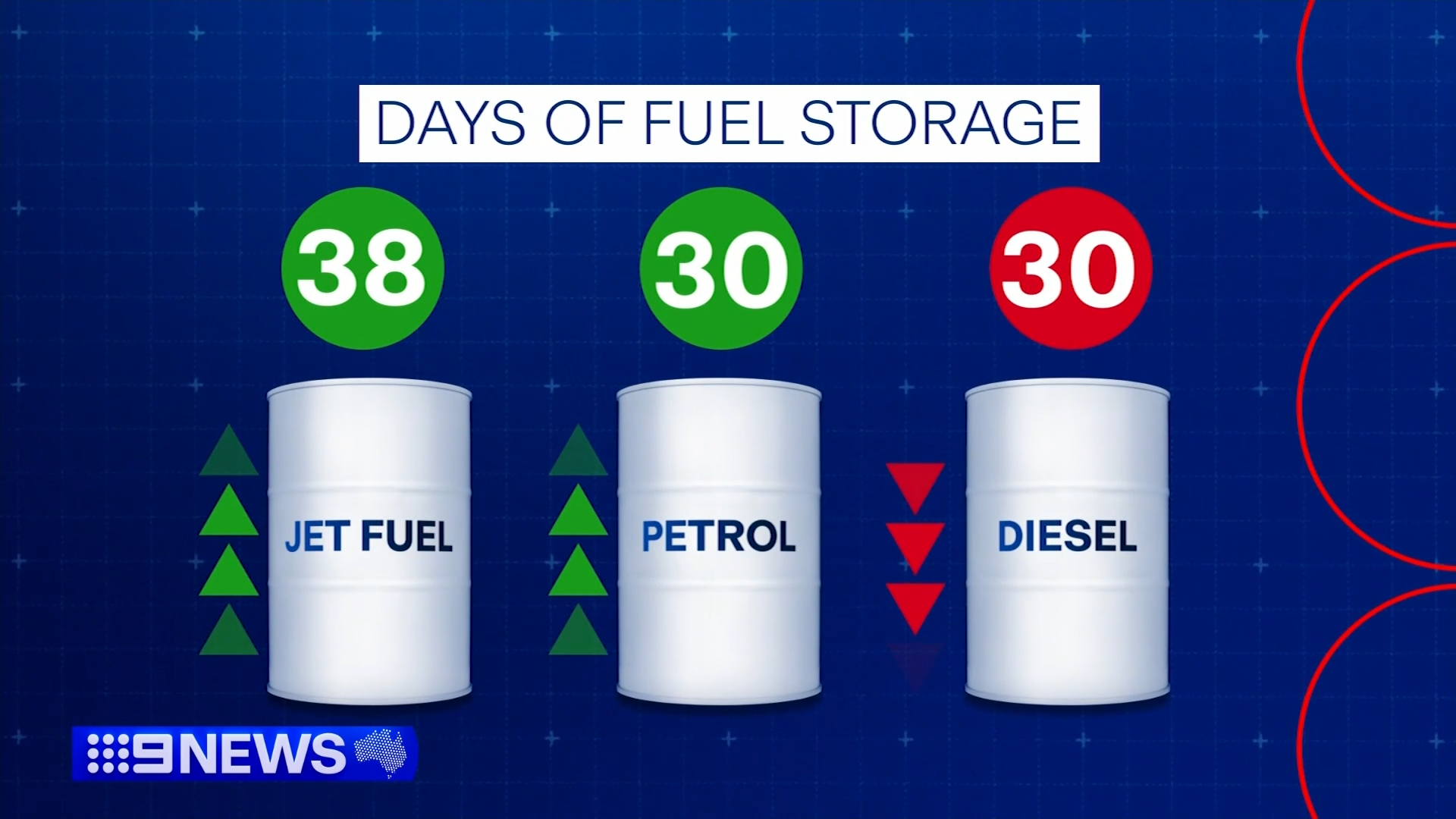
However, new directives could come into play as current petrol supplies are set to run dry at the end of April.
"Obviously there will need to be some arrangements made, if this situation continues," Emergency Management Minister Kristy McBain said.
Albanese dismissed any idea of fuel rationing saying that would be up to states and territories anyway.
He made a fresh call for Aussies not to hoard any fuel.
"There's no case for hoarding," he said.
The opposition has called for transparency.
"We need to see the government come out and clearly communicate with the Australian people what fuel supplies we have, and where our future fuel supplies are coming from," Liberal Senator Paul Scarr told Today.
READ MORE: Hollywood action hero Chuck Norris dies after being rushed to hospital in Hawaii, aged 86
"We need to make sure that diesel flows through to our farmers, and that's really incredibly important to make sure that we get the food on the table and we support all of our productive industries."
In an urgent decision, the ACCC has allowed fuel companies to collaborate and coordinate fuel supply.
"This is part of the government's decisive action to make more fuel available to industry and households and keep fuel flowing to where it's most needed, including the bush," Treasurer Jim Chalmers said.
READ MORE: Crisis escalates as petrol stations across NSW run out of fuel
"It's really important that the big players in the fuel markets don't treat this as a chance to disadvantage the independents who play a vital role, including in regional Australia."
The decision will allow fuel companies to exchange and coordinate information surrounding the fuel supply across the country to prevent shortages without breaching competition laws.
However, fuel suppliers are still not allowed to share information or reach agreements on fuel prices.
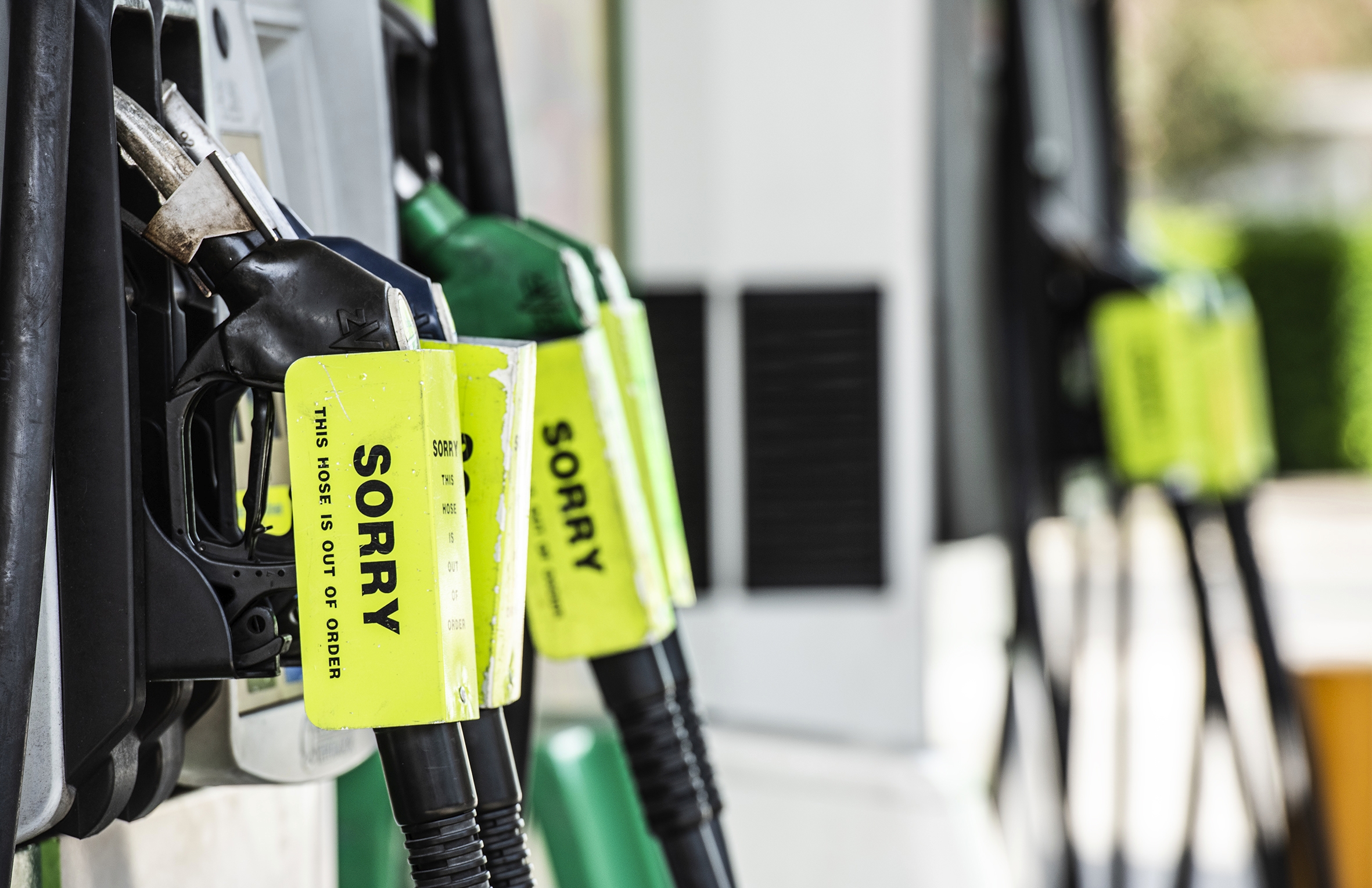
The call comes as NSW Premier Chris Minns announced yesterday that about 80 petrol stations in the state were without diesel and about 40 had no petrol at all.
The International Energy Agency's full list of recommendations:
1. Work from home where possible
Displaces oil use from commuting, particularly where jobs are suitable for remote work.
2. Reduce highway speed limits by at least 10 km/h
Lower speeds reduce fuel use for passenger cars, vans and trucks.
3. Encourage public transport
A shift from private cars to buses and trains can quickly reduce oil demand.
4. Alternate private car access to roads in large cities on different days
Number-plate rotation schemes can reduce congestion and fuel-intensive driving.
5. Increase car sharing and adopt efficient driving practices
Higher car occupancy and eco-driving can lower fuel consumption quickly.
6. Efficient driving for road commercial vehicles and delivery of goods
Better driving practices, vehicle maintenance and load optimisation can cut diesel use.
7. Divert LPG use from transport
Shifting bi-fuel and converted vehicles from LPG to gasoline can preserve LPG for cooking and other essential needs.
8. Avoid air travel where alternative options exist
Reducing business flights can quickly ease pressure on jet fuel markets.
9. Where possible, switch to other modern cooking solutions
Encouraging electric cooking and other modern options can reduce reliance on LPG.
10. Leverage flexibility with petrochemical feedstocks and implement short-term efficiency and maintenance measures
Industry can help free up LPG for essential uses while reducing oil consumption through quick operational improvements.
NEVER MISS A STORY: Get your breaking news and exclusive stories first by following us across all platforms.
- Download the 9NEWS App here via Apple and Google Play
- Make 9News your preferred source on Google by ticking this box here
- Sign up to our breaking newsletter here