A tiny find inside some three-billion-year-old rocks by NASA's Perseverance rover is adding to a growing body of evidence that life once existed on Mars.
The Perseverance rover made its way through Neretva Vallis – an ancient river channel that once carried water into a lake in a Martian crater – in 2024.
The rockbed is believed to be more than three billion years old.
MONEY: RBA to end credit card surcharges as cash usage dwindles
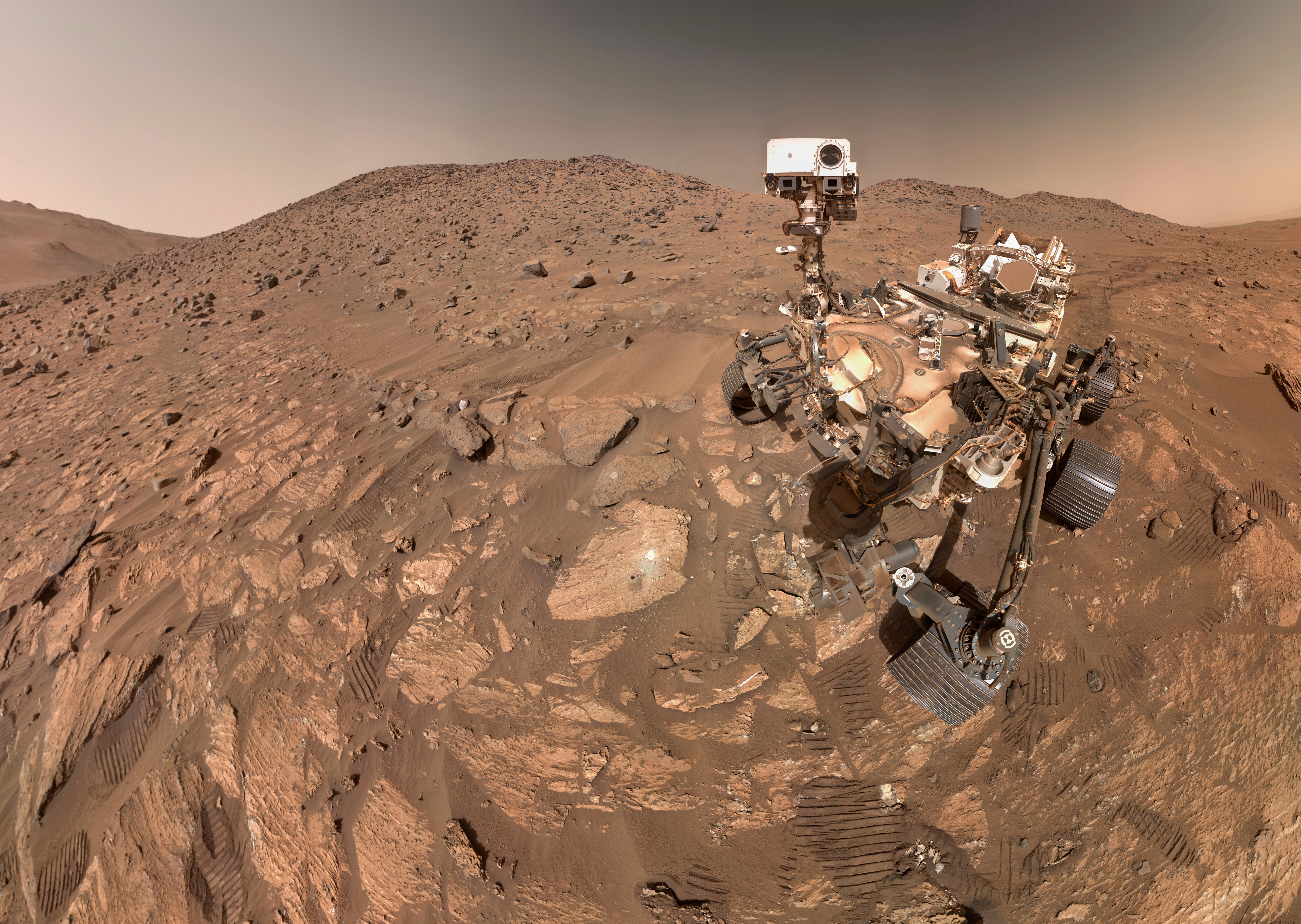
Using laser, infrared and X-ray technologies, Perseverance examined 126 sedimentary rocks and eight rock surfaces on Neretva Vallis.
A team of researchers led by Henry Manelski from Purdue University in the United States say among the discoveries was a large number of nickel-rich rocks with a similar chemical composition and shape of the iron sulfide arrangements to pyrite – sedimentary rocks found on Earth.
This is significant because previous research has found that pyrite is primarily formed by chemical reactions from living microbes.
Even if the nickel-rich rocks were not produced by microbial lifeforms, it is another point of evidence suggesting that Mars was once conducive to life.
Nickel is an essential component of enzymes in many ancient lifeforms, including archaea and bacterial species.
The find adds to a growing body of evidence that life could have once existed on the Martian planet.
It's not the first discovery that Perseverance has made on the topic.
In 2024, the rover discovered rocky "leopard spots" in the Jezero crater, indicative of ancient microbial chemical reactions.
READ MORE: Why thousands of Aussies plan to cancel their health insurance tomorrow
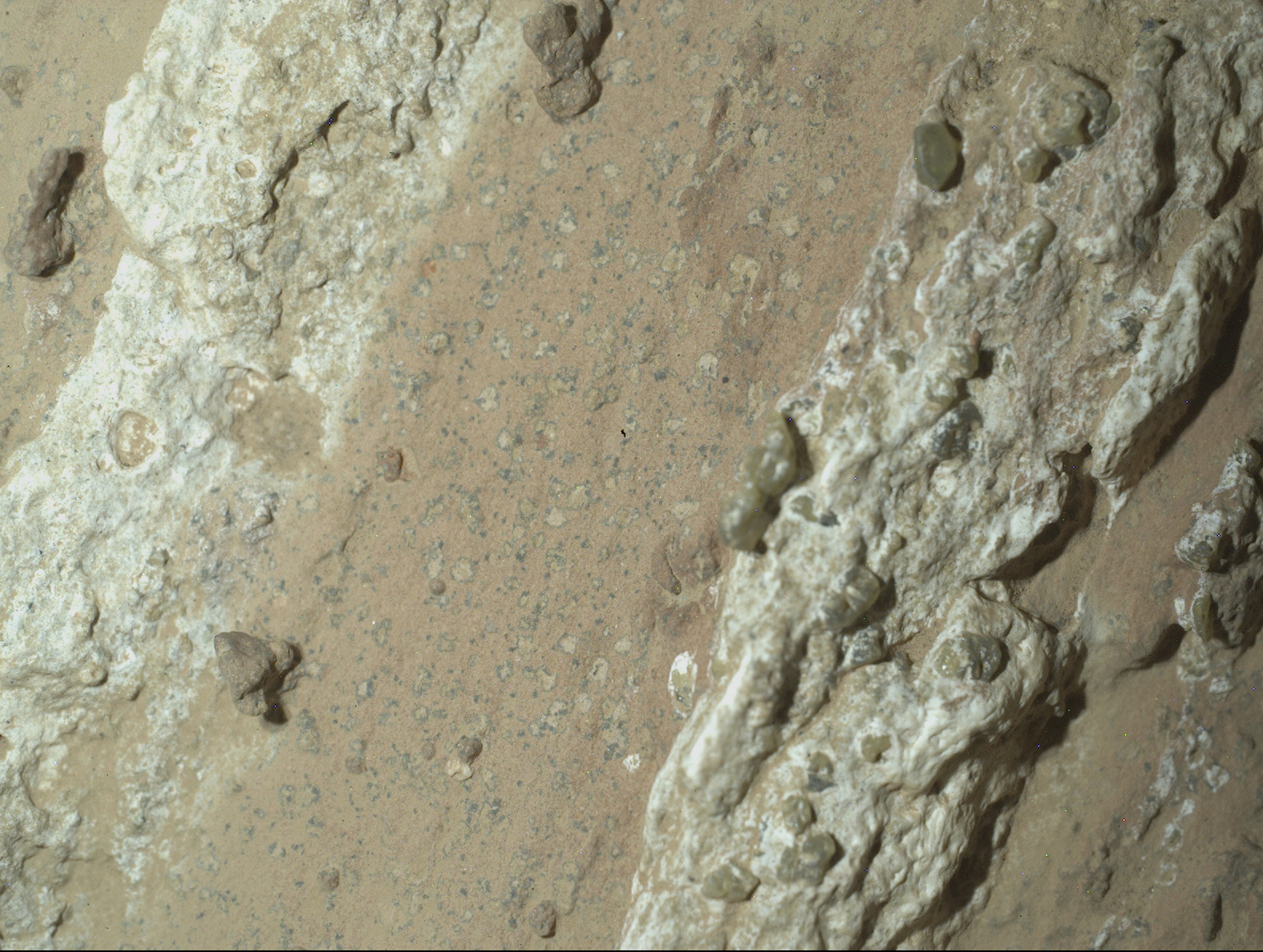
NASA's acting administrator Sean Duffy called that find "the closest we have ever come to discovering life on Mars".
"The identification of a potential biosignature on the Red Planet is a groundbreaking discovery, and one that will advance our understanding of Mars," he said at the time.
The new findings were published in the journal Nature Communications today.
NEVER MISS A STORY: Get your breaking news and exclusive stories first by following us across all platforms.
- Download the 9NEWS App here via Apple and Google Play
- Make 9News your preferred source on Google by ticking this box here
- Sign up to our breaking newsletter here