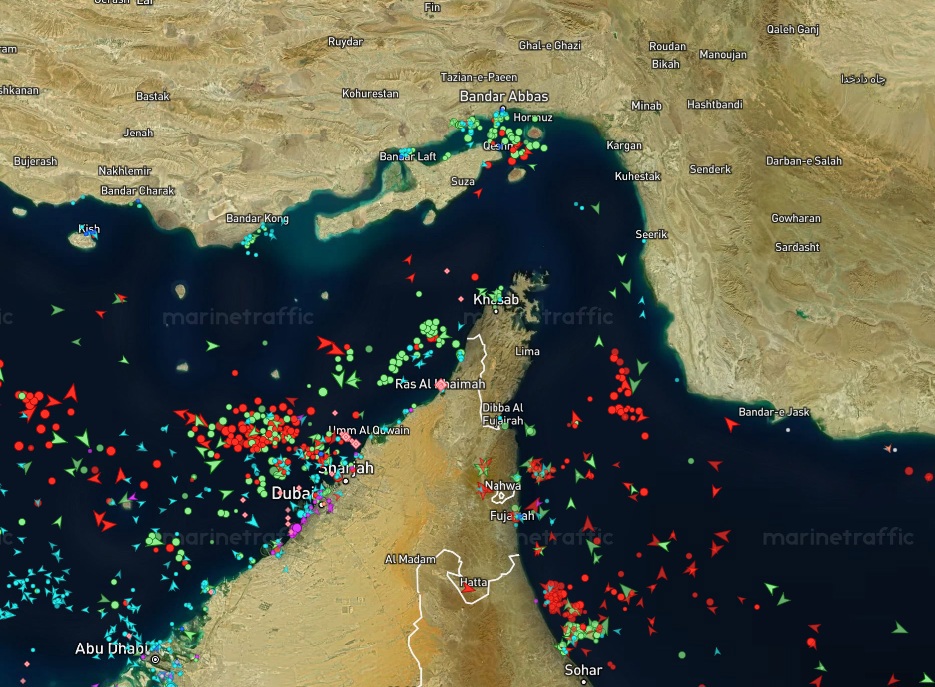
Iranian authorities have published a map of alternate shipping routes through the Strait of Hormuz which appears to suggest that sea mines have been planted in the critical waterway.
The Iranian Revolutionary Guard Corps (IRGC) shared a chart which urges commercial vessels to avoid sea mines – a type of underwater explosive – which were deployed following the US and Israel's war against Iran, Iranian state media reports.
"All ships intending to transit the Strait of Hormuz are hereby notified that in order to comply with the principles of maritime safety and to be protected from possible collisions with sea mines…they should take alternative routes for traffic in the Strait of Hormuz," the statement reads.
READ MORE: 'That's a crime': Clooney draws White House fury after Trump accusation
https://x.com/sentdefender/status/2042077140275933595
The statement was accompanied by instructions for safe entry and exit routes for ships travelling the Strait of Hormuz.
There are fears this latest development will deter ships from entering the strait.
Hundreds of vessels are believed to still be stranded as both sides of the conflict carry out strikes, despite reports of a ceasefire.
According to the Australian Strategic Policy Institute, sea mines are fairly easy to deploy and don't require much specialist support.
An unsubstantiated threat of sea mines may also be enough to bring trade through the strait to another screeching halt.
READ MORE: Australian billionaires tease huge announcement after buying up AI firms
"Sea mines offer distinct advantages as a maritime weapon. They require little training or specialist support. They are easy to deploy: they can be placed in the water from civilian boats, small craft or submarines," retired Royal Australian Navy mine warfare specialis Andy Perry wrote.
"And unlike many other naval weapons, they can be laid without direct combat interaction with an adversary, remaining dormant until activated by a passing vessels."
The US Naval Institute estimates Iran may have between 5000 to 6000 mines.
"The discovery of just one in the Strait of Hormuz would compel interested parties to assume there are many more," retired US Navy Captain Kevin Eyer said last week.
Perry said mine warfare doesn't need to leave a trail of sunken ships to be considered a successful military strategy.
"Maritime access through the strait can be shaped less by firepower and more by caution, uncertainty, and slow responses of mine countermeasures forces," he added.
The US military has previously claimed it "eliminated" Iranian mine-laying vessels near the Strait of Hormuz earlier this month.
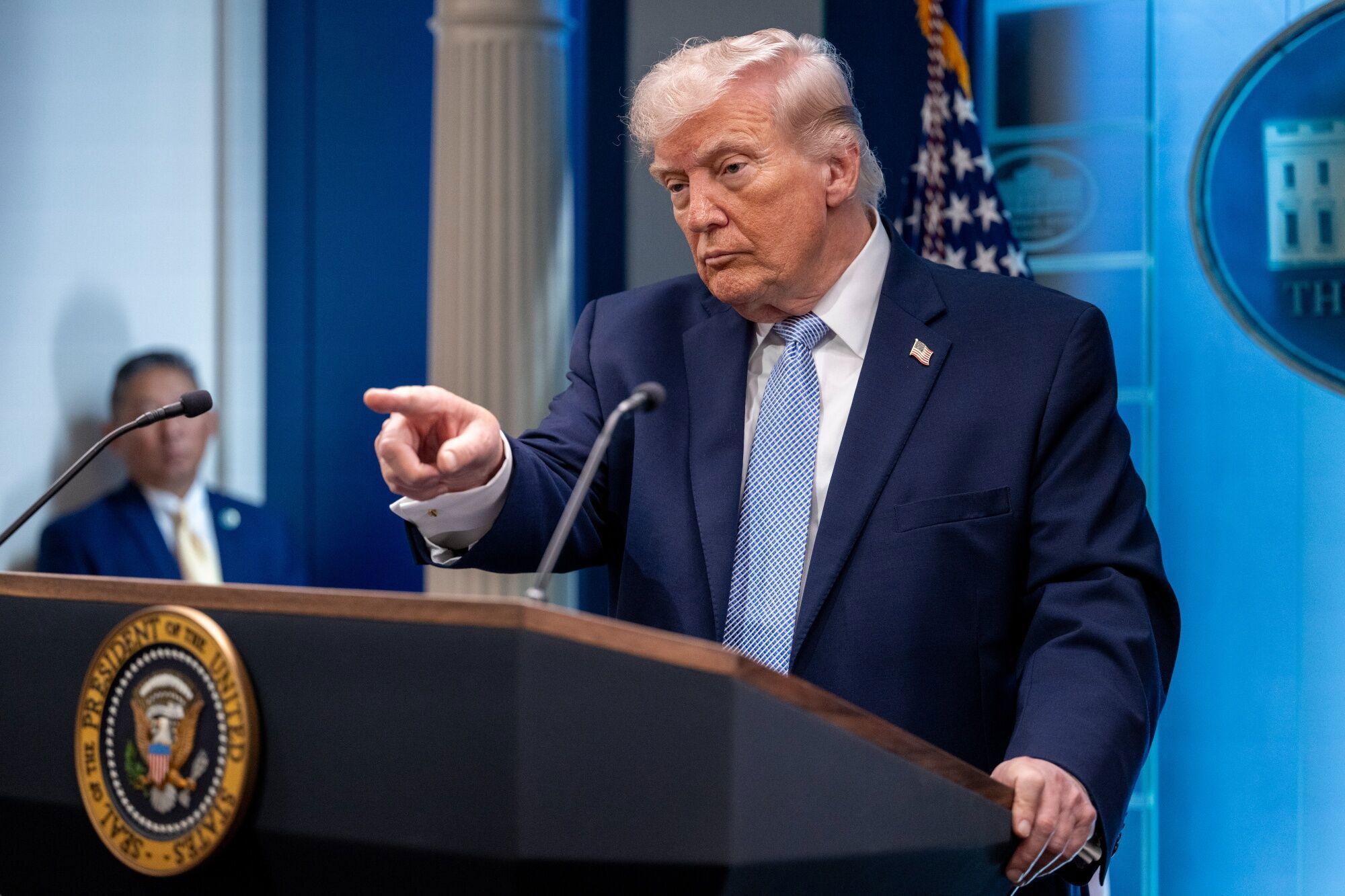
US President Donald Trump threatened severe consequences for Iran if it deployed mines along the oil chokepoint.
"If Iran has put out any mines in the Hormuz Strait, and we have no reports of them doing so, we want them removed, IMMEDIATELY!" he wrote on Truth Social.
He said the US was deploying the same technology used against drug traffickers to "permanently eliminate any boat or ship attempting to mine the Hormuz Strait."
Trump later claimed the US had hit "and completely destroyed" a number of "inactive mine laying boats and/or ships".
NEVER MISS A STORY: Get your breaking news and exclusive stories first by following us across all platforms.
- Download the 9NEWS App here via Apple and Google Play
- Make 9News your preferred source on Google by ticking this box here
- Sign up to our breaking newsletter here