Australian motorists are being warned cheaper fuel prices won't become immediately apparent at the bowser despite the price of crude oil dropping after the Iran-US ceasefire.
Brent crude oil, the international standard, tumbled 13.3 per cent to US$94.75 per barrel overnight. It had briefly topped US$119 when worries about the war with Iran were at their highest, but it's still above its roughly US$70 price from before the war.
But experts and the federal government say it will take time for reductions in the price of petrol and diesel to flow through to Australian service stations.
LIVE UPDATES: Iran closes Strait of Hormuz again in response to Israeli attacks
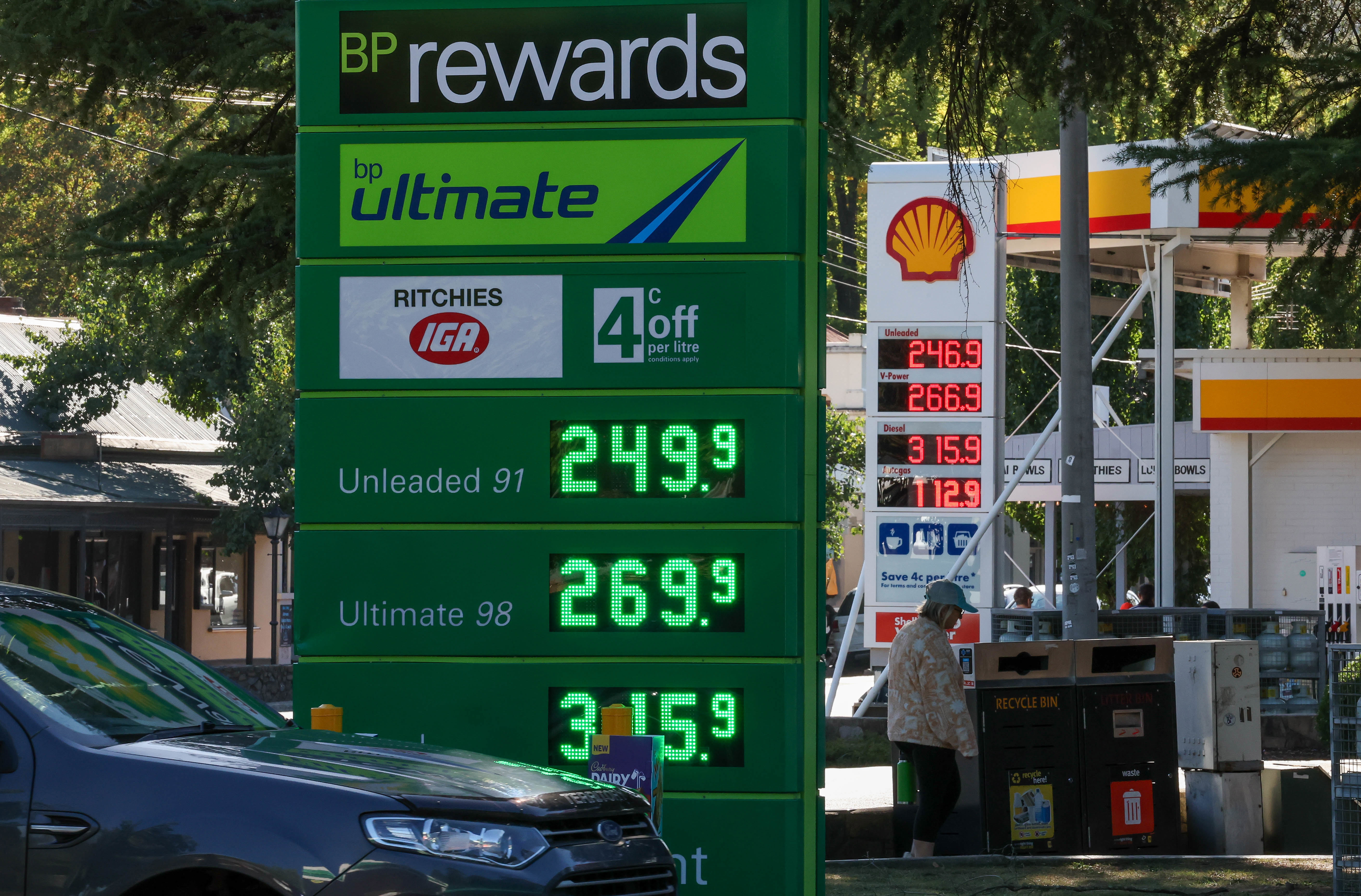
NRMA spokesman Peter Khoury said that after yesterday's ceasefire announcement, it was the news motorists had been waiting for.
"If the ceasefire is sustained, then yes, we expect oil prices to fall, and that will start to flow on at the bowser. It will take a little bit, but flow on it will."
Khoury said it had historically taken seven to 10 days for changes in global oil prices to be reflected at the bowser.
Given the pace at which prices rose in the early stages of the war, he said there was the expectation any reduction "needs to be much quicker".
Foreign Minister Penny Wong said today it could be some time for petrol prices around the country to come down, after the Strait of Hormuz – which carries about one-fifth of global oil supplies – has again been closed.
READ MORE: Global oil prices plunge and ASX enjoys sharp rise after Trump abandons threat
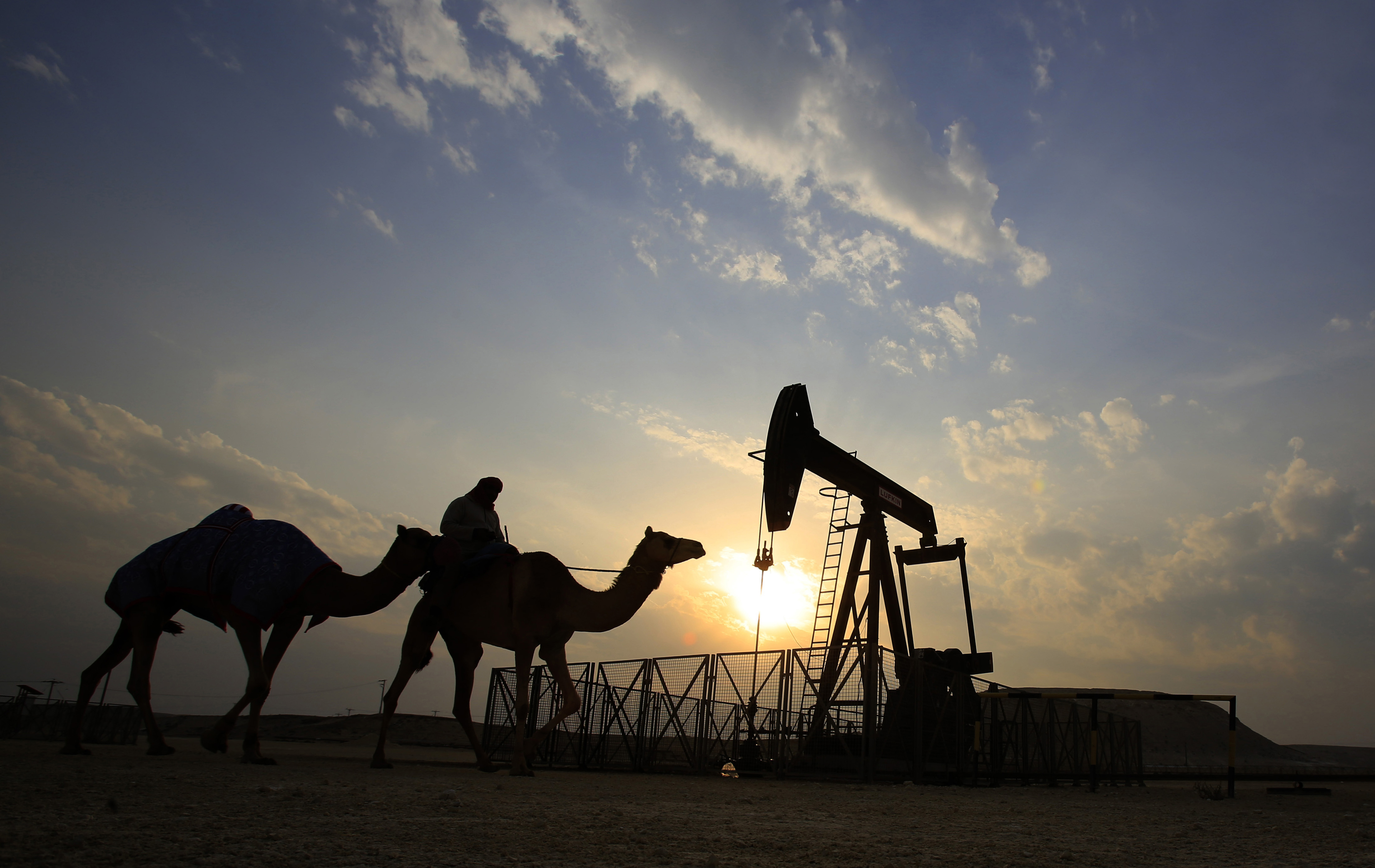
"My answer is, we want it to be as soon as possible but I think the hard reality is this may take some time," she said of the prospect of relief at the bowser.
Swinburne University of Technology transport expert Professor Hussein Dia warned closing and reopening the Strait of Hormuz could lead to an oscillating global oil price.
"When a key area like the Strait of Hormuz is repeatedly closing and reopening, it creates a high level of uncertainty in global energy market," said Dia.
"Markets respond very quickly to risk. Each time there is a disruption or threat of disruption, a risk premium is added to oil prices. When conditions ease, that premium may fall, but not always fully or immediately."
Prime Minister Anthony Albanese today announced that Export Finance Australia has come to terms that will allow Australia's largest fuel suppliers to bring in more stock from overseas.
"This is not business as usual, importantly, this is more fuel in Australia," he said.
The PM was speaking in Brisbane before he heads to Singapore where he will discuss Singapore to discuss fuel supply options.
The city state is one of Australia's major suppliers.
NEVER MISS A STORY: Get your breaking news and exclusive stories first by following us across all platforms.
- Download the 9NEWS App here via Apple and Google Play
- Make 9News your preferred source on Google by ticking this box here
- Sign up to our breaking newsletter here