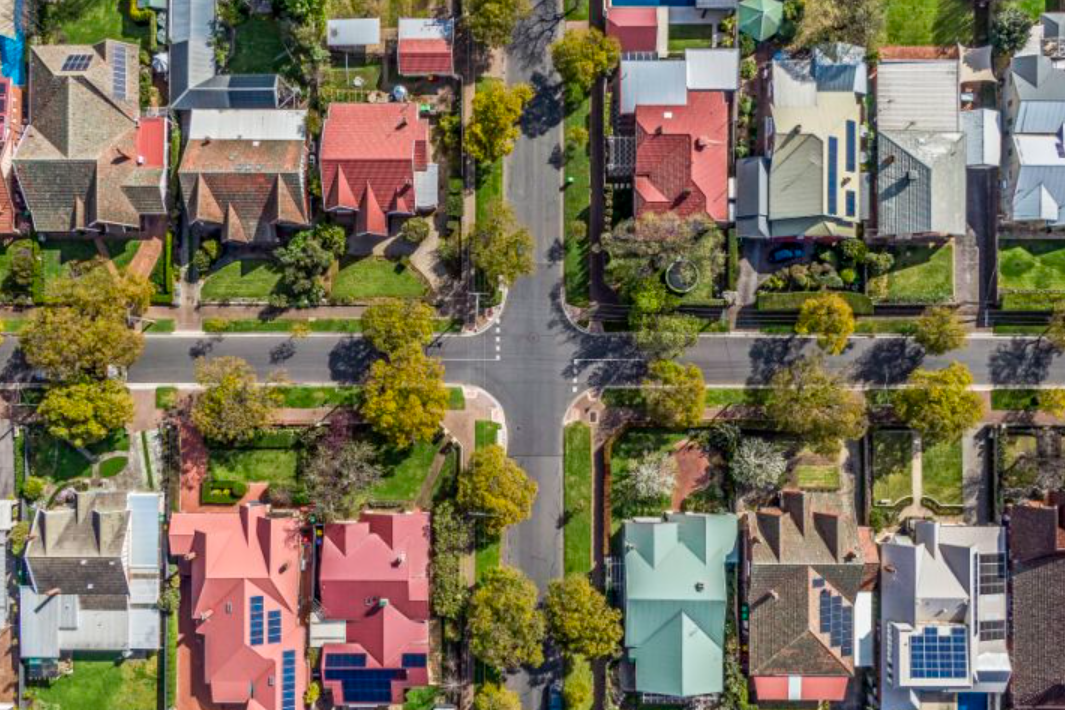
Sweeping reforms are coming for two of Australia's most controversial tax structures: negative gearing and the capital gains tax (CGT) discount.
As largely expected, the 2026 Federal Budget has delivered a twin tax blow to landlords and property investors in a bid to make it easier for Australians to buy their own homes.
The federal government has spruiked the future benefits of the negative gearing and CGT discount changes as equivalent to reversing about a decade of decline in home ownership in Australia.
WHAT'S IN IT FOR YOU? The winners and losers from the federal budget
TAX CUT FOR WORKERS: 13 million Aussies to get $250 bonus
But, if you're an investor in newly-built homes or among the lucky landlords who bought a rental property before tonight, you have escaped the brunt of the tax pain.
Negative gearing scrapped for future investors
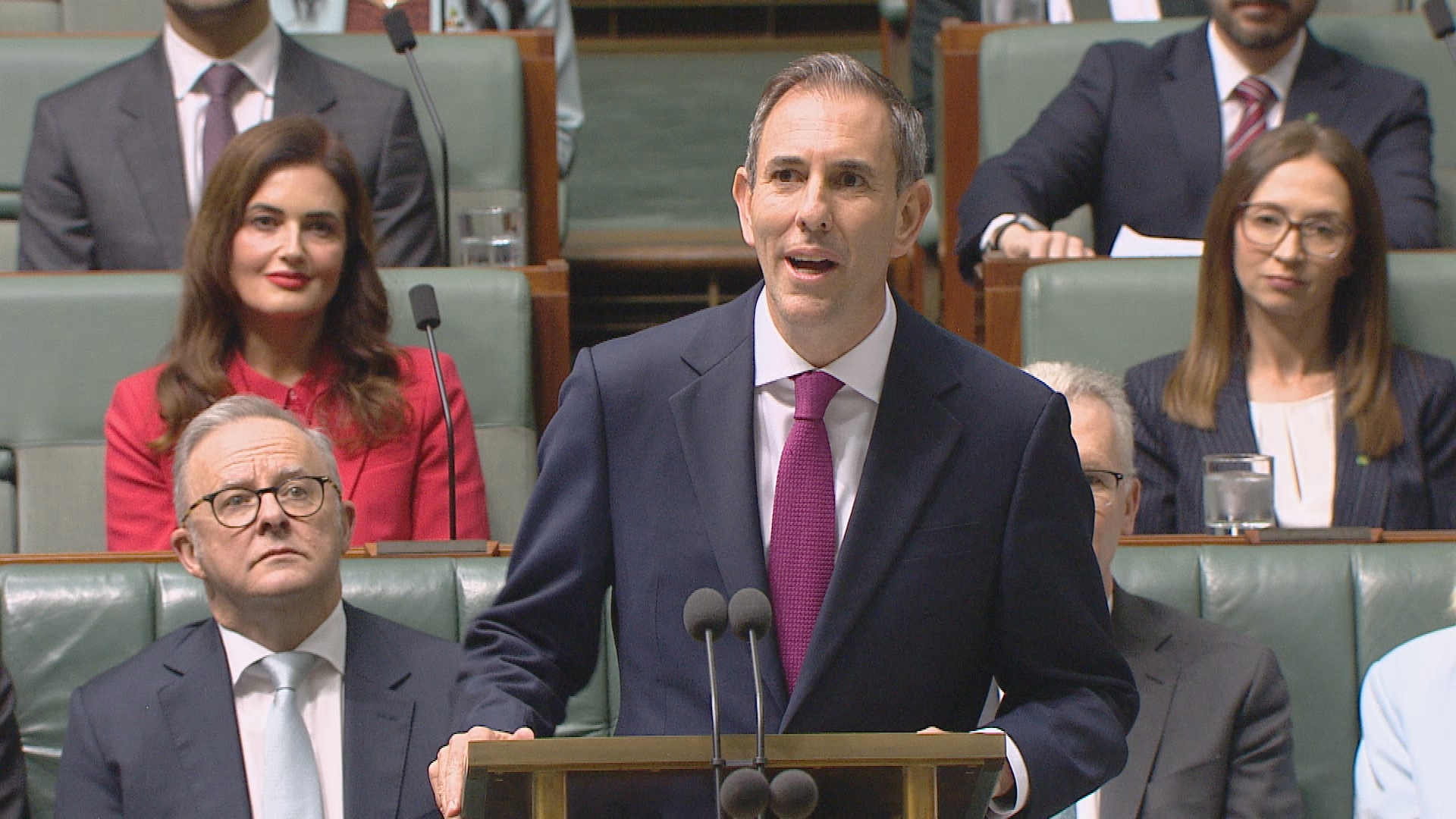
Negative gearing is on Treasurer Jim Chalmers' chopping block this budget, with the government winding back the friendly tax concession handed to property investors who lose more money than they generate on a property.
Until now, any homeowner was able to deduct a net loss from a residential investment property from their overall income and lower their total taxable income, and therefore reducing their yearly tax bill.
From July 1, 2027, negative gearing will be limited only to new builds. All existing properties bought after 7.30pm tonight, May 12, will not be eligible for the tax concession.
However, in a win for current investment property owners, the tax change is not going to applied retrospectively.
Existing investments will be shielded from the change and negative gearing will remain in place.
That means if you signed a contract to buy a home before 7.30pm, you have dodged the prospective negative gearing changes.
Investments supporting government housing programs, for example, through the provision of affordable housing, will also be exempt from the reform.
Investors who buy established housing after tonight will still be able to deduct losses against other residential property income, including rental income or other capital gains, and will be able to carry forward unused losses to future years.
NIGHTMARE ON THE HORIZON? The budget forecast no one wants to see
Around 1.1 million Australians had negatively geared properties in 2022-23, according to Treasury tax analysis.
Just 17 per cent of investor loans were for new builds in 2025.
Chalmers said the tax changes will "level the playing field" for first homebuyers and help around 75,000 Australians achieve their dream of home ownership.
Negative gearing has been a tense political flashpoint for years.
Greens and crossbenchers have long called on the government to wind back negative gearing and CGT discounts, criticising them both as unfair tax discounts which only drive up the price of homes and rent.
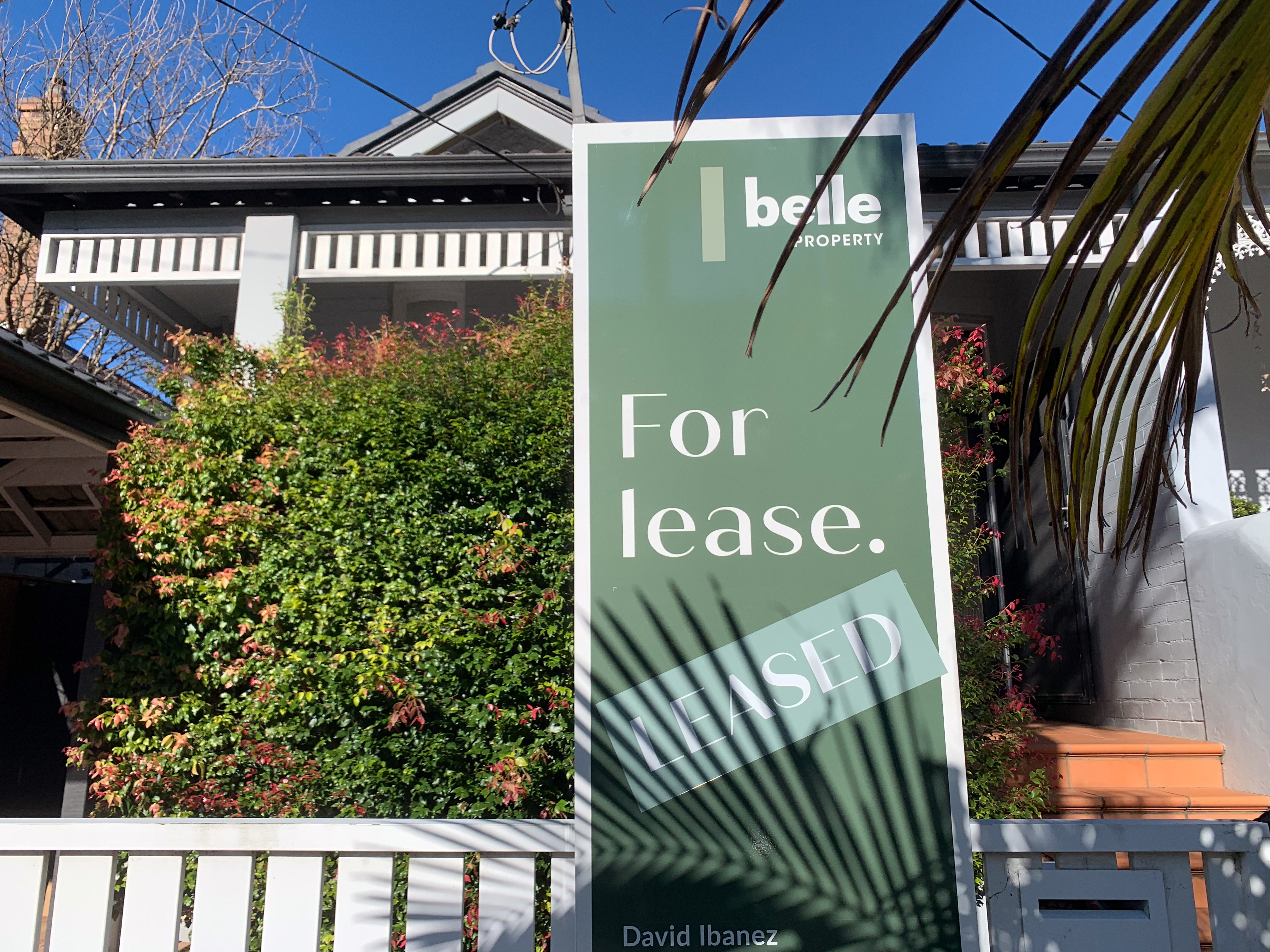
Real estate analysts, however, previously warned the changes to negative gearing could be catastrophic for renters.
It has been predicted that landlords could hike rent by up to 30 per cent in response to the changes.
However the government's own modelling suggests that the reforms will have a small impact on rents, with an expected increase of just $2 per week for households paying the median rent.
RELIEF FOR STRUGGLING SECTOR: Tax refunds coming for businesses who report losses
Chalmers takes an axe to CGT
The equally-contentious 50 per cent capital gains tax (CGT) discount will be replaced by a new type of discount, based solely on inflation, only for investors in existing properties.
The CGT discount is a $23 billion tax break which allows investors to sell an asset they've owned for at least a year and to only be taxed on half of the profit.
Investors will pay tax on their real capital gain when they sell a property from July 1, 2027.
Essentially, this means investors with lower gains will pay less tax, while anyone with gains "well above inflation" will pay more tax, according to budget papers.
Again, investors in new builds can keep enjoying the 50 per cent CGT tax discount, or chose the inflation-based discount.
There will be a minimum 30 per cent tax rate on capital gains from July next year too.
The CGT discount has been blamed for driving up house prices and making home ownership even more difficult for renters and younger Australians.
A 2026 report by Oxfam Australia claimed that just 24,000 of Australia's millionaires accounted for almost half the beneficiaries of the CGT discount.
The discount cost the government $21.8 billion in 2025-26, according to the Tax Expenditures and Insights Statement.
Both tax overhauls are forecast to save the federal government an estimated $1.35 billion by 2028-29 and $2.28 billion by 2029-30.
NEVER MISS A STORY: Get your breaking news and exclusive stories first by following us across all platforms.
-
Download the 9NEWS App here via Apple and Google Play
-
Make 9News your preferred source on Google by ticking this box here
-
Sign up to our breaking newsletter here