The Victorian government's announcement this week that it will fund free meningococcal B vaccines for teenagers has been met with conflicted emotions from families who have lost loved ones to the deadly disease.
The state will set aside $9 million to add the B strain to the existing meningococcal A,C,W and Y vaccines available for Year 10 students under the National Immunisation Program.
Meningococcal B is a contagious bacterial infection that can cause serious injury or death, sometimes in as little as 24 hours.
READ MORE: Coles 'illusory' discounts misled shoppers, court rules
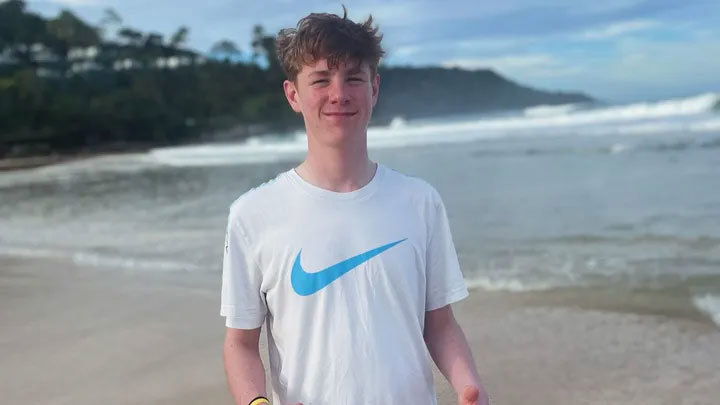
With all other strains routinely vaccinated against, B is now the dominant form of meningococcal disease in Australia and is responsible for around 80 per cent of cases, according to data from the Australian Meningococcal Surveillance Programme.
Three other Australian states and territories offer free meningococcal B vaccines for teenagers and infants – Queensland, South Australia and the Northern Territory – while Tasmania will also follow suit from July this year.
With the addition of Victoria, New South Wales and Western Australia are the only jurisdictions yet to provide state-funded access to the vaccine.
Meningococcal B vaccines are available via private script for infants and teenagers, but protection requires multiple doses at $140 per jab.
While the Victorian announcement is a breakthrough for local families, the plan has already drawn criticism for its limited scope.
The $9 million commitment is currently only funded for a single year, and unlike programs in South Australia and Queensland, it does not yet include infants, who remain one of the most at-risk demographics.
Melbourne mother Norliah Syer-Peterson has been a tireless advocate for the vaccine since her 16-year-old son, Levi, died last September.
Levi was a healthy Year 10 student who went from having gastro-like symptoms in the morning to being gone within 12 hours.
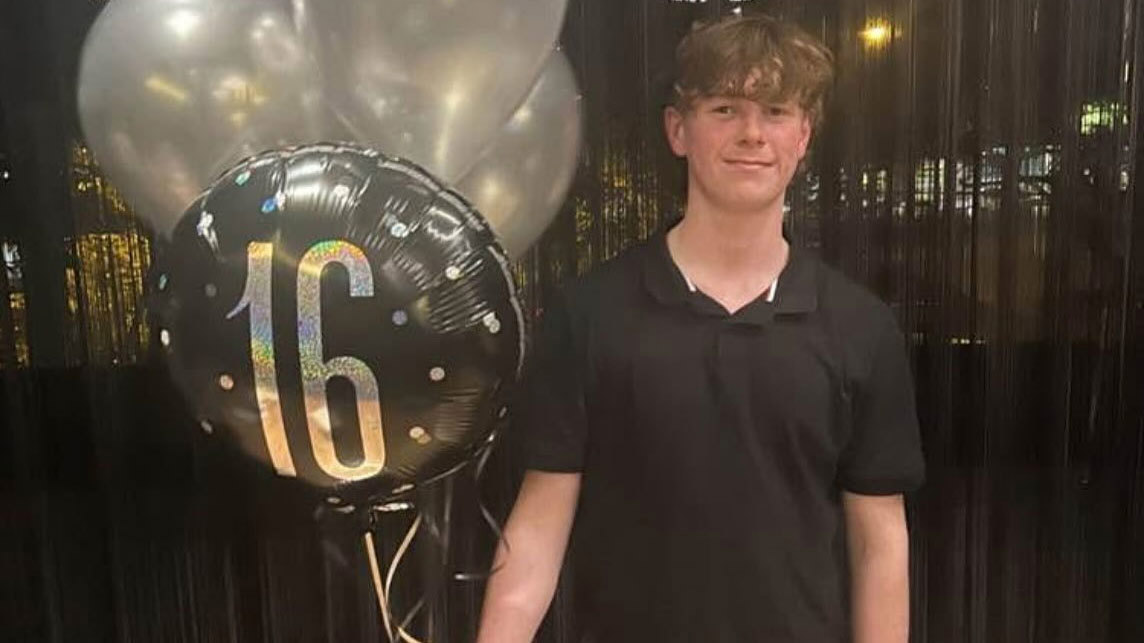
In December, Syer-Peterson presented a petition with more than 41,000 signatures to parliament calling for the government to fund the meningococcal B vaccine.
Syer-Peterson said that although it was too late for her son, she felt relieved that other teenagers might now be spared.
The legacy of her "beautiful, caring, fun-loving, sporty, funny, and kind-hearted boy" would continue as a result of the Victorian Government's decision, she said.
However, Syer-Peterson said the need for free vaccines for infants remained in Victoria. The mother also vowed to continue campaigning for the vaccine to be funded in all states.
The push for a national solution hit a significant roadblock in March this year when the Pharmaceutical Benefits Advisory Committee (PBAC) rejected a proposal to include the B strain vaccine on the National Immunisation Program for all infants and teens.
While the PBAC acknowledged the clinical need and effectiveness of the vaccine, it maintained that the evidence did not yet justify the cost of a nationwide rollout, describing the disease as catastrophic but rare.
The Royal Australian College of General Practitioners (RACGP) is now calling on the NSW Government to urgently fund meningococcal B (MenB) vaccines as part of its immunisation program, warning that children and young people are being put at unnecessary risk.
RACGP NSW Chair Dr Rebekah Hoffman said protecting children should not depend on a family's income or postcode.
"Vaccination saves lives," Hoffman said.
"Patients in New South Wales deserve a strong response, as we've seen in Queensland, South Australia, the NT, and recently, Victoria. We've delayed free MenB vaccination for too long already."
New South Wales mum Stacey Chater lost her son Brayden to a meningococcal B infection in November 2022.
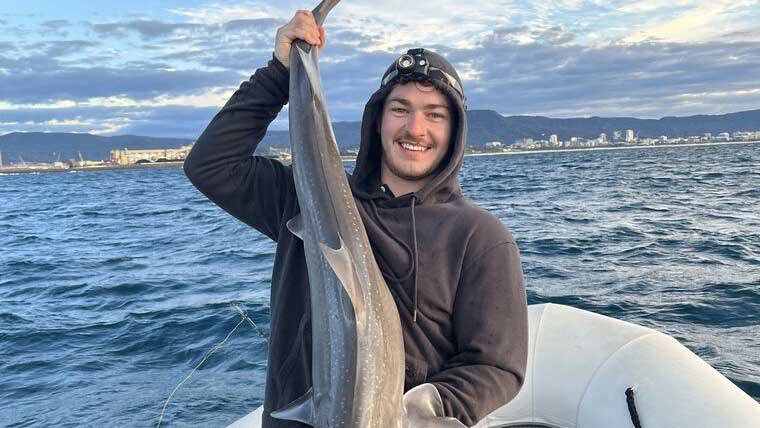
Brayden was a fit 23-year-old from Dapto who "lit up a room," but his life was cut short when he arrived at Wollongong Hospital already brain-dead from the infection.
Chater has spent three years campaigning for NSW Health Minister Ryan Park to fund the B strain vaccine, but she said her pleas had fallen on deaf ears.
"It's so infuriating," she said. "I just feel like I'm being ignored and it doesn't make sense to me. It's really a no-brainer."
Despite meeting with the minister and delivering thousands of signed letters to his office, Chater said there had been no progress in NSW.
"New South Wales is looked upon as probably the leading state of Australia, so it's very, very disappointing," she said.
"It's encouraging to see all these other states making change, but when's it going to be our turn? It just feels like I'm beating my head against a brick wall."
Chater said her message for Park was simple: "Get on board, save our kids lives and just come in line with the rest of Australia."
A NSW Health spokesperson said the rate of invasive meningococcal disease remained low.
"NSW Health continues to closely monitor the pattern of meningococcal B disease in NSW and respond based on the best available evidence, and emerging program developments in other jurisdictions," the spokesperson said.
People who are at increased risk because they have certain medical conditions, as well as Aboriginal babies, are eligible for free meningococcal B vaccines under the National Immunisation Program.
NEVER MISS A STORY: Get your breaking news and exclusive stories first by following us across all platforms.
- Download the 9NEWS App here via Apple and Google Play
- Make 9News your preferred source on Google by ticking this box here
- Sign up to our breaking newsletter here