Today marked the first test of the federal government's negative gearing overhaul at auctions across the country.
Hopes were a little higher this morning among those looking to break into the property market after the federal budget.
First home buyer Matt Beck said: "In the past we may have been competing with a lot of investors, but now with everything that's happened, that may change, slightly."
READ MORE: Man dies after shark attack on WA's Rottnest Island
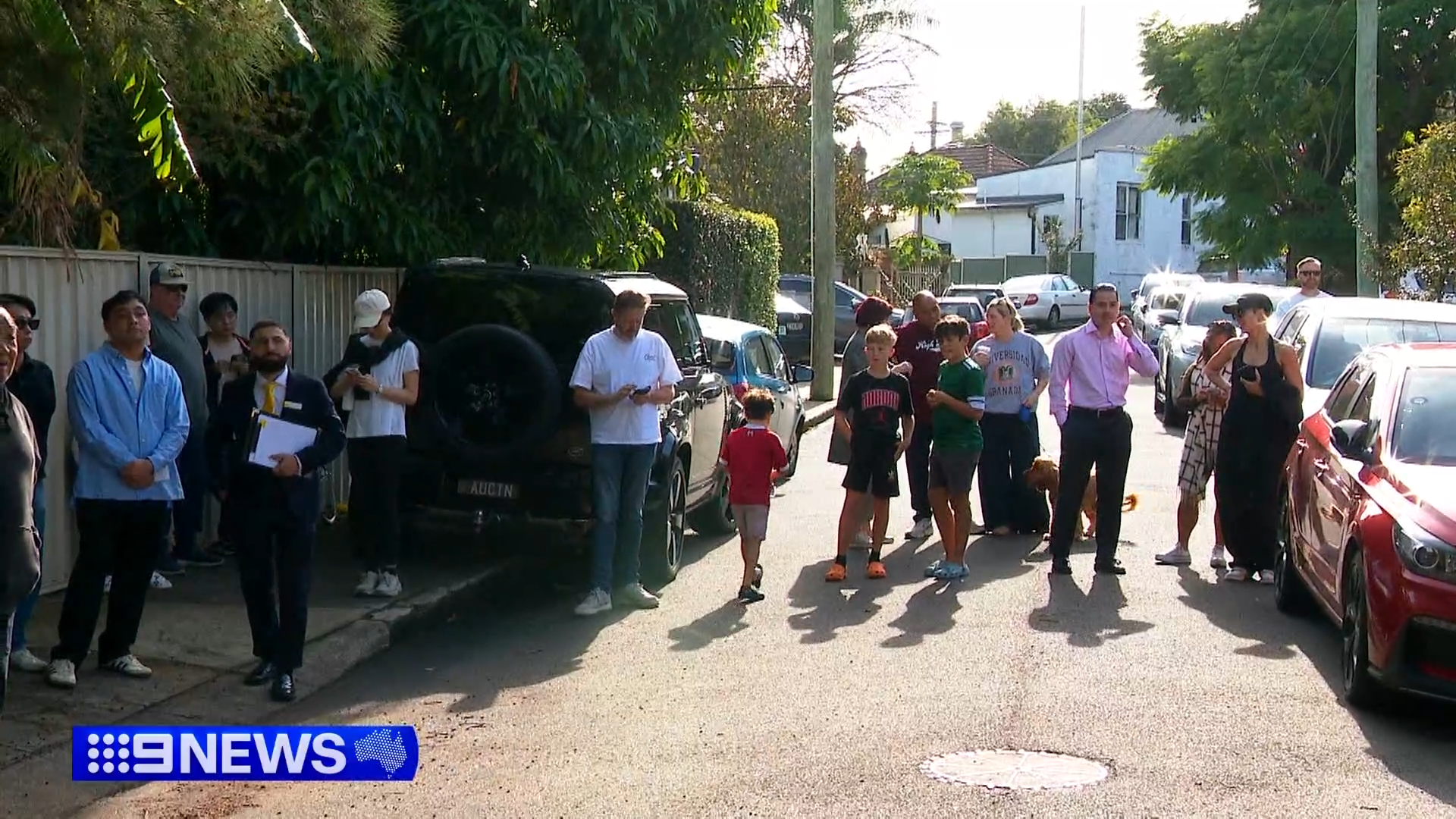
Annie Ird said things seemed to have changed already.
"Places that were up for auction are now going for sale, so I feel like people are freaking out a little bit," she said.
Matt and Annie weren't lucky enough today in their bid for an Inner West Sydney home.
The federal government's negative gearing overhaul could now change how buyers behave.
READ MORE: 'That is just so unfair': Boost Juice founder lashes budget tax reform
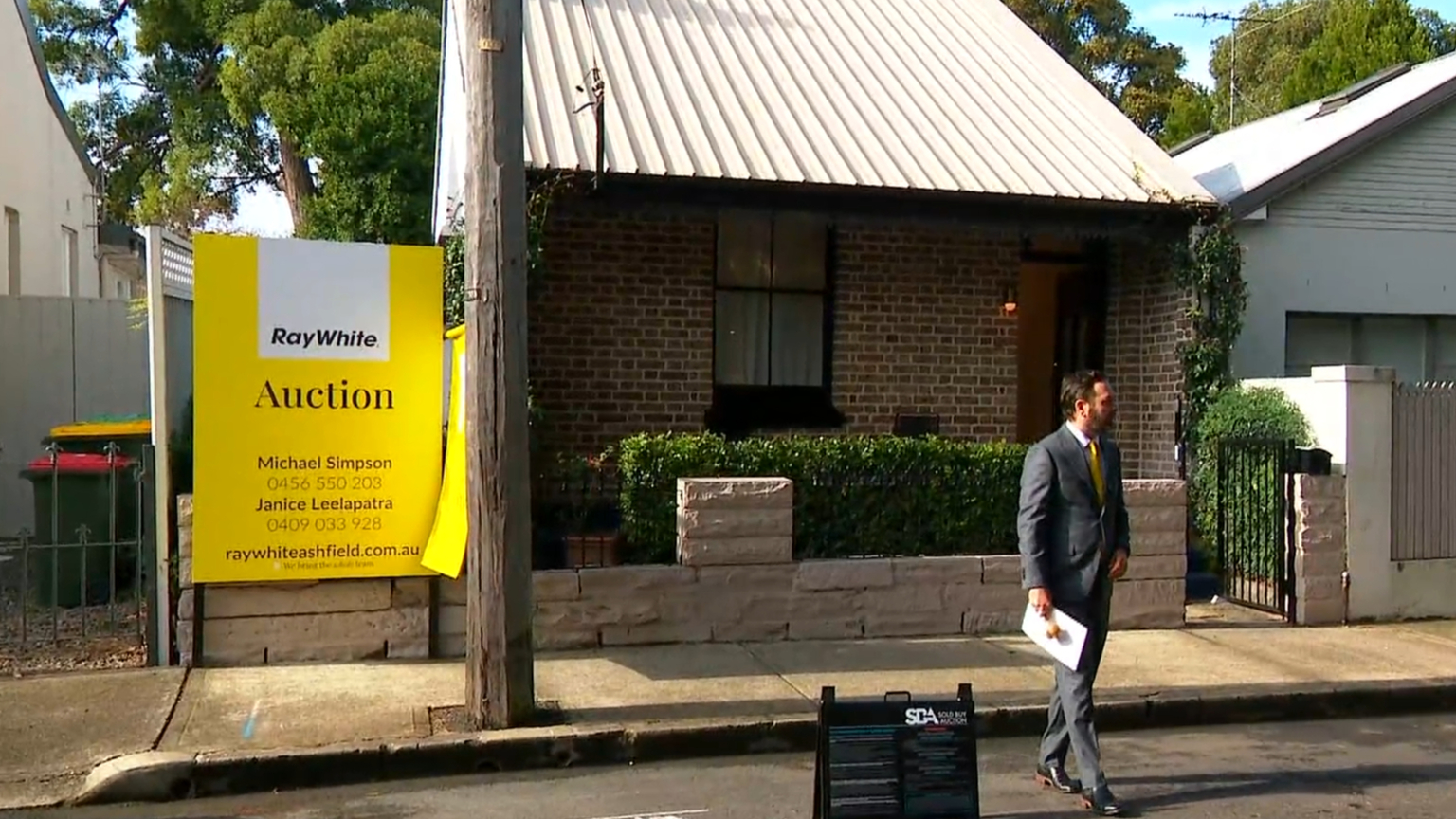
Prime Minister Anthony Albanese's overhaul of negative gearing is expected to put off investors.
"The investor who is bidding against someone who wants to live in that home as their first home won't have the taxpayer by their side," he said.
Andrew Wilson, chief economist at My Housing Market, said: "I think we'll see fewer buyers. And there should be a transition period between fewer investors and more first home buyers."
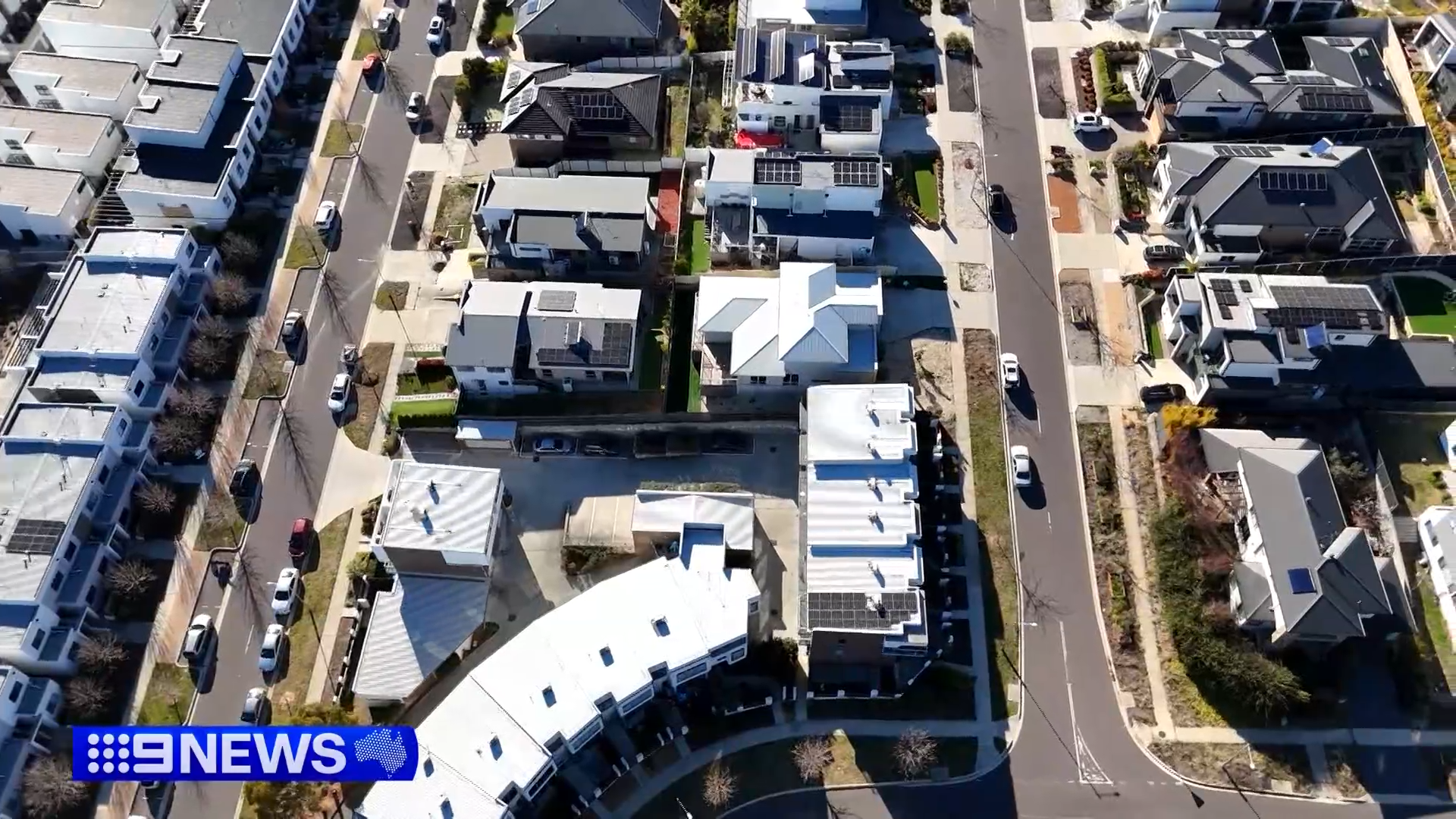
New rules mean any property purchased after 7.30pm on Tuesday can only be negatively geared until July 1 next year.
After that, it's for new builds or property purchased before budget night only.
"They are aimed fairly and squarely at providing additional opportunity for young people," Albanese said.
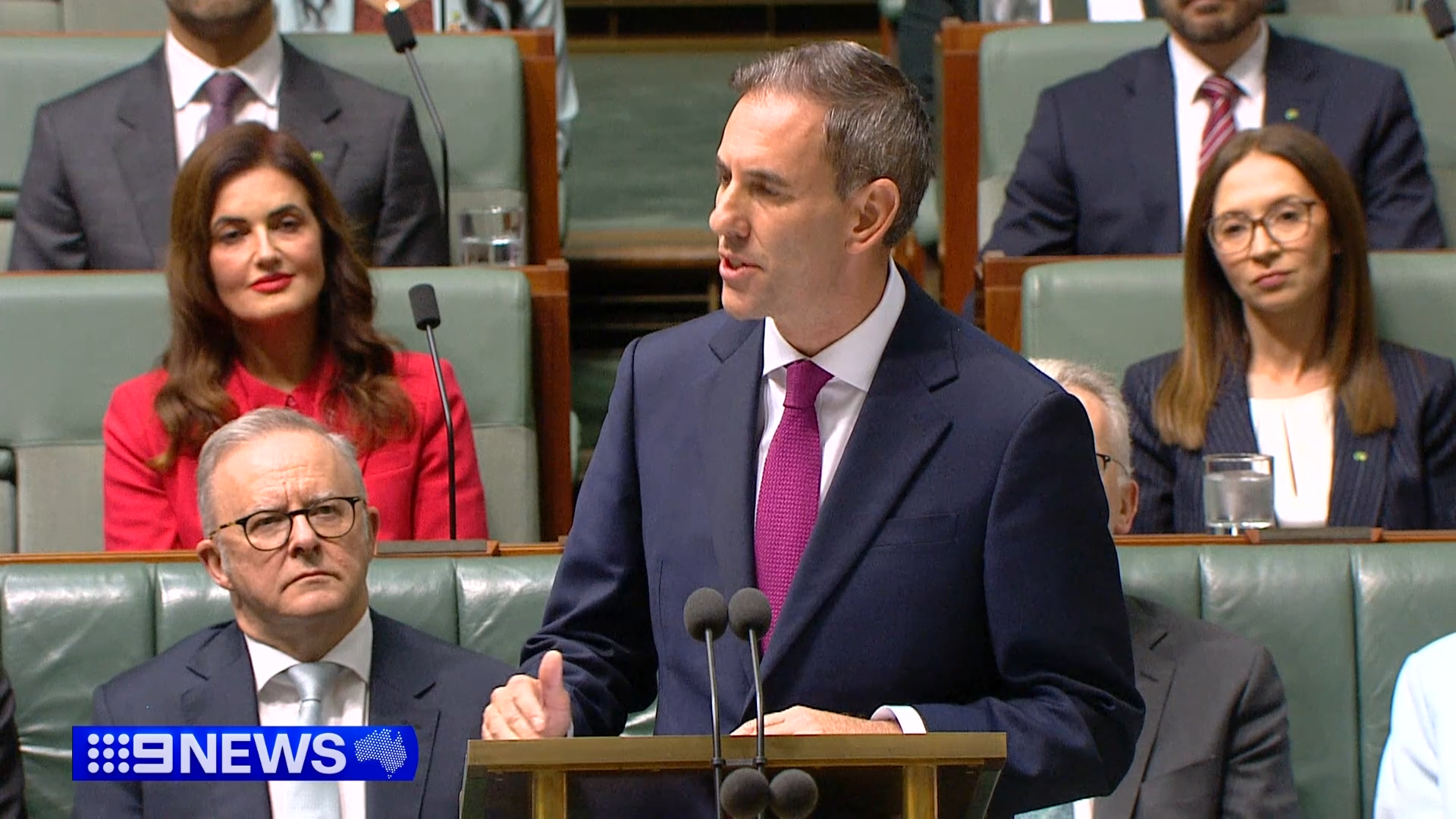
However there has been backlash with claims it won't do much.
Shadow treasurer Tim Wilson said: "They're going to increase rents, build fewer homes and kneecap young Australians by taxing their first home deposit when it's invested."
Treasury modelling predicts the changes will slow house price growth by 2 per cent over the next two years but it also warns it could push rents up, adding an average $2 per week.
"I think in the shorter term it will put house prices under pressure. There's no doubt about that," Wilson said.