After Australians have cast their votes in the federal election the counting will begin, and both Labor and the Coalition will anxiously wait to see if they've won enough seats in parliament to claim victory.
To form Government in their own right they will need a majority of the 151 seats in the House of Representatives.
That means they need at least 76 seats.
And if both Labor and the Coalition fall short? Then we'll have a hung parliament.
READ MORE: Everything you need to know about early voting
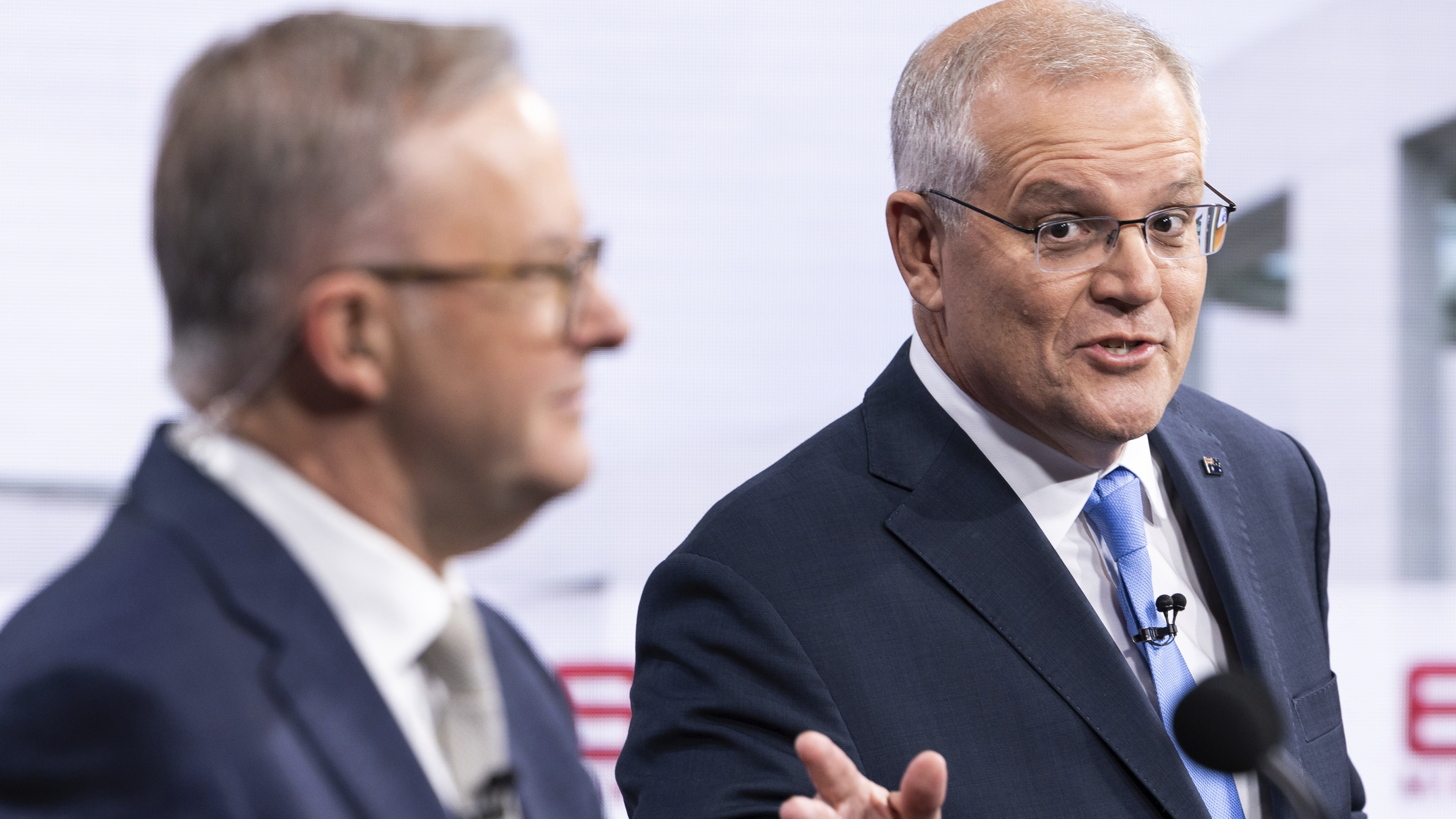
What happens if there is a hung parliament?
A hung parliament means neither side has won enough seats to form government.
If that happens, a lot of wheeling and dealing with the crossbench will begin.
Both Scott Morrison and Anthony Albanese would essentially be trying to convince independent MPs and minor parties to pick them as prime minister.
The fundamental thing one of the leaders must have is the agreement for confidence and supply.
EXPLAINED: What are 'preference deals' and how do they influence my vote?
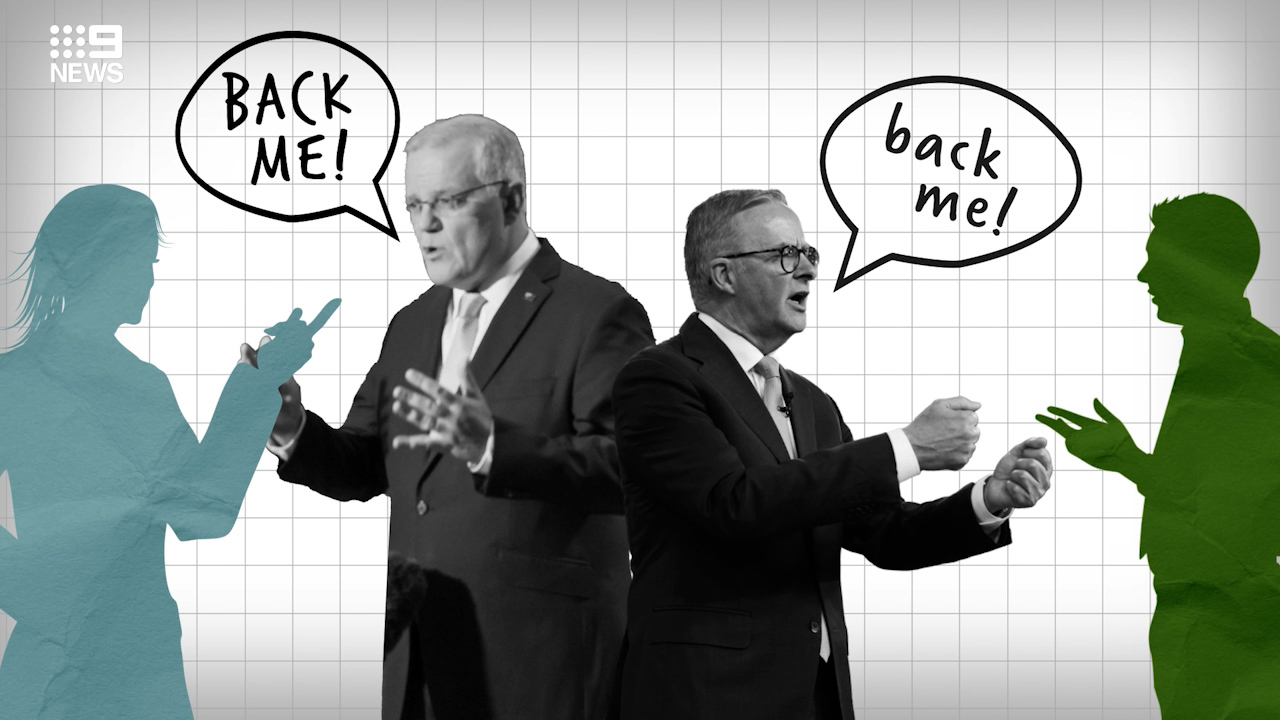
In other words, they'll be asking crossbenchers to guarantee they won't support votes to bring the government down – this constitutes "confidence".
And they won't support votes that stop the government from doing its ordinary business, such as paying public servants and social security bills – this is "supply".
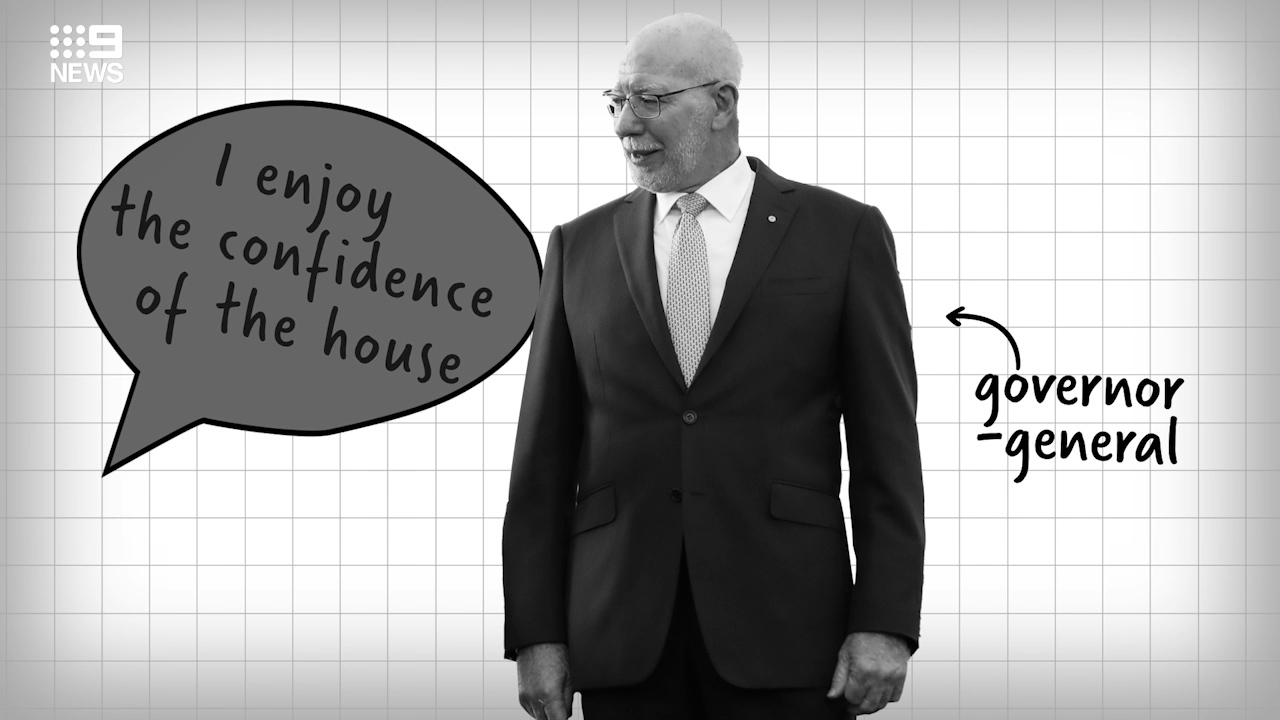
If Scott Morrison or Anthony Albanese could secure those guarantees, they'd go to the Governor-General and say, "I enjoy the confidence of the House".
The Governor-General could then commission a Prime Minister to form a minority government.
READ MORE: Everything to know about Anthony Albanese and Scott Morrison, the two men vying to be Prime Minister
What's in it for the crossbenchers?
They would issue certain demands in exchange for their support – for example, they may insist on a change or commitment to a certain policy.
Is a hung parliament common in Australia?
In the federal parliament, it's only happened once since World War II.
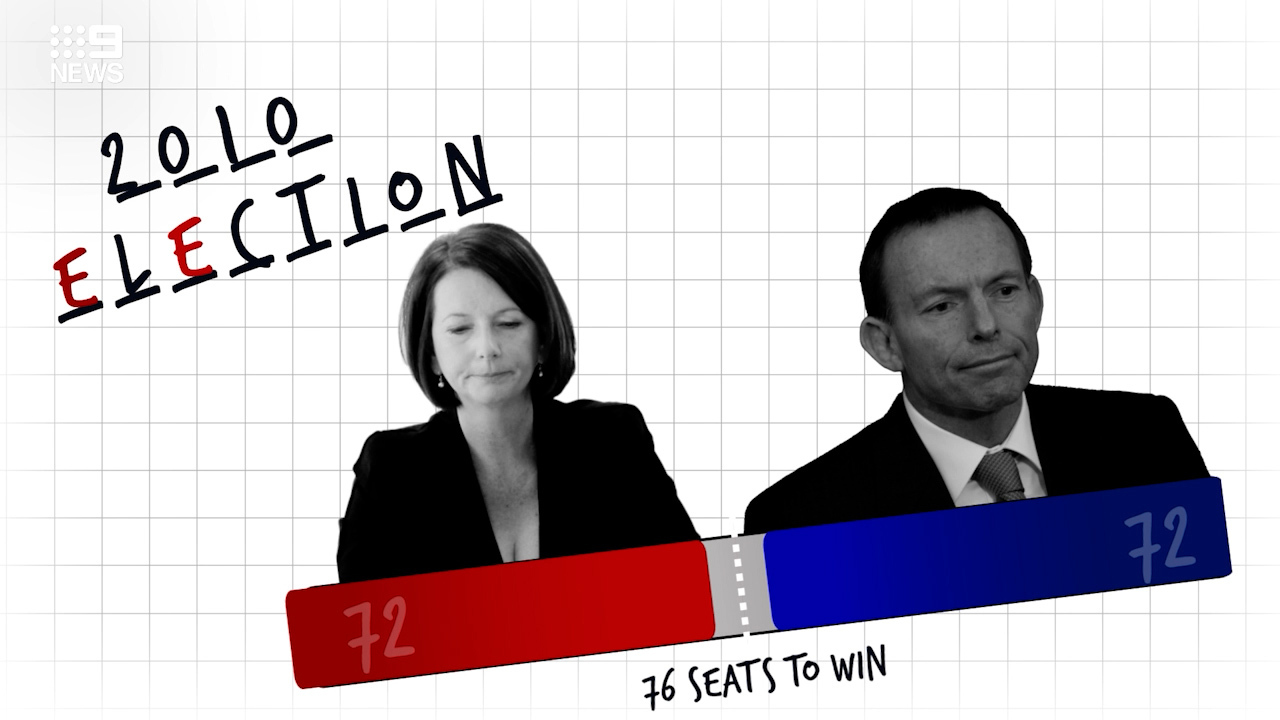
At the 2010 election, the Coalition and Labor each landed 72 seats.
That meant they each needed to find another four votes.
Julia Gillard remained caretaker Prime Minister as both sides attempted to woo the six MPs on the crossbench.
READ MORE: The key seats that will determine the outcome of the federal election
It took 17 gruelling days of negotiations before Labor was able to win enough support to govern in minority after striking deals with four crossbenchers.
Those MPs guaranteed confidence and supply, but they didn't agree to support all ALP measures.
That's why leading a minority government is hard work, because the crossbenchers hold greater power than usual.
Julia Gillard had to win the backing of every member of her alliance in order to pass most laws.
READ MORE: How to vote in this year's election

Why is there so much talk of a hung parliament at this election?
The opinion polls suggest many Australians will be voting for independents and minor parties over major party candidates.
Both Labor and the Coalition have primary votes in the mid-30s.
If current polling is replicated at the federal election, a hung parliament is the most likely outcome.
And then the fun begins.