Big Ben will toll, guns will fire at Hyde Park and crowds will queue for hours today (tonight AEST) as London mourns Queen Elizabeth II
The coffin of the Queen will be moved from Buckingham Palace to Westminster Hall at 2.22pm local time (11.22pm AEST).
You'll be able to watch the procession live on Channel 9 and 9Now as Tracy Grimshaw hosts a special 9News presentation of 9News: The Queen's Final Journey from 9.40pm (AEST).
The Queen's coffin will be placed on a raised platform, known as a catafalque.
Guards will stand at each of the four corners, 24-hours-a-day.
The Queen will then lie in state for the next four days.
Lying in state means her coffin will be placed on view before her funeral.
LIVE UPDATES: 'Important detail' as Queen arrives at Buckingham Palace
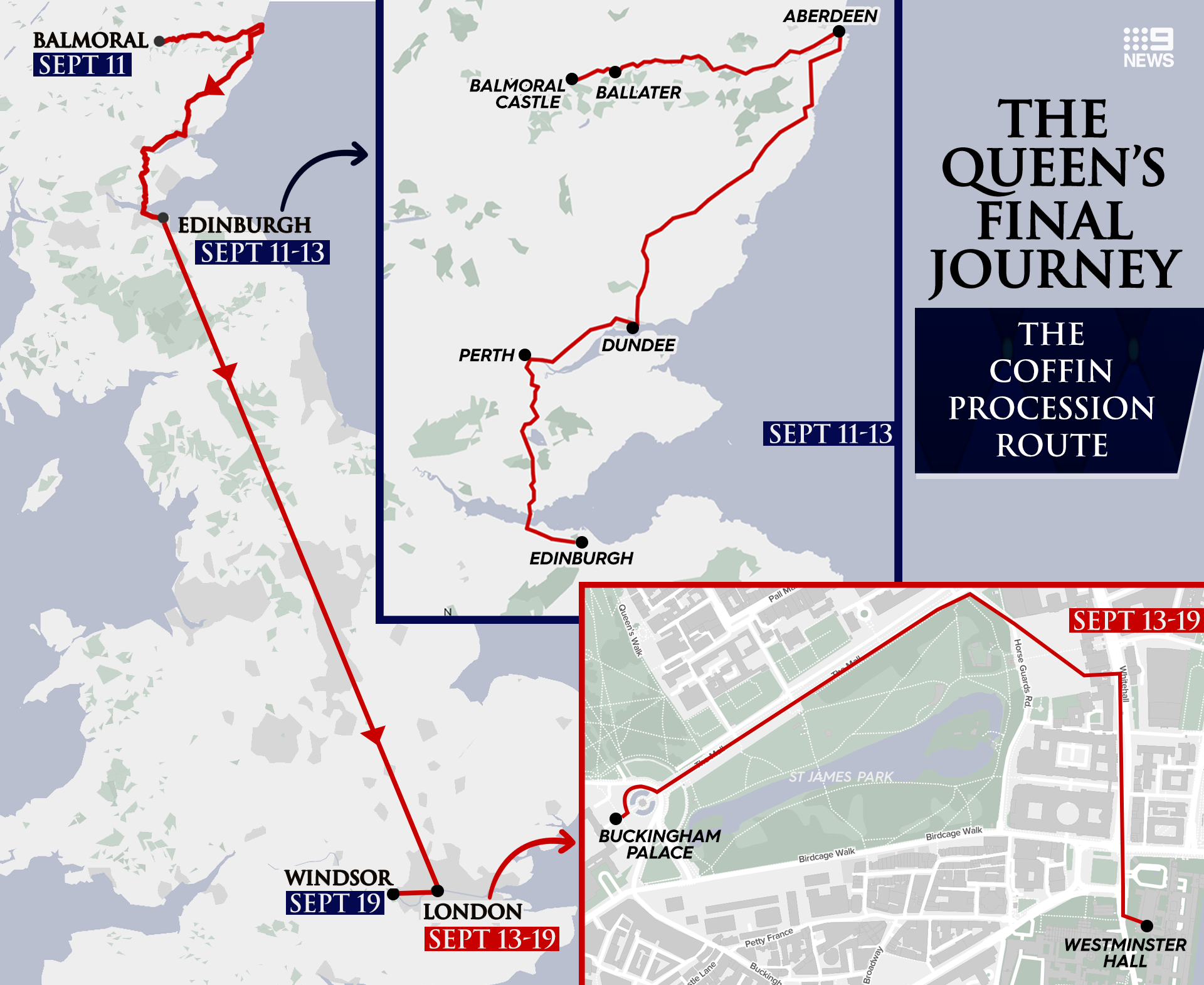
Large crowds are expected to fill the streets of England's capital as the Queen's coffin leaves Buckingham Palace.
The route will go through Queen's Gardens, The Mall, Horse Guards, Whitehall, Parliament Street, Parliament Square and New Palace Yard.
King Charles III and members of the royal family will be part of the procession, walking behind the coffin much like the ceremonial procession in Scotland's capital of Edinburgh on Monday.
READ MORE: Day-by-day guide from now until the Queen's funeral
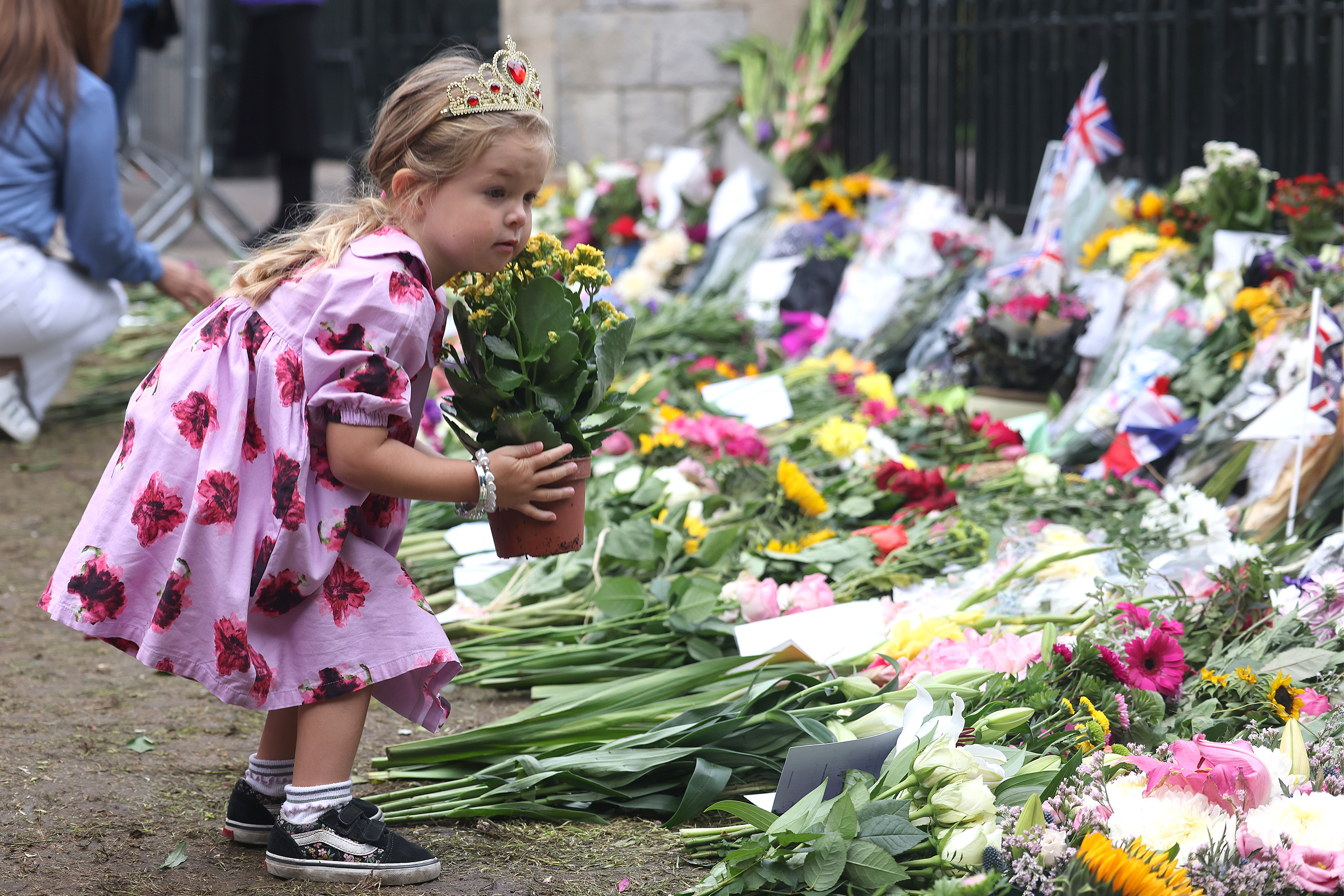
The journey will take about 40 minutes, during which there will be guns fired at Hyde Park and Big Ben will toll.
Later in the day, Westminster Hall will open to the public so they can pay their respects to the Queen.
It will remain open for the four days of the lying in state (which officially starts tomorrow).
READ MORE: Prince Andrew heckler charged with 'breach of the peace'
King Charles III vows to work for Northern Ireland peace
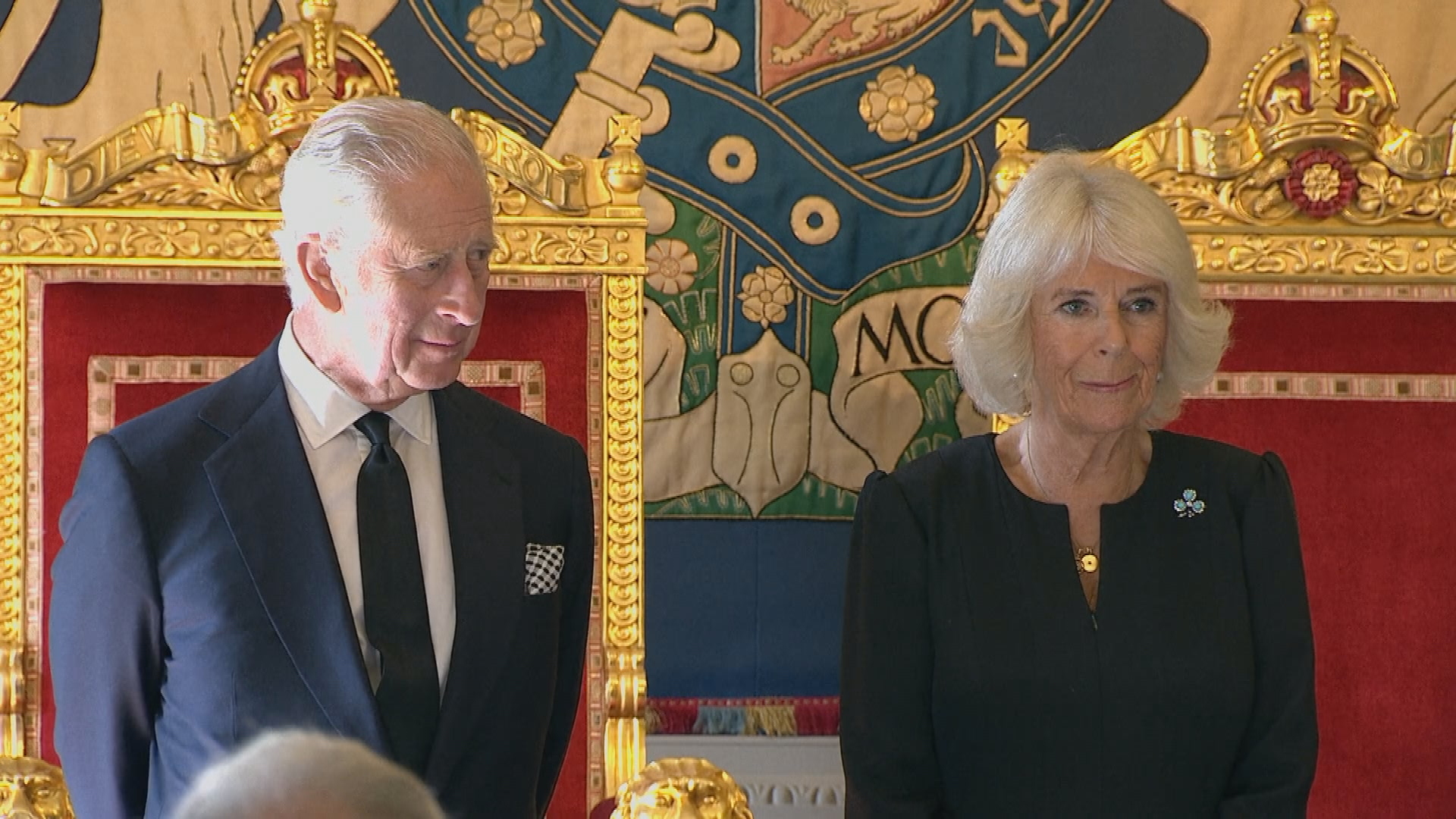
Overnight, the King visited Northern Ireland to meet with political leaders.
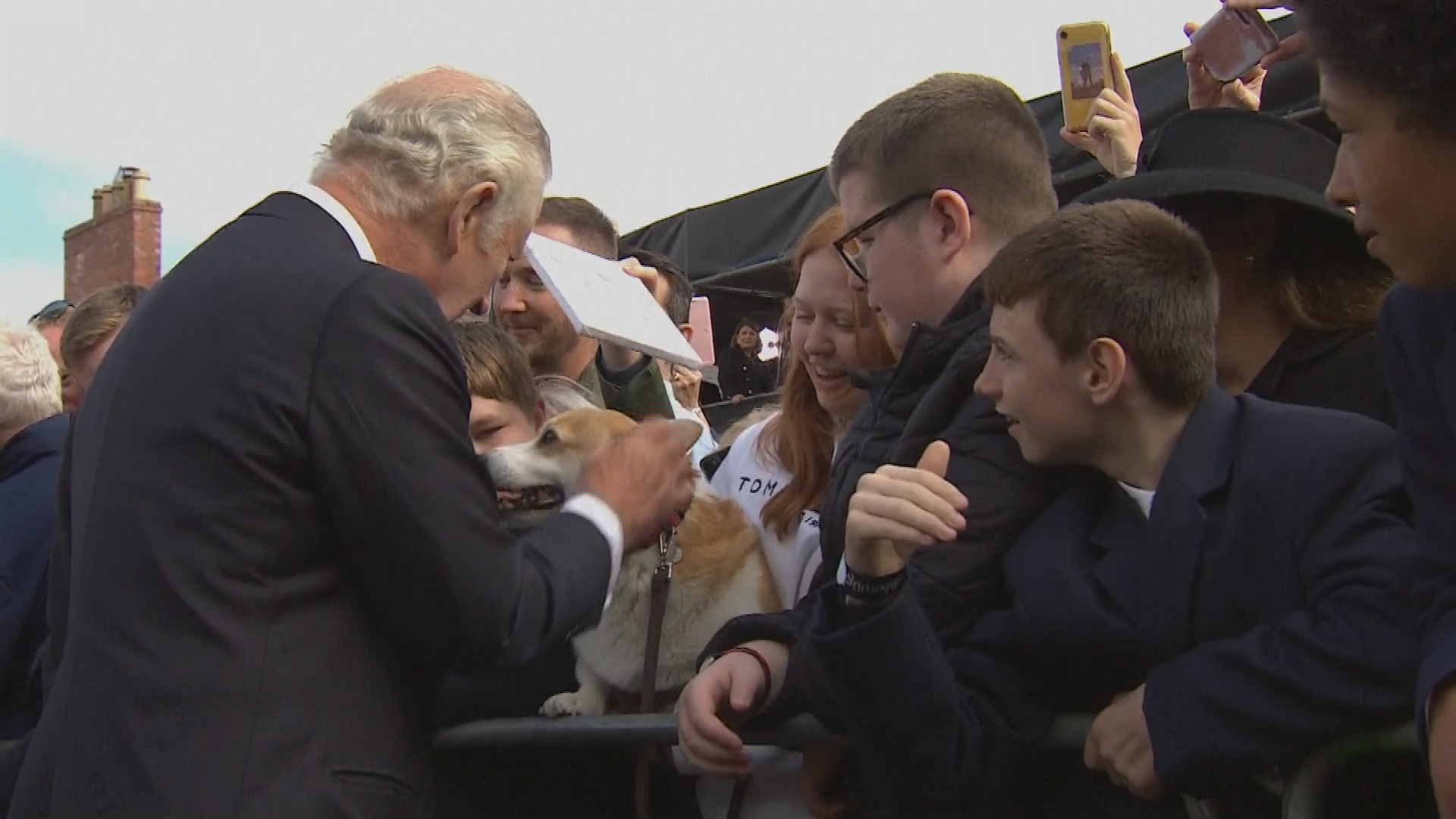
A cheering crowd gathered to greet him and Camilla, the Queen Consort, in a region with a contested British and Irish identity that is deeply divided over the British monarchy.
In the latest outpouring of affection since Queen Elizabeth II's death last Thursday, hundreds of people lined the street leading to Hillsborough Castle, the royal family's official residence in Northern Ireland, just outside Belfast.
The area in front of the gates to the castle was carpeted with hundreds of floral tributes.
READ MORE: Ten 'everyday' Australians invited to attend Queen's funeral
While there was a warm welcome in Hillsborough, the British monarchy draws mixed emotions in Northern Ireland, where there are two main communities: mostly Protestant unionists who consider themselves British and largely Roman Catholic nationalists who see themselves as Irish.
That split fuelled three decades of violence known as "the Troubles" involving paramilitary groups on both sides and UK security forces, in which 3600 people died.
The royal family was touched personally by the violence: Lord Louis Mountbatten, a cousin of the queen and a much-loved mentor to Charles, was killed by an Irish Republican Army bomb in 1979.
READ MORE: Everything you need to know about Australia's National Day of Mourning
A deep sectarian divide remains, a quarter century after Northern Ireland's 1998 peace agreement.
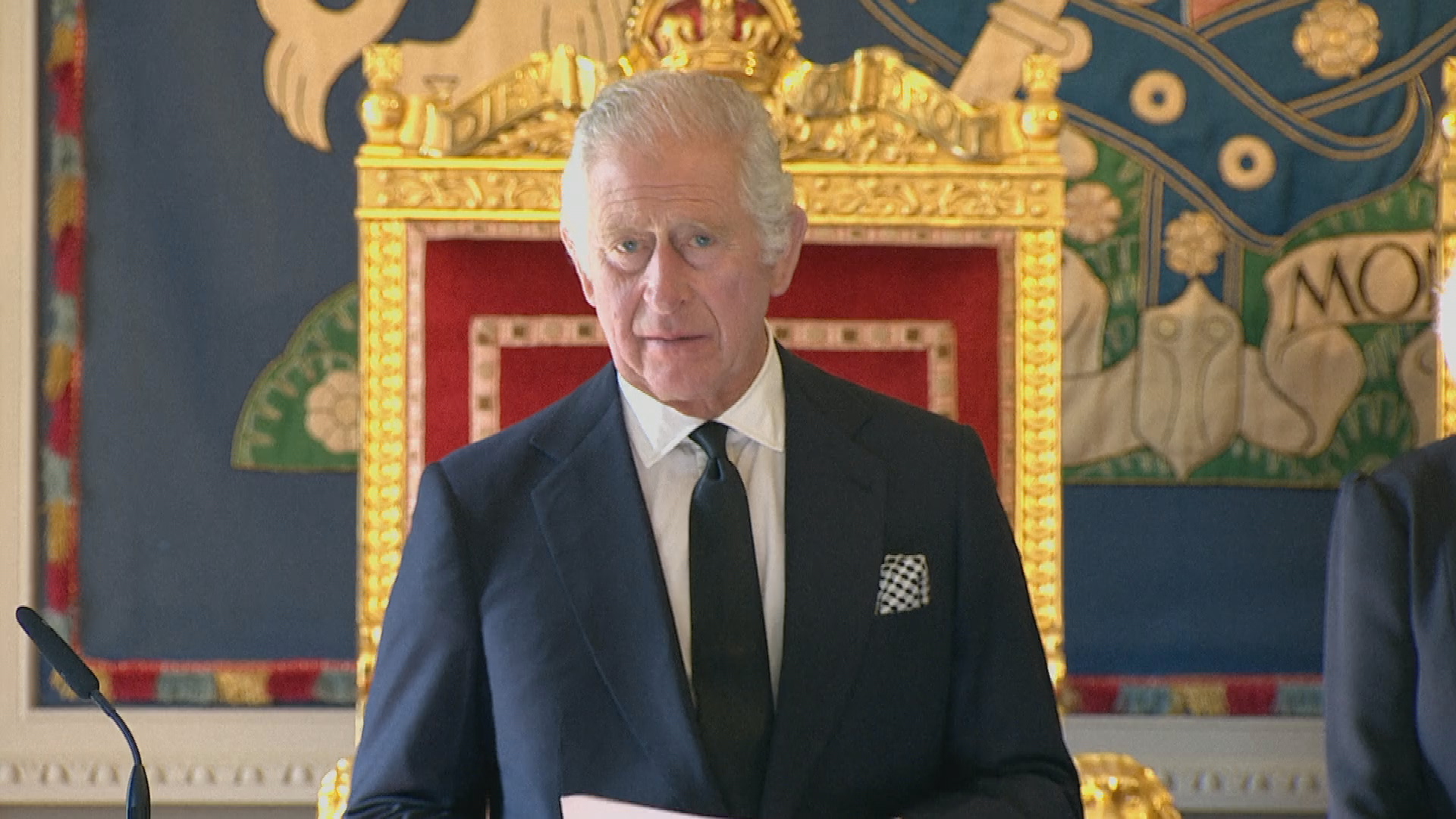
Speaking Tuesday to Northern Ireland's political leaders, including those from nationalist parties who want Northern Ireland to leave the United Kingdom and become part of the Republic of Ireland, the new monarch said he would draw on his mother's "shining example" and seek the welfare of everyone in Northern Ireland.
The King said his mother "felt deeply, I know, the significance of the role she herself played in bringing together those whom history had separated, and in extending a hand to make possible the healing of long-held hurts".
READ MORE: The countries banned from Queen Elizabeth's funeral
– Reported with AP