Government bonds are considered one of the safest investments out there, but one Sydney woman says her attempts to create a retirement nest egg with them turned into a nightmare.
It all started for 61-year-old mum Paula* back in September when she began looking into government investment bonds online.
"With the cost of living going up, I was thinking anything I can do to earn a little bit of extra money will help," she said.
READ MORE: Major welfare payments change for millions
Government bonds are a way for investors to lend money to the government, usually at a slightly higher interest rate than a term deposit at a bank would offer.
The interest is paid at regular intervals until the bonds reach their maturity date and the initial investment is returned.
Eager to get started, Paula did a search online and clicked on a link for what appeared to be a Commonwealth Bank advertisement selling government Treasury bonds.
Paula filled out an enquiry form with her details and waited for someone to get back to her with more information.
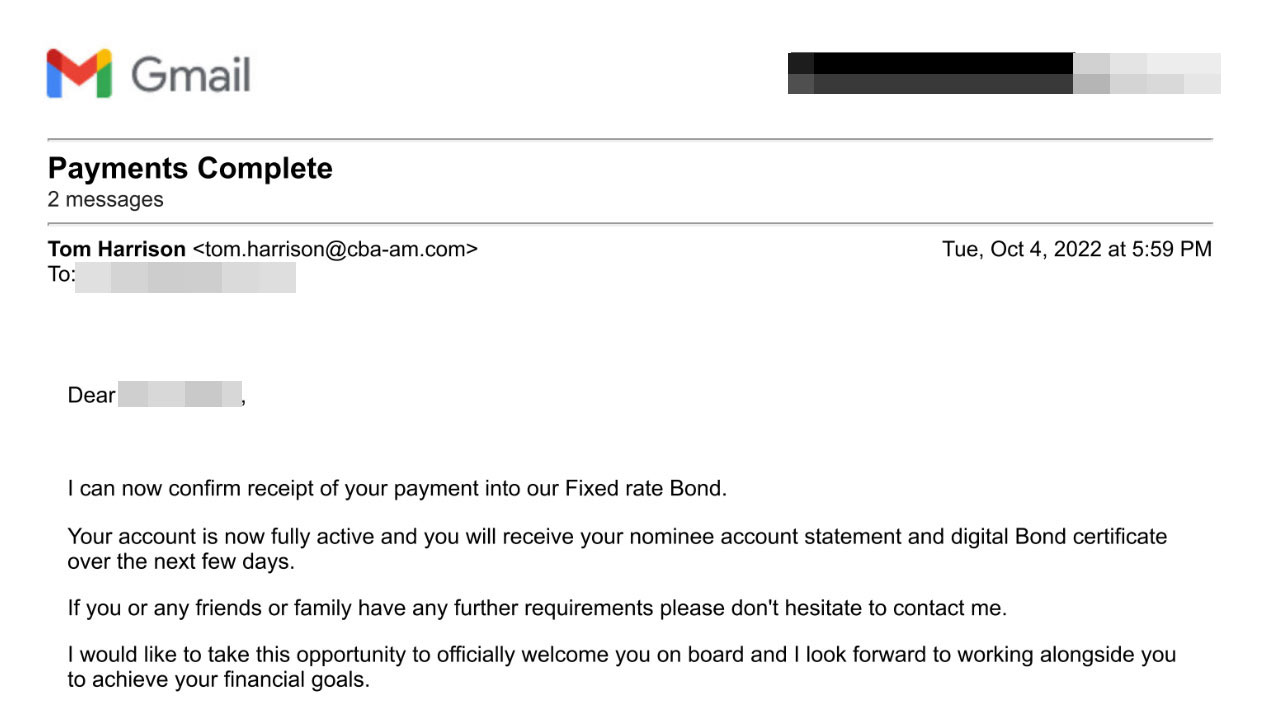
Not long after, a man claiming to be a Commonwealth Bank account manager phoned Paula.
"He said, 'My name is Tom Harrison, I'm from the Commonwealth Bank and this call is being recorded,'" Paula said.
"He sounded very convincing and official.
"Straight away, I believed him – and that's what got me into trouble. I went along with it and it turned into a nightmare."
At Paula's request, the man sent her some more information about the government bonds via email.
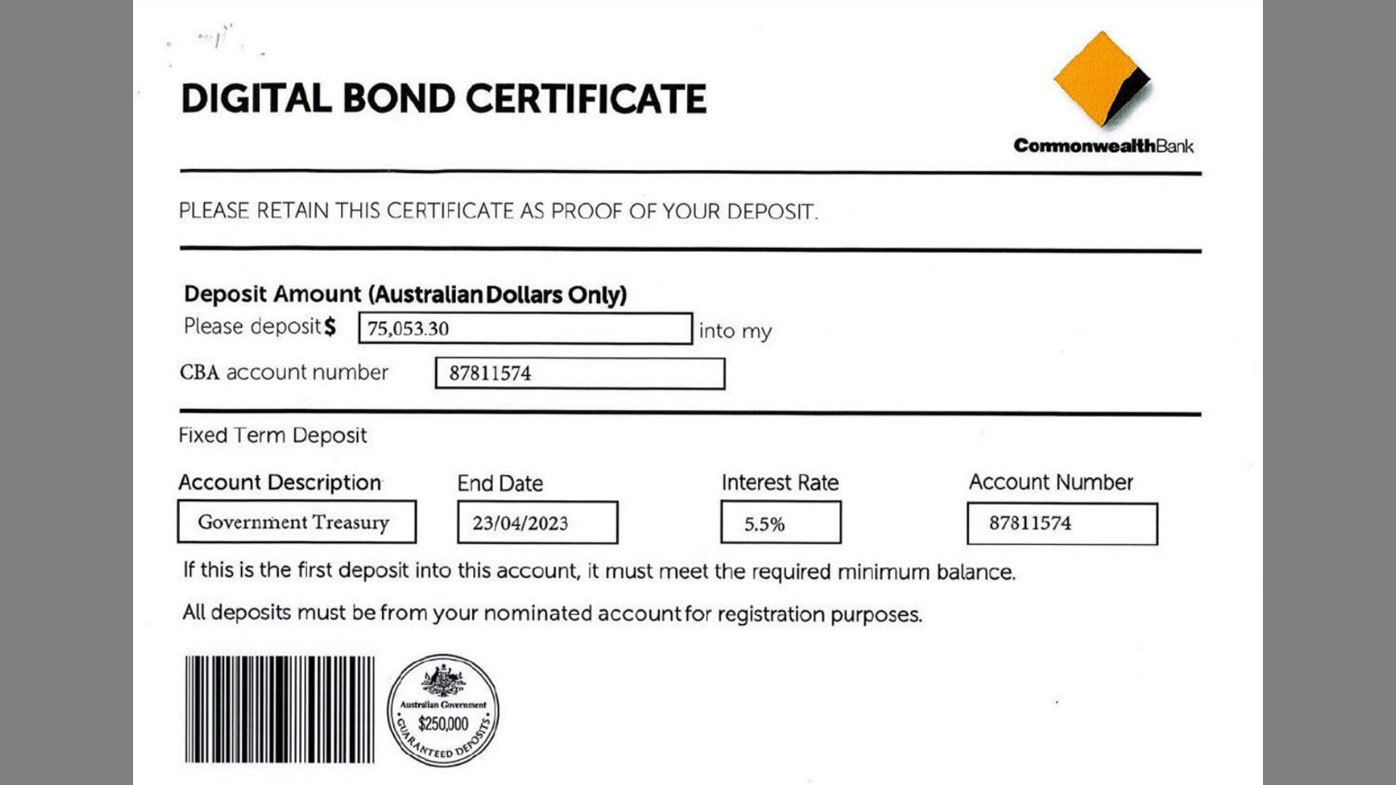
All of the documents had prominent Commonwealth Bank branding.
The interest rate being offered was 5.5 per cent, which was a per cent or two higher than what Paula had seen offered elsewhere.
Paula decided to use $75,000 of her savings – which she had sitting in a Qudos Bank account – to buy the bonds.
READ MORE: Why Putin 'still doesn't know' the reality inside Ukraine
She said she initially transferred $1000 to the account the man nominated as a way to test she had the right account number.
"It went through but then the man said to me, 'I'll have to refund you that $1000 because the process is we have to do (the purchasing) in bulk,'" Paula said.
"I think this was a strategy to make me trust him more, and it worked, because what kind of scammer would refund money?"
Paula then transferred the $75,000 over three instalments and was sent a digital certificate confirming her purchase.
Contact reporter Emily McPherson at What to do if you have been hacked