Two people suffered moderate to serious stab-like injuries.
All posts by FreeNews
Fugitives fired at bystanders in chaotic cross-border chase
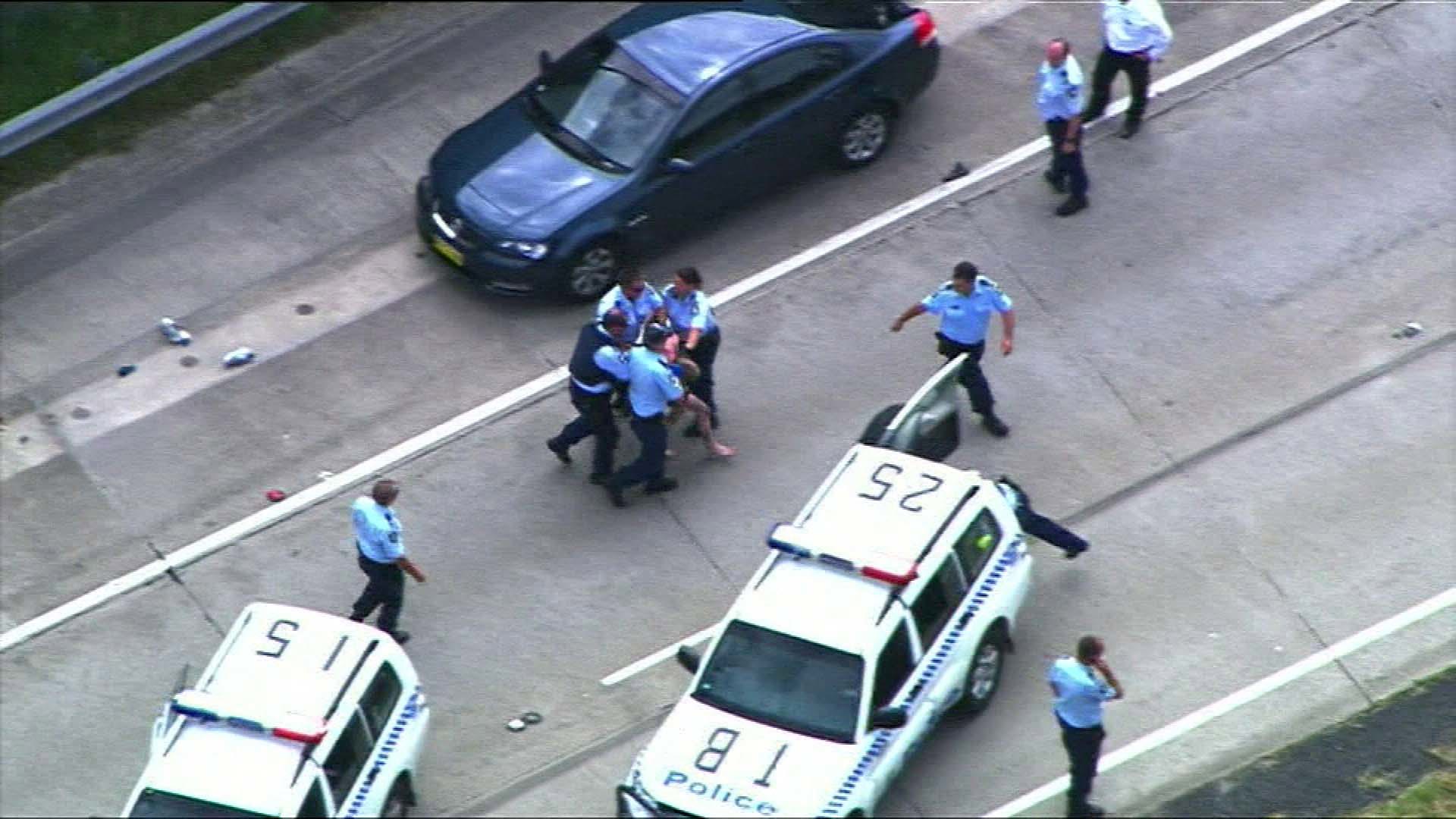
More than a decade after a chaotic cross-border chase involving carjackings, gunfire, and a desperate dash across M1 traffic, a NSW police officer has finally been honoured for his bravery.
Former senior constable Troy Cutler received the Commissioner's Valour Award today for risking his life during the daring operation to capture two fugitives.
Queensland and New South Wales police joined forces as two fugitives led both forces on a dramatic cross-border chase on February 5, 2015.
READ MORE: Woman charged with using antisemitic slur during netball game
Former New South Wales Senior Constable Troy Cutler was there.
He played a critical role in taking down the dangerous duo.
"I engaged him in pursuit up to about 200km/h, obviously it was a stolen vehicle," he said.
READ MORE: Hantavirus cruise ship arrives in Canary Islands as passengers await evacuation
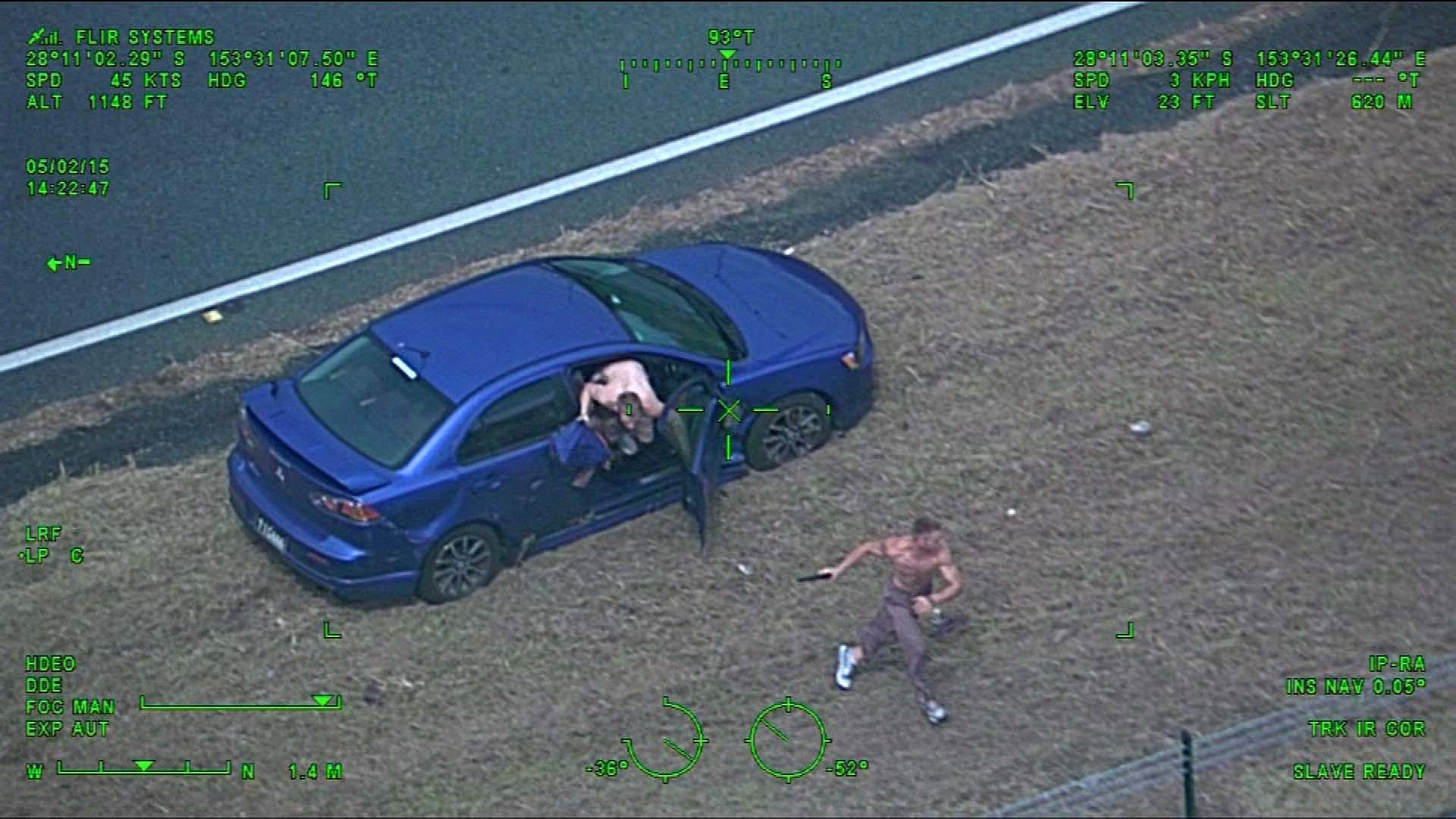
At times the driver forced others off the road, driving on the wrong side and even on footpaths from Caboolture, north of Brisbane, to the Gold Coast and Tweed Heads to the south
Tyre spikes ultimately brought the hours-long chase spanning 150 kilometres to a head.
Making a manic dash across the M1, carrying guns, the fugitives opened fire at civilians and officers.
The shocking scenes are still vivid in Cutler's memory and stand out in his 16 and a half years of service.
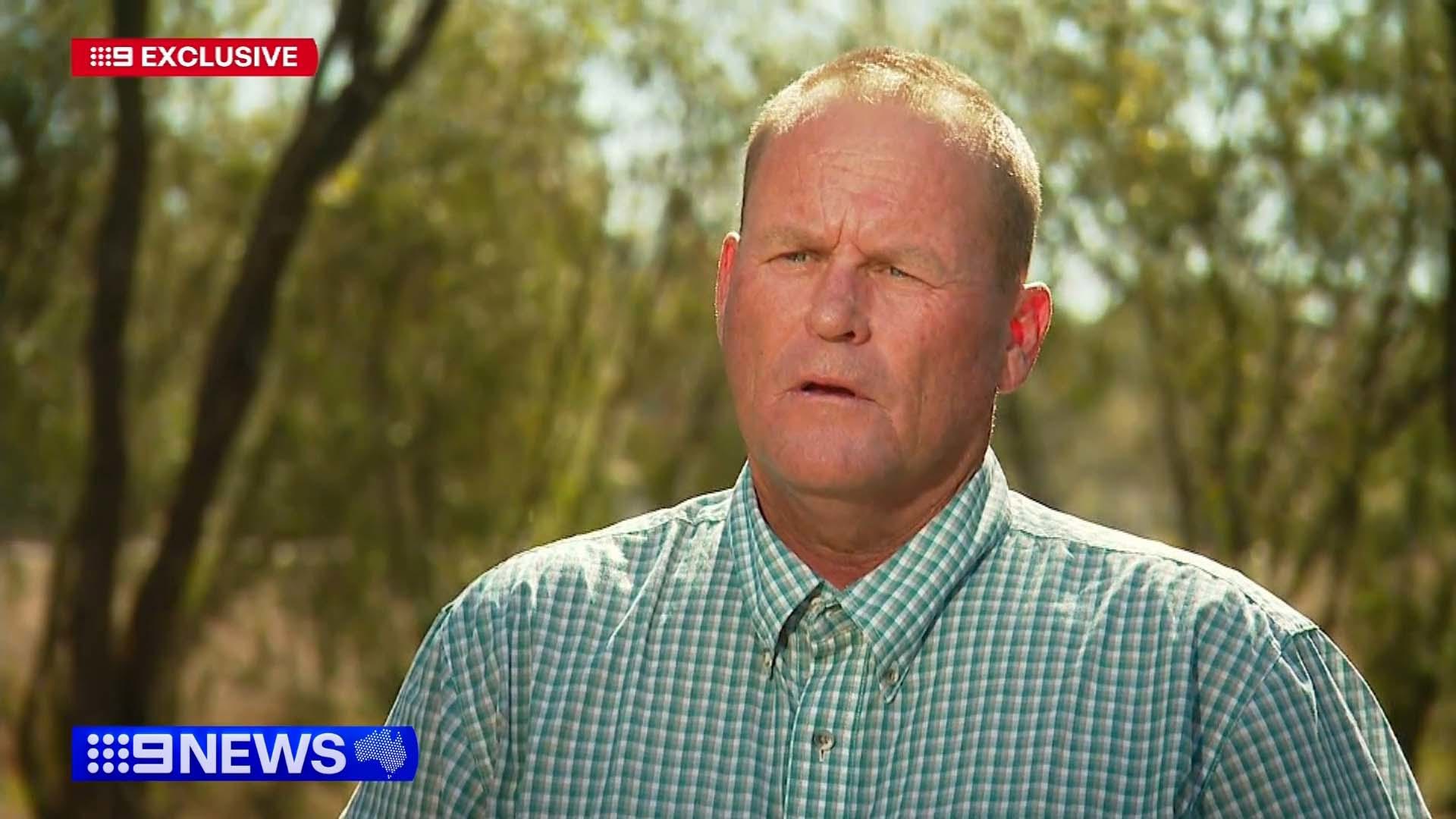
"Total of nine rounds were were shot at the public and myself. And God willing, no one was injured, no one was killed," he said.
"I did feel whiz over the top of my head."
The father-of two-has since been awarded an array of accolades for his valiant efforts..
More than 11 years on, he was given the highest honour of all – the Commissioner's Valour Award which he said he was "proud" to receive.
David Sandford used firearms licence to buy guns for dad, who gave them to gang associate
The man had only been in his son’s life for three or four years.
Woman charged with using antisemitic slur during netball game
A woman has been charged for allegedly using an antisemitic slur during a children's netball game in eastern Sydney.
Officers were called to Heffron Park in Maroubra at 10am yesterday over reports the 42-year-old associated with the Saints club had made insulting remarks while watching a game.
She allegedly made the insulting remarks against a team of junior Jewish players.
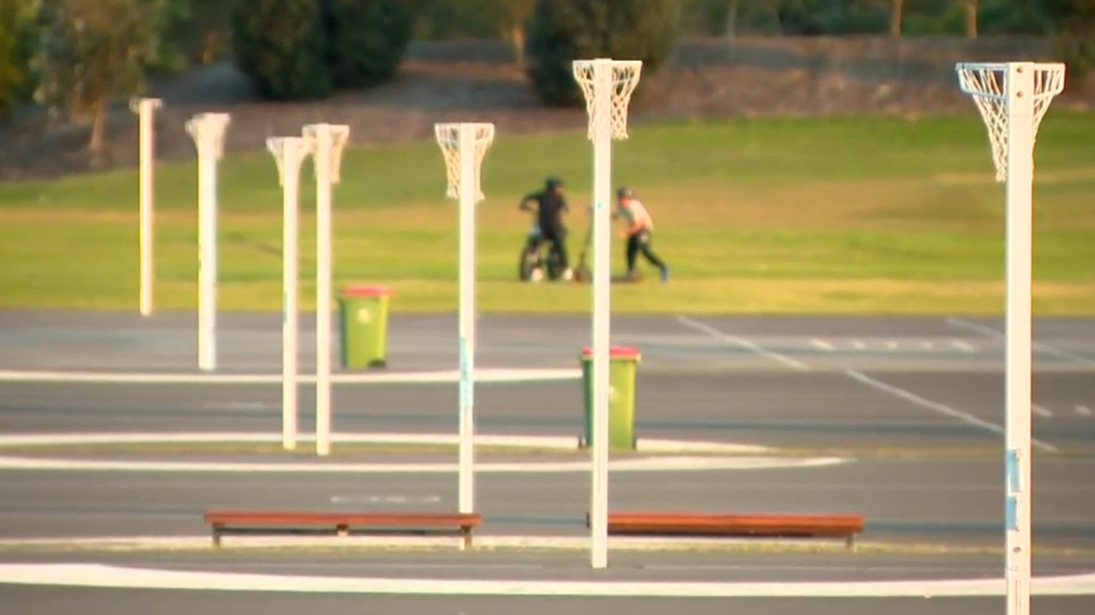
Police were called and officers spoke with the woman and told her to move on.
Following inquiries, she was today issued a court attendance notice for use offensive language in or near a public space or school.
She is due to appear before Waverley Local Court next month.
The incident came after the Antisemitism and Social Cohesion Royal Commission started in Sydney last week.
NEVER MISS A STORY: Get your breaking news and exclusive stories first by following us across all platforms.
- Download the 9NEWS App here via Apple and Google Play
- Make 9News your preferred source on Google by ticking this box here
- Sign up to our breaking newsletter here
High Court orders new hearing for ex-Samoa rugby prop Sakaria Taulafo facing deportation
Sakaria Taulafo had ‘six or eight’ beers at the rugby clubrooms before driving home.
Mother’s Day: Prime Minister Christopher Luxon and other politicians share heartfelt tributes to mums
New Zealand MPs from across the political spectrum shared special tributes to their mums.
New Zealanders on cruise with hantavirus outbreak could face quarantine on return
Only one New Zealander is believed to be aboard the MV Hondius.
Hantavirus cruise ship arrives in Canary Islands as passengers await evacuation
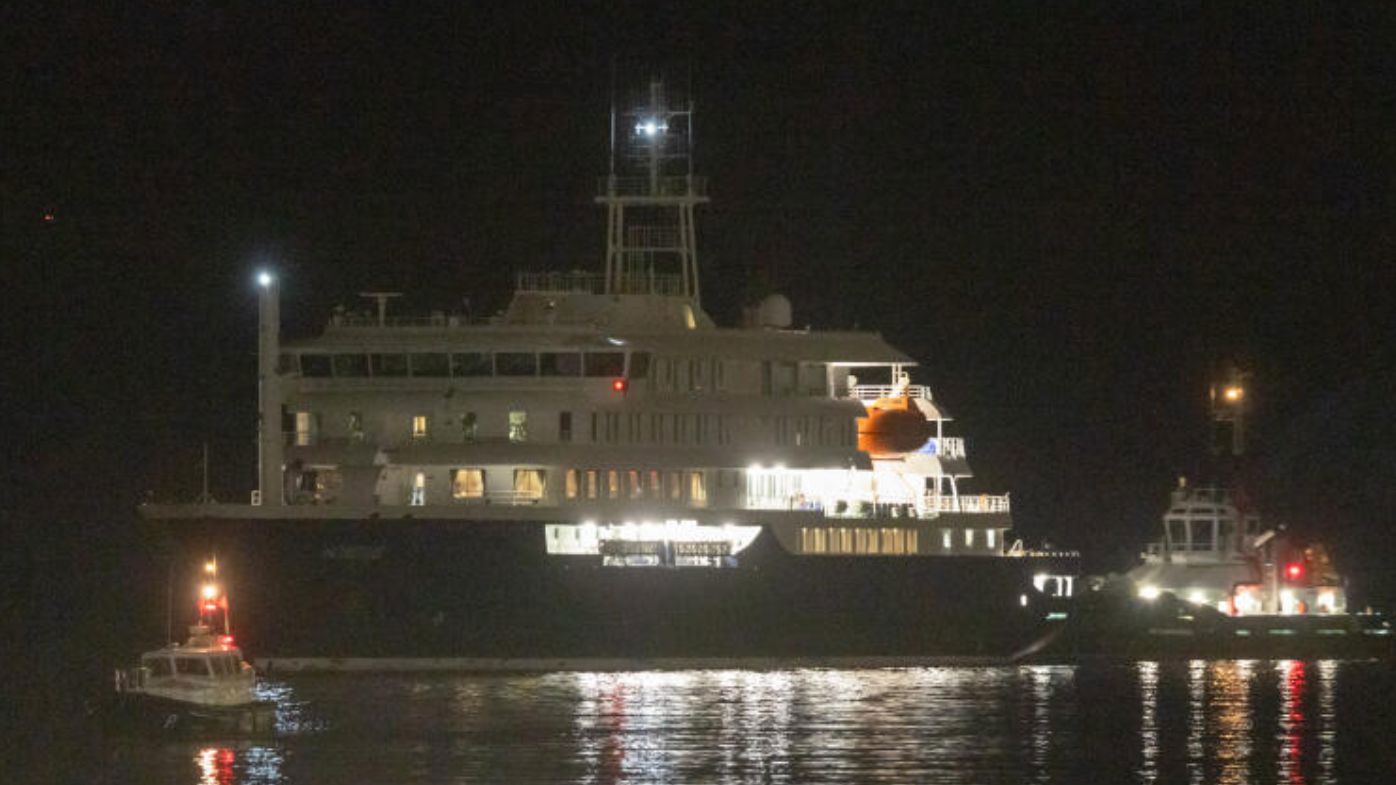
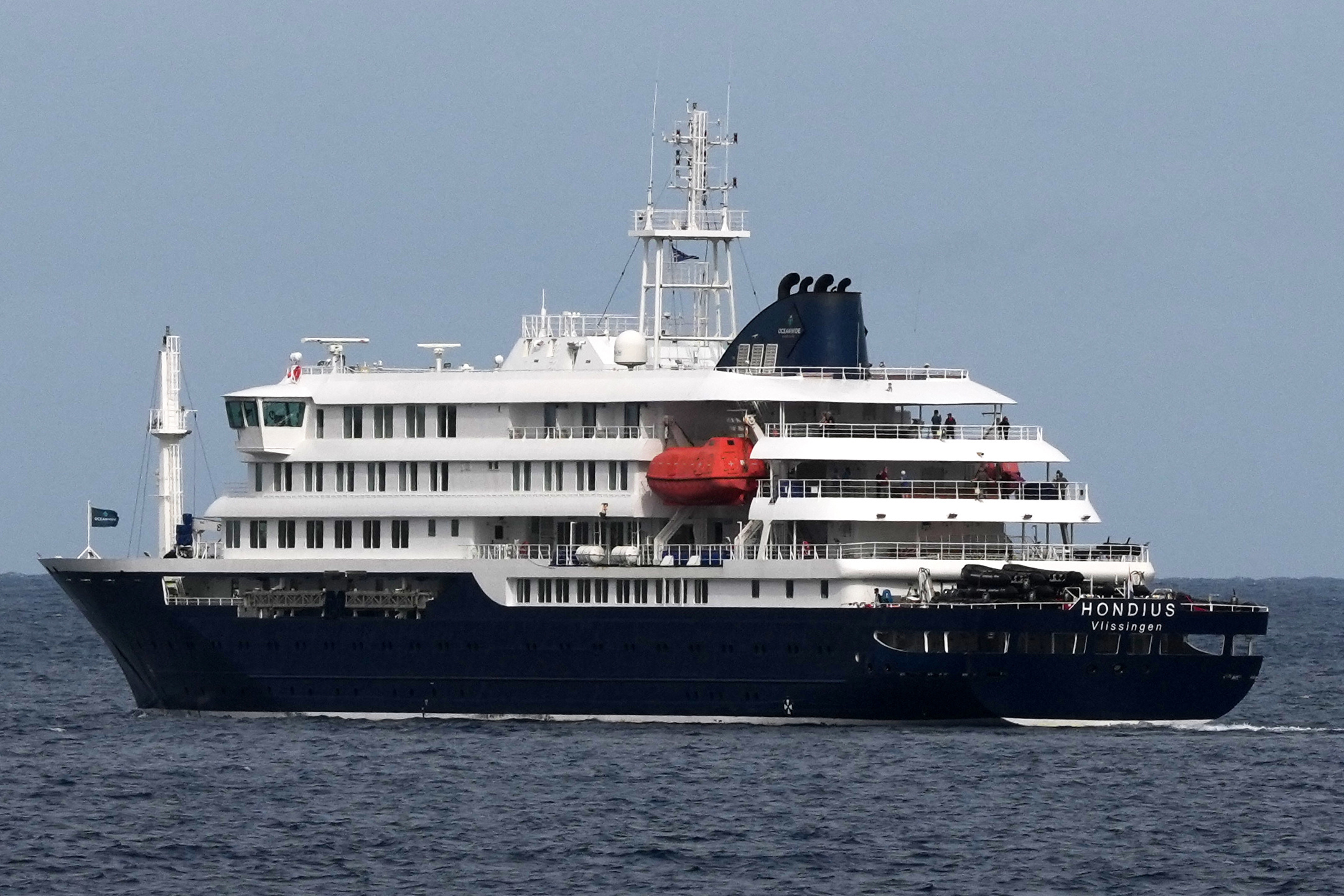
The cruise ship struck by a deadly hantavirus outbreak has arrived in Tenerife, where it will anchor for the evacuation of the passengers and some of the crew.
Footage taken by Reuters shows the MV Hondius at anchor near the Port of Granadilla in the Spanish territory on Sunday. The vessel has not been permitted to dock.
The passengers, including four Australian citizens, have not displayed signs of infection. They'll be tested by Spanish health workers to ensure they remain asymptomatic and then taken to land in small boats, according to local officials.
READ MORE: Expect federal budget to be as significant as 'banana republic' warning
However, they will be under strict protocols, including only being able to take limited belongings with them when they disembark the ship.
Everyone disembarking will be checked for symptoms and won't be taken off the ship until a flight is already in Tenerife waiting for them.
After setting foot on the ground, the passengers will be taken in sealed-off buses the Spanish island's main airport about 10 minutes away, where they will board planes heading to their respective countries.
Europe's public health agency said late on Saturday all passengers are considered high-risk contacts as a precautionary measure.
POLITICS: The existential crisis facing Coalition after 'good old-fashioned flogging'
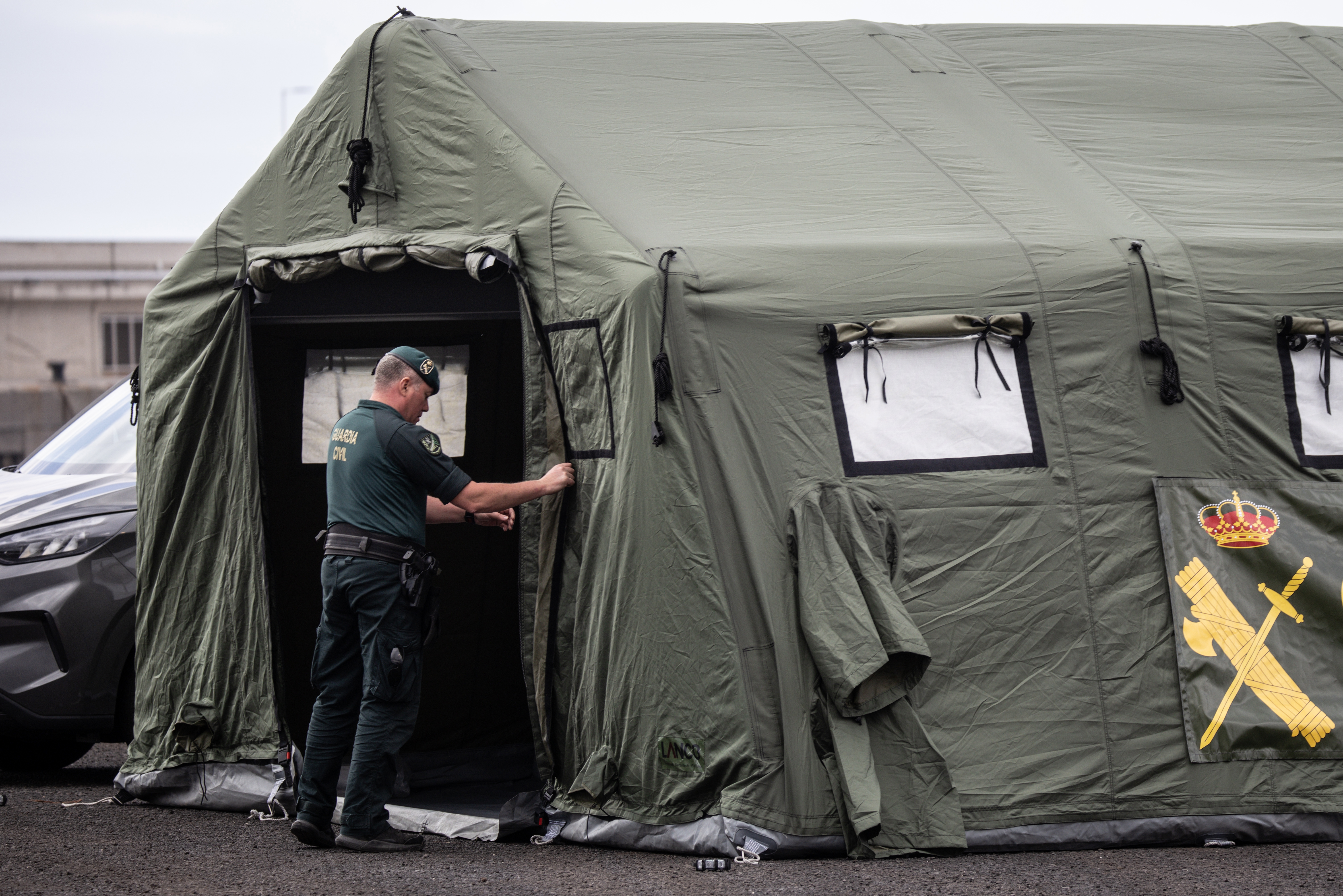
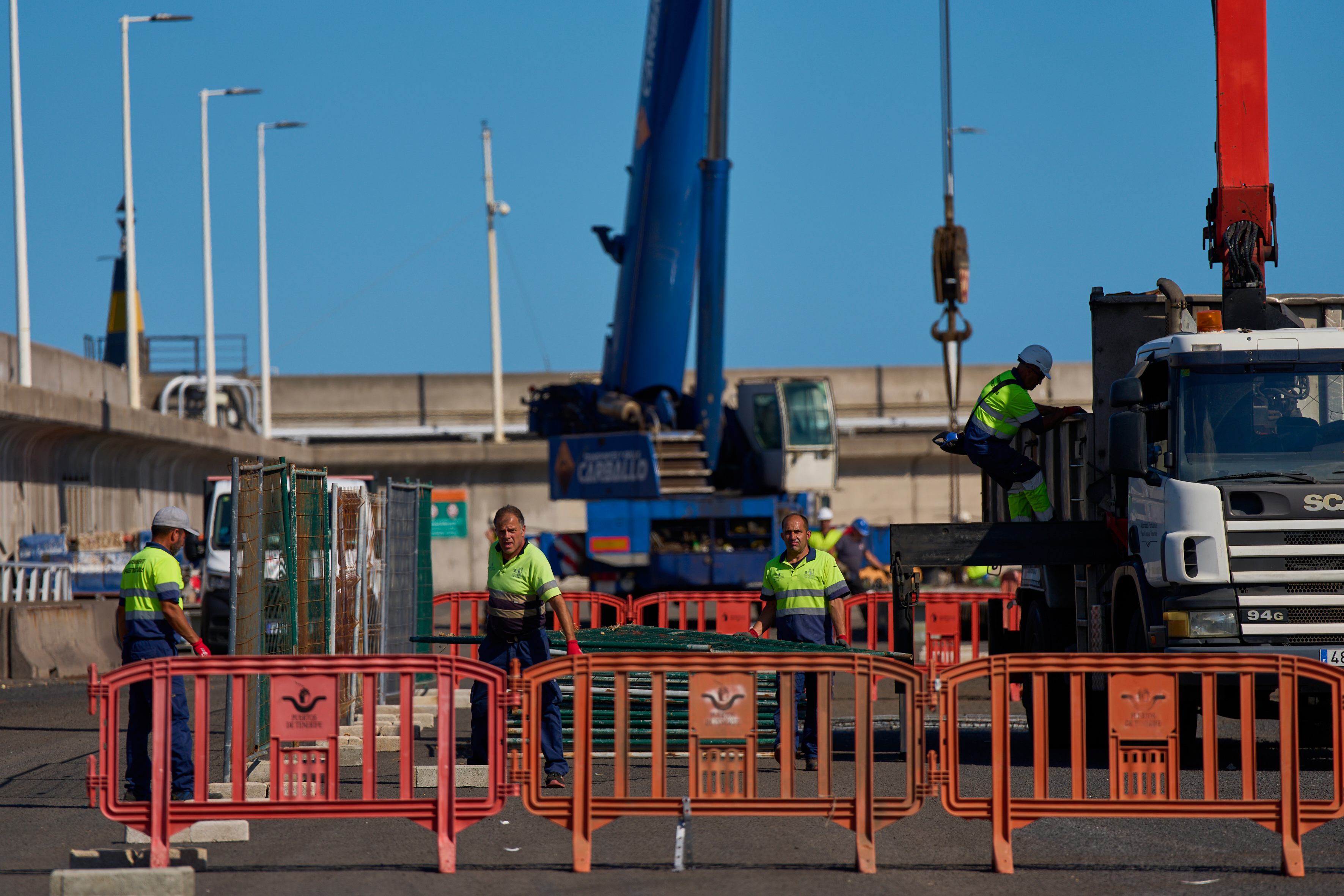
Earlier, Spain's Health Minister Monica Garcia during a news conference in Madrid, where she and WHO Director-General Tedros Adhanom Ghebreyesus looked to reassure the local community on the Canary Islands that there would be no outbreak on land.
"I know you are worried. I know that when you hear the word 'outbreak' and watch a ship sail toward your shores, memories surface that none of us have fully put to rest. The pain of 2020 is still real, and I do not dismiss it for a single moment," Tedros said in a statement to the people of Tenerife.
"But I need you to hear me clearly: This is not another COVID. The current public health risk from hantavirus remains low. My colleagues and I have said this unequivocally, and I will say it again to you now."
Garcia said passengers and some crew would disembark in Tenerife "under maximum safety conditions".
There are more than 140 people from more than 20 different countries on board, including four Australian citizens and one permanent resident.
Three people have died.
Authorities are aiming to complete the evacuation flights on Sunday and Monday, the director of the WHO's Department of Epidemic and Pandemic Management, Maria Van Kerkove, said in a briefing.
Those disembarking will leave behind their luggage, Garcia said, and will be allowed to take only a small bag with essential items, a mobile phone, charger and documentation.
Some crew, as well as the body of a passenger who died on board, will remain on the ship, which will sail on to the Netherlands, where it will undergo disinfection, the minister said.
Operation could be delayed as residents express concern
The operation to let passengers leave the stricken ship could be delayed, with Canary Islands President Fernando Clavijo claiming some of the repatriation flights that were to take passengers back to their home countries had not arrived on time.
In an impromptu press conference held this morning, he claimed he was looking to cancel the operation due to the health risks it would pose to his community.
He is not the only one who is concerned.
Some on Tenerife say they are worried, on board the cruise ship, some Spanish passengers have voiced concern about being stigmatised.
WORLD: Iran warns the US against attacks on its oil tankers and other ships
"I tell you, I don't like this very much," 69-year-old resident Simon Vidal said.
"Anyone can say what they want. Why did they have to bring a boat from another country here? Why not anywhere else, why bring it to the Canary Islands?"
Others said they empathised with the boat's passengers, but were still concerned.
"The truth is that it is very worrying," 27-year-old Venezuelan immigrant Samantha Aguero said.
"We feel a bit unsafe, we don't feel as there are 100 per cent security measures in place to welcome it.
"This is a virus after all and we have lived this during the pandemic. But we also need to have empathy."
Reported with Associated Press.
NEVER MISS A STORY: Get your breaking news and exclusive stories first by following us across all platforms.
- Download the 9NEWS App here via Apple and Google Play
- Make 9News your preferred source on Google by ticking this box here
- Sign up to our breaking newsletter here
Elderly man who went missing in Hobsonville, West Auckland, found ‘safe and well’
The 82-year-old was located after previous concerns for his welfare.
Top Liberal hints he’s open to One Nation joining Coalition after byelection triumph
A leading Liberal front bencher has refused to rule out the Coalition forming minority government with One Nation, in the wake of the populist party's stunning victory in Farrer.
David Farley won the byelection in resounding fashion for One Nation, the first time the minor party had won a seat in the federal House of Representatives, and broke the Coalition's 77-year stronghold on the rural New South Wales seat that was vacated by former Liberal leader Sussan Ley.
Speaking with the ABC today, Shadow treasurer Tim Wilson hinted he was open to the idea of One Nation joining the Coalition.
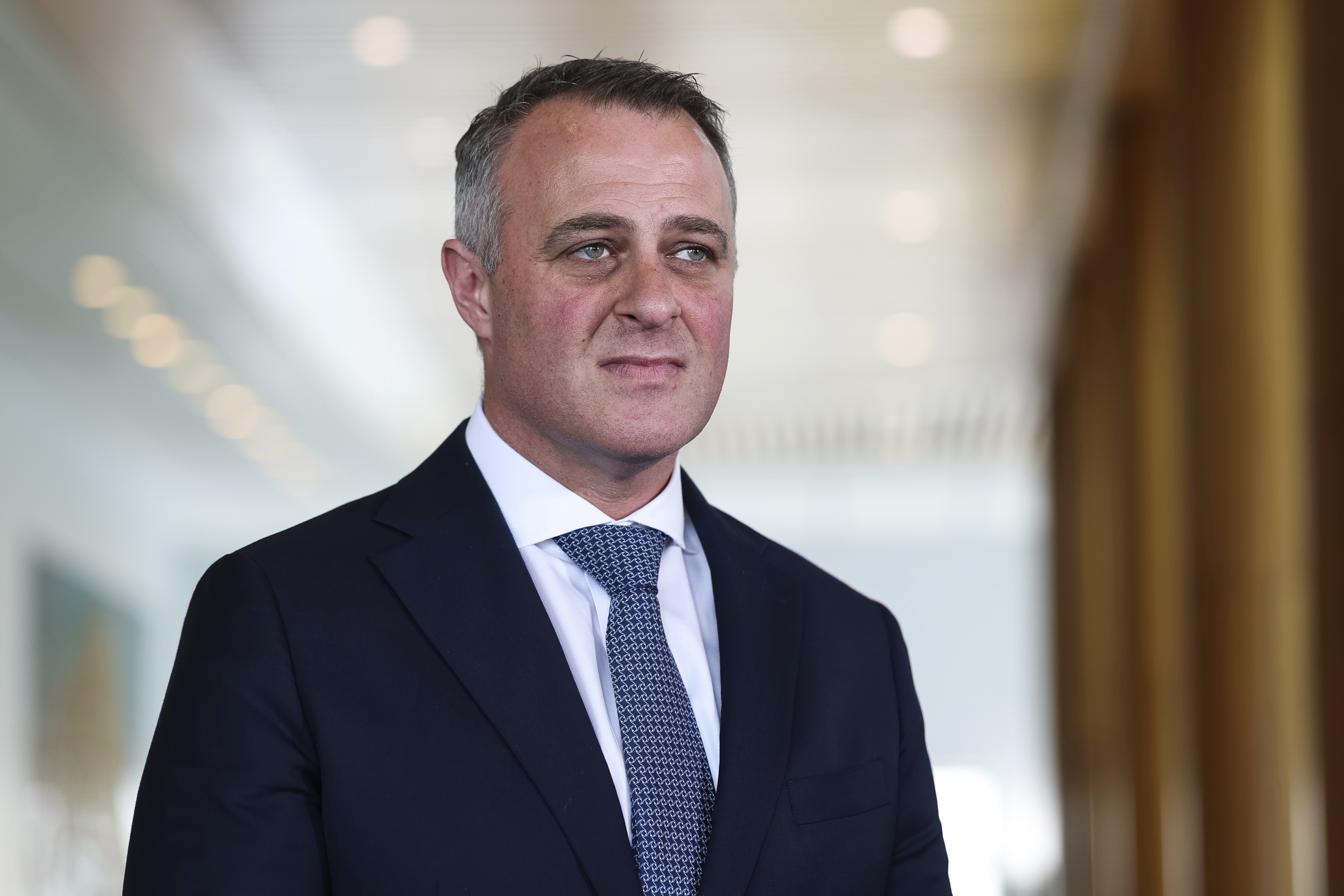
"My objective is to make sure that the Liberal Party is in a position to govern as strongly as possible," he said.
"Of course we traditionally form a coalition with the National Party, but it's up to the Australian people to decide who they want to vote for.
"But I can tell you quite clearly my objective is to make sure that Liberals beat One Nation candidates."
The Coalition has existential questions to face after being smashed at the Farrer byelection by One Nation and an independent candidate.
Speaking on Weekend Today, Nationals MP and former leader David Littleproud admitted the result wasn't pretty for the Coalition.
FARRER BY-ELECTION: 'A bomb going off in Canberra': What now for One Nation and the Coalition?
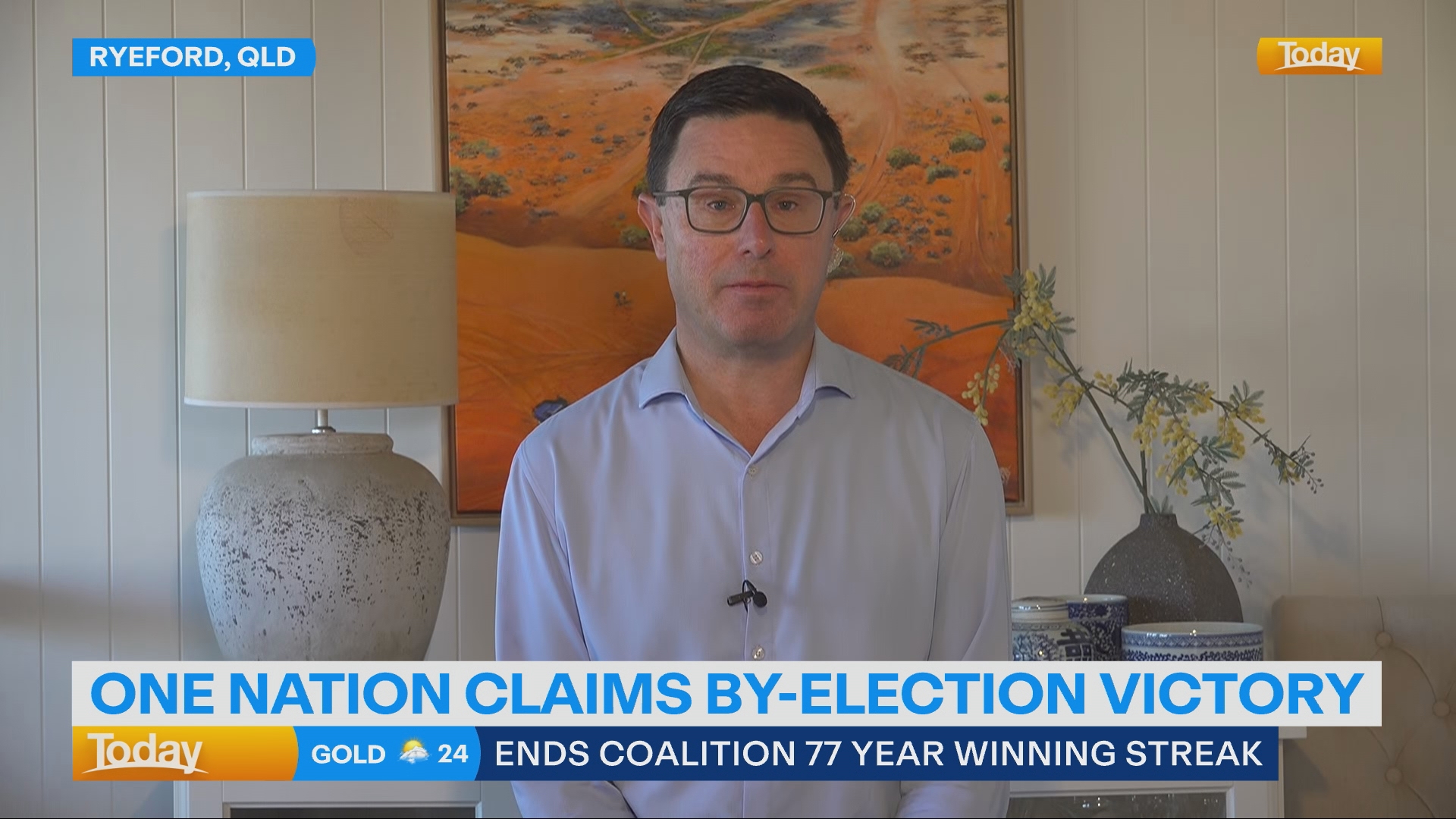
"It's a good old-fashioned flogging, that's the reality of it," he said.
"You've got to face into it, and understand that the people of Farrer are sending a message."
Littleproud claimed it was a protest vote not just against the Liberal Party, but also against the Albanese government, and said the Coalition needed to unite behind values after deserting them following last year's landslide election defeat.
"The Coalition wanted to walk away from all its policies, and we stood for nothing," he said.
READ MORE: Woman fighting for life after Melbourne hit and run
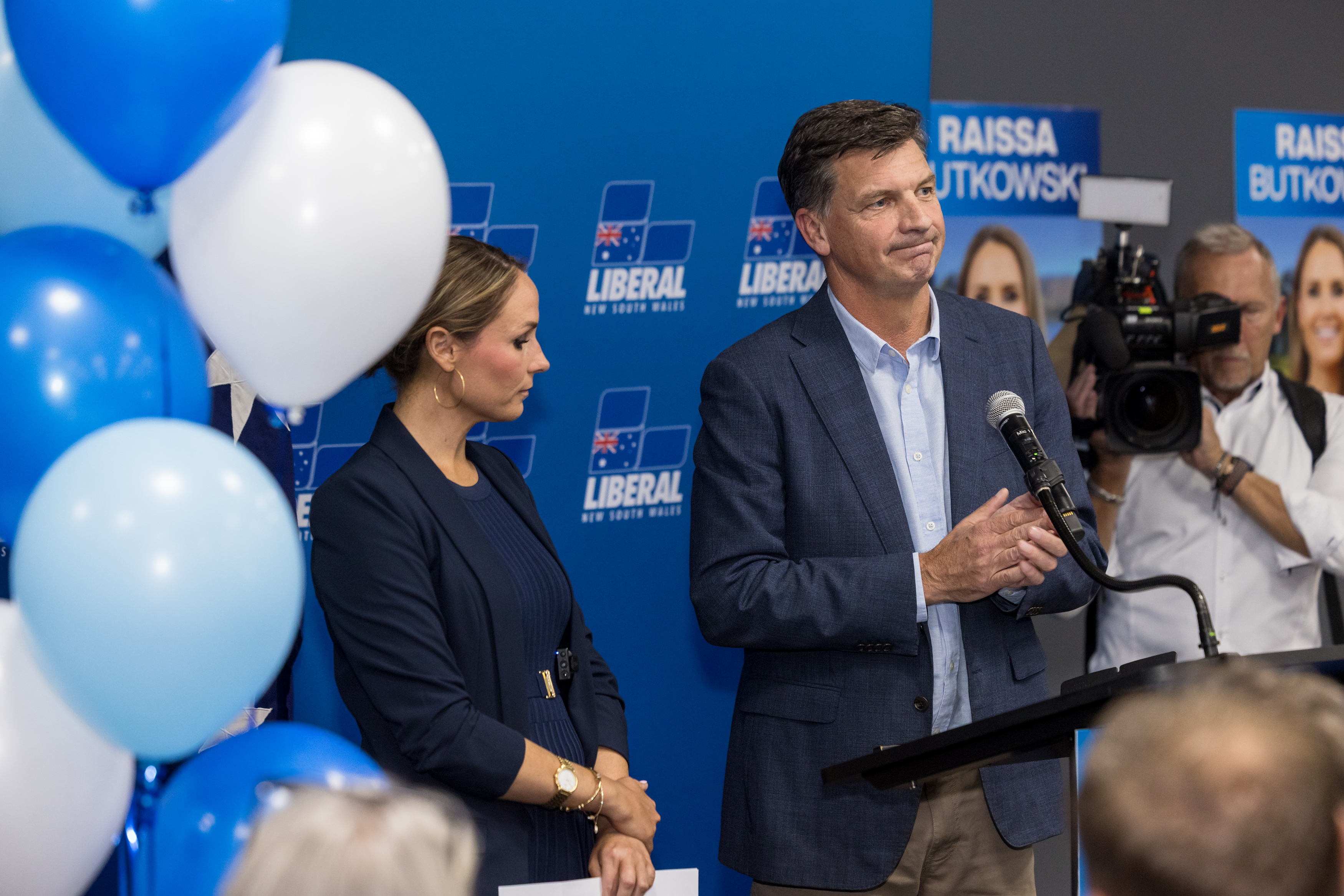
"What happened is Pauline Hanson, a canny politician for 30 years, walked in and took up that space, and stood for much of the values we fight for."
The Liberal Party recorded 12.6 per cent of the vote in the Farrar byelection with the Nationals getting just 9.76 per cent as of Sunday morning, with One Nation leading the two-party preferred vote against Independent Michelle Milthorpe by a margin of 7.3 per cent.
Nine News political editor Charles Croucher said the decimation of the Liberal Party vote was a sign it was losing more and more of Australia, after losing urban areas in large numbers at the two previous federal elections.
"They are running out of places to start winning seats," he said.
WORLD: Iran warns the US against attacks on its oil tankers and other ships
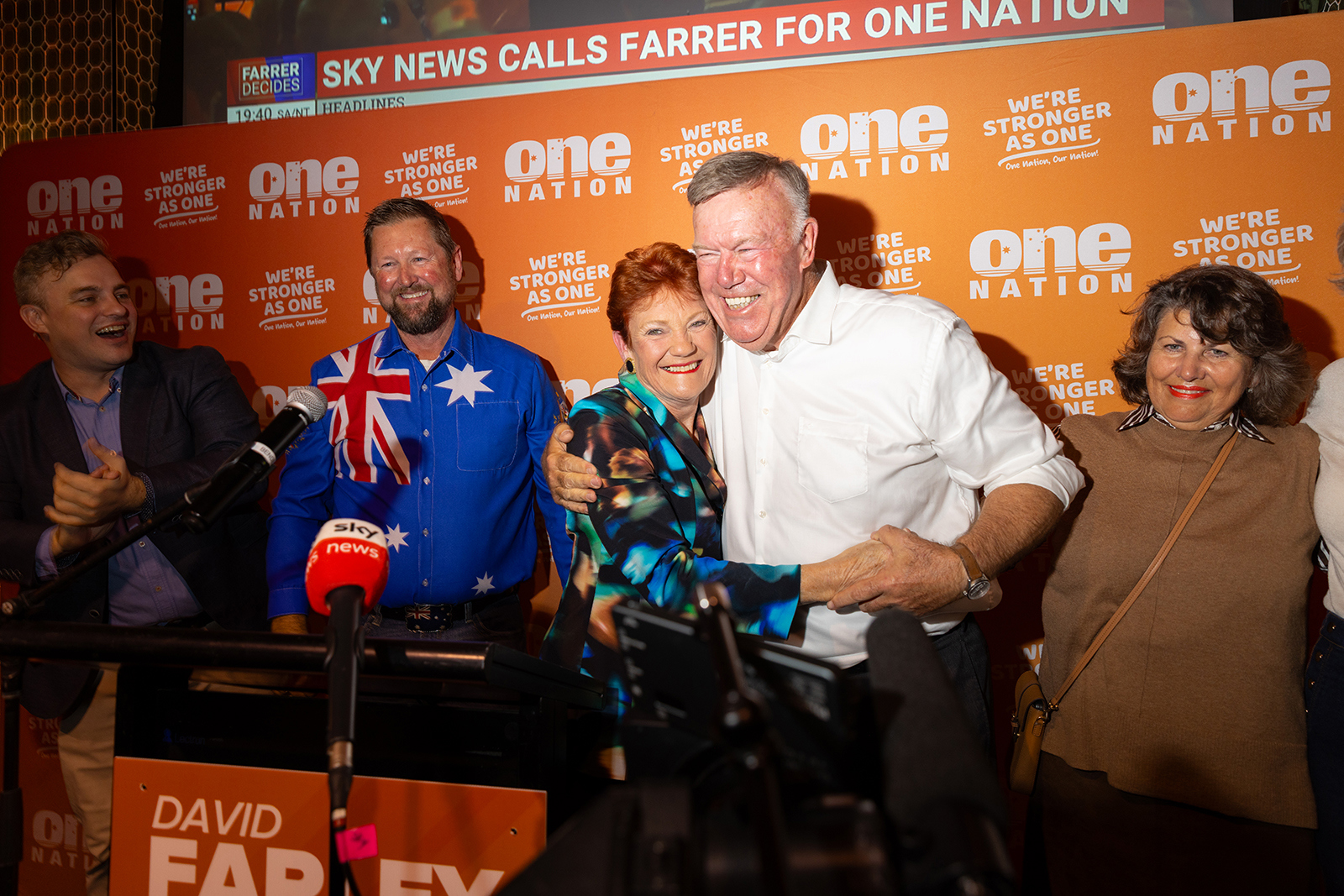
"It was going to be the party of the outer suburbs it clearly can't be the party of the bush anymore if that's the result that's coming in."
Croucher said the party was stuck between a rock and a hard place as forces on the left and right of politics continue to take voters the Liberal Party used to rely on for decades.
"What we're seeing is the Liberal party being stuck between this surge of One Nation on the right, the climate-minded independent, and Labor who are winning in the cities," he said.
"It's squeezing the Liberal Party, the party of Menzies, Howard, what was naturally the party of government, out of contention at all."
Treasurer Jim Chalmers made a bold prediction about the future of the Coalition, calling last night's result a "bloodbath".
"What it shows is the Coalition can't beat One Nation, so they will have to join them," he said on Today.
"It's hard to imagine a future coalition government that doesn't have One Nation in it."
NEVER MISS A STORY: Get your breaking news and exclusive stories first by following us across all platforms.
-
Download the 9NEWS App here via Apple and Google Play
-
Make 9News your preferred source on Google by ticking this box here
-
Sign up to our breaking newsletter here