Mike Thorpe reports on the rise of the schoolboy super-coach.
All posts by FreeNews
Tech CEO Jenene Crossan latest woman to accuse Sir Rod Drury of inappropriate sexualised behaviour
Jenene Crossan has questioned the terms of reference for Xero’s external investigation.
Baby toys from online brand SHEIN recalled due to choking risk
Multiple baby rattles from Chinese online shop SHEIN have been recalled due to posing a serious choking risk.
The Australian Competition and Consumer Commission (ACCC) said baby teethers and rattles sold by the online company pose a risk of serious injury or death by choking or suffocation if a child detaches and places the small parts in their mouth.
The products include a silicone animal-shaped baby teether, a handheld wooden rattle with rotating rings and a bell and a cloud-shaped wooden rattle with dangling beads.
READ MORE: Small businesses and tradies to permanently keep $20,000 tax break in federal budget

The ACCC added the products fail to meet the mandatory standard for toys for children up to and including 36 months of age.
Customers who purchased the toys that were sold from January 20 2024, until April 10 should to keep them out of reach of children and contact SHEIN for a refund.
NEVER MISS A STORY: Get your breaking news and exclusive stories first by following us across all platforms.
- Download the 9NEWS App here via Apple and Google Play
- Make 9News your preferred source on Google by ticking this box here
- Sign up to our breaking newsletter here
Dr. Denzil Douglas Confirms New Saint Kitts and Nevis High Commission in Singapore
Basseterre, Saint Kitts, May 07, 2026 – Saint Kitts and Nevis is set to strengthen its diplomatic presence in Southeast Asia with the establishment of a High Commission in Singapore. On the May 6, 2026 edition of InFocus, Senior Minister and Minister of Foreign Affairs, the Right Honourable Dr. Denzil Douglas, confirmed that the Federation has […]
Trump’s company loses half a billion dollars in three months
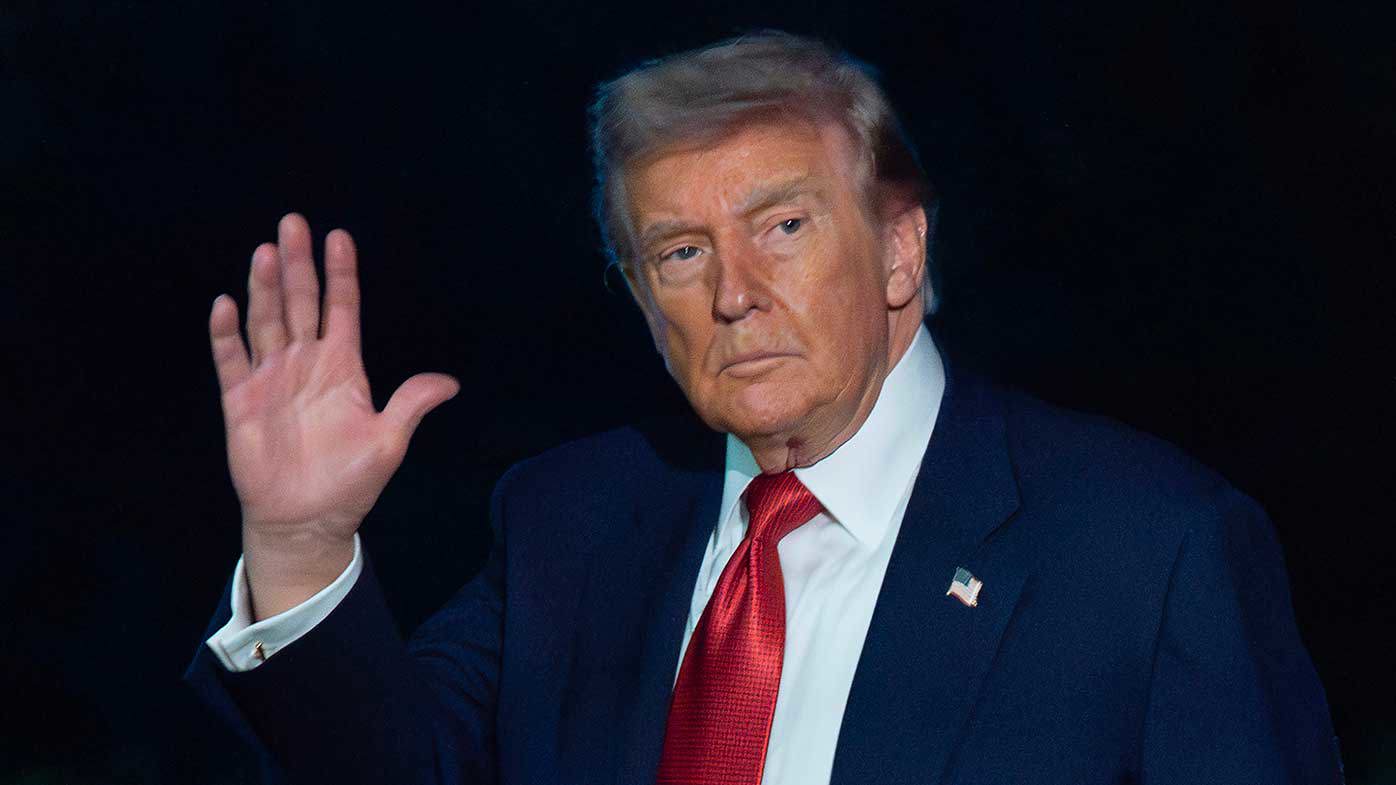
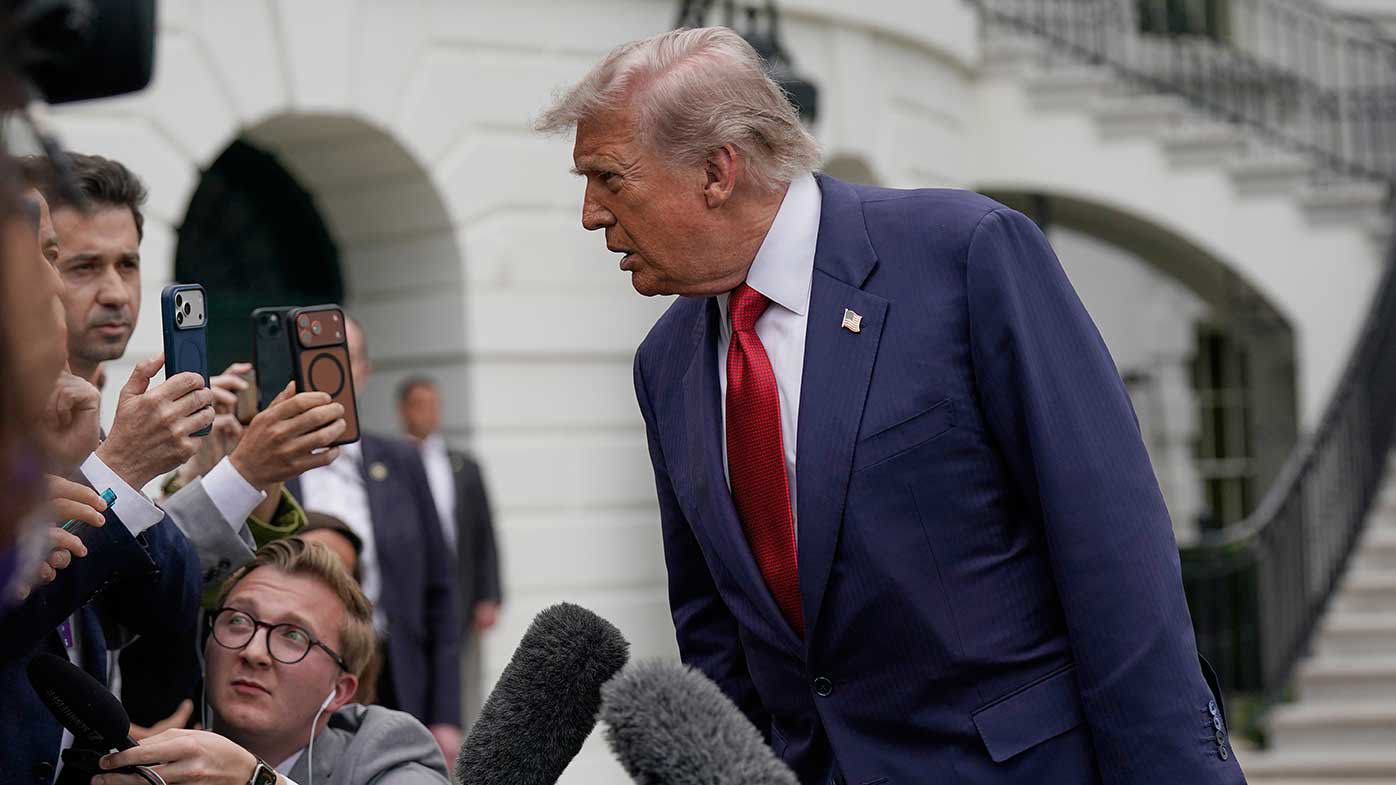
Donald Trump's media company lost more than four hundred times more money than it made from January to March this year.
The quarterly report from Trump Media and Technology Group (TMTG) showed the company had $US870,000 ($A1.2 million) in revenue in the first three months of the year.
At the same time it reported a $US406 million ($A560 million) net loss.
READ MORE: Americans asked if they could beat Donald Trump in a fight
But despite the colossal losses, its interim CEO Kevin McGurn is bullish.
"Trump Media is using its strong balance sheet and positive operating cash flow to continue growing all our businesses and platform infrastructure," he said.
"Truth Social remains a bastion of free speech with innovative enhancements coming soon."
Most of the company's shares are still owned by President Trump himself.
The bulk of the losses come from massive purchases of Bitcoin for a "treasury" to be held by the company.
TMTG bought $3.5 billion in Bitcoin midway through last year.
Since that time, the value of Bitcoin has crashed.
READ MORE: Trump pushes to take $115m rape case payout to the Supreme Court

The centrepiece of the company is Truth Social, the social media site created when Donald Trump was banned from Twitter and Facebook.
Truth Social was touted as a conservative alternative to other social media sites, but it has attracted few prominent users save for Trump himself.
Today's statement said the company is looking to expand into prediction contracts and more use of AI.
Video streaming platform Truth+ has also not connected with a wider audience.
The platform bills itself as showing "non-woke movies, live TV, Christian content, and more".
Today's report comes out weeks after CEO Devin Nunes suddenly left the business.
Trump Media and Technology Group (TMTG) was valued at $US10 billion ($14 billion) when it first went public in March 2024.
Now it is valued at a fraction of that.
READ MORE: Trump celebrates decision that could secure his party's re-election
NEVER MISS A STORY: Get your breaking news and exclusive stories first by following us across all platforms.
- Download the 9NEWS App here via Apple and Google Play
- Make 9News your preferred source on Google by ticking this box here
- Sign up to our breaking newsletter here
Premier Mark Brantley Pushes to Position Nevis as Premier Financial Services Jurisdiction
NIA Charlestown, Nevis (May 08, 2026)- Premier of Nevis, the Honourable Mark Brantley, has reaffirmed the Nevis Island Administration’s (NIA) commitment to expanding and modernizing the island’s international financial services sector as part of a broader strategy aimed at economic diversification and long-term growth. Brantley, who also holds responsibility for Finance and Economic Planning, recently […]
Australia’s east to brace for a wet week
Part of Australia's east coast might be in for a wet week with a string of rainy days expected for parts of NSW and Queensland.
Despite a dry, yet cold start to the month, the drizzly conditions are due to roll in, potentially bringing multiple wet days to Sydney and Brisbane as onshore winds mix with abnormally warm sea temperatures.
Those conditions are set to change as a high-pressure system moves across the Tasman Sea, bringing easterly winds towards the east coast.
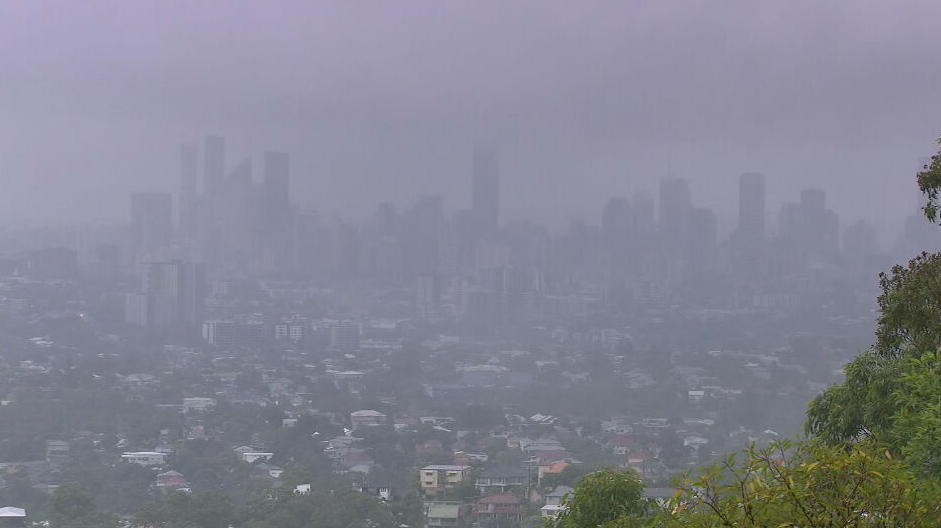
While the weather pattern is not expected to bring widespread rain or heavy conditions, it is expected to extend to parts of Queensland and NSW.
These conditions are caused by the warm water off the east coast, causing a higher chance of rainfall.
The Bureau of Meteorology has issued a hazardous surf warning for the Hunter Coast and Sydney Coast today, stating that surf and swell conditions are expected to be hazardous for water activities such as swimming, fishing and boating.
Strong wind warnings are also in place today for NSW's Eden Coast.
In Queensland, strong marine wind warnings have been issued for the Peninsula Coast, Cooktown Coast and Cairns Coast.
Those warnings are set to remain in place until tomorrow.
The conditions come a week after a polar blast across the nation's south-east brought year-low temperatures and snow to several states.
NEVER MISS A STORY: Get your breaking news and exclusive stories first by following us across all platforms.
- Download the 9NEWS App here via Apple and Google Play
- Make 9News your preferred source on Google by ticking this box here
- Sign up to our breaking newsletter here
Dominica engages consulting firm to boost agriculture
PORT OF SPAIN, Trinidad, May 8, CMC – The Trinidad-based international consulting firm, Leve Global Limited, says it has been engaged by the Dominica government to to develop the Sustainability Plan and Strategic Framework for the island’s agro-processing facility. In a statement, the firm said Dominica is taking a major step toward ensuring more of […]
IMG outlines policy measures to stabilise debt, reduce vulnerability in St. Kitts and Nevis
WASHINGTON, May 8, CMC – The executive directors of the International Monetary Fund (IMF) say continued fiscal consolidation, supported by a strong fiscal resilience framework, is critical for St. Kitts and Nevis to stabilise debt, rebuild buffers, and reduce vulnerability to shocks. They said that under a moderately frontloaded consolidation scenario combining expenditure rationalisation and […]
CARICOM and Spain advance development cooperation
GEORGETOWN, Guyana, May 8, CMC – The Guyana-based Caribbean Community (CARICOM) Secretariat Friday said that the regional health sector is set to receive a welcome injection of support with the signing of a new cooperation agreement between the regional integration grouping and the government of Spain. The agreement formalises Spain’s Euro400,000 (One Euro=US$1.29 cents) contribution […]