All posts by FreeNews

Cyclone Narelle strengthens to category 4 as residents brace for impact

Severe Tropical Cyclone Narelle has intensified again into a category 4 storm as it barrels towards 800km of Western Australia's coastline.

The storm, currently sitting about 210km north-west of Karratha, is forecast to cause destructive winds gusts of up to 230km/h, over 200mm of rainfall and a risk of flash flooding.

It is expected to impact the west Pilbara and Gascoyne coasts today.

LIVE UPDATES: Iran dismisses US ceasefire plan, issues its own counterproposal
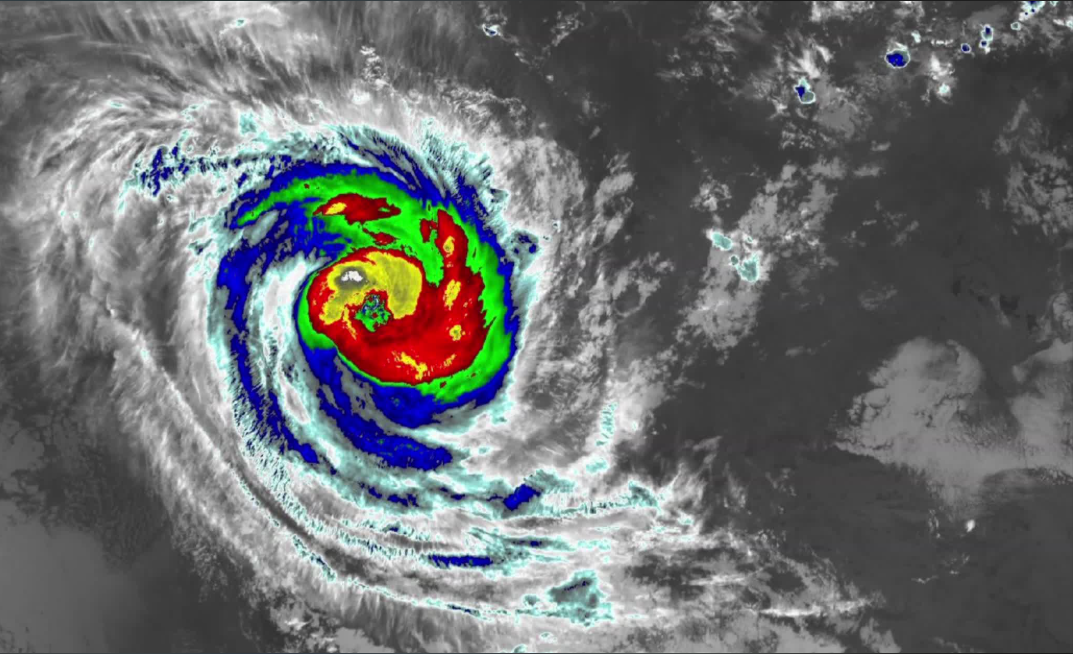
Cyclone Narelle is getting stronger and set to hit large parts of Western Australia.

A warning zone encompasses residents from Port Hedland to Denham, including Karratha, Onslow, Exmouth, Coral Bay and Carnarvon, and extending inland to Pannawonica and Gascoyne Junction.

Those south of Denham to Jurien Bay, including Kalbarri and Geraldton, and extending inland to Murchison, Yalgoo and Dalwallinu, are within the watch zone.

"Even though the system is offshore, it is quite a large system, so we're seeing some of those very strong wind gusts impact on shore," the Bureau of Meteorology's Ilana Cherny said in an update.

A flood watch has been issued for the western parts of the Pilbara, Gascoyne, Central and Lower West Coastal catchments.

The storm was a category 3 cyclone earlier this afternoon, but has been upgraded to a category 4.

WA Premier Roger Cook has asked locals to "heed the advice of emergency services".

"We know you've got experience in dealing with cyclone events but they are unpredictable," he said.

Narelle has travelled across northern Queensland, the Northern Territory and now to Western Australia over the past week, intensifying and easing and intensifying again.

The cyclone is currently moving down the coast at a slow 17km/h and is forecast to strengthen even further to a category 5 storm, according to the Bureau of Meteorology. 

READ MORE: Tens of thousands of Sydney residents hit by sudden water shortage
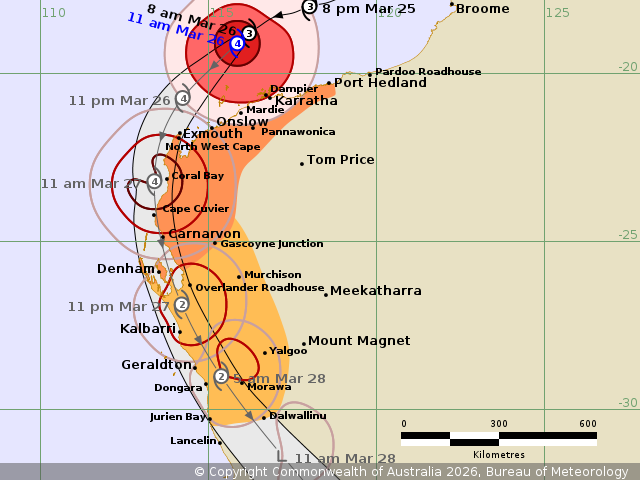
Severe Tropical Cyclone Narelle has intensified again into a category four storm as it barrels towards 800km of Western Australia's coastline.

Forecasting shows Narelle passing close to the North West Cape tomorrow before weakening as it turns inland across the South West Land Division on Saturday.

Narelle is expected to make a coastal crossing near Denham tomorrow night. 

"The system will curve around the Exmouth coast as a category four system, before hugging the Gascoigne coast and eventually crossing the coast and continuing south eastwards as it tracks inland, eventually weakening it to a tropical low," Cherny said.

"That raises the question exactly when and where the system will move onshore.

"We are looking at a coastal crossing sometime on Friday evening or Friday night, and it looks most likely about the Gascoyne coast, so somewhere between Coral Bay and Kalbarri, with the Denham area looking like the most likely scenario."

Perth is in for a soaking, with up to 100mm of rainfall on the cards this weekend. 

Some roads and ports across the state have been closed due to the storm. 

Several events in Perth have also been cancelled, postponed or relocated in anticipation of Narelle's impact later this week, including the End of Summer concert and the Classic Car Show.

READ MORE: Savannah Guthrie tapes interview with Hoda Kotb, plans Today show return next month
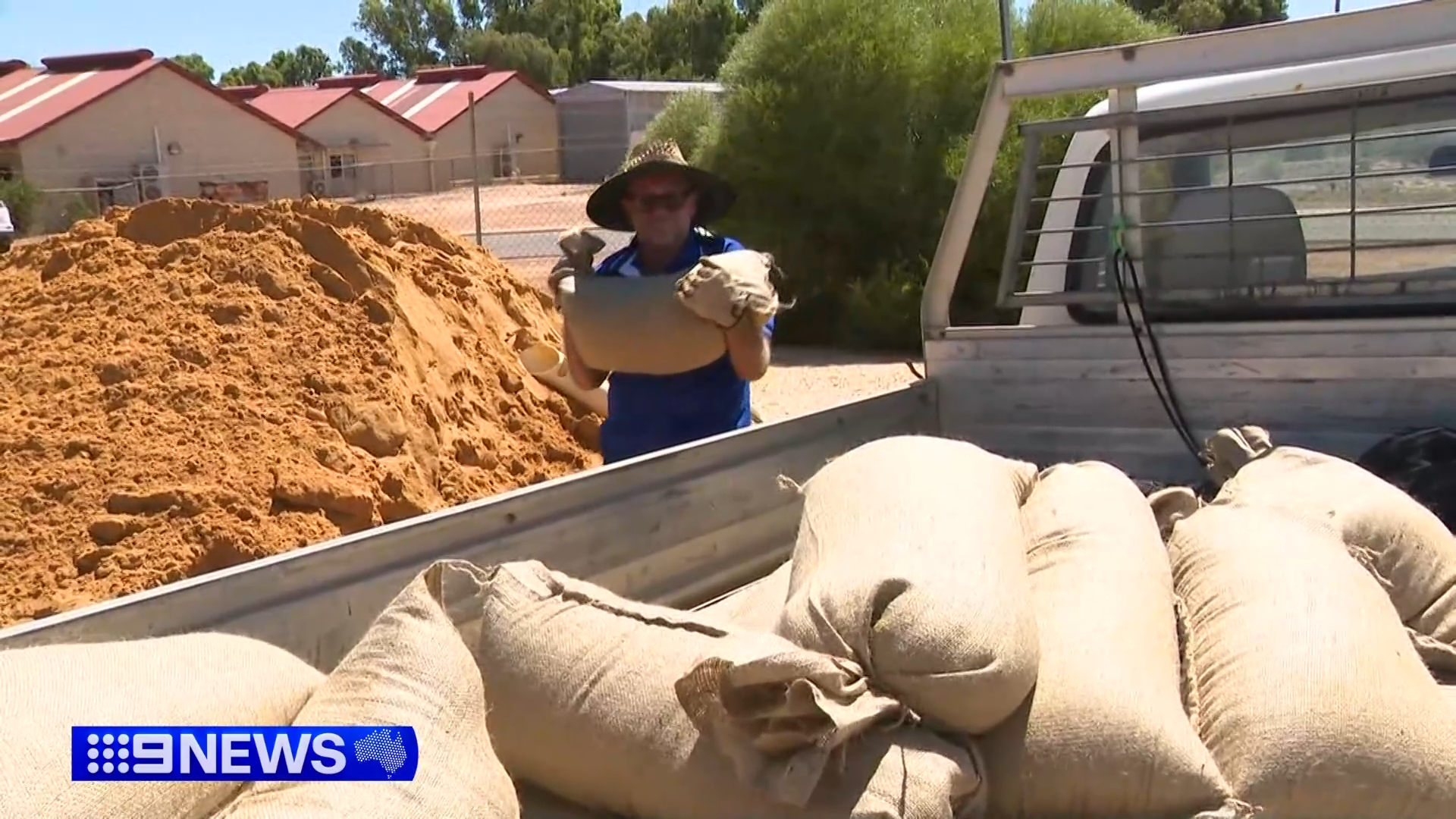
Sandbagging in Kalbarri

Preparations get under way

Kalbarri, which is in the watch zone, knows how devastating a cyclone can be after being smashed by Cyclone Seroja almost five years ago.

Taking no chances this time around, locals were stocking up on sandbags and tidying up yesterday.

Caravan parks in Kalbarri, as well as those further north in Denham and Exmouth, are evacuating travellers and turning away any new bookings.

Locals Mark and Janice Murrie lived through the category 3 cyclone in 2021 and are worried about what is to come.

"There will be a lot of stressed people here," Mr Murrie told 9News.

"Because the mental health after the last one – people were just shell-shocked"

NEVER MISS A STORY: Get your breaking news and exclusive stories first by following us across all platforms.

Why some Aussies are still clocking on a decade after ‘retirement’

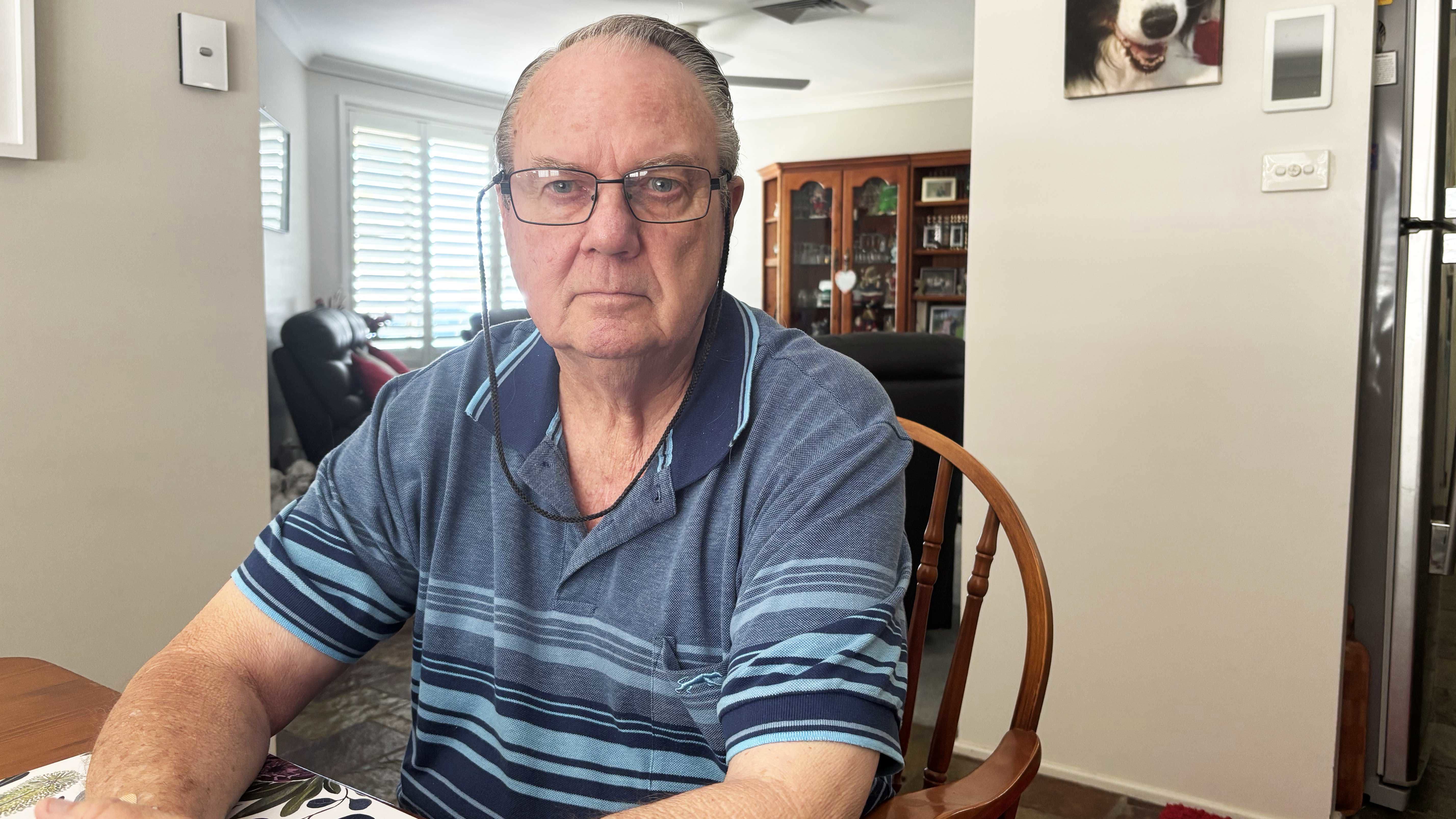
At 74 years old, Larry Allison's alarm clock still goes off at 5.15am two days a week. 

While many his age are enjoying a quiet retirement, the former merchant banker and removalist is climbing behind the wheel of a school bus in Port Stephens, on the north coast of New South Wales, for his part-time job.

Allison is one of a growing number of Australian seniors who have discovered that a lifetime of hard work isn't enough to keep up with a modern cost-of-living crisis. 

He told nine.com.au he simply couldn't survive the increases in all of his major expenses if he didn't keep working.

"Everything just keeps going up – more than the rate of inflation," he said.

"Over the last 12 months, our electricity is up 33 percent, insurance has gone up by 20 percent, and it just doesn't stop."

READ MORE: Truck driver's warning as diesel shortage poses deadly risk

Pensioner Larry Allison says he will likely have to work until he is 80 to afford the cost of living.

Allison originally thought he would retire at 65. Now, he estimates he will have to keep working until he is at least 80.

In a recent Change.org petition started by Allison, the pensioner laid bare the reality of his "golden years."

"I wake up each week knowing that I still have to work two days just to keep my head above water," Allison wrote. 

"I am an age pensioner, and after a lifetime of hard work, it's disheartening to see that I can't afford to slow down and enjoy my golden years at home. 

"Instead, I am forced to continue working because the cost of living has become unbearable."

Pensioners working longer than ever

Allison's struggle is reflected in a nationwide trend of Australians delaying full retirement. 

According to the latest Household, Income and Labour Dynamics in Australia (HILDA) survey data, retirement rates have plummeted over the last two decades.

In 2003, roughly 70 percent of women and nearly half of men aged 60 – 64 had fully retired. Today, those numbers have fallen to 41 percent and 27 percent respectively. 

Even for those in their late sixties (65–69), retirement is no longer a given: only 66 percent of women and 61 percent of men in this age bracket are fully retired, down from much higher levels twenty years ago.

The physical and mental toll of working into one's late seventies is significant. 

To keep his heavy vehicle licence, Allison undergoes annual driving tests and check-ups with an endocrinologist, a heart specialist, and a GP. This year, a cognitive test will be added.

"I had open-heart surgery three years ago… but I still managed to get back to work," he said.

Calls for reform: "Let pensioners work"

A common frustration for many working seniors lies with the pension income test. 

Currently, once a single pensioner earns over $218 a fortnight (or $380 for a couple), their pension payments are reduced by 50 cents for every dollar earned.

"When I was working three or four days a week, I was losing 50 cents in every dollar, plus paying 30 cents in tax," Allison said. "There was no point."

This sentiment is at the heart of the National Seniors Australia (NSA) "Let Pensioners Work" campaign. 

The NSA is lobbying the government to exempt employment income from the Age Pension income test entirely. 

They argue the current system effectively "taxes" seniors at a higher marginal rate than many high-income earners, discouraging them from filling critical labour shortages in sectors like aged care and agriculture.

Billy Pringle, Senior Policy Officer for the Combined Pensioners & Superannuants Association (CPSA), said the cost-of-living squeeze was becoming unbearable for many pensioners. 

While the pension is indexed to the CPI, Pringle points out that those increases always arrive after the prices have already spiked.

"Pensioners are always having to play catch-up," Pringle said. 

"We've heard from people who are eating less nutritious meals because they aren't able to get fresh fruit and vegetables… or they might be skipping meals altogether."

Pringle warns that for those who aren't physically able to "pick up an extra shift" like Allison, the situation is dire. 

"People have paid tax their whole life with the promise that they can retire, and then they are forced back into the workforce because of circumstance."

The shifting safety net

To prevent the pension from losing its value, the government uses a complex "triple-check" system for indexation every March and September. 

It compares the Consumer Price Index (CPI), which measures general inflation, with the Pensioner and Beneficiary Living Cost Index (PBLCI), which is tailored to the specific spending patterns of seniors – like higher healthcare and energy costs. The pension is increased by whichever of these two is higher. 

Finally, the rate is benchmarked against Male Total Average Weekly Earnings to ensure pensioners' living standards don't fall too far behind those of workers.

However, Pringle points out that these metrics often fail to capture the true financial burden on individuals, noting that while rent factors in at about 6 percent of the CPI and 20 percent of the PBLCI, "there's very few people for whom rent is only six or even 20 percent of their income and of their costs; mostly it's north of 30 percent."

While these shifts happen twice a year, they are often overshadowed by the "Work Bonus" rules. 

In late 2023, the federal government made significant reforms to this scheme, permanently increasing the "Work Bonus Bank" limit from $7800 to $11,800. 

This allowed new pensioners to start with a $4000 credit, theoretically letting them earn more from a job before their pension began to dwindle.

However, for Allison and thousands of others, even these "banked" credits disappear quickly under the weight of bill shock coming in.

"We just got our last electricity bill, it was $954 for the last quarter, and we have also just paid our rates – there goes another $2700," Allison said.

NEVER MISS A STORY: Get your breaking news and exclusive stories first by following us across all platforms.

Travelling family left blindsided by $500 tank of fuel

A family of four who sold everything they owned to travel Australia in a caravan have been left blindsided by the soaring cost of diesel.

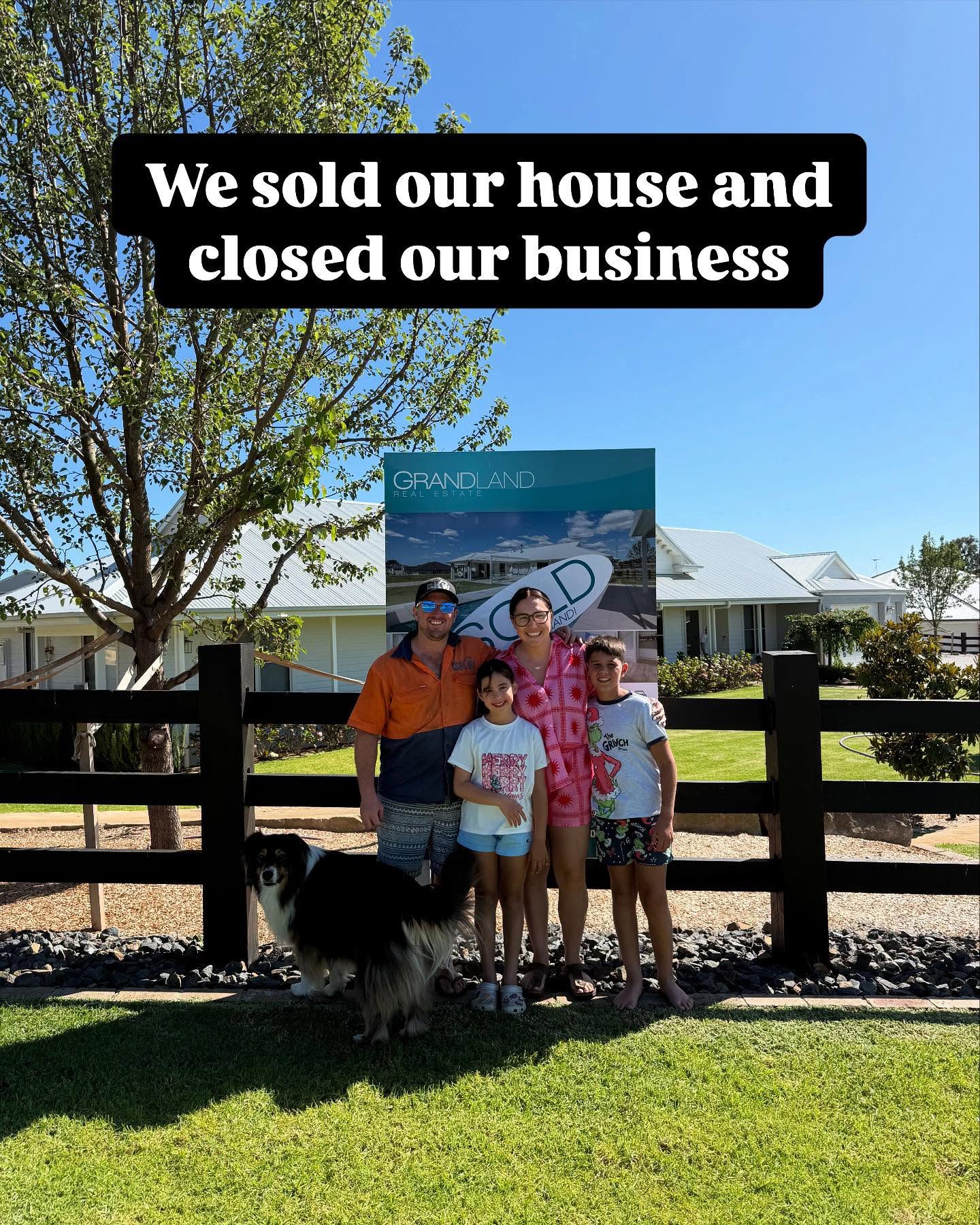
Sydney couple Lisa and Blake Walsh put their house on the market last year and took their two children and dog on an adventure of a lifetime.

The past seven months of travelling the country have been bliss – but it has almost become too expensive to keep driving due to the astronomical prices at the pump.

EXCLUSIVE: 'Lost my identity': Strict rule destroyed Carla's retirement plans

Walsh family travelling Australia

READ MORE: Tropical Cyclone Narelle expected to deliver massive 'rain dump', flash flood risk to Perth

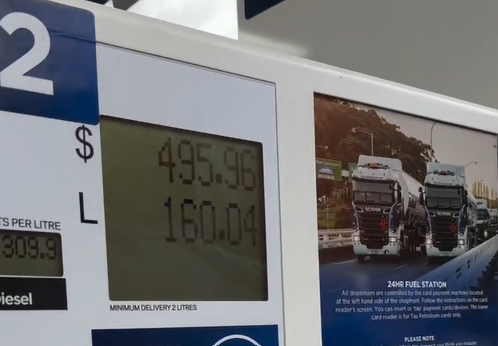
The family paid nearly $500 to fill up at a petrol station in Rosebery on Tasmania's west coast.

"We have two kids and a dog, we've got our whole lives with us, so we are very heavy and fuel was already our biggest expense," Lisa told Nine.com.au.

"And now that that's completely blown out of the water, our whole budget's shot.

"We've really got to go completely back to the drawing board."

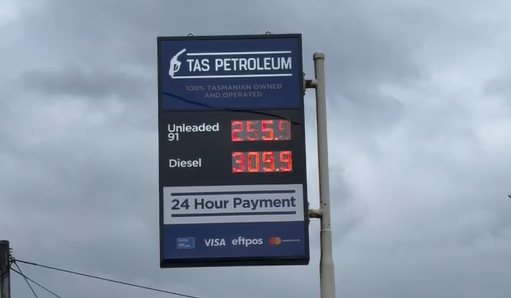
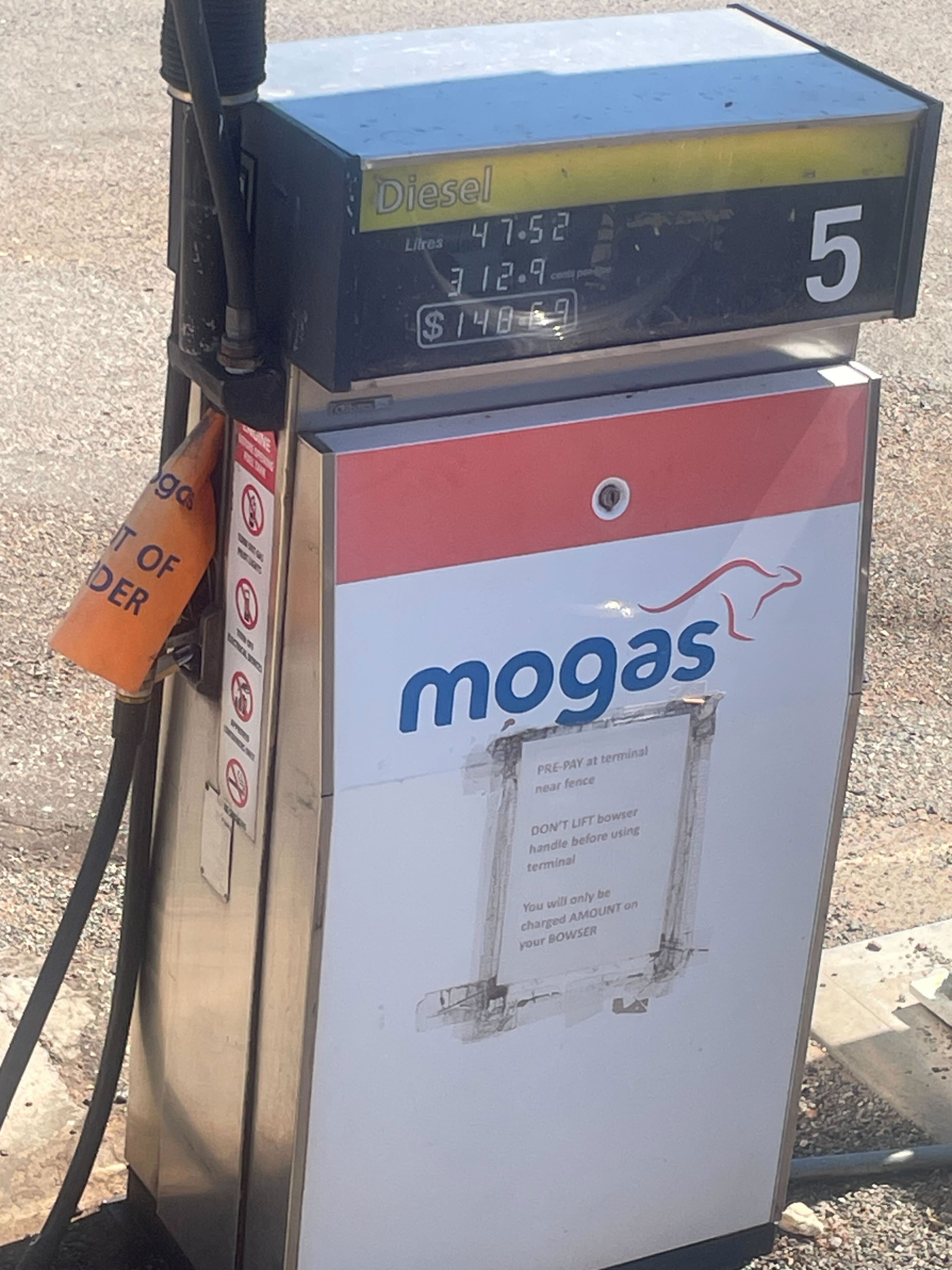
Diesel at a Tas Petroleum station in Rosebery was priced at $3.09.9 per litre yesterday.

This is slightly above the average of $3 per litre for diesel in Tasmania, according to FuelCheck.

The couple didn't even fill up an entire tank and it still set them back a staggering $495.

Sydney couple Lisa and Blake Walsh put their house on the market last year and took their two children on an adventure of a lifetime.Sydney couple Lisa and Blake Walsh put their house on the market last year and took their two children on an adventure of a lifetime.

READ MORE: 'Iran's enemies' preparing ground invasion of island, says top politician

"We can't afford to pay much more than this. Realistically, we're going to drain our savings pretty quickly," Lisa added.

"We will just [have to] pull up somewhere and get some work."

Lisa and her family are aiming to stay on the road for another two years, using money from the sale of their house to keep afloat, provided that fuel doesn't deplete their savings too quickly.

Other travellers have already buckled under the financial pressure.

Caravan parks are under threat of sitting empty as regional operators worry travellers will simply stay home over the Easter break.

"Some people that we know have just said that they're going to stop and work," Lisa said.

"I've seen cancellations left, right and centre online.

"People posting on Facebook groups saying, 'Oh hey, I had this site booked over Easter, but we're not going anymore'."

Walsh family travelling Australia

READ MORE: Tradies hit hardest by fuel crisis forced to raise prices or go bust – and every Aussie will pay for it

Sydney travellers Brad and Karen, who take their caravan out on holidays and over weekends, told Nine.com.au that their personal limit is $4 per litre for diesel.

Despite growing nationwide concerns that fuel could nudge this price, the couple desperately hope it won't come to that.

"We haven't cancelled trips yet, but now budgeting $1000 in fuel or $4/l – effectively doubling the budget to cover costs for our next short trip, then assess the next big trip on what happens with fuel costs," Karen explained.

"Our last tank was $120 for only 43 litres of diesel and 280km travelled."

NEVER MISS A STORY: Get your breaking news and exclusive stories first by following us across all platforms.

NAB announces 170 more job cuts, creating more roles overseas

The National Australia Bank is set to slash 170 jobs as it adds roles in Vietnam and India, amid its ongoing restructuring.

A total of 447 jobs are set to be cut, with 277 new roles set to be created in Australia, bringing a net total of 170 redundancies.

At least 237 new roles are also set to be created at NAB's offshore centres in both India and Vietnam.

LIVE UPDATES: Iran dismisses US ceasefire plan, issues its own counterproposal

National Australia Bank in Sydney.

While NAB has not confirmed which jobs will be cut, the decision is part of the major banks' strategy to modernise their workforce, creating new roles in Australia and overseas.

In a statement, an NAB spokesperson said the company will continue to support workers in finding new careers and practical career transitions.

"As NAB has said for some time, building a modern workforce that best supports our customers is an important part of our strategy," the spokesperson said.

"Our workforce has been evolving to ensure we can help customers more consistently at the times they need us, and to help us access great talent in key markets.

"We continue to hire and develop people in Australia – especially in customer-facing roles – to strengthen our capability."

In a quarterly business survey released today, the bank announced that business confidence has fallen to a 15-month low due to the intensification of costs and labour. 

Wage costs were cited as the biggest issue affecting business confidence, with labour being reported as a significant constraint by several firms.

"Wage costs remained the biggest issue affecting business confidence, and the share of firms reporting labour as a significant constraint rose in the quarter, highlighting that the labour market has remained tight to start 2026," NAB Head of Australian Economics, Gareth Spence, said.

NEVER MISS A STORY: Get your breaking news and exclusive stories first by following us across all platforms.

Islamic State speech ‘likely inspired’ alleged Bondi shooting, terror experts say

An Islamic State (IS) speech that called on religious celebrations to be turned "into bloody massacres" could have inspired the Bondi terror attack, terrorism experts say.

The 2024 speech released by IS' main spokesperson called on sympathisers to intentionally target Jewish and Christian people, urging supporters to "kill them by the worst of means".

In a paper published in the West Point Combating Terrorism Centre, two Australian scholars believe the speech titled "And Kill Them Wherever You Find Them" was a call to arms for renewed attacks by IS supporters on Israeli and Western targets, and claim the Bondi attack carried similar themes to the ones outlined in the speech.

LIVE UPDATES: Trump's slapdown of Netanyahu hints at cracks appearing in alliance

Naveed Akram court sketch March 17. Rocco Fazzari/AAP PHOTOS

"The speech included an explicit call to arms," the report from Andrew Zammit and Levi J. West said, adding it was reminiscent of a similar speech in 2014 that preceded a spate of Islamic terrorist attacks across Europe.

"[It] sought to inspire sympathisers to undertake terrorist attacks in their home countries and provided sanction for a range of tactics, suggesting that perpetrators, 'detonate explosives … [and] shoot them with bullets.'"

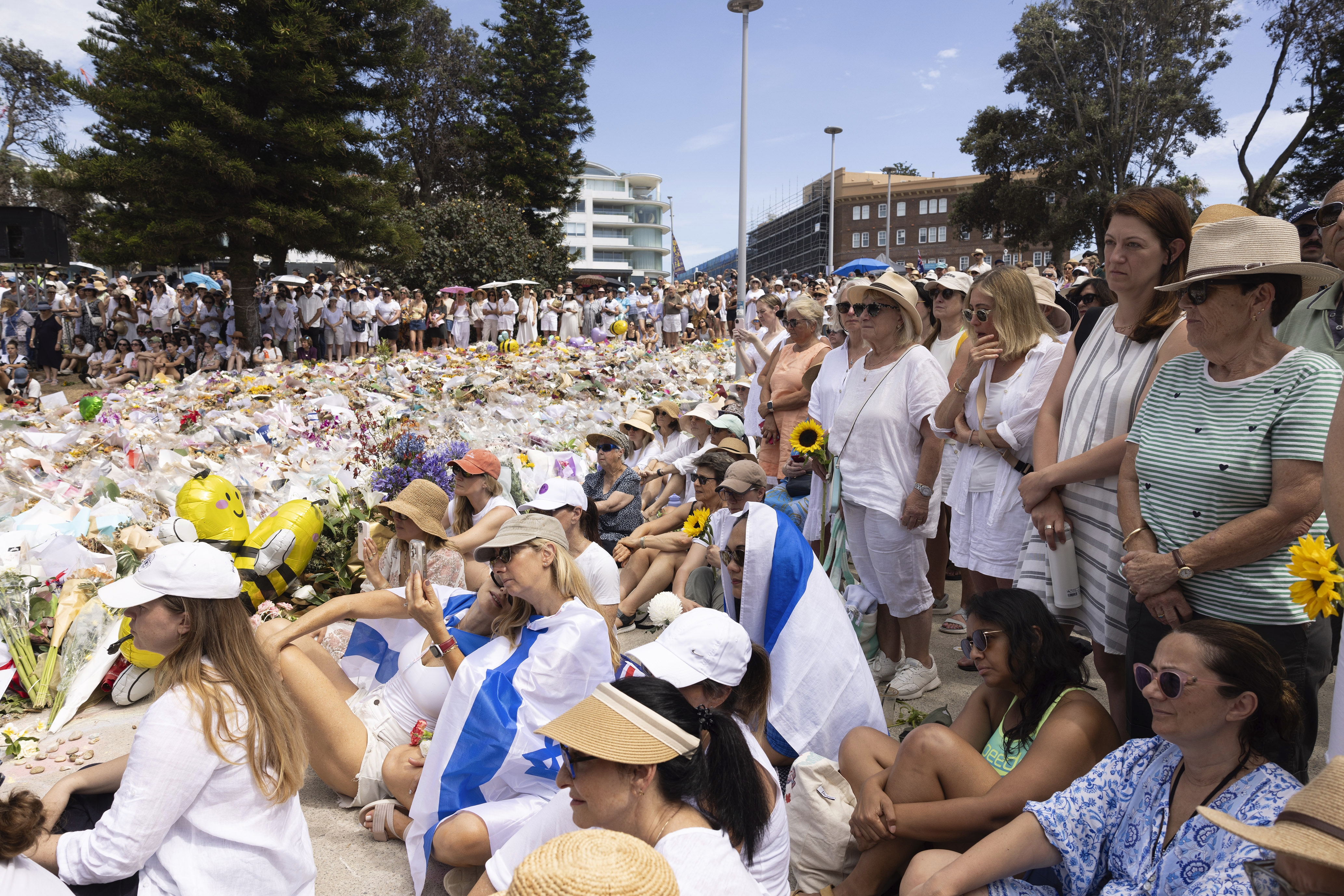
Sajid Akram and his son Naveed Akram, are accused of shooting and killing 15 people at Bondi Beach on December 14 last year, targeting a Hanukkah celebration.

They also allegedly threw IEDs towards the celebration before the shooting started, but the devices failed to detonate.

MIDDLE EAST CONFLICT: 'Iran's enemies' preparing ground invasion of island, says top politician

Sajid was shot and killed by police, while Naveed was wounded and remains before the courts.

The authors say other aspects of the attack matched the callout in the IS speech, which called on followers to "pick easy targets".

"It explicitly stated that its targeting advice sought to ensure that any resulting attacks matched the movement's strategic and ideological logic," they said.

"[Followers were] being told to 'target synagogues and churches over military targets… [and to] carry out daring and courageous operations targeting Jewish and Christian gatherings and neighbourhoods everywhere, especially in Crusader European countries,'" the report said, quoting some phrases from the speech.

CRIME: Police release footage of the moment men storm Sydney kebab shop in shooting

Sajid and Naveed Akram stayed in the Philippines in November.

The authors believe the Bondi Massacre is a consequence of IS' plans for resurgence in the aftermath of the war in Gaza, saying the group wanted to "remobilise its transnational support."

"[It] took care to not let the Israel-Palestine conflict overshadow the movement's global revolutionary goals and wider range of enemies," they said, saying the group wanted to renew attacks in the West, with a greater emphasis on attacking Jewish targets.

The Akram's allegiance to IS is alleged by police in its statements of facts relying upon a video they filmed in October last year, where they stand in front of an IS flag and claim responsibility for an upcoming "Bondi attack", evidence from the New South Wales Joint Counter Terrorism Team said.

The pair also travelled to the Philippines in November just before the attacks, which is alleged to have been done in their preparations for the attack.

An article in one of the organisation's publications also acknowledged the attack, saying the Akram's allegedly "answered the call and carried out the recommendations to target holidays and gatherings."

"They armed themselves with the Prophetic methodology and set off without looking back, plunging unarmoured into the Hanukkah celebration and turning it into a scene of mourning," the article said.

NEVER MISS A STORY: Get your breaking news and exclusive stories first by following us across all platforms.

Iranian ally could cause chaos if drawn into the war

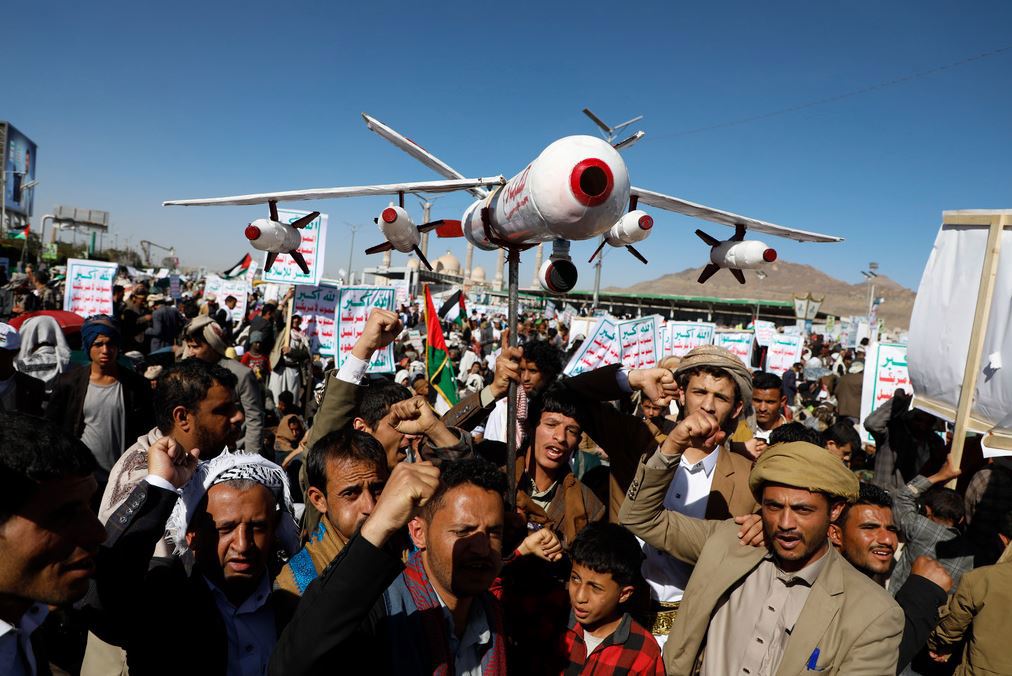
A powerful militia in the Arabian country of Yemen has threatened to cut off one of the world's most important shipping routes in solidarity with Iran, a major Iranian news outlet claims.

Tasnim News Agency, which is connected to Iran's Revolutionary Guard, reports Yemeni Ansarullah, also known as the Houthis, "is on full alert and ready to join the battlefield".

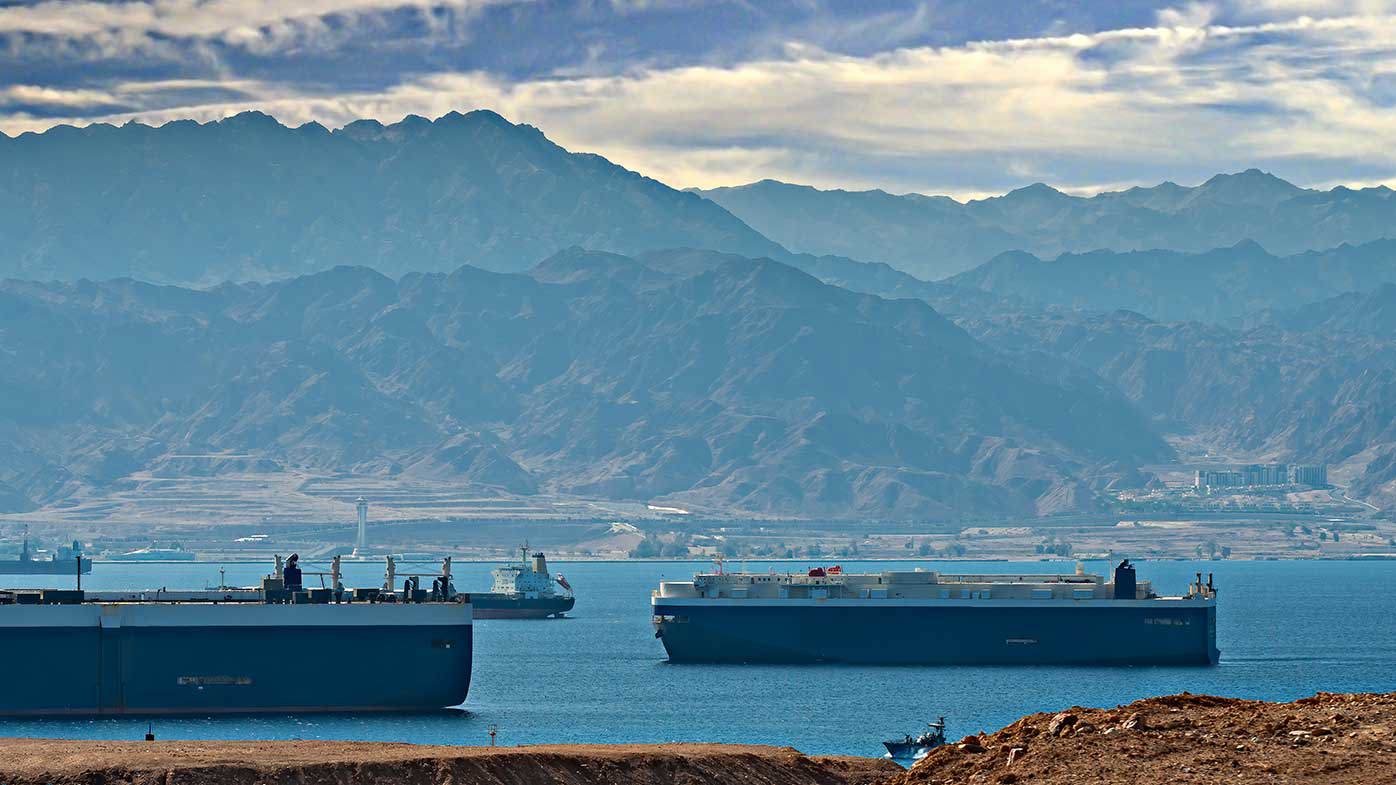
The Houthis floated the possibility of cutting off the Bab al-Mandab Strait which separates the Arabian Peninsula and Africa.

LIVE UPDATES: Trump's slapdown of Netanyahu hints at cracks appearing in alliance

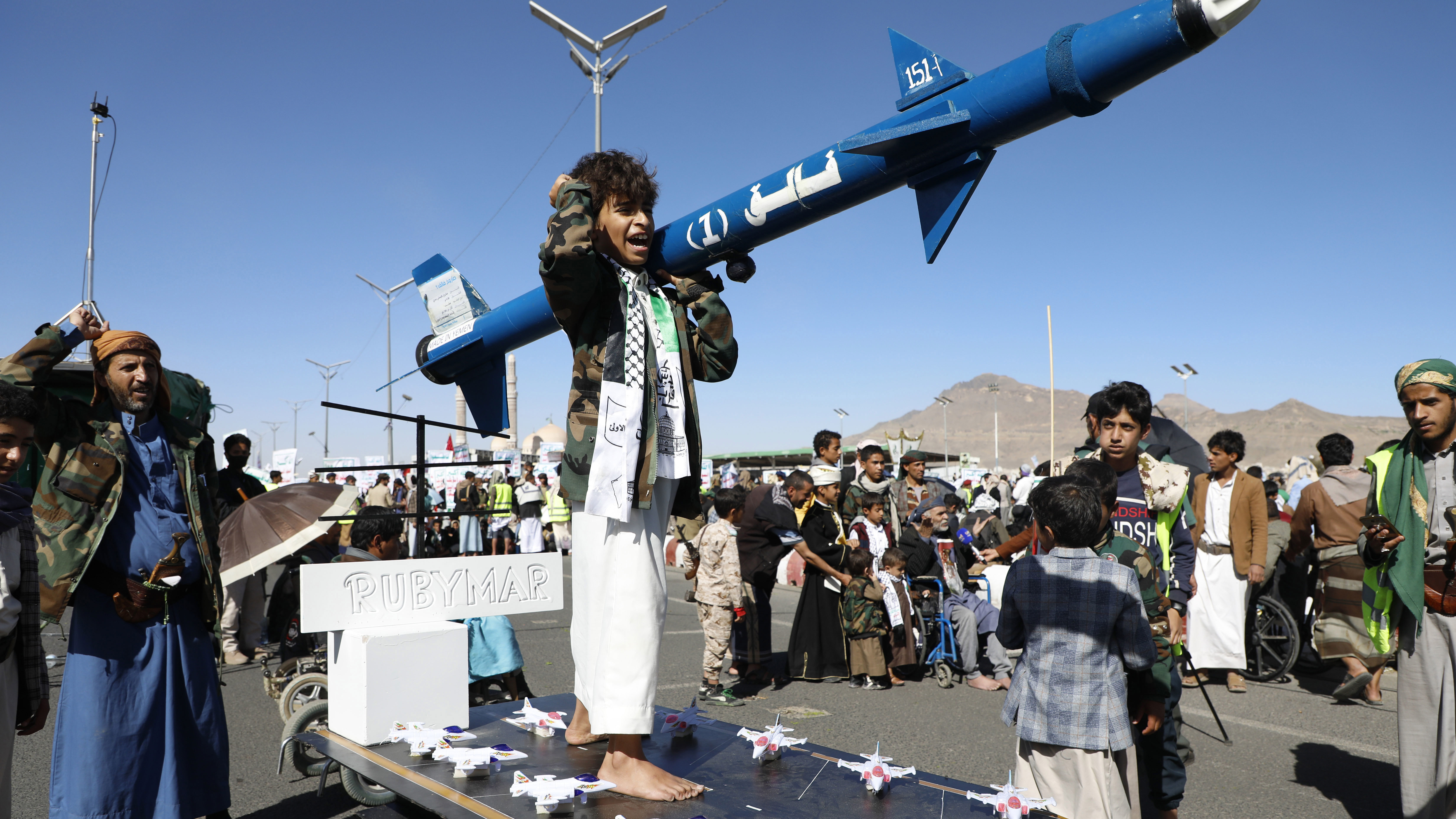
Houthi supporters attend a rally against the U.S.-led strikes on Yemen and Israel's war in Gaza Strip, in Sanaa, Yemen, Friday, Feb. 23, 2024.

"If there is a need to control the Bab al-Mandab Strait to further punish the enemy, the heroes of Yemeni Ansarullah are fully prepared to play a key role," Tasnim quoted a source as saying.

The strait is a major chokepoint in global trade, the narrowest point of the journey between Europe and Asia.

If cut off, vessels would need to sail all the way around Africa's Cape of Good Hope rather than taking the Suez Canal, adding about two weeks to a journey.

Going via the Suez through the Bab al-Mandab Strait takes about 8000 kilometres off a trip.

The Houthis began to strike ships going through the strait in 2023, causing a major headache for global trade.

READ MORE: 'Iran's enemies' preparing ground invasion of island, says top politician

"For the amount of missiles and drones they fired, their hit rate on ships was not particularly high, and they only sunk a few," Adjunct Professor at the University of Western Australia Jennifer Parker told nine.com.au.

"Most companies made the decision that it was more appropriate to go around the Cape of Good Hope."

On one side of the strait is a large swathe of territory in Yemen controlled by the Houthis.

During Yemen's long civil war, Iran's government has supplied the Houthis with missiles and drones.

The Houthis have learned from Iran's example and begun to keep their weapons underground to avoid missile and air strikes.

READ MORE: Iran looking to turn Strait of Hormuz into massive toll booth

"It's harder to have a material impact on air campaigns against them," Parker said.

"You'll never disable them unless you send in ground forces, which nobody's about to do."

But Parker suspected Iran was seeking to draw the Houthis into the war to expand the battlefield.

"The fact that Iran has said this doesn't mean the Houthis will actually do it," she said.

"What (the Houthis are) actually trying to achieve is to take over Yemen versus supporting Iran."

Parker said the Houthis relied less on Iran than Hezbollah or Hamas, both of which receive much of their support from the regime.

READ MORE: Trump on shaky ground after Democrats win Mar-a-Lago seat

The Red Sea is one of the world's busiest shipping routes.

"The Houthis will weigh that up based on how influential they think the Iranian regime are going to be moving forward," she said.

"Even though you're not going to have regime change, there's a lot of evidence to say that the Iranian regime is significantly weakened."

Parker served as an officer in the Royal Australian Navy for 20 years and was deployed to the Middle East three times.

At its narrowest point, the strait is 26 kilometres wide.

READ MORE: $800m in trades before Trump announcement 'is treason'

NEVER MISS A STORY: Get your breaking news and exclusive stories first by following us across all platforms.


Truckie left stranded twice on remote highways as diesel runs dry

Truck drivers are facing dangerous situations as diesel shortages in Australia's remote outback leave them stranded on isolated stretches of highway.

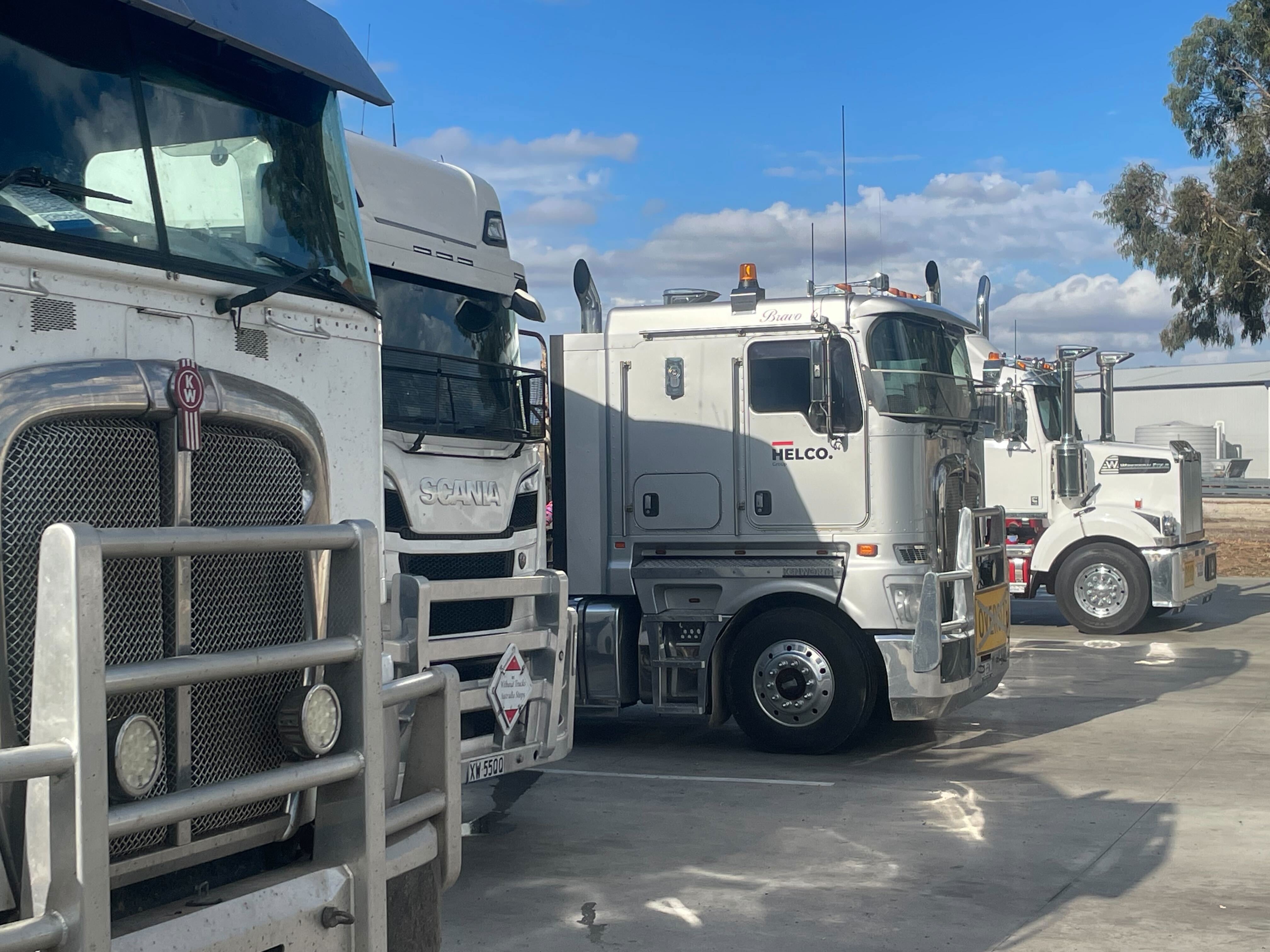
Long-distance driver Robert Cook has been stuck twice on his Melbourne to Perth run, first for over 24 hours on the Nullarbor Plain and again in Keith in South Australia's south-east.

Cook waited hours alongside five other drivers for a fresh supply of diesel to be delivered to a remote fuel station on SA's Limestone Coast yesterday evening.

EXCLUSIVE: 'Lost my identity': Strict rule destroyed Carla's retirement plans

Truck driver Robert Cook warning over diesel shortage

He had been driving for around 500 kilometres without seeing a single drop of diesel at any service station.

"Some of the guys I've been speaking to have said, 'Look, we're thinking about hanging our keys up'," Cook, who runs his own heavy haulage company Helco Group, told Nine.com.au.

"I've had to stand down two trucks. It's a struggle."

After filling up late yesterday, Cook said he may only manage to make it to Brisbane before needing to fork out for another tank, if he drives "conservatively".

Diesel fuel costs for Cook's regular Melbourne to Perth drive have now doubled from $5000 to $10,000.

The cost of diesel is now over $3.15 per litre at some petrol stations.

LIVE UPDATES: Iran dismisses US ceasefire plan, issues its own counterproposal

Truck driver Robert Cook warning over diesel shortage

Although the ballooning price of keeping his trucks on the road is not the biggest problem.

Careful fuel management is crucial even without a global oil crisis – at one point, there is a 192-kilometre gap between fuel stops on the Nullarbor, which is among the longest straight stretches of road in the country.

Cook is now worried for the safety of his drivers.

"I tell our drivers, minimum 20 to 30 litres of water, enough canned food and stuff… because our trucks have microwaves and inverters, so they're completely self-reliant," he said.

"It can go south very quickly, especially out there in the summertime.

"It's very dangerous."

Cook is on the road for a job with freight carrier Loadshift.

Loadshift's Operations Coordinator Alex Randall said drivers like Cook are being left "high and dry", despite trucking companies being the backbone of Australia's supply chain.

"There's no system telling them which servos have fuel and which don't. They're driving blind," Randall said.

"What makes this even worse is that a third of trucks on Australian roads are running empty at any given time. "

READ MORE: Meta and YouTube struck with landmark $US3 million child harm decision

Truck driver Robert Cook warning over diesel shortage

The Transport Workers Union (TWU) and Australian Road Transport Industrial Organisation (ARTIO) have also warned surging diesel prices have now reached "deadly" new heights.

The unions have called on the government to pass emergency laws to keep truck drivers in business.

"Businesses are at imminent risk of collapse and workers are under deadly pressure because there are huge retailers and other clients out there refusing to pay their fair share for skyrocketing fuel costs," TWU National Secretary Michael Kaine said.

"The federal government must act now to put in place emergency powers to ensure the industry can cope with the current crisis – otherwise we will see more transport workers die on our roads, more businesses go under, and our supply chains at breaking point."

The time spent waiting for diesel to arrive has put Cook almost two days' behind schedule.

He warned the knock-on impact is not "sustainable" and that prices will inevitably rise across the board.

"The problem is that we have to pass that on to somebody, and unfortunately, it's going to be the consumer," he said.

"It's double for us, it's going to be double for them, just to stay afloat. It's going to affect a lot of people, like, without a doubt."

NEVER MISS A STORY: Get your breaking news and exclusive stories first by following us across all platforms.