All posts by FreeNews

Who holds the reins of power in Iran since the country’s top leaders were killed

One after another, Israel has taken out Iran's top leaders.

First it was Supreme Leader Ayatollah Ali Khamenei, killed in the opening shots of the war.

Now Ali Larijani, the secretary of Iran's Supreme National Security Council who was considered one of the most powerful figures in the country, has also been killed. As have a raft of other top-ranking military and political leaders.

READ MORE: Israel hits Tehran with airstrikes on Persian New Year
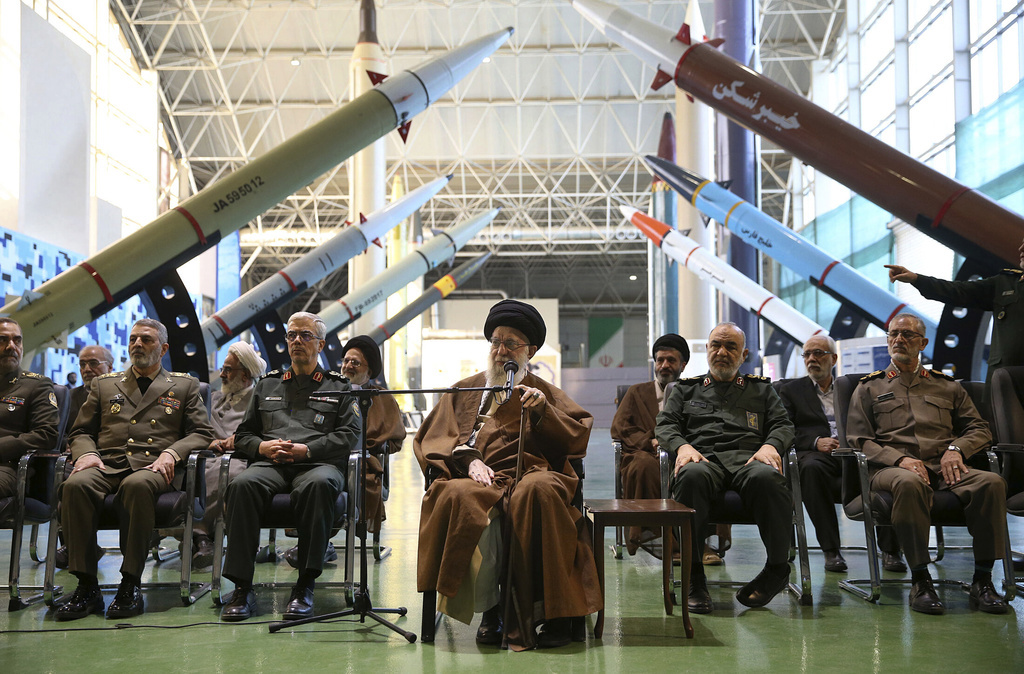
Supreme Leader Ayatollah Ali Khamene

With so many top leadership figures taken out, who is now running Iran? Here is a look at the country's power structure, what is known — and what is not.

Khamenei's successor

Ultimate authority in Iran rests with the country's supreme leader, who has sat at the apex of power since the creation of the Islamic Republic in 1979 after the revolution that overthrew the shah.

After Khamenei was killed, his son, 56-year-old Mojtaba Khamenei, was quickly named to replace him as Iran's new supreme leader. A secretive figure, the younger Khamenei has not been seen in public since the airstrike killed his 86-year-old father.
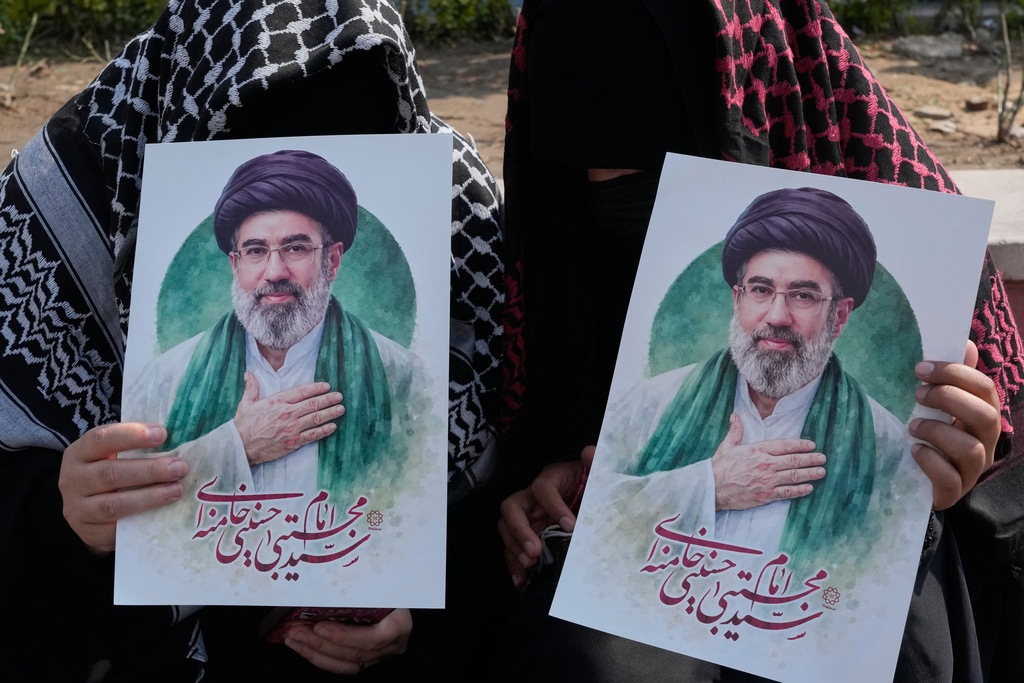
Ayatollah Mojtaba Khamenei poster

The cleric had long been considered a contender for the post, despite never having been elected or appointed to a government position. The younger Khamenei maintains close ties to the country's powerful paramilitary Revolutionary Guard.

His views are believed to be even more hard-line than those of his father. Officially, he is now in charge of Iran's armed forces, and any decision regarding the country's nuclear program rests with him.

But is he truly running Iran?

Israel says Iran's leadership is in disarray

"I'm not sure who's running Iran right now," Israeli Prime Minister Benjamin Netanyahu said during a news conference on Thursday night.

"Mojtaba, the replacement ayatollah, has not shown his face. Have you seen him? We haven't, and we can't vouch for what exactly is happening there."

Mojtaba Khamenei's wife, Zahra Haddad Adel, was also killed in the Israeli strike that killed his father. US and Israeli officials have suggested he was wounded in the same attack.

"Iran's command and control structure is in utter chaos," Netanyahu said.
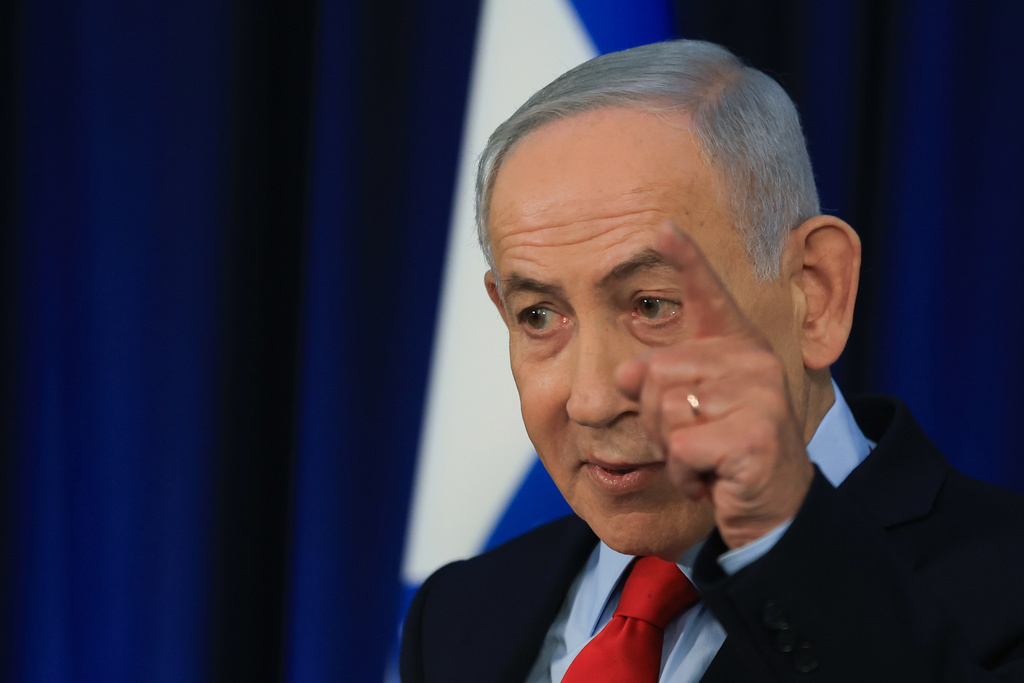
Benjamin Netanyahu

Burcu Ozcelik, senior research fellow for Middle East security at the Royal United Services Institute, a United Kingdom-based defence and security think tank, said the elimination of so many of Iran's top leaders will alter its theocracy — but that the change could be a gradual one.

"Leadership matters, and the loss of key decision-makers spanning politics, intelligence, internal security and (the) army will have transformative consequences," Ozcelik said.

"The fixation on the terminology of 'regime collapse' is obscuring the fact that the regime is already changing" due to the strikes against the country and the killing of high-level leaders. But the full impact of the war on the country could take time to emerge, Ozcelik explained.

"We need to be prepared for change that may take years, not weeks or months."

The Revolutionary Guard

For many analysts, true power now rests with Iran's feared paramilitary Islamic Revolutionary Guard.

"The Revolutionary Guard is the state now," said Ali Vaez, Iran project director at the International Crisis Group. Before the war, the country's civilian leadership was "subservient entirely" to the supreme leader, he explained, while the Guard was the second-most powerful force in the country.

But now, with the elder Khamenei gone and his son not enjoying the same authority as his father, "it is really the Revolutionary Guards who are running the country."
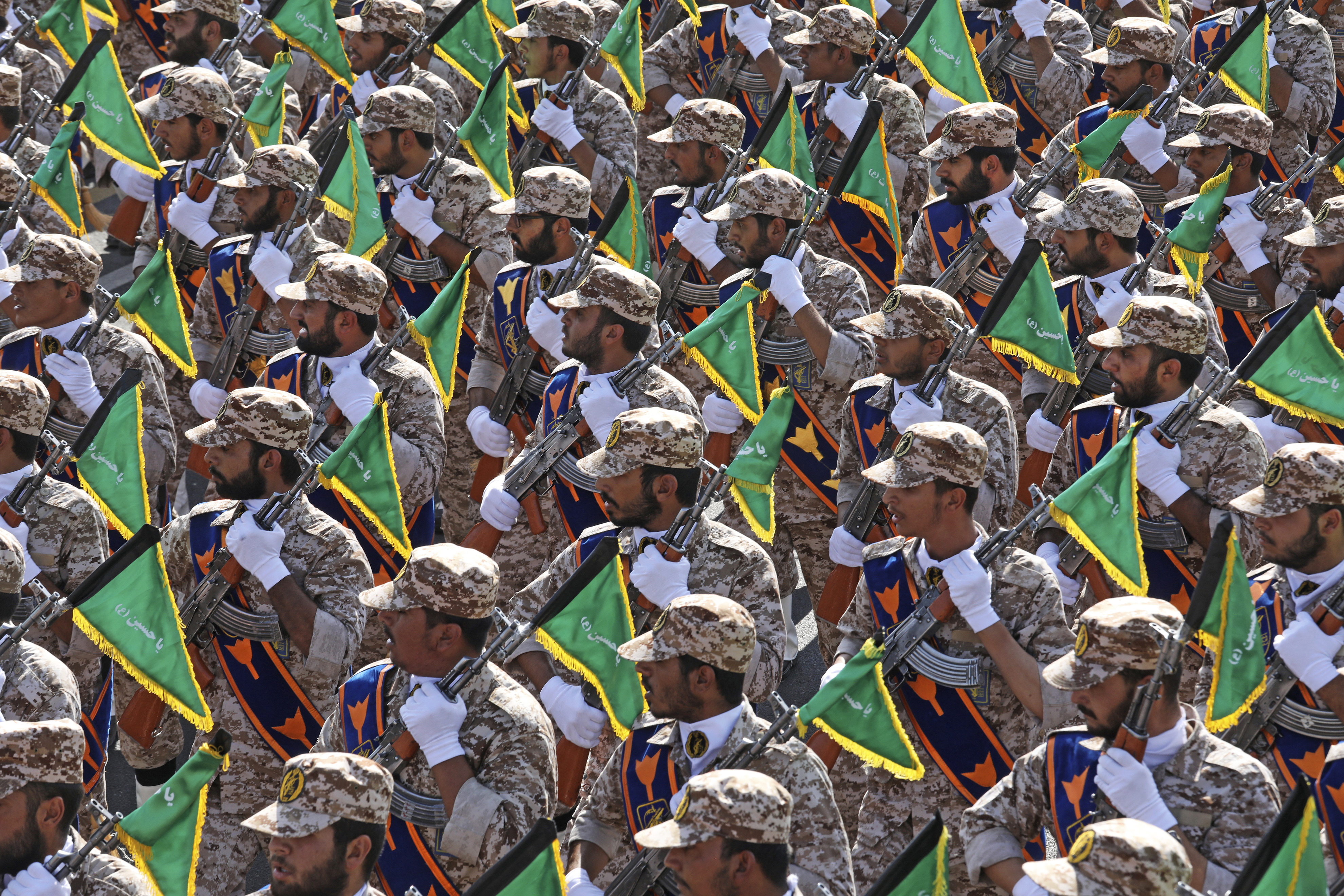
The Guard rose out of Iran's 1979 Islamic Revolution as a force meant to protect the country's Shiite cleric-overseen government. It later became enshrined in its constitution and operated parallel to Iran's regular armed forces.

The Guard's expeditionary Quds Force was key in creating what Iran describes as its "Axis of Resistance" against Israel and the United States.

It backed Syria's former President Bashar Assad, the Lebanese militant group Hezbollah, Yemen's Houthi rebels and other armed groups in the region.

An independent military

Early on in the war, Iranian Foreign Minister Abbas Araghchi suggested the country's military units were acting independently from central government control.

"Our … military units are now in fact independent and somehow isolated and they are acting based on instructions — you know, general instructions — given to them in advance," Araghchi had said on Al Jazeera on March 1.
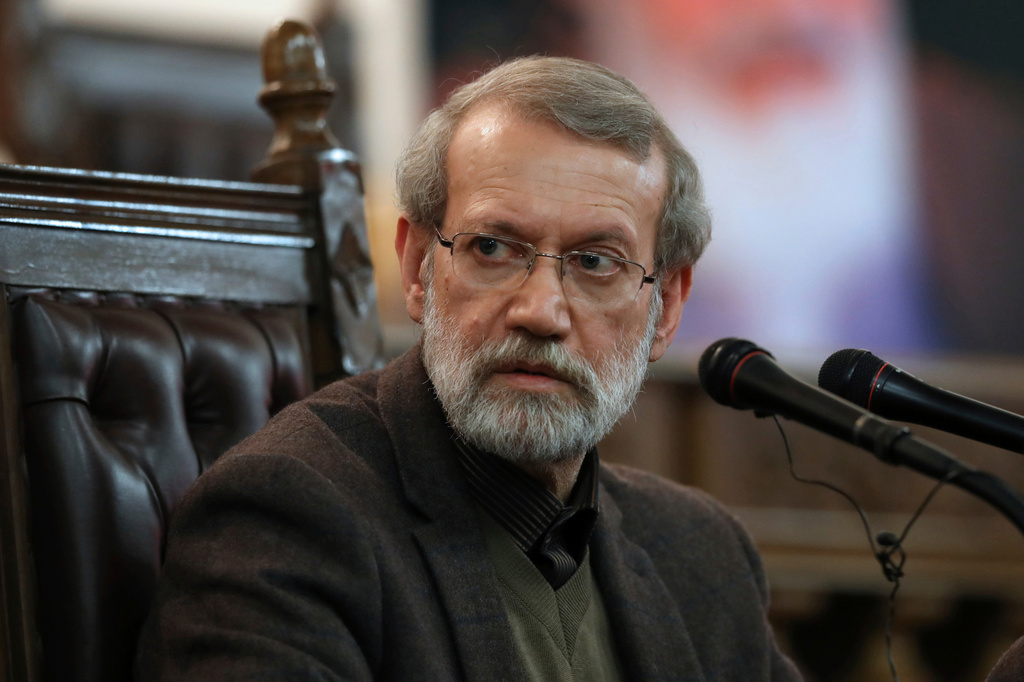
Ali Larijani

Pressed about Tehran's attacks on other Gulf nations — such as Oman, which had acted as an intermediary for Iran in recent nuclear talks with the US — he said: "What happened in Oman was not our choice. We have already told our … army, armed forces to be careful about the targets that they choose."

"Multiple layers of leadership"

The possibility of an Israeli or a US attack on Iran had long been in the cards. It was something the Islamic Republic had factored into its planning, setting up multiple contingency plans, Vaez said.

"I think the mistake in the US and in Israel is that they ended up believing their own rhetoric that Iran is akin to a terrorist organisation, that decapitating the regime or removing one or two layers of political elite would result in paralysis and collapse," Vaez said.

"Whereas this is a state, … it has multiple layers of leadership."

Even if all top generals are eliminated, he said, others lower down the ranks can pick up where their superiors left off.

"The expectation that this regime will … implode by removing a few dozen senior leaders, I think is nothing but an illusion."

NEVER MISS A STORY: Get your breaking news and exclusive stories first by following us across all platforms.

Murderer gets life for stabbing and burning girlfriend

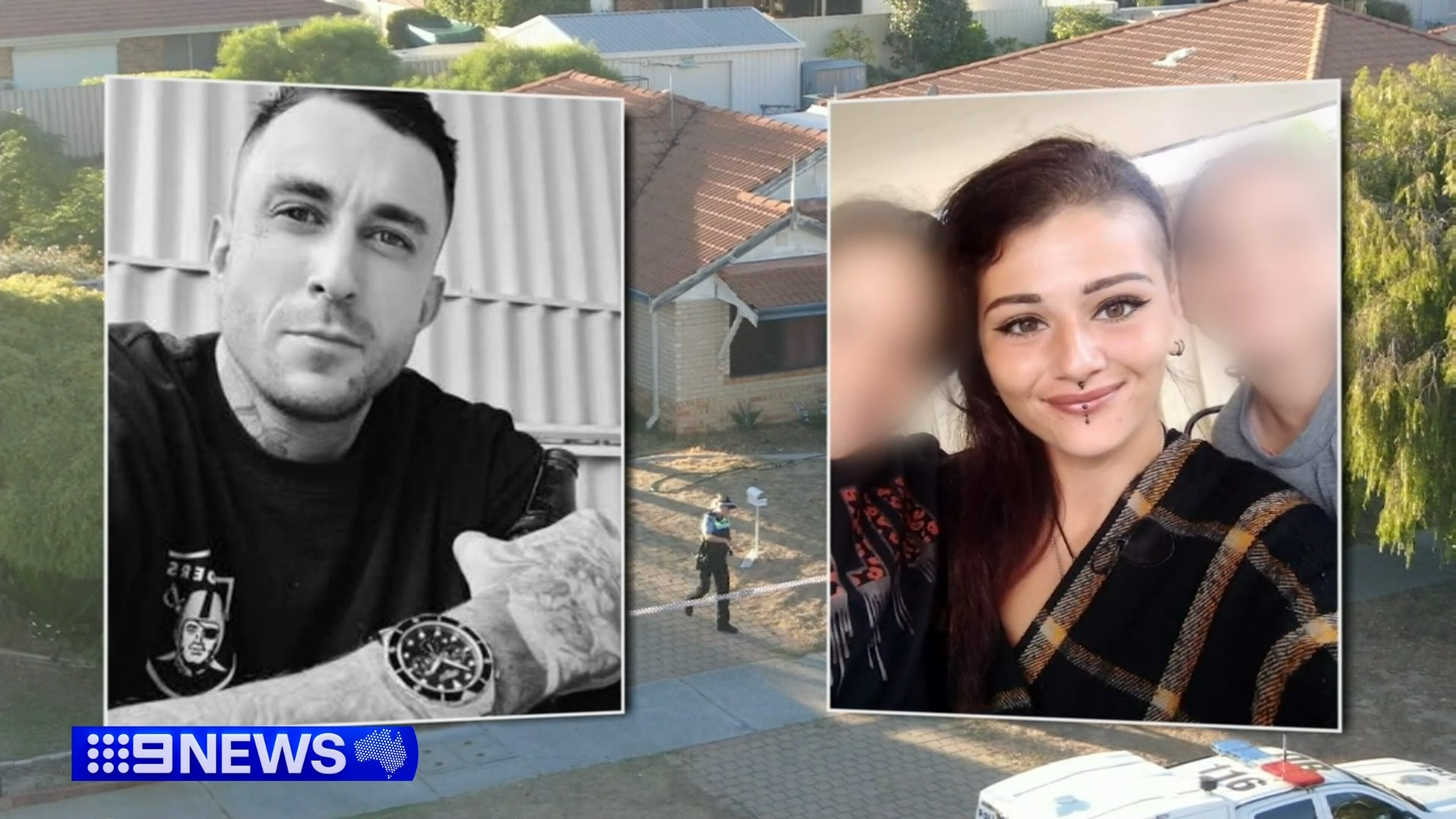
A man who brutally stabbed his partner to death and burned her body after an argument over drugs, money and another woman will serve at least 24 years behind bars.

Luke Hanif Sekkouah pleaded guilty in the WA Supreme Court to Erica Hay's murder in Perth's southern suburbs in April 2024.

The 37-year-old was sentenced on Friday to life imprisonment, with a non-parole period of 24 years.

READ MORE: NT braces for Cyclone Narelle as Far North Queensland starts recovery

Luke Hanif Sekkouah, Erica Hay

Sekkouah stabbed Hay in the head, neck and body, piercing her heart, liver and lungs, in a "sustained, relentless and brutal" attack, Justice Natalie Whitby said.

"She could not defend herself against your rage and you were armed with a deadly weapon," she said.

One of Hay's daughters was in the home during the attack and might have seen her dead mother lying on the floor, the court was told.

"After you repeatedly stabbed her and she had fallen and hit her head, you continued to stab her," Justice Whitby said.

"Erica was defenceless against your violence.

"Erica's injuries were horrific."

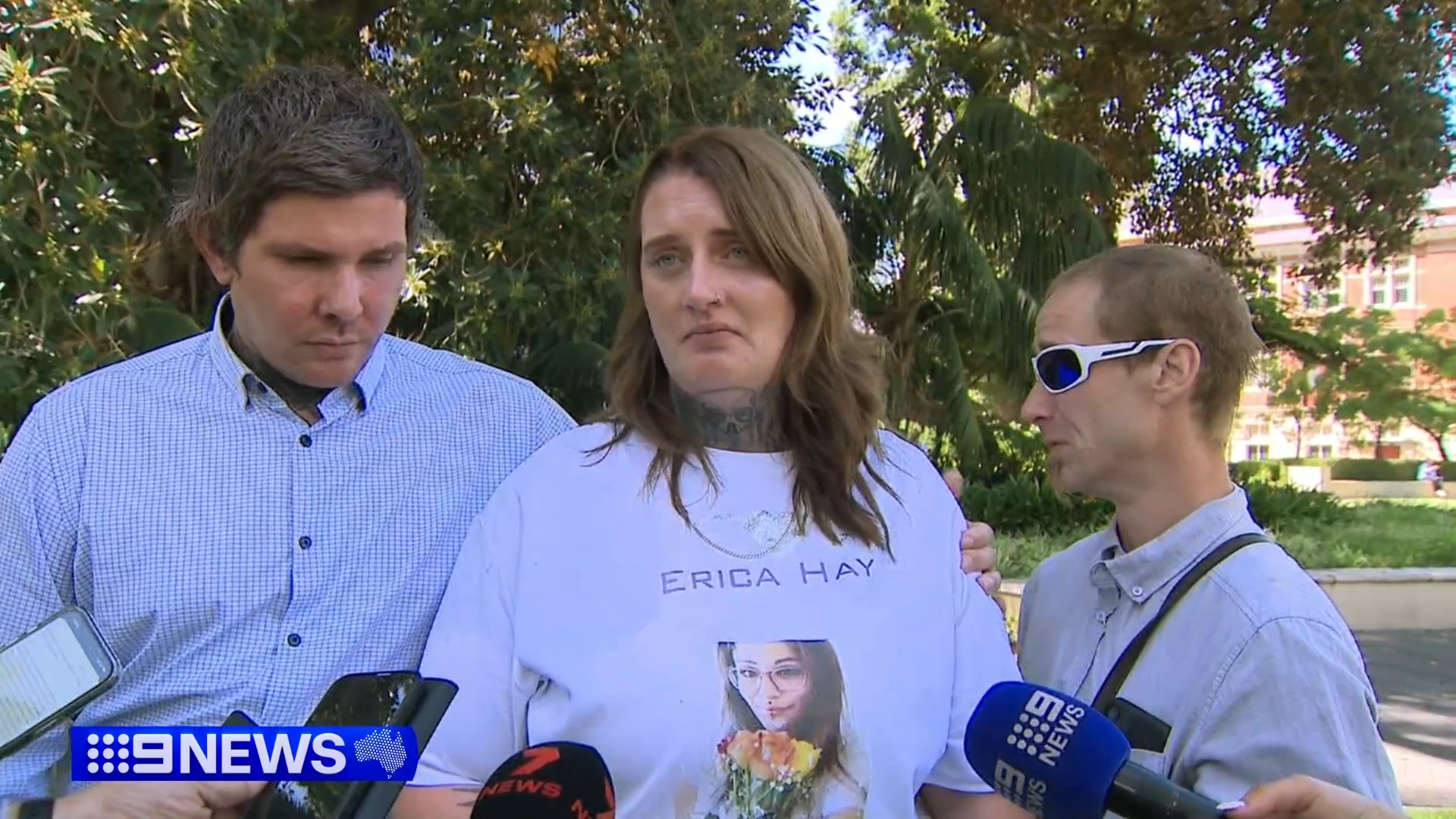
Erica Hay's family outside the WA Supreme Court

Sekkouah, a methylamphetamine user, left the house and bought a six-pack of beer from a nearby liquor store.

He then stole a bottle of turpentine from an IGA supermarket and returned to the home.

In the early hours of the next morning, he poured it on Hay and some furniture and ignited it.

"Your intention to incinerate Erica's body after you had killed her was a vile and degrading act," Justice Whitby said.

"This attempt to cover up was deliberate and planned.

"Your offending is the most extreme form of domestic violence."

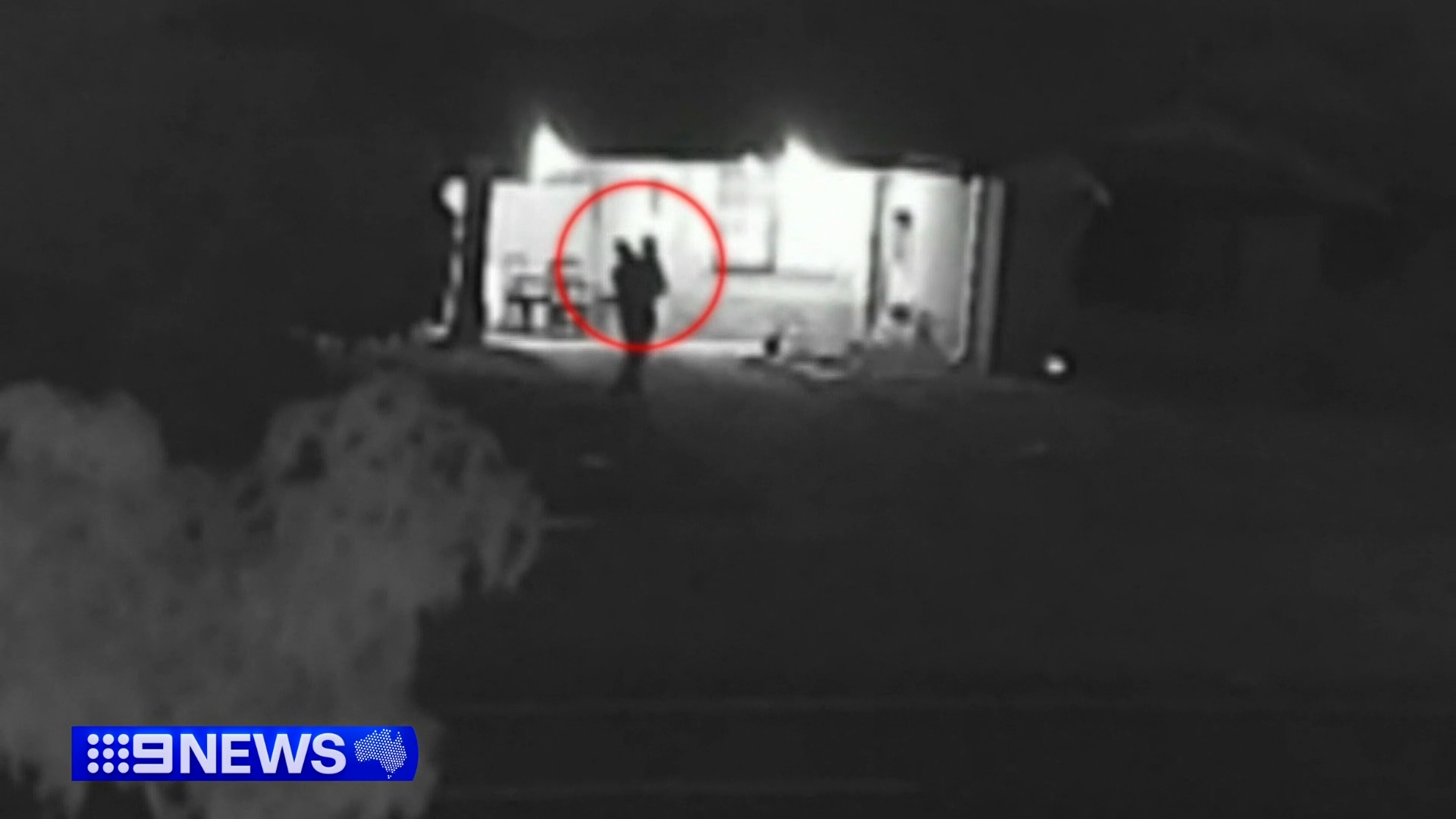
Sekkouah, who was covered in tattoos and sat motionless in court, then scooped up Hay's daughter and ran from the house to a neighbour's home and asked them to call emergency services.

Firefighters found Hay's partially burned body lying in a hallway.

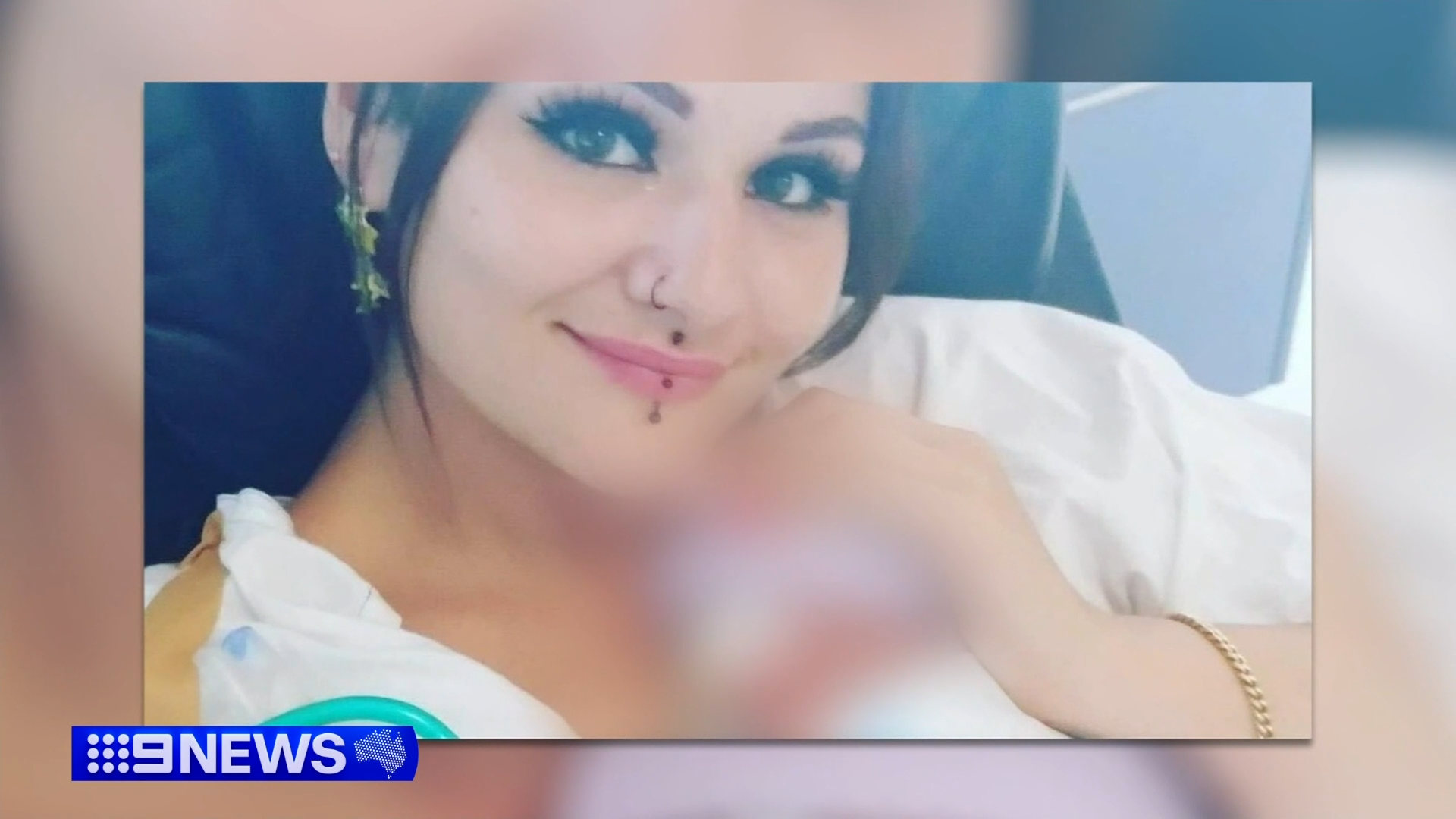
Erica Hay

Sekkouah, a mechanical fitter, told police he was sleeping in the house when it filled with smoke and he ran out after grabbing Hay's daughter.

Detectives became suspicious when they learned Sekkouah had not suffered from smoke inhalation and saw Hay's 23 injuries.

Hay was a mother, daughter, sister and a friend, Justice Whitby said.

"No term of imprisonment can measure the value of her life," she said.

"She had so much life ahead of her."

Sekkouah initially fought the murder charge, pleading guilty on the first day of a trial.

Luke Hanif Sekkouah, Erica Hay

He then disputed the facts, triggering a multi-day hearing to resolve the issues.

Justice Whitby was scathing of Sekkouah's apology letter, saying his "sustained and deceptive conduct demonstrated a lack of remorse".

The court heard Sekkouah suffered Post Traumatic Stress Disorder and lacked the skills to manage relationships. He drank alcohol and used cannabis daily.

Outside of court, Hay's childhood friend, Amanda Broad, said she hoped Sekkouah "rots in hell" and he should not have been given a non-parole period.

"I just want my friend back and I'm never going to get her back," she said, crying.

"He gets to sit pretty in prison … my friend doesn't, my friend is gone."

Support is available from the National Sexual Assault, Domestic and Family Violence Counselling Service at 1800RESPECT (1800 737 732)

NEVER MISS A STORY: Get your breaking news and exclusive stories first by following us across all platforms.

NT braces for Cyclone Narelle as Far North Queensland starts recovery amid flooding

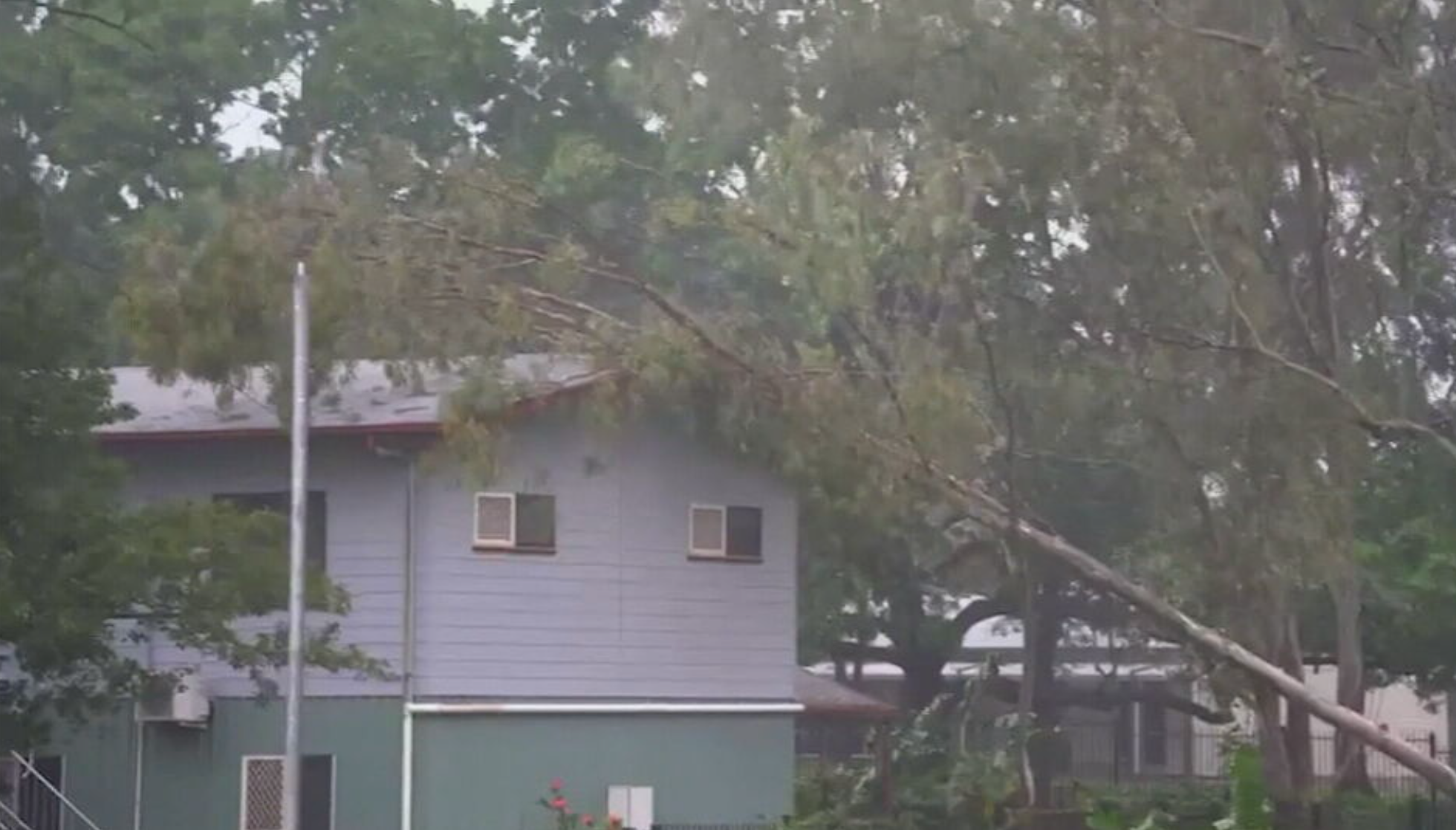
Tropical Cyclone Narelle barrelled onto the Queensland coast as a category 4 system Friday morning, bringing destructive winds and a torrent of rain along its path.

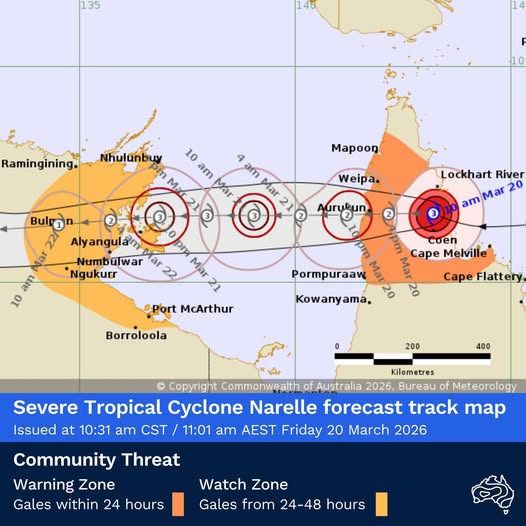
The system made landfall north east of Coen around 8am (9am AEDT) and began tracking west across the Cape York Peninsula.

The system was expected to be downgraded to a category 2 Friday afternoon, before passing through the communities of Weipa and Aurukun, and then sweeping into the Gulf of Carpenteria.

AS IT HAPPENED: Narelle leaves trail of destruction as it moves across Cape York Peninsula

Communities in the Northern Territory were on alert for the storm to intensify over water before it makes landfall there late Saturday.

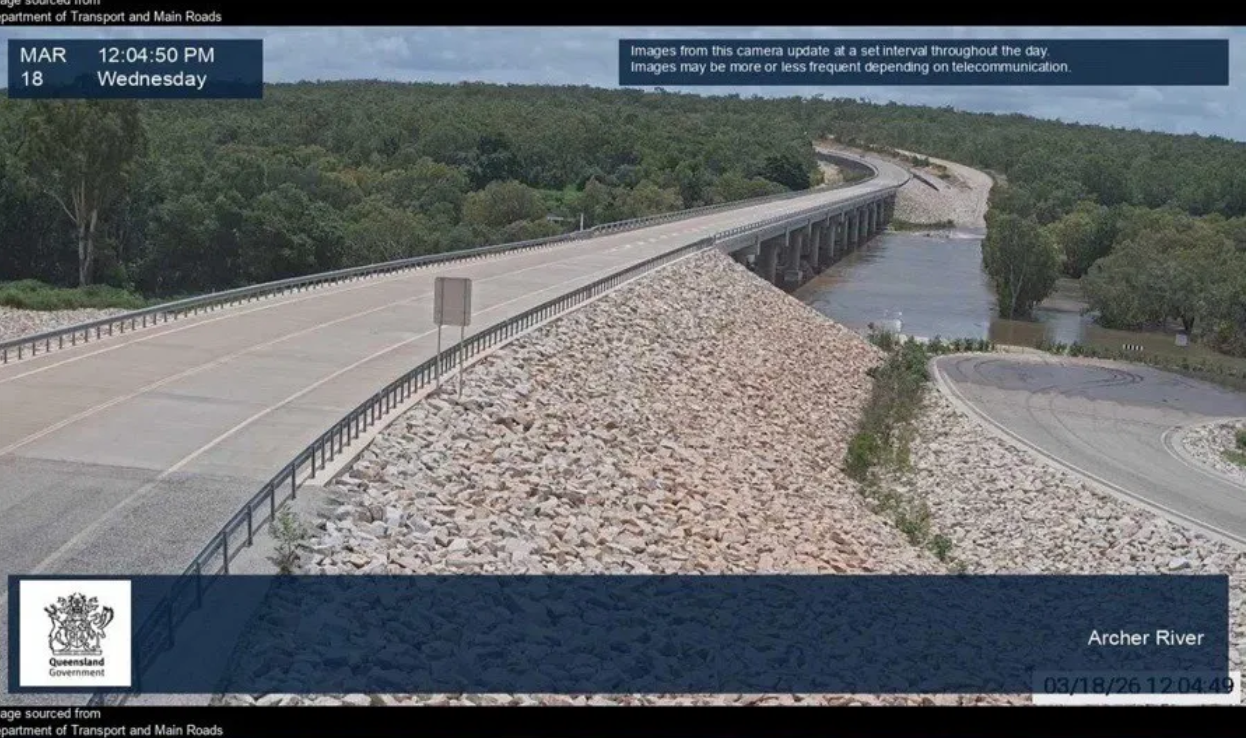
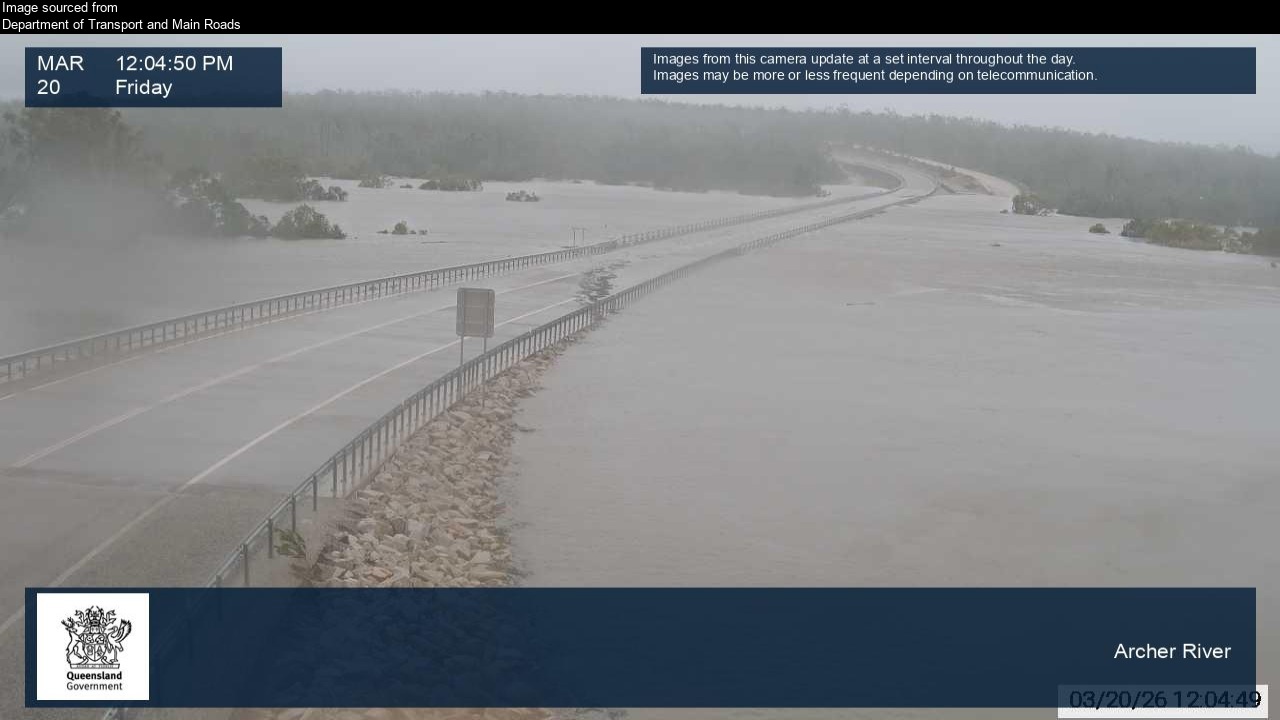
Affected towns have received more than 100mm of rain in 24 hours, some copping up to four times that, as the cyclone dumped intense rain.

The Bureau of Meteorology's flood watch for North Queensland on Friday covered the entire peninsula from the Herbert River up through the rivers, creeks and streams across the Cape.

READ MORE: Hammer blow for Aussies as oil crisis to send cost of flying domestic sky high

There were no reports of fatalities or serious injury, according to the Queensland Ambulance Service.

Hundreds of homes were without power, particularly in Coen and Lockhart River, where authorities warned of fallen powerlines.

A strong storm surge pushed waves onto paths and coastal roads as far south as Cairns, dragging trees, paths and benches into the ocean.

Emergency crews took to the streets as soon as it was safe to begin the clean up, but many roads have been cut by floodwater and fallen trees.

Northern Territory next in firing line

The Bureau predicts the cyclone will reach the east coast of the top end of the Northern Territory, north of Groote Island as a category 3 tropical cyclone on Saturday.

The potential for flooding across the Northern Territory will be greatest on Sunday, when the cyclone further downgrades to an eventual low pressure system.

Meteorologist Angus Hines said this means more heavy rain for areas already impacted by significant flooding in recent weeks.

"We could see rainfall in excess of 100 to 200mm along the path of that tropical cyclone, stretching from Alyangula on the east coast to the Katherine area, and out to Wadeye on the western side of the Top End," Hines said.

"These rainfall numbers are significant, with isolated values above that during Sunday and into early Monday morning, and are likely to lead to renewed river rises across the top end, including the potential for renewed major flooding around Katherine and Beswick, and prolonged major flooding around the Daly River."

Heavy rain and strong winds will then reach the northern Kimberley, Kalumburu and areas north of Kununurra early next week.

NEVER MISS A STORY: Get your breaking news and exclusive stories first by following us across all platforms.

Second teen in a week injured in train surfing stunt

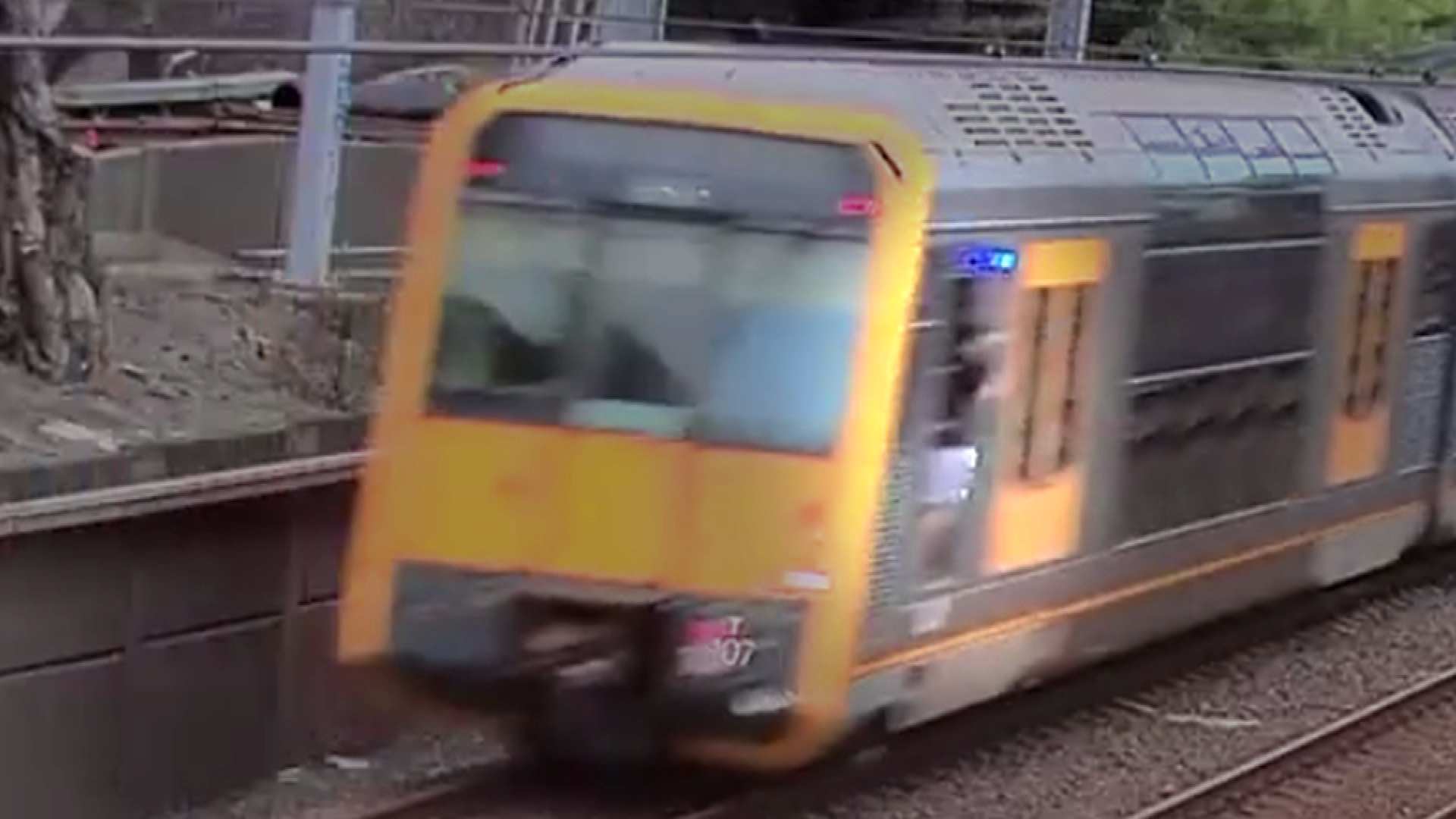
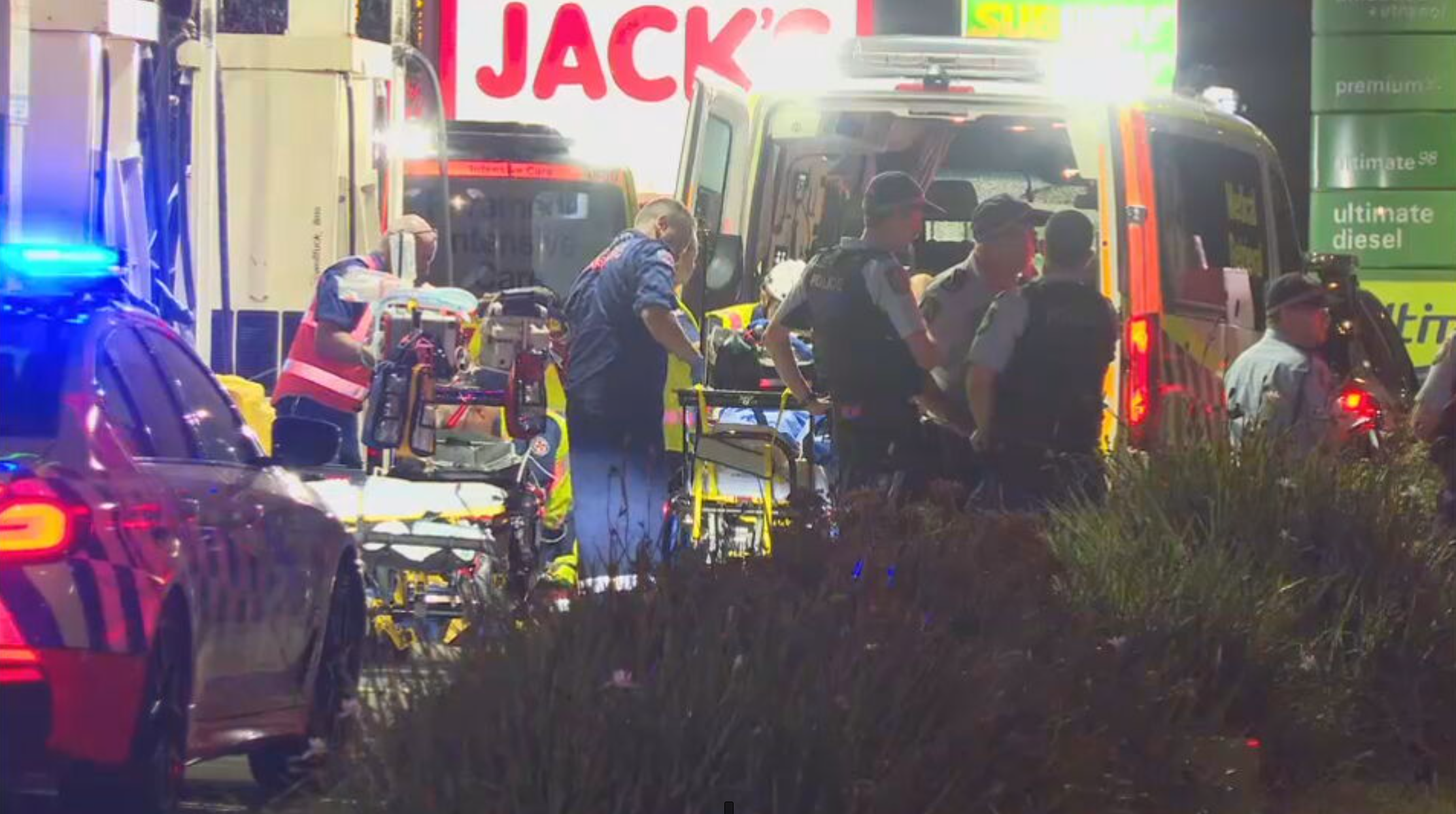
A young boy is fighting for life after falling from a moving train in Sydney's south in the second train surfing accident this week.

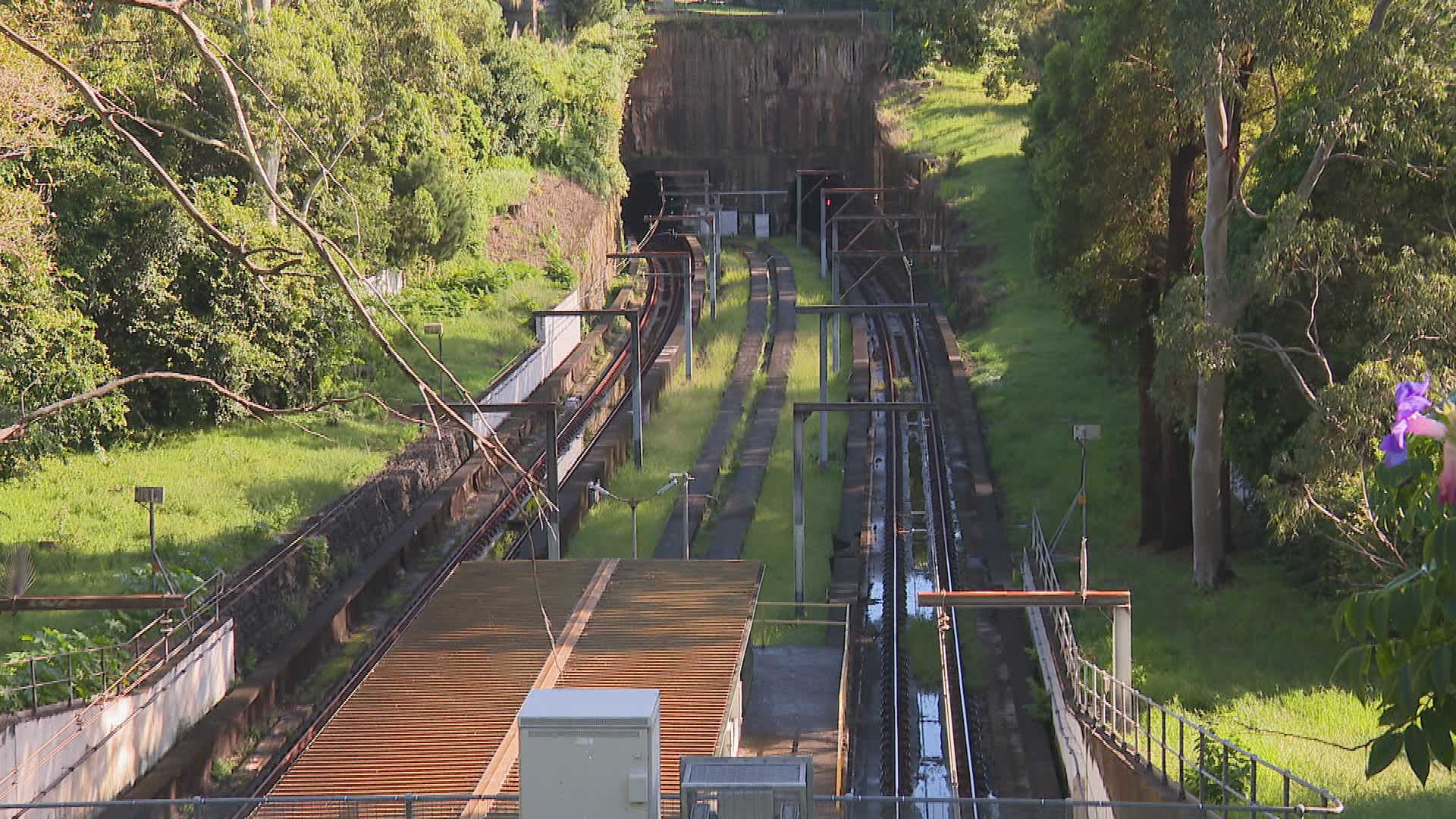
The 13-year-old fell from inside the train and landed on the tracks near Engadine, sustaining serious head injuries and being taken to hospital in a critical condition.

Emergency services were called to the scene at the Princes Highway near Heathcote Road about 8.20pm.

LIVE UPDATES: Iran pledges to hit back over gas field attack

A teenager is fighting for life and another is recovering in hospital after two separate train surfing incidents.Engadine train station.

The incident comes after a 13-year-old boy was taken to hospital after a fall while train surfing near Woollahra.

He was among nine other train surfers when he fell and landed on an unused platform.

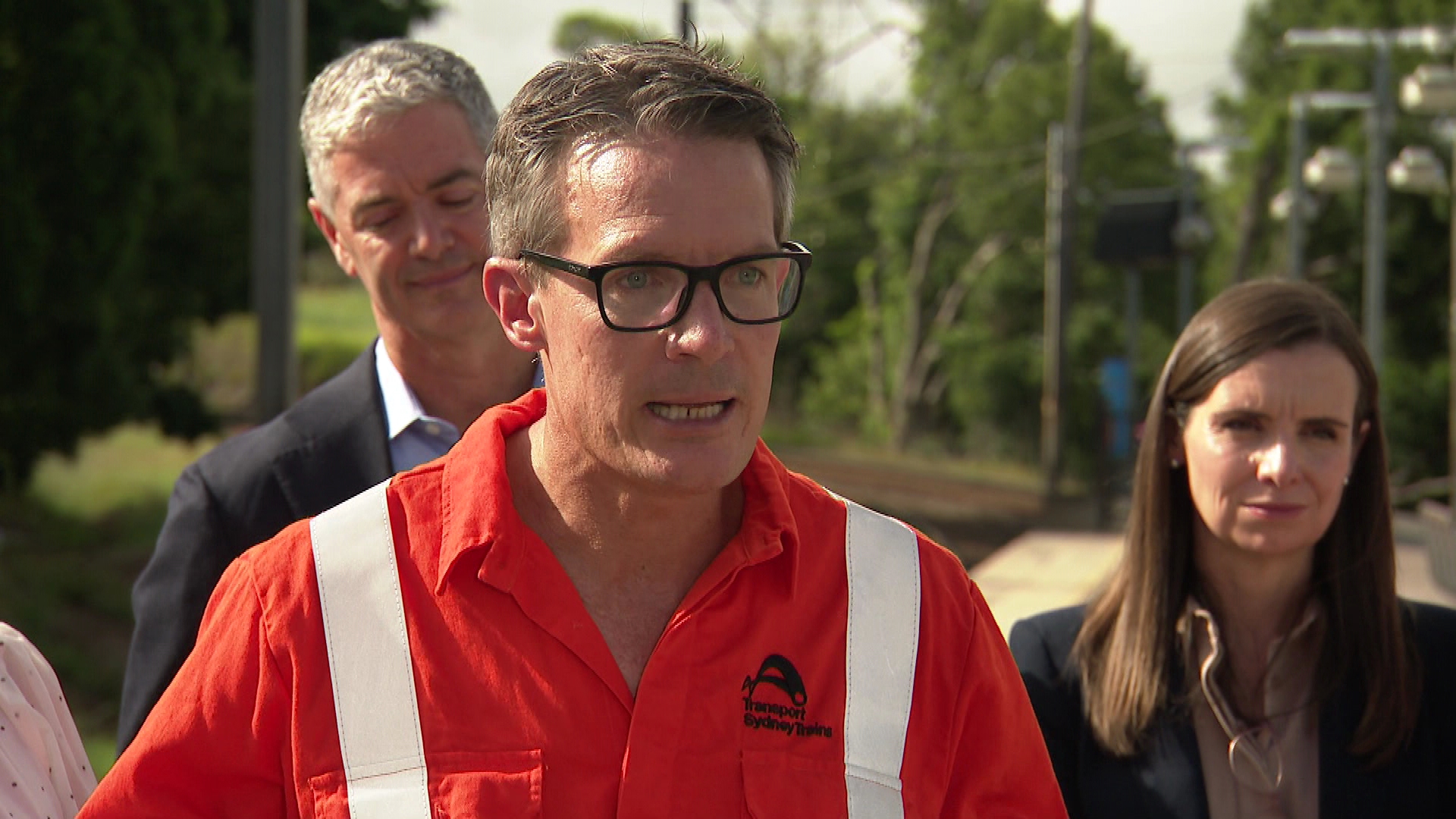
Sydney Trains chief executive Matthew Longland urged parents to step in before tragedy strikes.

"One slip, they're on the tracks and can tragically lose their lives," he said.

"Please talk to your children, let them know how dangerous this behaviour is."

READ MORE: Cheese pulled from shelves at Coles, IGA over undeclared allergen

Sydney Trains Chief Executive Matthew LonglandA boy is fighting for life after falling from a train at Engadine in Sydney's south.

NSW Police Minister Yasmin Catley urged young people to think twice before train surfing for a social media post.

"The message is loud and clear, stop this foolish behaviour," Catley said.

"For a post and boast, it's not worth your life."

NEVER MISS A STORY: Get your breaking news and exclusive stories first by following us across all platforms.

Albanese heckled, protester thrown out after commotion at Lakemba Mosque

The Muslim community's strained relationship with the federal government reached a boiling point today as protesters heckled Prime Minister Anthony Albanese at Lakemba Mosque in south-west Sydney.

Albanese and Home Affairs Minister Tony Burke, whose electorate covers Lakemba, attended ahead of Eid al-Fitr celebrations tonight, which mark the end of the Muslim holy month of Ramadan.

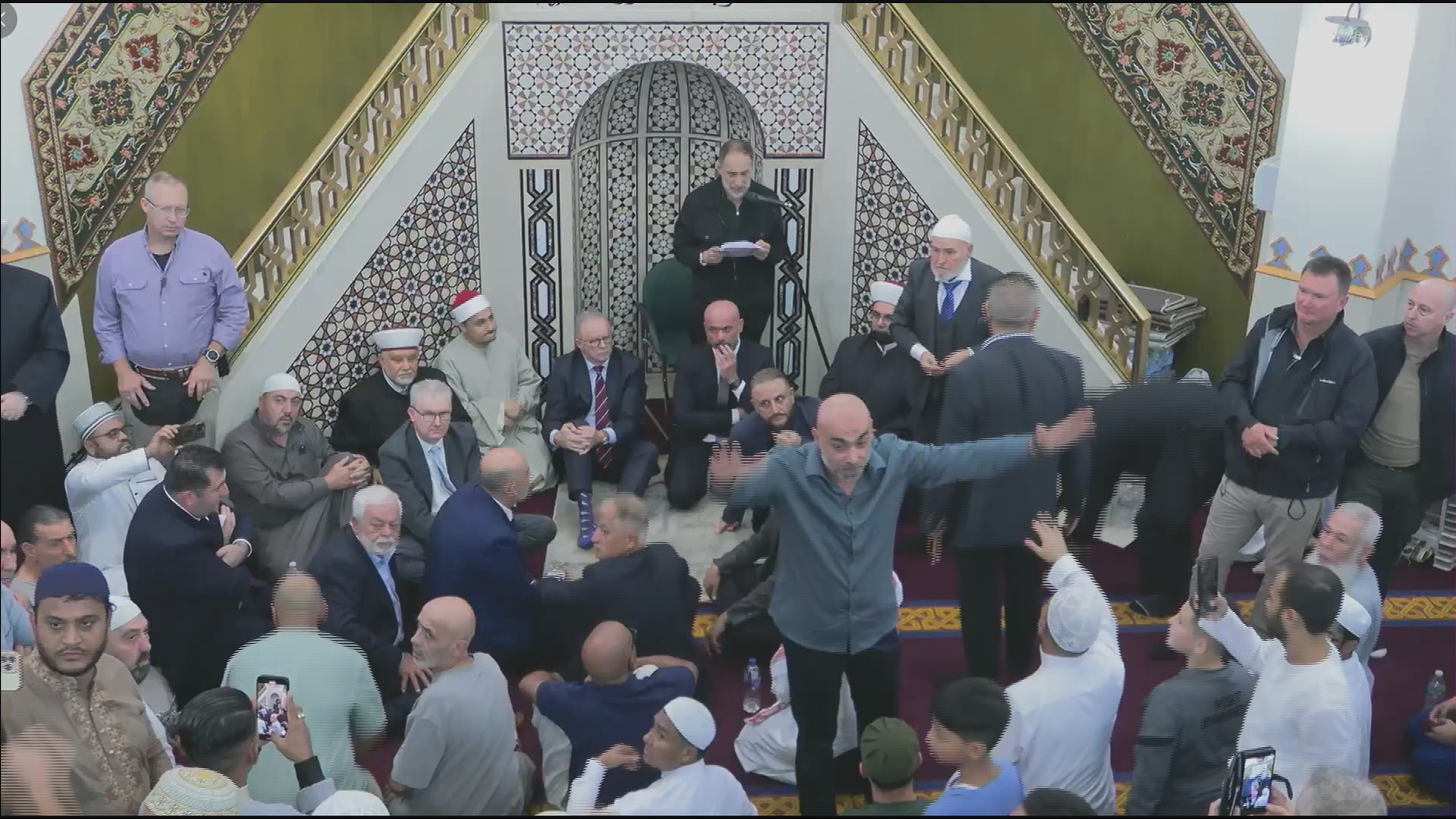
They were sitting during a speech to the congregation when protesters came forward and booed the pair, yelling "shame", "disgrace", "genocide supporters" and "get them out of here".

READ MORE: The telltale sign Aussies are in for a world of pain

Prime Minister Anthony Albanese was forced to leave Lakemba Mosque after being heckled by protesters.

The speaker and other members of the community tried to calm the protesters, but they continued to shout.

Albanese and Burke remained seated as the speech continued.

But after about 15 minutes, their security detail appeared to signal that they should leave.

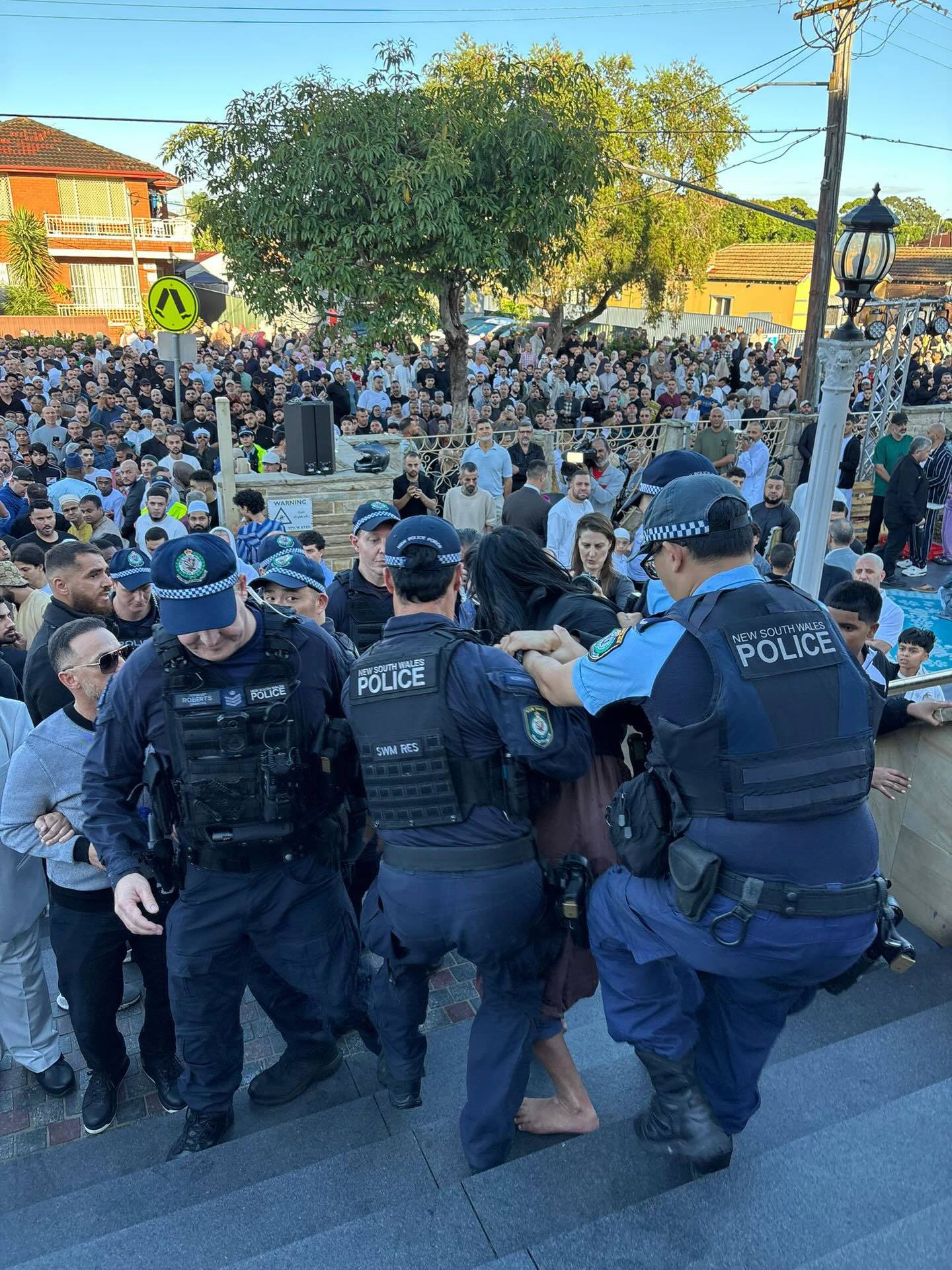
NSW Police were called to the mosque over a disturbance about 8am and ordered a 33-year-old man to move on. He was escorted out without any further incident.

The man, Sheikh Mukhlis, said he was thrown off the stairs barefoot after heckling Albanese and Burke.

"The question we need to ask ourselves is why are they there in our sacred places, in our sacred times, put up in front, smiling for photos," he said in a social media video.

"The irony is, if you listen to what the sheikh was actually saying in his khutbah, about our happiness being incomplete because there isn't peace in Gaza and there's a war in Lebanon."

The Muslim community has been divided on whether the federal government should be invited to events due to their ongoing strained relationship.

READ MORE: More than five million Aussies to receive cash boost from today

The man was escorted out of Lakemba Mosque.

There have been increased tensions due to criticisms of the government's response to the Israeli war in Gaza, the increase in Islamophobic attacks in Australia and the NSW Police's response to Muslim men who were praying during a protest in Sydney.

Lakemba Mosque itself has received several hateful and threatening letters this year, which it said have left the community fearful.

Today was the first time the Lebanese Muslim Association invited Albanese to the Lakemba Mosque since October 7, 2023.

Lebanese Muslim Association secretary and spokesman Hajj Gamel Kheir said choosing to re-engage with the government is a way to give their concerns a voice.

"Walking away from engagement has not advanced our community, nor has it changed outcomes overseas," he said in a statement after the incident this morning.

"We do not open our doors for appearances.

"We do so because real conversations require access, and because our community deserves to be heard directly, not spoken about from a distance."

In a social media post after the commotion, Albanese said it was an honour to attend the Lakemba Mosque.

"Eid Mubarak. An honour to join thousands for Eid al-Fitr at Lakemba Mosque this morning," he said.

Albanese also visited the Lakemba Ramadan Night Markets with his wife Jodie and Canterbury-Bankstown Mayor Bilal El-Hayek earlier this month.

9news.com.au has contacted Albanese and Burke for comment. 

NEVER MISS A STORY: Get your breaking news and exclusive stories first by following us across all platforms.

Police ‘shocked’ after 71-year-old stabbed by stranger on morning walk

A man is on the run after another man in his 70s was randomly stabbed in a Melbourne park this morning.

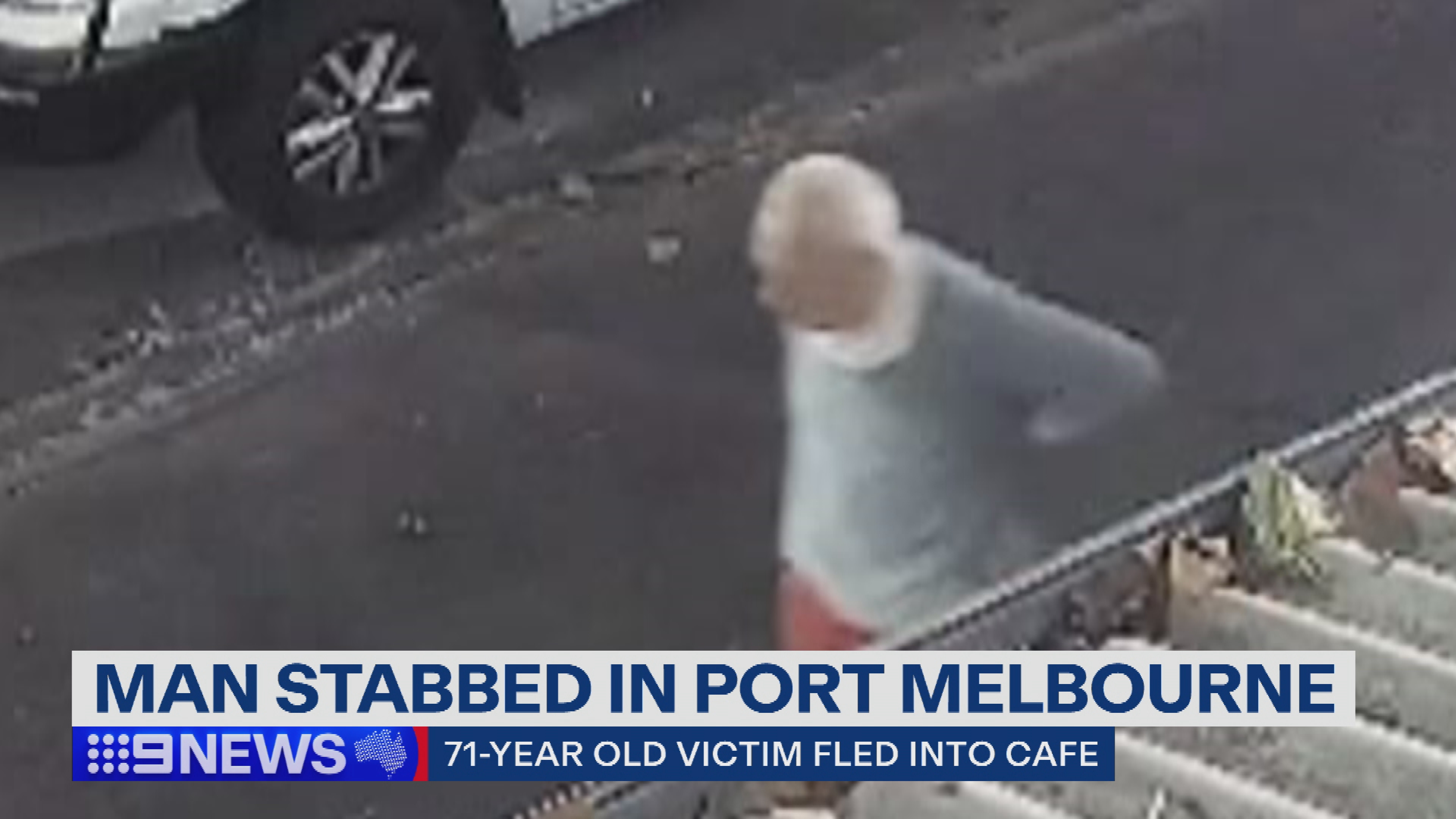
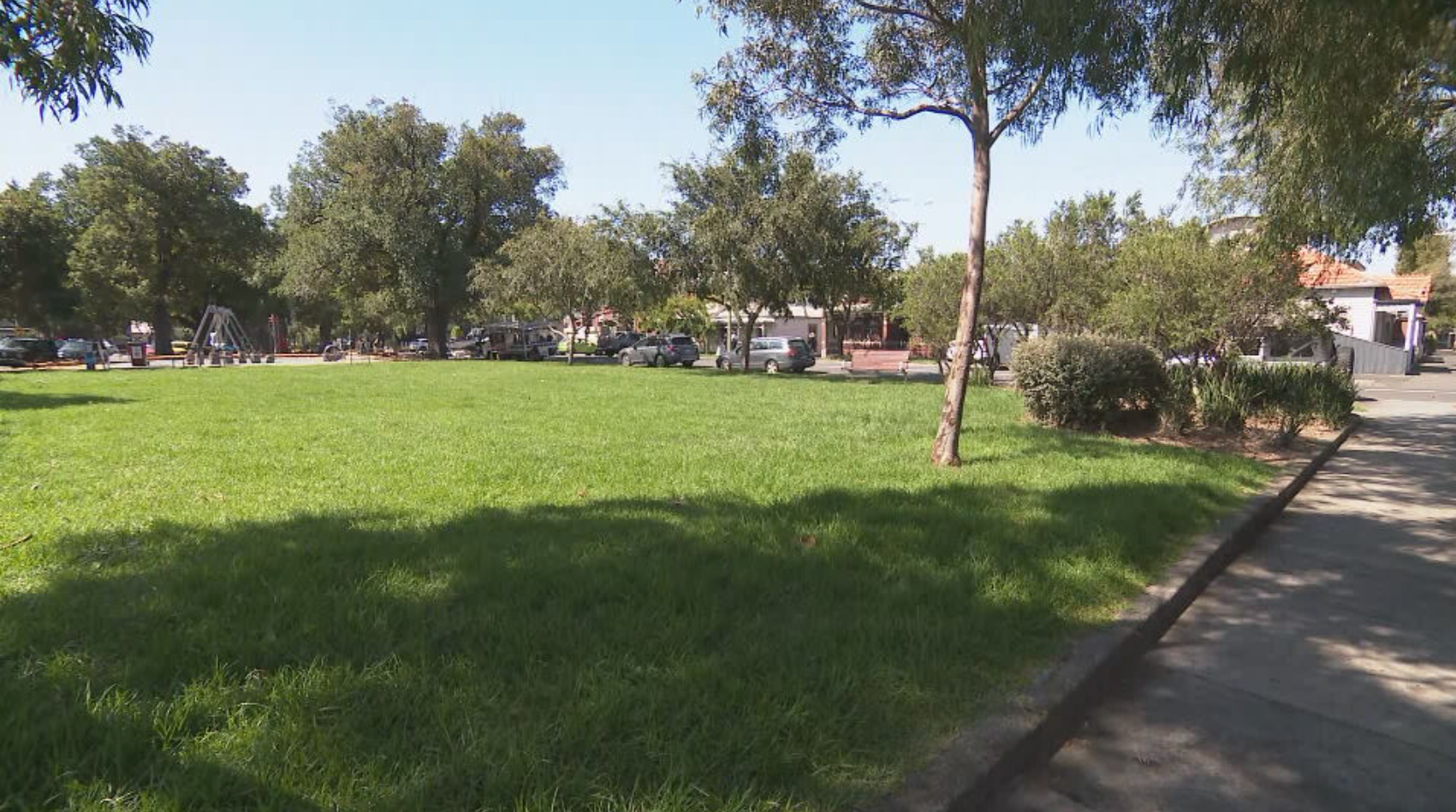
The 71-year-old man was walking near Crighton Reserve in Port Melbourne about 5.20am when he approached by an unknown man and stabbed three times.

The Port Melbourne man fled to a nearby cafe on Bay Street where he raised the alarm.

LIVE UPDATES: Narelle bears down on coast with 'very destructive' 285km/h wind gusts

Port Melbourne stabbing March 20.

"He wasn't too bad, you know, he could still talk…I was pleased about that. But he was bleeding, he lost a lot of blood," witness Mohammad Hassoun said.

"They done it for nothing, they didn't even try to take nothing from him, just stab and go."

He was rushed to hospital with serious but non-life-threatening injuries.

Despite a thorough search of the area, police have been unable to locate the offender.

He is described as Caucasian, aged between 30 and 40 years old, around 182cm tall, possibly with brown hair, wearing all black clothing.

"It is shocking to us and it's concerning considering the age of the victim and the location it's happened," Detective Senior Constable Georgia Herbert said.

Port Melbourne park random stabbing

"It was early in the morning, a lot of people are out walking their dogs at that time."

Anyone with information is urged to contact police.

It is the second random stabbing in just over 24 hours in Melbourne, after a teenager was charged over an alleged stabbing in Clayton yesterday.

NEVER MISS A STORY: Get your breaking news and exclusive stories first by following us across all platforms.