All posts by FreeNews

Some local GPs label Australia's COVID-19 vaccine roll out flawed

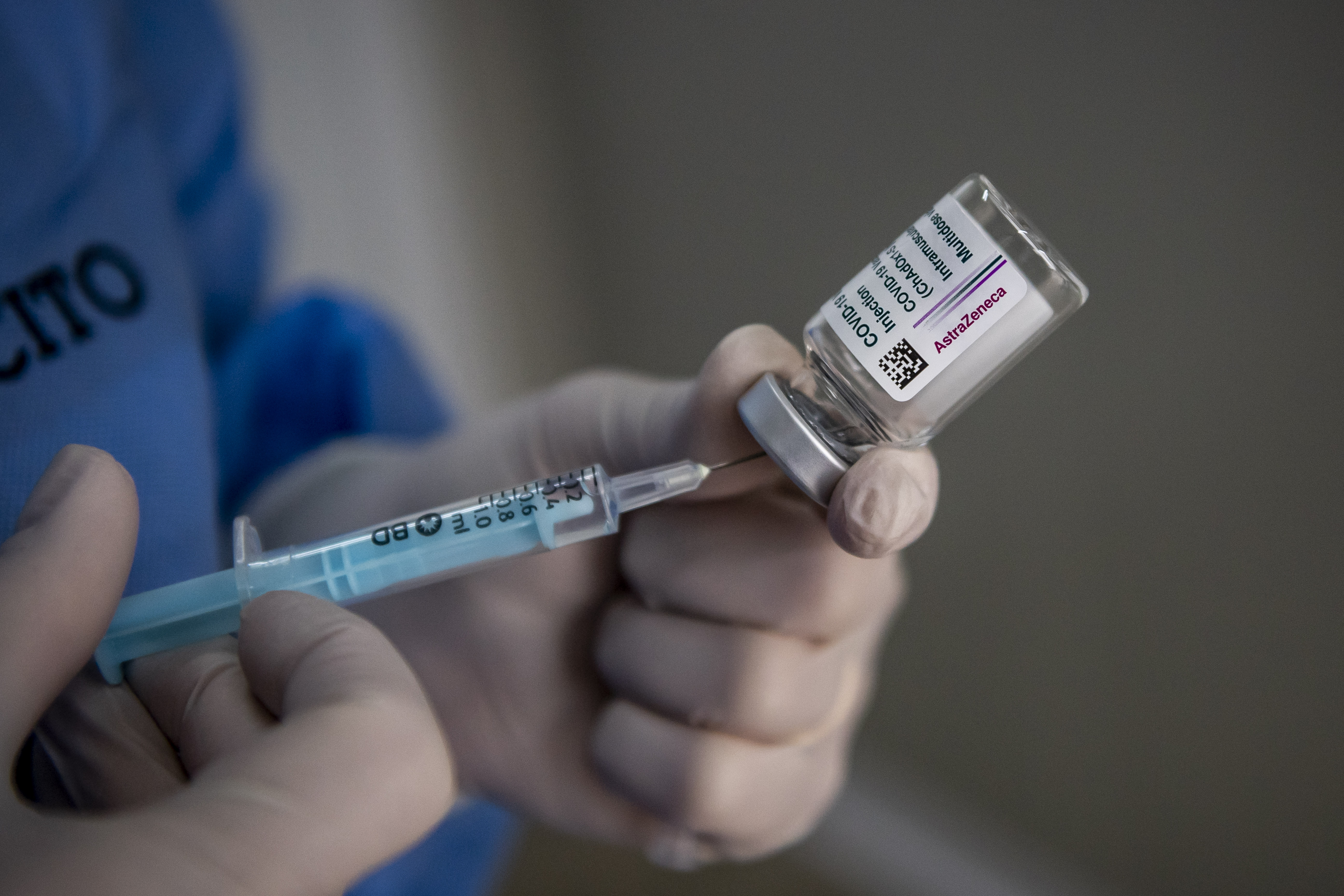
Local GPs will soon begin the mammoth task of helping vaccinate the entire Australian population against COVID-19.

Thousands of clinics have been approved to participate, but some doctors believe the rollout is seriously flawed.

From March 22, GPs will be enlisted to give the elderly and vulnerable the AstraZeneca vaccine.

READ MORE: Children encouraged to burn face masks in US

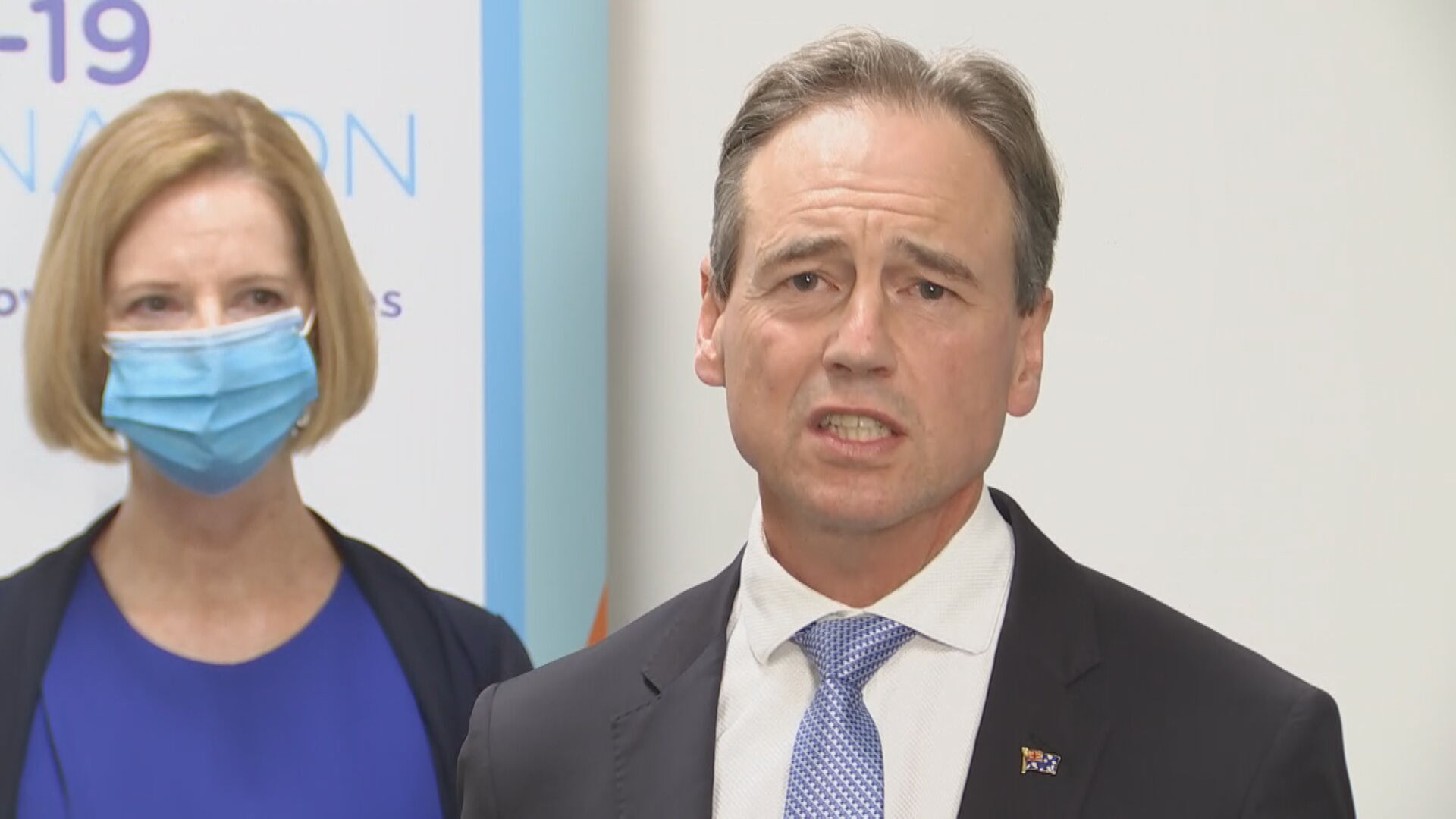
Health Minister Greg Hunt and former Prime Minister Julia Gillard.

"Whether it's smallpox, measles, hooping cough, flu and now COVID-19, vaccinations can save lives and protect lives," Health Minister Greg Hunt said.

Former Prime Minister Julia Gillard is in agreement.

"I can understand people are feeling a little bit anxious," Ms Gillard said.

"I would recommend to them they get information from reliable sources."

While studies have shown both vaccines are more successful in the real world than in clinical trials, there is still a grey area for pregnant women.

READ MORE: When Australia can safely reopen international borders

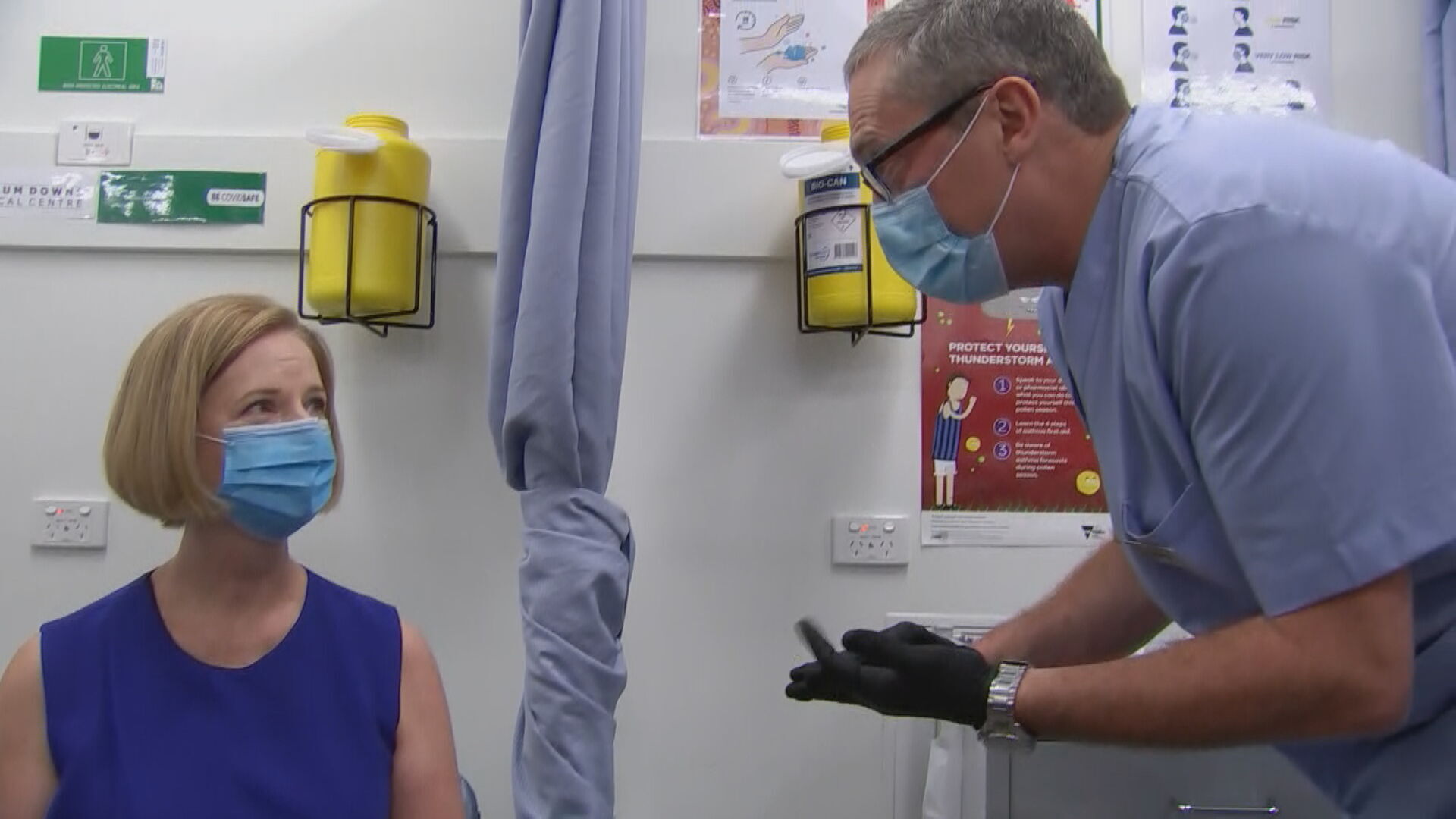
Former Prime Minister Julia Gillard receives her COVID-19 vaccine.

"We don't know for sure if they are safe in pregnancy," Professor Brendan Murphy said.

"No reason why they wouldn't be safe."

In two weeks, 1200 accredited clinics will offer the jab. By April, 4000 GPs will be administering the vaccine and by October it's hoped more than 20 million adults will be vaccinated — that's 200,000 a day.

But some doctors fear there won't be enough supply.

"With the current allocation we've got is 100 it will take to end of next year and it also is going to cause chaos prioritising patients," GP Dr Craig Richards told 9News.

Man fighting for life after four-car collision in Melbourne

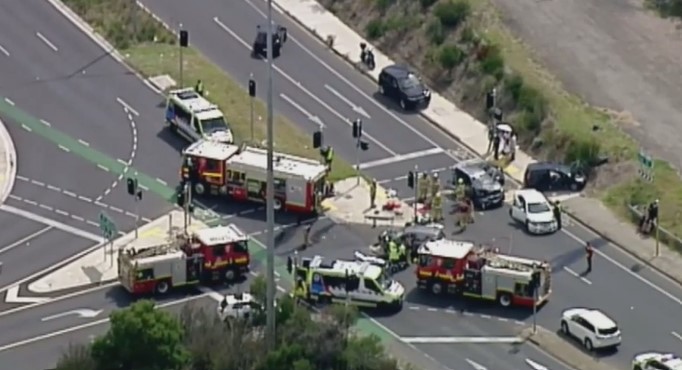
A 32-year-old man has suffered life-threatening injuries in a four-car collision in Melbourne.

Victoria Police believe a 72-year-old Honda station wagon driver travelling on the Eastern Freeway may have had a medical episode before exiting the freeway at Chandler Highway about midday today.

It crashed into the rear of a stationary Hyundai station wagon waiting at traffic lights.

READ MORE: Melbourne registered sex offender caught, one still on the run

Emergency services swarm the scene of the four-car smash.

The impact of the crash caused the Hyundai to push forward and was struck by a Mitsubishi hatchback and a Honda sedan.

The Hyundai driver, a Glen Waverley man, suffered life-threatening injuries in the crash and was taken to hospital.

His passenger, a 29-year-old woman, was not injured.

The 72-year-old Honda driver was taken to hospital with minor injuries. His passenger, an 84-year-old woman, was taken to hospital with serious injuries.

The driver of the Honda sedan and her two female passengers were uninjured.

Anyone with information or dashcam is urged to contact Crime Stoppers on 1800 333 000 or file a confidential report online at www.crimestoppersvic.com.au.

Man stabbed in back at Sydney house party

A 22-year-old man was stabbed in the back at a birthday party in Sydney's north-west overnight.

Emergency services were called to a home on Cornell Place at Rouse Hill about 9.30pm following reports a man had been injured.

Dashcam footage shows the moments just before three men gatecrashed the birthday party.

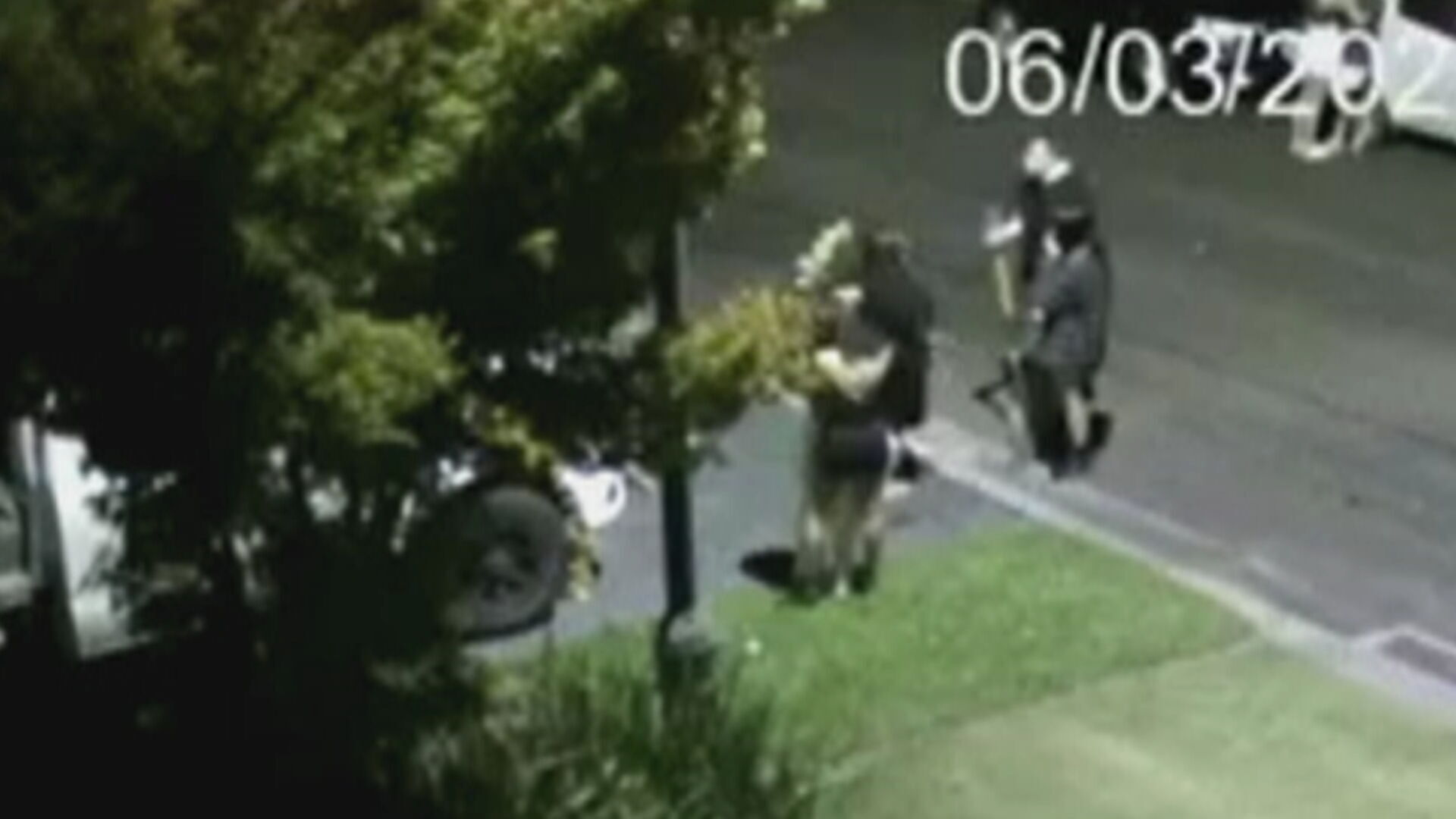
Security video revealed one party goer armed themselves with a shovel.

Within minutes of arriving, guests try to move them on, one even armed with a shovel.

More than a dozen party goers then spill onto the driveway, with punches thrown and the weapon drawn.

"There was blood everywhere as well, towels mopped up with it as well," witness Zac Colman told 9News.

Neighbours rushed out to save the young man lying on the driveway.

Officers from The Hills Police Area Command arrived to find the young man with a single stab wound to his back.

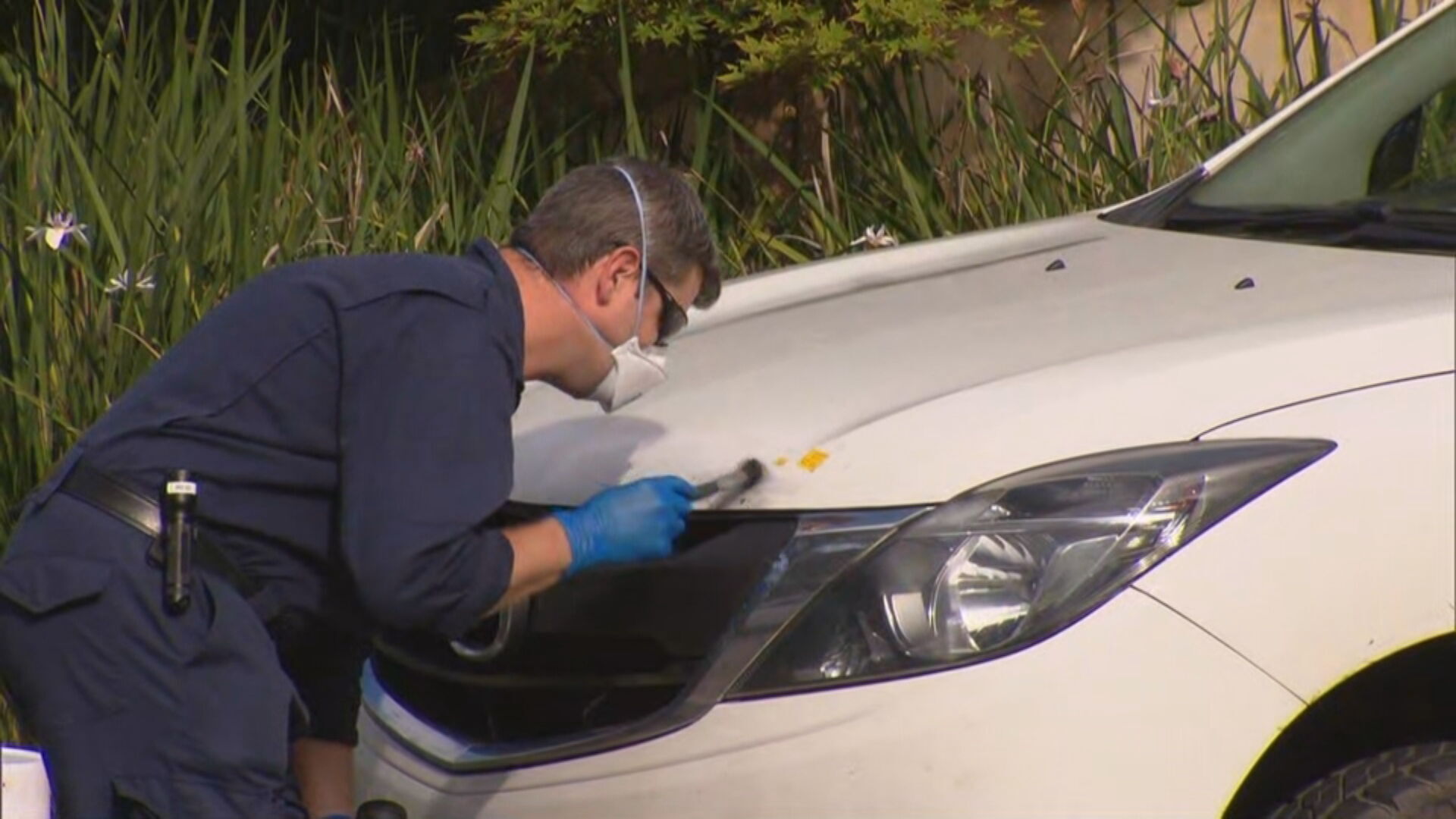
A police officer searches for evidence on a vehicle.

Paramedics with NSW Ambulance treated the man at the scene before he was taken in a serious condition to Westmead Hospital under police escort.

"He definitely is lucky … and once again, I say it's because of the efforts of bystanders, because he could have been in serious, serious trouble without their efforts," Ambulance NSW's Kevin McSweeney told 9News.

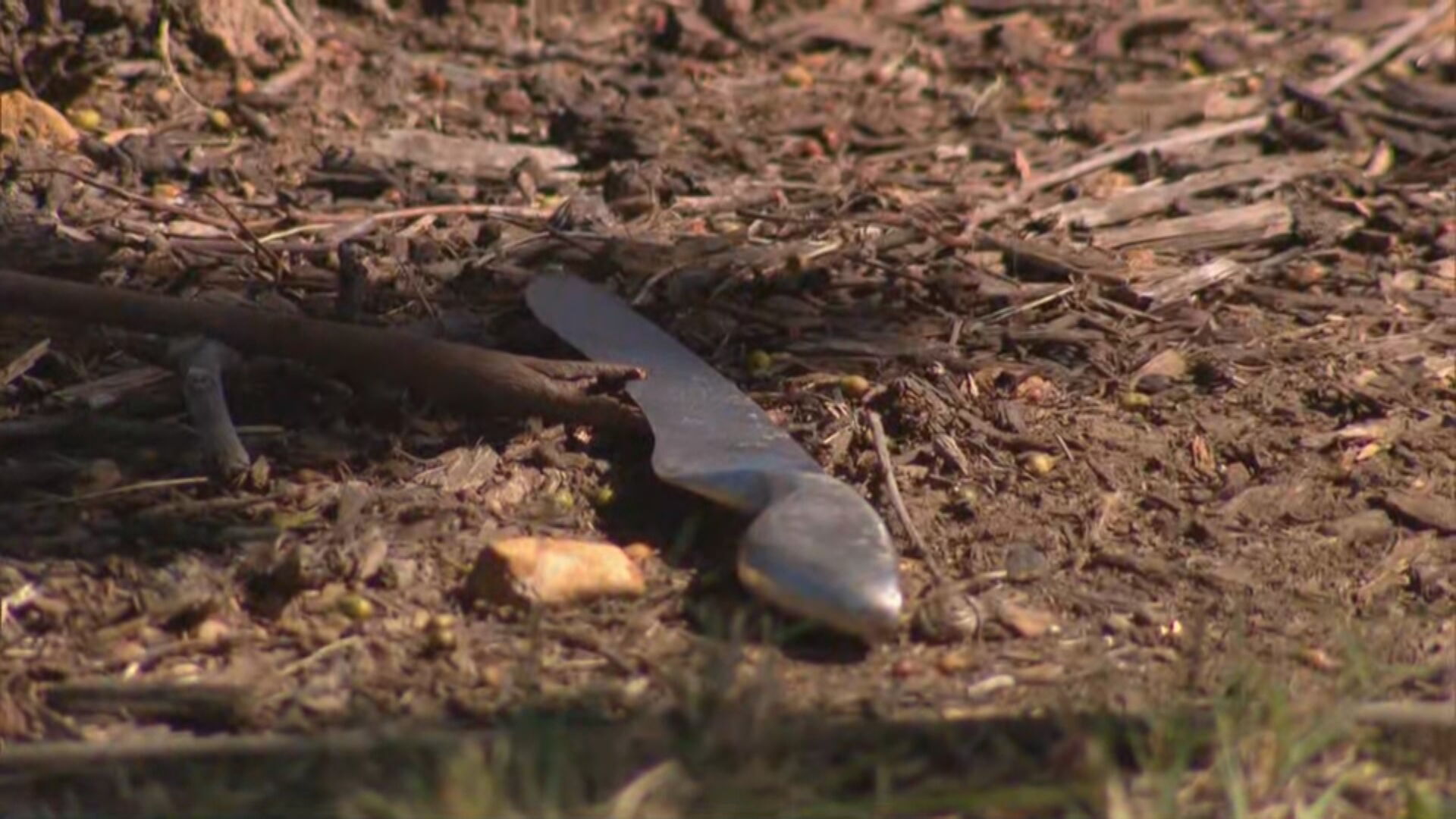
A large kitchen knife was found near a footpath on Caddies Boulevard this morning. Police are yet to determine if it was the knife used.

Detective Inspector Chris Laird said it was unacceptable if the crime happened in the street.

"But it's even worse that these lowlife scumbags have come into somebody's house, brought a knife as well," Inspector Laird told 9News.

A kitchen knife found at the scene. Police are yet to determine if the weapon was used in the attack.

The victim has undergone surgery and remains in a serious but stable condition.

Police allege the man was injured after he and two friends, aged 22 and 23, were involved in an altercation in the driveway of the home with three uninvited guests who had been asked to leave.

Authorities say they know who they're looking for and have urged the individual to come forward.

"You can come to the police station now, or we'll come to your house tonight, the choice is yours," Inspector Laird said.

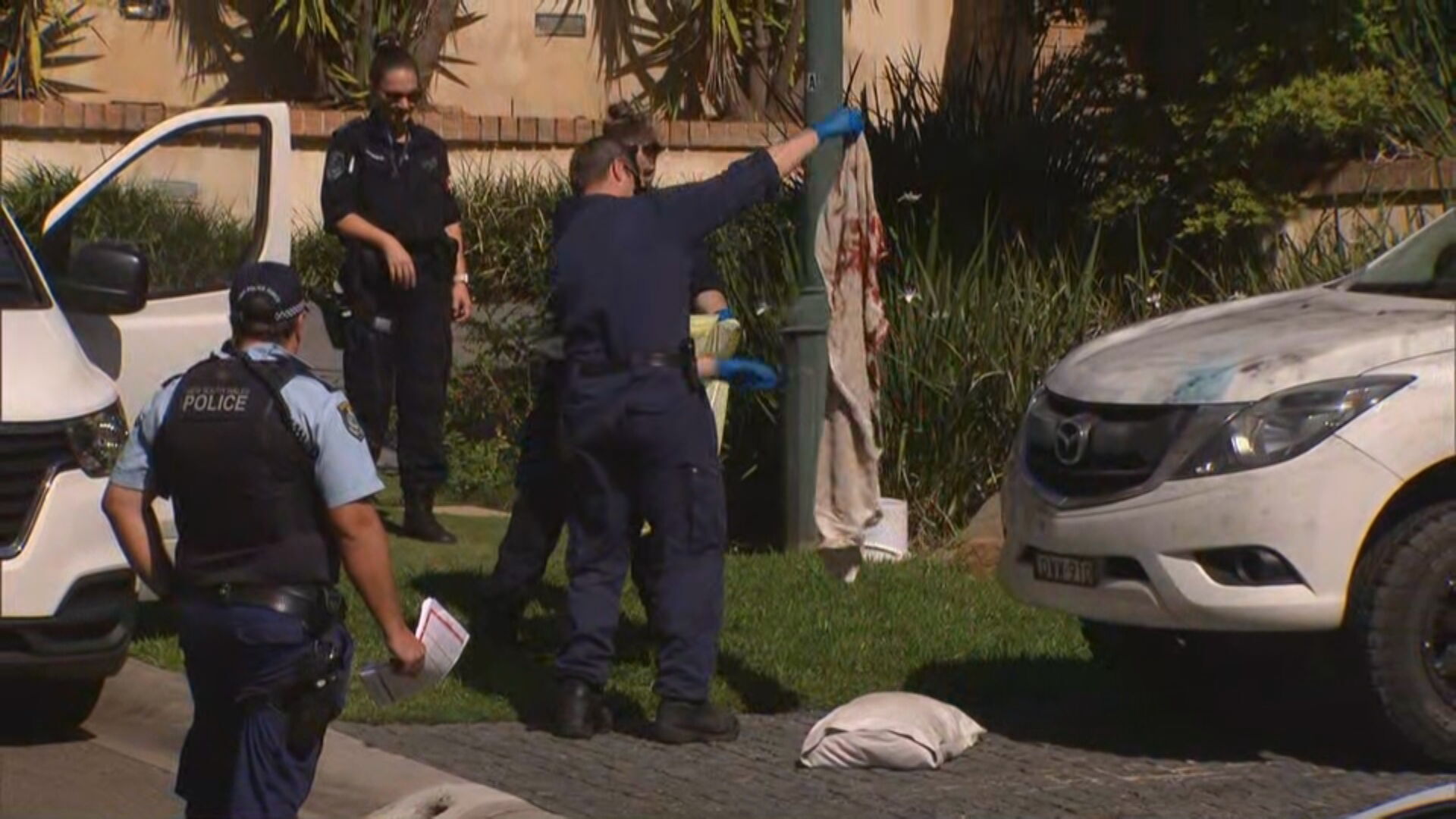
Police officers establish a crime scene at the Sydney property.

MPs push for national approach to criminalising coercive control

Domestic abuse doesn't always involve violence — and that's why three women in federal parliament are calling for a national approach to criminalising behaviours known as "coercive control".

Labor MPs Dr Anne Aly and Linda Burney along with independent Senator Jacqui Lambie have each experienced coercive control, and shared their stories with Nine Federal Politics reporter Fiona Willan.

See the full interview above.

When Australia can safely reopen international borders

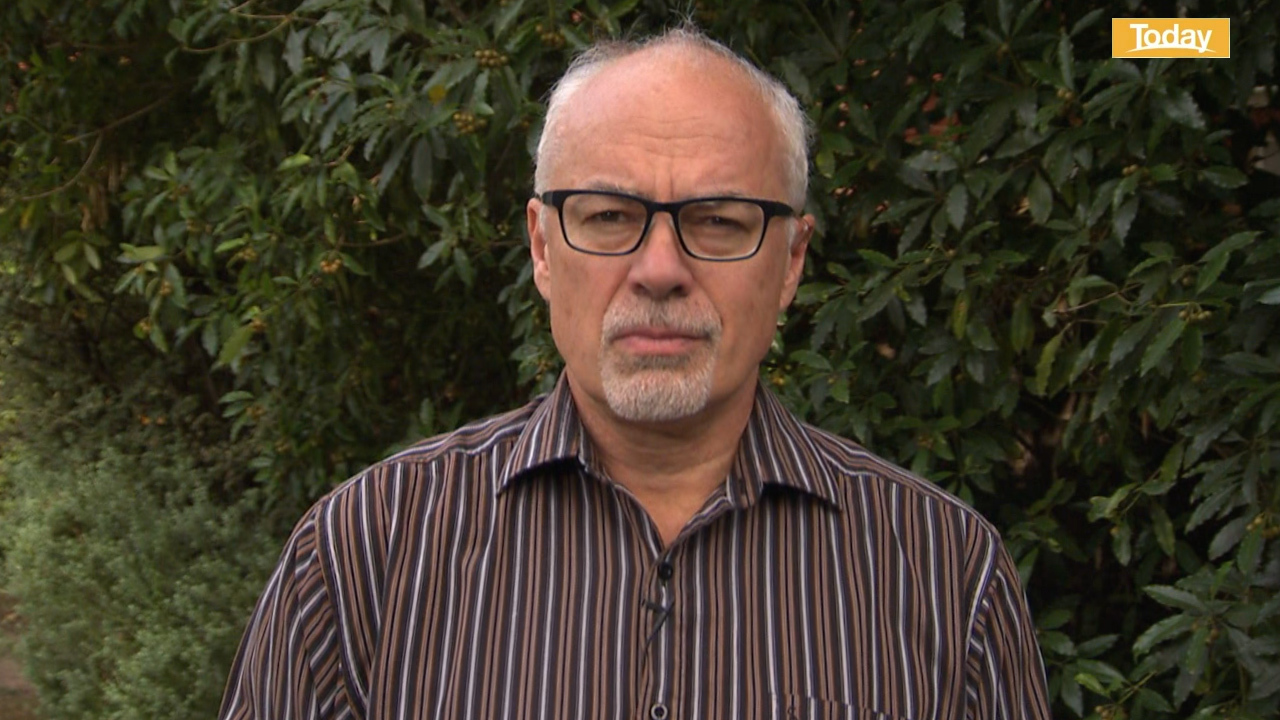
Australia should be able to reopen its international borders once 40 to 60 per cent of its population has been vaccinated against coronavirus, according to a leading epidemiologist and public health medicine specialist.

Dr Tony Blakely told the Weekend Today show that while we don't yet know the "magic number" of vaccinations which will allow borders to reopen, he believed a vaccination rate of roughly 40 per cent should be sufficient to reopen to low-risk nations.

READ MORE: WA becomes second state to begin administering AstraZeneca vaccine

"For high-risk countries like the UK and the US, we will allow them to come in perhaps with seven days of quarantine, a test on day five, if they're OK they can go out (into the community)," he suggested.

"Once we get to 60, 70 per cent – again, number not quite known – we can probably relax to normal."

However, Dr Blakely said that this required Australians to adjust to the idea of accepting some level of COVID-19 transmission in the community.

What's more, this community transmission will likely continue for years into the future.

READ MORE: France could follow Italy and block vaccine shipments to Australia

A healthcare worker of the Italian Army prepares doses of the AstraZeneca COVID-19 vaccine.

"You will see the virus pop up here and there but it will be easier to control because it won't spread like wild fire," he said.

"It will be easier for the contact tracers to dampen it out. Once we get to 60, 70 per cent – somewhere around there – (there will be) very small pockets when the virus comes in."

There is, however, one major proviso on Dr Blakely's claims.

"Everything I've said assumes the vaccine will stop transmission as well as serious illness," he cautioned.

"The data that's coming through suggests it will but, again, this is not final.

"Australia can watch what's happening in other countries who are ahead of us and learn from it."

Dr Blakely said that the current evidence on the vaccines suggest that, as well as reducing the severity of COVID-19, it's also reducing infectivity – meaning those who do get infected will be less infectious for less time.

He also noted that it was likely updates to the vaccinations would need to be rolled out in the coming years, particularly for the AstraZeneca vaccine due to its lower rate of protection.

Europe staggers as infectious variants power virus surge

The virus swept through a nursery school and an adjacent primary school in the Italian suburb of Bollate with amazing speed. In a matter of just days, 45 children and 14 staff members had tested positive.

Genetic analysis confirmed what officials already suspected: the highly contagious coronavirus variant first identified in England was racing through the community, a densely packed city of nearly 40,000 with a chemical plant and a Pirelli bicycle tire factory a 15-minute drive from the heart of Milan.

"This demonstrates that the virus has a sort of intelligence. … We can put up all the barriers in the world and imagine that they work, but in the end, it adapts and penetrates them," lamented Bollate Mayor Francesco Vassallo.

READ MORE: France could follow Italy and block vaccine shipments to Australia
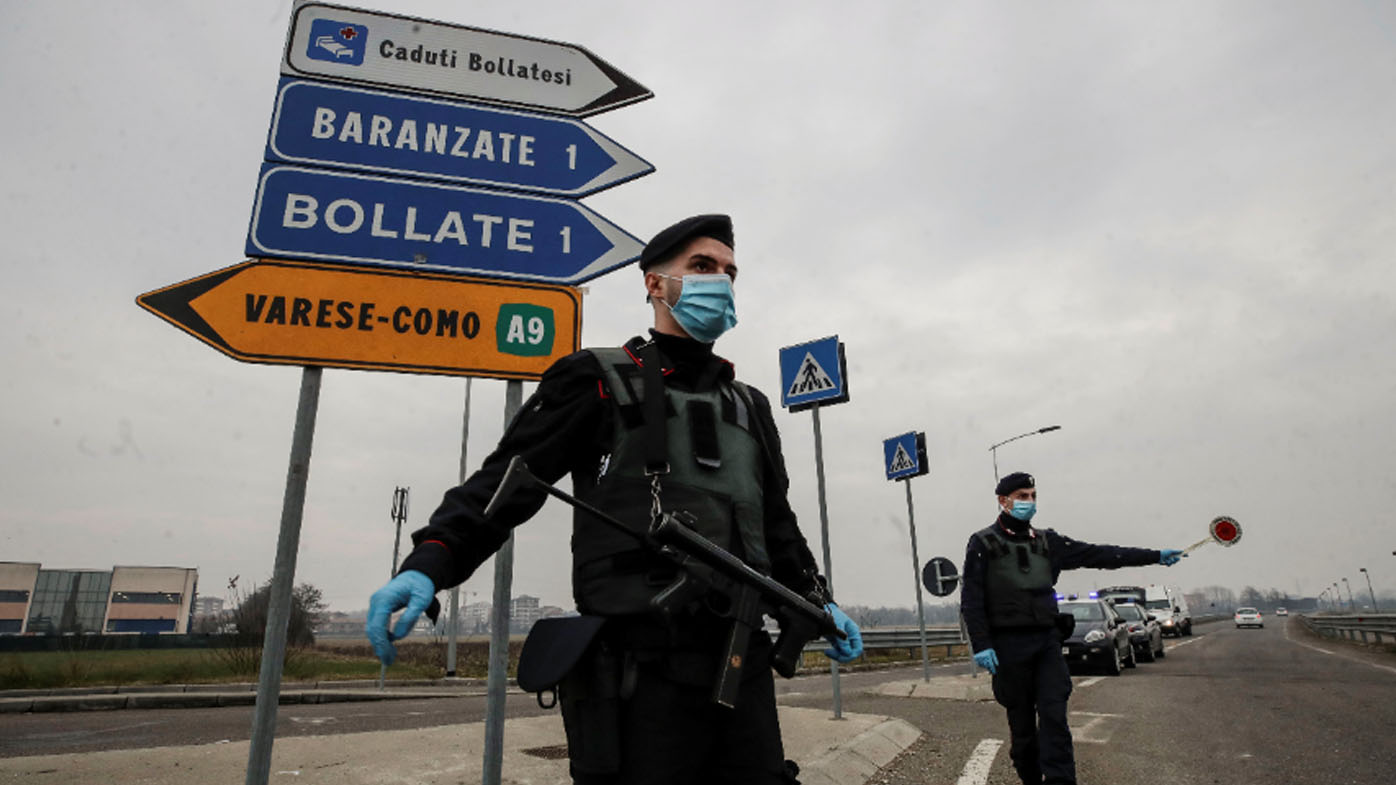
Bollate was the first city in Lombardy, the northern region that has been the epicentre in each of Italy's three surges, to be sealed off from neighbours because of virus variants that the World Health Organisation says are powering another uptick in infections across Europe.

The variants also include versions first identified in South Africa and Brazil.

Europe recorded one million new COVID-19 cases last week, an increase of nine per cent from the previous week and a reversal that ended a six-week decline in new infections, WHO said Thursday.

"The spread of the variants is driving the increase, but not only," said Dr Hans Kluge, WHO regional director for Europe, citing "also the opening of society, when it is not done in a safe and a controlled manner".

The variant first found in the UK is spreading significantly in 27 European countries monitored by WHO and is dominant in at least 10 countries: Britain, Denmark, Italy, Ireland, Germany, France, the Netherlands, Israel, Spain and Portugal.
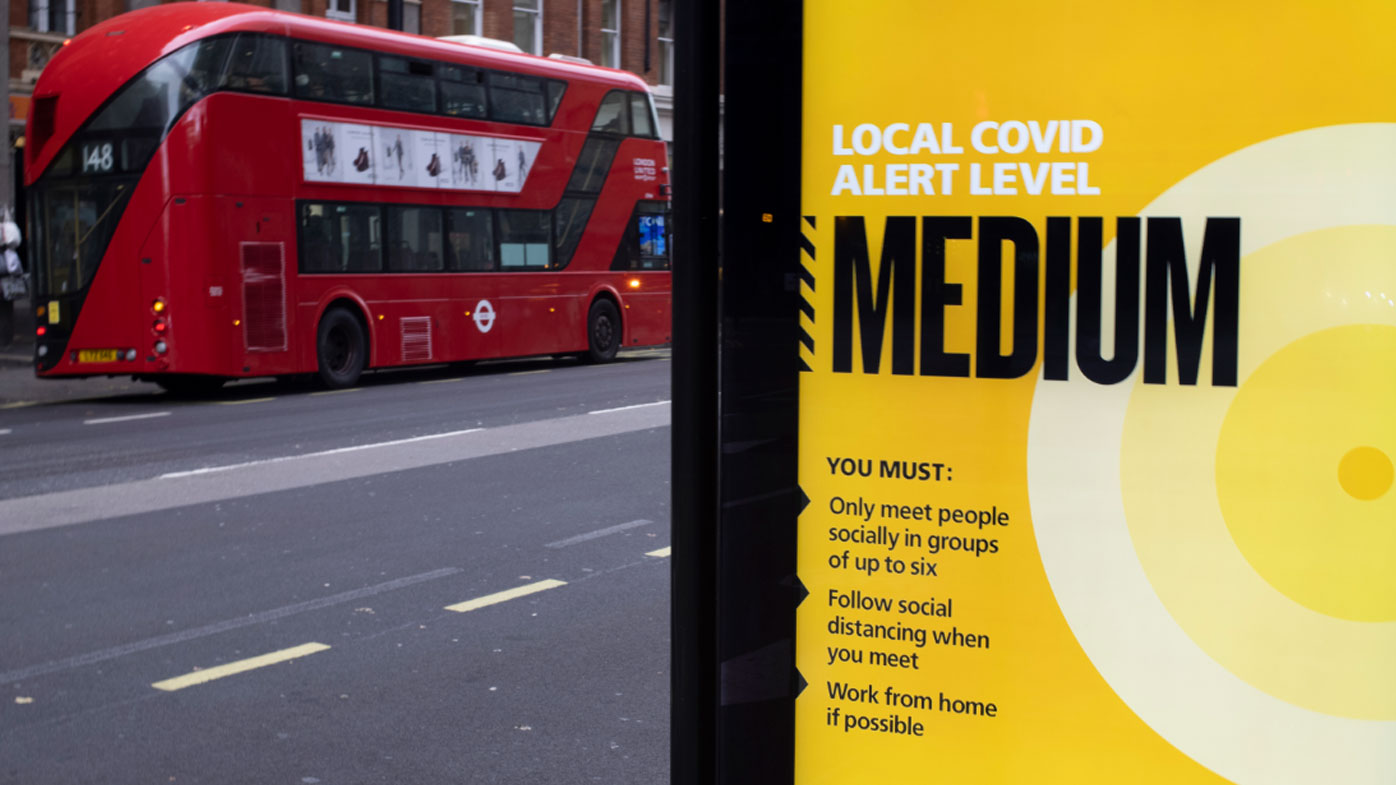
It is up to 50 per cent more transmissible than the virus that surged last spring and again in the northern autumn, making it more adept at thwarting measures that were previously effective, WHO experts warned.

Scientists have concluded that it is also more deadly.

"That is why health systems are struggling more now," Dr Kluge said. "It really is at a tipping point. We have to hold the fort and be very vigilant."

In Lombardy, which bore the brunt of Italy's spring surge, intensive care wards are again filling up, with more than two-thirds of new positive tests being the UK variant, health officials said.

After putting two provinces and some 50 towns on a modified lockdown, Lombardy's regional governor announced tightened restrictions on Friday and closed classrooms for all ages.

Cases in Milan schools alone surged 33 per cent in a week, the provincial health system's chief said.
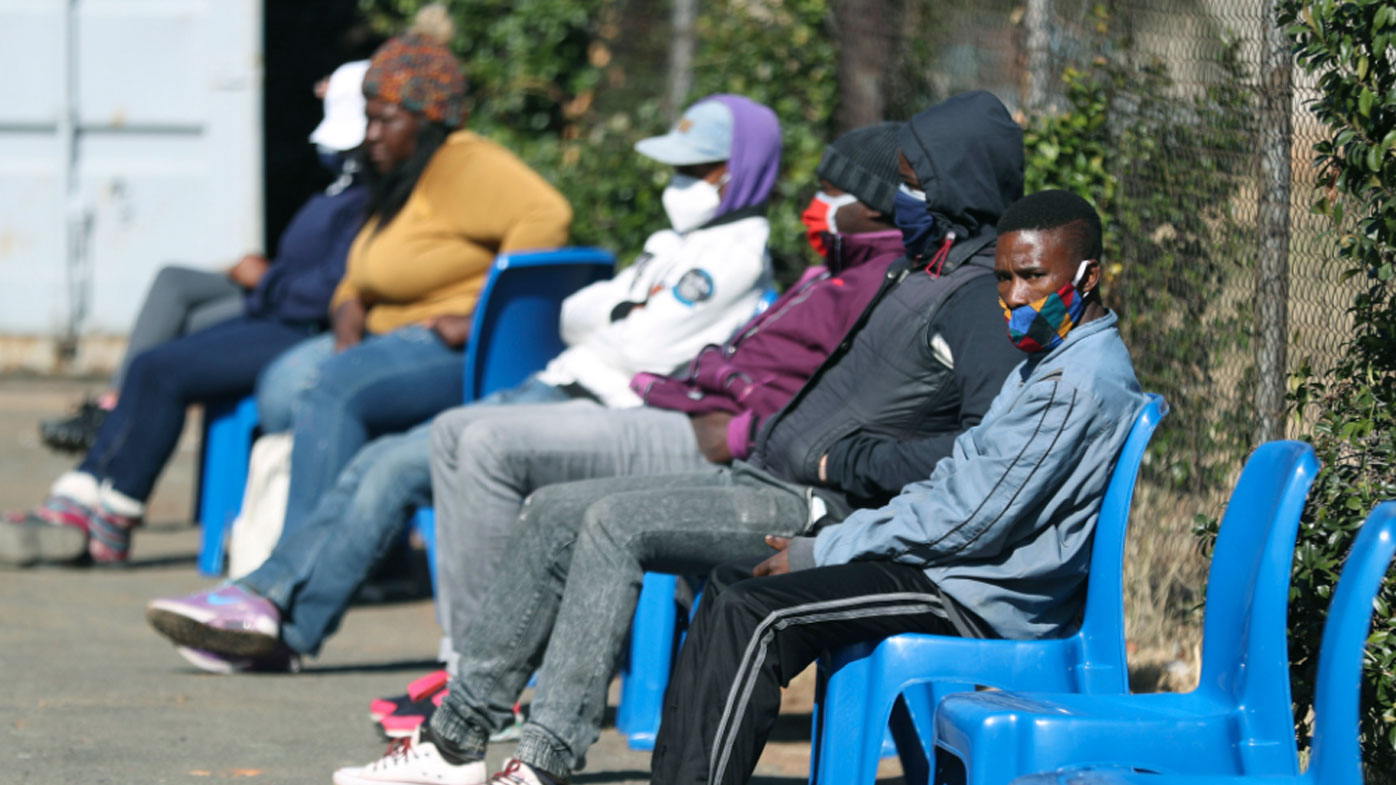
The situation is dire in the Czech Republic, which this week registered a record-breaking total of nearly 8500 patients hospitalised with COVID-19.

Poland is opening temporary hospitals and imposing a partial lockdown as the UK variant has grown from 10 per cent of all infections in February to 25 per cent now.

Two patients from hard-hit Slovakia were expected to arrive on Saturday for treatment in Germany, where authorities said they had offered to take in 10 patients.

Dr Kluge cited Britain's experience as cause for optimism, noting that widespread restrictions and the introduction of the vaccine have helped tamp down the variants there and in Israel. The vaccine rollout in the European Union, by comparison, is lagging badly, mostly because of supply problems.

In Britain, the emergence of the more transmissible strain sent cases soaring in December and triggered a national lockdown in January.

Cases have since plummeted, from about 60,000 a day in early January to about 7000 a day now.

The South Africa variant, now present in 26 European countries, is a source of particular concern because of doubts over whether the current vaccines are effective enough against it. The Brazilian variant, which appears capable of reinfecting people, has been detected in 15 European countries.

WHO and its partners are working to strengthen the genetic surveillance needed to track variants across the continent.

The mayor of Bollate has appealed to the regional governor to vaccinate all 40,000 residents immediately, though he expects to be told the vaccine supply is too tight.

Bollate has recorded 3000 positive cases and 134 deaths — mostly among the elderly — since Italy was stricken a year ago.

It took the brunt in the resurgence in November and December, and was caught completely off guard when the UK variant arrived, racing through school-age children before hitting families at home.

"People are starting to get tired that after a year there is no light at the end of the tunnel," Mr Vassallo said.