Gymgoers who were at a South Auckland gym at the same time as a man who tested positive for Covid-19 will be tested for the virus for the first time tomorrow. Anyone who was at City Fitness Papatoetoe, at Hunters Plaza, at the same…
All posts by FreeNews
Countries call on drug companies to share vaccine know-how
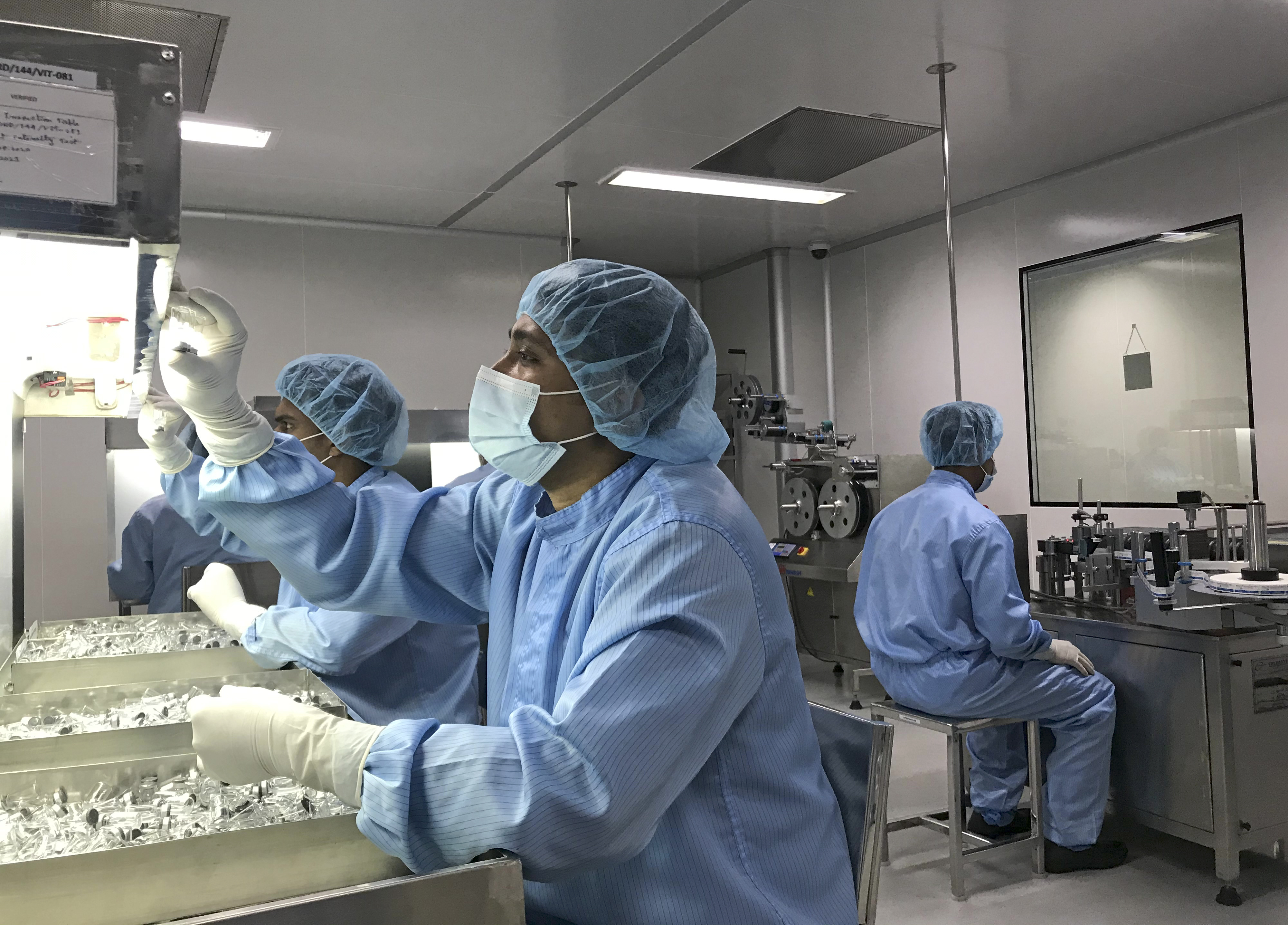
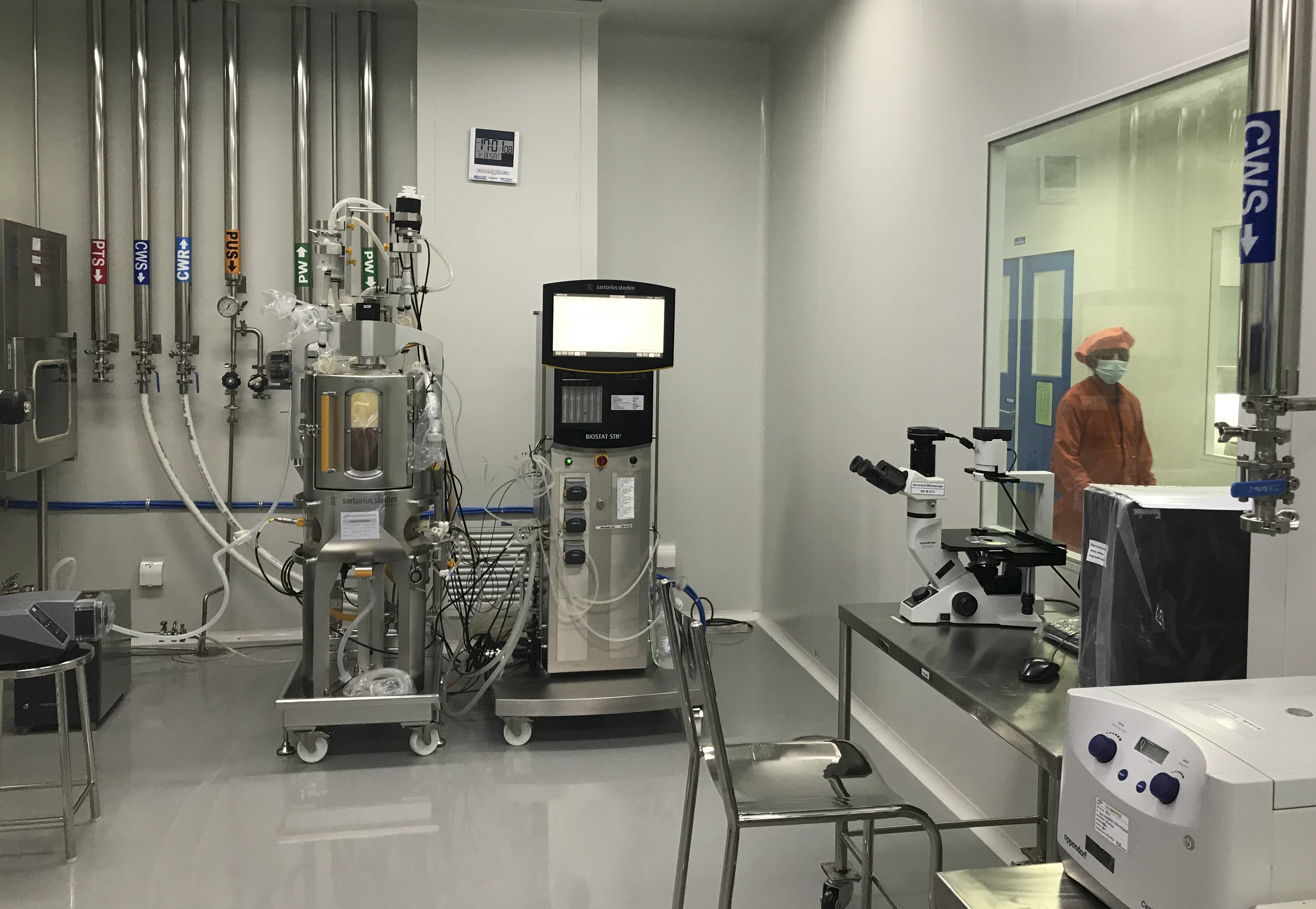
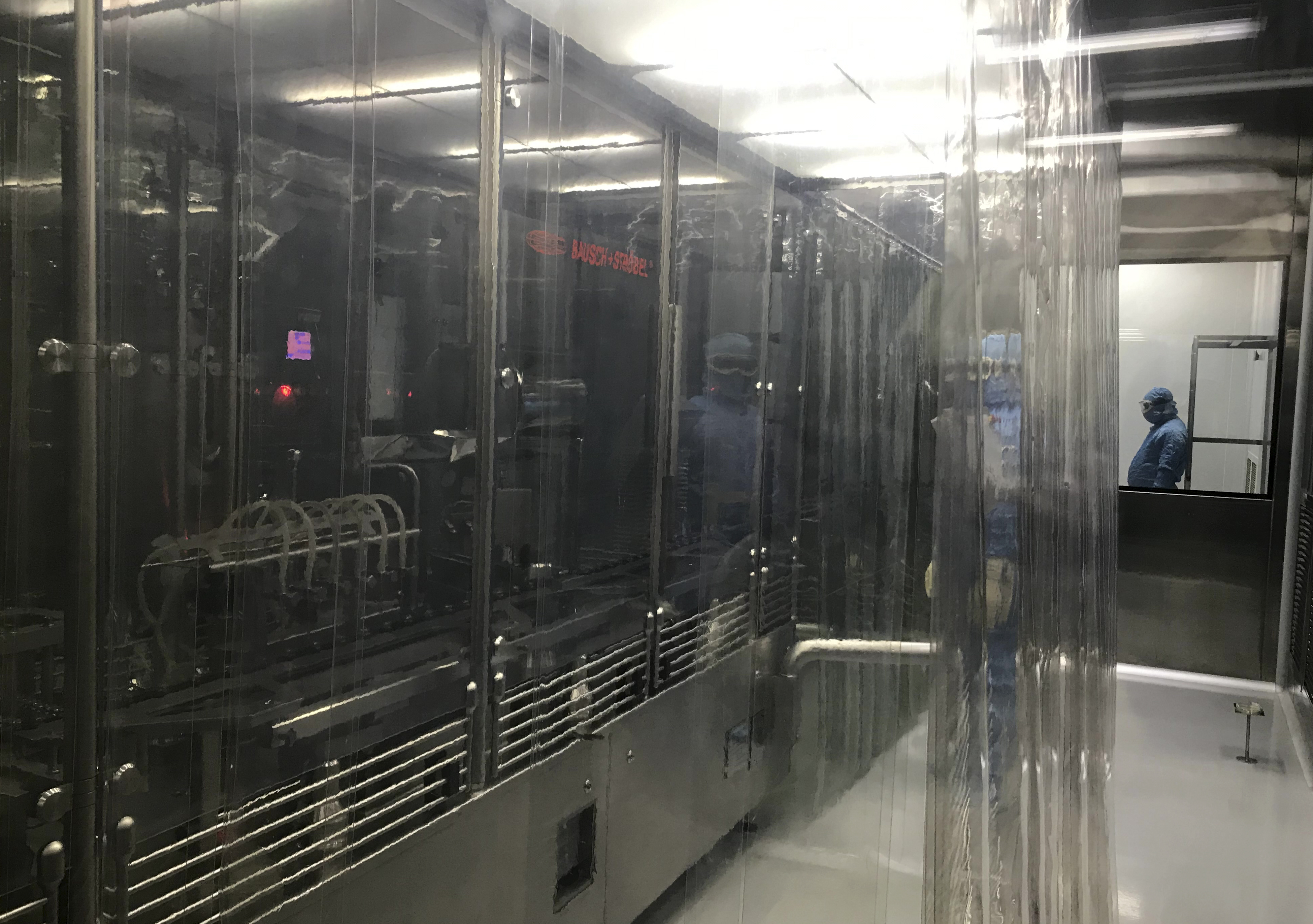
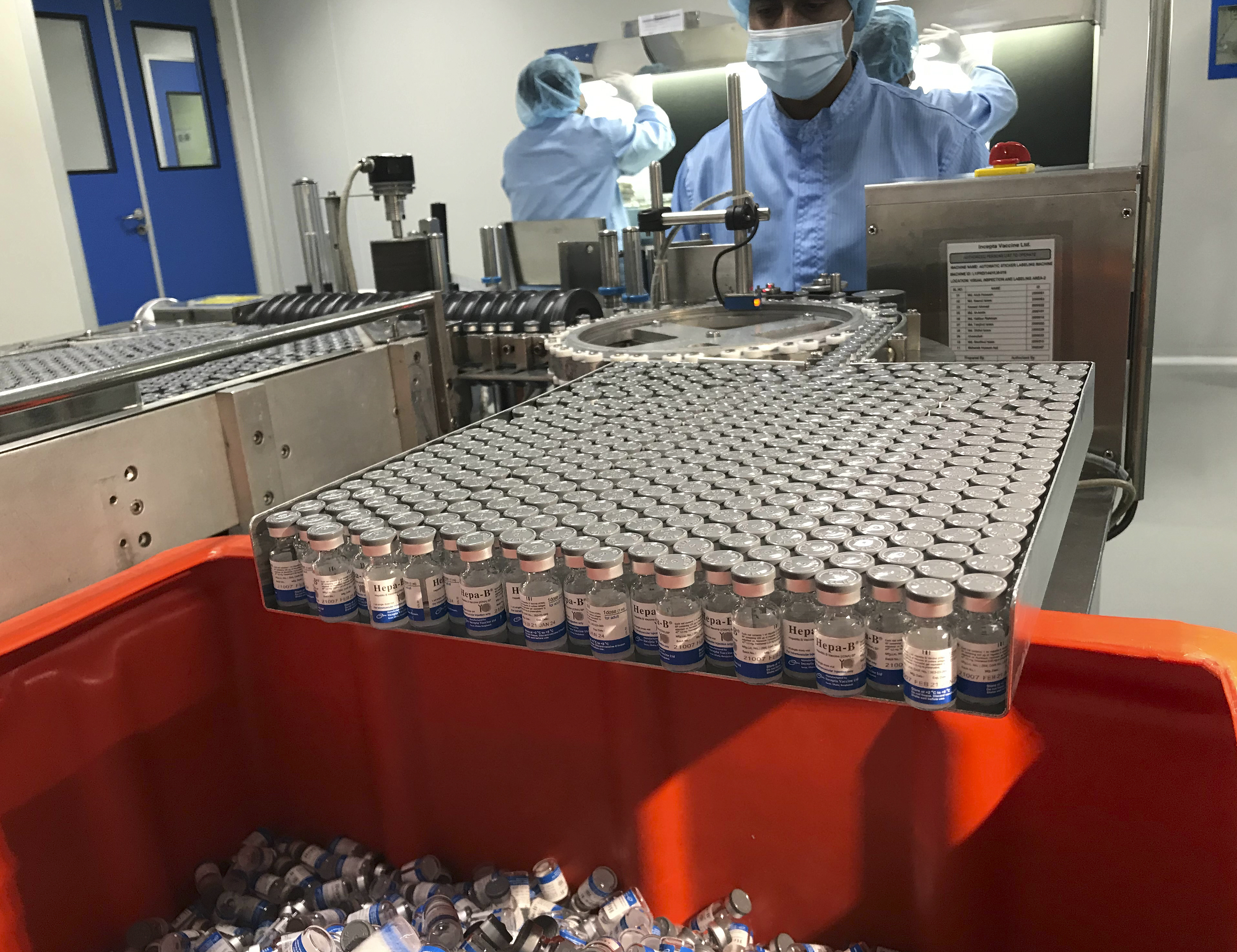
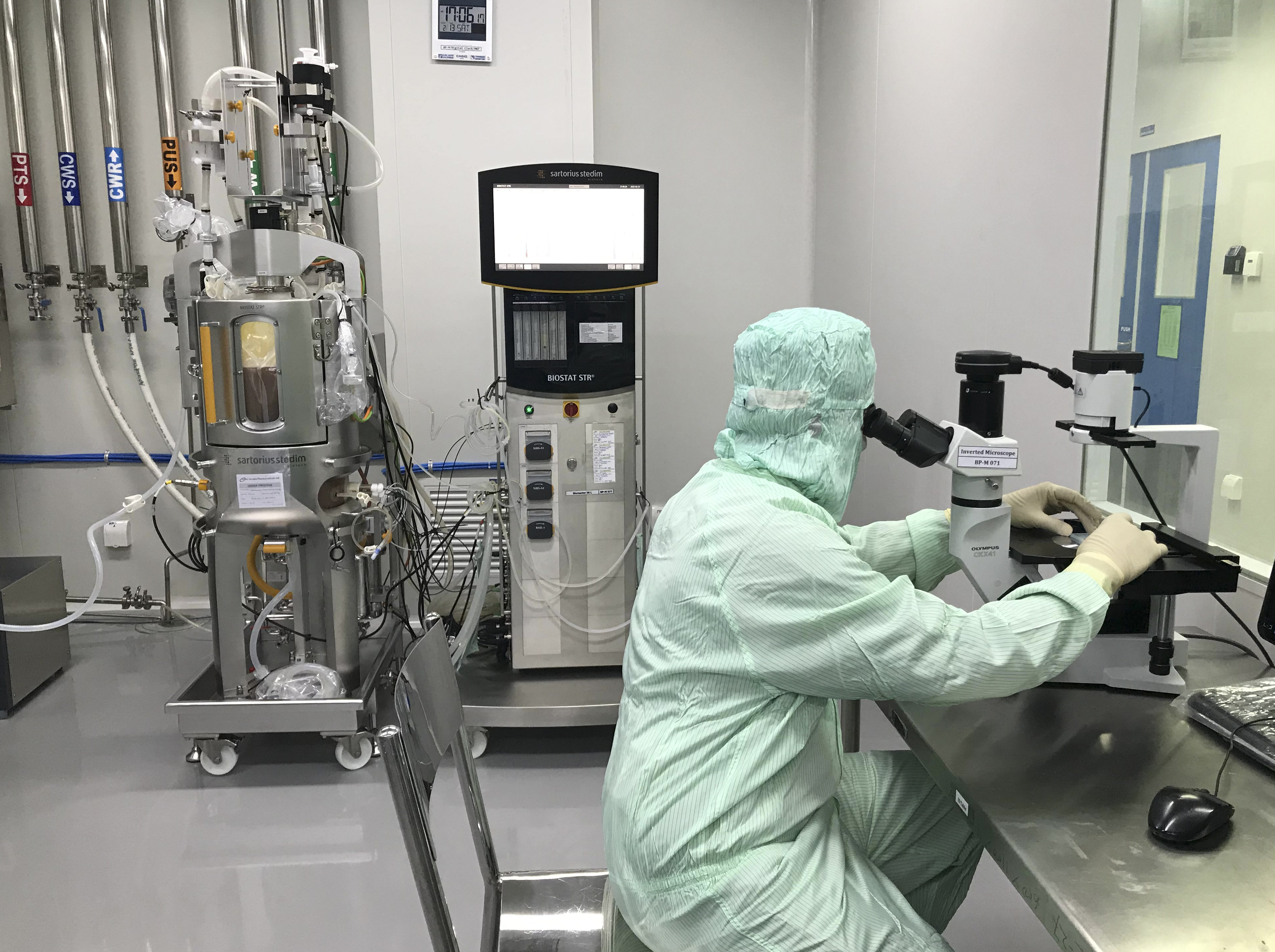
In an industrial neighbourhood on the outskirts of Bangladesh's largest city lies a factory with gleaming new equipment imported from Germany, its immaculate hallways lined with hermetically sealed rooms. It is operating at just a quarter of its capacity.
It is one of three factories that The Associated Press found on three continents whose owners say they could start producing hundreds of millions of COVID-19 vaccines on short notice if only they had the blueprints and technical know-how. But that knowledge belongs to the large pharmaceutical companies who produce the first three vaccines authorised by countries including Britain, the European Union and the US — Pfizer, Moderna and AstraZeneca. The factories are all still awaiting responses.
READ MORE: German hairdressers reopen despite coronavirus fears
Across Africa and Southeast Asia, governments and aid groups, as well as the World Health Organisation, are calling on pharmaceutical companies to share their patent information more broadly to meet a yawning global shortfall in a pandemic that already has claimed over 2.5 million lives. Pharmaceutical companies that took taxpayer money from the US or Europe to develop inoculations at unprecedented speed say they are negotiating contracts and exclusive licensing deals with producers on a case-by-case basis because they need to protect their intellectual property and ensure safety.
Critics say this piecemeal approach is just too slow at a time of urgent need to stop the virus before it mutates into even deadlier forms. WHO called for vaccine manufacturers to share their know-how to "dramatically increase the global supply".
"If that can be done, then immediately overnight every continent will have dozens of companies who would be able to produce these vaccines," said Abdul Muktadir, whose Incepta plant in Bangladesh already makes vaccines against hepatitis, flu, meningitis, rabies, tetanus and measles.
Huge majority of jabs in only 10 rich countries
All over the world, the supply of coronavirus vaccines is falling far short of demand, and the limited amount available is going to rich countries. Nearly 80 per cent of the vaccines so far have been administered in just 10 countries, according to WHO. More than 210 countries and territories with a collective population of 2.5 billion hadn't received a single shot as of last week.
READ MORE: Is COVID to blame for the deadliest avalanche season in the US?
The deal-by-deal approach also means that some poorer countries end up paying more for the same vaccine than richer countries. South Africa, Mexico, Brazil and Uganda all pay different amounts per dose for the AstraZeneca vaccine — more than governments in the European Union, according to studies and publicly available documents. AstraZeneca said the price of the vaccine will differ depending on factors such as production costs, where the shots are made and how much countries order.
"What we see today is a stampede, a survival of the fittest approach, where those with the deepest pockets, with the sharpest elbows are grabbing what is there and leaving others to die," said Winnie Byanyima, executive director of UNAIDS.
In South Africa, home to the world's most worrisome COVID-19 variant, the Biovac factory has said for weeks that it's in negotiations with an unnamed manufacturer with no contract to show for it. And in Denmark, the Bavarian Nordic factory has capacity to spare and the ability to make more than 200 million doses but is also waiting for word from the producer of a licensed coronavirus vaccine.
Governments and health experts offer two potential solutions to the vaccine shortage: One, supported by WHO, is a patent pool modelled after a platform set up for HIV, tuberculosis and hepatitis treatments for voluntary sharing of technology, intellectual property and data. But not a single company has offered to share its data or transfer the necessary technology.
READ MORE: Turkish vaccine teams battle ice and snow to reach isolated villages
The other, a proposal to suspend intellectual property rights during the pandemic, has been blocked in the World Trade Organisation by the United States and Europe, home to the companies responsible for creating the coronavirus vaccines. That drive has the support of at least 119 countries among the WTO's 164 member states, and the African Union, but is adamantly opposed by vaccine makers.
Pharmaceutical companies say instead of lifting IP restrictions, rich countries should simply give more of the vaccines they have to poorer countries through COVAX, the public-private initiative WHO helped create for equitable vaccine distribution. The organisation and its partners delivered its first doses last week — in very limited quantities.
Rich countries clinging to vaccines
But rich countries are not willing to give up what they have. Ursula Von der Leyen, head of the European Commission, has used the phrase "global common good" to describe the vaccines. Even still, the European Union imposed export controls on vaccines, giving countries the power to stop shots from leaving their borders in some cases.
In comments Monday on her first day as director-general of the WTO, Nigeria's Ngozi Okonjo-Iweala said the time had come to shift attention to the vaccination needs of the world's poor.
"We must focus on working with companies to open up and license more viable manufacturing sites now in emerging markets and developing countries," she said, according to notes from her closed-door talk with delegates shared with The Associated Press.
READ MORE: Pfizer vaccine doesn't need to be kept in deep freeze, say US officials
The long-held model in the pharmaceutical industry is that companies pour in huge amounts of money and research in return for the right to reap profits from their drugs and vaccines. At an industry forum last May, Pfizer's CEO Albert Bourla described the idea of sharing IP rights widely as "nonsense" and even "dangerous." AstraZeneca's chief Pascal Soriot said if intellectual property is not protected, "there is no incentive for anybody to innovate."
Thomas Cueni, director general of the International Federation of Pharmaceutical Manufacturers, called the idea of lifting patent protections "a very bad signal to the future. You signal that if you have a pandemic, your patents are not worth anything."
Advocates of sharing vaccine blueprints argue that, unlike with most drugs, taxpayers paid billions to develop vaccines that are now "global public goods" and should be used to end the biggest public health emergency in living memory.
"People are literally dying because we cannot agree on intellectual property rights," said Mustaqeem De Gama, a South African diplomat who has been deeply involved in the WTO discussions.
Paul Fehlner, the chief legal officer for biotech company Axcella and a supporter of the WHO patent pool board, said governments that poured billions of dollars into developing vaccines and treatments should have demanded more from the companies they were financing from the beginning.
"A condition of taking taxpayer money is not treating them as dupes," he said.
Fauci calls for wider measures
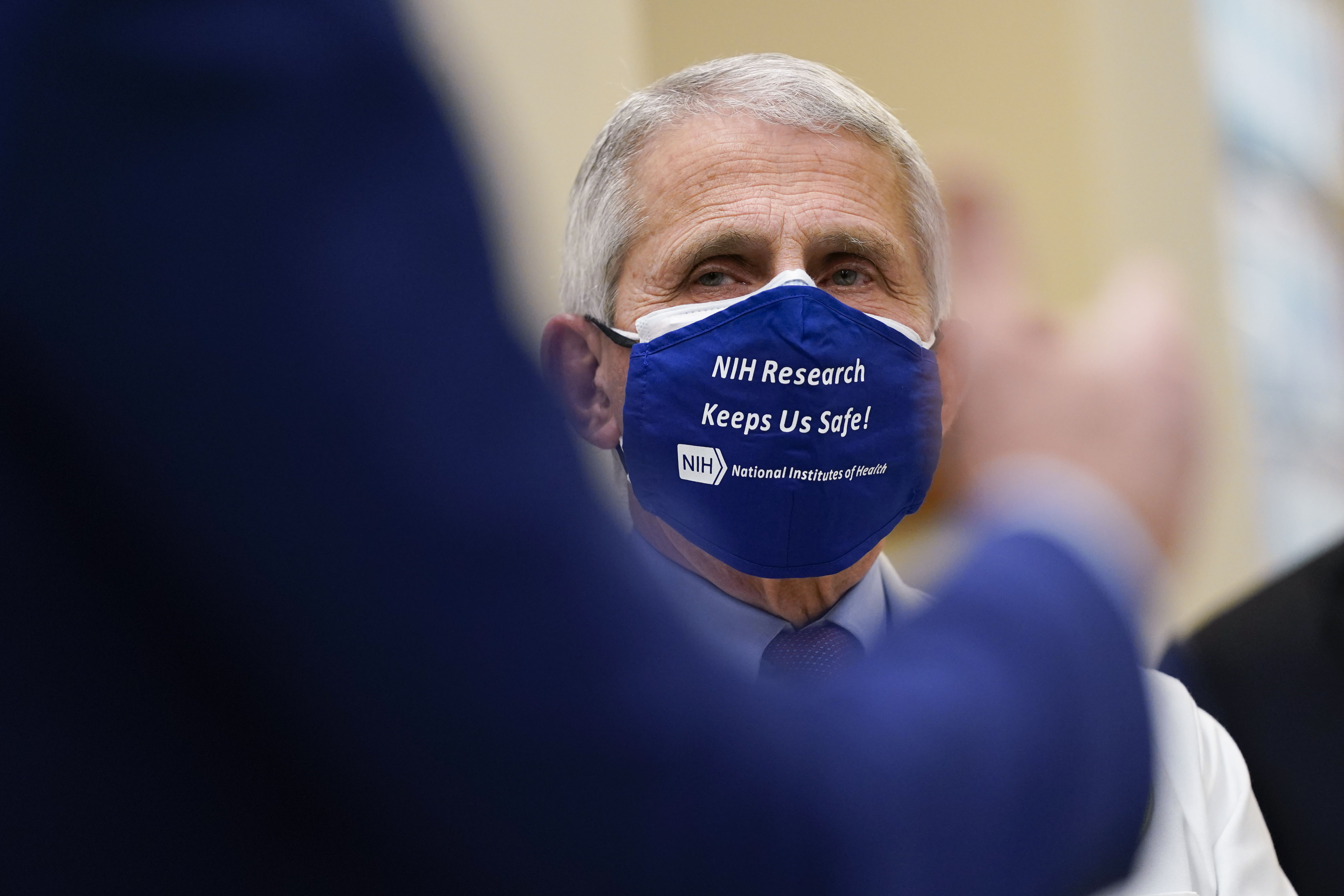
In an interview with the Journal of the American Medical Association, Dr Anthony Fauci, the leading pandemic expert in the United States, said all options need to be on the table, including increasing aid, improving production capacity in the developing world and working with pharmaceutical companies to relax their patents.
"Rich countries, ourselves included, have a moral responsibility when you have a global outbreak like this," Fauci said. "We've got to get the entire world vaccinated, not just our own country."
It's hard to know exactly how much more vaccine could be made worldwide if intellectual property restrictions were lifted, because the spare production capacity of factories has not been publicly shared. But Suhaib Siddiqi, former director of chemistry at Moderna, said with the blueprint and technical advice, a modern factory should be able to get vaccine production going in at most three to four months.
"In my opinion, the vaccine belongs to the public," said Siddiqi. "Any company which has experience synthesising molecules should be able to do it."
Back in Bangladesh, the Incepta factory tried to get what it needed to make more vaccines in two ways, by offering its production lines to Moderna and by reaching out to a WHO partner. Moderna did not respond to multiple requests for comment about the Bangladesh plant, but its CEO, Stéphane Bancel, told European lawmakers that the company's engineers are fully occupied on expanding production in Europe.

"Doing more tech transfer right now could actually put the production and the increased output for the months to come at great risk," he said. "We are very open to do it in the future once our current sites are running."
Muktadir said he was also in discussions last May with CEPI, or the Coalition for Epidemic Preparedness Innovations, one of WHO's partners in a global effort to buy and distribute COVID-19 vaccines fairly, but nothing came of it. CEPI spokesman Tom Mooney said the talks last year with Incepta didn't raise interest, but that CEPI is still in discussions "about matchmaking opportunities including the possibility of using Incepta's capacity for second wave vaccines."
Muktadir said he fully appreciates the extraordinary scientific achievement involved in the creation of vaccines this year, wants the rest of the world to be able to share in it, and is willing to pay a fair price.
"Nobody should give their property just for nothing," he said. "A vaccine could be made accessible to people — high quality, effective vaccines."
Police ordered to pay $10,000 for prosecuting one of their own
Police have been ordered to pay one of their own nearly $10,000 after their prosecution of his alleged domestic violence showed “clear negligence”.Judge Kevin Phillips, who made the costs order, said police had been “blinkered”…
Don’t wait, vaccinate: 20,000 more COVID-19 doses arrive in the Federation
BASSETERRE, St. Kitts — Now that the Federation of St. Kitts and Nevis has secured an additional 20,000 doses of the AstraZeneca-Oxford University COVID-19 vaccine from the Government of the Republic of India, Prime Minister Dr. the Honourable Timothy Harris is urging even more citizens and residents to step forward and accept the vaccination jab.
The vaccines arrived via the RSS aircraft earlier on March 1, and were handed over to the Government of St. Kitts and Nevis by His Excellency Dr. K. J. Srinivasa, High Commissioner of the Republic of India accredited to the Federation.
“To my fellow citizens and residents, I say it is now up to you to play your part in striking the final blows against COVID-19,” said Hon. Harris. “You can play an effective part by being vaccinated. Already, more than 600 plus of our citizens and residents have had their first vaccination shots, including Government and key frontline workers. This is a good start to be sure, but we need many more people to come forward,” Prime Minister Harris said during the handing over ceremony held at the Robert L. Bradshaw International Airport.
Monday’s ceremony was attended by Cabinet ministers, members of the National COVID-19 Task Force, health and tourism officials, and representatives of the media.
Prime Minister Harris said that through this generous donation, St. Kitts and Nevis now has a chance to put the COVID-19 pandemic in the rear view mirror.
“Let us not wait any longer for we now have 20,000 doses available,” said Dr. Harris. “The message then is quite simple, ‘Don’t wait, vaccinate.’ Don’t wait to protect your loved ones, vaccinate. Don’t wait to get our economy fully operational again, vaccinate. Don’t wait to get back to your way of life. vaccinate. Don’t wait to protect your family. vaccinate. Don’t wait to protect your health, vaccinate. Don’t wait any longer for COVID-19 to go away, the answer is to vaccinate.”
Prime Minister Harris used his own personal experience, as one of the first persons in St. Kitts and Nevis to take the vaccine jab, to dismiss the concerns of some members of society.
“I had the vaccine last Monday, February 22, so have several other members of the Cabinet of St. Kitts and Nevis and I feel fine,” said Dr. Harris. “So fine that last Monday and everyday thereafter I worked late every night after taking the vaccine and I continued my very busy schedule of activities.”
Vaccinations are now being administered at the Newtown, Basseterre, Sandy Point, and Tabernacle Health Centres in St. Kitts; and the Charlestown, Gingerland, and Combermere Health Centres in Nevis.
According to Prime Minister Harris, with the arrival of the 20,000 doses of vaccine, the Government intends to expand the number of centres to which persons can go to get vaccinated.
The post Don’t wait, vaccinate: 20,000 more COVID-19 doses arrive in the Federation appeared first on The St Kitts Nevis Observer.
Delta Air Lines to pay out thousands of dollars to managers — but not to pilots or other workers
Frontline workers including flight attendants, pilots and others in non-managerial positions will not receive bonuses.
Covid 19 coronavirus: Manukau student leader asks Kiwis to lay off South Auckland
A Manukau student leader has made a heartfelt plea to New Zealanders to stop criticising South Auckland over the latest Covid-19 outbreak.Micah Sili, student council president at Manukau Institute of Technology (MIT), asked for…
Covid 19 coronavirus: Fate of rulebreakers falls to Ashley Bloomfield; KFC worker, Jacinda Ardern at odds over advice
VIRUS LATEST* ‘Ready and willing’: Business leaders demand details on government’s Covid recovery plan * ‘Give South Auckland a break’ – MIT leader * Four families, one school and a rule breaker: Papatoetoe cluster unravelled…
Abuse in Care Inquiry believes Lake Alice records missing
The Abuse in Care Inquiry believes there may be more than 100 undocumented people who spent time at the Lake Alice Psychiatric Hospital’s child and adolescent unit. It was revealed last year the number of people abused in care…
Herald morning quiz: March 2
Test your brains with the Herald’s morning quiz. Be sure to check back on nzherald.co.nz at 3pm for the afternoon quiz. To challenge yourself with more quizzes, CLICK HERE.
Green Wellington City councillor reconsiders controversial library vote
Green Wellington City councillor Laurie Foon has reconsidered her controversial vote supporting a proposal to privatise part of the central library building. It comes as some councillors are desperately seeking advice from council…