Another person linked to the current Auckland cluster has tested positive for Covid-19, health officials say. The affected person – referred to as Case O – has been in quarantine since last Tuesday (February 23); as they are a household…
All posts by FreeNews
Luxury car turned into fireball in possible deliberate attack
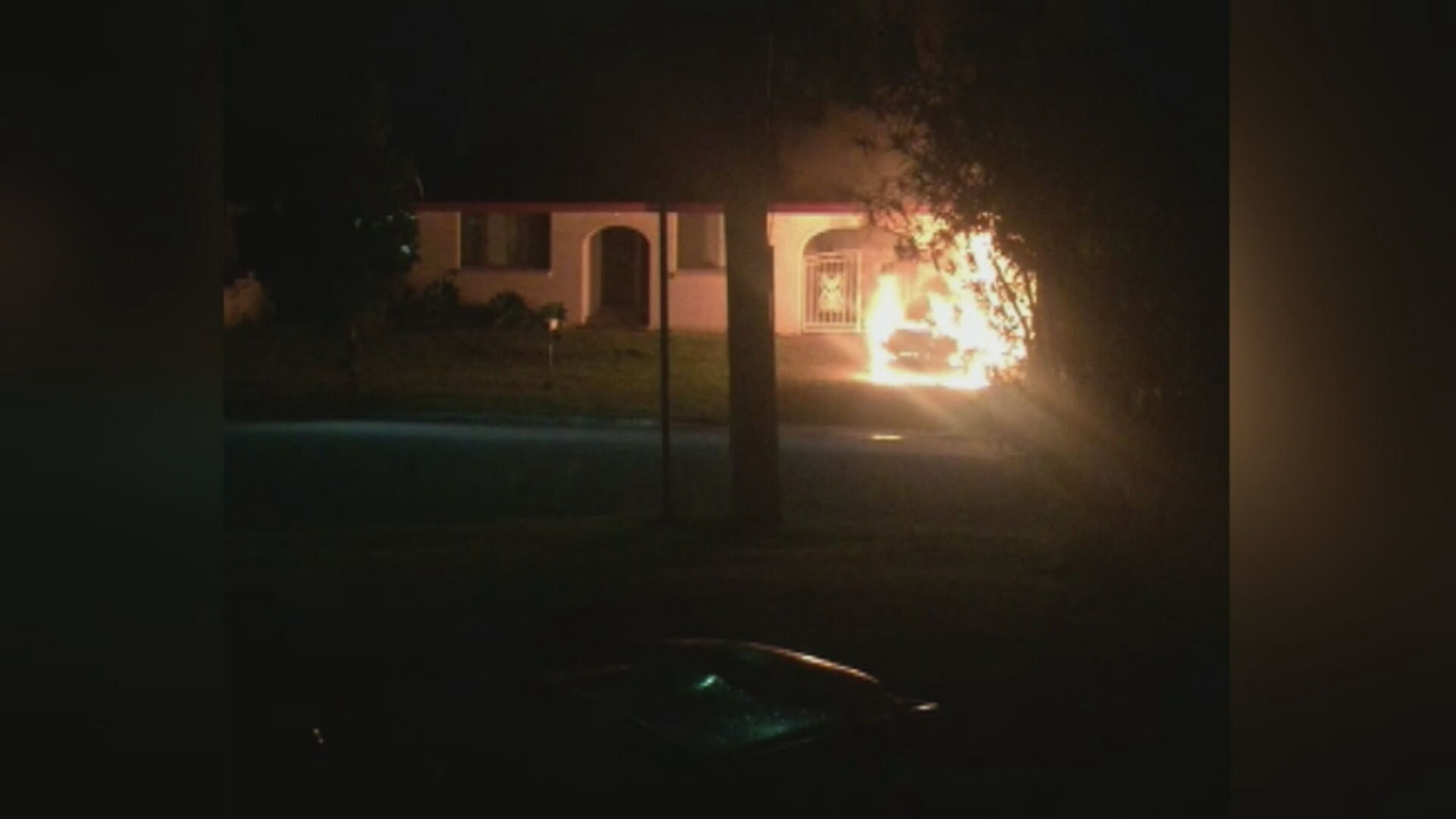
A fireball has erupted on a quiet Gold Coast street overnight, with a luxury car going up in flames in what's suspected to be a targeted attack.
A white hot glow engulfed the Tesla on a Broadbeach Waters driveway overnight.
Neighbours were woken by loud bangs and filmed the fire on their mobile phones.
READ MORE: First shipment of AstraZeneca vaccine lands in Australia
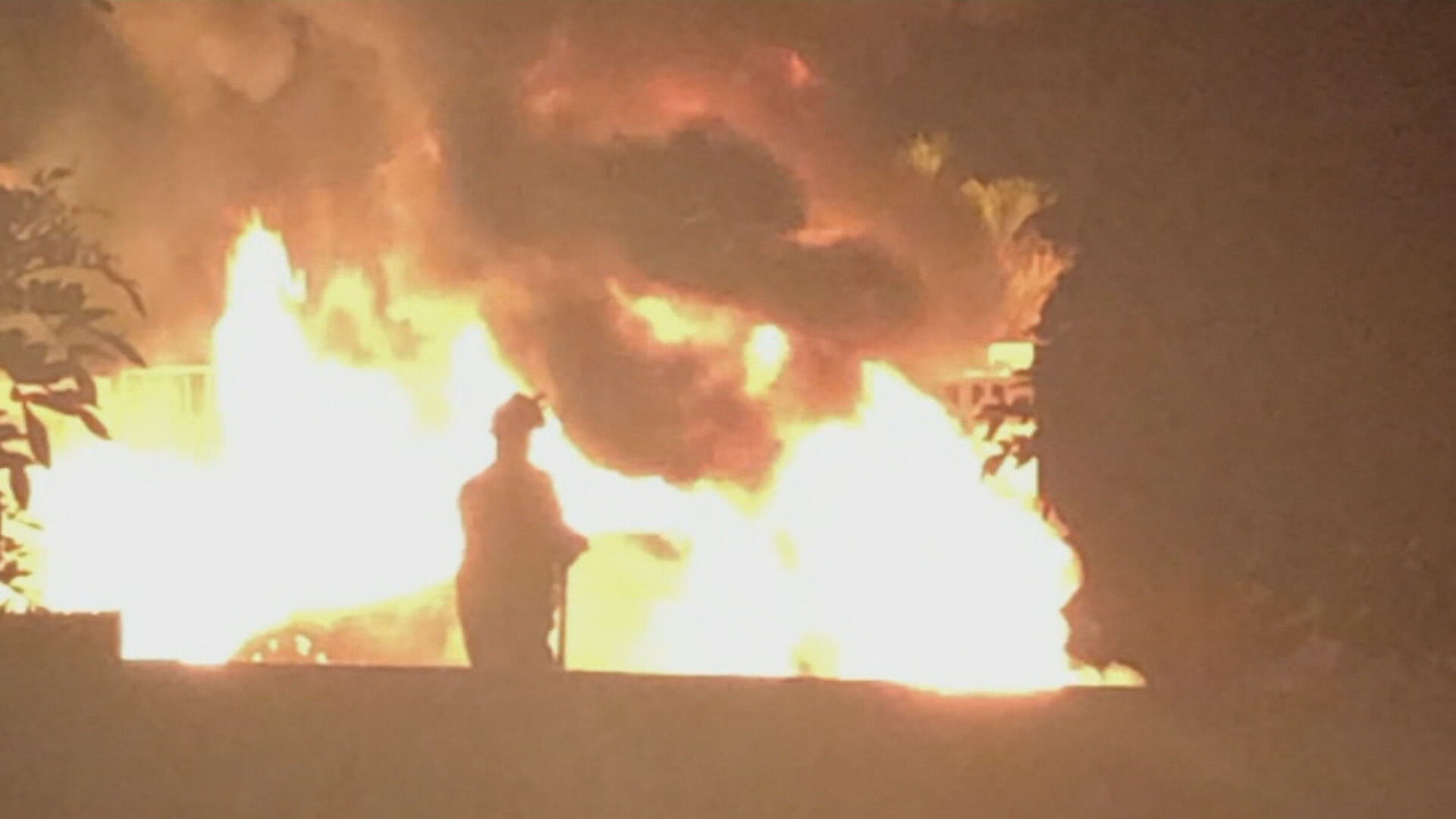
"I hope this guy knows it's been exploding," one could be heard saying.
Fire crews received calls for help about 2.30am on Sunday.
Graeme Stoner from Queensland Fire and Emergency Services said the incident was being investigated.
"There are suspicious circumstances, Queensland Police have been made aware and the matter is under investigation," he said.
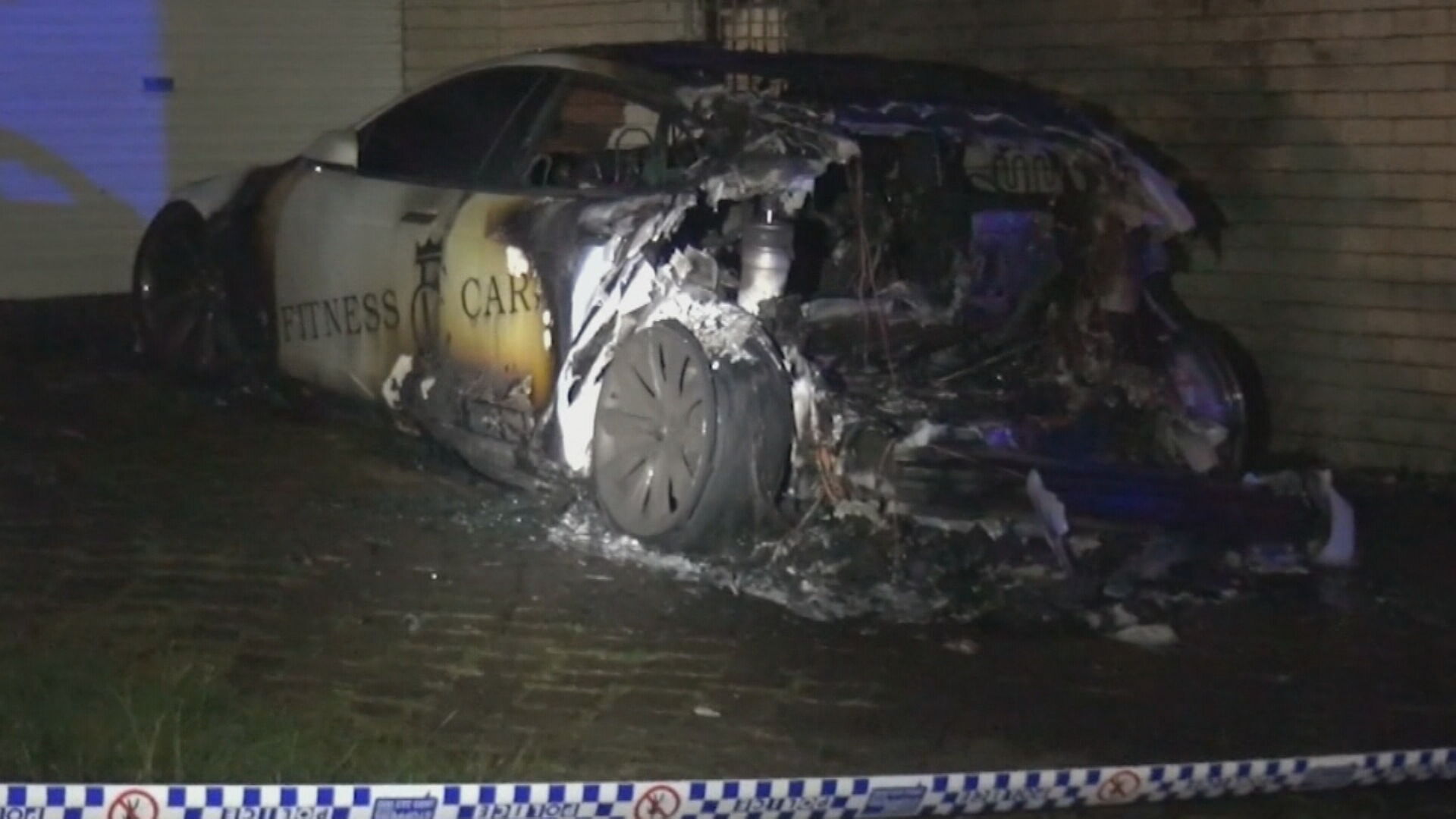
As daylight broke, the true extent of the damage was made clear.
Shattered glass, the back of the car turned to ash, the entire vehicle now a molten wreck.
Part of the logo of the owners' new business, Fitness Cartell, is now barely visible.
The owners were out of town for the night, believed to be in Noosa for a party, and told neighbours they were concerned when they left that something might happen.
READ MORE: NSW Police widen search for Melissa Caddick's remains

It is not the first time a luxury car at the home has been targeted.
A McLaren was vandalised in November, spray painted with the word "dog".
Police say an arson investigation is underway.
Timeline: The year of Covid-19 in New Zealand
One year on from the first Covid-19 case announced in New Zealand, we take a day-by-day look back at the unfolding of the pandemic in this country.While a historic case was later classified as New Zealand’s first Covid case – as…
Covid 19 coronavirus: Warning after out-dated testing letter circulating on social media
An outdated Covid-19 fact sheet is circulating on social media advising people not to worry about isolating after getting a test.The fact sheet is legitimate but issued prior to October last year and a spokesperson for Northern…
Images reveal damage caused by Biden's first military action
The windows blew open. The building shook. At 1:30 a.m. local time Friday, a resident of al-Bukamal, a city near the Syrian-Iraqi border, was jarred from his sleep.
Speaking under the condition of anonymity for security reasons, he said the explosions were unlike anything he had heard before.
What he likely heard was the sound of seven 500-pound bombs slamming into a compound near the border. The compound, according to the Pentagon, was used by two Iranian-affiliated Iraqi militias, Kata'ib Hezbollah and Kata'ib Sayyid Al-Shuhada.
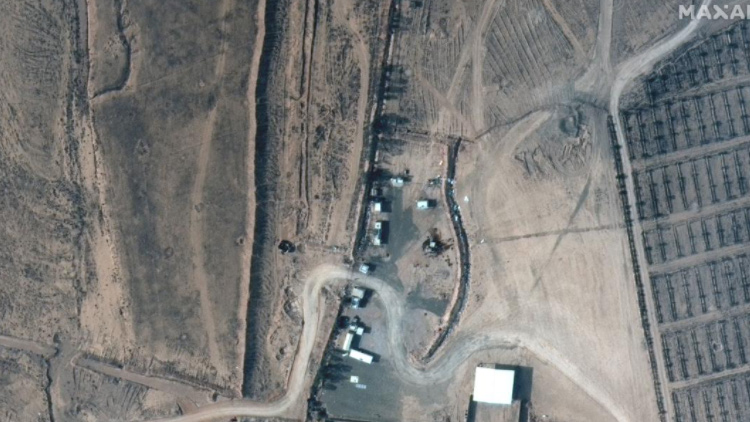
Before-and-after satellite images released by Maxar Technologies, a space technology company, show vividly just how much destruction those bombs wrought.
The "before" image shows a compound, just over a third of a kilometre from the Iraqi border, containing around a dozen buildings of various sizes. In the "after" image, almost all the buildings have been destroyed, and the dirt in and around the compound blackened by the blasts.
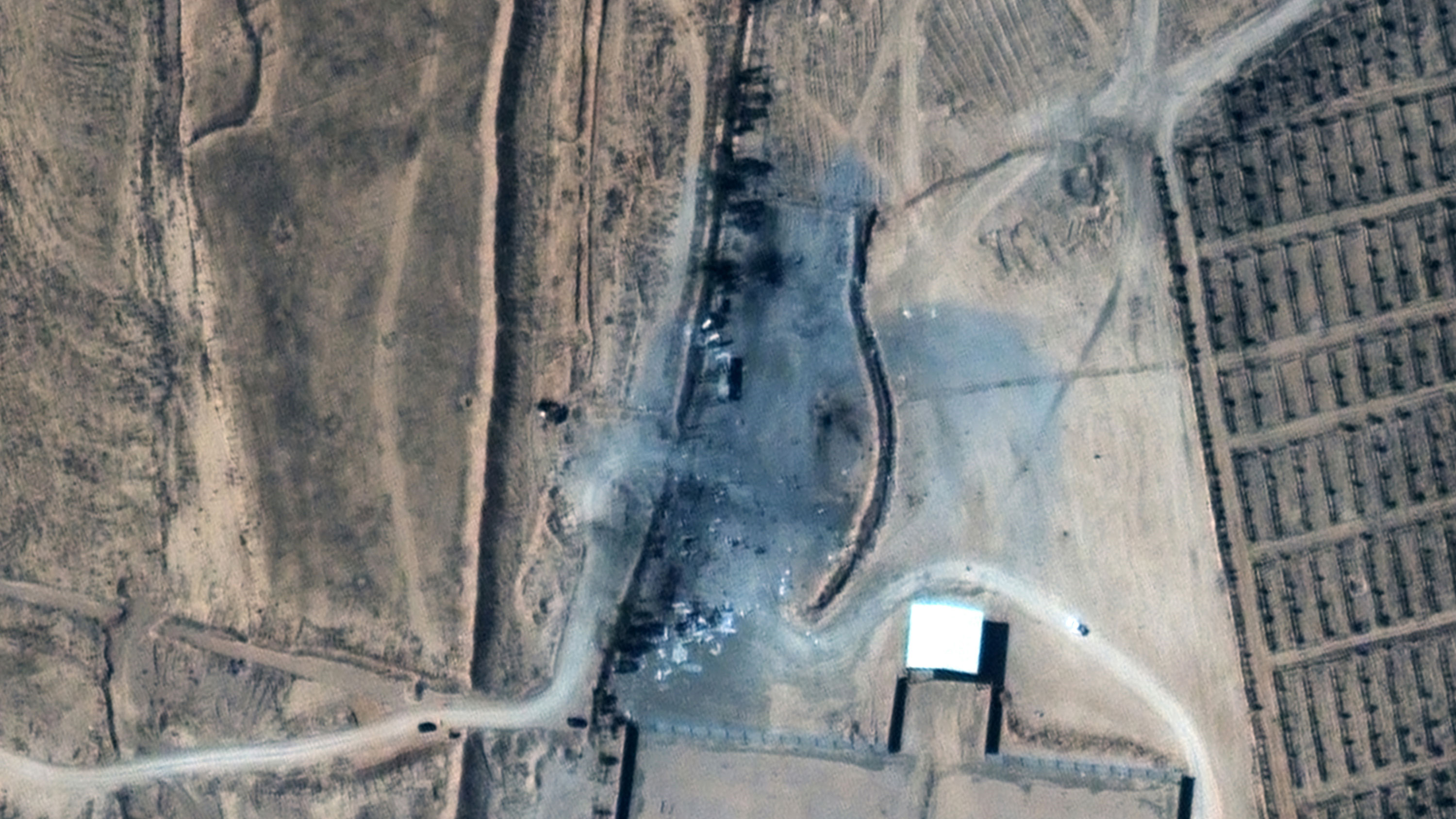
It's unclear how many militiamen were killed. Kata'ib Hezbollah acknowledged only one dead, without specifying where on the Iraqi-Syrian border he died. A US official said "up to a handful" were killed, while other reports claim anywhere between 17 and 22 people died.
The Pentagon says the strike was intended as a US response to a series of recent rocket and mortar attacks on US and coalition positions in Iraq.
On February 15, a volley of rockets fell within the grounds of Erbil's international airport and in residential parts of the city, killing a contractor while wounding several US personnel and Iraqi civilians.
The Green Zone in Baghdad, where the American embassy is located, has been a regular target for mortar and rocket fire. Kata'ib Hezbollah has repeatedly denied any involvement in these attacks, and did so again in a statement released Friday.
Pentagon officials told CNN the compound it targeted was not linked to these attacks but Secretary of Defense Lloyd Austin said he was "confident" it was used by the same militias targeting US and coalition forces in Iraq with rocket attacks.
The armed groups allegedly using it, Kata'ib Hezbollah and Kata'ib Sayyid Al-Shuhada, are just two of a myriad of militias that came to prominence during the war against ISIS in Syria and Iraq, filling the void left by an Iraqi army that was in full retreat.
I spent large stretches of time in 2015 and 2016 with some of those militias as they battled their way north from Baghdad. Some were well organised and disciplined, others radical and volatile.
Their commanders were never shy about the support they received from Iran.
"Yes, we declare to the world, we have Iranian advisers," Hadi Al-Amari, a senior commander of the pro-Iranian Iraqi Badr Brigades told me in 2015 on the front lines outside the city of Tikrit, then under ISIS control. "We're proud of them and we thank them deeply for participating with us."
Nearby, I ran into an Iranian in combat fatigues, who told me in broken Arabic he was a volunteer.
One militia commander told me told me at the time, "it was better to have four Iranian advisers on the front line than 400 American advisers sitting in the Green Zone in Baghdad."
But that was a different time. The Iranian nuclear agreement was being negotiated. The US and Iran were working, not together but in parallel, to support the Iraqi government in the fight against ISIS.
Since then, the Iraqi militias backed by Iran have grown ever more powerful, while relations between Washington and Tehran have dramatically deteriorated.
The US pulled out of the nuclear agreement under the Trump administration, slapped ever more draconian sanctions on Iran, and on several occasions was on the brink of war, most starkly after the US assassinated in January 2020 Qasem Soleimani, the head of Iran's Quds Force, and Abu Mahdi Al-Muhandis, deputy head of the Iran-backed Iraqi Popular Mobilization Forces, one of the leaders of the Badr Brigades and a founder of Kata'ib Hezbollah, near Baghdad's airport.
Now the US finds itself in a situation where it hopes to make it clear it won't tolerate more attacks by Iranian-backed militias on its positions in Iraq, but at the same time wants to reopen a dialogue with Iran. Sending that message without burning the bridges it's trying to build to Tehran will be no easy task.
Friday's strike was the first known military action taken by the Biden administration, making it the seventh US administration in a row to use military force in the Middle East.
Administrations in Washington come. Administrations in Washington go. Some things, however, never change.
Ten death row inmates in Oklahoma could get new trials
As many as 10 death row inmates in Oklahoma, more than one-fifth of the state’s prisoners condemned to die, could escape execution because of a recent US Supreme Court ruling concerning criminal jurisdiction in Indian Country.
The inmates have challenged their convictions in state court following the high court’s ruling last year, dubbed the McGirt decision, that determined a large swath of eastern Oklahoma remains an American Indian reservation.
The decision means that Oklahoma prosecutors lack the authority to pursue criminal charges in cases in which the defendants, or the victims, are tribal citizens.
Among the inmates likely to get a new trial in federal court is Shaun Michael Bosse, 38, who was convicted and sentenced to death in the 2010 killing of Katrina Griffin and her two young children. The victims were all found inside a burning mobile home near Dibble, about 56km south of Oklahoma City.
Dozens of other inmates convicted in non-death penalty cases also are seeking to have their convictions tossed, which is expected to result in a dramatic increase in the workload of federal prosecutors.
Although Bosse is not a tribal citizen, the court determined that Griffin and her children were Native Americans and that the crime occurred on land inside the Chickasaw Nation’s historic reservation.
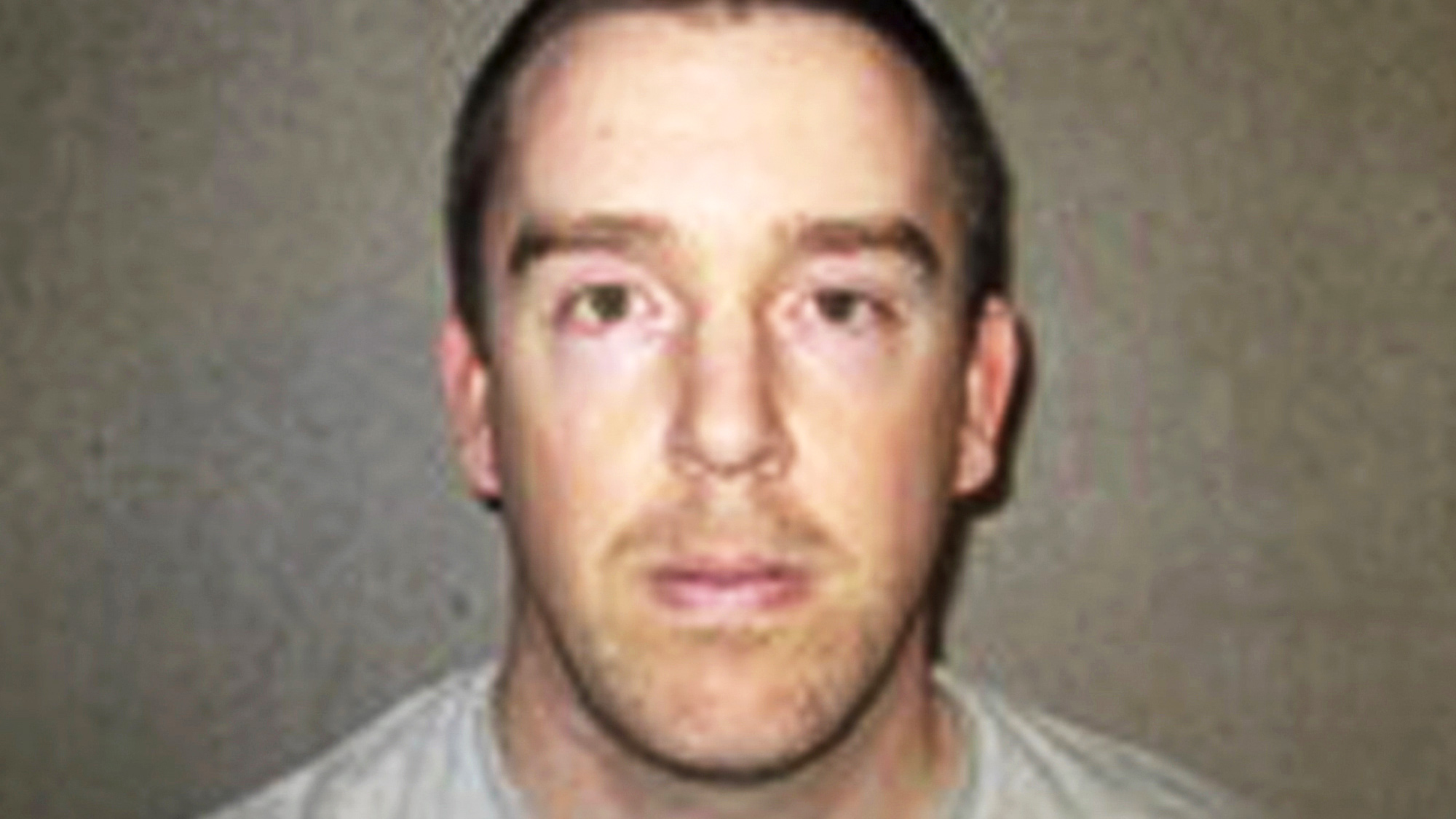
The decision is particularly frustrating to District Attorney Greg Mashburn, whose office prosecuted Bosse.
“He’s benefiting from the people he killed,” Mashburn said. “It would be a travesty of justice if he got anything less than death.”
Mashburn said another trial would also re-victimise Griffin's family, who were pleased with the outcome of the state trial.
“Unfortunately, the law doesn't ask their opinion," Mashburn said.
Stephen Greetham, an attorney for the Chickasaw Nation, said Griffin’s family has reached out to the tribe with concerns that Bosse could escape his death sentence. But he says the tribe has no say in that case because Bosse is not American Indian.
“He’s not subject to our jurisdiction, so it’s entirely at the discretion of the federal prosecutor,” Greetham said.
The cases of Bosse and nine other death row inmates are being re-examined in district court to determine if the defendant or victims are enrolled members of a federally recognised tribe and if the crime occurred on a tribal reservation, according to the attorney general's office.
If those conditions are met, it's likely the Oklahoma Court of Criminal Appeals will toss the convictions and force the cases to be retried in federal court where obtaining a death sentence is much more difficult.
Although federal prosecutors have the authority to pursue the death penalty under certain circumstances, if the killing is determined to have occurred on tribal lands, the tribal nation must also agree to allow the death penalty.
While some Oklahoma-based tribes have indicated they're considering that option, only one tribe — the Sac & Fox Nation of Oklahoma — has explicitly authorised the death penalty in federal cases.
“The Sac & Fox Nation has always been a law-and-order tribe," said Carter Truman, an American Indian law expert and former prosecutor with the Sac & Fox Nation.
“Our position was, if one of the most serious federal crimes was committed and you had a dangerous individual defendant accused of committing that crime, the death penalty should be an option."
But none of the crimes committed by the death row inmates seeking to have their convictions thrown out took place on Sac & Fox land. U.S. Attorney Trent Shores said having to retry these cases, particularly some that are decades old, could pose unique challenges because of fading witness memories or stale evidence.
“In theory, a blueprint is there for how to present this case and how to successfully convict this individual, but it’s not without inherent problems because of the time that has passed since the original crime," Shores said.
Maria Kolar, an Oklahoma City University professor with expertise in capital punishment as both a prosecutor and defense attorney, agreed retrying cases in federal court will be a challenge for federal prosecutors.
“I think it’s going to be a tall order for a lot of these cases, and the older the case, the bigger the challenge," Kolar said. “They’ll get into issues like witness availability, witness memory."
COVID-19 vaccination rollout: Over 600 persons already vaccinated
BASSETERRE, St. Kitts — St. Kitts and Nevis, which aims to have 70 percent of its population vaccinated against COVID-19, is on track to achieve the milestone with more than 600 people vaccinated since February 22, when the vaccine rollout was launched at the New Town Community Centre in Basseterre.
“For the week so far, more than 600 people have gone to get their vaccination,” said Prime Minister Dr. the Hon Timothy Harris on February 27. “Over 600 persons, and ask yourself ‘600 have gone, why not me?’ What are you waiting for? I want to encourage you by and large to be part of the programme and go quickly. The life you save may very well be your own.”

Prime Minister Harris gave the information at the Ottley’s hardcourts at the end of the Prime Minister’s Monthly Health Walk, which had taken participants from Bellevue to Ottley’s in Constituency Number Seven. A special session was held to sensitise walk participants and members of the public on the importance of being vaccinated.
“The vaccine is good for you, and that is why the entire government ministers have gone to get the vaccine,” assured Dr. Harris. “That is why close to 30 medical doctors, some of them you know, have gone to take this vaccine. Do not be the one that is left out, for when you look at some who are going and some who are yet to go, you have to wonder if people are not noticing.”
Also addressing walk participants and telling them about the Oxford/AstraZeneca COVID-19 Vaccine were Minister of Health, the Hon. Akilah Byron-Nisbett; Permanent Secretary in the Ministry of Health, Dr. Delores Stapleton-Harris; National HIV/AIDS Programme Coordinator and Health Educator, Dr. Mathias Afortu-Ofre, medical practitioners Dr. Dail Crawford, and Dr. Leroy Richardson; and District Medical Officer and Deputy Speaker, Dr. Bernicia Nisbett.
According to Dr. Harris, the vaccine is being provided free of cost, while it is coming at a very high price. Organisation of the Eastern Caribbean States countries will receive 125,000 on February 28 from India, costing EC $700,000 bought through the Eastern Caribbean Central Bank (ECCB). Prime Minister Harris, who is chairman of the ECCB Monetary Council, had stated earlier in the week that the Federation would receive 41,600 doses of the vaccines, which is in addition to 2,000 doses it had previously received.
“The world is changing rapidly, you now have to carry your negative test to most countries when you are travelling,” said Dr. Harris. “I believe the next step, once you want to travel; you are going to have to show that you have been vaccinated. Do not wait until you find yourself in an emergency to be looking to say you want to get vaccinated.”
Prime Minister Dr. Harris informed walk participants that a vaccination session was taking place that morning between 9:00 a.m. and 11:30 a.m., at the New Town Health Centre, where a number of security force officers, from the Prisons, Police, and Fire and Rescue Services were going to get their vaccine. He noted that the government wants the entire country to be vaccinated.
“You have in this constituency the opportunity to get vaccinated at the Molineux Health Centre, and at the Tabernacle Health Centre,” said Dr. Harris. “At least those are two places, but I am sure if you go to any health centre, you will not be turned back, and we want to increase.”
Dr. Harris inviting people to join him at the St. Kitts Nevis Anguilla National Bank 50th Anniversary church service. It will be held at the Rivers of Living Water Christian Centre in Lime Kiln, West Basseterre, on Sunday February 28 at 5:00 p.m.
“If you can make it, you are invited,” said Dr. Harris.” Please wear your mask. Until we reach what Dr. Crawford called, ‘herd immunity,’ that is having at least 70 percent of the people in the country vaccinated; you will still need to wear your mask.”
Dr. Harris advised people to continue to wear masks after they take vaccines, “because remember, until a certain number has done it, they will put all of us at risk. That is why you have to be encouraging your friends, your family members so that they will be part of the circle of people you know who are vaccinated. That is why the entire Cabinet has been vaccinated. When we are sitting down at the table, we know all of us have done what we can to protect ourselves.”

The post COVID-19 vaccination rollout: Over 600 persons already vaccinated appeared first on The St Kitts Nevis Observer.
Fears vaccine hubs could be 'targeted' as online chatter spikes
It's feared anti-vaxxers could target COVID-19 vaccine storage hubs, with online activity from protesters spiking in recent days.
A special team of AFP detectives has been appointed by the Federal Government to watch the online interactions of the anti-vaccination "movement".
Previously, those interactions had measured about 200 a day, but recently that had skyrocketed to 6000 a day.
READ MORE: 'Too soon' for states to take over vaccine responsibility
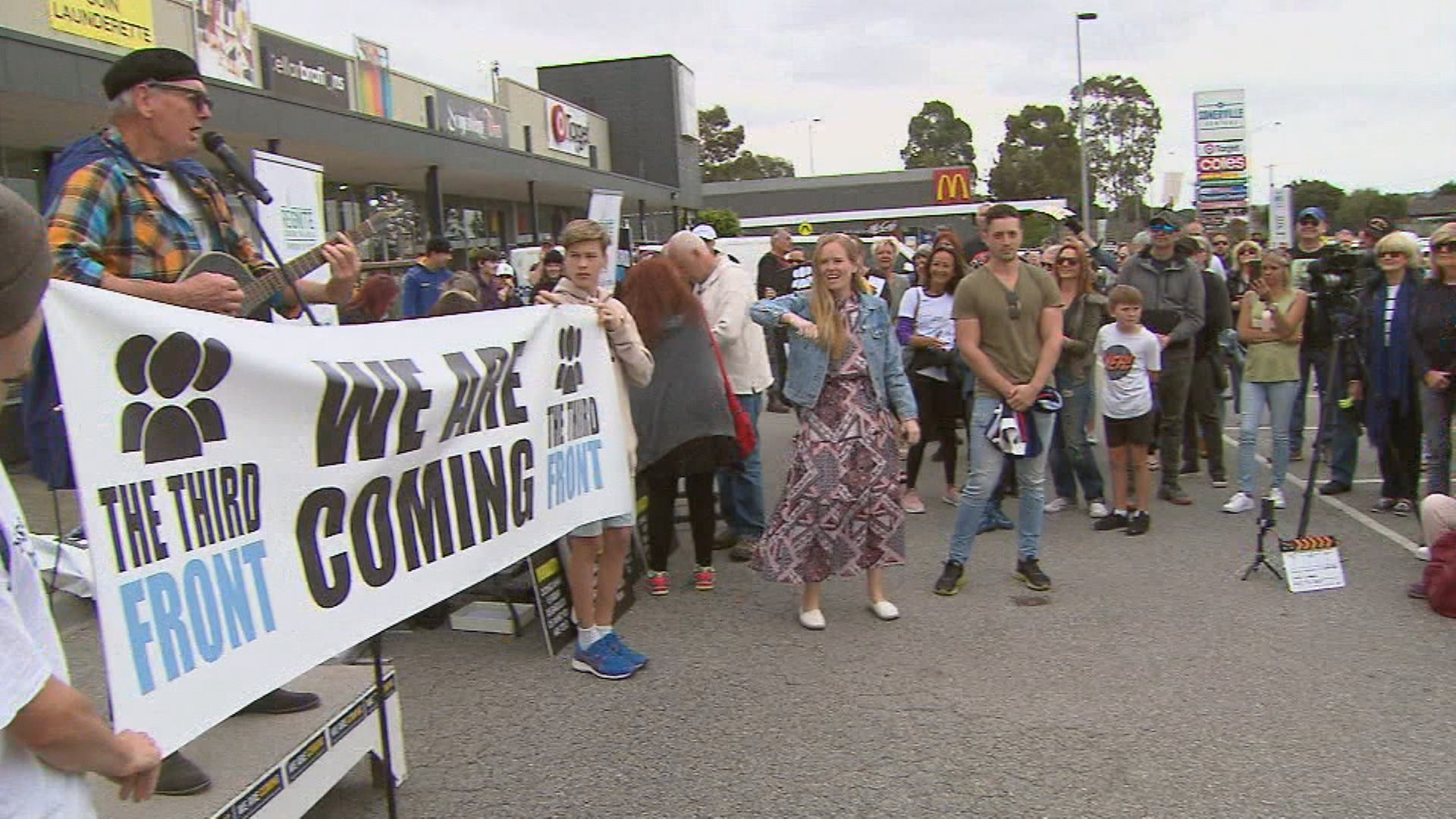
An anti-vaccination protest was held in Melbourne last week, while yesterday, a peaceful protest with about 200 people was staged outside Health Minister Greg Hunt's office.
Among the fears of some anti-vaxxers is the idea that the COVID-19 jab could alter a person's DNA.
"It's basically about informed consent," one of the protesters outside Mr Hunt's office said yesterday.
Almost 30,000 Australians have been vaccinated already, but the rollout has not been without its dramas.
READ MORE: More than 120 doses of Pfizer vaccine thrown out at aged care home
Two elderly people in Queensland were given an overdose of the vaccine last week by a doctor who had not had the proper training.
And 125 doses of the Pfizer vaccine had to be tossed out in Melbourne after an aged care home received more than double the supply of required vials.
Other aged care residents have been left waiting after believing they were set to receive the vaccine last week.
But NSW Health Minister Brad Hazzard said despite the federal bungles, it was too soon to talk about the states taking over vaccine delivery.
"The fair thing to say is we need to give the Federal Government time," he said.
"You've got to expect that in a one-in-100-years situation that there will be hiccups."
US Congress passes $2.47 trillion COVID relief package
The House of Representatives voted early Saturday morning to approve President Joe Biden's US$1.9 trillion ($2.47 trillion) pandemic aid package, a major step toward enacting the first legislative priority of the new administration as the devastating fallout from the spread of COVID-19 has left Americans in dire need of further relief.
The final vote tally was 219-212. Two Democrats broke ranks and voted against the bill: Kurt Schrader of Oregon and Jared Golden of Maine. The bill did not pass with bipartisan support as no Republicans voted for it.
Now that the bill has passed the House it will next go to the Senate.
READ MORE: Single shot COVID-19 vaccine approved in US
Making the effort more complicated, the Senate is expected to strip out a provision in the legislation increasing the federal minimum wage after the Senate parliamentarian ruled against including it under the procedure known as reconciliation, which Senate Democrats are using to pass the bill with a simple majority vote. The bill would then have to go back to the House for a separate vote before it could go to Mr Biden to be signed into law.
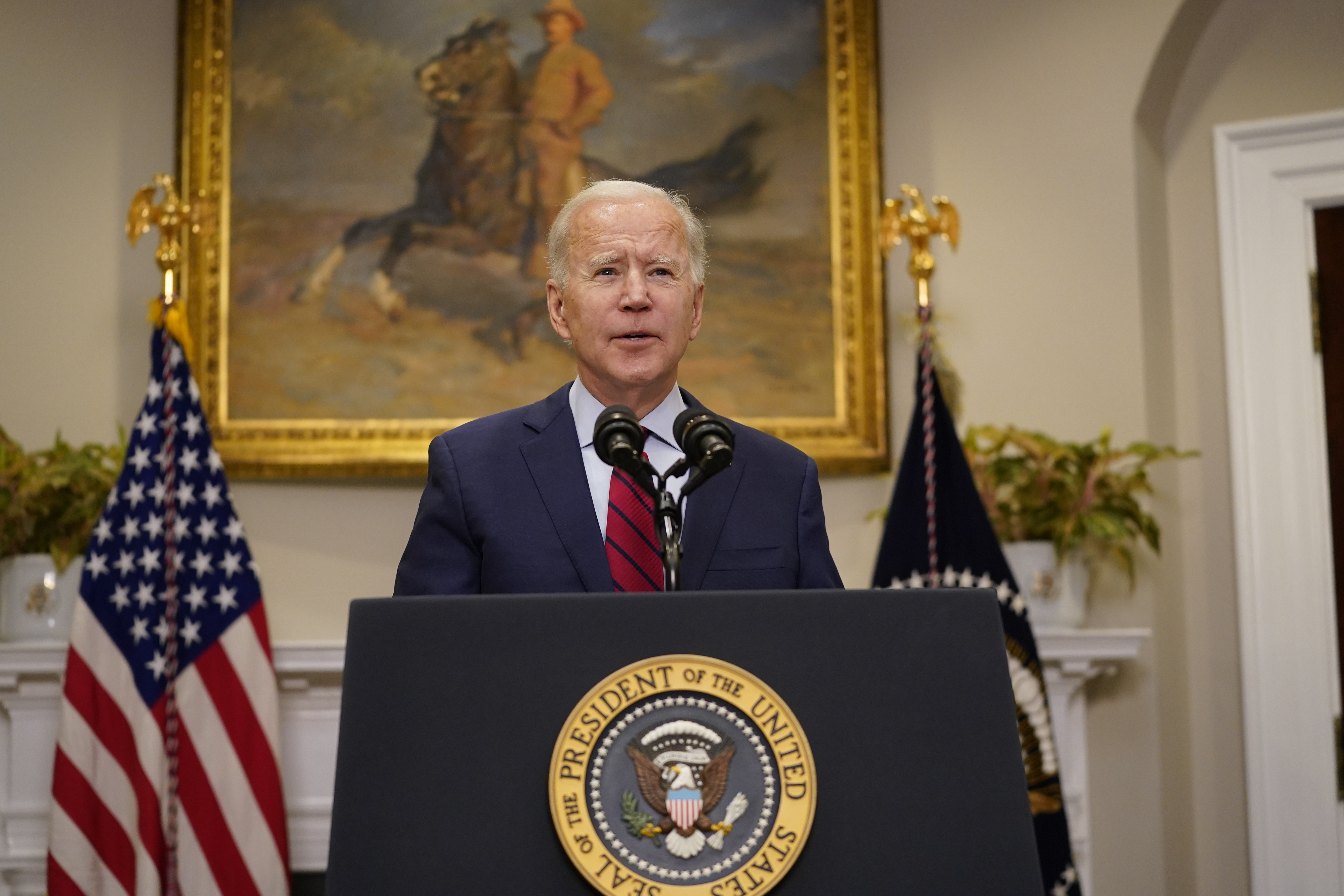
In brief remarks Saturday, Mr Biden praised the House for passing the bill and called on the Senate to take "quick action" on the measure.
"If we act now, decisively, quickly and boldly, we can finally get ahead of this virus. We can finally get our economy moving again, and the people of this country have suffered far too much for too long," he said, speaking from the White House.
"We need to relieve that suffering."
The package advanced by House Democrats also includes direct aid to small businesses, US$1400 ($1816) direct checks to Americans making less than US$75,000 ($97,340) annually, an increase in the child tax credit, direct funding to state and local governments, funding for schools and more money for vaccine distribution.
It had been expected to pass on a party-line vote as House Republicans urged their members to vote against the package and worked to limit defections.

READ MORE: Biden heads to Texas to see storm damage
Republicans have argued that the legislation overreaches and serves as a liberal wish list of agenda items and complain that they have been locked out of the process for crafting the measure. Democrats counter that they are willing to work with Republicans, but will not water down the plan and say they have a mandate to take sweeping action to address the pandemic now that they control Congress and the White House.
House Speaker Nancy Pelosi had a narrow margin to pass the bill, but many members across the ideological spectrum did not have an appetite to torpedo the new administration's first major piece of legislation.
Mr Golden said in a statement Saturday that he voted against the bill because he "won't support trillions more in funding that is poorly targeted or in many cases not necessary at this moment in time." He expressed concern over individual provisions like extending the child tax credit, arguing that the policies should be considered under regular order but don't belong in an emergency spending bill, and about the "compounding effect of the spending decisions of the past year."
Progressives have fought to include the minimum wage increase in the legislation, an effort that was dealt a major blow on Thursday when the Senate parliamentarian ruled against the move.
Ms Pelosi insisted at a news conference Friday evening ahead of the vote that the House would pass the wage increase, regardless of what happens in the Senate.
Senate Minority Leader Mitch McConnell railed against Democrats in a statement Saturday morning for passing the relief plan without bipartisan support.
READ MORE: Pfizer vaccine doesn't need to be kept in deep freeze, say US officials
"Tonight House Democrats snapped that bipartisan streak. They jammed through a bill that even liberal economists and editorial boards say is not well targeted to this stage of the fight," the Kentucky Republican said in the statement.
"More than a third of its spending, including more than 90 percent of the K-12 school funding, would not even go out this fiscal year."
He also slammed the White House for not working with Republicans on the legislation.
"After Republicans led five bipartisan bills last year, Democrats have chosen the polar opposite. When Senate Republicans went to the White House to suggest cooperation, President Biden's team said no thanks," he said.
"The White House Chief of Staff admits this liberal wish-list is 'the most progressive domestic legislation in a generation.' So much for common sense and common ground.
"The House's partisan vote reflects a deliberately partisan process and a missed opportunity to meet Americans' needs."
Republicans had made a last ditch attempt to deter Mr Biden from going it alone with just Democratic support for the US$1.9 trillion relief bill and instead continue to work on a bipartisan deal.
A group of Senate Republicans had pitched a counteroffer of a roughly US$600 billion ($778.7 billion) plan they felt was a more targeted approach, and the President met with them for two hours in the Oval Office earlier this month.
But Mr Biden later said while he's open to working with Republicans to make his bill "cheaper," he isn't willing to compromise much on its content.
South Carolina GOP Governor Henry McMaster, Kansas Democratic Governor Laura Kelly, and 20 other Republican governors expressed opposition to the bill's measure aimed at promoting equity in vaccine distribution by allocating federal aid to states based on the state's unemployment rate, rather than its population.
The governors argued in a joint statement Saturday that the proposal "punishes states that took a measured approach to the pandemic and entered the crisis with healthy state budgets and strong economies."
"A state's ability to keep businesses open and people employed should not be a penalizing factor when distributing funds. If Congress is going to provide aid to states, it should be on an equitable population basis," they added.
The White House did not immediately respond to CNN's request for comment on the governors' statement.
Covid 19 coronavirus: Border checkpoints swing into gear around Auckland
Queues in some spots but long stretches of empty highway elsewhere marked Auckland’s first day under the latest Covid-19 lockdown.At Mercer, south of Auckland, police checkpoints were up and running within minutes of the new alert…