All posts by FreeNews

National Assembly meets on Thursday, March 4

BASSETERRE, St. Kitts — Notice has been given for a sitting of the National Assembly to be held at the National Assembly Chambers, Government Headquarters, Basseterre, on Thursday March 4, 2021, at 10:00 a.m. The Order Paper and other papers will be disseminated later.

The National Assembly will be carried live on ZIZ Radio (96 FM) and participating radio stations. It can also be viewed live on TV Channel 5 in St. Kitts and Channel 98 in Nevis. It will also be streamed live at www.zizonline.com.

Copies of Bills can be found on the website (www.sknis.gov.kn) of St. Kitts and Nevis Information Service under the section: Bills.

The post National Assembly meets on Thursday, March 4 appeared first on The St Kitts Nevis Observer.

CDB’s COVID-19 response exceeds US $190 million in 2020

ST. MICHAEL, Barbados — The Caribbean Development Bank (CDB) provided more than $140.2 million in financing in 2020 and secured an additional $50 million for 2021 to support its Borrowing Member Countries (BMCs) in mitigating the macroeconomic fallout and adverse social effects of the COVID-19 pandemic.

The onset of COVID in the first quarter of the year triggered a steep fall in BMC government revenues, which along with an increased demand for healthcare and social support, put social services and health systems under pressure, exacerbated inequalities in education and increased the vulnerability of at-risk groups.

In response CDB provided multidimensional support to address the immediate needs of BMCs through mitigative intervention.

In Part 2 of CDB’s Regional Report: 2020 Review and 2021 Outlook, released today, Bank President, Dr. Wm. Warren Smith said:

“When the pandemic struck, CDB recognised quickly that the resulting increase in COVID-related expenditure was occurring at a time when taxes and other government revenues were also being adversely affected. We were able to use resources from our concessional Special Development Fund (SDF) to provide US $66.7 million in emergency loans to seven eligible countries. In this way these countries gained access to additional resources to meet unforeseen expenditures whilst continuing to protect the most vulnerable in their populations.”

The seven beneficiary countries were:
• Antigua and Barbuda – US $13 million
• Belize – US $15 million
• Dominica – US $2.5 million
• Grenada – US $5.9 million
• Saint Lucia – US $10.8 million
• St. Vincent and the Grenadines – US $11.3 million
• Suriname – US $8.2 million

CDB also provided US $50 million in policy-based loans (PBL) for St. Lucia (US $30 million) and Dominica (US $20 million) to support economic recovery and resilience building in the sectors hardest hit by the COVID-19 pandemic. Additionally, US $15 million from a PBL for The Bahamas was assigned for supplementary support for the country’s COVID-19 response.

In December 2020, CDB signed a US $50 million loan agreement with the Inter-American Development Bank to support COVID-19 response projects in Member countries of the Organisation of Eastern Caribbean States. This line of credit will finance programmes to help reduce COVID-19 transmission and fatality rates; ensure access to minimum levels of quality of life and health for vulnerable citizens and provide support for micro, small and medium-sized enterprises (MSMEs) in 2021 and beyond.

CDB also provided support to strengthen social resilience within its BMCs. This included US $4.2 million from a previous loan, which was repurposed by the Government of Grenada to procure 15,000 laptops to improve remote learning access for primary and secondary school students. Similarly, almost US $310,000 from an earlier CDB loan was used to purchase laptops, projectors and cloud storage for online technical and vocational teaching in Guyana.

A US $200,000 grant was given to the University of the West Indies to purchase computing devices for disadvantaged students and a US $59,000 grant was used to procure 130 tablets for special needs students in Saint Lucia.

Through a collaboration with the Caribbean Public Health Agency, the Caribbean Disaster Emergency Management Agency and the Pan-American Health Organisation, CDB provided US $3 million to procure personal protective equipment for healthcare workers across 14 countries.

CDB also collaborated with the Caribbean Export Development Agency to provide a US $600,000 emergency response mechanism to assist export oriented MSMEs to retool. Additionally, through its Cultural and Creative Industries Innovation Fund, CDB awarded US $100,000 in grant funding to implementors of seven cultural and entertainment events that lost income from the cancelations due to the onset of COVID-19.

The post CDB’s COVID-19 response exceeds US $190 million in 2020 appeared first on The St Kitts Nevis Observer.

Syria: 22 Dead in US Air Strike on Iranian Targets

Joe Biden has carried out his first military action as president, with airstrikes targeting Iranian-backed fighters in Syria, in what the Pentagon said was retaliation for a rocket attack in Iraq earlier this month that killed one civilian contractor and wounded a US service member and other coalition troops.

The overnight strikes killed 22 people after hitting three trucks loaded with munitions near the border town of Abu Kamal, a war monitor said on Friday. Border posts used by Iranian militia groups were also destroyed, the UK-based Syrian Observatory for Human Rights said.

It said all of the dead were from Iraq’s state-sponsored Hashd al-Shaabi, an umbrella force that includes many small militias with ties to Iran.

The Pentagon’s chief spokesperson, John Kirby, said the location of the strikes was used by Kataeb Hezbollah and Kata’ib Sayyid al-Shuhada, two Iraqi pro-Iran groups operating under the Hashd umbrella. “This proportionate military response was conducted together with diplomatic measures, including consultation with coalition partners,” Kirby said. “The operation sends an unambiguous message: President Biden will act to protect American and coalition personnel. At the same time, we have acted in a deliberate manner that aims to de-escalate the overall situation in eastern Syria and Iraq.”

The Iranian and Syrian foreign ministers spoke in a telephone call on Friday after the strikes, and underlined “the need of the west to adhere to UN security council resolutions regarding Syria”, a statement on the Iranian government website Dolat.ir said.

A little-known Shia group, believed to be a front for more prominent Iran-backed factions hostile to the US, claimed responsibility for the 15 February attack on an airbase in Erbil, in Kurdish Iraq. It was the most deadly attack in almost a year on US-led coalition forces deployed to Iraq to fight Isis, killing a Filipino contractor and wounding nine US coalition and military staff and at least five Iraqi civilians.

Tensions between the US and its Iraqi and Kurdish allies on one side, and Iran-aligned militias on the other, soared during the Trump administration, with its stance of “maximum pressure” on the Islamic republic.

Tehran has made clear it intends further retribution for the 2020 drone strike that killed the Iranian general Qassem Suleimani and the powerful Iraqi Shia militia leader Abu Mahdi al-Muhandis, almost causing a proxy war.

The Erbil attack was widely interpreted as the first serious test of Biden’s Iranian policy as the president seeks to revive the nuclear deal, scrapped by Donald Trump in 2018, between Tehran and world powers.

Another salvo struck a base hosting US forces north of Baghdad days later, injuring at least one contractor, and on Monday rockets hit Baghdad’s Green Zone, which houses the US embassy and other diplomatic missions.

Biden’s decision to strike only in Syria and not in Iraq, at least for now, gives Iraq’s government, stuck in the middle of tensions between its two biggest allies, breathing room as it carries out its own investigation into the Erbil attack.

Since Iraq declared victory against Isis in late 2017, the coalition has been reduced to fewer than 3,500 troops, 2,500 of them Americans, who no longer take part in combat operations. Most are concentrated at the military complex at Erbil airport.

The Biden administration has in its first weeks emphasised its foreign policy priority is the challenges posed by China, even as threats in the Middle East persist.

Mary Ellen O’Connell, a professor at Notre Dame Law School, criticised the US attack as a violation of international law. “The United Nations charter makes absolutely clear that the use of military force on the territory of a foreign sovereign state is lawful only in response to an armed attack on the defending state for which the target state is responsible,” she said. “None of those elements is met in the Syria strike.”

The post Syria: 22 Dead in US Air Strike on Iranian Targets appeared first on The St Kitts Nevis Observer.

RSCNPF confirms 10 corporals, has ‘great expectations’ for their future

BASSETERRE, St. Kitts — Ten corporals received their letters of confirmation from Commissioner of Police Hilroy Brandy during a ceremony at Royal St. Christopher and Nevis Police Force Headquarters on February 24.

Confirmed are Officers Cleon Michael, Ryan Haywood, Dijon James, Leon Michael, Royston Isaac, Kamara Phillip, Antonio Browne, Andrea Battice, Vivian Caesar and Ronrick Huggins.

Their confirmation takes effect from October 1, 2018. The confirmation is an indication of their ability to perform satisfactorily at that rank. Executive Command members of The Royal St. Christopher and Nevis Police Force congratulated the officers and shared words of advice before the letters were presented to the corporals.

Commissioner Brandy thanked the corporals for supporting the Police Force’s efforts to tackle crime. He said there has been a marked decrease in crime over the past two years. The Commissioner said he believes that they played a role in that achievement while acting as corporals. He told them they are eligible to become a candidate for promotions to the rank of sergeant.

“You should always try to perform at the standard of the rank just above where you are,” said Brady. “There are 10 to12 vacancies that exist at the rank of sergeant that you can now set your eyes on.”

Assistant Commissioner of Police, Andre Mitchell, wished them the very best. He reminded them that they were not only responsible for the quality of their own work, but also that of their subordinate officers.

“We must enforce the policies of the force,” said Mitchell. He went on to speak about some of the challenges related to work ethic that could affect their productivity and encouraged them to rise to the occasion in their conduct and performance.

Assistant Commissioner of Police, Adolph Adams, said the Force needs strong supervisors, adding that it started with them. “The promotion means you are seen as someone who can help to take the organisation forward…you have to first be disciplined before you can discipline others,” said Adams.

The newly confirmed corporals were encouraged to do their best and raise the bar higher by the Force Chaplin, Ericsson Cumberbatch, who said, “regardless of where you find yourself, remember to perform.”

“What is success?” asked the Personnel Officer, Clifford Govia. He said the officers should give the question some thought, “We know you have the talent, but you have to continue sharpening your skills,” said Officer Govia. “Make up your mind to do your part well.”

The post RSCNPF confirms 10 corporals, has ‘great expectations’ for their future appeared first on The St Kitts Nevis Observer.

Technology preserves, documents, safeguards Intangible Cultural Heritage

BASSETERRE, St. Kitts – “Culture is who we are, it’s a part of our identity and we need to be able to transfer this knowledge to the next generation,” Ms. Marlene Phillip, Research and Documentation Specialist and focal point for the Intangible Cultural Heritage, told attendees at the UNESCO Awareness Campaign for Policy Makers and Capacity Building Project For Intangible Cultural Heritage opening ceremony, held at the Shadwell Great House on February 24.

St. Kitts and Nevis signed on to the UNESCO/ICH Convention five years ago, to receive assistance to preserve the local traditions and the living expressions of our culture. St. Kitts and Nevis was the first Eastern Caribbean Island to receive funding from UNESCO/ICH to aid in safeguarding intangible cultural heritage treasures, according to Ms. Phillip.

“Over the past five years, we have gone from signing the Convention to understanding what Intangible Cultural Heritage and the convention mean, received access to US $99,000, for a two-year project on safeguarding ICH,” said Ms. Phillip.

She noted that as a society we have been doing quite well in preserving the intangible aspects of our culture.

“At culture, we recognize that we have been safeguarding our culture for years…as a Caribbean people, we have been keeping our traditions alive through oral history, through performance, through the art forms, through the food we eat. All these things are our Intangible Cultural Heritage,” she said.

She said that assistance from UNESCO’s ICH project has provided well-needed support in the documentation of the intangible aspects of our culture, using voice recorders, as well as digital and video cameras.

Documentation becomes important because many of the individuals who know our traditions make up the older part of the population and may pass away before being able to transmit such relevant information.

“It is critical to meet these individuals that are keeping the culture alive, to document it…if we don’t recognize this sometimes we miss the opportunity to meet, talk to them and learn about our history and culture before they pass away,” she said. The information collected from the interviews with the elderly about our traditions will help in cultural preservation and transmission “to help the young to be aware of our culture by leaving something behind through the use of a website.”

The post Technology preserves, documents, safeguards Intangible Cultural Heritage appeared first on The St Kitts Nevis Observer.

US government continues to support Federation in its fight against COVID-19

BASSETERRE, St. Kitts — United States Ambassador to Barbados, the Eastern Caribbean, and Organisation of Eastern Caribbean States, Her Excellency Linda Taglialatela, said that her government will continue to support St. Kitts and Nevis and the region in their fight against the deadly COVID-19 virus.

The latest support was the donation from the United States Agency for International Development (USAID) of an ambulance to the Ministry of Health, and a passenger bus to St. Kitts and Nevis Red Cross Society (SKNRCS) that were handed over during a brief yet significant ceremony on Wednesday, February 24, at the Joseph Nathaniel France (JNF) General Hospital.

“We are committed to helping those in the Eastern Caribbean,” said Ambassador Taglialatela during her virtual presentation to officially hand over an ambulance and a passenger bus to St. Kitts and Nevis. “Throughout the pandemic, the United States has worked with organizations like the International Federation of Red Cross and Red Crescent Societies (IFRC) and the United Nations International Children’s Fund (UNICF) to provide much-needed pandemic response assistance to St. Kitts and Nevis and the region. In this fight, the United States remains your committed partner. I am proud that our partnership stands as strong as ever. Strengthening collaboration with one another, together we will continue to meet this moment of challenge to our healthcare systems.”

Ambassador Taglialatela noted that the donation will aid St. Kitts and Nevis in bolstering its health system.

“We know that this donation will help you to continue your model management of COVID-19 for the benefit of the people of St. Kitts and Nevis,” she said. “We are in this together, and together we will rise to overcome the challenges presented by this pandemic. The ambulance will be donated to JNF to support patient transport throughout St. Kitts and Nevis and the bus will be used by the National Red Cross Society to transport volunteers and staff to support raising community awareness about virus protection.”

Taglialatela commended the Government of St. Kitts and Nevis for its continued success in ensuring that citizens and residents remain safe during the COVID-19 pandemic.

“I recognize the government’s substantial leadership in keeping the people of St. Kitts and Nevis safe during the pandemic,” said the ambassador. “St. Kitts and Nevis continues to be one of the most successful countries in the Hemisphere in containing the spread of the disease. I know this has come at a great cost to the country’s economy and its people and we acknowledge the social and economic ramifications.”

The ambassador thanked healthcare professionals, civic leaders, manufacturing workers, civil servants, and all others in the Federation “who have worked tirelessly to respond to the COVID-19 pandemic.”

The post US government continues to support Federation in its fight against COVID-19 appeared first on The St Kitts Nevis Observer.

International Red Cross helps in the fight against COVID-19

BASSETERRE, St. Kitts — The International Federation for Red Cross and Red Crescent Societies (IFRC) said that the ambulance and passenger bus, which was donated in partnership with St. Kitts and Nevis Red Cross Society (SKNRCS) and the United States Agency for International Development (USAID), will go a far way in helping not just the SKNRCS, but the local health authorities in continuing to fight against COVID-19 and reducing its impact.

These were the words of Ariel Kestens, Head of the Country Cluster Delegation for the Dutch and English Speaking Caribbean, in Port of Spain, who spoke virtually at the handing over ceremony on February 24.

Kestens said that over the past year, the activities of the organization have been centred around the three priorities, which form part of the operational response framework for COVID-19 of the IFRC and the SKNRCS.

“These priorities include the sustaining of health and wealth, and the erasing of the social and economic impact on society,” he said.

Kestens said that since the start of the pandemic, the SKNRCS has offered support through it all, and has donated Personal Protective Equipment to the Ministry of Health and offered psychosocial support, care packages, and cash assistance to families in need, who have been impacted by the pandemic. He added that the staff continues to help sensitize the population about COVID-19 intervention measures.

“This latest initiative, with the support of the US Embassy and USAID, will assist in achieving the third priority area of strengthening St. Kitts and Nevis Red Cross Society,” said Kestens.

He applauded St. Kitts and Nevis Red Cross Society and the Ministry of Health for their work in keeping the number of active COVID-19 cases in St. Kitts and Nevis at a minimum.

The post International Red Cross helps in the fight against COVID-19 appeared first on The St Kitts Nevis Observer.

Woman dead after train hits car at Brisbane level crossing

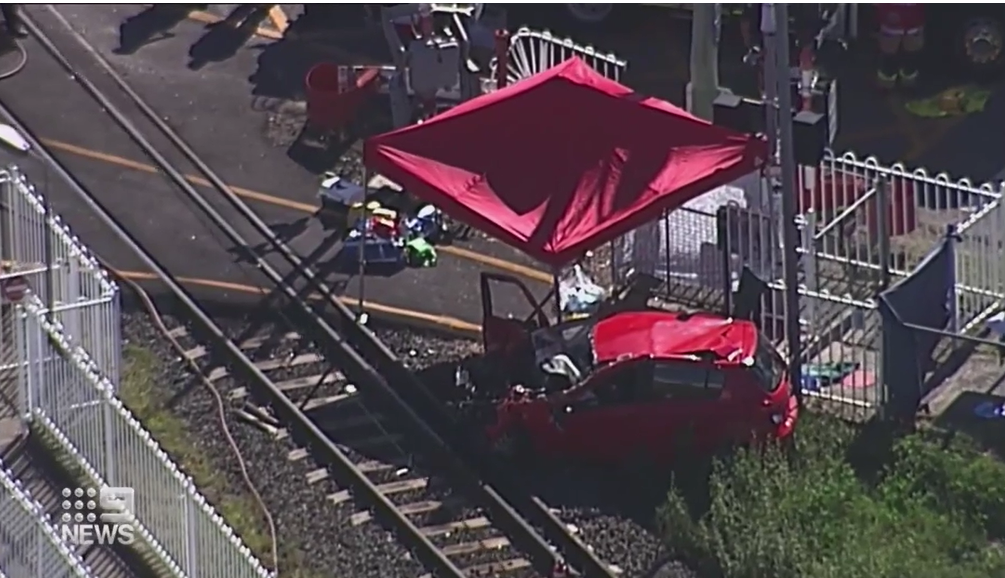
A 32-year-old woman has died after the car she was driving collided with a train at a Brisbane level crossing.

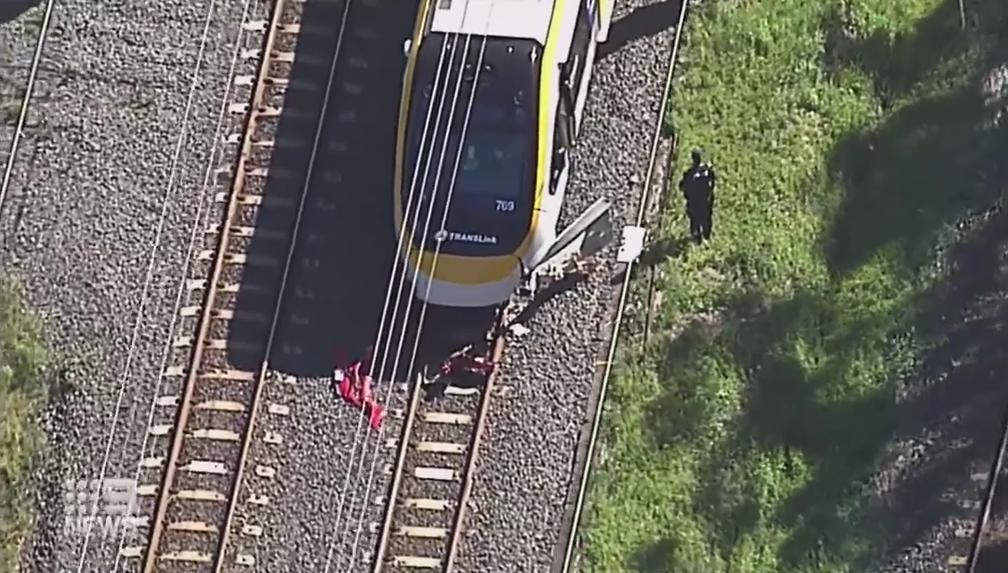
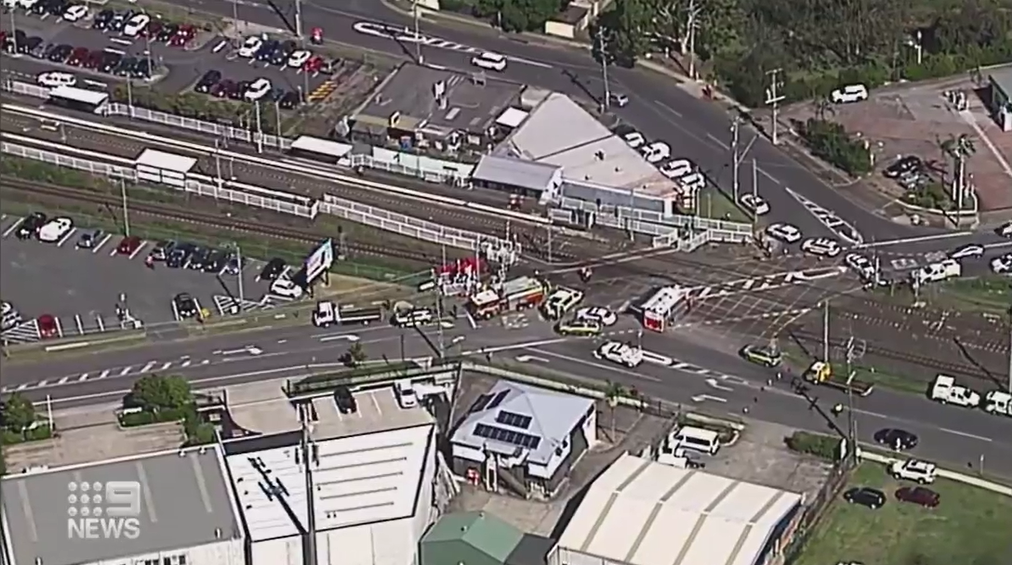
Police say the crash happened just before 2pm, when an express train on the Cleveland train line collided with the car near Lindum station at Wynnum West.

The woman who was a visitor from overseas and sole occupant of the car, could not be revived and died at the scene.

READ MORE: Police probe domestic violence death of Queensland woman

READ MORE: Queensland paramedics kind gesture to ill patient

"Unfortunately she was in traumatic cardiac arrest when we arrived. We did everything we could do." Mr Michael Freeman, from the Queensland Ambulance Service said.

9News understands the woman was travelling along North Street and attempted to drive around the boom gates. Early investigations point to driver error and confusion about the level crossing.

Authorities have confirmed there were no passengers on board the train at the time and they've briefly spoken to the driver, whose "welfare is our main concern at the moment" Mr Karl Hahne from Queensland Police said.

The investigation will look into how this tragic error could have occurred.

"There's a lot of metrics, a lot of information we'll download from CCTV right through to the rail network. There is a lot of cabling here that gives indications of flashing lights and boom gates," said Mr Hahne.

This level crossing had already been earmarked for upgrades over safety concerns.

Two years ago to the day, a 70-year-old pedestrian was struck and killed at the same intersection.

As a result, federal and state governments had pledged a $40-million cheque to improve the intersection's safety however the work has not begun.

READ MORE: Frontline heroes feature on five new stamps from Australia Post

9News App

In an unrelated move, 9News understands Lindum Station is scheduled to close this weekend for maintenance works.

Cleveland line trains remain cancelled between Cleveland and Roma stations with delays of up to 60 minutes delays. Trains between Murarrie and Cleveland stations are back up and running.

https://twitter.com/TransLinkSEQ/status/1365270739310563333?ref_src=twsrc%5Etfw

Hospital chief discusses vaccine safety, approval process, importance of vaccination

Medical Chief of Staff at the Joseph Nathaniel France General Hospital, Dr. Cameron Wilkinson.

BASSETERRE, St. Kitts — Awareness about the safety and effectiveness of the COVID-19 vaccine, the need for persons to get vaccinated, and testing measures to ensure medicine is safe before they can be clinically approved for human use were recently discussed by Medical Chief of Staff at the Joseph Nathaniel France General Hospital, Dr. Cameron Wilkinson.

“Vaccination is important,” said Dr. Wilkinson as he referenced the historical outbreak of the Smallpox virus in the 1760s and a subsequent high death rate. He noted the important role played by the cowpox vaccine at the time in reducing the spread and death of the smallpox virus adding that “Genna started to inoculate children with the cowpox vaccine stemming the tide of death.”

“The most commonly used vaccines have been around for decades with millions of people receiving them safely each year, and more than 3 million lives are saved each year from vaccines,” said Dr. Wilkinson. “Vaccines are safe and effective to prevent diseases and save lives, as it not only protects the individual who received the vaccine but those around them. Thus, if diseases are allowed to run rampant more lives will be lost, and society will suffer.

“Imagine a world where we’re fighting COVID-19 in addition to smallpox, polio, mumps, measles, and rubella,” he said, as he recalled the important step taken by the Government in its fight against Coronavirus. “The vaccination rollout was not only an effort to protect us from this deadly virus but to show you the confidence we have in the vaccine efficacy and safety.

“The success of vaccines in eliminating a number of diseases locally and worldwide, some that require over 90 percent population coverage to achieve herd immunity, speaks to the fact the majority of us do the right thing and get vaccinated.”

Dr. Wilkinson urged all residents to act responsibly and get vaccinated to help curb the far-reaching and detrimental effects of the Coronavirus.

Clinically approving vaccines

Vaccines, as with all medicines throughout the world, must go through extensive and rigorous testing to ensure that they are safe before they can be clinically approved for global human use.

“An experimental vaccine is first tested in animals to evaluate its safety and potential to prevent disease,” he said. “If positive results are achieved in a lab, a manufacturer can then apply for clinical trials meaning testing in human beings.”

“Many of the COVID-19 vaccine trials will never make it beyond the stage of animal testing,” said Dr. Wilkinson. “There are now more than 200 vaccine trials being conducted with only 60 at the clinical stage and just a handful have been given emergency use authorization for use in the public.

“This speaks to the rigorous safety hurdles that have to be crossed before a vaccine can make its way into your arm.

“These trials typically involve several thousand healthy participants on a voluntary basis whose safety is ensured by national regulatory authorities and may last many years.”

Dr. Wilkinson explained that the trials are governed by strict regulations and take place across four major clinical phases once reliable, safe data are received from animal studies.

“In phase one, the vaccine is given to a small number of volunteers usually between 20-50 to assess its safety, side effects; composition mode of administration confirms if it generates an immune response and determines the right dosage,” said Dr. Wilkinson. “If successful, it proceeds to phase two. In phase two, the vaccine is usually given to hundreds of volunteers who are closely monitored for any side effects and to further assess its ability to generate any new response.

“Participants in this phase have the same characteristics such as age and sex as the people for whom the vaccine is intended. In this phase, some volunteers receive the vaccine and others do not, which allows comparisons to be made and conclusions are drawn about the vaccine.

“Phase three is similar to phase two, but expanded to involve thousands of volunteers with a continued assessment of the safety and efficacy of the vaccine.

“When the results of phase three clinical trials are available, a number of steps are required including reviews by various regulatory boards before the vaccine can be introduced into a national immunization programme,” said Dr. Wilkinson. “Following the introduction of a vaccine, close monitoring continues to detect any unexpected adverse side effects and further assess its effectiveness in the general population.”

The post Hospital chief discusses vaccine safety, approval process, importance of vaccination appeared first on The St Kitts Nevis Observer.

Victoria's coronavirus restrictions eased

Victoria has returned to its "COVIDSafe Summer" plan — reverting to the same rules in place pre-Christmas — after the state's COVID-19 restrictions were eased at midnight.

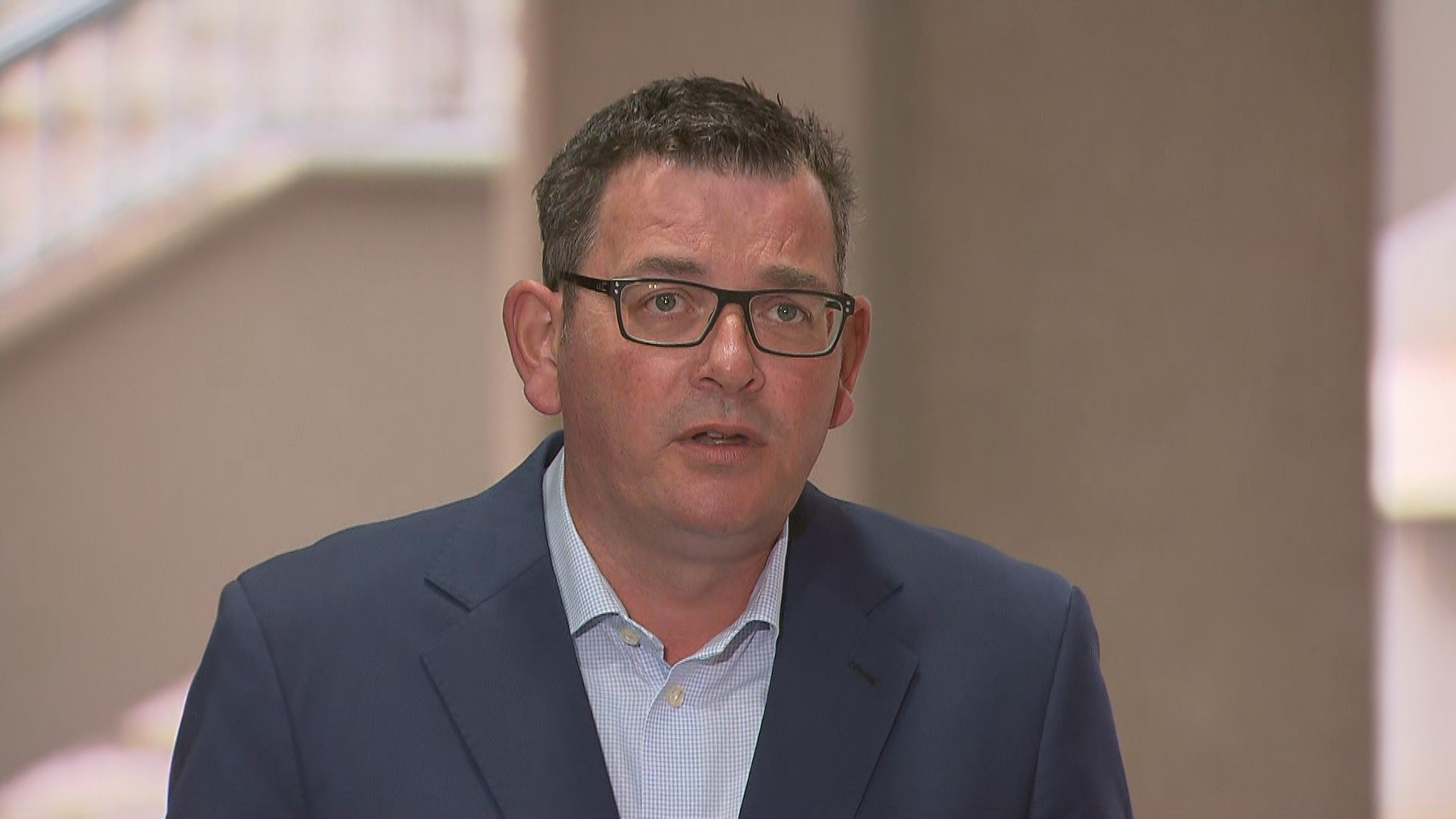
Premier Daniel Andrews announced the wind back earlier on Friday, meaning masks will no longer be required except in high-risk indoor environments and gatherings of up to 30 people in homes are now allowed.

It comes after two new local cases were diagnosed in the previous 24 hours, both connected to the state's Holiday Inn cluster.

LIVE UPDATES: Global coronavirus death toll surpasses 2.5 million
Both cases are close contacts linked to the Coburg function outbreak.

The cases have been isolating in hotel quarantine due to their household circumstances. 

"They pose no risk to public health more broadly," Premier Daniel Andrews said.

READ MORE: Crowds to return to Melbourne stadiums when AFL season kicks off

https://twitter.com/VicGovDH/status/1365053086729834497?ref_src=twsrc%5Etfw

More visitors, less masks

The state's new restrictions will include 30 visitors allowed in a home, up from five.

Masks will be required only in high-risk indoor settings, such as public transport, rideshare vehicles and taxis, and large retail settings, such as shopping centres, supermarkets, department stores and indoor markets.

Up to 100 people are allowed to gather outdoors. 

READ MORE: Victoria's new restrictions explained: what you can and can't do

https://twitter.com/DanielAndrewsMP/status/1365100784828837888?ref_src=twsrc%5Etfw

Public and private sector workers in Victoria will be able to return to the office at a capacity of 75 per cent for the first time. 

"That is very important, in terms of retail trade, hospitality, food and beverage – that whole part of the economy," Mr Andrews said. 

The expanded capacity will help drive foot traffic back to Melbourne's CBD and in regional areas, he said.
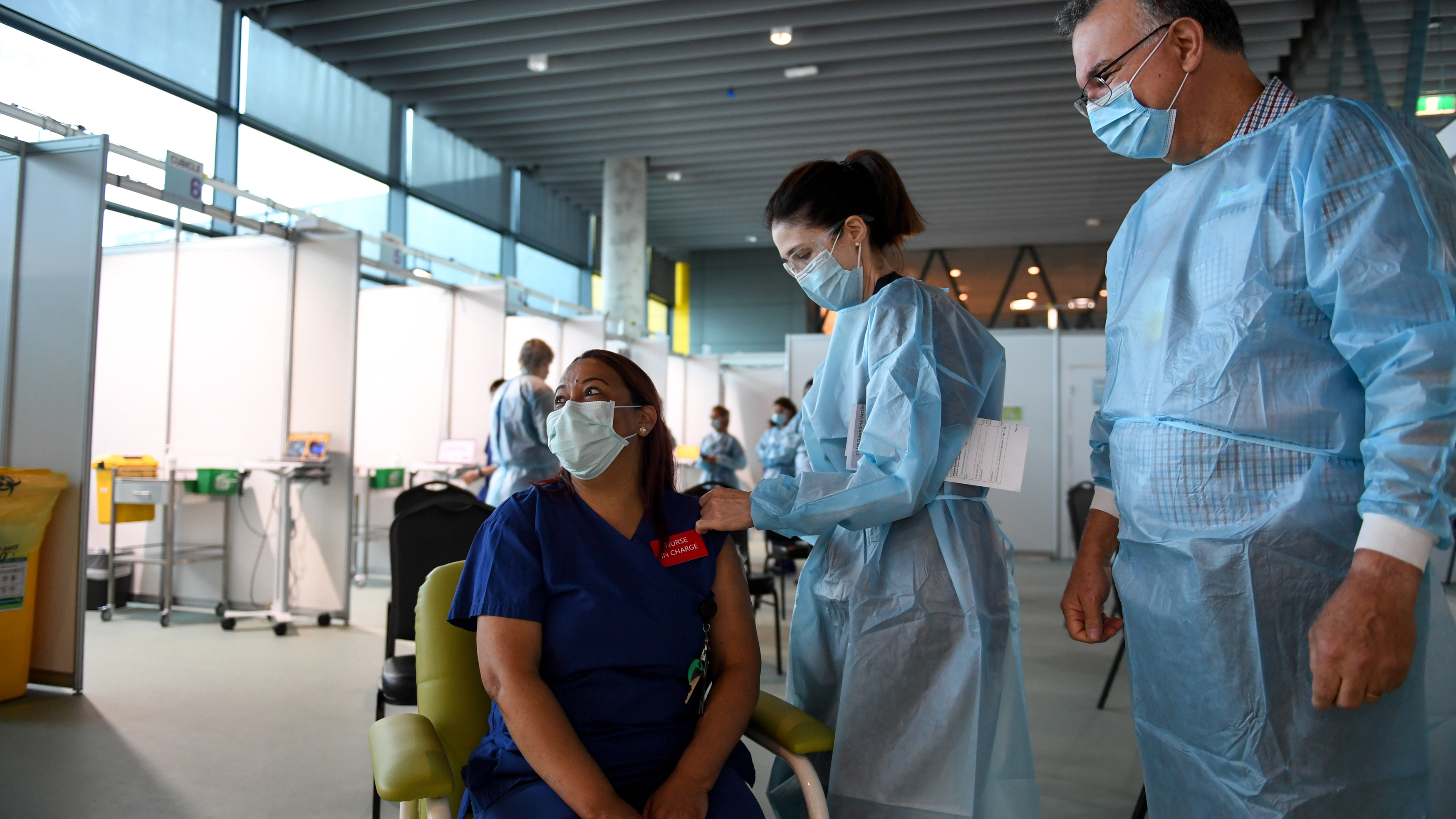
The Covid-19 Vaccination Hub at Melbourne Airport run by Western Health.

Visitors allowed into hospitals and aged care

Restrictions on the number of visits to hospitals and aged care facilitates will also ease in the state. 

However, some individual sites may have their own rules in place, Mr Andrews said. 

The premier said the state's five-day lockdown had been "effective" in controlling the Holiday Inn outbreak. 

"That strategy worked," he said. 

"It is with confidence that we can return to the COVIDSafe Summer settings, but none of that is possible without the extraordinary efforts of every single Victorian and I'm deeply grateful to each and everyone of you." 

Only one exposure site remaining

Victoria's testing commander Jeroen Weimar said the state had delivered a "swift response" to the "significant" outbreak. 

Health authorities have managed over 3500 primary close contacts at the peak of the outbreak, with 99 per cent being contacted within the 48-hour national benchmark standard. 

The dozens of tier one exposure sites have been formally closed today as the 14-day incubation period comes to an end. 

The only exposure site still remaining is the Coles Express service station in East Bentliegh, which is marked as tier three.
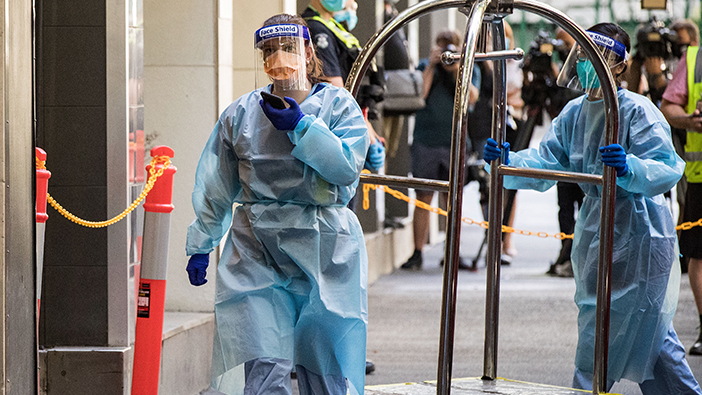
Anyone who attended the site on February 18 during the specified time is asked to come forward for testing and isolate. 

"The vast majority of people are now coming off the isolation period and we are grateful for their support," Mr Weimar said. 

Before today's announcement, the state had recorded six days with no local cases of COVID-19.

More than 16,500 tests were carried out in the past 24 hours.

The 14-day incubation period for a bulk of close contacts linked to the Holiday Inn cluster ends today.

Queensland is ending its border ban to those from Greater Melbourne from 1am tomorrow.

Premier asked about vaccine rollout issues

Mr Andrews was asked about vials of the Pfizer vaccine potentially going to waste at a Werribee aged care centre.

The premier said he has seen reports, but had no details about the incident. 

9News App.

"I think (Federal Health Minister) Greg Hunt is the person to talk to there," he said. 

The state has ticked over the 3000 mark for vaccines being delivered. 

"We are quite pleased with the start that we have made," Mr Andrews said.