All posts by FreeNews

Haiti: Then & Now…Can the People & Democracy Survive?

Two aircraft carriers in the Caribbean Sea, a media circus, and a dramatic speech by then US president Bill Clinton – that was how, back in 1994, operation ‘Uphold Democracy’ in Haiti began. It returned the democratically-elected President Jean-Bertrand Aristide to office after he had been deposed by a military junta three years earlier.

As with Afghanistan and Iraq, Haiti was one of the many examples of US interventionism justified by the mission to establish or protect democracy. ‘Now, three decades, ten international missions, and 30 billion US dollars later, Haiti holds the world record in failure,’ wrote the former Organisation of American States (OAS) envoy, Ricardo Seitenfus, in an article for the Haitian newspaper Le Nouvelliste.

It’s hard to dispute it: Haiti is still suffering from a lack of democracy, stability, and development. In early 2021, four years after the last UN peacekeepers left, the country’s capital Port-au-Prince is once again the centre of unrest, as barricades burn again – this time, because of yet another of the endemic state crises.

The causes are, from a European perspective, hard to understand. It’s not a right-vs-left issue, for instance: Aristide was a left-leaning priest and poverty activist on election, but ended up as a corrupt dictator propped up by bloodthirsty militiamen.

It’s also not just a question of colonial guilt, either: although there is plenty of historical justification for seeking the culprits in the French as one-time colonisers (and racist opponents of Haiti as the first independent black republic) or in modern US imperialism and the forces of capitalism, they are not, by themselves, enough to explain the situation now.

Seen from outside, Haiti can look like a mesh of wires which, every time someone tries to untangle it, only gets even more tangled up. The primary reason is that, behind the façade of its manifold institutional conflicts, there lies a complex set of deeper seated power struggles within a half-criminal state run by predatory clans.

In view of the country’s dysfunctional political structures, the international community has, in some areas, replaced the state – and this entangles it in the complex power nodes, robbing it of its credibility as a neutral arbiter and complicating matters even further.

Pressure from the streets

Without entering too much into these complexities, we can say that the current crisis has come about as follows. In 2017, President Jovenel Moïse was sworn in after a 2016 election which was contested and repeated following intervention from the international community, leading to a year-long delay in him taking office.

He has since gone on to reconstitute the army, increase fuel prices, and doc the power of the country’s Court of Auditors after it revealed that he had embezzled funds from international aid following the devastating 2010 earthquake.

Never popular, the preferred successor of his singing predecessor Michel Martelly had secured support from the country’s invisible elite and the US embassy, winning the election with the votes of 18 per cent of the general population with an overall turnout of 25 per cent). Known as the ‘Banana King’, businessman Moïse has therefore been the target of street protests since the day he was sworn in, with only the pandemic to take the pressure off for a short period.

Haiti’s political system is no stranger to crises and has managed to reach a precarious equilibrium that could, at any point, come crashing down.

Now, the pressure on him is mounting again as a loose opposition coalition of unions, politicians, judges, intellectuals, and youth activists has responded to a ruling by the Superior Court of Justice that Moïse’s term of office had come to an end on 7 February: the judges count the five years of his term from 2016, when an interim president was in office pending the repetition of the election.

The opposition agreed on the eldest of the Superior Court’s judges, Joseph Mécène Jean-Louis, as provisional president, who has since disappeared entirely from the public eye, presumably out of fear that he will be arrested. There is now no clear path forward, with disagreement over whether to bring forward the next presidential election or to set up a constitutional council.

From his residence in Kenscoff, high up in the cool mountains above Port-au-Prince, Moïse has roundly rejected both options, speaking in a video address of an ‘attempted coup’ by a group of ‘oligarchs’ and having those he considers the conspirators arrested. He underlined his intention to stay in office until February 2022, promising that elections will be held in September.

The international community is in favour; the opposition does not believe a word – after all, Moïse never held the parliamentary elections scheduled for 2019, and has been ruling without the assembly by decree for a year now. Another reason the opposition is sceptical is the president’s stated aim of reforming the constitution prior to the election in order to strengthen the role of the president and reintroduce conscription; the latter is a particularly delicate topic in a country which remembers all too well the horrors of military dictatorship.

US interests in Haiti

Why is the international community supporting Moïse, here? There are two main reasons. Firstly, he does not challenge US foreign policy interests. This is important because Haiti has become an unofficial US protectorate, a de facto status made clear by an anecdote from the immediate aftermath of the 2010 earthquake.

With the airport severely damaged, especially its control tower, a team was dispatched to repair it by the UN mission (MINUSTAH). Orders came from the US to open it for the US Air Force, which promptly took control of it, but to keep it closed to flights from socialist Venezuela. The latter were ready to land before the Americans, yet found themselves forced to unload their aid supplies in the neighbouring Dominican Republic. Later, under pressure from President Donald Trump, Moïse turned against Haiti’s formerly close ally (and major creditor) Venezuela and supported plans to turn the country into a sweatshop for US fashion labels.

Secondly, the international community is banking on Moise for fear of anarchy. With the opposition disunited, there is no clear leader in view who represents a prospect of stability and governability. Haiti’s political system is no stranger to crises and has managed to reach a precarious equilibrium that could, at any point, come crashing down.

Haiti’s dysfunctional political culture

What has become clear is that constitutional blueprints from elsewhere in the world don’t work in Haiti. The semi-presidential system copied from France, for instance, was supposed to keep authoritarian presidents in check, submitting them to parliamentary consent by an assembly that nominates a prime minister. The result has, however, proved to be a lasting paralysis in the country’s institutions due to a lack of political parties, depriving the president of a majority and keeping the terms of Haitian prime ministers short.

As such, it’s not just Moïse that Haitians are angry with. Their anger is mixed with bitter disappointment at the position of the international community.

This points us towards the real core of Haiti’s woes: the country has a political culture that does not see state institutions and other power centres as checks and balances moderating between competing interests, but simply as prizes to be taken.

There is no emphasis on consensus, no willingness to negotiate: everyone is in the game to annihilate his opponents or at least block their path to power in order to claim it for himself and then share out the booty with his supporters. ‘If you don’t join in, they think you’re a spoilsport,’ was the way a former interior minister, Paul-Gustave Magloire, once put it to me.

This form of rampant power-politics also doesn’t shy away from violence. There are historical grounds for this mentality. Haiti is a young nation born of a slave-state into which the French colonial rulers deliberately brought people taken from differing regions and without common languages or culture in order to make communication difficult and, so the logic, to prevent slave rebellions.

The young are questioning the status quo

Thus far, these dysfunctional power systems have hindered the emergence of a broad societal consensus, with fundamental questions such as how the country should seek to structure its economy or what the role of the state and that of the market should be remaining undiscussed.

The only people who have a clear plan for the future are those in the business elite – and their plan does not foresee any changes to the privileges they enjoy nor to the lack of educational provision, healthcare, and infrastructure from which the population at large is suffering.

And when it comes to instrumentalising the international community, this elite has a well-developed skillset, with the liberalisation in trade between Haiti and the US in the 1980s and 1990s as a notable example: conducted in line with the neoliberal economic thinking prevalent at the time, the effect of the opening of the markets was to ruin Haitian farmers and leave the population dependent on food imports from the US.

As such, it’s not just Moïse that Haitians are angry with. Their anger is mixed with bitter disappointment at the position of the international community: ‘They preach democracy and development while financing and propping up a corrupt elite whose actions contravene these goals,’ says Jean-Ronald Joseph, for instance, Professor of Political Science at the Quisqueya University in Port-au-Prince.

The demonstrators currently out on the streets calling for a constitutional assembly are by and large young people who want a new societal consensus. Moreover, they are getting support from their contacts abroad: although the brain-drain has been a constant problem in Haiti (three quarters of Haitians with degrees emigrate), in today’s globalised world, leavers no longer lose touch with their roots. Many return on frequent visits, invest in the country, and are politically active. It is the country’s young who are questioning the status quo of the failed state that is Haiti. The international community should start listening to them and rethink its strategy.

The post Haiti: Then & Now…Can the People & Democracy Survive? appeared first on The St Kitts Nevis Observer.
St. Kitts and Nevis Protocols Ignite Tourism Relaunch

The post St. Kitts and Nevis Protocols Ignite Tourism Relaunch appeared first on The St Kitts Nevis Observer.

UK: Coke Worth $259m Found in Banana Boxes from Colombia

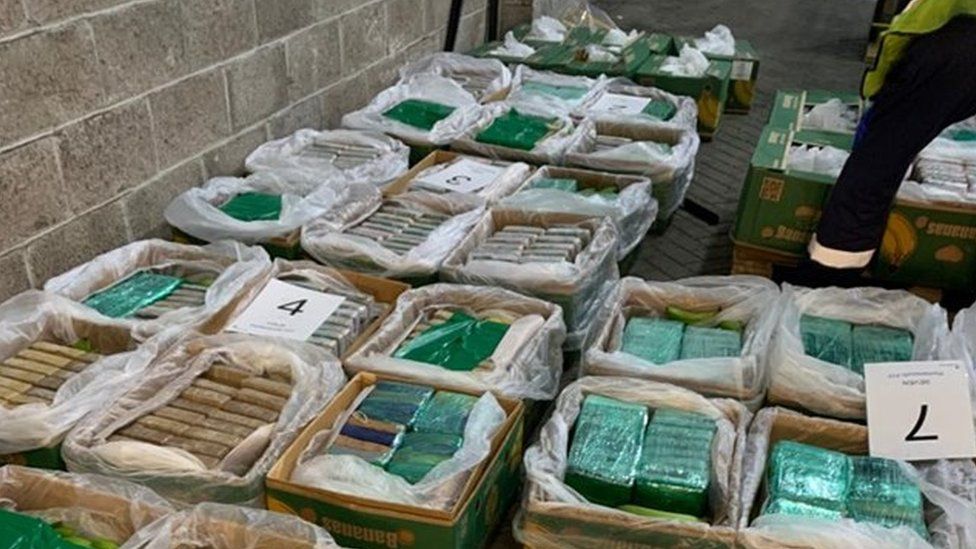
Cocaine weighing 2,300kg and with an estimated value of US$259 million has been found inside a consignment of bananas that arrived in the UK from Colombia.

The haul of cocaine was intercepted in Portsmouth and the drugs were removed, the National Crime Agency (NCA) said.

The pallets were then loaded with dummy packages and delivered to Tottenham Industrial Estate in north London.

Ten people were arrested over the haul, which represents one of the UK’s biggest ever drugs seizures.

The NCA said three people had been charged.

The raid was a joint operation between the NCA and the Met Police and was the culmination of a week-long investigation, following intelligence received by detectives.

Drug seizureimage copyrightNCA
image captionThe consignment is equivalent to more than half the quantity of cocaine seized in an average year

Officers tracked the shipment of drugs on 41 pallets as it arrived in Portsmouth, where UK Border Force officers removed the cocaine.

The pallets were then delivered to Tottenham. Police moved in once enough evidence had been gathered from a surveillance operation at the site.

Body-worn footage showed armed officers breaking into storage units where the drugs had been due to be delivered.

‘Five million drug deals’

The Met’s Det Supt Simon Moring believes officers have cost organised criminals more than £100m in profits.

He said: “By the time that’s divided down into deals we could be talking about five million drug deals.

“That’s five million deals taken off the streets of the UK – that will have a profound effect on the price in the UK and the criminals involved.”

John Coles, head of specialist operations at the NCA, said: “Illegal drugs are a corrosive threat and those who deal in cocaine are often violent and exploitative.

“Cocaine supply is directly linked to the use of firearms, knife crime and the exploitation of young and vulnerable people.”

The consignment is equivalent to more than half the quantity of cocaine seized in an average year.

About 4,200kg of the drug was intercepted in the year to March 2020.

The post UK: Coke Worth $259m Found in Banana Boxes from Colombia appeared first on The St Kitts Nevis Observer.
El Chapo’s Wife Arrested in US for Drug Trafficking

BBC- The wife of jailed Mexican drug lord Joaquín “El Chapo” Guzmán has been arrested in the US on suspicion of drug trafficking, US authorities say.

Emma Coronel Aispuro, 31, was detained at Dulles International Airport outside Washington DC.

She is charged with participating in a conspiracy to distribute cocaine, methamphetamine, heroin and marijuana.

Guzmán is currently serving a life sentence in New York for drug trafficking and money laundering.

The 63-year-old is a former head of the Sinaloa cartel, which officials say was the biggest supplier of drugs to the US.

His trial in 2019 heard shocking revelations about his life, from drugging and raping girls as young as 13 to carrying out the cold-blooded murders of former cartel members and rivals.

Ms Coronel Aispuro is due to appear in a federal court in DC via video conference, the US justice department said.

As well as facing drug trafficking charges, she is also accused of conspiring with others to help her husband escape from prison in Mexico in 2015.

He was sprung from Mexico’s maximum-security Altiplano prison after his sons bought a property near the prison and a GPS watch smuggled into the prison gave diggers his exact location. He escaped by riding a specially adapted small motorcycle through the tunnel.

Court documents said Ms Coronel Aispuro was allegedly involved in planning another prison escape for her husband before he was extradited to the US in January 2017.

She has not commented on the charges.

media captionEl Chapo trial: Five facts about Mexican drug lord Joaquín Guzmán

Ms Coronel Aispuro is a dual US-Mexico citizen and the mother of twins with Guzman. She attended nearly every day of her husband’s three-month trial in New York, during which she heard not only grim accounts of murder and rape, but also claims he spied on her and other mistresses.

She stayed loyal, saying at the end of the trial: “I don’t know my husband as the person they are trying to show him as, but rather I admire him as the human being that I met, and the one that I married.”

Guzmán came from a poor family in Sinaloa state, north-west Mexico. His organised crime business grew so big that he entered Forbes’ 2009 list of the world’s richest men at number 701, with an estimated worth of $1bn (£709m).

The post El Chapo’s Wife Arrested in US for Drug Trafficking appeared first on The St Kitts Nevis Observer.
Guatemalans Outraged by Fake COVID-19 Tests

GUATEMALA CITY (AP) — Lawmakers and rights official in Guatemala called Monday for an investigation into 30,000 fake COVID-19 tests that were bought by public health officials.

The 30,000 tests and testing materials cost the Central American country’s Health Ministry almost $1 million, but were found to be unreliable.

Jordán Rodas, the head of the country’s human rights agency, said Monday “it is inconceivable that in the midst of a humanitarian crisis there is corruption in even the purchase of COVID-19 tests.”

A private Guatemala company says it bought the tests from a U.S. firm, which denies having sold them.

Edwin Asturias, the former had of pandemic efforts in Guatemala, asked in his Twitter account how many people might have relied on a false negative from the tests and unwittingly infected others.

Health Minister Amelia Flores has asked prosecutors to investigate representatives of the Guatemalan company and a former health official for possible fraud, perjury and other misdeeds.

Guatemala has had 171,289 coronavirus cases and 6,306 deat


The post Guatemalans Outraged by Fake COVID-19 Tests appeared first on The St Kitts Nevis Observer.
COVID Latest: US-More than 500,000 Dead in Year, Worse to Come- UK Opening Times

Guardian(UK) More than 500,000 people have now died from Covid-19 in the US, just over a year after the country detected its first cases of a virus that has wrought almost unprecedented loss. Yet, 616,000 is being predicted by June.

Deaths breached half a million on Monday, according to data from Johns Hopkins University, bringing the total to 500,071 . More than 28 million people have also tested positive for coronavirus in the US.

Both numbers are the worst in the world and the pandemic has thrown a harsh spotlight on the country’s ability to cope with such a disaster, especially during the tumultuous tenure of Donald Trump, whose administration botched the government response.

In a primetime address on Monday night, Joe Biden spoke to the gravity of the milestone.

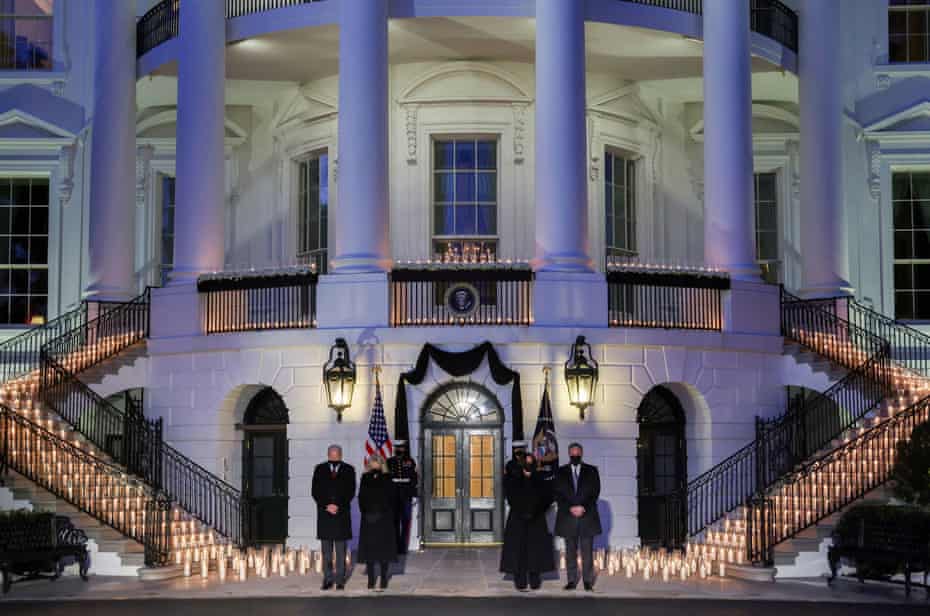
“As a nation, we can’t accept such a cruel fate,” the president said in a speech, which was followed by a moment of silence and candle lighting ceremony at the White House. “While we’ve been fighting this pandemic for so long, we have to resist becoming numb to the sorrow. We have to resist viewing each life as a statistic.”

After a devastating winter surge in cases, for the first time in months, the average number of daily new coronavirus cases in the US fell below 100,000 on 12 February. Even with the decrease in cases, the US is still experiencing 1,500 to 3,500 deaths a day and public health officials have warned recent progress could easily reverse.

Perhaps the biggest threat is the new variants of the virus, which appear to spread more quickly and easily. Scientists are working to understand how these variants could change the effectiveness of vaccines as the US attempts to ramp up the scale of its inoculation distribution.

About 13% of the US population, or 43 million people, have received their first dose of the vaccine, according to the Washington Post. Biden pledged this month to make 600m doses of the vaccine available by the end of July.

To avoid another spike in cases, the director of the Centers for Disease Control and Prevention (CDC), Rochelle Walensky, said mask-wearing guidelines must remain in place and people must continue to use physical distancing to stop the virus’s spread.

A year on from the first known Covid infections in the US, Joe Biden’s administration has made the health and economic response to the pandemic a White House priority, after Donald Trump spent most of 2020 minimizing and dismissing its grim toll.

In the first year of the pandemic, more people died from Covid-19 than those who die from respiratory diseases, guns and car crashes in the US in an average year.

Joe Biden, Jill Biden, Kamala Harris and Doug Emhoff attend a moment of silence and candle lighting ceremony at the White House.
Joe Biden, Jill Biden, Kamala Harris and Doug Emhoff attend a moment of silence and candle lighting ceremony at the White House. Photograph: Jonathan Ernst/Reuters

Earlier this month, a Lancet commission said the US could have averted 40% of the deaths from Covid-19, had the country’s death rates corresponded with the rates in other high-income G7 countries.

Trump’s administration reacted slowly at the start of the pandemic and then frequently sought to undermine the science around the virus, including spreading unfounded conspiracy theories and unverified treatments. Trump, who was eventually infected himself, especially inflamed racial tensions by blaming China and also flouting widely accepted practices, such as mask-wearing.

Dr Anthony Fauci, the nation’s top infectious disease expert, said political divisiveness – which helped transform mask wearing from a public health measure to a political statement – has contributed significantly to the “stunning” Covid death toll.

Meanwhile the emergence of more contagious variants of the coronavirus – especially those from South Africa and Brazil, which have been shown to reduce the immunity from natural infections and vaccines – have made it challenging to predict when the US will be able to put the pandemic behind it, Fauci told Reuters in an interview Monday.

Fauci and Biden have said the United States should return to something approaching pre-pandemic normal life around Christmas. But that could change, Fauci cautioned.

Covid-19 deaths, hospitalizations and cases have disproportionately affected Black, Latino and Indigenous people. American Indian or Alaska Native people have died at 2.4 times the rate of white people, Black people at 1.9 times the rate and Latino people at 2.3 times the rate, according to the CDC.

It’s been just over a year since the first known US death from Covid-19 on 6 February 2020, though the death wasn’t reported until April of that year. In early February 2020, the country’s first confirmed cases were detected in people returning from abroad, though it is now believed the virus had been spreading in the country for months before.

It was in Seattle in late February 2020 that the quick spread of the illness became evident to the US, as the virus swept through a long-term care facility, leading to the deaths of at least 46 people.

Local lockdowns were soon implemented in many parts of the country, and by early April, New York City had become the center of the global outbreak.

In October, scientists at the University of Washington warned the US death toll could reach half a million people by the end of February. The University’s Institute for Health Metrics and Evaluation now projects the death toll will be 616,000 by 1 June.

The scientists said the trajectory of the next four months will be determined by vaccine distribution, declining virus transmission in warmer months, new variants and individual adherence to mask-wearing and other public health guidelines.

Lois Beckett and agencies contributed reporting

==============================================

Italy ‘misled WHO on pandemic readiness’ weeks before Covid outbreak

Preparations not reviewed since 2006 but self-reporting in February 2020 claimed they were at highest level

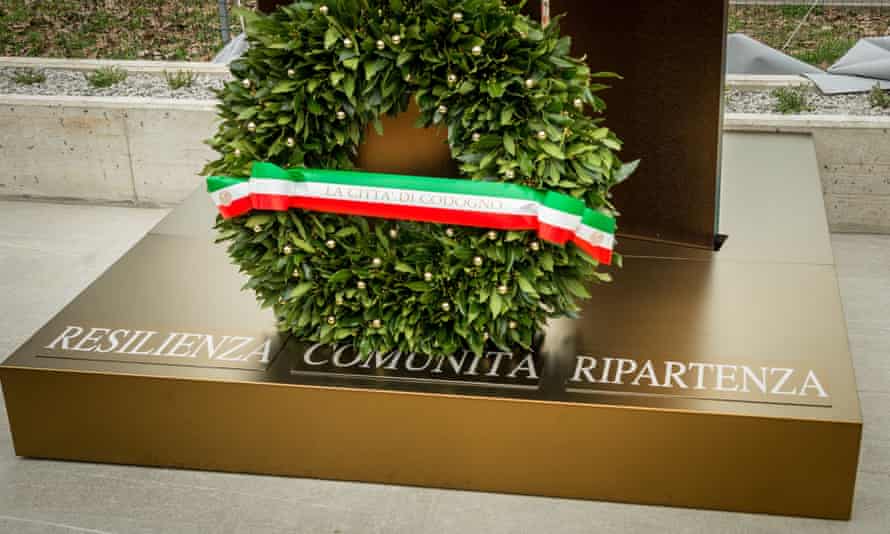
A memorial dedicated to the victims of the coronavirus pandemic in Codogno, Lombardy
A memorial dedicated to the victims of the coronavirus pandemic unveiled on 21 February in Codogno, Lombardy, one year after the first local transmission took place there. Photograph: Carlo Cozzoli/Rex/Shutterstock


Guardian (UK) Italy allegedly misled the World Health Organization (WHO) on its readiness to face a pandemic less than three weeks before the country’s first locally transmitted coronavirus case was confirmed.

Each year, countries bound by the International Health Regulations (IHR) – an international treaty to combat the global spread of disease – are required to file a self-assessment report to the WHO on the status of their preparedness for a health emergency.

Italy undertook its last self-assessment report on 4 February 2020. In section C8 of the report, seen by the Guardian, where countries have to evaluate their overall readiness to respond to a public health emergency, the author marks Italy in ‘level 5’, which is the highest status of preparedness.

The category states that a country’s “health sector emergency response coordination mechanism and incident management system linked with a national emergency operation centre have been tested and updated regularly”.

However, it emerged last year that Italy had not updated its national pandemic plan since 2006, a factor that may have contributed to at least 10,000 Covid-19 deaths during the first wave and which is a key element in an investigation into alleged errors by authorities being carried out by prosecutors in Bergamo, the Lombardy province that was severely affected in the pandemic’s early stage.

The self-assessment document has been given to the Bergamo prosecutors as additional evidence towards a civil lawsuit filed by the families of Covid-19 victims in December against leading politicians for alleged criminal negligence over their handling of the pandemic.

Italy’s first local coronavirus transmission was confirmed on 21 February in the Lombardy town of Codogno, and two days later an outbreak occurred in the hospital of the Bergamo town of Alzano Lombardo. But unlike Codogno, which was immediately quarantined along with nine other towns in Lombardy and one in Veneto, the Alzano Lombardo hospital was reopened a few hours after the outbreak while Bergamo province only went into lockdown with the entire Lombardy region two weeks later.

Bergamo prosecutors last year questioned Giuseppe Conte, who until earlier this month was prime minister; Roberto Speranza, the health minister; Luciana Lamorgese, the interior minister; and Attilio Fontana, president of the Lombardy region, as part of their investigations. They also questioned Giuseppe Ruocco, current general secretary for the health ministry and a general director of preventive health from 2012-2014, in January.

Conte, who was questioned by prosecutors last June, told the Guardian in an interview in October that, if summoned, he would be willing to be questioned again, but that he did everything he possibly could do manage a really difficult situation. Speranza, who was questioned last June and again in January, has not commented publicly on the investigation, neither have Lamorgese, Fontana or Ruocco.

Ruocco reportedly contradicted Italy’s self-assessment report of February 2020 by confirming to prosecutors that the pandemic plan was last drafted in 2006, despite the country being obliged to update the plan according to WHO guidelines in 2013 and 2018.

In an analysis of the self-assessment document compiled by Pier Paolo Lunelli, a retired army general, 60 out of 70 answers provided by Italy were judged to be “groundless”. Lunelli wrote in his analysis, which has been given to prosecutors, that the document “constitutes a castle of evidence which certifies the [level of] unpreparedness we approached the coronavirus emergency with”.

“We lied to the Italian citizens claiming we were ready,” added Lunelli. “Worse, we tried to deceive even the WHO, the EU and the ‘provident’ European countries, declaring to have capabilities which, in the light of the facts, we did not have.”

Italy, which was the first European country to be hit by the pandemic, had registered 95,992 coronavirus-related deaths as of Monday – the highest toll in Europe after the UK.

Consuelo Locati, the lawyer representing the families behind the civil lawsuit, said the self-assessment report could represent “resounding evidence of all the premises for false representation”.

Locati is preparing to write to Italy’s new prime minister, Mario Draghi, to ask for a compensation law for the relatives of coronavirus victims.

Locati claimed that not only was Italy’s pandemic plan severely outdated, but that it had never been tested to establish if it worked.

=========================================


Step by step: how England’s Covid lockdown will be lifted

Boris Johnson has set out a plan for reopening in four stages, with a minimum of five weeks between each

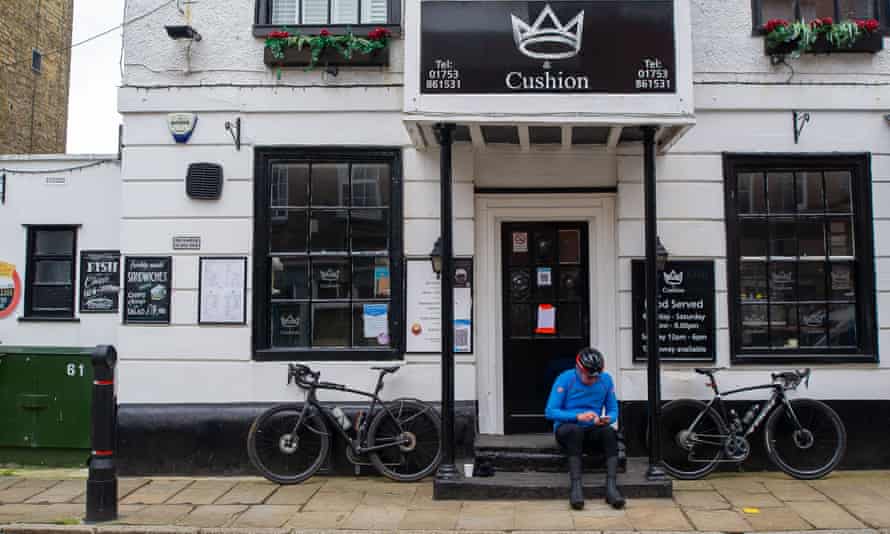
A man sits outside a closed pub in Eton, Berkshire
A man sits outside a closed pub in Eton, Berkshire. Most outdoor venues including pubs and restaurants will be allowed to open during step 2. Photograph: Maureen McLean/Rex/Shutterstock
Political correspondent


Boris Johnson has announced detailed plans for the unlocking of England amid the coronavirus vaccination programme. Here is the proposed timetable, in four stages, and other initiatives announced by Downing Street.

No 10 is stressing that after the first step the subsequent stages of reopening could be subject to delay and that the programme would be guided by “data rather than dates”.


There is a minimum of five weeks between each stage – four weeks to collect and assess data and then a week for people and businesses to prepare for the next step.

All the changes will be England-wide with no return to regional tiers. The only exception could be localised efforts if a new variant of the virus is detected, for example additional testing.

Step 1, part 1 – 8 March

  • All pupils and college students return fully, with before- and after-school clubs opened. For a period, secondary school pupils and older will wear masks in classes.
  • People can meet one other person outside for, say, a coffee or picnic, not just for exercise. Children will still count towards this.
  • Care home residents can receive one regular, named visitor.
  • The “stay at home” order will otherwise stay in place.

Step 1, part 2 – 29 March

  • Outdoor gatherings allowed of up to six people, or two households if this is larger, not just in parks but also gardens.
  • Outdoor sport for children and adults will be allowed including outdoor swimming pools.
  • The official stay at home order will end, but people will be encouraged to stay local – the definition of local will largely be left to people’s discretion.
  • People will still be asked to work from home where possible, with no overseas travel allowed beyond the current small number of exceptions.

Step 2 – no earlier than 12 April

  • Reopening of non-essential retail, hair and nail salons, and public buildings such as libraries.
  • Most outdoor venues open, including pubs and restaurants but only for outdoor tables and beer gardens. Customers will have to be seated but there will be no need to have a meal with alcohol.
  • Also reopening will be settings such as zoos and theme parks. However, social contact rules will apply here, so no indoor mixing between households and limits on outdoor mixing.
  • Indoor leisure facilities such as gyms and pools can also open but again people can only go alone or with their own household.
  • Reopening of holiday lets with no shared facilities, but only for one household.
  • Funerals can have up to 30 attendees, while weddings, receptions and wakes can have 15.
  • While it is not part of step 2, this is the earliest point after which the bulk of university students could know about the resumption of face-to-face classes. A review of this will take place at the end of the Easter holidays.

Step 3 – no earlier than 17 May

  • Most mixing rules lifted outdoors, with a limit of 30 people meeting in parks or gardens.
  • Indoor mixing will be allowed, up to six people or, if it is more people, two households.
  • Indoor venues such as the inside of pubs and restaurants, hotels and B&Bs, play centres, cinemas, museums and group exercise classes will reopen. The new indoor and outdoor mixing limits will remain for pubs and other hospitality venues.
  • This will be the earliest date at which international holidays could resume, subject to a review – see the list of reviews below.
  • For sport, indoor venues can have up to 1,000 spectators or half capacity, whichever is lower; outdoors the limit will be 4,000 people or half capacity, whichever is lower. Very large outdoor seated venues, such as big football stadiums, where crowds can be spread out, will have a limit of 10,000 people, or a quarter full, whichever is fewer.
  • Weddings will be allowed a limit of 30 people, with other events such as christenings and barmitzvahs also permitted.

Step 4 – no earlier than 21 June

  • All legal limits removed on mixing will be removed and the last sectors to remain closed, such as nightclubs, will reopen. Large events can take place.
  • There are likely to be changes to wider social distancing measures but this will be decided in a separate review – also see below.

Four reviews taking place within the unlocking process

  • On whether “Covid status certificates” – ie vaccine or test passports – could be used to help reopen the economy and/or reduce restrictions on contact. This will be set out ahead of step 4. Officials say it is not a foregone conclusion that these will be used.
  • An “events research programme”, with pilots to test the effects of larger crowds and/or reduced social distancing. This will start in April.
  • A Department for Transport review into how to allow more inbound and outbound travel as soon as possible, given worries over new variants of Covid. It will report on 12 April, but international travel will not resume before 17 May at the earliest.
  • A review of social distancing, for example the 1 metre-plus rule, and on masks and working from home. This will conclude before step 4.

Commons scrutiny and votes

  • For most of the rules the government will lay a statutory instrument, a form of legislation, before 8 March and it will be debated and voted on before the Easter recess.
  • Before this there will be a much more limited measure to allow one-to-one outdoor meetings and the reopening of venues such as after-school clubs.

The post COVID Latest: US-More than 500,000 Dead in Year, Worse to Come- UK Opening Times appeared first on The St Kitts Nevis Observer.
Tasmanian tiger expert dismisses claims the species has re-appeared

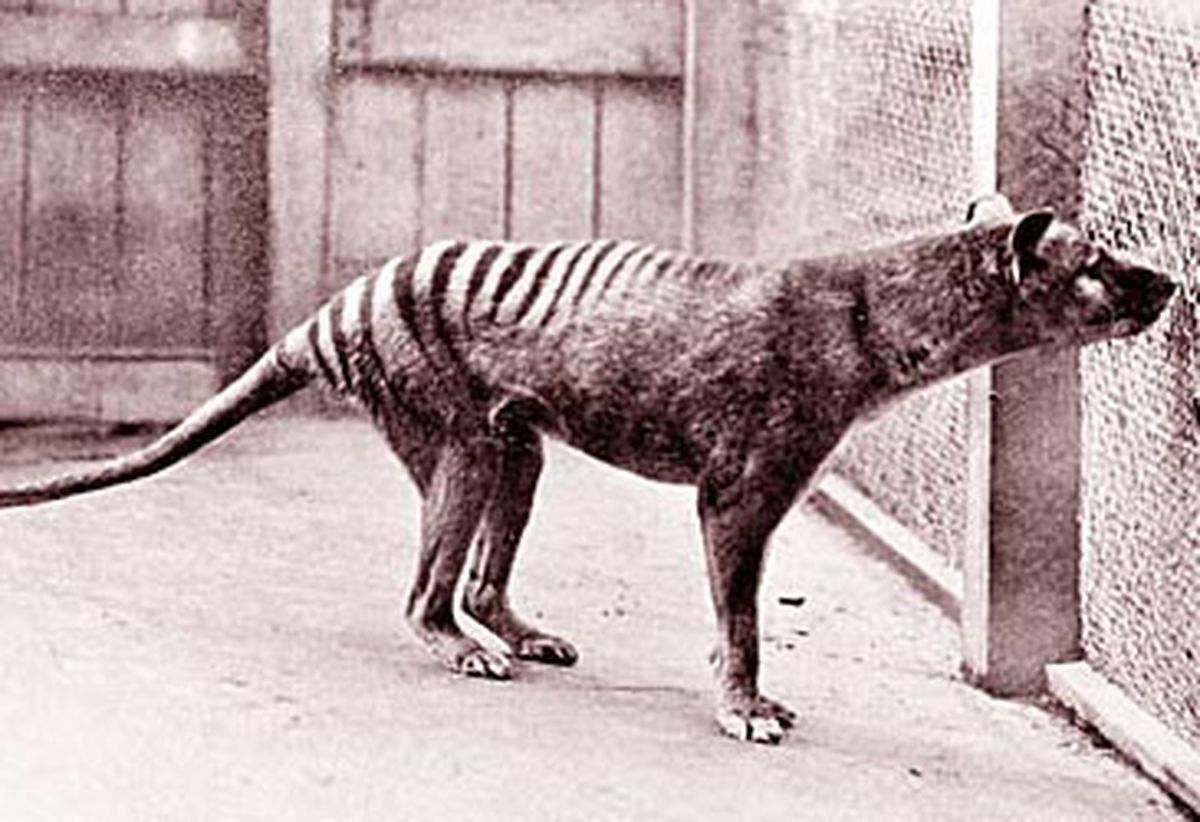
A Tasmanian tiger expert has dismissed claims the extinct thylacine has been re-discovered in Tasmania's north-east.

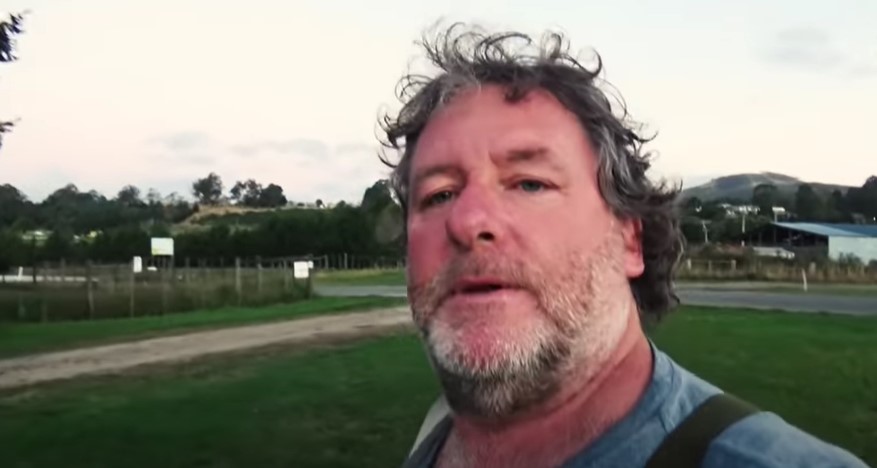
In a video posted online by Thylacine Awareness Group of Australia, president Neil Waters said he believed he had potentially captured new photos of a family of thylacines from a camera trap.

"When I was checking the SD cards, I found some photos that were pretty damn good," Mr Waters said.

READ MORE: How cruise companies plan to return in a COVID-safe way

"I know what they are. And so do a few independent expert witnesses, expert canine judges, feline judges, and a vet."

READ MORE: 'Large gull' swoops off with man's tongue bitten off in street fight

Mr Waters said he believed the photos depicted a family of Tasmanian tigers.

He contacted the Tasmanian Museum and Art Gallery's honorary curator of vertebrate zoology Nick Mooney for verification.

However, Mr Mooney said the animals were likely to be a different species altogether.

READ MORE: Forty beached whales refloated in New Zealand

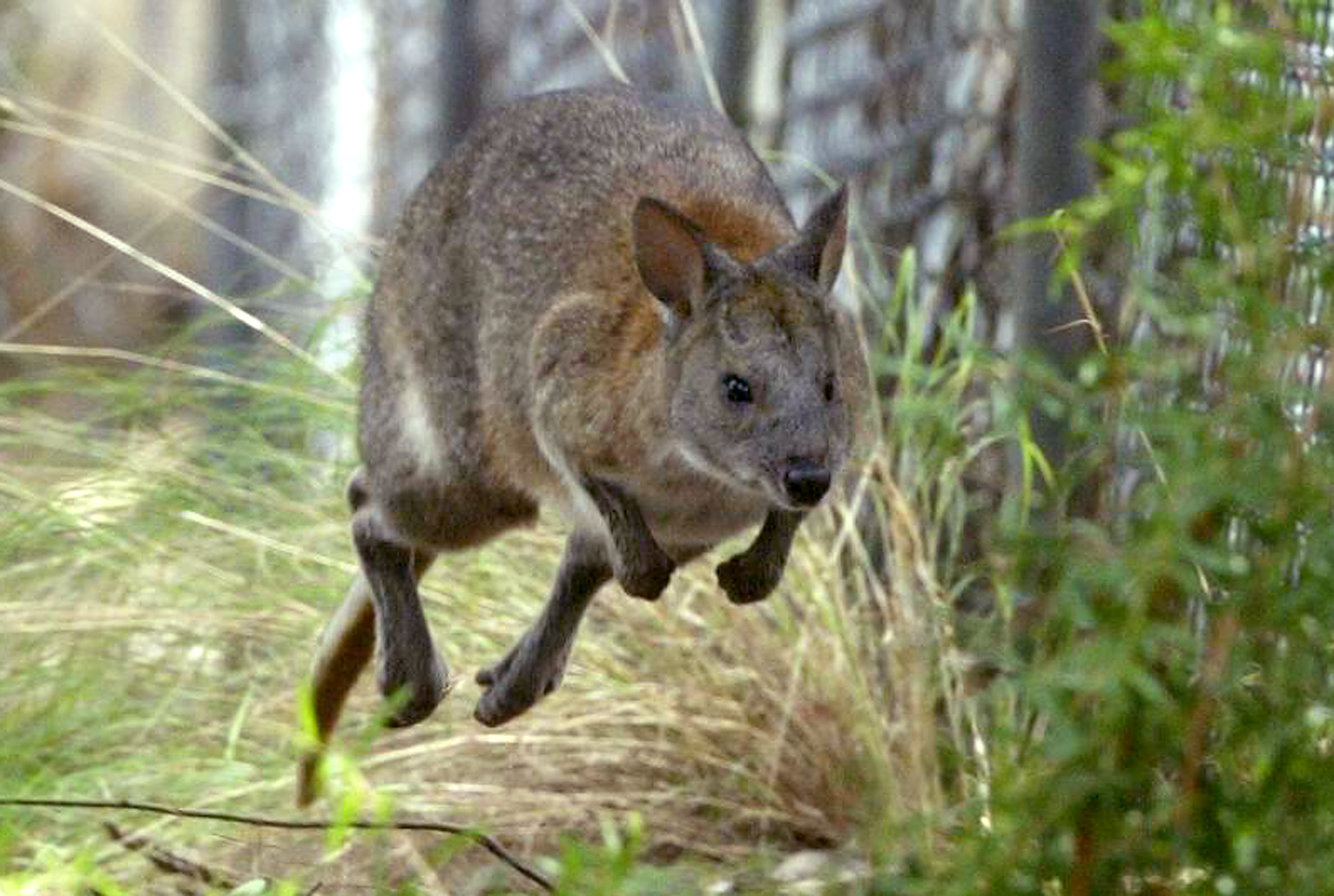
"Nick Mooney has concluded, that based on the physical characteristics shown in the photos provided by Mr Waters, the animals are very unlikely to be thylacines, and are most likely Tasmanian pademelons," a museum spokesman said in a statement.

9News App

"TMAG regularly receives requests for verification from members of the public who hope that the thylacine is still with us.

"However, sadly, there have been no confirmed sightings documented of the thylacine since 1936."

Pademelons can grow to 1.2m in length and weigh about 7kg.