All posts by FreeNews

New UK Corona Variant Could be More Deadly

The new UK coronavirus variant may be 30% more deadly, Boris Johnson said on Friday as he warned of stricter travel curbs and continued lockdown measures while the infection rate remains “forbiddingly high”.

In findings that dampened hopes of the increasingly prevalent B117 variant becoming less lethal over time, researchers on the government’s New and Emerging Respiratory Virus Threats Advisory Group (Nervtag) concluded that it may increase the death rate by 30%-40%.

Scientists urged tighter controls, and one said the news could take the country “back to square one”. It is also likely to increase the concerns of EU leaders, who were already considering strengthening border measures against the “British mutation”.

Addressing a Downing Street press conference on Friday, the prime minister struck an extremely cautious note when asked about the prospects of any imminent return to normal life, despite the rapid pace of the vaccine programme. One in 10 adults in England had been vaccinated, he said.

Scientists say signs a new coronavirus variant is more deadly than the earlier version should not be a “game changer” in the UK’s response to the pandemic.

Boris Johnson has said there is “some evidence” the variant may be associated with “a higher degree of mortality”.

But the co-author of the study the PM was referring to said the variant’s deadliness remained an “open question”.

Another adviser said he was surprised Mr Johnson had shared the findings when the data was “not particularly strong”.

A third top medic said it was “too early” to be “absolutely clear”.

At a Downing Street coronavirus news conference on Friday, the prime minister said: “In addition to spreading more quickly, it also now appears that there is some evidence that the new variant – the variant that was first identified in London and the South East – may be associated with a higher degree of mortality.”

Speaking alongside the PM, the government’s chief scientific adviser Sir Patrick Vallance said there was “a lot of uncertainty around these numbers” but that early evidence suggested the variant could be about 30% more deadly.

For example, Sir Patrick said if 1,000 men in their 60s were infe

“Currently, the rate of infection is forbiddingly high, and I think we have to be realistic about that,” he said. “I think we will have to live with coronavirus in one way or another for a long while to come. I think it is an open question as to when and in what way we can start to relax any of the measures. Obviously, we want to do everything we can to open up but only safely, only cautiously.”

Johnson hailed the speed of vaccine delivery, with 5.4m doses administered, putting the government on course for the 15 February deadline it set for immunising the first four priority groups. But he urged the public to continue to comply with restrictions.

The government’s chief scientific adviser, Patrick Vallance, shared early evidence about the UK variant, which first emerged in south-east England in September and has become prevalent across the UK. It was a key factor in the cancellation of most Christmas socialising, and has led to travel bans around the world.

Explaining the scale of the difference, he said for every 1,000 60-year-olds infected with the new strain, perhaps 13 or 14 might be expected to die, compared with 10 in 1,000 for the original strain.

The variant is also believed to be 30%-70% more transmissible. “There is no preferential age, it can affect anybody at any age, similarly to the original variant, the original virus,” Vallance said.

Dr David Strain, a senior clinical lecturer at the University of Exeter Medical School, said the possibility that the new UK variant was not only more contagious but also more deadly than previous variants was worrying.

“The key fact here is that all of the good work that’s been done with [the drug] dexamethasone and is being done with better treatment strategies has reduced the mortality in the UK by about a third. [If the new mortality figure is correct that] has now been lost and we are back to square one,” he said.

Gabriel Scally, visiting professor of public health at the University of Bristol, said: “We can’t go on having these variants coming at us like this, so we do need to do something stop them.”

The briefing heard there was good evidence of vaccines continuing to work against the variant.

But there were worrying early findings in relation to other variants identified in South Africa and Brazil. Vallance said they may have certain features making them less susceptible to vaccines, though there was no evidence they were more transmissible.

Earlier, footage emerged showing Matt Hancock, the health secretary, saying there was “evidence in the public domain” that the South African variant reduces vaccine efficacy “by about 50%”.

In a recording of an online webinar with travel agents this week, seen by MailOnline, Hancock said: “There is evidence in the public domain, although we are not sure of this data so I wouldn’t say this in public, but that the South African variant reduces by about 50% the vaccine efficacy.

“We’ve got some of the South African variant in Porton Down, and we’re testing it. We’ve got a clinical trial in South Africa to check that the AstraZeneca vaccine works. Nevertheless, if we vaccinated the population, and then you got in a new variant that evaded the vaccine, then we’d be back to square one.”

The news deepened a mood of pessimism in Downing Street about when lockdown restrictions could be lifted. Official figures released on Friday suggested infection rates were declining – but only very slowly.

The Office for National Statistics survey, based on swabs from randomly selected households, found that between 3 and 16 January, 1.9% of people in the community in England, or one in 55 people, had Covid – down from about one in 50 between 27 December and 2 January.

A further 40,261 people tested positive for the virus on Friday, and 1,401 deaths were reported. The weekly death figure, of 8,686, was up 16.4% on the previous seven days.

Chris Whitty, the chief medical officer for England, said there appeared to have been “a turning of the corner” in terms of infections but that cases were coming down from “an exceptionally high level”

“Overall, the number of infections is broadly going down, but it’s at a very very high level, and it’s extremely precarious,” said Whitty. “A very small change and it could start taking off again from an extremely high base.”

Vallance said: “The death rate’s awful, and it’s going to stay high for a little while before it starts coming down.”

Ministers are steeling themselves to tighten border measures in order to protect the hard-won gains of the vaccine programme, with some in government warning that tough controls could be in place for months.

Asked about tighter curbs, which ministers are expected to discuss on Monday, Johnson said: “We may need to go further to protect our borders.”

The government is preparing to launch a hard-hitting new advertising campaign featuring footage of severely ill Covid patients and exhausted medical staff, exhorting the public to stick to lockdown rules. The ads, which will run across TV, radio and social media, will carry the message: “Can you look them in the eyes and tell them you’re helping by staying at home?”

The post New UK Corona Variant Could be More Deadly appeared first on The St Kitts Nevis Observer.
US: Biden’s Trump Rollback Continues in His 2nd Week

Joe Biden will spend the second week of his presidency in much the same way he spent his first: signing a slew of executive actions intended to roll back certain Trump administration policies while implementing his own.

Biden this week will focus on immigration, health care, climate and other areas, with each day following a designated theme. Here are the items Biden is expected to take action on, according to a memo obtained by The Hill.

Biden is expected to sign an executive order that directs agencies to strengthen requirements so that they acquire goods and services from American businesses and workers.

During the campaign, Biden pledged to make a $400 billion investment during his first term in federal purchases of products made by American workers.

He additionally pledged to tighten loopholes and waivers that allowed federal agencies to buy products produced overseas, and to crack down on false advertising surrounding products that claimed to be made in the United States.

Former President Trump signed a buy-American-and-hire-American executive order during his first months in office, which aimed to boost domestic wages while restricting the flow of certain visa-holders.

Tuesday: ‘Equity’ day

Tuesday will see Biden sign a broad range of executive orders related to racial equity.

The president is likely to establish a policing commission and reinstate Obama-era rules on the transfer of military-style equipment to local law enforcement. He is also expected to sign an executive order directing the Department of Justice to improve prison conditions and begin to eliminate the use of private prisons.

Other executive actions lined up for Tuesday include a memorandum directing agencies to strengthen engagement with Native American tribes, a memo ordering the Department of Housing and Urban Development to promote equality in housing, and an order disavowing discrimination against the Asian American and Pacific Islander community.

The latter issue came to the forefront early in the coronavirus pandemic, when Asian Americans said they were harassed because the virus originated in China.

Some of the executive actions Biden is likely to take Tuesday are still being finalized and could include additional measures around immigration and reversing a ban on transgender troops serving in the military.

A memo previewing Biden’s expected actions for his first weeks in office also included tentative actions on voting rights and sentencing actions at the Department of Justice.

Wednesday: ‘Climate’ day

Biden will announce Wednesday plans for a U.S.-hosted leadership summit to take place on Earth Day as one of multiple actions aimed at addressing the climate crisis.

A memo outlining looming orders also signals Biden will sign an executive order that initiates a series of regulatory actions to “combat climate change domestically and elevates climate change as a national security priority,” though it does not offer additional specifics.

The omnibus order will also reestablish the Presidential Council of Advisors on Science and Technology, as well as a memorandum urging agencies to make decisions based on available science and evidence.

Biden on his first day in office recommitted the United States to the Paris Climate Agreement and signed an executive order revoking a key permit for the Keystone XL pipeline and halting oil and gas leasing at a wildlife refuge in Alaska.

Thursday: ‘Health Care’ day

Biden on Thursday will take the highly anticipated action among pro-choice advocates of rescinding the so-called Mexico City policy, which bans the use of U.S. funding for foreign organizations that provide or promote abortions. 

The policy, described as a “global gag rule” by reproductive health advocates, was first instated by then-President Reagan, and has been repeatedly rescinded by Democratic presidents and reinstated by Republican presidents in the years since.

Biden will also order a review of the Trump administration’s controversial changes to the Title X family planning program, which required family planning providers participating in the program to stop providing or promoting abortions to remain eligible for funding. 

The president is also slated to sign an executive order aimed at strengthening Medicaid and initiating an open enrollment period under the Affordable Care Act.

Trump frequently bragged about gutting the Affordable Care Act by rescinding the individual mandate, though Republicans were unable to fully repeal the law as promised.

Friday: ‘Immigration’ day

Biden will build on some of the immigration-related actions he took on his first day in office with a few additional executive orders to be signed on Friday.

The president, according to the memo obtained by The Hill, is likely to sign an order related to regional migration and border processing that will rescind Trump administration policies around the asylum system and direct the creation of strategies to address root causes of migration from Central America.

Biden will also sign an order establishing a task force to reunify migrant families separated during the Trump administration. Biden himself faced criticism during the Democratic primaries for the Obama administration’s deportation policies, but the Trump administration implemented an official zero tolerance policy that led to the separation of thousands of migrant families.

The president will also sign an order directing an immediate review of the public charge rule “and other actions to remove barriers and restore trust in the legal immigration system, including improving the naturalization process.”

A fourth order, establishing principles to guide the implementation of the Refugee Admission Program, is tentatively on the schedule for Friday but could be scrapped or changed, according to the memo.

The post US: Biden’s Trump Rollback Continues in His 2nd Week appeared first on The St Kitts Nevis Observer.

Australian of the Year's powerful speech

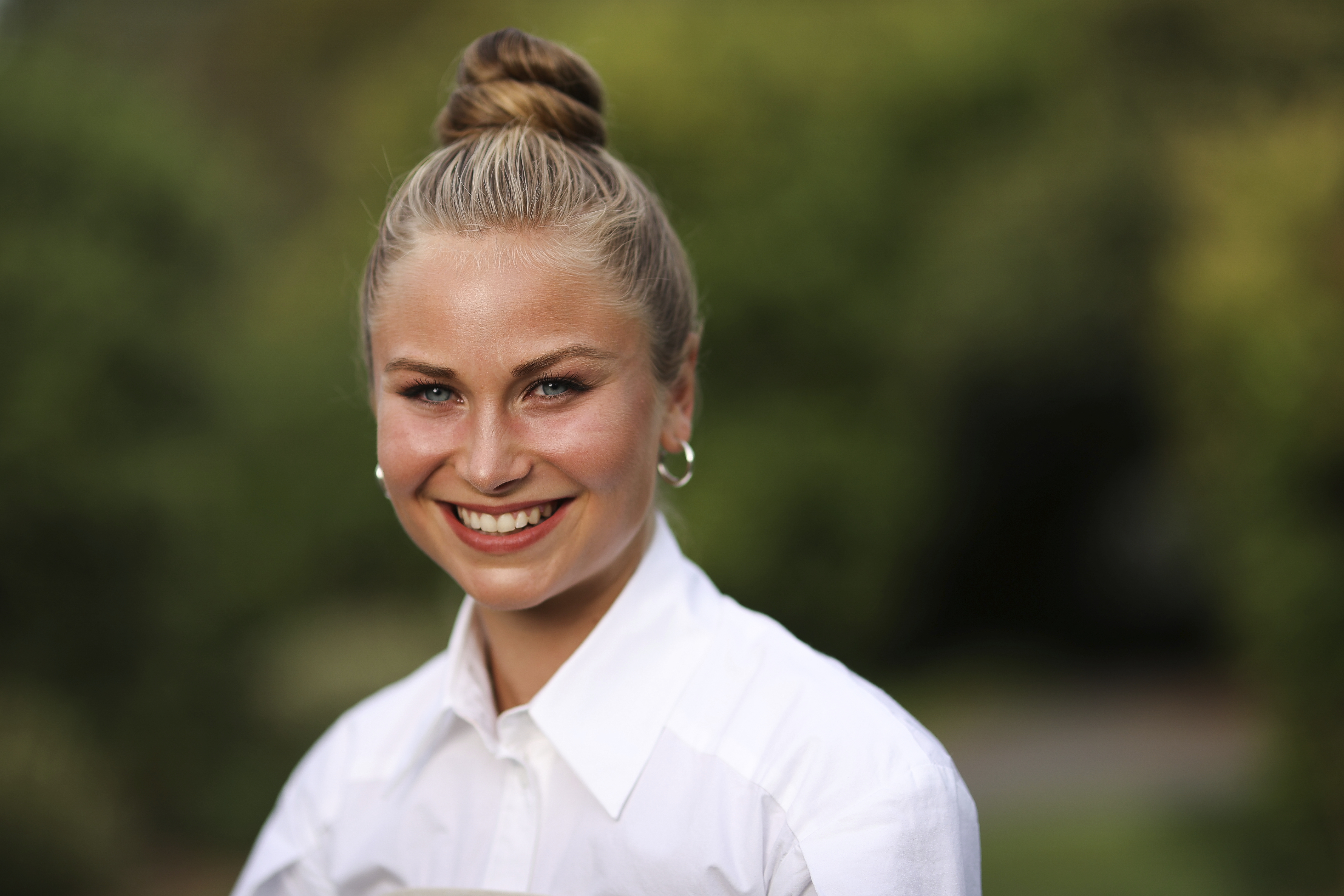
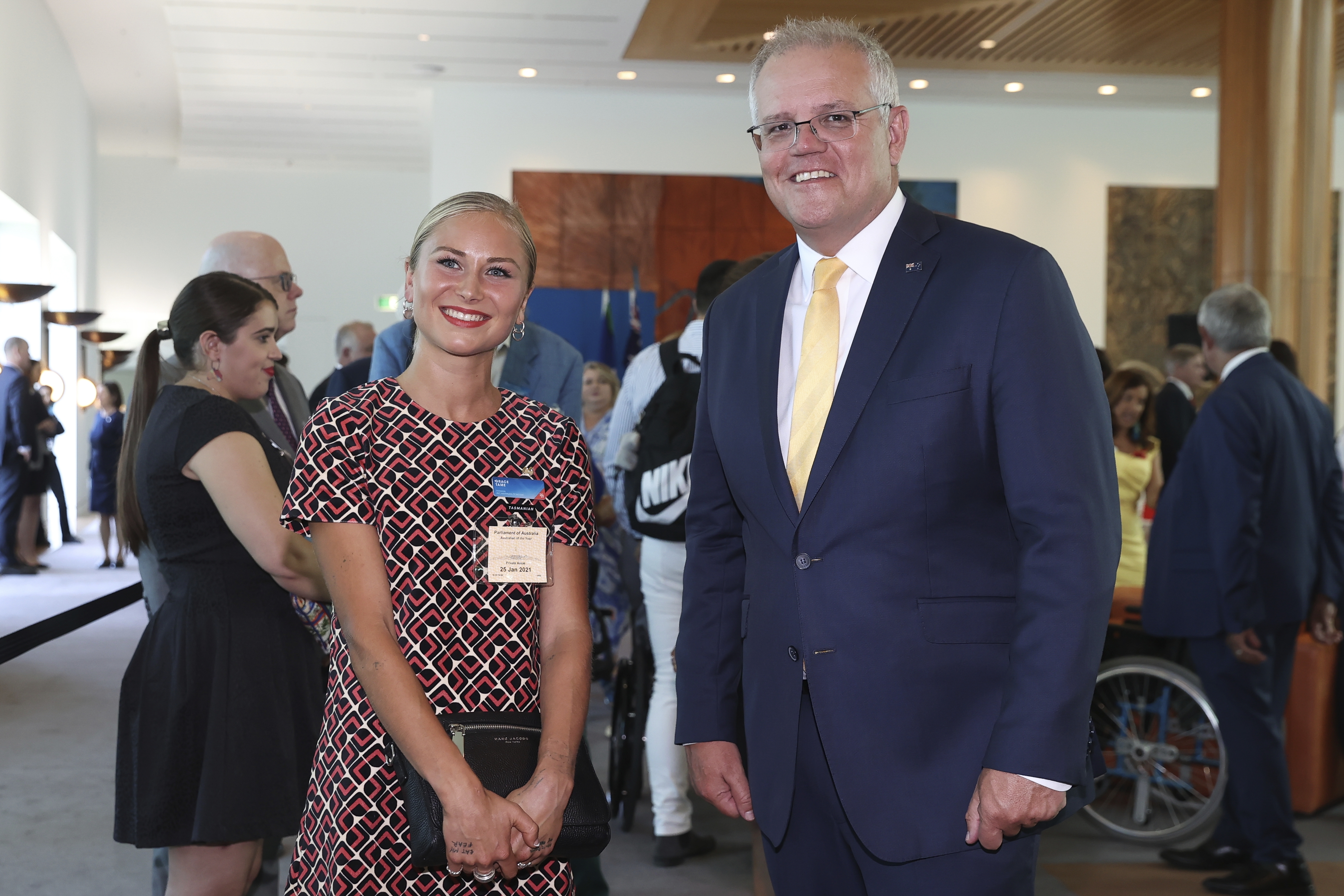
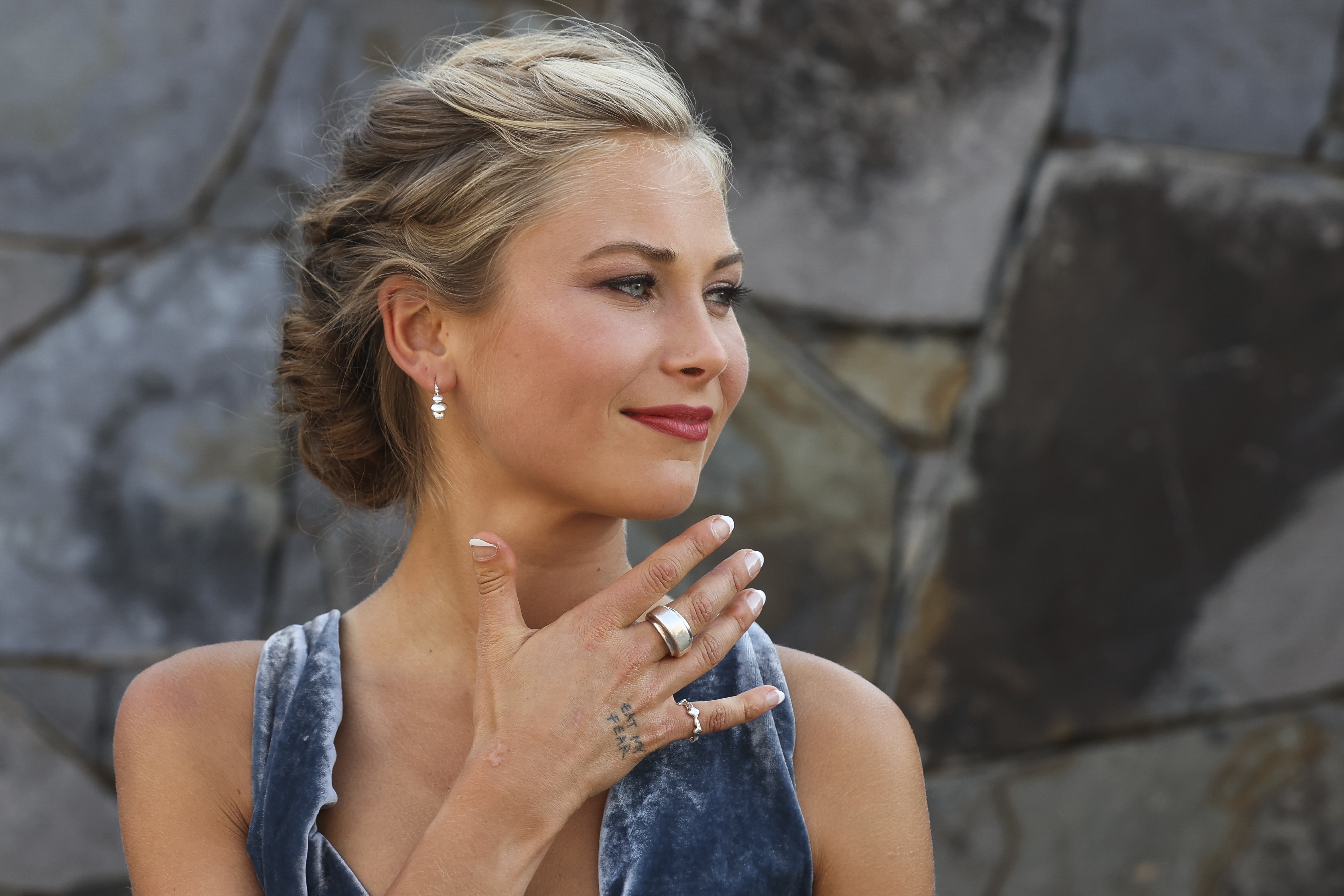
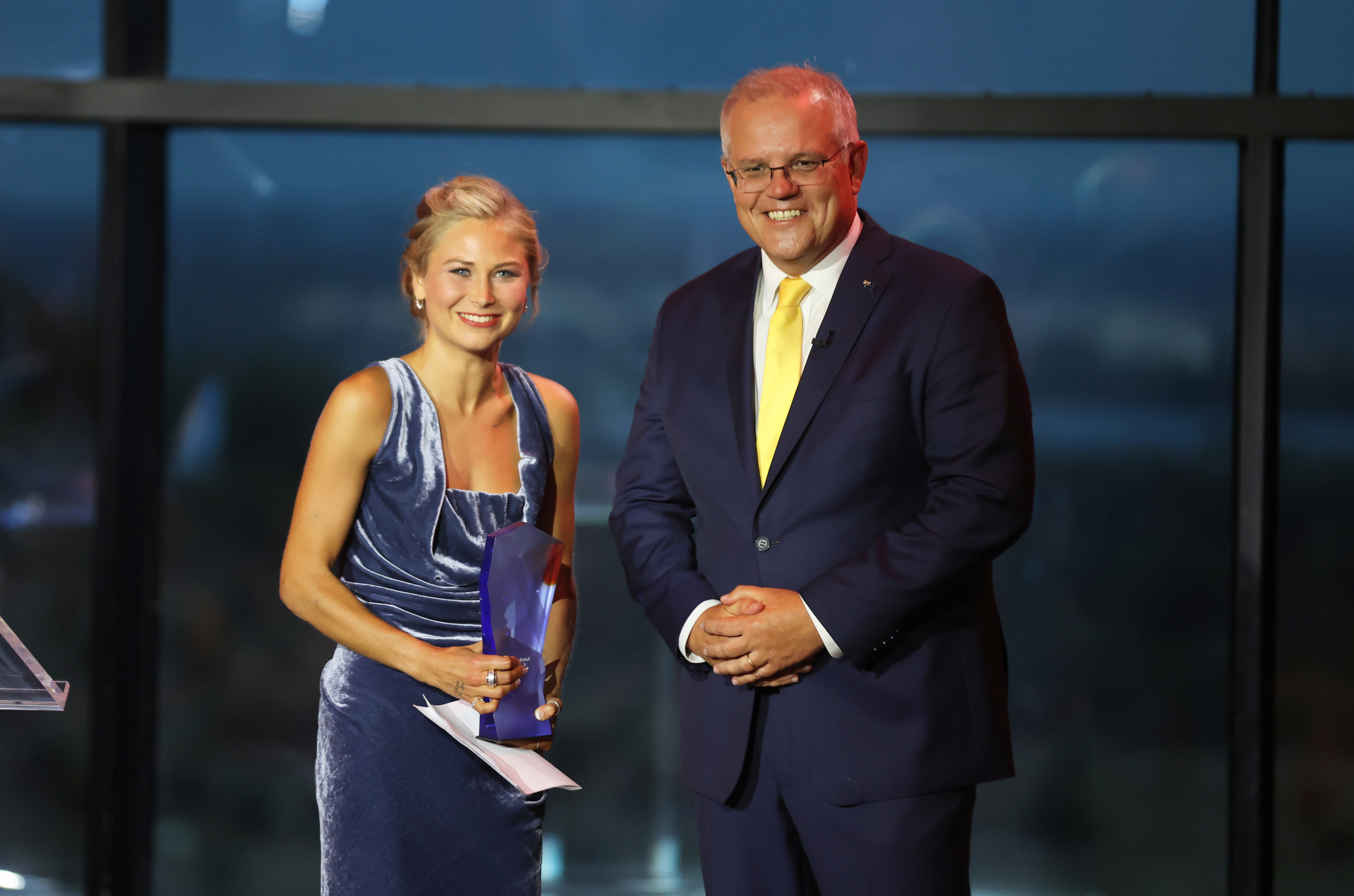
Grace Tame, a sexual assault survivor who campaigned against Tasmania's gag laws, gave a powerful speech after being announced as the 2021 Australian of the Year.

"I lost my virginity to a paedophile. I was 15. Anorexic. He was 58," Ms Tame said to start her speech.

She spoke of being groomed and raped by her 58-year-old maths teacher Nicolaas Bester when she was in Year 10 at the exclusive all-girl St Michael's Collegiate School in Hobart.

READ MORE: Grace Tame, who took on the law over rape silencing, named Australian of the Year

She was unable to legally speak out about her experience, despite Bester being able to.

Now, Ms Tame is using her voice to make a difference for others – and encouraging all Australians to do the same.

Read the full speech below:

I lost my virginity to a paedophile. I was 15. Anorexic. He was 58.

He was my teacher. For months he groomed me and then abused me almost every day – before school, after school, in my uniform, on the floor. I didn't know who I was.

Publicly, he described his crimes as "awesome" and "enviable". Publicly, I was silenced by law.

Not anymore. Australia, we've come a long way but there's still more work to do in a lot of areas. Child sexual abuse and cultures that enable it still exist.

Grooming and its lasting impacts are not widely understood. Predators manipulate all of us – family, friends, colleagues, strangers, in every class, culture and community. They thrive when we fight amongst ourselves and weaponise all our vulnerabilities. Trauma does not discriminate. Nor does it end when the abuse itself does.

First Nations people, people with disabilities, the LGBTQI community and other marginalised groups face greater barriers to justice.

Every voice matters. Solutions are borne of all of us.

I was abused by a male teacher but one of the first people I told was also a male teacher, and he believed me.

This year and beyond, my focus is on empowering survivors and education as a primary means of prevention. It starts with conversation. We're all welcome at this table.

Communication breeds understanding and understanding is the foundation of progress. Lived experience informs structural and social change.

When we share, we heal.

Yes, discussion of child sexual abuse is uncomfortable but nothing is more uncomfortable than the abuse itself.

So, let us redirect this discomfort to where it belongs – at the feet of perpetrators of these crimes.

Together, we can redefine what it means to be a survivor.

Together, we can end child sexual abuse. Survivors, be proud, our voices are changing history.

Eleven years ago, I was in hospital, anorexic with atrophied muscles, I struggled to walk.

Last year I ran a marathon. We do transform as individuals and as a community.

When I was first reported I was shamed and ridiculed by shame.

But now my truth is helping to reconnect us. I know who I am – I'm a survivor, a proud, Tasmanian.

I remember him towering over me, blocking the door. I remember him saying, "Don't tell anybody."

I remember him saying, "Don't make a sound."

Well, hear me now, using my voice, amongst a growing chorus of voices that will not be silenced!

Let's make some noise, Australia!

Contact 1800 RESPECT, the national sexual assault and domestic family violence counselling service on 1800 737 732, or visit them online here (private browsing recommended). If you are in immediate danger, call Triple Zero.

'A growing chorus of voices that will not be silenced'

A sexual assault survivor who campaigned for the right to speak about her traumatic experience has been named the 2021 Australian of the Year.

Hobart woman Grace Tame, 26, was groomed and raped by her 58-year-old maths teacher Nicolaas Bester when she was in Year 10 at the exclusive all-girl St Michael's Collegiate School in Hobart.

Bester served 18 months in jail after pleading guilty to maintaining a relationship with a young person and possession of child exploitation material.

READ MORE: 'Alicia' wants to speak about her horror ordeal – but can't

However, under Tasmania's sexual assault victim gag laws, Ms Tame was unable to legally speak out about her experience, despite Bester being able to.

Ms Tame ultimately applied to the Supreme Court for the right to publicly self-identify as a rape survivor and won.

Her case is one of those that has prompted the Tasmanian government to reconsider the gag law, for which it is now taking community submissions.

Ms Tame has continued to use her media profile to advocate for other vulnerable groups in the community.

Ms Tame said in her acceptance speech she was focused on empowering survivors and using education to prevent child sex abuse.

"I lost my virginity to a paedophile. I was 15," she said.

"I remember him towering over me, blocking the door. I remember him saying 'Don't tell anybody'. I remember him saying 'Don't make a sound'.

"Well hear me now, using my voice, amongst a growing chorus of voices that will not be silenced! Let's make some noise, Australia!"

The first Tasmanian to be named Australian of the Year, Ms Tame was also part of an all-woman line-up of honourees at the National Arboretum in Canberra this evening.

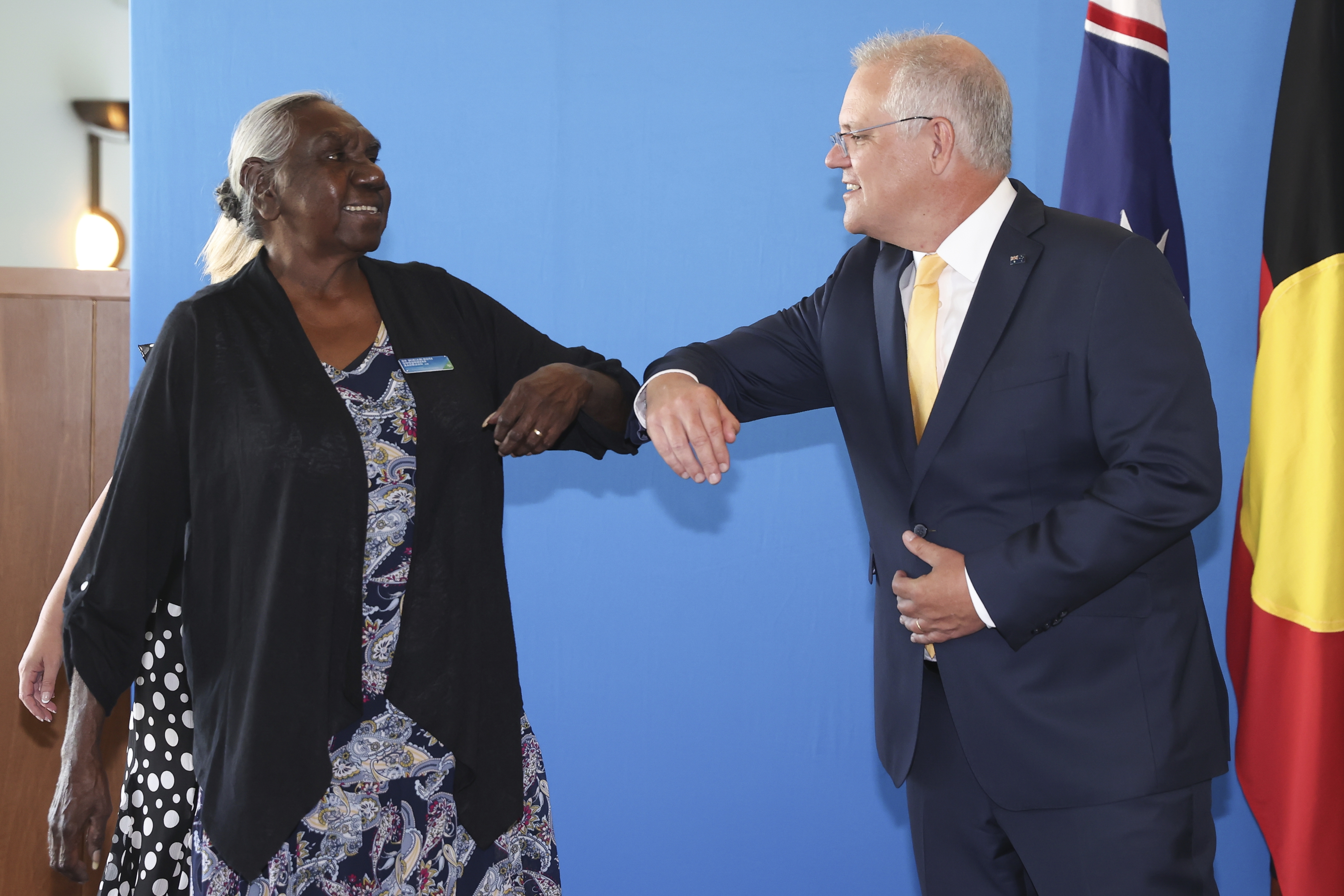
Dr Miriam-Rose Ungumerr Baumann (AM) of Daly River in the Northern Territory was named Senior Australian of the Year.

Dr Baumann, 73, is an Aboriginal activist, educator and artist who in 1975 became the NT's first fully qualified Aboriginal teacher.

She campaigned for years for visual art to become part of every child's education, and has served on the National Indigenous Council.

In 2013, she established the Miriam Rose Foundation, which drives grassroots reconciliation. to bridge the divide between Aboriginal culture and the rest of Australia.

"We have lived in this great country for many thousands of years and 200 years ago we began to interact with whitefellas," Dr Baumann said.

"And now, Australia has become multicultural. Since then we have adapted to a new way of living. We learnt to speak your English fluently. For years, we have walked on a one-way street to learn the white people's way.

"I've learnt to walk in two worlds and live in towns and cities, and even worked in them. Now is the time for you to come closer to understand us and how – and to understand how we live, and listen to what needs are in our communities.

"When you come to visit or work in our communities and leave your comfort zones, I ask that you bring your knowledge and wisdom, but we ask you also to learn and understand how we live and function in our communities, and listen to what our needs are."

She received a huge round of applause as she left the stage.

The Young Australian of the Year was tonight revealed to be 22-year-old social entrepreneur Isobel Marshall.

The Adelaide woman was just 18 when she co-founded women's organisation TABOO with school friend Eloise Hall.

The pair crowdfunded $56,000 to launch their range of hygiene products in August 2019, selling organic cotton pads and tampons to Australian buyers, with all profits going to One Girls, a charity that provides education programs for girls and women in Sierra Leone and Uganda.

"Menstrual products should be accessible, affordable, not a luxury or a choice," Ms Hall said in her speech tonight.

"But the reality is one in every 10 girls around the world can't afford menstrual products and culture stigma forces women and girls to isolate the days they bleed."

Ms Marshall called on all Australians to join the cause.

"Firstly, let's change the conversation around menstruation. Those on your period, expect respect in place of shame and be proud of what your body can do," she said.

"Families and teachers, invest in creating an environment that understands the importance and the strength of the menstrual cycle, and don't shy away from the conversation. And, of course, let's all commit to fighting period poverty around the world."

TABOO also provides free hygiene products to Vinnies Women's Crisis Centre, for women in need of emergency accommodation in South Australia.

Amid all this, Ms Marshall is also a full-time student at the University of Adelaide, where she is studying medicine and surgery.

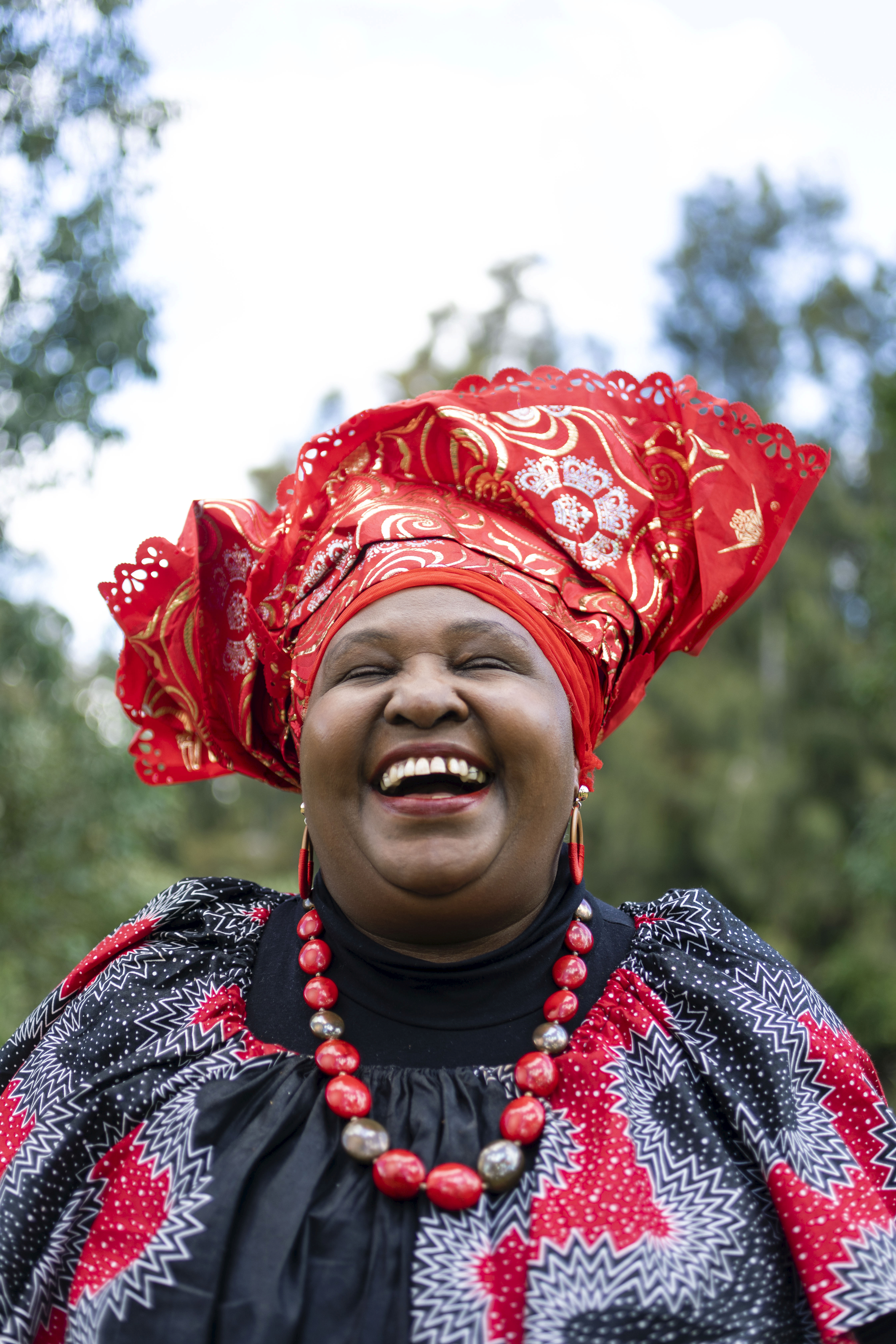
Rounding out the top honours, migrant and refugee advocate Rosemary Kariuki was named Australia's Local Hero.

The 60-year-old – the subject of 2020 documentary Rosemary's Way – arrived in Australia from Kenya in 1999, fleeing family abuse and tribal clashes.

Her early lonely years in Australia made her realise how isolated migrant and refugee women could be – with many unused to going out alone, having no transport, and struggling to speak English.

"It took me a while to feel like this country is home," she said in her acceptance speech.

Ms Kariuki encourages women to become involved with the community, creating with the African Women's Group the annual African Women's Dinner Dance, which attracts a crowd of hundreds.

She also ran the African Village Market, which helped migrants and refugees start their own business.

Currently she is the multicultural community liaison officer for the Parramatta Local Area Command, specialising in helping migrants who are facing domestic violence, language barriers and financial distress.

She urged people to embrace Australia's multiculturalism.

"Together we can make this wonderful country that I call home even greater," she said.

"So let us share what we know and give each a helping hand. Let us embrace our multicultural nation, more building on it and looking for the opportunities and positives.

"I would like to encourage every one of you to meet someone new from a different background this coming week and see what doors open to you."

National Australia Day Council chairperson Danielle Roche (OAM) congratulated the recipients.

"Grace, Miriam-Rose, Isobel and Rosemary are all committed to changing attitudes in our society and changing lives," Ms Roche said.

"They are strong, determined women who are dedicated to breaking down barriers and advocating for people's rights – particularly the rights of women and children."

Nominations for the 2022 Australian of the Year are now open. If there's someone you think should be considered, you can nominate them now at australianoftheyear.org.au.

Contact 1800 RESPECT, the national sexual assault and domestic and family violence counselling service on 1800 737 732, or visit them online here (private browsing recommended). If you are in immediate danger, call Triple Zero.

Organisers of Invasion Day rally say it will go ahead despite threat of fines

Australia Day remains one of the most divisive dates on the calendar.

Each year protests are held across the country and this year will be no different, despite coronavirus restrictions.

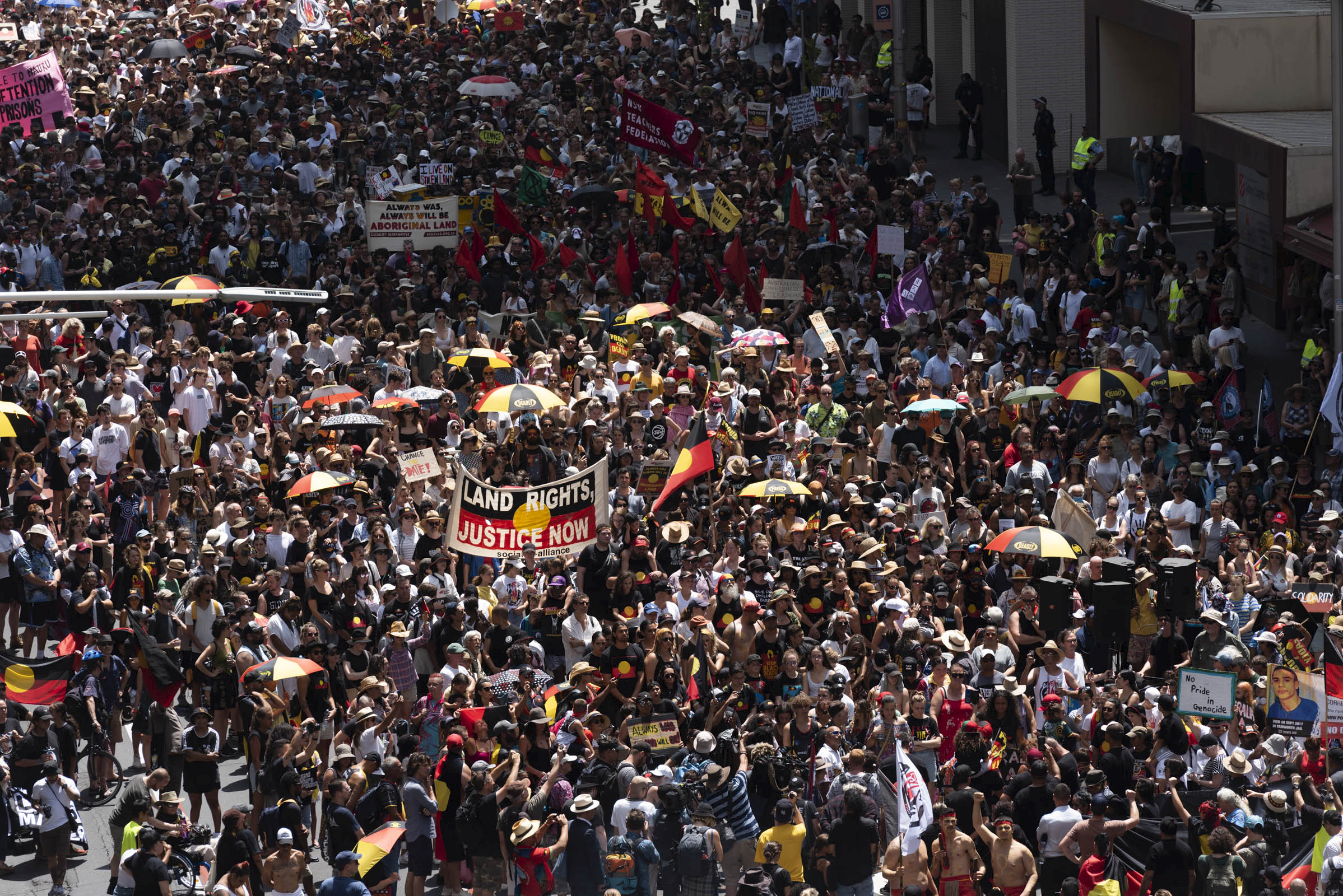
The largest of these marches is planned for Sydney tomorrow with the Invasion Day rally expected to draw hundreds of people to the city.

READ MORE: Australia Day in Sydney: What can you do?


A boat flying the Aboriginal under the Sydney Harbour Bridge on January 26, 2020.https://www.facebook.com/scottmarshart/posts/3568657556564474

Despite warnings from police and threats of fines, the organisers of the Invasion Day rally say it will still go ahead.

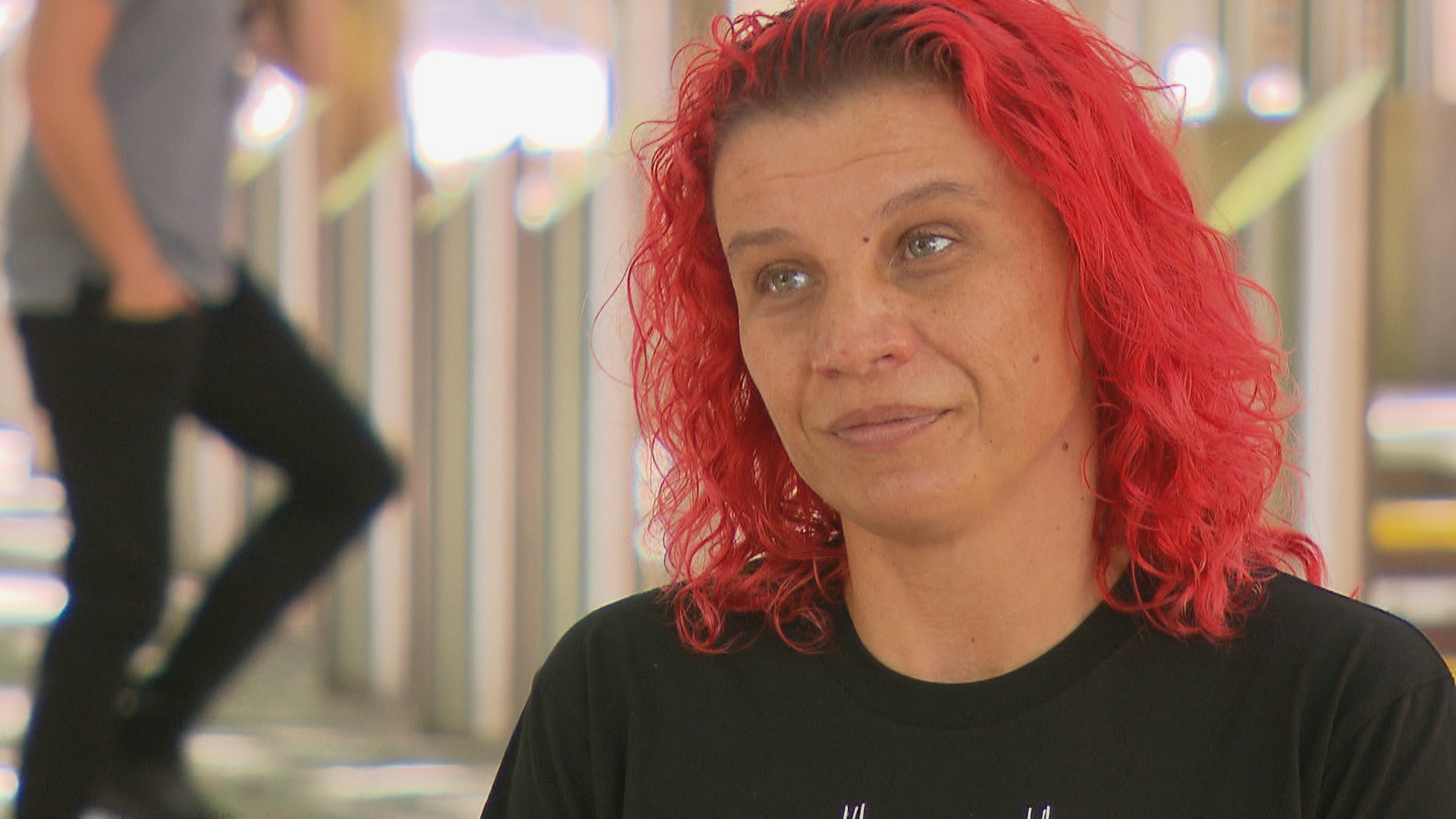
One of these organisers, Elizabeth Jarrett, told 9News it is "essential, imperative" the march goes ahead.

"This actual date represents the day of mourning for us, the first day of our demise as a people, as a land, as a culture," she said.

"It's so important that this day is reflected for the first nation people. And for the white and wider Australians to understand, okay this didn't happen in my time but I'm going to make sure I respect the land I am upon."

Crowds at the Invasion Day march in Sydney on January 26, 2020.

She said organisers have repeatedly tried to reach out to the police but they "won't come to the table" and the Health Minister could grant an exemption for the march "like he does for the cricket".

"The threat of fines and imprisonment is an everyday occurrence for a sovereign in this country… so what's one day going to change for us?" Ms Jarrett said.

The organisers have a COVIDSafe plan in place, have asked people to wear masks and social distance.

One of the organisers, Elizabeth Jarrett, told 9News it is "essential, imperative" the march goes ahead.

The current limit on outdoor events is 500 people, but gatherings this large need a permit.

"Rain hail shine or fire, fines or prison, we will be there tomorrow," Ms Jarrett said.

This afternoon the exemption application for the rally, due to start at 9am at the Domain, was declined.