Test your brains with the Herald’s morning quiz. Be sure to check back on nzherald.co.nz at 3pm for the afternoon quiz. To challenge yourself with more quizzes, CLICK HERE.
All posts by FreeNews
Who decides when there are helicopters? Experts weigh in on National Guard monitoring protests
The National Guard conducted more surveillance during protests after George Floyd’s death than experts and elected officials knew.
How a surveillance plane was sent to one wealthy suburb
National Guard troops were called in after group of young Black entrepreneurs toured a town.
Ukraine's hospitals grapple with COVID-19 surge
A medical college in western Ukraine has been transformed into a temporary hospital as the coronavirus inundates the Eastern European country.
Weeping after 'underworld figure' shot dead
An underworld figure has died after being shot on a western Sydney street in what police believe was a targeted attack.
Emergency services were called to William Street in Fairfield about 2.40am today.
When police arrived they found 34-year-old Amar Kettule, who had been shot several times.
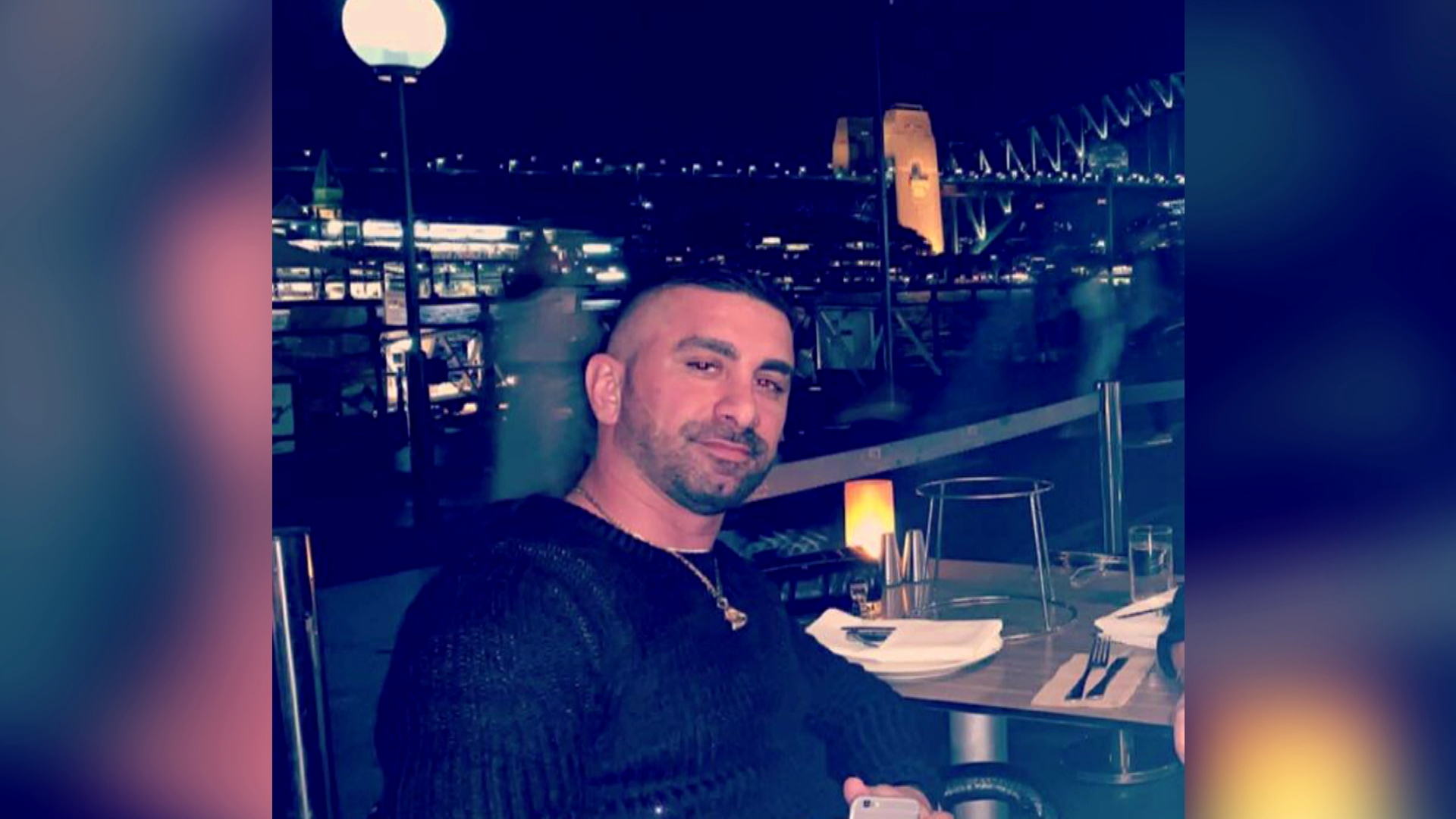
Emergency personnel attempted to revive him but he died there.
Footage captured the moment distraught relatives arrived at the scene, with police jumping in front of a car to stop it.
"Stop the car and get out of the car. Get out of the car," one officer is heard saying.
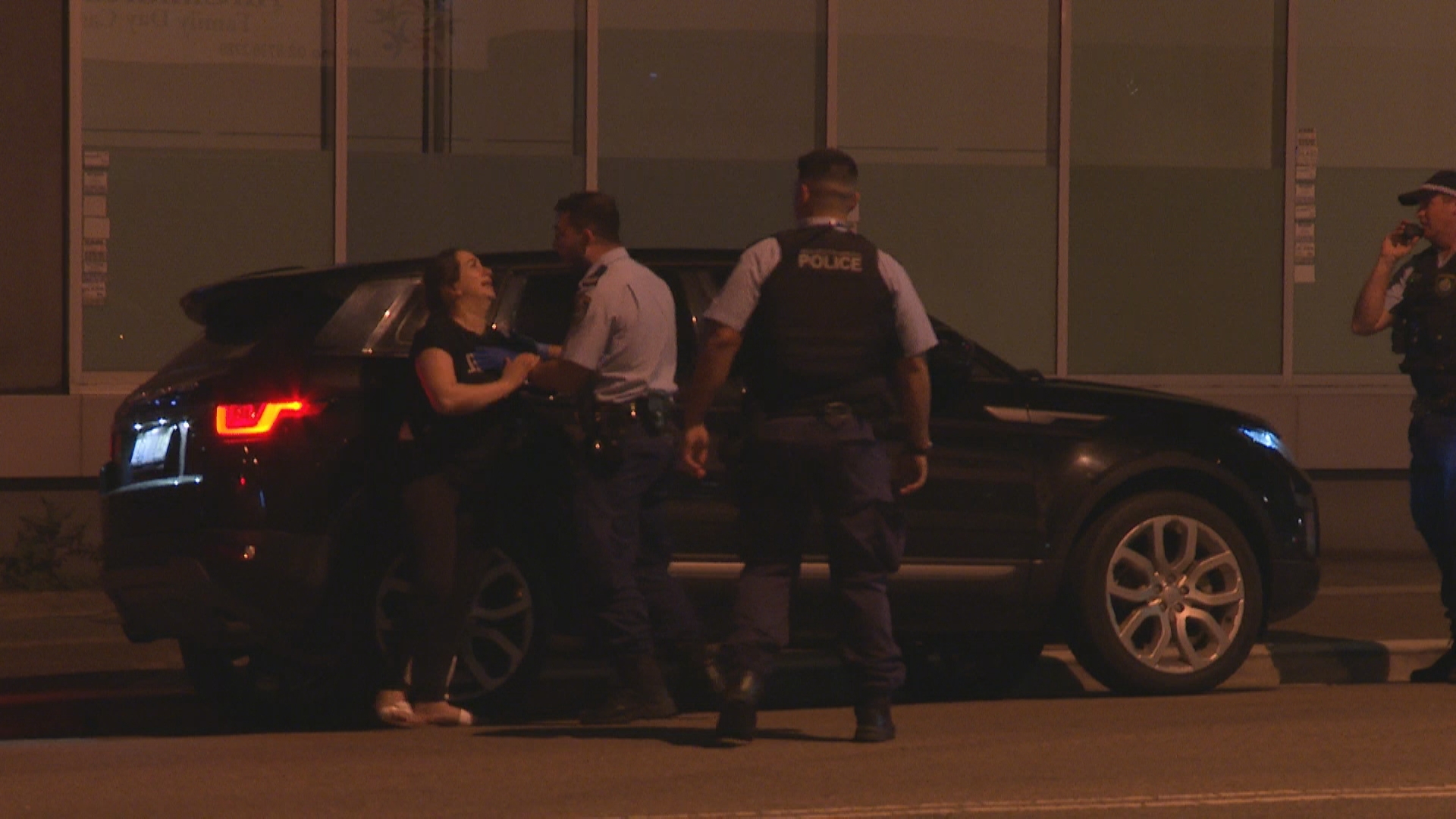
Another person is heard calling, "My brother, my brother, my brother."
Another woman, believed to have been in another car with Mr Kettule, was escorted away and consoled by police.
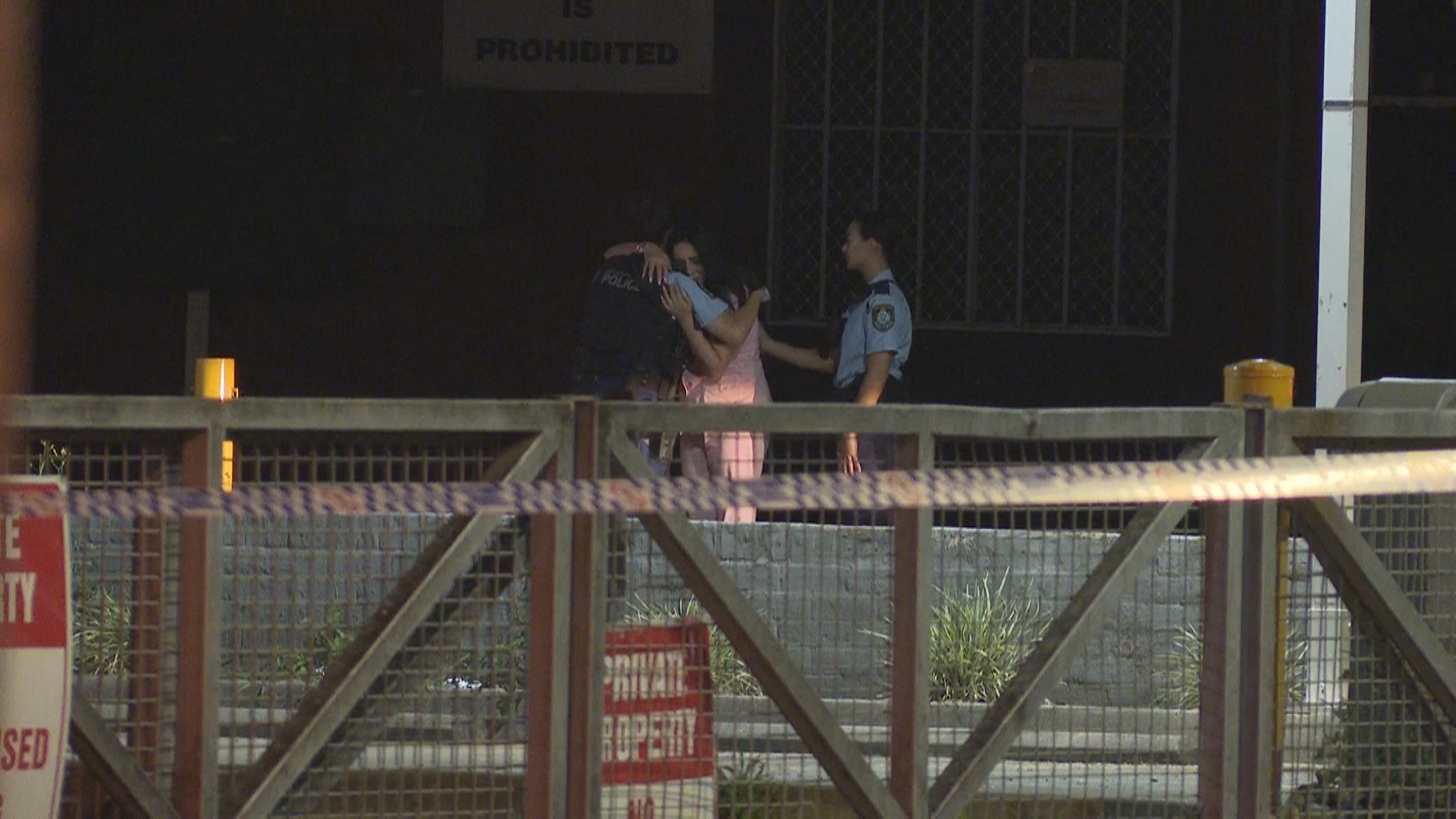
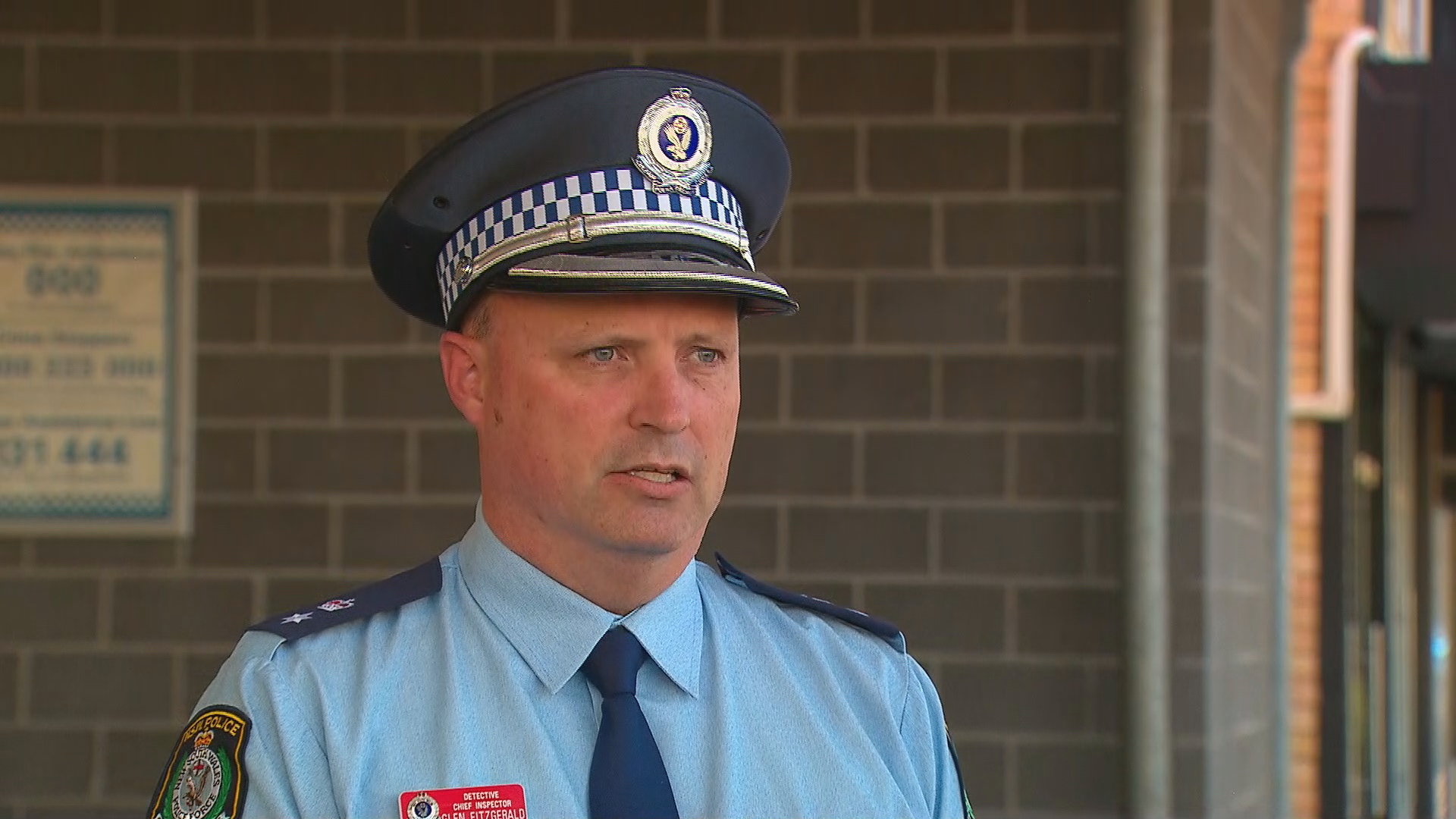
Fairfield City PAC Commander Glen Fitzgerald said the victim was well known to police and they believe the attack was targeted.
Kettule's car was found nearby, but Mr Fitzgerald said it was not known why he was in the area.
A number of Kettule's family members rushed to the scene after hearing news of the shooting.
Mr Fitzgerald said they were cooperating with police.
Kettule was allegedly a member of the Sydney crime gang "True Kingz".
His 19-year old younger brother Dylan was shot dead outside his girlfriend's apartment block in Canley Vale in January 2014.
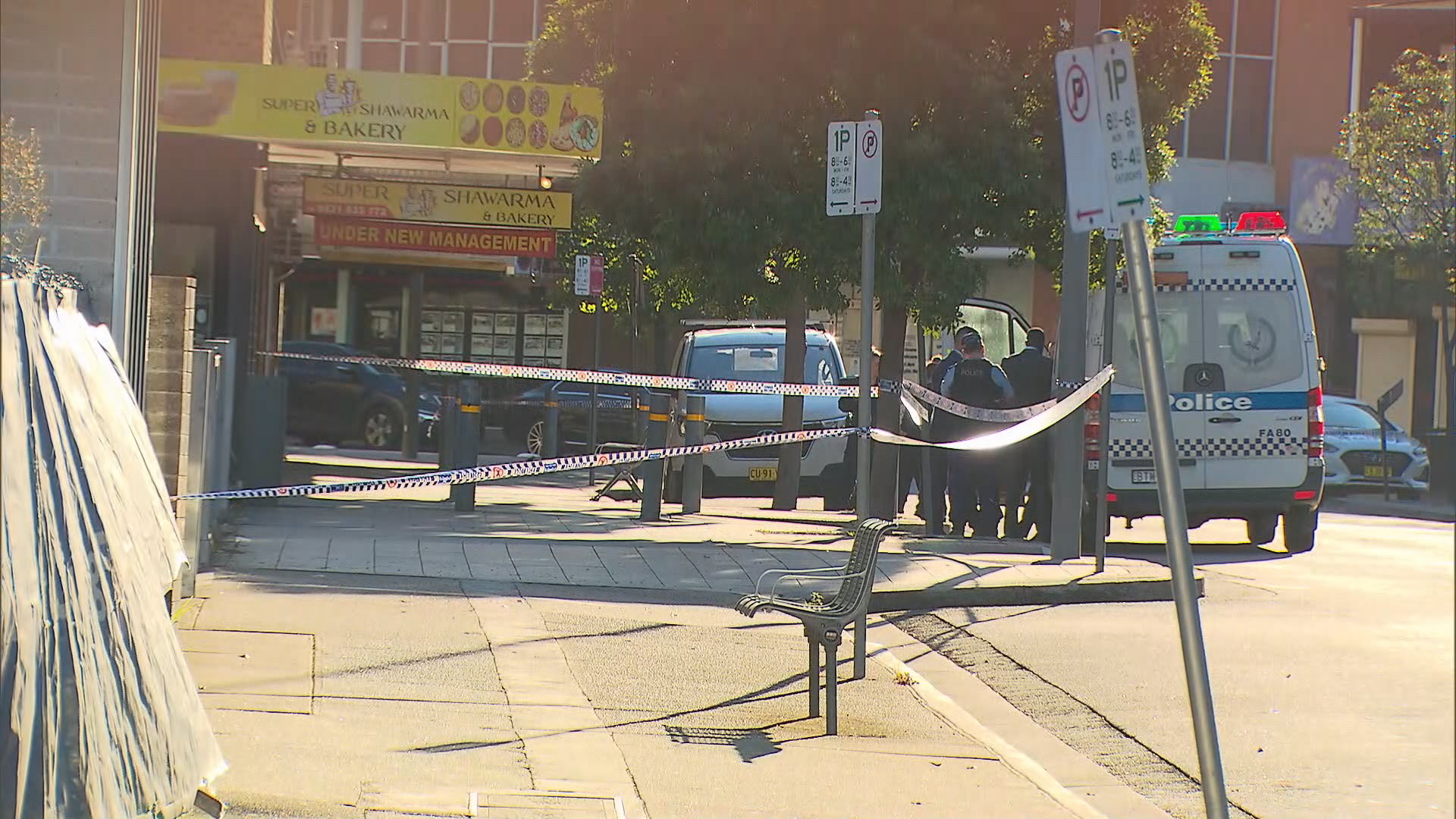
Police have cordoned off a large area around the scene of the shooting as they attempt to establish what direction the shooters came from and how they escaped.
Police are urging anyone with information about the incident to contact Crime Stoppers on 1800 333 000 or https://nsw.crimestoppers.com.au
Mutant COVID strain sparks testing frenzy in Queensland
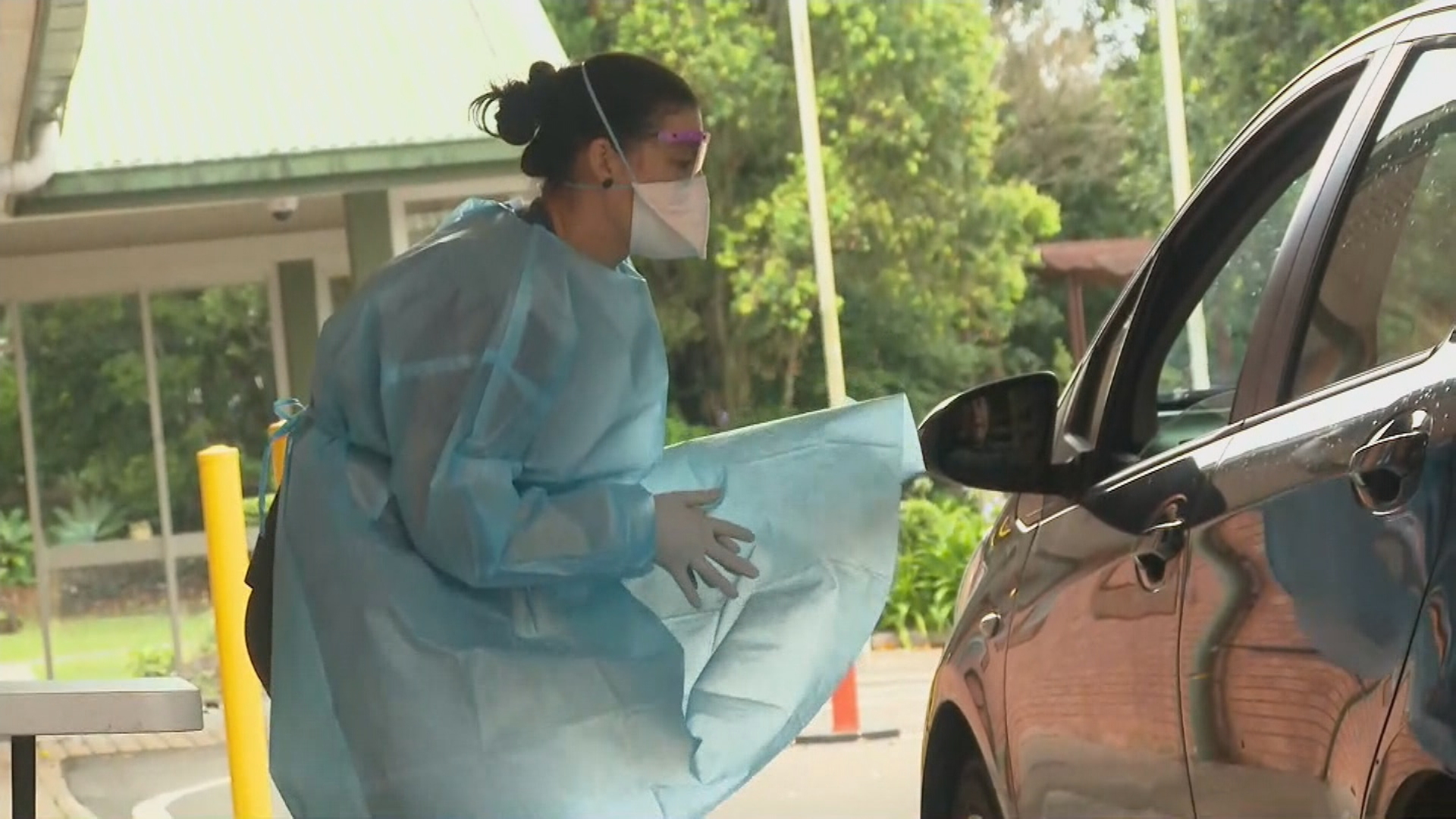
The mutant UK COVID-19 strain has come to a small Sunshine Coast town, sending it into testing turmoil.
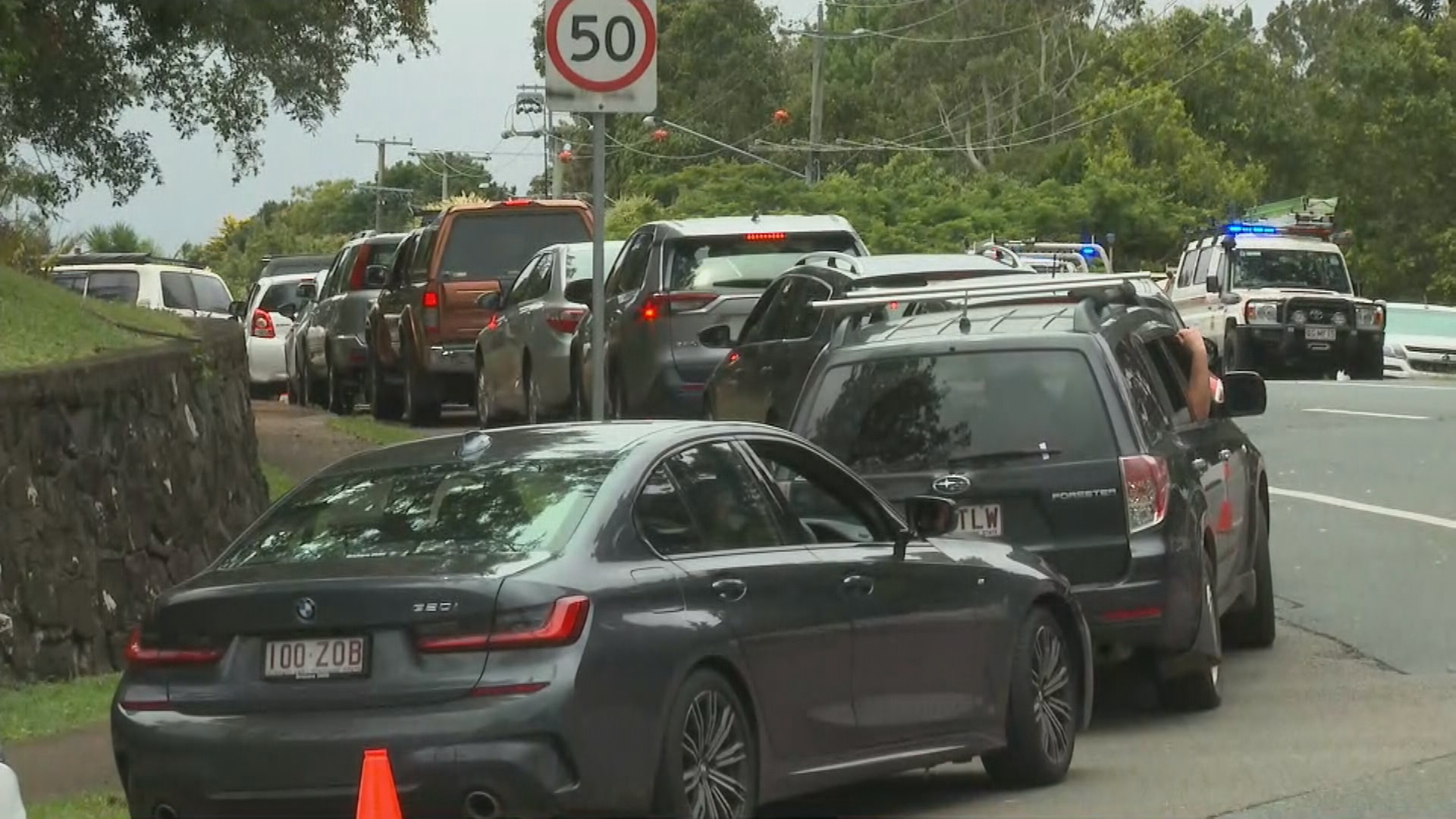
Maleny has a population of fewer than 3500, and residents are lining up to get checked after the discovery.
A woman infected with the strain was cleared to fly to Brisbane from Melbourne on January 5.
READ MORE: No new COVID-19 cases in Queensland
She visited Maleny during the following two days, before Queensland Health was told she had re-tested positive.
Queensland Health Minister Yvette D'Ath said 77 people in the town had yesterday come forward to get tested.
She said she hoped people continued the trend.
READ MORE: Queensland now cut off from WA
"We want you to keep it up until 6pm tomorrow evening," she said.
Queensland recorded no new cases of COVID-19 today.
So far, 15 people have have been fined for breaching the three-day coronavirus lockdown order in place across the city. Five of the 15 fines were issued at one party held in a Brisbane suburb.
Today's results come from over 19,000 tests conducted in the past 24 hours.
Queensland Premier Annastacia Palaszczuk praised the conduct of resident in adhering to the lockdown.
"What we're seeing in the greater Brisbane area is large amounts of compliance and people are doing the right thing," Ms Palaszczuk said.
Johnson under fire as UK again faces COVID onslaught
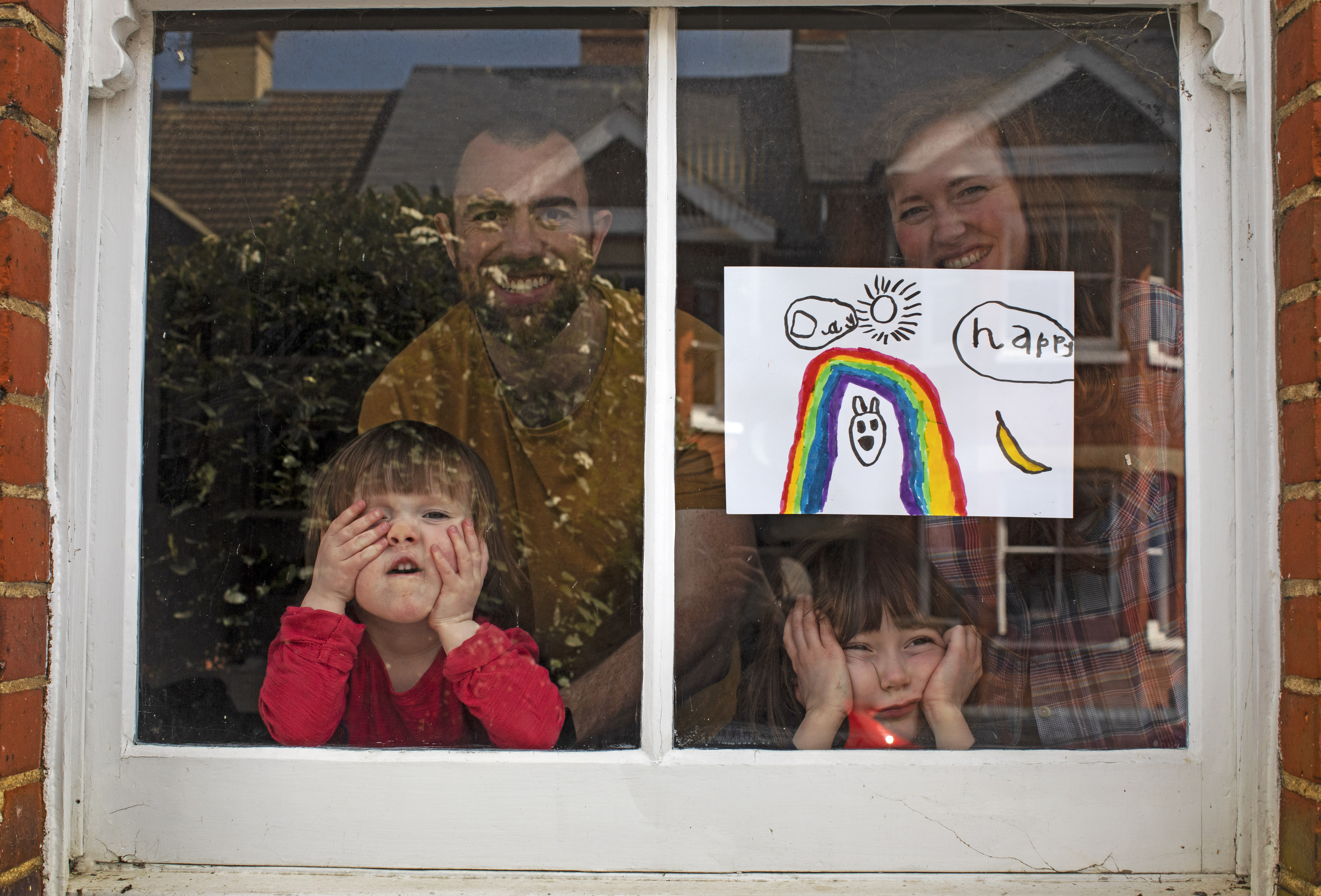
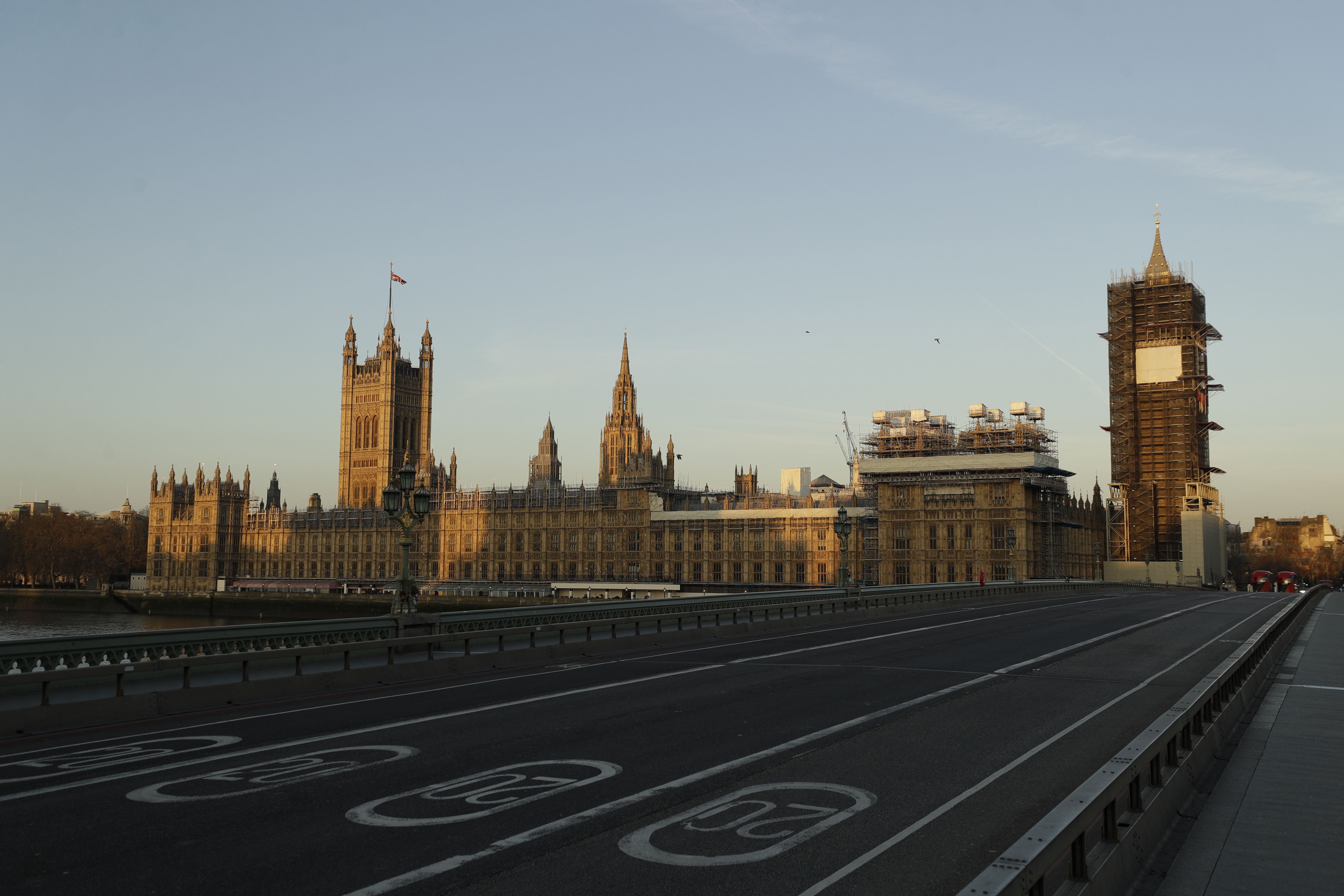
The crisis facing Britain this winter is depressingly familiar: Stay-at-home orders and empty streets. Hospitals overflowing. A daily toll of many hundreds of coronavirus deaths.
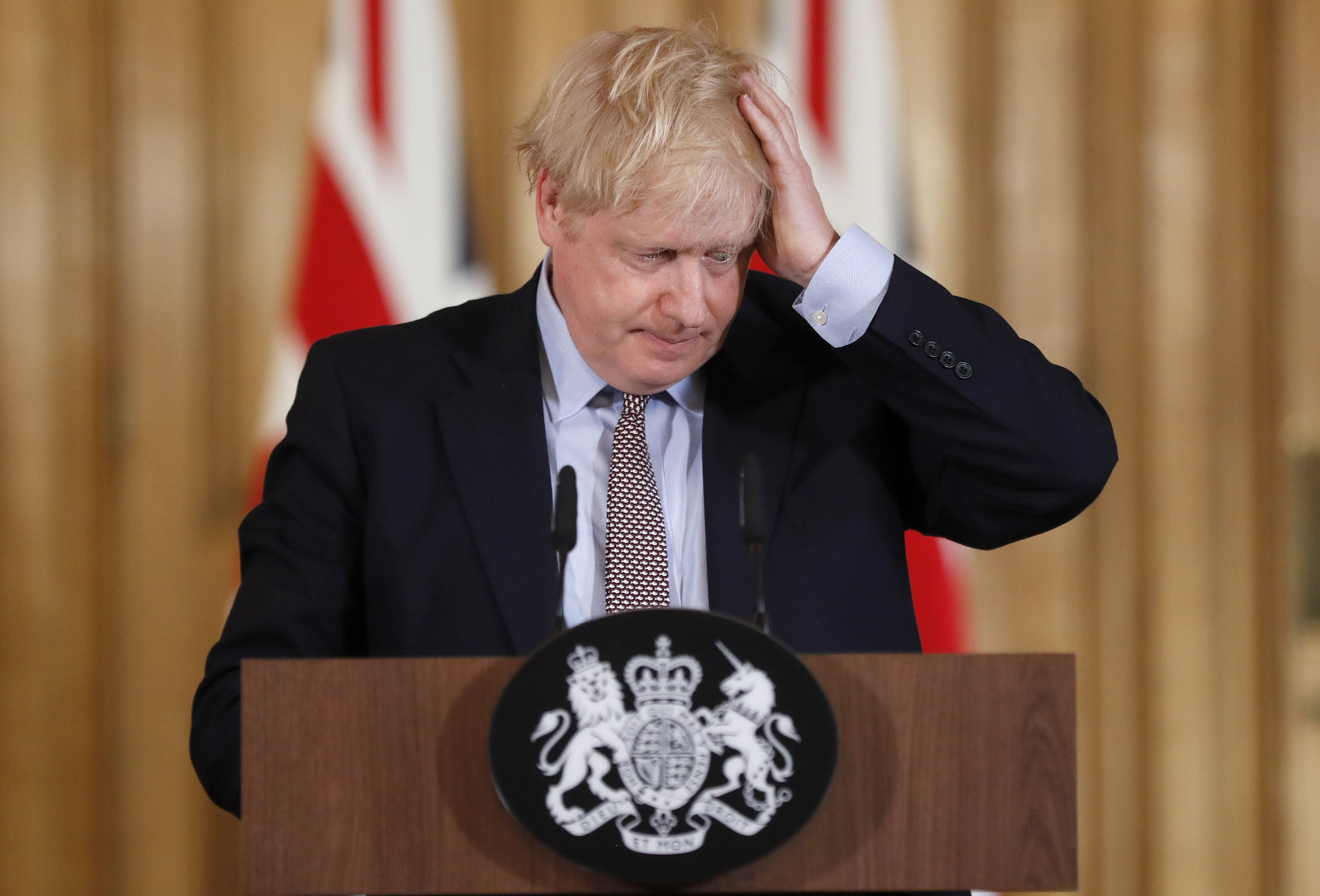
The UK is the epicentre of Europe's COVID-19 outbreak once more, and Prime Minister Boris Johnson's Conservative government is facing questions, and anger, as people demand to know how the country has ended up here — again.
Many countries are enduring new waves of the virus, but Britain's is among the worst, and it comes after a horrendous 2020. More than 3 million people in the UK have tested positive for the coronavirus and 81,000 have died — 30,000 in just the last 30 days. The economy has shrunk by 8 per cent, more than 800,000 jobs have been lost and hundreds of thousands more furloughed workers are in limbo.
READ MORE: UK approves third COVID-19 vaccine as London declares 'major incident'
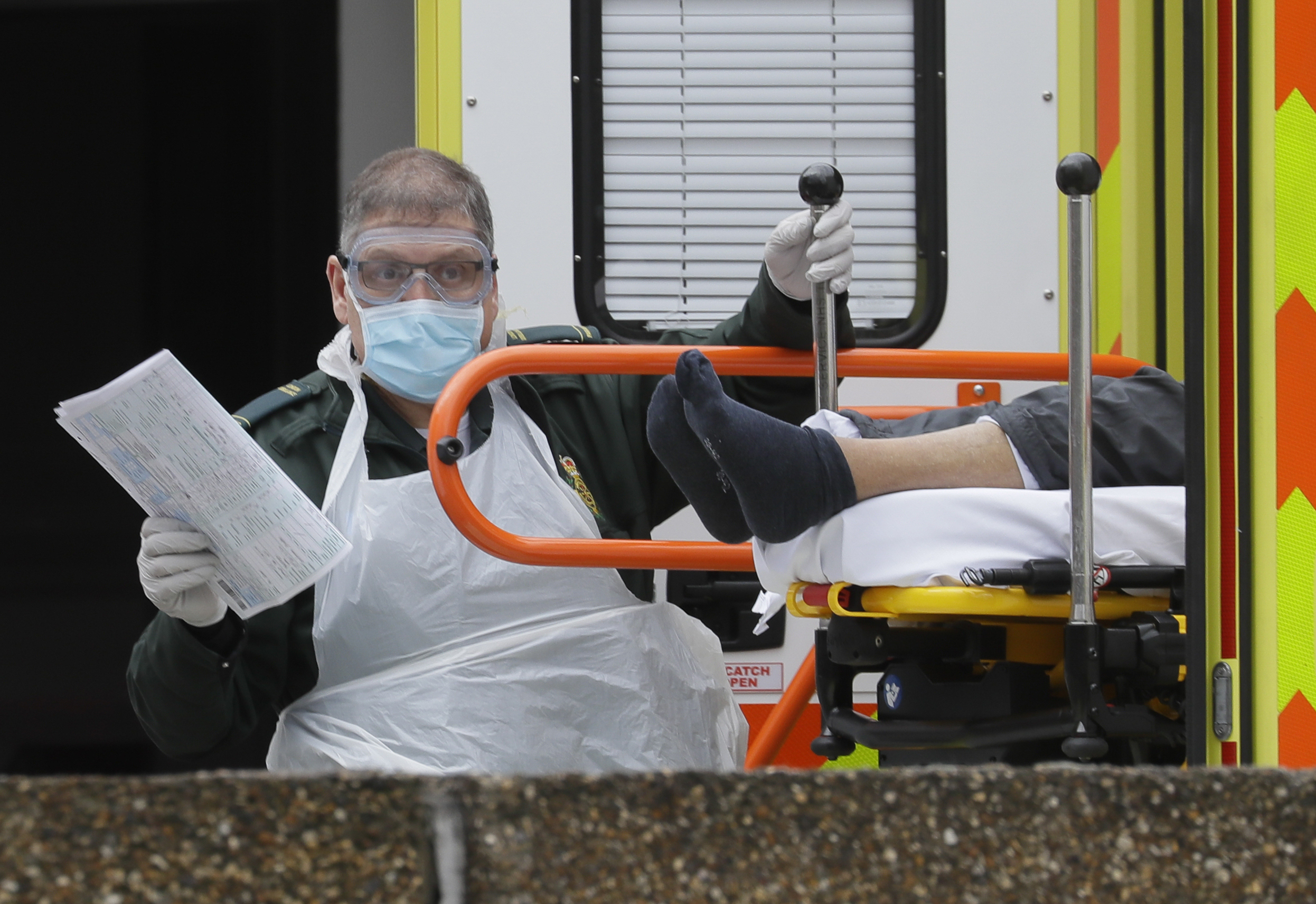
Even with the new lockdown, London Mayor Sadiq Khan said Friday that the situation in the capital was "critical," with one in every 30 people infected. "The stark reality is that we will run out of beds for patients in the next couple of weeks unless the spread of the virus slows down drastically," he said.
Medical staff are also at breaking point.
"Whereas before, everyone went into a mode of, 'We just need to get through this,' (now) everybody is like, 'Here we go again — can I get through this?'" said Lindsey Izard, a senior intensive care nurse at St. George's Hospital in London. "That's really, really hard for our staff."
Much of the blame for Britain's poor performance has been laid at the door of Johnson, who came down with the virus in the spring and ended up in intensive care. Critics say his government's slow response as the new respiratory virus emerged from China was the first in a string of lethal mistakes.
Anthony Costello, professor of global health at University College London, said "dilly-dallying" in March about whether to lock down the UK cost thousands of lives.
Britain locked down on March 23, and Costello said if the decision had come a week or two sooner, "we would be back down at 30,000-40,000 deaths. … More like Germany."
READ MORE: Why new UK strain of COVID-19 has health authorities so worried
"And the problem is, they've repeated these delays," said Costello, a member of Independent SAGE, a group of scientists set up as an alternative to the government's official Scientific Advisory Group for Emergencies.
Most countries have struggled during the pandemic, but Britain had some disadvantages from the start. Its public health system was frayed after years of spending cuts by austerity-minded Conservative governments. It had only a tiny capacity to test for the new virus. And while authorities had planned for a hypothetical pandemic, they assumed it would be a less deadly and less contagious flu-like illness.
The government sought advice from scientists, but critics say its pool of advisers was too narrow. And their recommendations were not always heeded by a prime minister whose laissez-faire instincts make him reluctant to clamp down on the economy and daily life.
Johnson has defended his record, saying it's easy to find fault when looking back.
"The retro-spectroscope is a magnificent instrument," Johnson said in a BBC interview last week.
READ MORE: London's field hospital to be used amid acute COVID-19 pressure
"Scientific advisors have said all sorts of different things at different times," he added. "They're by no mean unanimous."
A future public inquiry will likely pore over the failings in Britain's coronavirus response, but the inquisition has already begun.
Parliament's Science and Technology Committee said in a report published Friday that the government was not transparent enough about the scientific advice it received, failed to learn from other countries and responded too slowly when "the pandemic has demanded that policy be made and adapted on a faster timescale."
The government points out, correctly, that there has been huge progress since last spring. Early problems getting protective equipment to medical workers have largely been resolved. Britain now carries out almost half a million coronavirus tests a day. A national test-and-trace system has been set up to find and isolate infected people, though it struggles to cope with demand and can't enforce requests to self-isolate.
Treatments including the steroid dexamethasone, whose effectiveness was discovered during a UK trial, have improved survival rates among the most seriously ill. And now there are vaccines, three of which have been approved for use in Britain. The government has vowed to give the first of two shots to almost 15 million people, including everyone over 70, by mid-February.
But critics say the government has continued to repeat its mistakes, adapting too slowly to a changing situation.
READ MORE: UK leader vows to use 'every second' to vaccinate vulnerable
As infection rates fell in the summer, the government encouraged people to return to restaurants and workplaces to help revive the economy. When the virus began to surge again in September, Johnson rejected advice from his scientific advisers to lock the country down, before eventually announcing a month-long second national lockdown on October 31.
Hopes that move would be enough to curb the spread of the virus were dashed in December, when scientists warned that a new variant was up to 70 per cent more transmissible than the original strain.
Johnson tightened restrictions for London and the southeast, but the government's scientific advisory committee warned December 22 that would not be enough. Johnson did not announce a third national lockdown for England until almost two weeks later, on January 4.
Scotland, Wales and Northern Ireland make their own public health policies and have similar restrictions in place.
"Why is this prime minister, with all the scientific expertise at his disposal, all the power to make a difference, always the last to grasp what needs to happen?" said Jonathan Ashworth, health spokesman for the opposition Labour Party. "The prime minister hasn't been short of data, he has been short of judgment."
Costello said Johnson should not bear all the blame. He said a sense of "exceptionalism" had led many British officials to watch scenes from Wuhan, China, early in 2020 and think "that's all happening over in Asia and it's not going to come here."
"We were found wanting," he said. "And I think that's a wakeup call."
John Bell, Regius professor of medicine at the University of Oxford, said people should be more forgiving of official missteps.
"It's very easy to be critical about how we've done, but you do have to remember that there's nobody who's really managed a pandemic like this, who's ever done it before," he told the BBC. "We're all trying to make decisions on the run, and some of those decisions will inevitably be the wrong decisions."
"Everybody should be doing their best, and I think on the whole people are — including, I have to say, the politicians. So don't beat them up too badly."
Dozens of sharks spotted off Matarangi, Coromandel, including bronze whalers and hammerheads
Aerial photos have revealed dozens of mature sharks patrolling a Coromandel beach. Whitianga resident Philip Hart captured the incredible images, some of which show dozens of bronze-whalers – measuring about 2.5 metres – and even…
Pence has not ruled out 25th Amendment, source says
US Vice President Mike Pence has not ruled out an effort to invoke the 25th Amendment and wants to preserve the option in case President Donald Trump becomes more unstable, a source close to the vice president says.
The source said there is some concern inside Pence's team that there are risks to invoking the 25th Amendment or even to an impeachment process, as Trump could take some sort of rash action putting the nation at risk.
As of Saturday evening, Trump and Pence still have not spoken since the Wednesday incursion at the US Capitol that left five people dead, including a Capitol Police officer, another source told CNN. The President has also not made any public comments denouncing death threats that have been posted on social media targeting Pence.
READ MORE: Horned hat Capitol rioter among new arrests after Washington violence
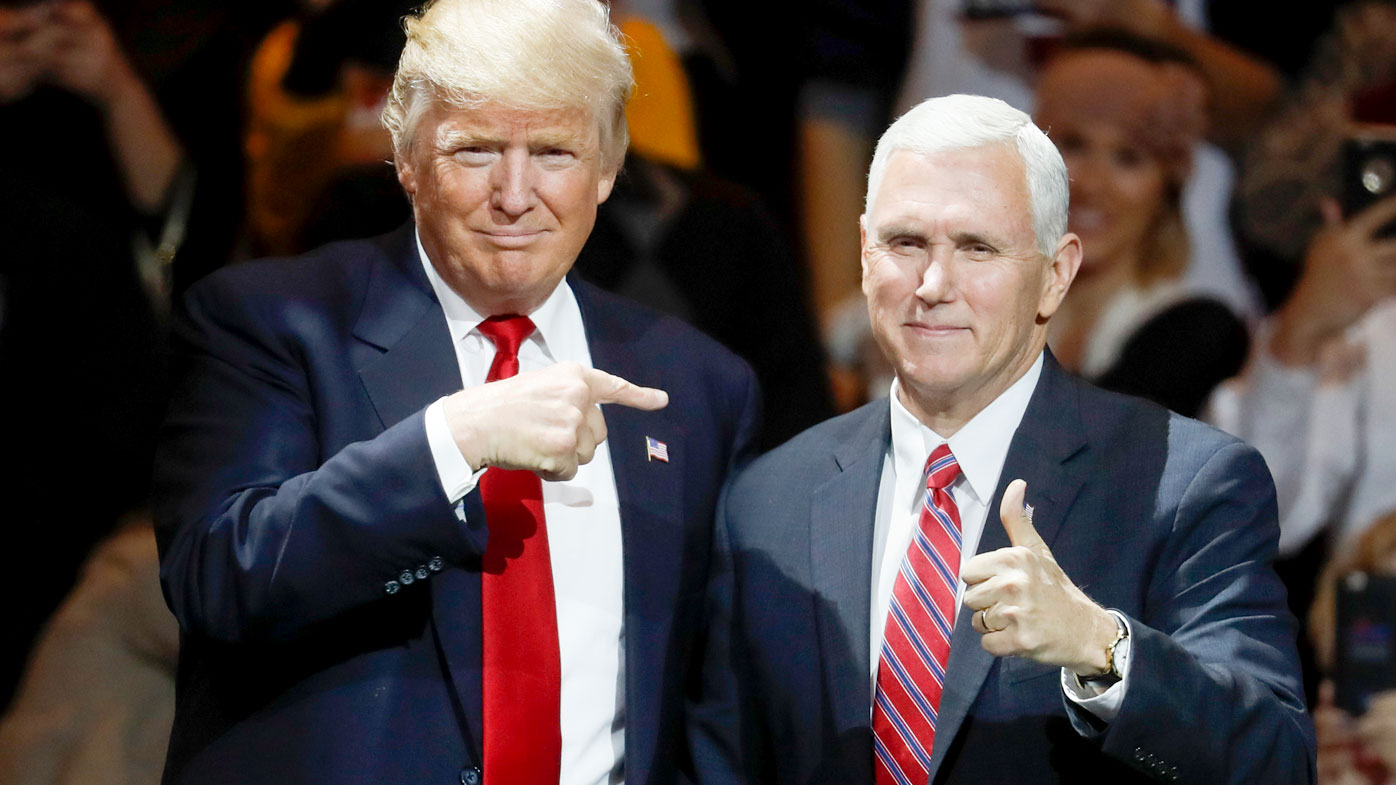
Pence has finally "gotten a glimpse of POTUS's vindictiveness", one source said, using the acronym for President of the United States.
Two sources familiar with the matter say Trump is angry at Pence and Pence is disappointed and saddened by Trump.
Trump put Pence in an impossible position, asking him to overturn the election results during Wednesday's joint session of Congress. When Pence explained that he could not do that and sent a letter to members of Congress that he would follow the Constitution, Trump used his Wednesday rally to egg on the crowd, telling them to march on Capitol Hill, and said of his vice president, "Mike Pence, I hope you're gonna stand up for the good of our Constitution and for the good of our country, and if you're not, I'm going to be very disappointed in you, I will tell you right now. I'm not hearing good stories."
As CNN previously reported, aides to the vice president were outraged that Trump did not check in on Pence on Wednesday as he and his family were fleeing from the mob storming the Capitol.
The fracture is the first time that Pence has disagreed with Trump publicly. Pence has always been one of the President's biggest defenders, often softening his harsh rhetoric and lobbying for his priorities quietly and behind the scenes on Capitol Hill — while vocally supporting the President at rallies throughout the campaign.
READ MORE: Truck full of bombs, guns found near Capitol insurrection

For now, the source close to the vice president said Pence and his advisers hope to provide a bridge to the next administration and do as much as possible to assist President-elect Joe Biden's team in preparing for dealing with the coronavirus pandemic.
But, the source cautioned, it has become clear this week that it is necessary to keep the 25th Amendment option on the table based on Trump's actions.
Invoking the 25th Amendment would require Pence and a majority of the Cabinet to vote to remove Trump from office due to his inability to "discharge the powers and duties of his office" — an unprecedented step.
Trump could dispute their move with a letter to Congress. Pence and the Cabinet would then have four days to dispute him and Congress would then vote — it requires a two-thirds supermajority, usually 67 senators and 290 House members to permanently remove him.
On Thursday, sources close to the VP said it was "highly unlikely" Pence would attempt to invoke the 25th Amendment. The sources said it appeared such an effort would ultimately be unsuccessful. Pence had not discussed invoking the 25th Amendment with any Cabinet officials, an administration official previously told CNN.
Senate Democratic leader Chuck Schumer said during a news conference earlier this week that he and Pelosi tried to call Pence to invoke the amendment to oust Trump from office, but they were put on hold for 25 minutes and then were told he would not come to the phone.
READ MORE: 'We will not be SILENCED!' Trump defiant after permanent Twitter ban
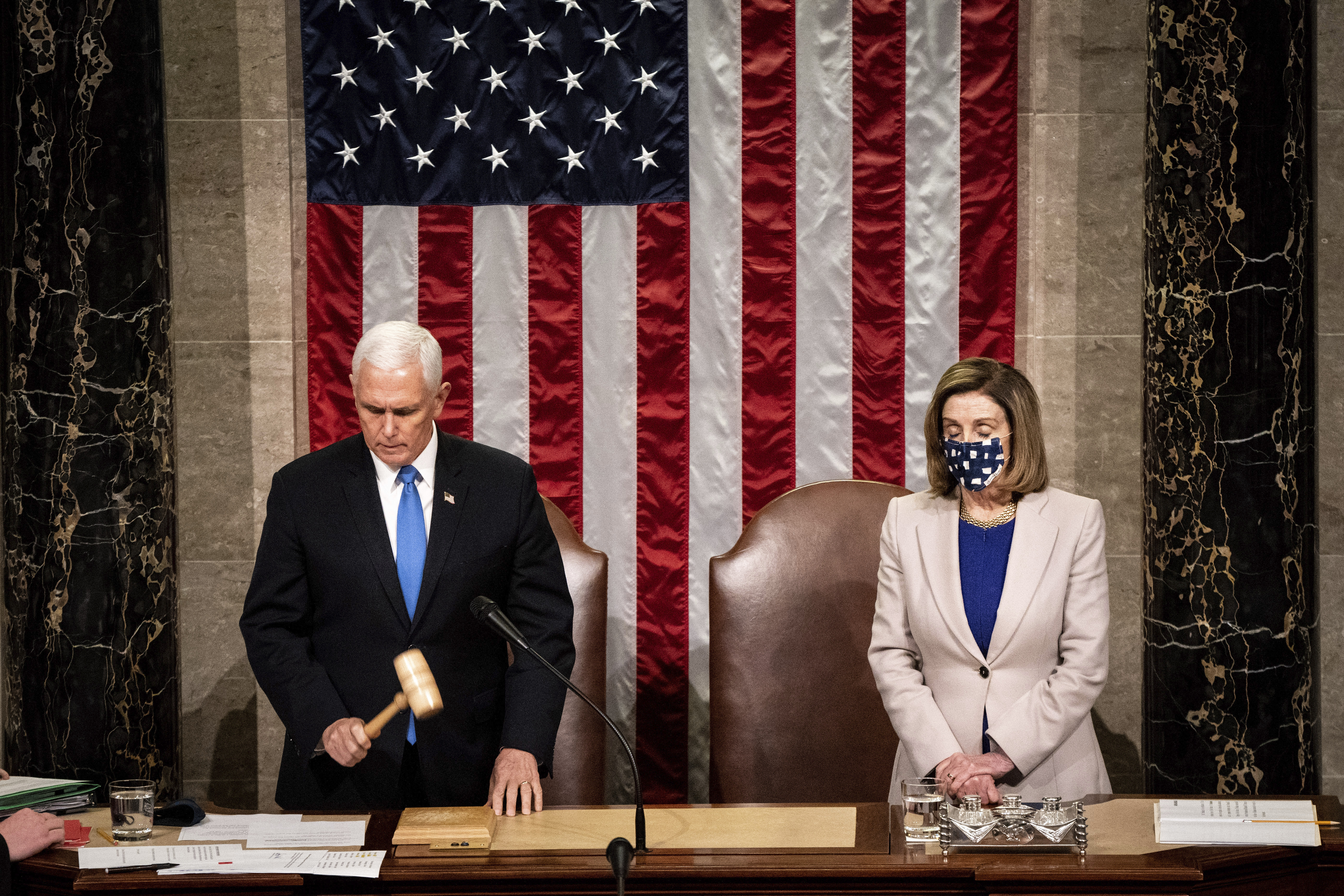
House Democrats plan to introduce their impeachment resolution on Monday, when the House next comes into session. The latest draft of the impeachment resolution, obtained by CNN, includes one article of impeachment for "incitement of insurrection."
The House Rules Committee is expected to meet Monday or Tuesday to approve a rule that would govern floor debate for an impeachment resolution and Raskin's bill to create a new mechanism to invoke the 25th Amendment.
Under that timeline, an impeachment vote is possible by the middle of next week.
A growing number of lawmakers are calling for the President to be removed from office either through impeachment or the 25th Amendment. The calls have come largely from Democrats so far, but at least one congressional Republican, Rep. Adam Kinzinger of Illinois, has joined in.
Republican Sen. Pat Toomey of Pennsylvania said Saturday he thinks Trump "committed impeachable offences," but the senator — who is not running for reelection in 2022 — is not certain attempting to remove the President from office with just a few days left in his term is the right course of action.
But in a memo to fellow senators Friday, Majority Leader Mitch McConnell indicated that the earliest the Senate could take up any House-passed articles of impeachment would most likely be right after Trump's term ends, saying that the Senate cannot consider the articles while in recess.
Since Republicans are unlikely to hold a trial before January 20, Senate Democrats would be able to hold a trial after Trump leaves office, once they officially take the majority.
The White House urged the House not to move forward with impeachment in a statement Friday. "As President Trump said yesterday, this is a time for healing and unity as one Nation. A politically motivated impeachment against a President with 12 days remaining in his term will only serve to further divide our great country," deputy press secretary Judd Deere said.
Person flown to hospital in two-car crash on State Highway 2, near Katikati
One person has been seriously injured and another has been flown to hospital following a two-car crash on State Highway 2 in the Western Bay of Plenty near Katikati.A police media spokeswoman said police were called to the crash…