All posts by FreeNews

'I feel empty': Dad of boys killed in crash near Dubbo speaks of grief

The father of two young boys killed in an alleged hit-and-run by an unlicensed driver says it feels as though his heart has been ripped from his chest.
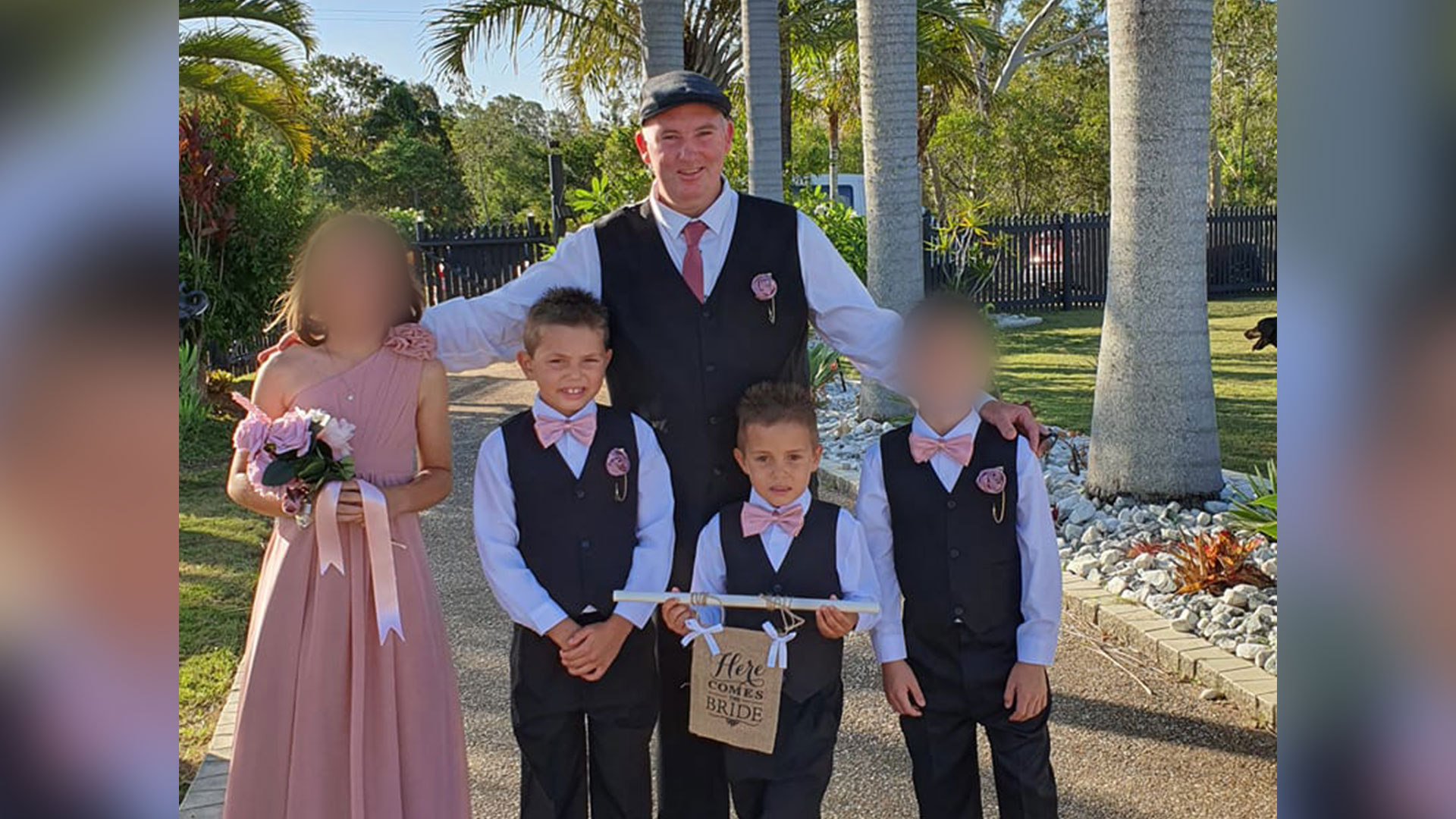
Joseph Shorey and his sons Shane and Sheldon, who were killed in an alleged hit-and-run.

Shane and Sheldon Shorey, aged six and seven, were hit by a car about 4.30pm yesterday in Wellington, near Dubbo in regional NSW.

The boys both died at the scene. Their mother, 34, and two other boys, aged nine and 10, were also struck and injured.

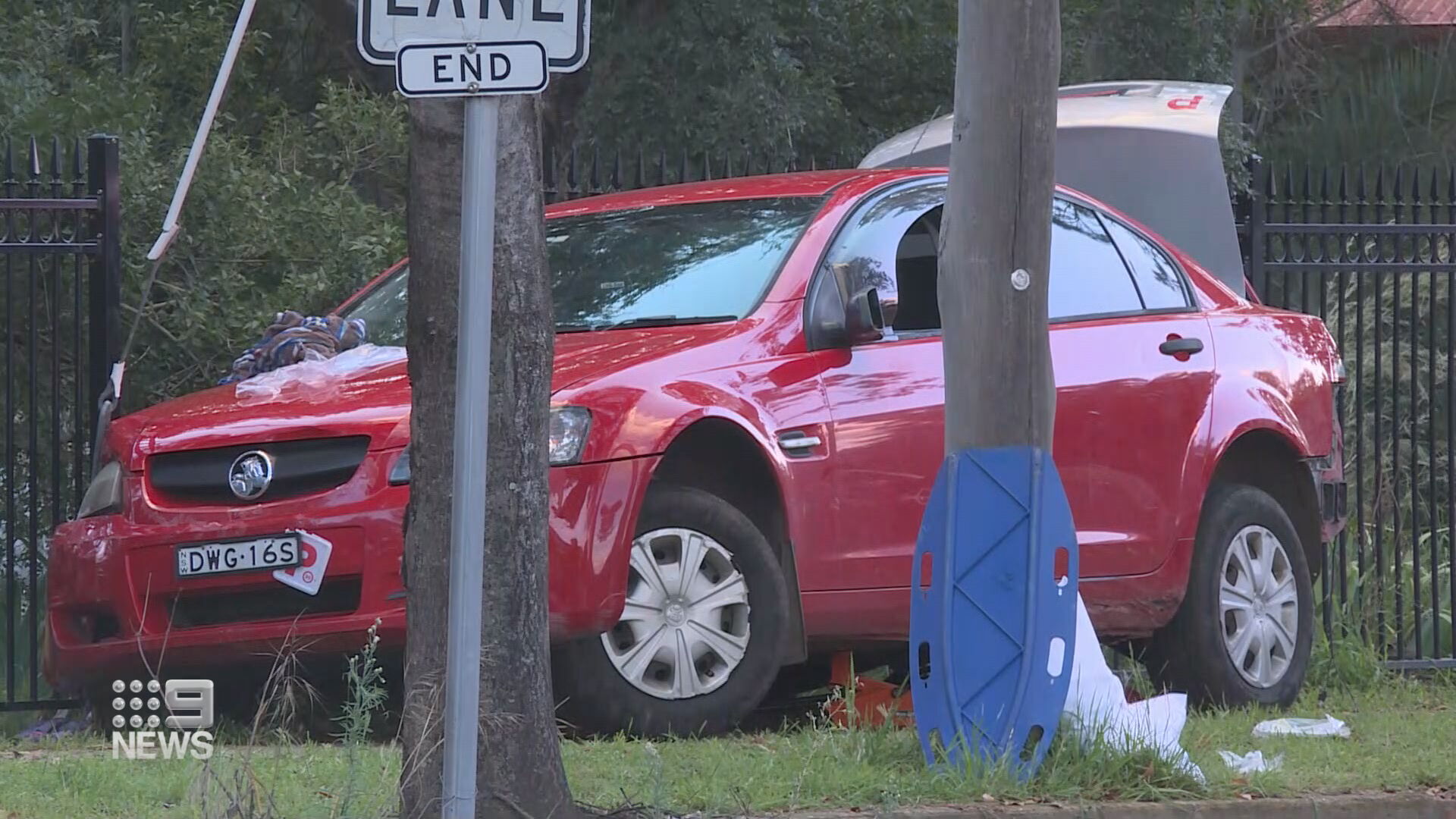
The group was walking along grass by the side of the road on the way home from after leaving a local swimming pool when they were hit by a Holden Commodore.

"I have lost two beautiful boys who are just starting their lives," father Joseph Shorey said.

"It leaves my heart ripped out. I feel gutted, I feel empty.

"Two babies gone. I gotta bury two kids, I'd never wish that upon anyone."

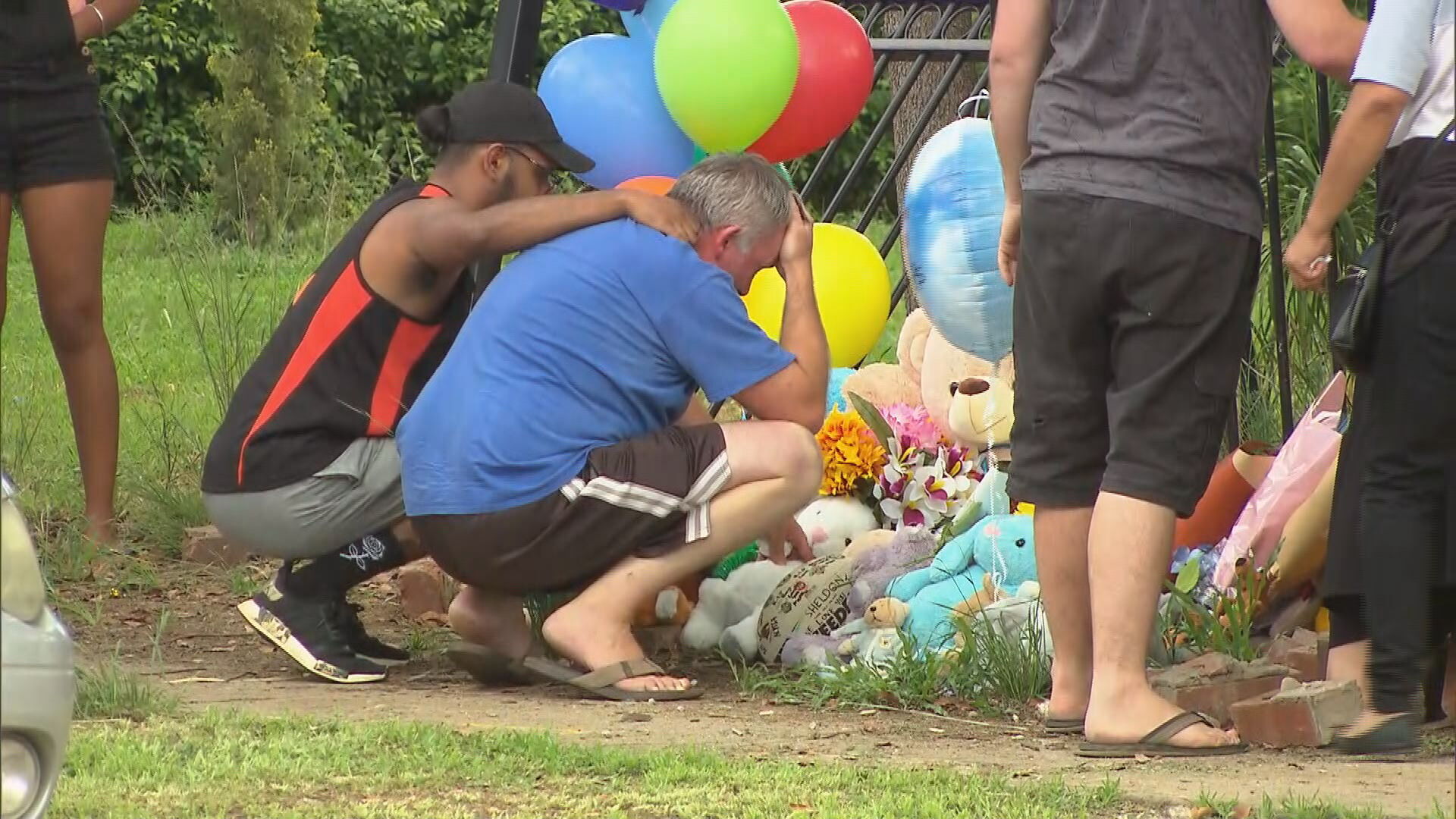
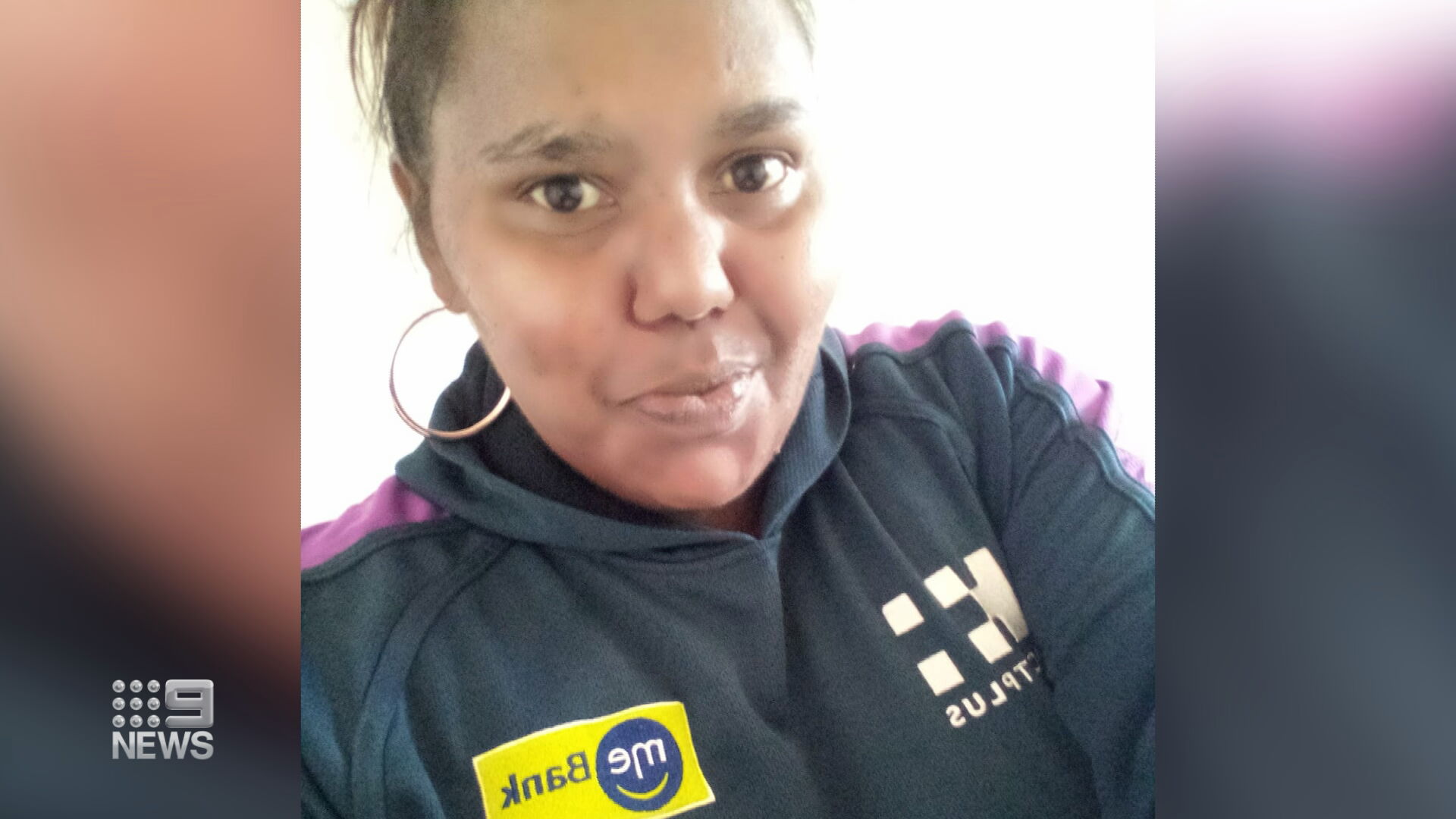
Mr Shorey described his two sons as "the happiest kids in the world". Mr Shorey is comforted at the crash scene where his two sons were killed.Mother Shayleen Frail was injured in the crash and is in hospital in Sydney.

Mr Shorey described his two sons as "the happiest kids in the world".

He said they were sporty, popular and loved playing footy at the oval near their home.

The heartbroken father visited the scene where his two sons were killed this afternoon, comforted by loved ones.

The boys, who lived in Queensland with Mr Shorey, had been in Wellington visiting their mother while on school holidays.

After the deadly crash, the boys' mother was airlifted to Westmead Hospital in Sydney where she remains in a stable condition.

The two other boys struck were both injured but are now stable.

The 10-year-old was also taken to Westmead Hospital with serious leg injuries and has undergone surgery.

The nine-year-old other boy suffered minor injuries and has been released from hospital.
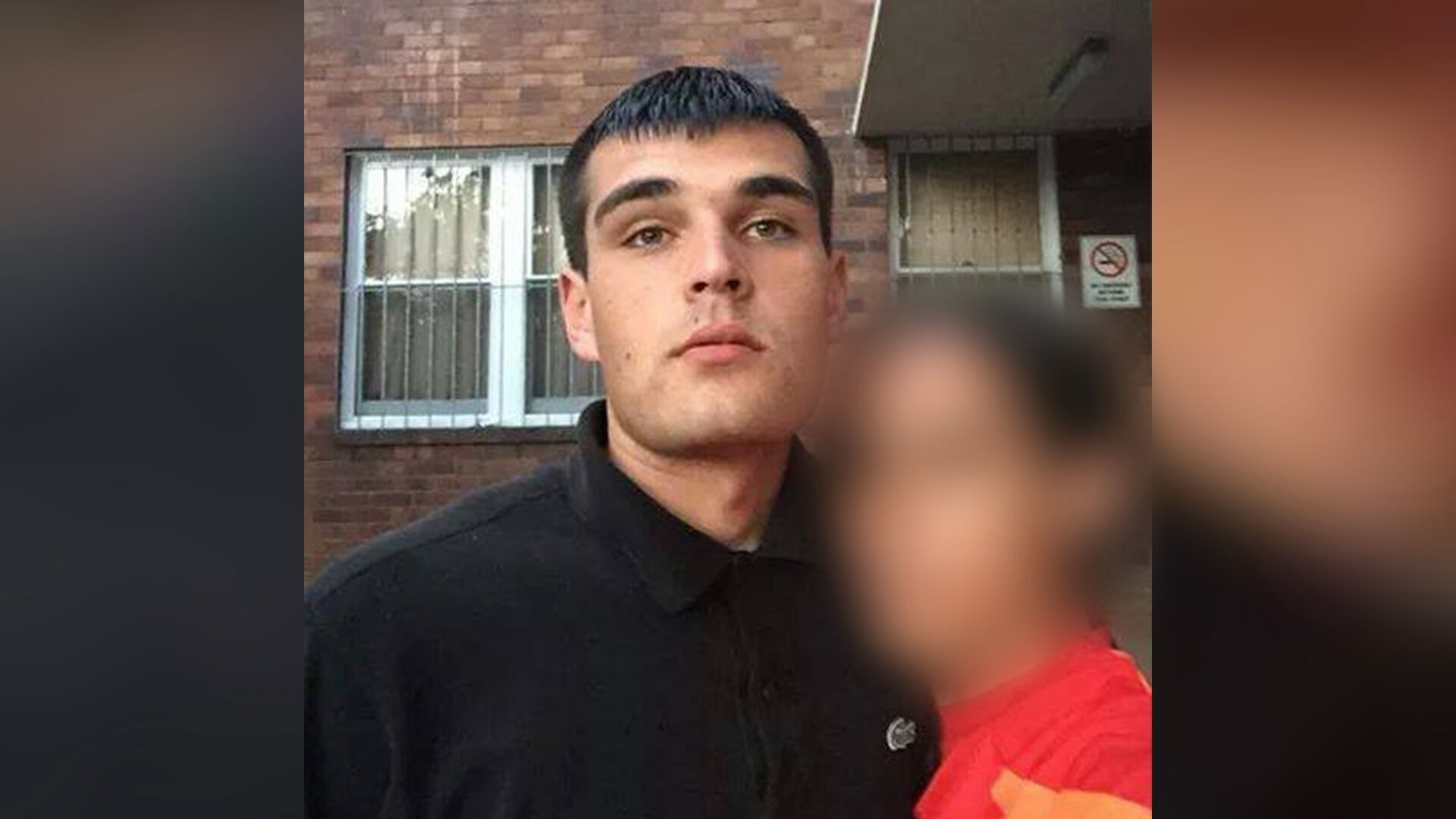
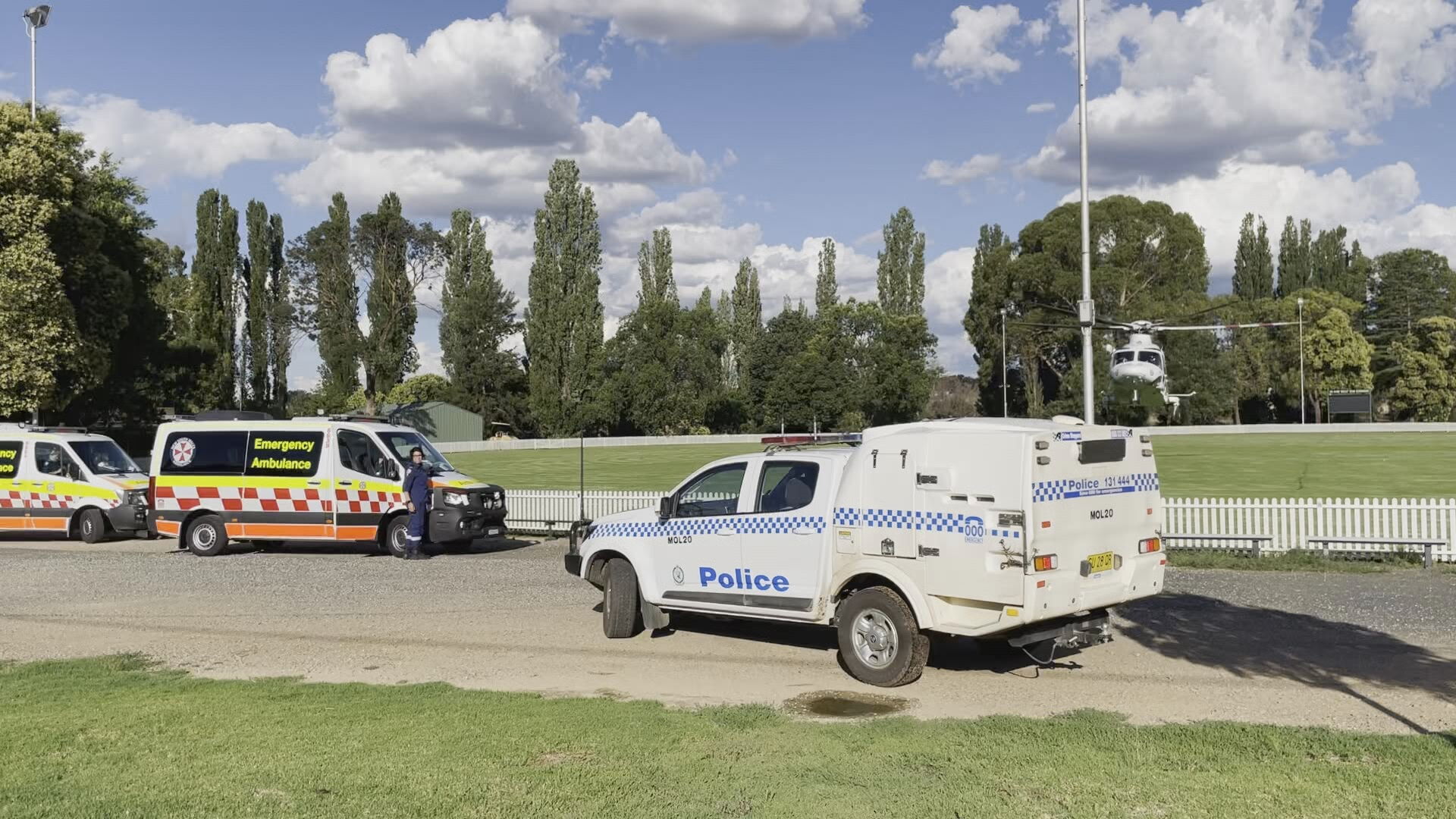
Jacob Donn, 25, is facing 14 charged relating to an alleged hit and run that killed two children.The driver was allegedly unlicensed and is facing 14 charges.Multiple helicopters, ambulance crews and police rushed to the scene.

The alleged driver Jacob Donn was arrested on nearby Elizabeth Street last night and has been charged today.

Police searched him and allegedly found he was carrying a prescription medicine.

He has undergone drug and alcohol testing, but results are still pending.

He has been charged with dangerous driving occasioning death – driving in a dangerous manner; negligent driving occasioning death; negligent driving occasioning grievous bodily harm; dangerous driving occasioning grievous bodily harm – driving in a dangerous manner; two counts of causing bodily harm by misconduct in charge of motor vehicle; being a never licensed person driving a vehicle on a road; two counts of failing to stop and assist after impact causing injury; two counts of failing to stop and assist after vehicle impact causing death; failing to stop and assist after vehicle impact causing grievous bodily harm; and possessing a prohibited drug.
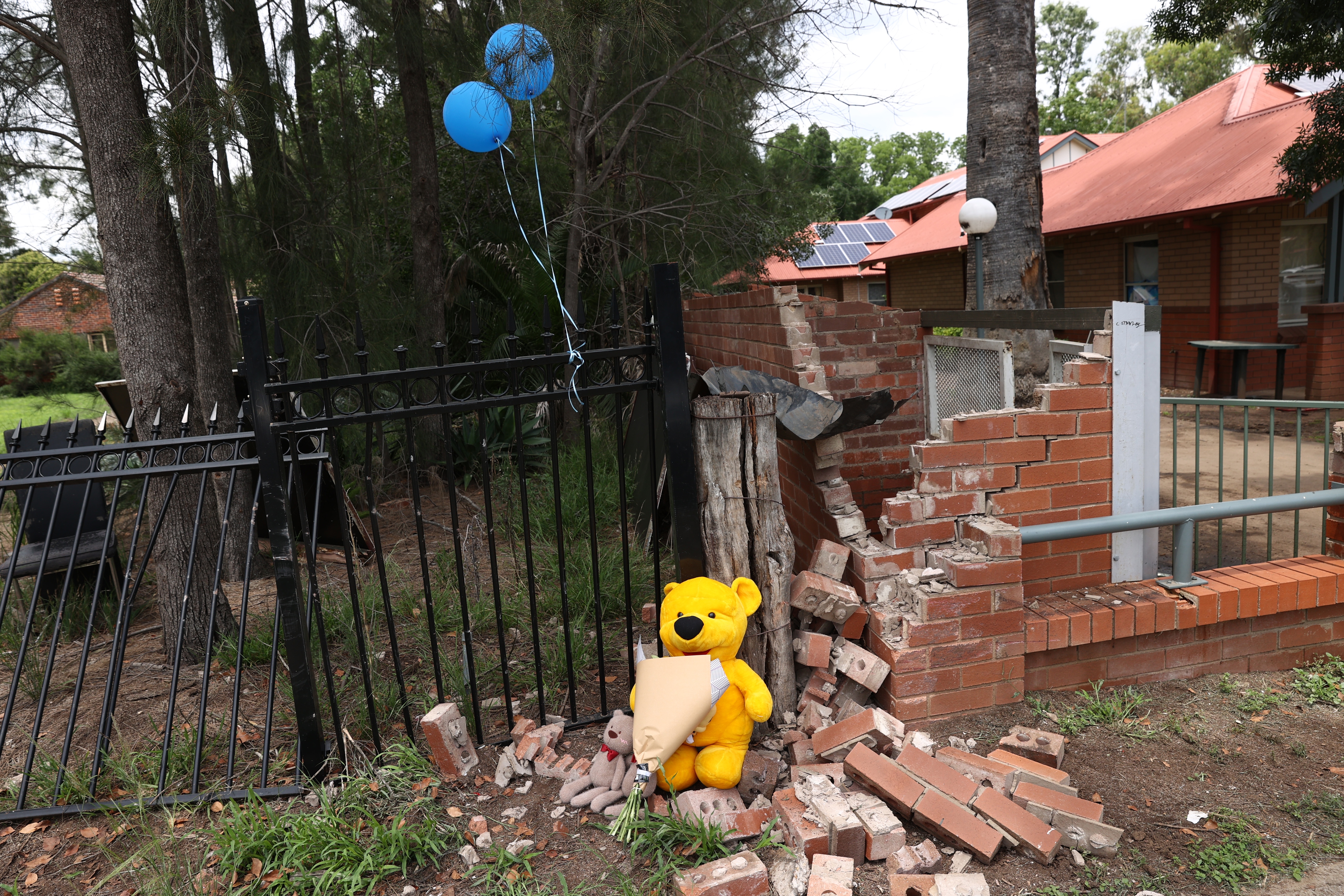
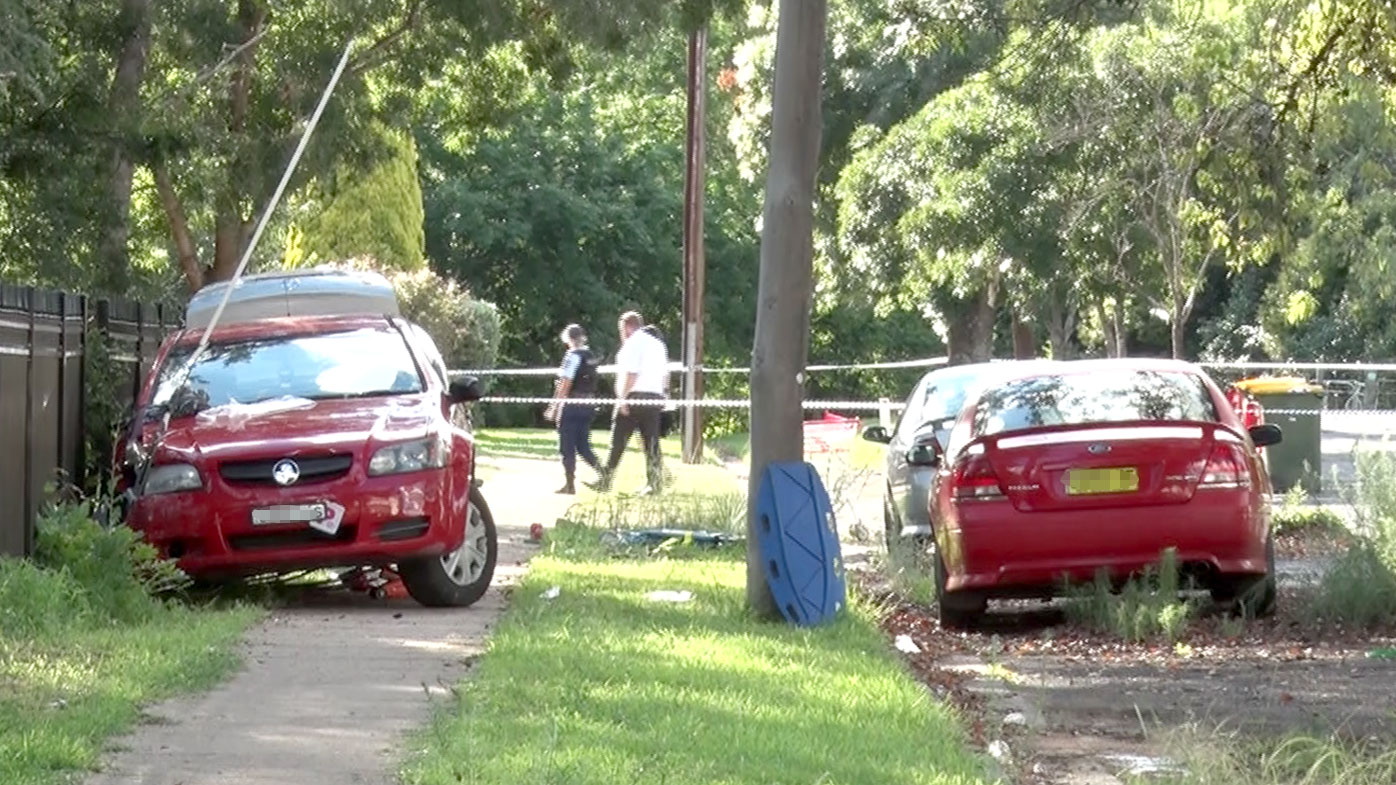
The scene where the alleged hit and run occurred yesterday resulting in the death of two children on Warne Street in Wellington.

Mr Donn was refused bail to appear at Dubbo Local Court tomorrow.

Acting Commander of the Orana Mid-Western Police District Natalie Antaw said today the tragic accident sent shockwaves through the small community.

"Obviously, the incident is a complete tragedy – a tragedy for the families and the township of Wellington," she said.

"(It is) a tragic incident involving young children which always makes it that much more difficult."

She said the families of the children killed and injured were "obviously grief-stricken".

Police said they are not looking for anyone else who may have been in the car but asked anyone who many have witnessed the crash or have dashcam footage to come forward.

Investigations continue.
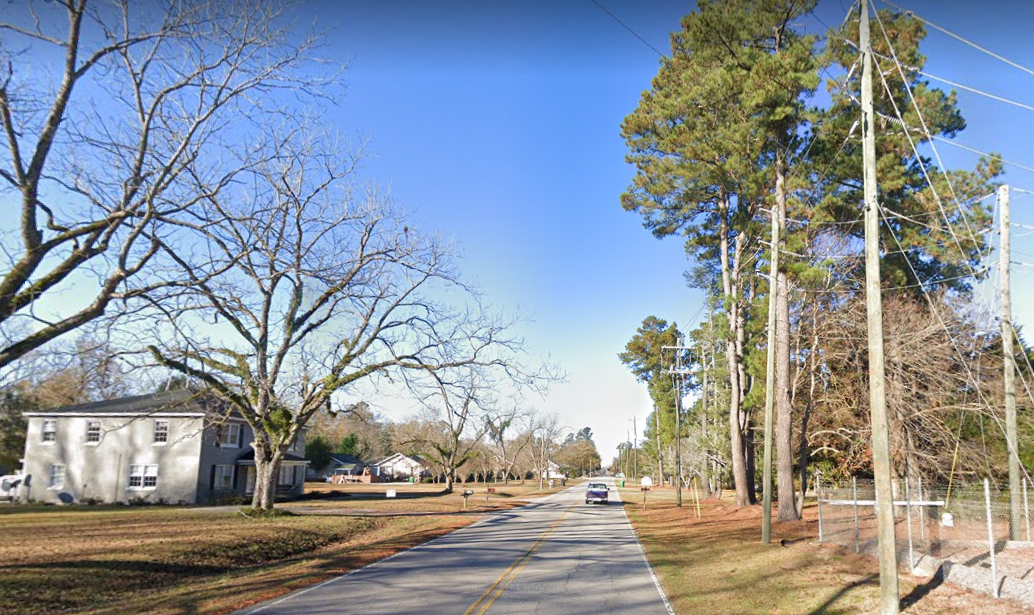
Body found in freezer of 'haunted house' in South Carolina

A group of people checking out a "haunted house" in South Carolina got a scare of a different kind after they found a dead body in a freezer.

The group visited the abandoned house in Norway, in Orangeburg County, on the weekend, police said.

Local news outlet WSOCTV reported that one of the group, an 18-year-old man, thought he smelled "rotting meat", which he traced to a freezer on the property.

Opening it, he and his companions saw what appeared to be decomposing human remains.

Police determined the remains were human, but the age, gender, identity and cause of death remain unknown.

In a further development, the house where the body was found burned down just today – early Tuesday morning local time.

Officers said the fire was being treated as suspicious, but a cause had not been determined.

Discovery of Neanderthal child's skeleton may solve ancient mystery

Is burying the dead a practice unique to Homo sapiens?

Or did other early humans such as Neanderthals lay their loved ones to rest under the earth?

It's a topic of long-standing debate among archaeologists.

Now, evidence of funerary behavior could shed light on the cognitive abilities and social customs of Neanderthals and whether, like modern humans, they were capable of symbolic thought.

Read more: New details revealed about preserved Neanderthal who fell down well

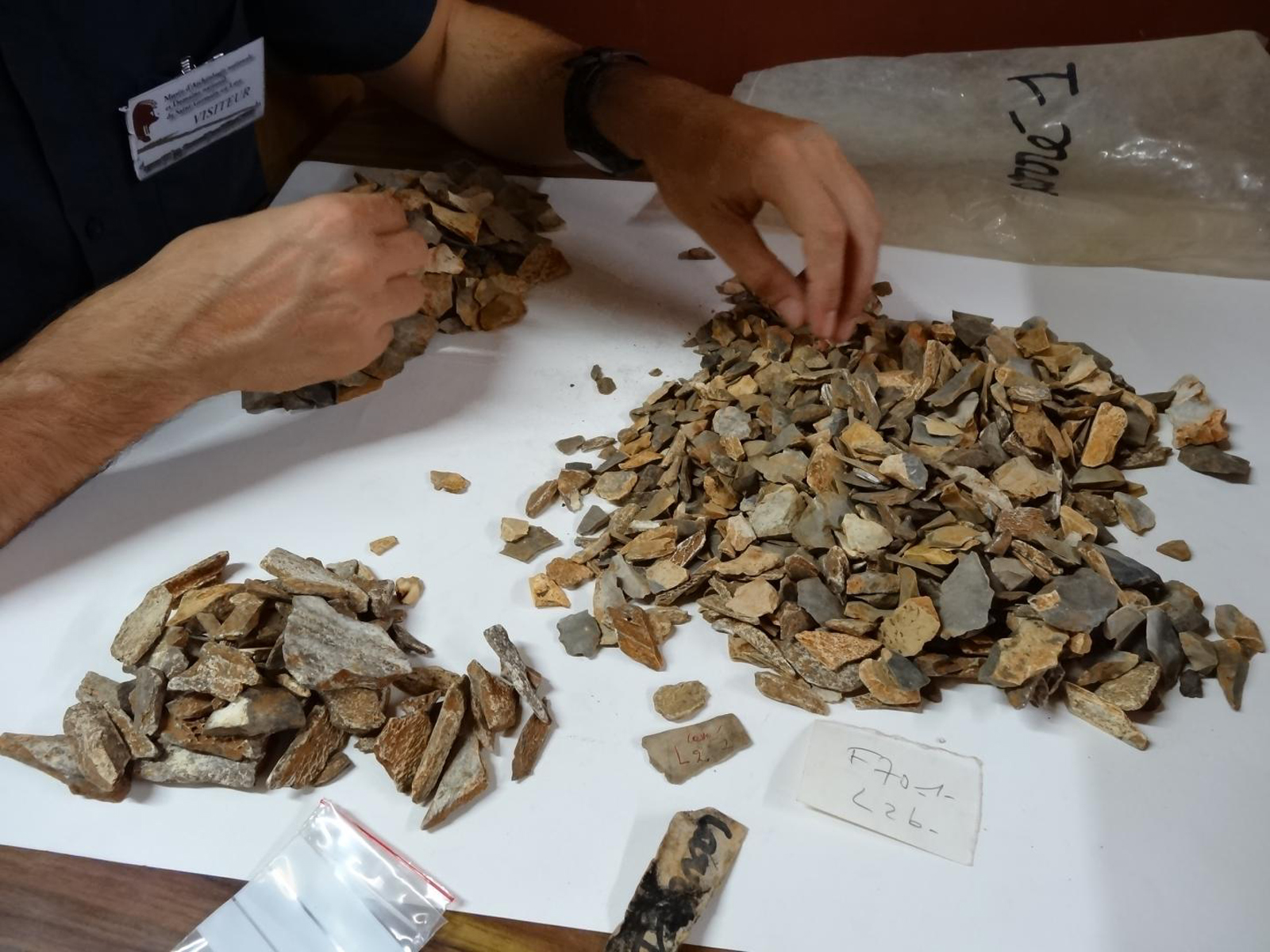
A researcher from the Musée d'Archéologie Nationale in France examines material from excavations of the La Ferrassie Neanderthal site in southwestern France. Thousands of bone remains were sorted and 47 new fossil remains belonging to a Neandertal child  were identified.

Dozens of buried Neanderthal skeletons have been discovered in Europe and parts of Asia over the course of 150 years.

The most well-preserved ones, however, were found at the beginning of the 20th century and weren't excavated using modern methods.

This has led to skepticism about whether Neanderthal burial practice was deliberate.

A new analysis of a 41,000 year-old skeleton of a Neanderthal child, found in a French cave in the 1970s, provides fresh evidence that the Stone Age hominins intentionally buried their dead.

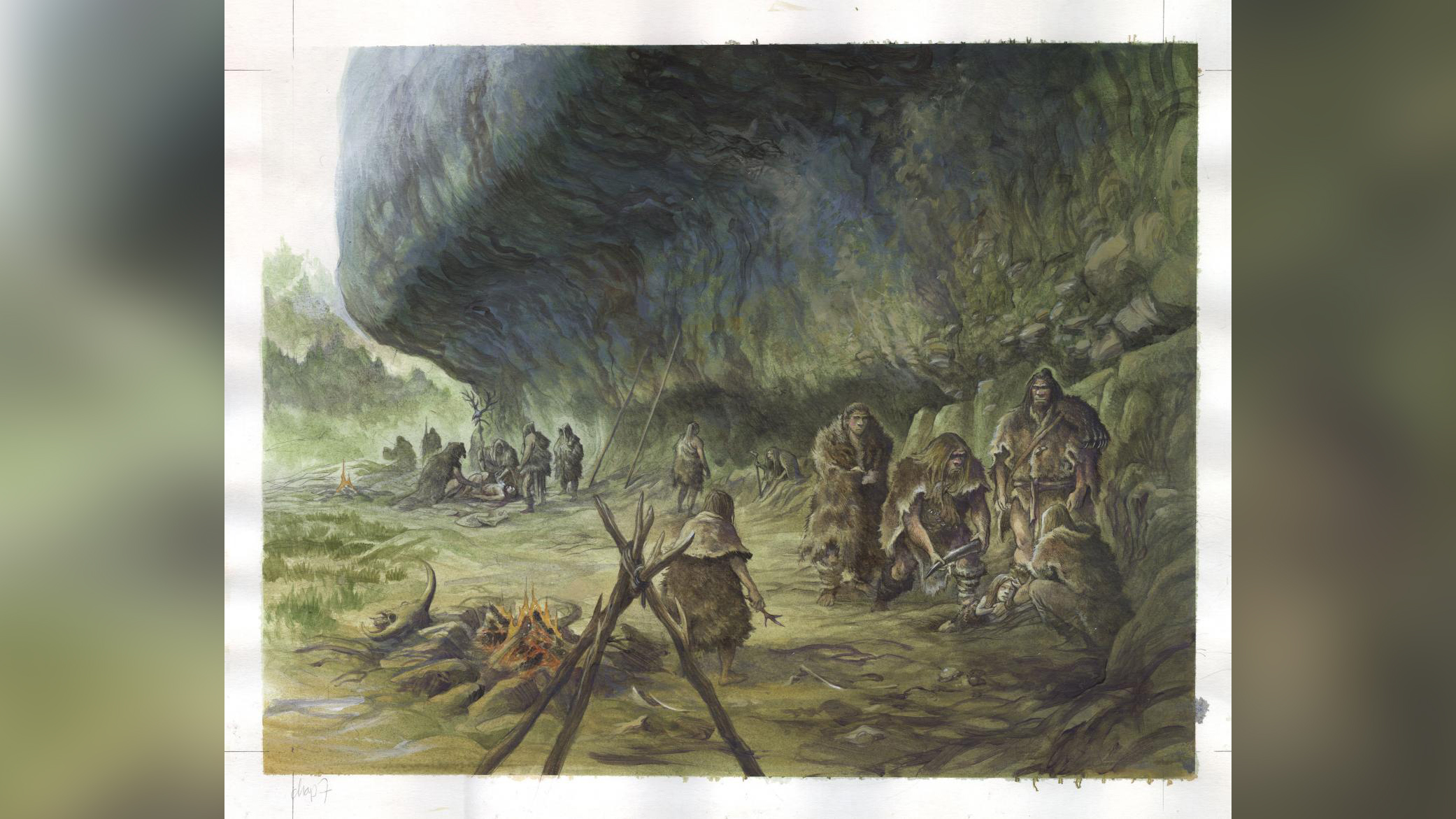
This artist's reconstruction shows a child's burial by Neanderthals at La Ferrassie in southwestern France.

French and Spanish researchers re-examined the remains using modern high-tech methods, re-excavated the original archaeological site where the bones were found in La Ferrassie, southwestern France, and reviewed the notebooks and field diaries from the original dig.

Their conclusion? The corpse of a two-year-old Neanderthal was deliberately laid in a pit dug in the sediment.

The absence of marks from carnivores who may have tried to scavenge an uncovered body and the fact that the bones were relatively unscattered with little weathering suggested that the body was rapidly covered, the researchers said.

Much of the genes that help determine most peoples skin and hair are much more Neanderthal than not, according to two new studies that look at the DNA fossils hidden in the modern human genome.

The remains were also well preserved (better than the bones from animals found in the same layer of earth) despite belonging to a child.

Children's skeletons typically have more delicate bones.

The position of the skeleton also suggested the child had been placed there intentionally.

The head, which pointed to the east, was raised higher than the rest of the body even though the land inclined to the west.

"The origin of funerary practices has important implications for the emergence of so-called modern cognitive capacities and behaviour," the study said.

"These new results provide important insights for the discussion about the chronology of the disappearance of the Neanderthals, and the behavioral capacity, including cultural and symbolic expression, of these humans."

The researchers from the French National Centre for Scientific Research, the Muséum National d'Histoire Naturelle in Paris and the University of the Basque Country in Spain identified 47 bones belonging to the child's skeleton that hadn't been previously identified.

One piece of bone was carbon dated and found to be 41,000 years old.

Researchers confirmed the bone belonged to a Neanderthal by analysing the fragment's mitochondrial DNA.

Read more: Aztec 'tower of skulls' discovered in Mexico

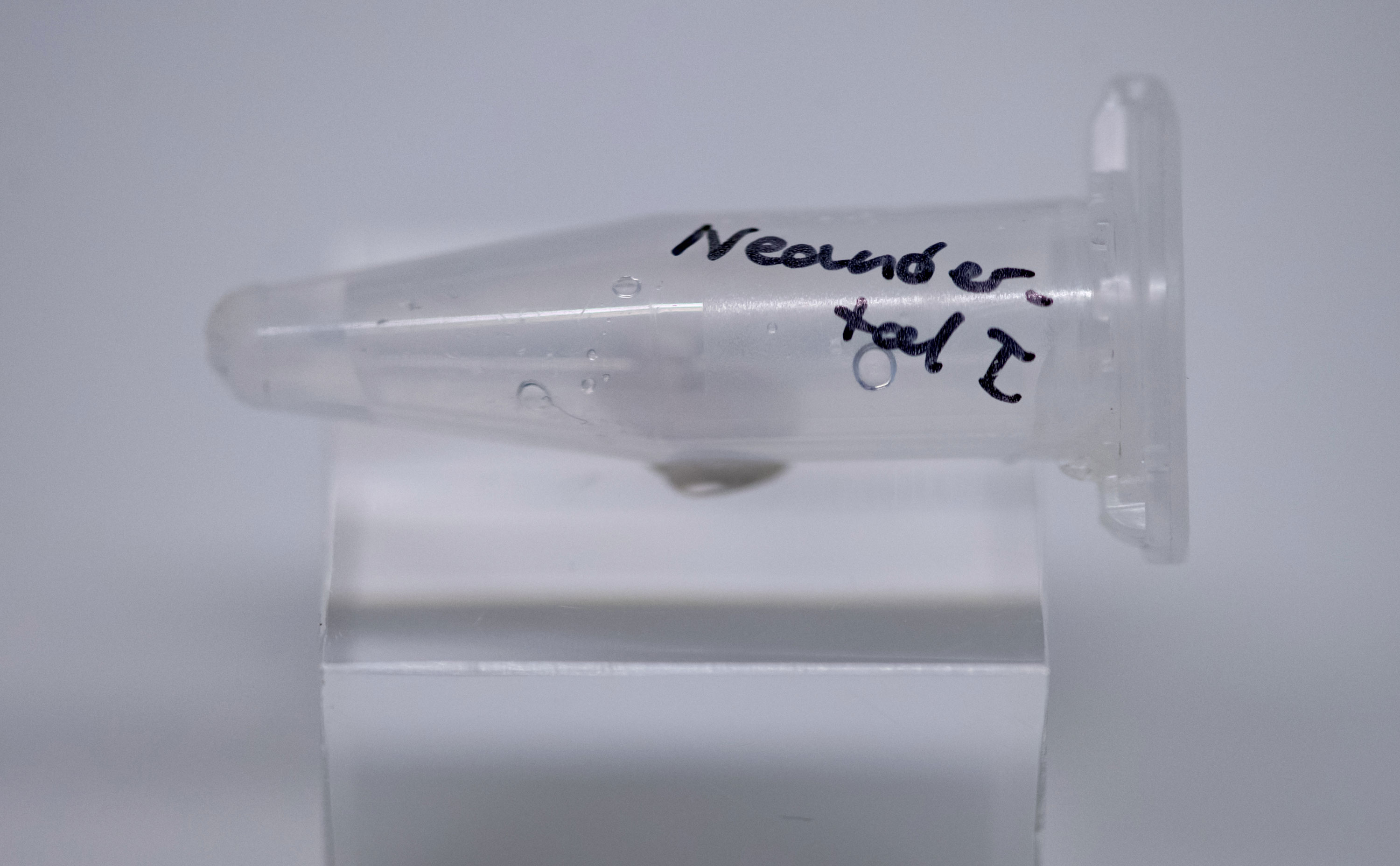
A tube containing the DNA of the Neanderthal man can be seen in the State Museum of Archaeology in Chemnitz. Under the motto "2 million years of migration", the Landesmuseum is showing a special exhibition on the subject of migration from 1 May to 14 July 2019. In the show, visitors can discover how people spread from Africa.

The child was one of eight sets of skeletal remains found at the site.

Potential evidence of burial has also been found in one of the most famous Neanderthal sites, the Shanidar cave in Kurdistan, located in northern Iraq.

This site was home to the remains of 10 Neanderthal men, women and children.

They were found with ancient pollen clumps, suggesting that Neanderthals may have included flowers as part of their funeral rites.

More recent excavations of the Shanidar cave have turned up more Neanderthal remains, which early research has suggested were deliberately buried.

Other research has suggested that there was considerable diversity in how European Neanderthals treated their dead kin in the period immediately preceding their disappearance roughly 40,000 years ago – including cannibalism.

The team of researchers said today's analytical standards should be applied to the other skeletal remains at the La Ferrassie site to assess whether they too were buried.

The research was published in the journal Scientific Reports in December.