Kirill Koninin always wore a helmet when he went out on his bike – but for some reason on December 23 he made the fatal decision to leave it at home.Hours later he had suffered a catastrophic head injury and on Christmas Eve his…
All posts by FreeNews
Locals fend off flames with garden hoses as Punaruku fire threatens home, business
More than 30 firefighters battling a fire in scrub and pine forest on the east coast north of Whangārei yesterday afternoon managed to save a nearby home and accommodation business.The alarm was raised about 12.40pm when the…
Herald morning quiz: January 5
Test your brains with the Herald’s morning quiz. Be sure to check back on nzherald.co.nz at 3pm for the afternoon quiz. To challenge yourself with more quizzes, CLICK HERE.
COVID: Scotland Locks Down, UK PM Johnson Speaks to Nation
Scots are to be ordered to stay at home amid a fresh Covid-19 lockdown which will see schools remain closed to pupils until February.
First Minister Nicola Sturgeon said new curbs would be introduced at midnight in a bid to contain the new, faster-spreading strain of the virus.
New laws will require people to stay at home and work from home where possible.
Outdoor gatherings are also to be cut back, with people only allowed to meet one person from one other household.
Places of worship are to be closed, group exercise banned, and schools will largely operate via online and remote learning.
These rules will apply across the Scottish mainland until at least the end of January, and will be kept under review.
Island areas will remain in level three – but Ms Sturgeon said they would be monitored carefully.
A further 1,905 new cases were reported on Monday – with 15% of tests returning a positive result, something Ms Sturgeon said “illustrates the severity and urgency of the situation”.
The first minister said she was “more concerned about the situation we face now than I have been at any time since March last year”, with the new coronavirus strain now accounting for half of new cases.
And she said a “steeply rising trend of infections” was threatening to put “significant pressure” on NHS services, saying hospitals could breach capacity within three to four weeks.
 image copyrightGetty Images
The new rules – which will be put down in law – mean Scots will only be allowed to leave home for essential purposes, such as shopping for food and medicine, exercise and caring responsibilities.
No limit is to be put on how many times people can go out to exercise, but outdoor meetings are to be limited to a maximum of two people from two households.
Everyone who can work from home will be required to, and people in the “shielding” category are advised not to go in to work at all.
The construction and manufacturing industries will remain open, but Ms Sturgeon said this would be kept under review.
Places of worship are to close, the number of people who can attend weddings is to be cut to five, and funeral wakes will no longer be allowed.
Remote learning
Schools are to remain closed to the majority of pupils until February, with Ms Sturgeon saying community transmission of the virus must be brought to a lower level amid concerns that the new variant of the virus spreads more easily among young people.
She said she knew remote learning presented “significant challenges” for parents, teachers and pupils, adding: “I want to be clear that it remains our priority to get school buildings open again for all pupils are quickly as possible and then keep them open.”
The first minister said she was considering whether teachers could be given the Covid-19 vaccine as a priority.
More than 100,000 people have been given a first dose of the vaccine in Scotland, and the government expects to have access to just over 900,000 doses by the end of January.
However Ms Sturgeon said the best way to get schools open again was to drive down transmission of the virus – urging Scots to abide by the rules.


The post COVID: Scotland Locks Down, UK PM Johnson Speaks to Nation appeared first on The St Kitts Nevis Observer.
Bermuda’s Health Chief Cites ‘Reckless Behavior’ for COVID Spike
Bermuda’s Health Minister Kim Wilson has condemned what she says is “reckless behavior” that led to the island recording 18 new cases of COVID-19.
In an update late Saturday, the Health Minister said that a total of seven cases in from overseas and seven were the results of on-island transmissions with a known contact.
The sources of the other four cases are under investigation.
The new cases bring the island’s total of confirmed cases to 622 — roughly half in December alone. To date, ten people have died on the island.
“We have been made aware of some disturbing social activities over the New Year’s holiday that saw a significant number of individuals at a location who were not engaging in safe practices. Reckless behavior such as this is unfortunate, and we understand that the Bermuda Police Service is investigating the incident.”
“I cannot emphasize enough the importance of making sensible and responsible decisions.”
The fresh cases were among 1,925 test results that came back to health officials since Thursday.
The overseas cases include three residents who flew to Bermuda from London on the December 23 British Airways (BA) flight and tested positive on their day 8 test.
One case arrived on a JetBlue Airways flight from Boston on December 26 and another arrived on a private jet on December 27.
The other two positive cases were residents who arrived on the December 30 BA flight.
The island has 134 active cases, with 131 patients under public health monitoring and three in hospital — but none in critical care.
A total of 478 patients have recovered.
The post Bermuda’s Health Chief Cites ‘Reckless Behavior’ for COVID Spike appeared first on The St Kitts Nevis Observer.
Fiat Chrysler and Peugeot shareholders vote to merge, creating world's fourth-largest car maker
The new company, Stellantis, will house brands such as Jeep, Ram, Dodge, Maserati, Peugeot, and Citroën.
Google employees form workers' union in United States
More than 200 Google employees in the United States have formed a workers’ union.
New Corona Strain Arrives in Jamaica on Last UK Flight
The new variant of the coronavirus (COVID-19) has been reported in Jamaica among four people arriving from the UK.
Health Minister Dr. Christopher Tufton confirmed that four passengers who were on the last flight from the UK to Jamaica before the travel ban have tested positive for the new strain.
Speaking at a press conference on January 2, Dr Tufton said the tests have been confirmed after being sent to the Caribbean Public Health Agency (CARPHA) in Trinidad.
The UK flight with 301 passengers had arrived in Jamaica on December 21, the same day Government announced that it was restricting flights from the UK, due to an outbreak of the new COVID-19 strain there.
Passengers from the flight were quarantined and tested, and 20 passengers from the flight tested positive for the virus. The samples were sent to CARPHA for further evaluation.
Dr Tufton said the health officials have no evidence to suggest that the new strain is in the general population. The government, earlier this week, extended the ban on the UK to January 31.
The post New Corona Strain Arrives in Jamaica on Last UK Flight appeared first on The St Kitts Nevis Observer.
Argentina Approves Fetal Abortion
Buenos Aires, Argentina (CNN) Argentina’s Senate vote is seen as a major victory for abortion rights advocates in the Catholic-majority country.
The Senate voted 38-29 to give millions of women access to legal terminations under a new law supported by President Alberto Fernández. The margin was expected to be much smaller.
Massive crowds of abortion rights activists and anti-abortion campaigners gathered outside the Palace of the Argentine National Congress to await the results, which came in the early hours of the morning after an overnight debate. Supporters of the bill greeted the news with loud cheers — and, in some cases, tears of joy.
Gabriela Giacomelli, whose two sisters had illegal abortions, called the scene “very emotional.”
“We have been fighting for years,” Giacomelli said. “I see young people now, though I hope they never have to abort, but if they do now they can do it safely.”
Abortion rights activists celebrate after the Senate approved a bill to legalize abortion outside Congress in Buenos Aires on Wednesday morning.
Mariela Belski, executive director of Amnesty International Argentina and an ambassador for the global women’s rights movement She Decides, said: “Today, Argentina has made an emblematic step forward in defending the rights of women, girls and people with reproductive capacity.”
The law will legalize abortion in all cases up to 14 weeks of pregnancy. Abortion in Argentina, South America’s third-most populous country, is currently only permitted when a pregnancy results from rape or endangers the life or health of the woman.
In all other circumstances, abortion is illegal and punishable by up to 15 years in jail.
Abortion advocates hope Argentina’s decision will spur similar movements in Latin America’s other Catholic-majority states.
Belski said that the move sends “a strong message of hope to our entire continent — that we can change course against the criminalization of abortion and against clandestine abortions, which pose serious risks to the health and lives of millions of people. Both the law passed by the Argentine Congress today and the enormous effort of the women’s movement to achieve this are an inspiration to the Americas, and to the world.”
Across Latin America and the Caribbean region, only Cuba, Uruguay, French Guiana and Guyana allow for elective abortions, according to the Center for Reproductive Rights. In Mexico City and the Mexican state of Oaxaca, abortions are also available on request, but are severely restricted throughout the rest of Mexico.
By contrast, El Salvador, the Dominican Republic, Haiti, Honduras, Nicaragua and Suriname ban abortions in nearly all circumstances. Colombia, Costa Rica, Guatemala and Panama allow for abortion only if it’s to preserve the woman’s health or help save her life.
While abortions remain largely restricted or illegal throughout the region, approximately 5.4 million abortions took place in Latin America and the Caribbean between 2015 and 2019, according to data from the Guttmacher Institute. Its research has found that unintended pregnancy rates are highest in countries that restrict abortion access and lowest in countries where abortion is broadly legal.
An anti-abortion campaigner reacts after the Senate voted in favor of a bill to legalize abortion on Wednesday.
‘
The post Argentina Approves Fetal Abortion appeared first on The St Kitts Nevis Observer.
Judge rules Julian Assange will not be extradited to US
A British judge has rejected the United States' request to extradite WikiLeaks founder Julian Assange to face espionage charges, saying he was likely to kill himself if held under harsh US prison conditions.
District Judge Vanessa Baraitser rejected allegations that Assange is being prosecuted for political reasons or would not receive a fair trial in the United States.
But she said his precarious mental health would likely deteriorate further under the conditions of "near total isolation" he would face in US prison.
https://twitter.com/CGreenbank9/status/1346049037343068160
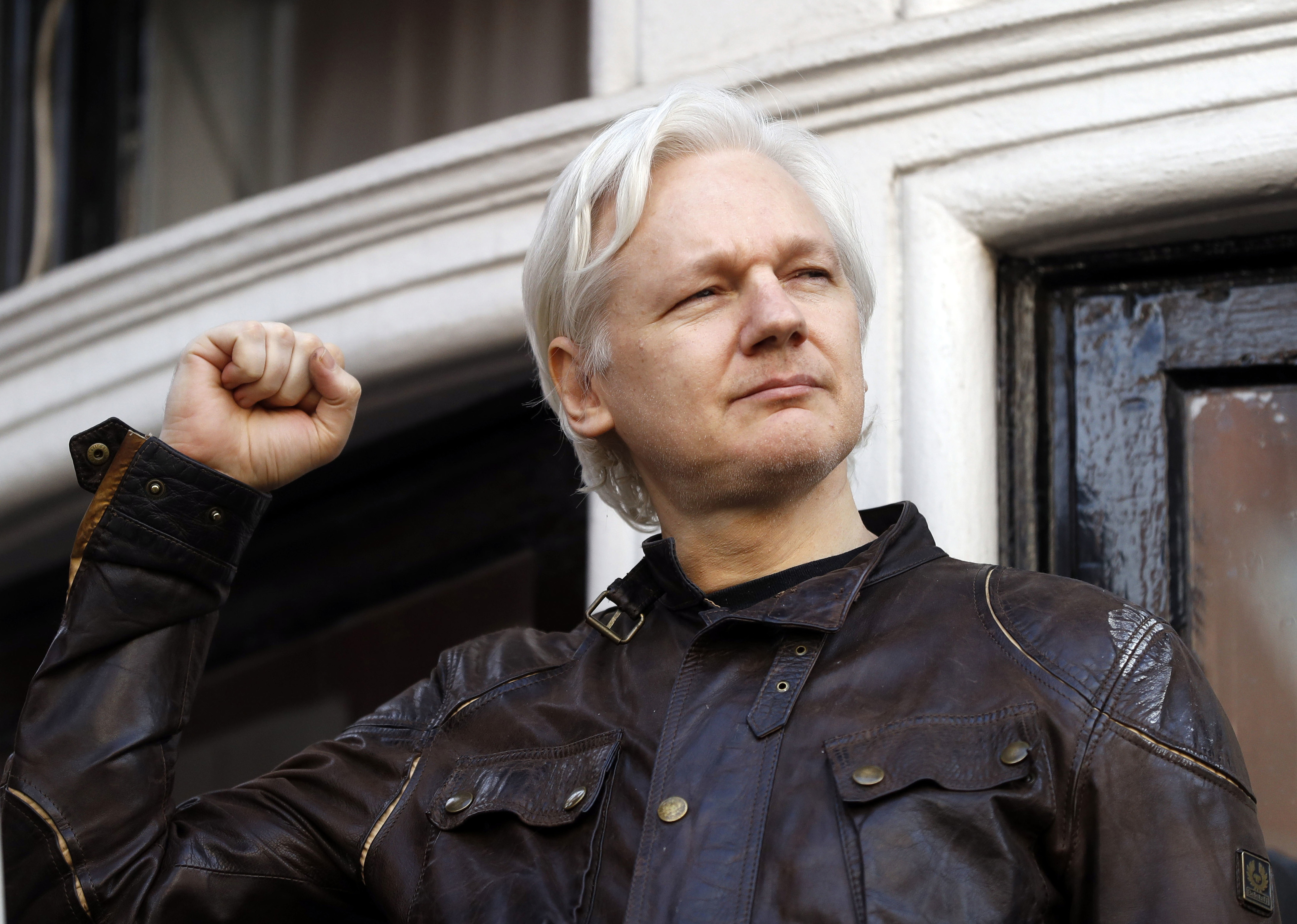
"I find that the mental condition of Mr. Assange is such that it would be oppressive to extradite him to the United States of America," the judge said.
She said Assange was "a depressed and sometimes despairing man" who had the "intellect and determination" to circumvent any suicide prevention measures taken by American prison authorities.
The US government said it would appeal the decision.
Assange's lawyers said they would ask for his release from a London prison where he has been held for more than a 18 months at a bail hearing on Wednesday.
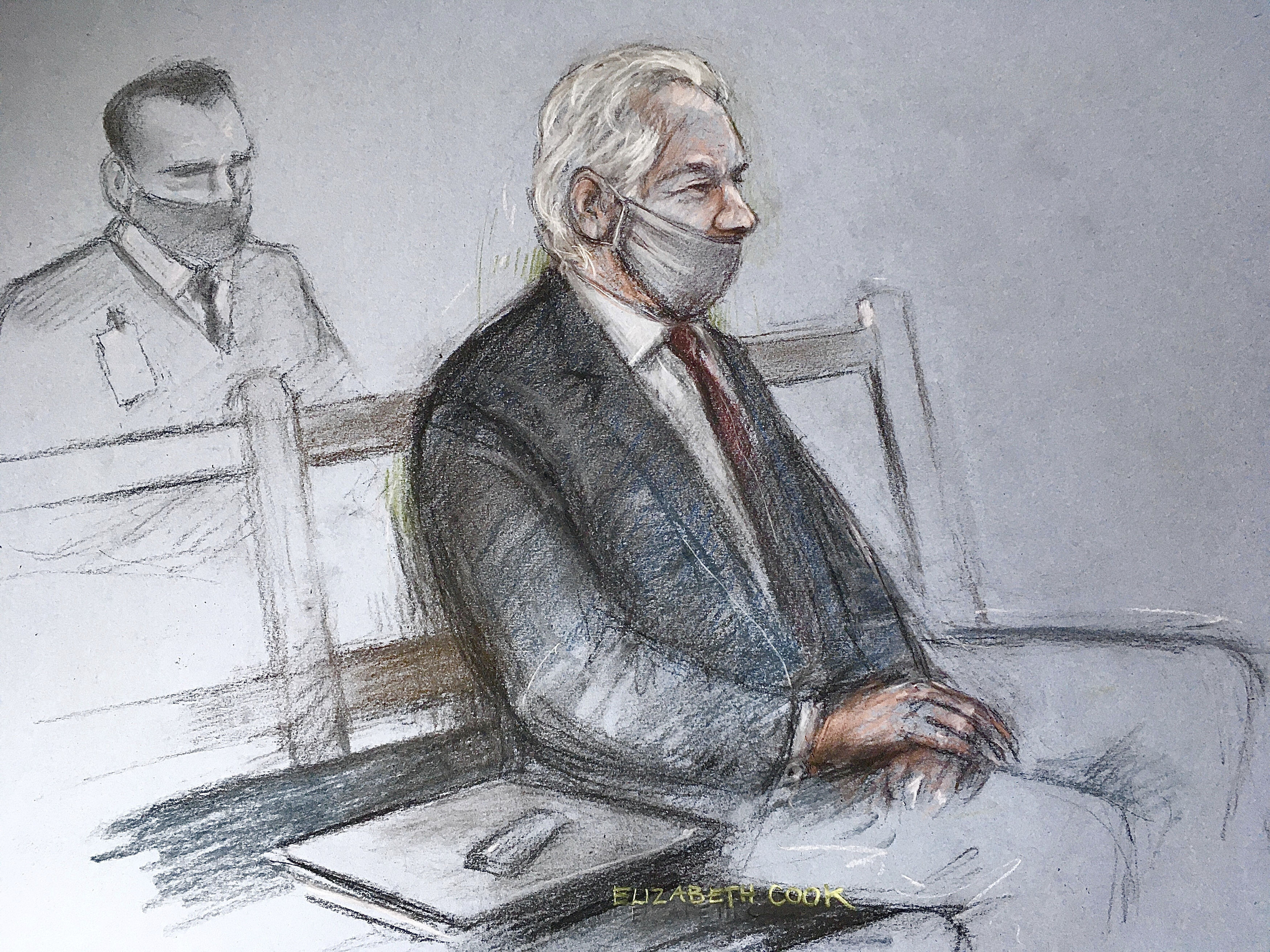
Assange, who sat in the dock at London's Central Criminal Court for the ruling, wiped his brow as the decision was announced.
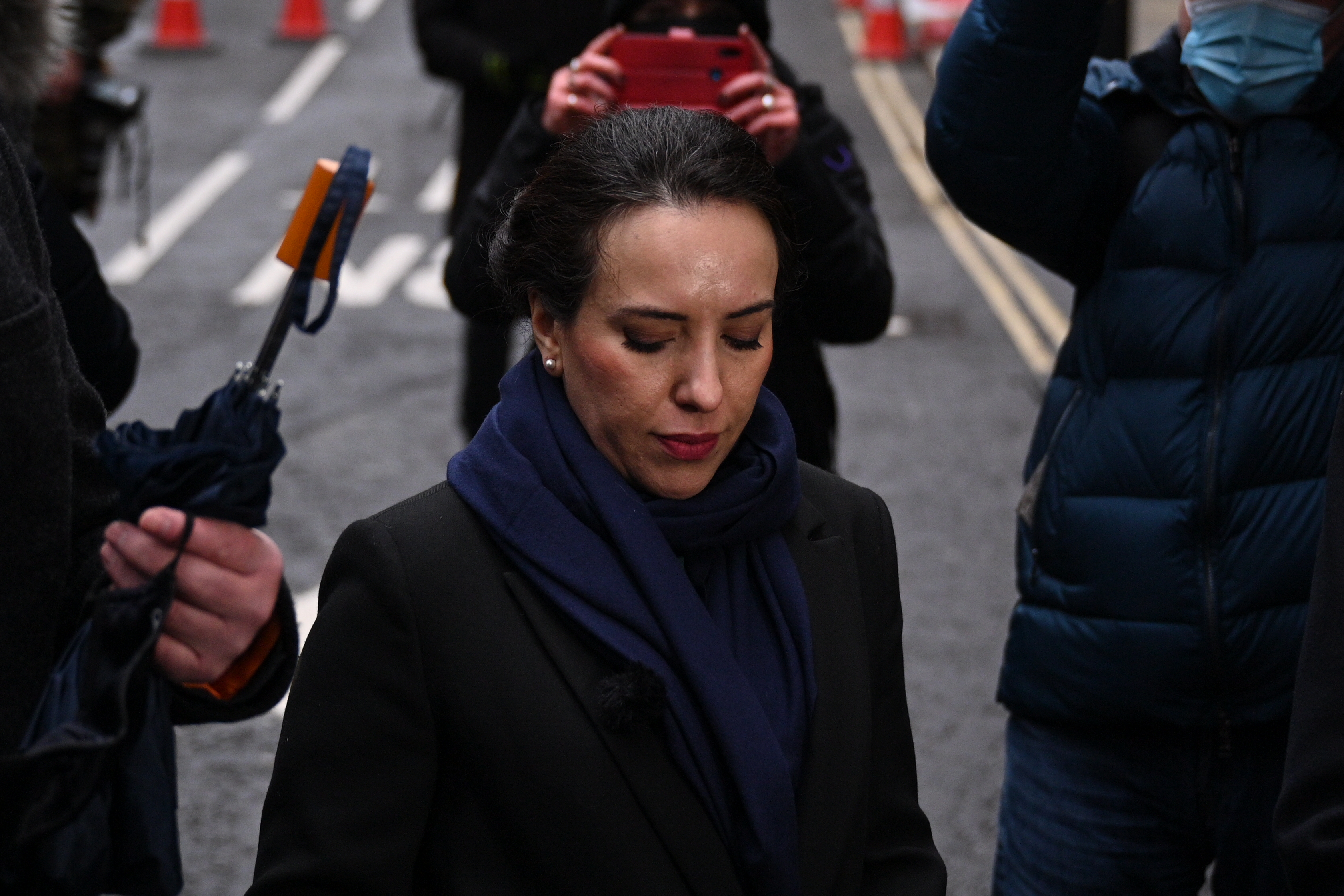
His partner Stella Moris, with whom he has two young sons, wept.
Assange's American lawyer, Barry Pollack, said the legal team was "enormously gratified by the UK court's decision denying extradition".
"The effort by the United States to prosecute Julian Assange and seek his extradition was ill-advised from the start," he said.
"We hope that after consideration of the UK court's ruling, the United States will decide not to pursue the case further."
The ruling marks a dramatic moment in Assange's years-long legal battles in Britain — though likely not its final chapter.
US prosecutors have indicted Assange on 17 espionage charges and one charge of computer misuse over WikiLeaks' publication of leaked military and diplomatic documents a decade ago.
The charges carry a maximum sentence of 175 years in prison.
Lawyers for the 49-year-old Australian argue that he was acting as a journalist and is entitled to First Amendment protections of freedom of speech for publishing leaked documents that exposed US military wrongdoing in Iraq and Afghanistan.
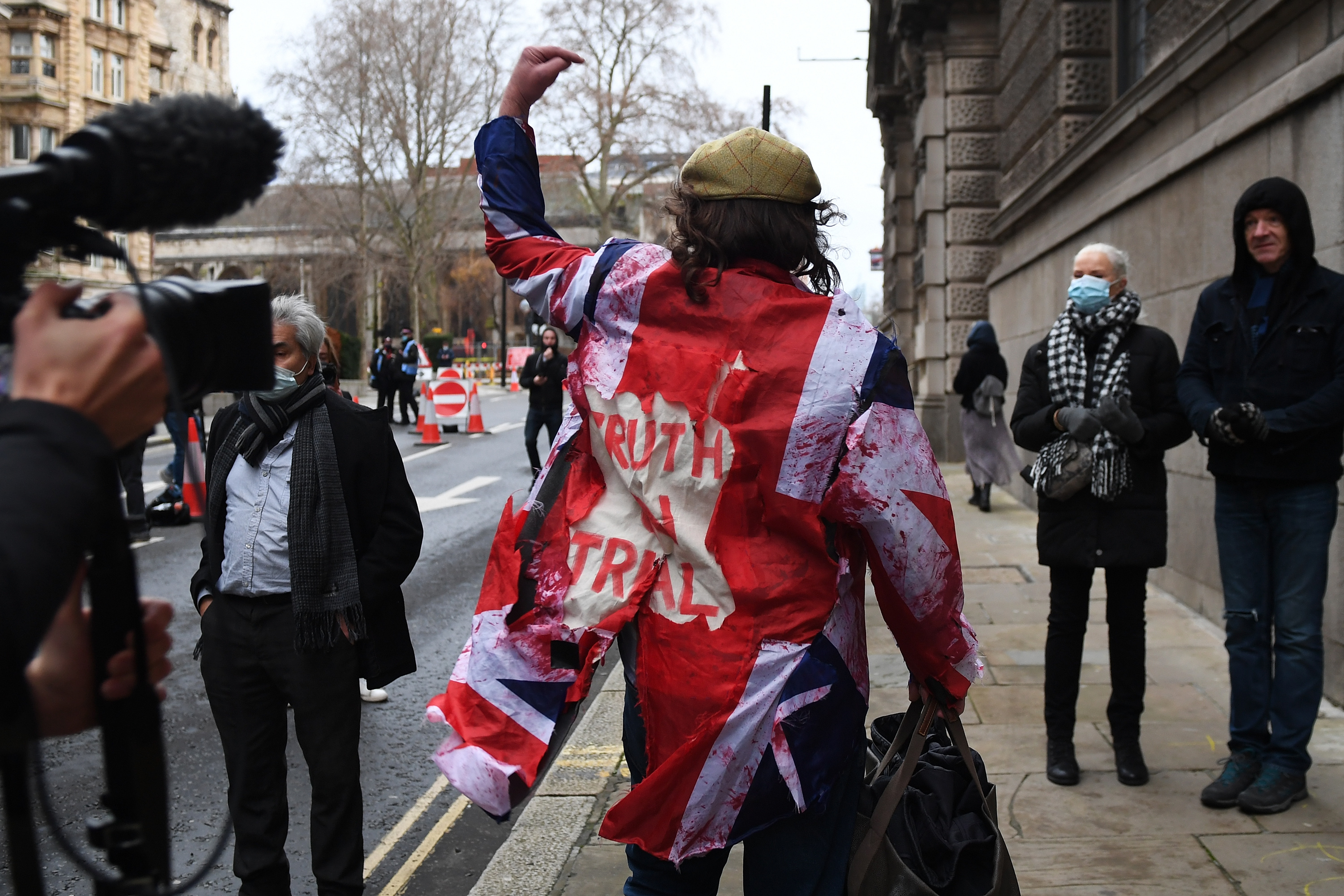
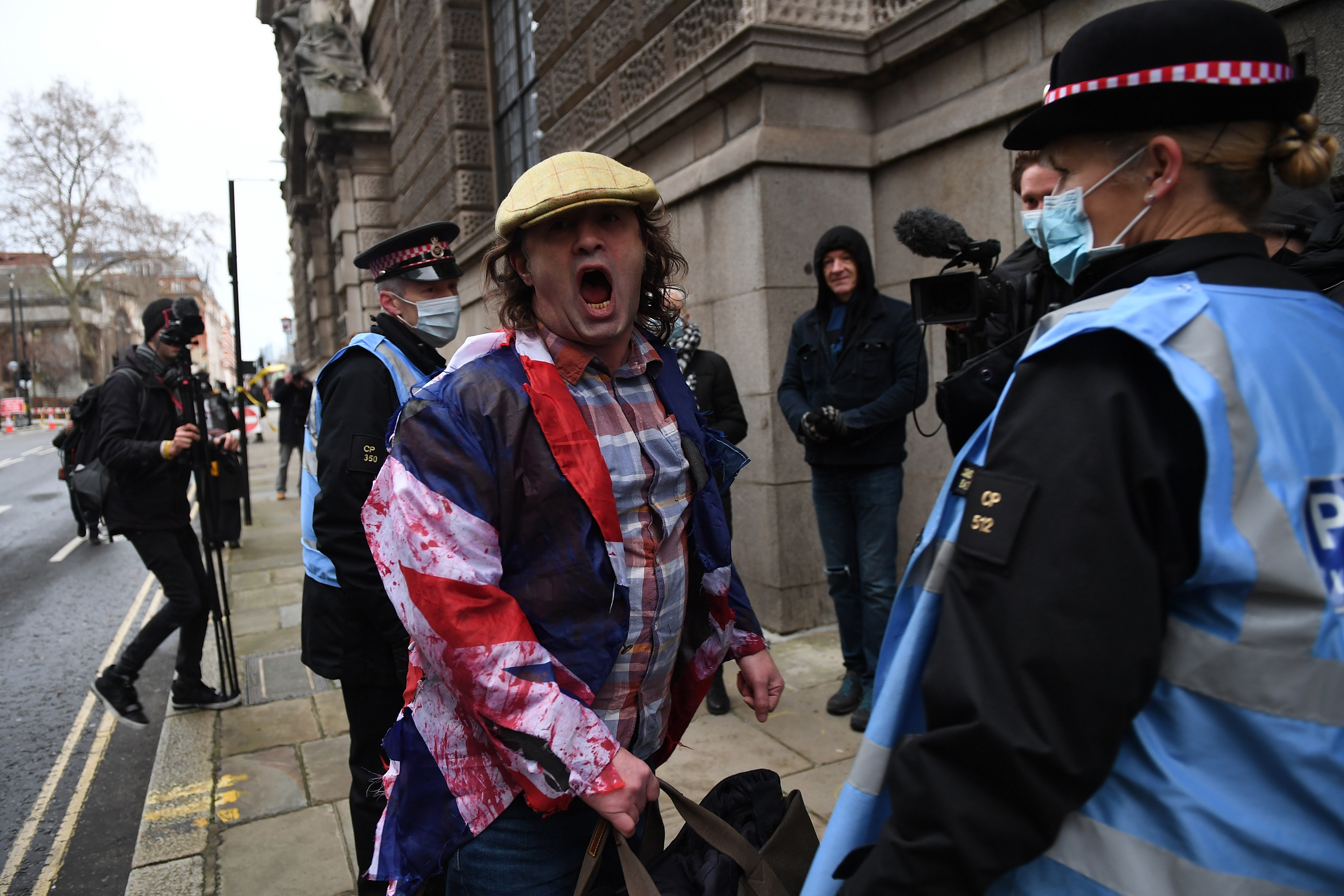
The judge, however, said Assange's actions, if proven, would "amount to offences in this jurisdiction that would not be protected by his right to freedom of speech."
The defence also argued during a three-week hearing in the fall that extradition threatens Assange's human rights because he risks "a grossly disproportionate sentence" and detention in "draconian and inhumane conditions" that would exacerbate his severe depression and other mental health problems.
The judge agreed with that argument. She said Assange suffered from moderate to severe clinical depression and was a "sometimes despairing man" genuinely fearful about his future.
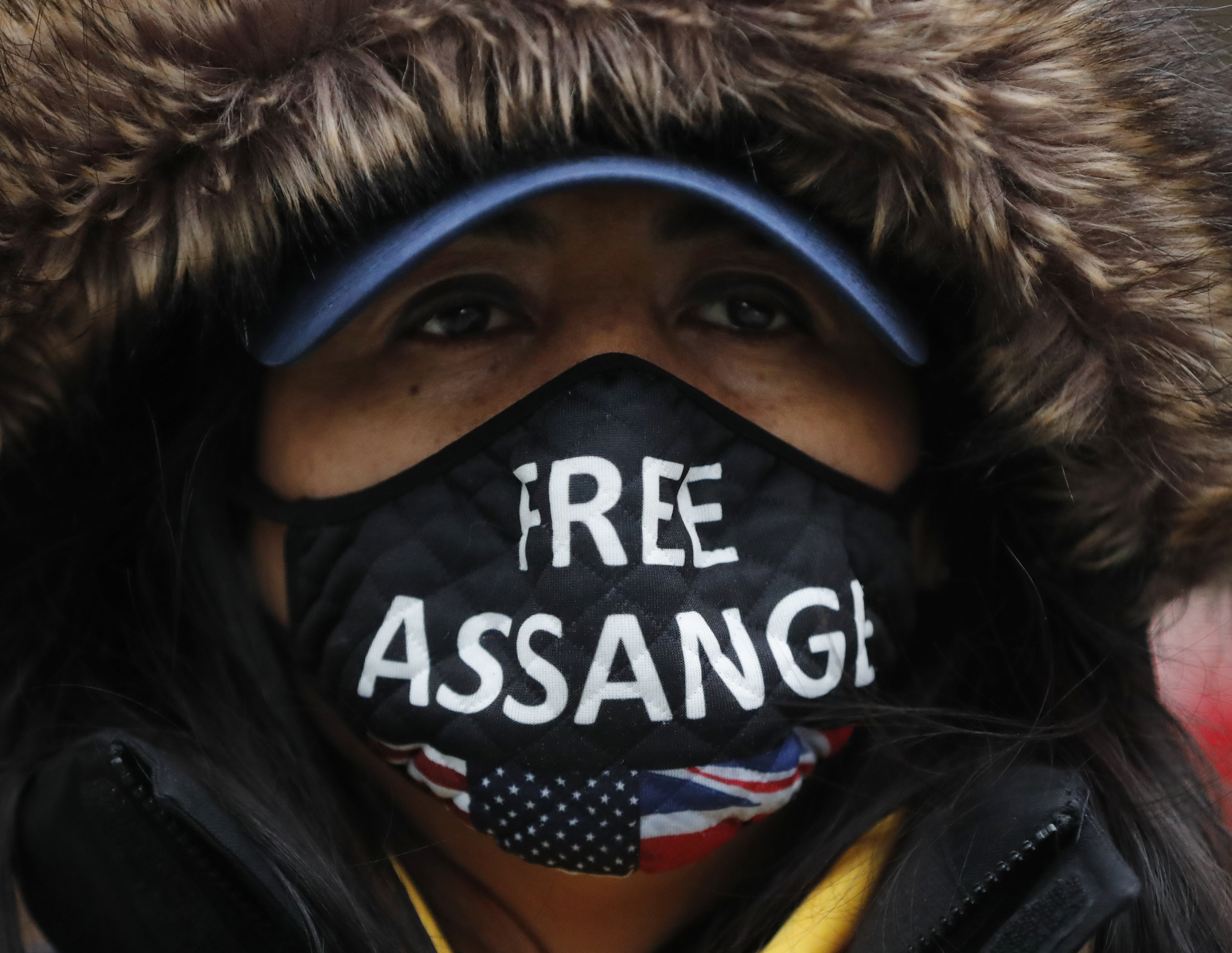
Lawyers for the US government deny that Assange is being prosecuted merely for publishing the leaked documents, saying the case "is in large part based upon his unlawful involvement" in the theft of the diplomatic cables and military files by US Army intelligence analyst Chelsea Manning.
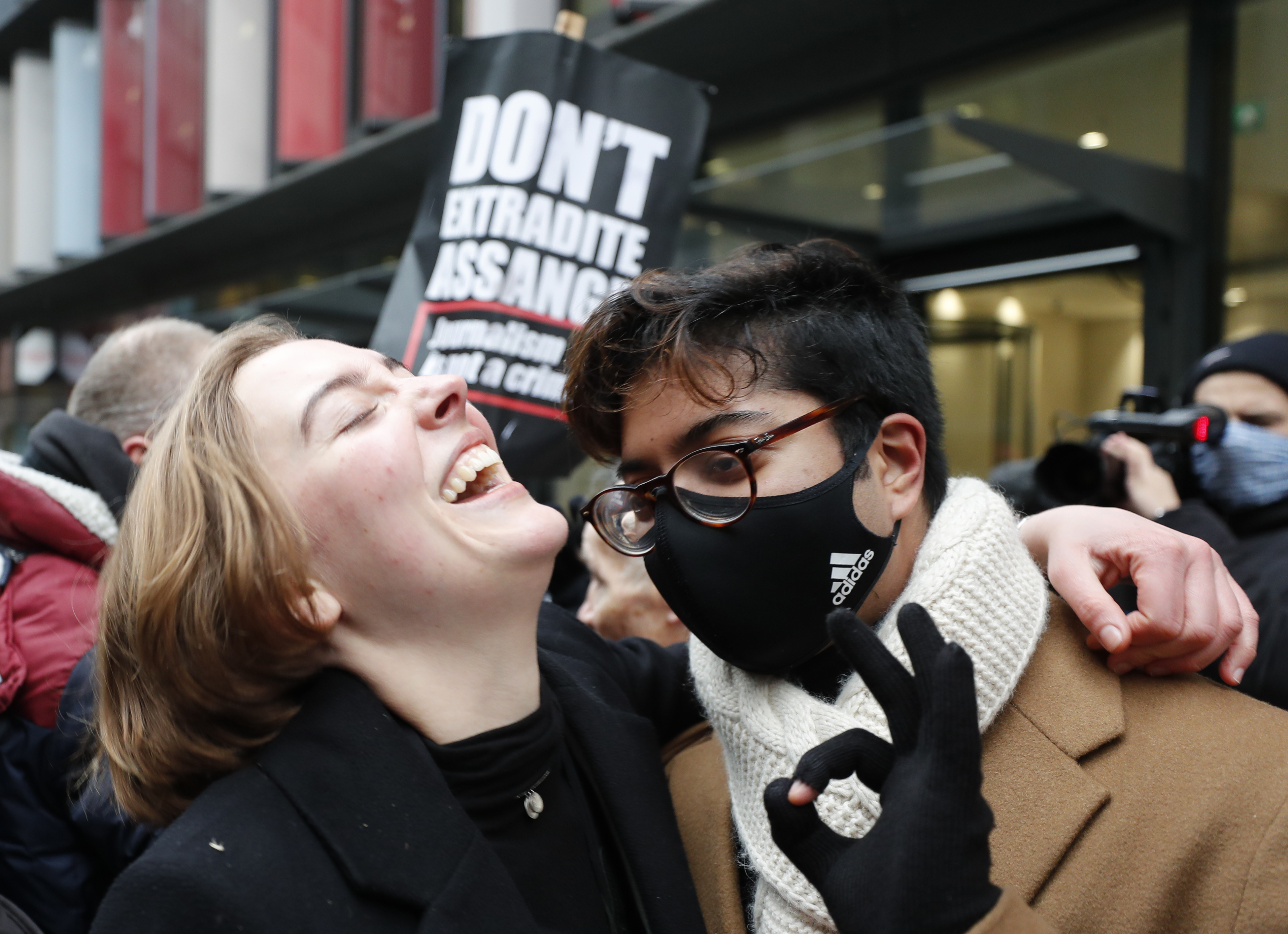
The prosecution of Assange has been condemned by journalists and human rights groups, who say it undermines free speech around the world.
They welcomed the judge's decision, even though it was not made on free-speech grounds.
"This is a huge relief to anyone who cares about the rights of journalists," The Freedom of the Press Foundation tweeted:
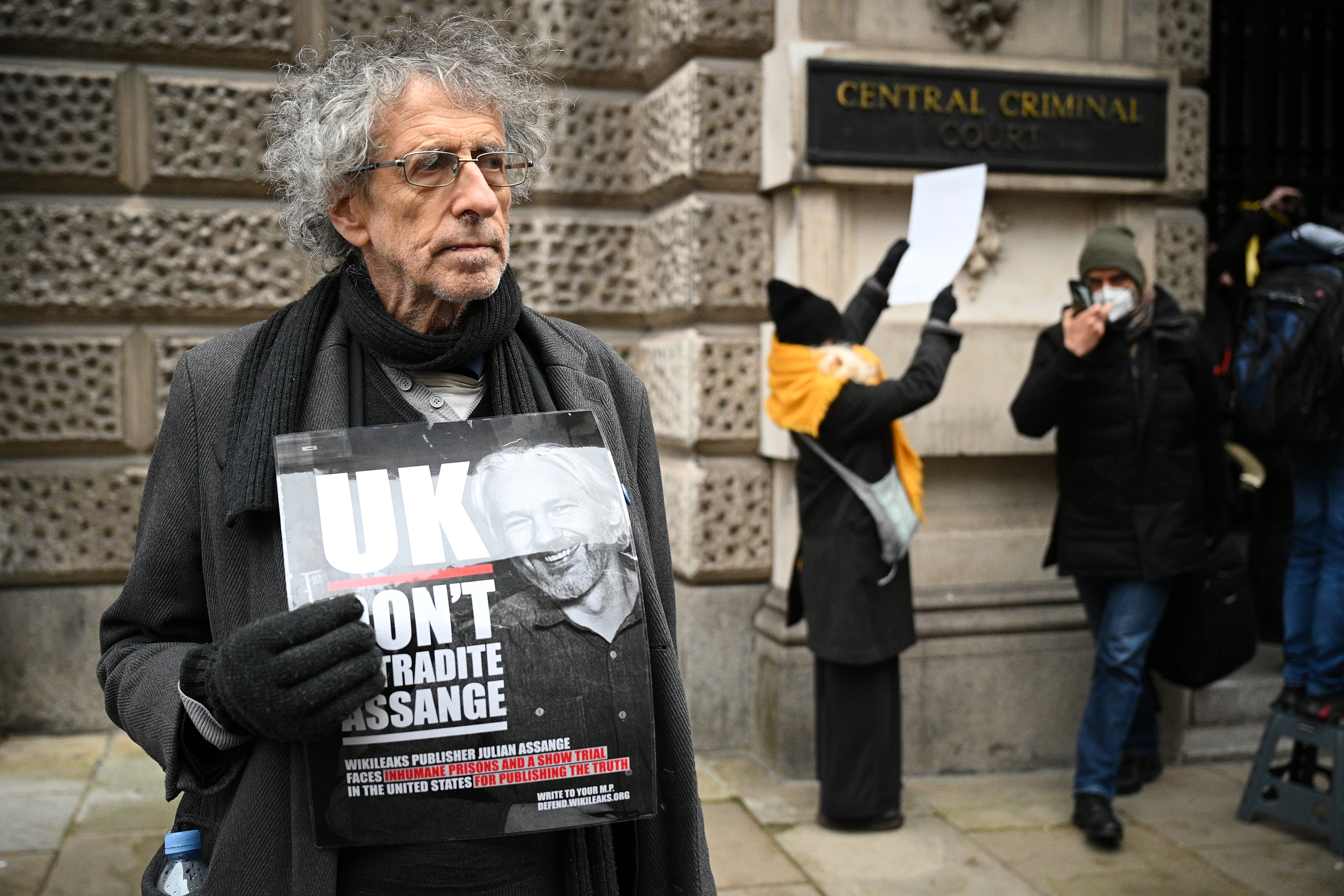
"The extradition request was not decided on press freedom grounds; rather, the judge essentially ruled the US prison system was too repressive to extradite. However, the result will protect journalists everywhere."
Assange's legal troubles began in 2010, when he was arrested in London at the request of Sweden, which wanted to question him about allegations of rape and sexual assault made by two women. In 2012, to avoid being sent to Sweden, Assange sought refuge inside the Ecuadorian Embassy, where he was beyond the reach of UK and Swedish authorities — but also effectively a prisoner, unable to leave the tiny diplomatic mission in London's tony Knightsbridge area.
The relationship between Assange and his hosts eventually soured, and he was evicted from the embassy in April 2019. British police immediately arrested him for jumping bail in 2012.
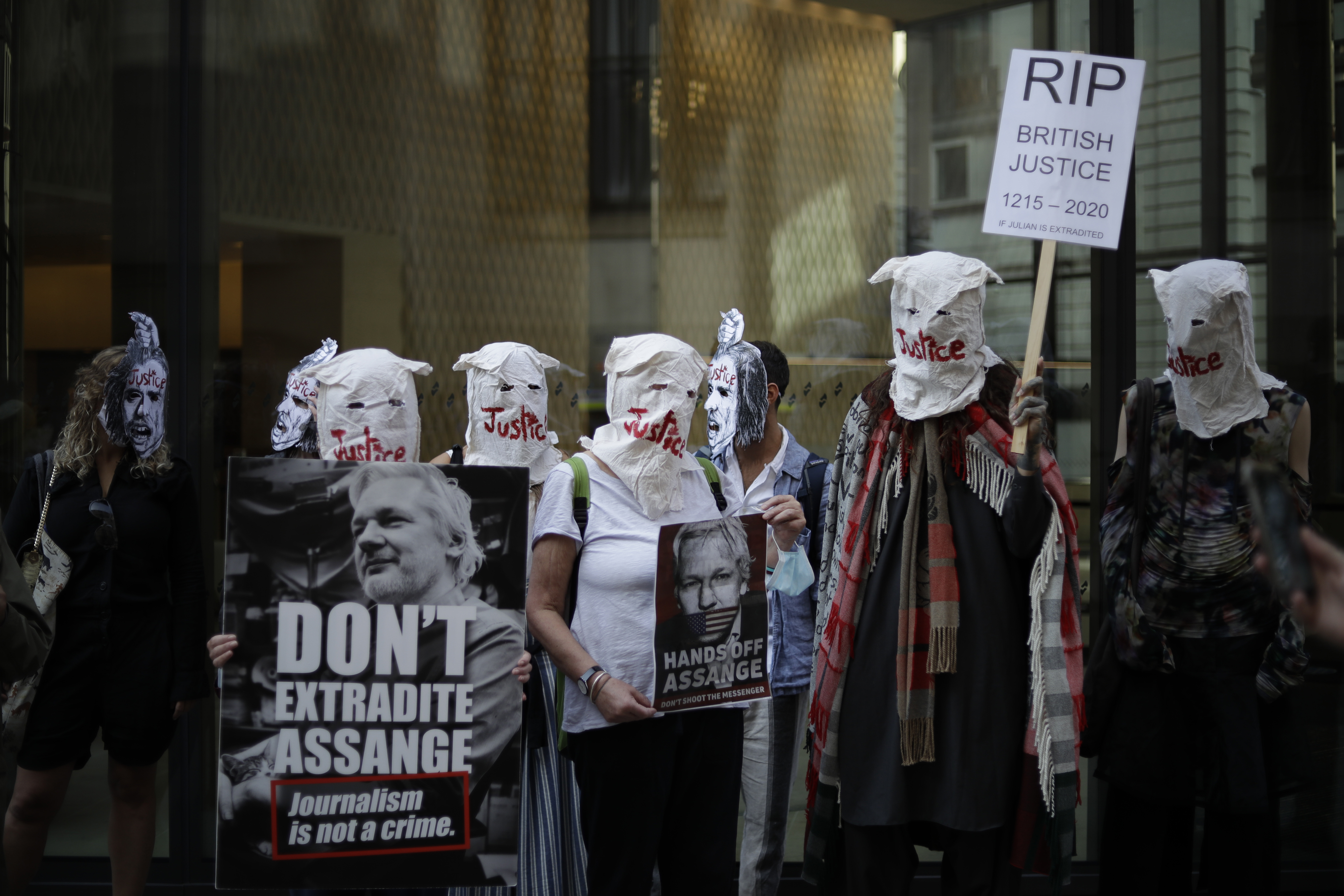
Sweden dropped the sex crimes investigations in November 2019 because so much time had elapsed, but Assange remains in London's high-security Belmarsh Prison, brought to court in a prison van throughout his extradition hearing.