All posts by FreeNews

Victoria's new coronavirus outbreak grows to 10

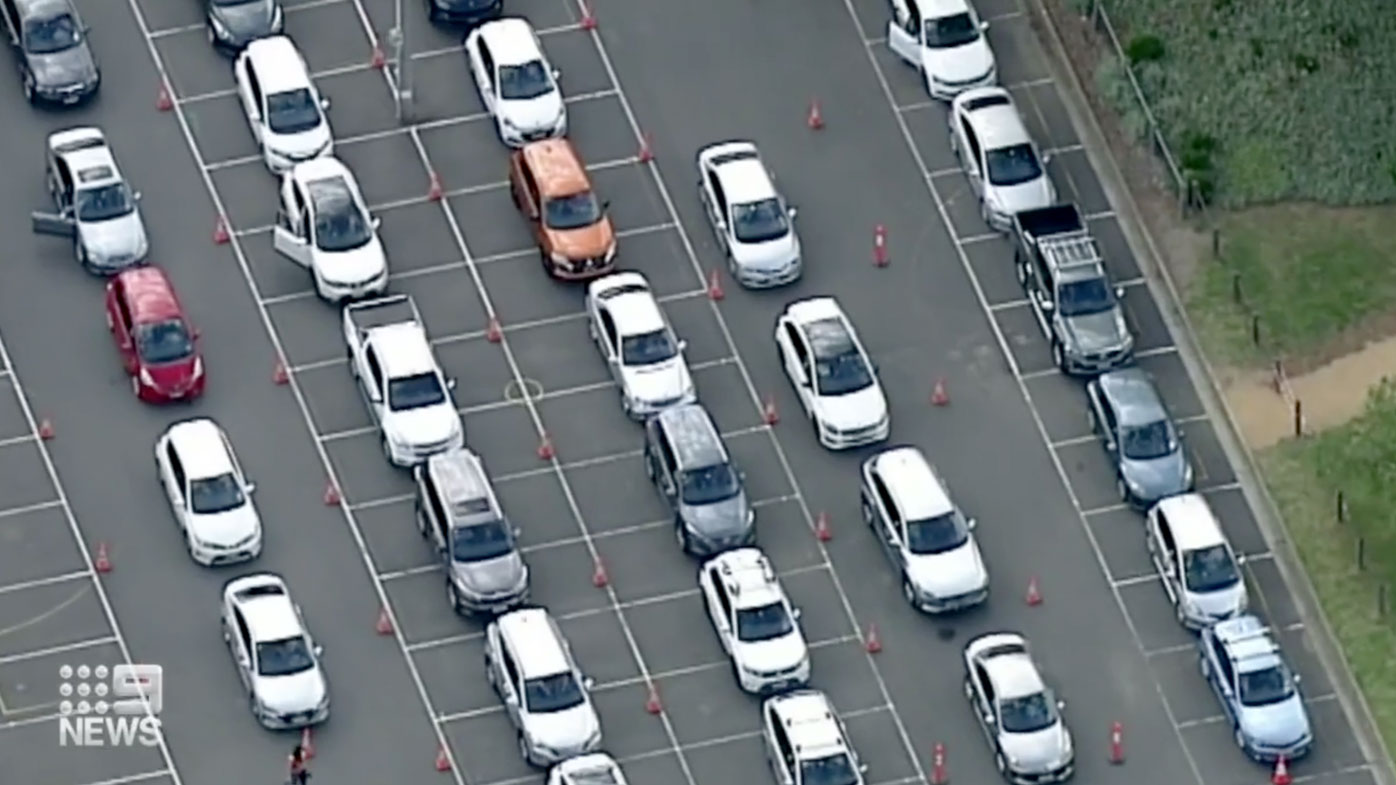
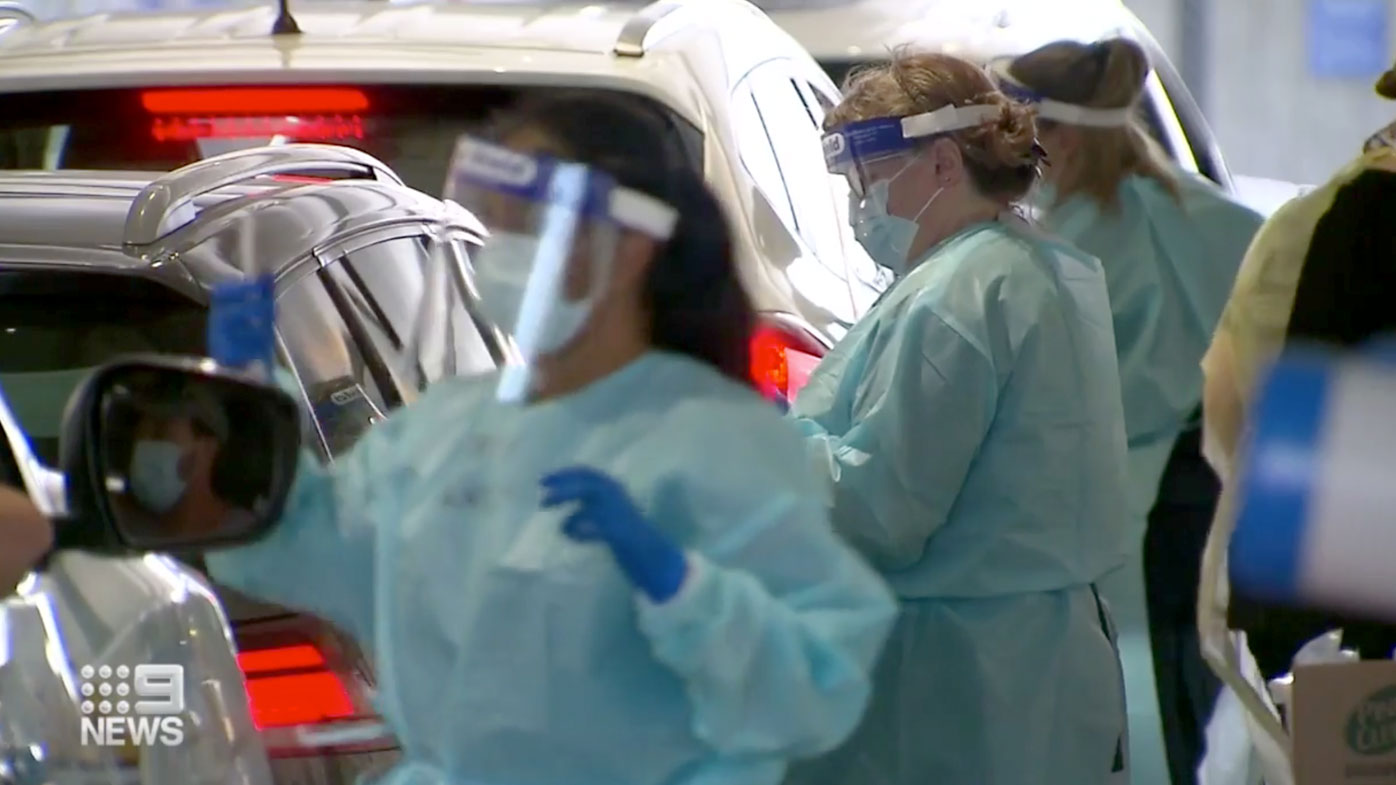
Cars have queued for up to five hours awaiting a coronavirus test in Melbourne today, with no guarantee of reaching the front as the number of cases grew.

Several south eastern testing stations were forced to close early, with dedicated frontline staff simply unable to meet the demand of people urgently seeking a COVID test.

Late today the Health Department confirmed another two COVID cases have emerged in Victoria with clear links to existing infections that were seeded at the Smiling Buffalo Thai Restaurant earlier this week.

READ MORE: Thousands race to return to Victoria as NSW border shuts
The two new positive cases dined at the restaurant on December 21 before travelling into southern NSW where they learned of the outbreak and got tested before returning home.

Because the new infections were identified in NSW they will only be officially added to Victoria's tally on Saturday, bringing it to 10.

Authorities are yet to pin down who started the outbreak.

"Until we identify the absolute index case and its connections to every other case, of course we remain concerned," COVID Testing Commander Jeroen Weimar said.

Health Minister Martin Foley is almost convinced it came from interstate.

READ MORE: More than 70 close contacts are isolating in Melbourne

"The NSW link is still our primary line of investigation for this outbreak," he said.

"We expect genomic testing to come through very shortly and to assist us in confirming the lines of enquiry for our investigation."

More than 170 close contacts and positive cases are in self-isolation, spread across several suburbs and beyond Melbourne into Leongatha and Barwon Heads.

"This is not just a Bayside issue, this is a wider Victorian exposure risk," Mr Weimar said.

There were 13,108 test results received yesterday.

Face masks have become compulsory (except in your own home), house guests have been cut from 30 to 15 souring last night's New Year celebrations.

Border shuts

There have been long queues at the border as thousands race home from NSW before they're locked out at midnight. From tomorrow, any returning Victorian will need to be tested and also self-quarantine for 14 days.

"I stood here some time ago and reconsider going to NSW, don't go to Sydney," Mr Foley said.

"Reconsider going to NSW because the border can change quickly on the basis of public health advice and we saw that happen yesterday. Today, I say, if you are returning to Victoria as of today you must get tested and you must isolate for 14 days." 
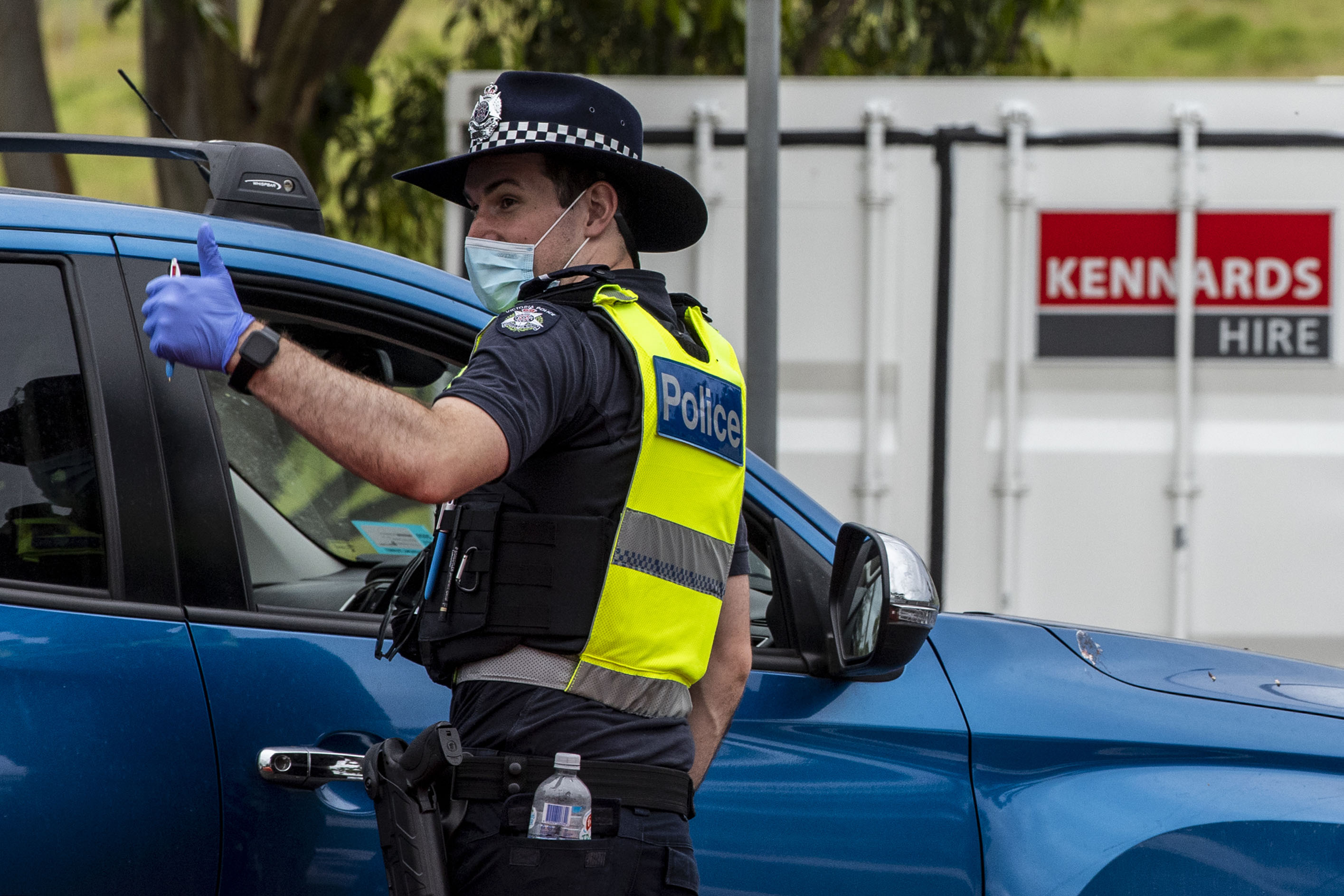
Mr Weimar warned returned travellers about further lengthy queues at the Victorian border.

"The border to NSW will shut at 11.59pm tonight. Anybody who is at queue at the border at 11.59pm will be allowed to go through but that does not extend to people wandering through at 8am tomorrow morning," Mr Weimar told reporters.

"So please, if you are in NSW and you want to be back in Victoria you need to leave now if you haven't left already.

"You need to prepare for a lengthy wait at the border. So please ensure you have fuel, water, food and also whatever you need to isolate safely when you get home."

He said warnings about the risks of getting stranded "on the wrong side of the border" have been issued for days so travellers must decide where they intend to stay.

"If that's NSW that's absolutely fine, if you intend to return to your home in Victoria you need to be getting on the road now," he said.

Victoria's Acting Premier Jacinta Allan said it was a difficult but necessary decision.

"We have to do everything we possibly can to lock in the situation we have here in Victoria, keep ahead of where case numbers might be, especially in light of case numbers coming out of NSW and to protect the precious gains we have achieved over the course of 2020 here in Victoria," she said.

The latest directions in Victoria come as NSW recorded 10 new cases yesterday, with five linked to the Avalon cluster.
News Briefs

Israel’s virus surveillance tool tests its democratic norms

today

TEL AVIV, Israel (AP) — In the early days of the pandemic, a panicked Israel began using a mass surveillance tool on its civilians, tracking people’s cellphones in hopes of stopping the spread of…

New Year’s revelries muted by virus as curtain draws on 2020

today

This New Year’s Eve is being celebrated like no other in most of the world, with many bidding farewell to a year they’d prefer to forget.

From the South Pacific to New York City, pandemic…

EU avoided chaos, explored new paths in turbulent 2020 year

today

BRUSSELS (AP) — Between the specter of Brexit, the coronavirus pandemic and a new leadership team facing a budget battle, the European Union looked set to remember 2020 as an “annus.”

Race to vaccinate millions in US off to slow, messy start

yesterday

TALLAHASSEE, Fla. (AP) — Terry Beth Hadler was so eager to get a lifesaving COVID-19 vaccination that the 69-year-old piano teacher stood in line overnight in a parking lot with hundreds of other…

California passes 25,000 deaths, finds 3 more variant cases

today

LOS ANGELES (AP) — California surpassed 25,000 coronavirus deaths since the start of the pandemic and officials disclosed Thursday that three more cases involving a mutant variant of the virus…

The post News Briefs appeared first on The St Kitts Nevis Observer.

To Spite Biden, Trump to Label Cuba Terrorist State

(CNN) The Trump administration will soon take steps toward designating Cuba as a state sponsor of terrorism as an 11th hour effort to create hurdles for the incoming Biden administration, which is likely to pursue warmer ties with Havana.

A senior administration official told CNN that Secretary of State Mike Pompeo is expected to make the designation in the coming days. A second official confirmed that discussions are taking place, although the timing is uncertain. ]

The Cuban government has already denounced the move, which is one of a series of bold initiatives the Trump administration is taking as it attempts to leave a lasting imprint on US foreign policy with just three weeks left before President Donald Trump leaves office.

Currently, only three other nations bear the US terrorism designation: Iran, North Korea and Syria. Sudan was recently removed from the list as part of its agreement to normalize ties with Israel.

Such a designation would impose restrictions on US foreign assistance, a ban on defense exports and sales, certain controls over exports and various financial restrictions.

It would also result in penalization against any persons and countries engaging in certain trade activities with Cuba.

The New York Times was first to report that Pompeo was considering the designation. A State Department spokesperson declined to comment on Tuesday, saying “we do not discuss deliberations or potential deliberations regarding designations.” The White House declined to comment on the record when reached by CNN.

Momentum to get the designation through had waned in recent months when one of the original advocates for the plan, Mauricio Claver-Carone — a hawkish Cuban-American attorney — left the National Security Council to become president of the Inter-American Development Bank.

However, others within the administration, including Elliott Abrams, Trump’s special representative for Venezuela, and senior Western Hemisphere official Michael Kozak, as well as Florida Republican Senators Marco Rubio and Rick Scott, all supported following through with the idea — despite a lack of support from most of the State Department’s Cuba desk, according to a former administration official.

The post To Spite Biden, Trump to Label Cuba Terrorist State appeared first on The St Kitts Nevis Observer.

Assoc. Press: Past Week in Regional Photos

Abortion-rights activists watch live video streaming of lawmakers in session, outside Congress in Buenos Aires, Argentina, Wednesday, Dec. 30, 2020. Congress approved a bill that legalize abortion in Argentina. (AP Photo/Natacha Pisarenko)

DECEMBER 25 – 31, 2020

This photo gallery highlights some of the most compelling images made or published by Associated Press Photographers in Latin America and the Caribbean. It was curated by AP Photo Editor Tomas Stargardter in Mexico City.

Follow AP visual journalism:

Instagram: https://www.instagram.com/apnews

AP Images on Twitter: http://twitter.com/AP_Images

AP Images blog: http://apimagesblog.com

The post Assoc. Press: Past Week in Regional Photos appeared first on The St Kitts Nevis Observer.

Brazil Lags Behind in Race to Corona Vaccinate

RIO DE JANEIRO (AP) — Brazil, a nation proud of its role as a regional leader in science, technology and medicine, finds itself falling behind its neighbors in the global race for immunization against a pandemic that has already killed nearly 200,000 of its people.

Latin America’s largest nation, long heralded for its domestic vaccine development programs, appears to be at least three or four weeks away from launching any formal immunization campaign against COVID-19. In contrast, Argentina, Chile, Mexico, Costa Rica and other countries in the region have already begun giving shots to their populations.

The Brazilian government has not approved a single vaccine and has stumbled in attempts to acquire even syringes and needles for an immunization effort that, as of the new year, still had no definite rollout date.

Meanwhile, the number of new coronavirus infections in the country reached a new high in December — peaking with more than 70,000 cases on Dec. 16.

The lightning rod in Brazil’s vaccine debate is President Jair Bolsonaro, who has cast skepticism on all of the vaccines being developed even as his government negotiates to obtain them. He has said he doesn’t plan to get a shot himself and joked at one point that side effects might turn people into crocodiles or bearded ladies.

Such talk has left Brazil’s image abroad “very damaged,” Margareth Dalcolmo, a professor in respiratory medicine at the state-funded Oswaldo Cruz Foundation, also known as Fiocruz, told The Associated Press.

“No one is saying that Bolsonaro really believes this, but he is discrediting the vaccine,” said Walter Cintra, a professor in health management at the Getulio Vargas Foundation university in Sao Paulo. “When the government behaves like this, it loses credibility. And these are million-dollar contracts.”

One of the earliest vaccines on the horizon appears to be one developed by China’s Sinovac company, which has contracted with the government of Brazil’s largest state, Sao Paulo, for distribution and production.

Sao Paulo Gov. João Doria announced plans to start distributing shots on Jan. 25 if federal health authorities approve the vaccine. Doria is a vocal critic and likely challenger in the 2022 presidential election, and his announcement added pressure on the Bolsonaro administration to come up with its own federal immunization plan.

The president initially sneered at the Chinese vaccine, saying its origins don’t inspire trust, but other states quickly showed interest in acquiring some

Another contender for early release nationwide is likely to be the vaccine developed by AstraZeneca and Oxford University, which could be available by early February once regulators approve it, according to Brazil’s state laboratory Fiocruz, which is producing it in Brazil.

Fiocruz is one of Brazil’s largest public laboratories for vaccine production, including measles, polio and yellow fever. Relying on advanced technology and Fiocruz’ ability to produce at a low price, Brazil is the world’s biggest manufacturer of yellow fever vaccines, exporting millions of doses to dozens of countries worldwide, according to Fiocruz information.

Fiocruz said it expects to have 100 million of domestically produced COVID-19 doses by the end of July. Two doses are needed.

The government also expects an additional 42 million doses from the global vaccine partnership known as COVAX, with no set date, and has signed a memorandum with Janssen, a Johnson & Johnson subsidiary, for 38 million doses of its single-shot vaccine when it becomes available.

The government has struggled to reach a deal for the first vaccine approved globally, the Pfizer-BioNTech shot. Pfizer complained in late December of Brazil’s regulatory hurdles, while Bolsonaro expressed surprise that pharmaceutical companies did not show more eagerness to sell to a nation of roughly 210 million people.

Tensions seemed to wane in a meeting between regulators and Pfizer on Dec. 30, during which officials said they would simplify protocols and Pfizer said it would consider applying for emergency use approval. The Brazilian government and Pfizer earlier signed a memorandum of understanding for 70 million doses, according to information from the health ministry.

For Cintra, the professor in health management, the confusion over the COVID-19 vaccine approval is symptomatic of this administration’s chaotic handling of the pandemic, during which Bolsonaro has repeatedly denounced local officials’ efforts to impose social distancing rules and described the virus as a “small flu”.

“This is not about Anvisa (the regulator), or excessive regulation. It’s about the federal government systematically sabotaging the fight against the pandemic, or completely destroying the Brazilian health system,” he said.

Cintra noted that a public tender to acquire over 330 million syringes and needles for the government’s COVID-19 vaccination campaign resulted this week in bids for only 8 million units within the acceptable price range — less than 3% of what was required.

The Ministry of Health said in a statement that it would keep the tender open.

“There is a real risk of having a vaccine but not enough needles and syringes,” warned Carlos Eduardo Lula, president of a council of state health secretaries.

The head of Brazil’s bar association, Felipe Santa Cruz, told the newspaper Valor that further delays in the vaccination program could lead the association to draft an impeachment request against Bolsonaro.

For physics teacher Francisco Ferreira, 55, hope for a vaccine any time soon is fading.

“Brazil is getting a mix of bad faith and incompetence on the vaccine issue,” Ferreira said as he walked through the Sao Paulo international airport. “There are serious administrations around the world giving out the shots, but this isn’t our case.”

_____

Savarese reported from Sao Paulo. AP videoreporter Tatiana Pollastri contributed to this report

The post Brazil Lags Behind in Race to Corona Vaccinate appeared first on The St Kitts Nevis Observer.

North Korea's Kim thanks people in rare New Year's cards

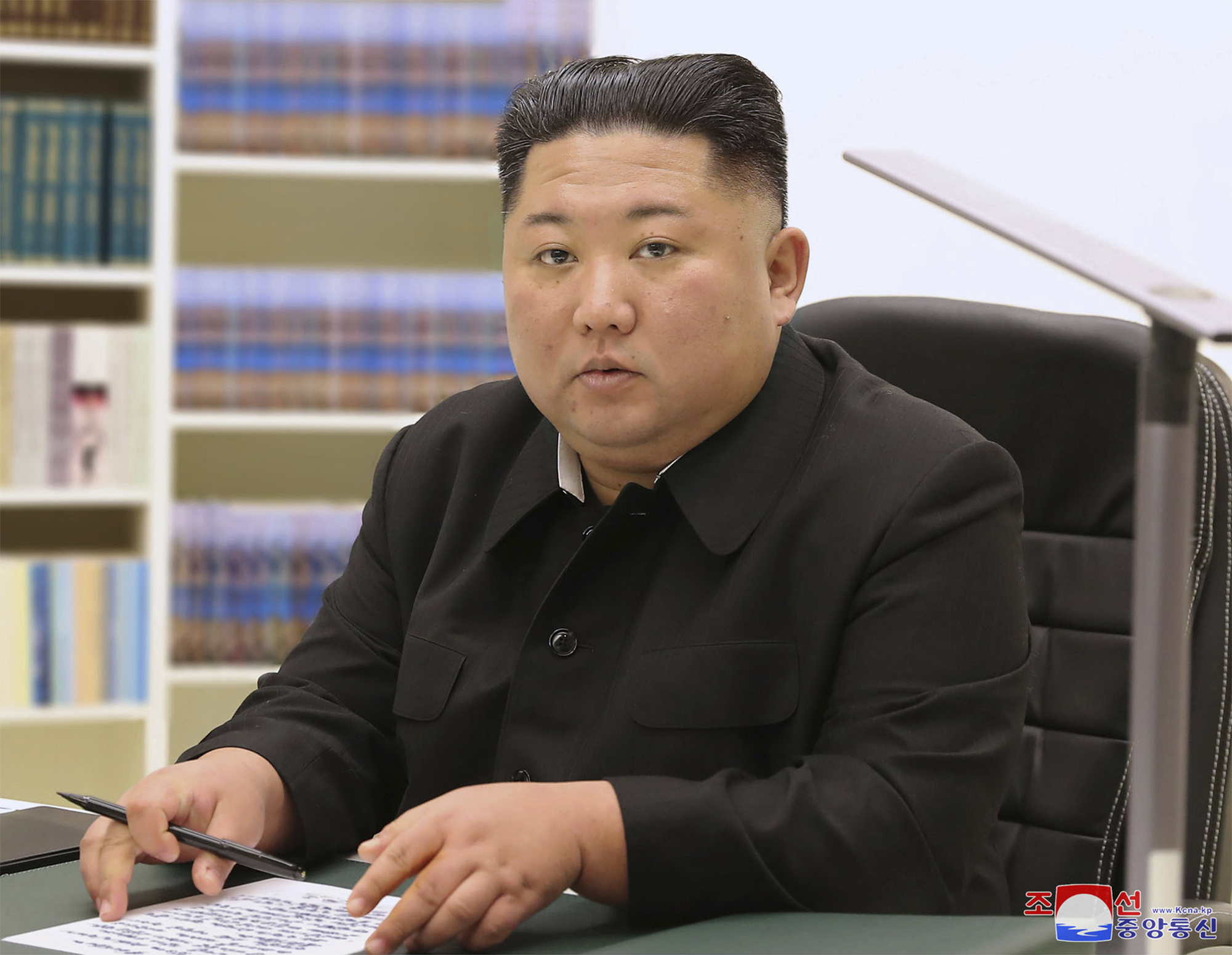
North Korean leader Kim Jong Un thanked the public for their trust and support "in the difficult times" and wished them happiness and good health in his first New Year's Day cards sent to his people.

Kim usually gives a televised speech on January 1, but he is widely expected to skip it this year since he will address the country's first ruling party congress in five years sometime in early January.

"I will work hard to bring earlier the new era in which the ideals and desires of our people will come true," Kim said in his letter, according to the Korean Central News Agency.

IN PICTURES: New Year's Eve celebrations look like never before

"I offer thanks to the people for having invariably trusted and supported our party even in the difficult times," he said.

"I sincerely wish all the families across the country greater happiness and beloved people, good health."

North Korea is one of the world's most cloistered countries, and it's virtually impossible to independently confirm whether all its 25 million people received Kim's letter.

KCNA said the letter was handwritten by Kim. The last time the North Korean leader sent such a letter to ordinary citizens was on January 1, 1995, by Kim's father, Kim Jong Il, according to Seoul's Unification Ministry.

READ MORE: Kim Jong-Un's sister slams Seoul over questioning zero-virus claim

Kim, who succeeded his father upon his death in late 2011, is facing the toughest challenges of his nine-year rule due to the pandemic, several natural disasters last summer and persistent US-led sanctions amid a diplomatic impasse over his nuclear program.

Kim will likely use the Workers' Party congress as a venue to muster a stronger unity and lay out new development goals for the next few years.

North Korea's pandemic-related border closure with China, its biggest trading partner, is hurting the economy. Bilateral trade volume in the first 11 months of 2020 plunged by about 79 per cent from the same period in 2019, analyst Song Jaeguk at Seoul's IBK Economic Research Institute said.

READ MORE: Kim Jong-un 'gets experimental coronavirus vaccine' from China

The congress, the first since 2016, is officially the party's top decision-making body though real day-to-day decisions are made by Kim and his close associates. The rubber stamp body of delegates is expected to endorse Kim's new initiatives without major debates.

State media didn't say when exactly the meeting will take place. In 2016, the congress was held for four days.

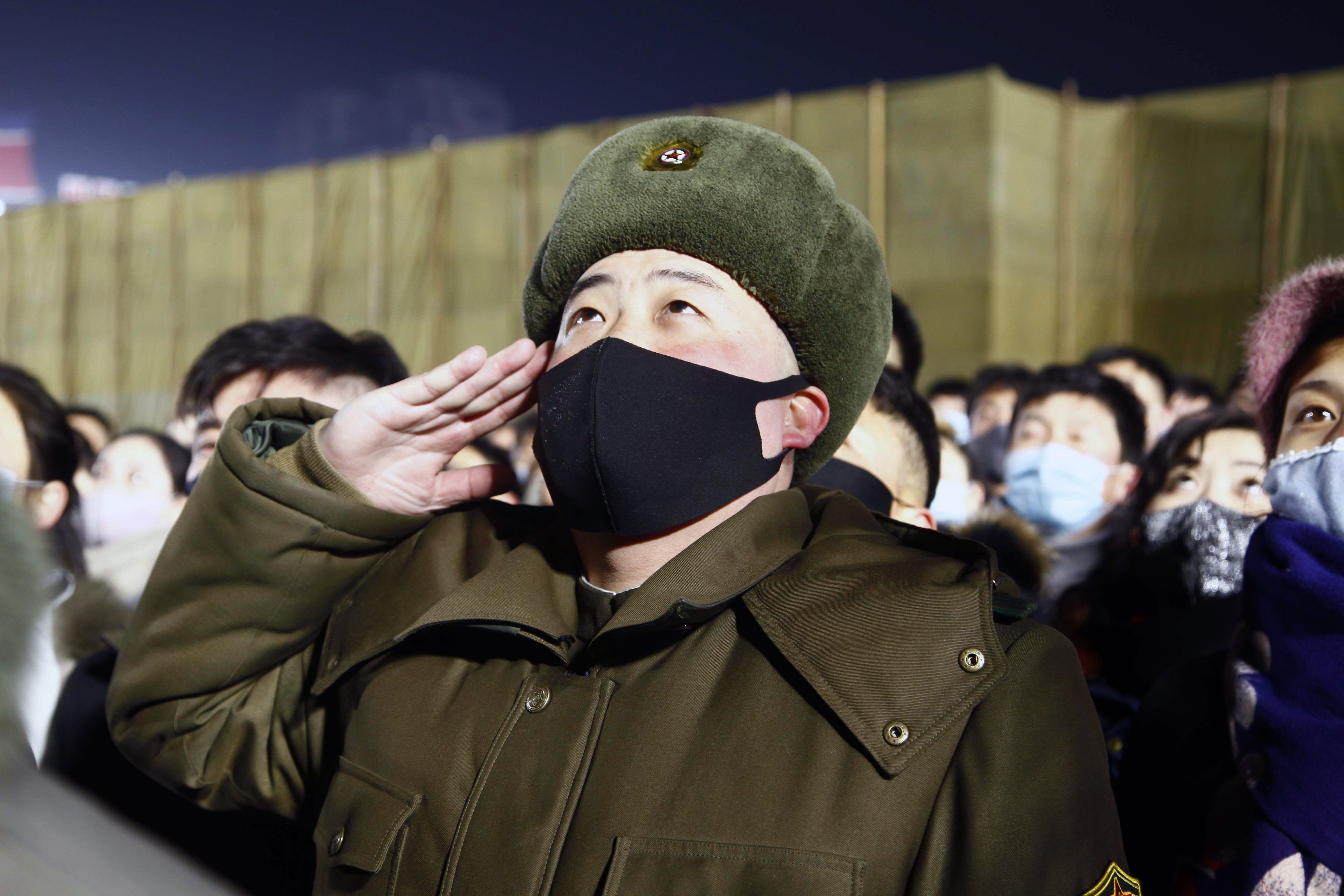
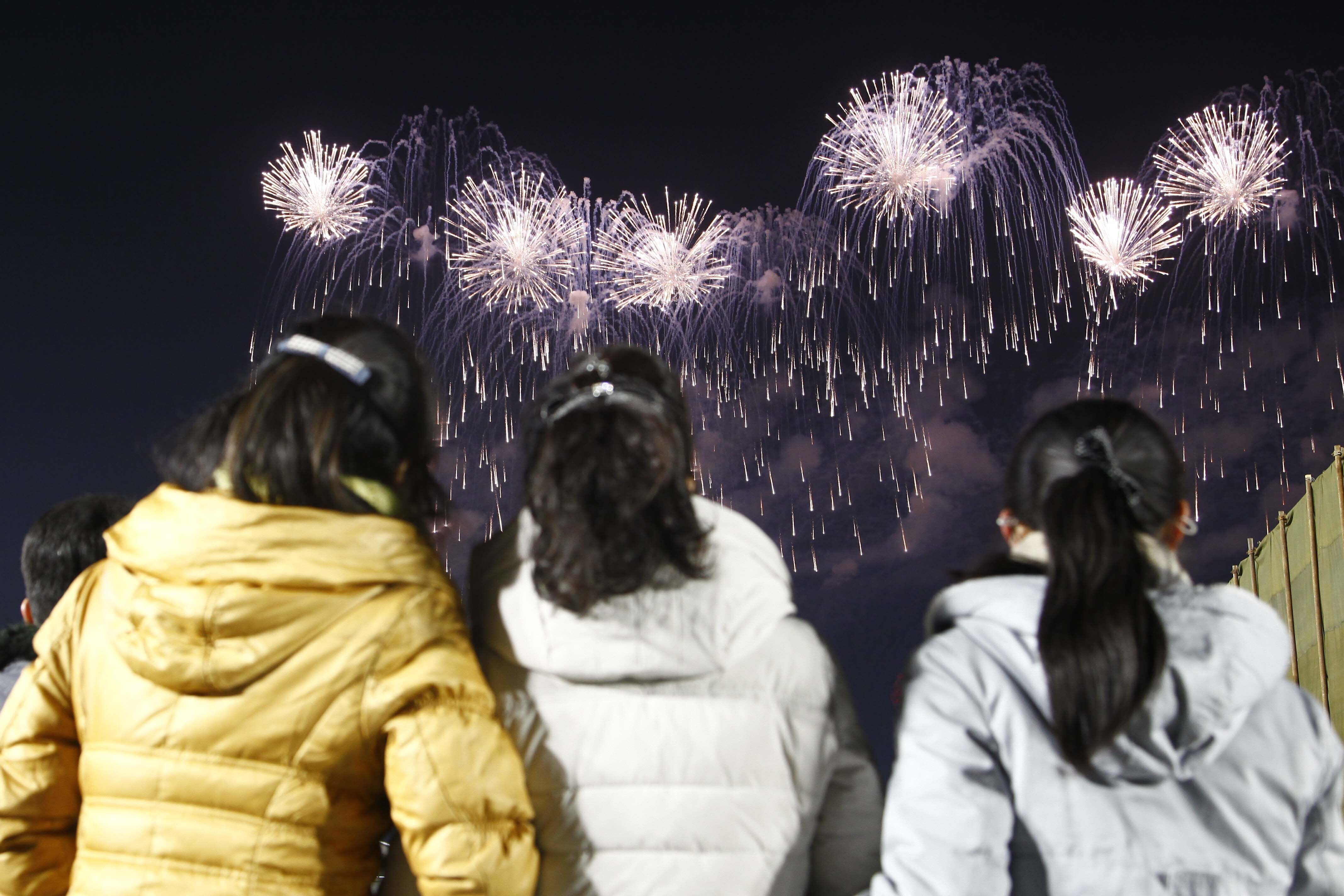
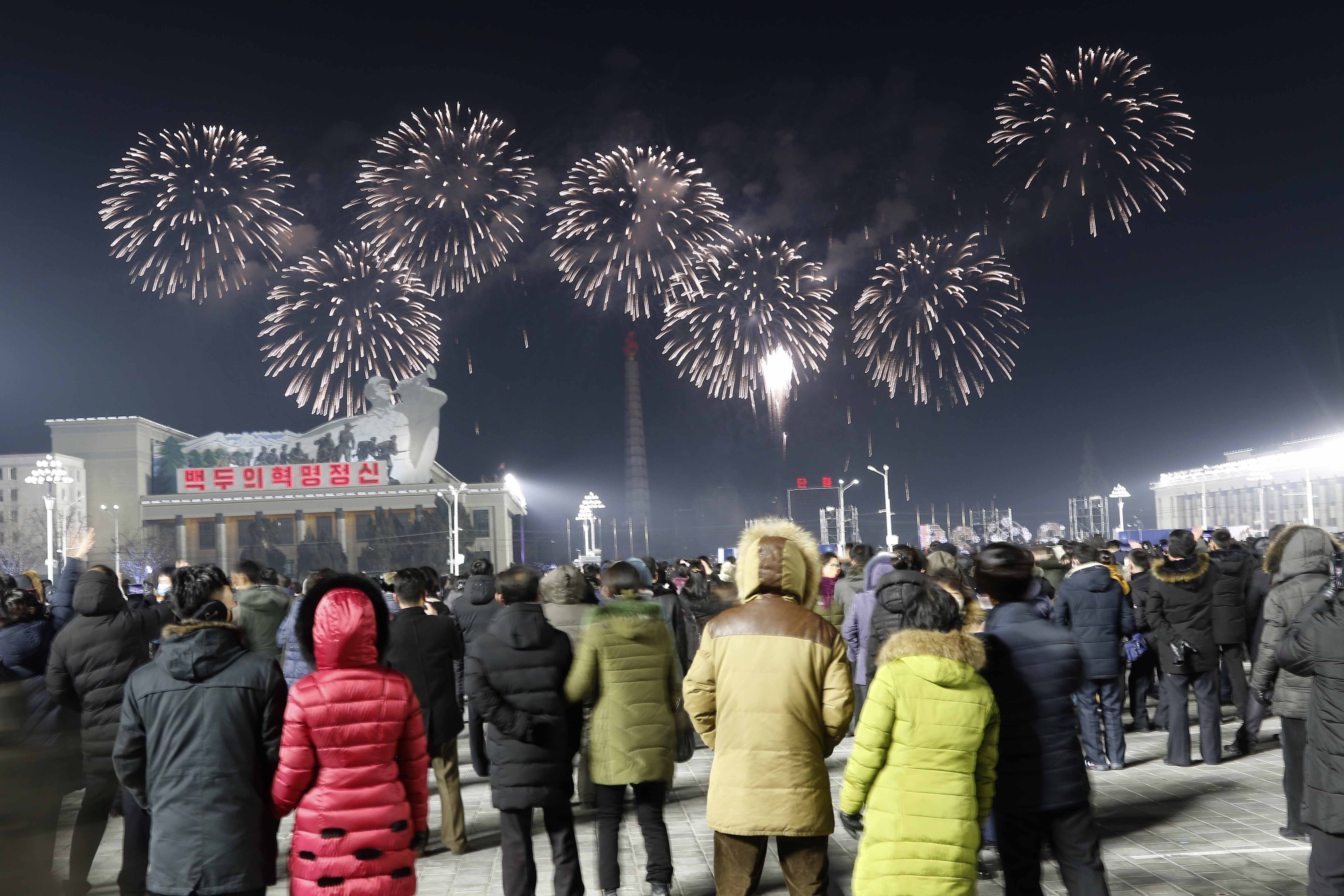
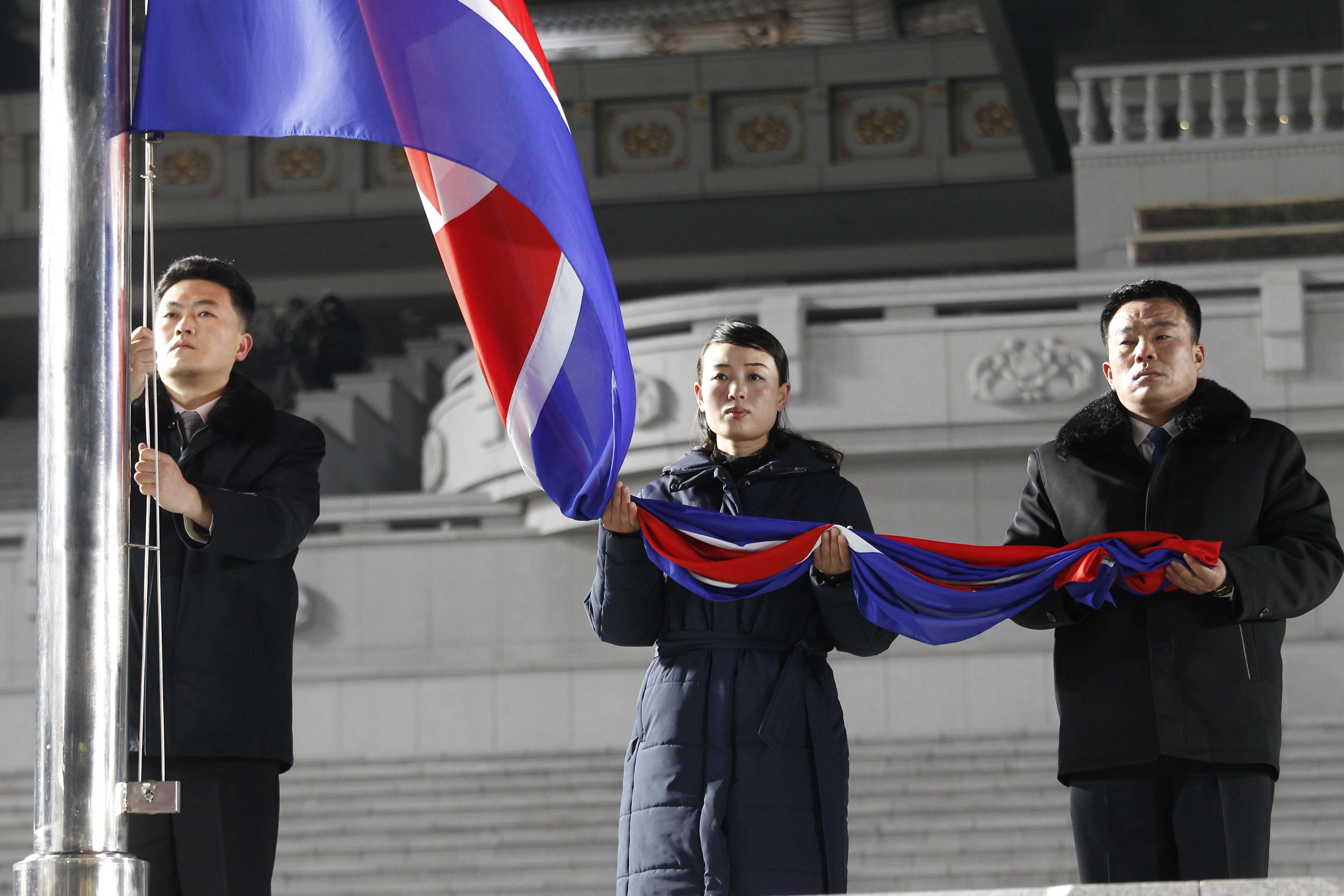
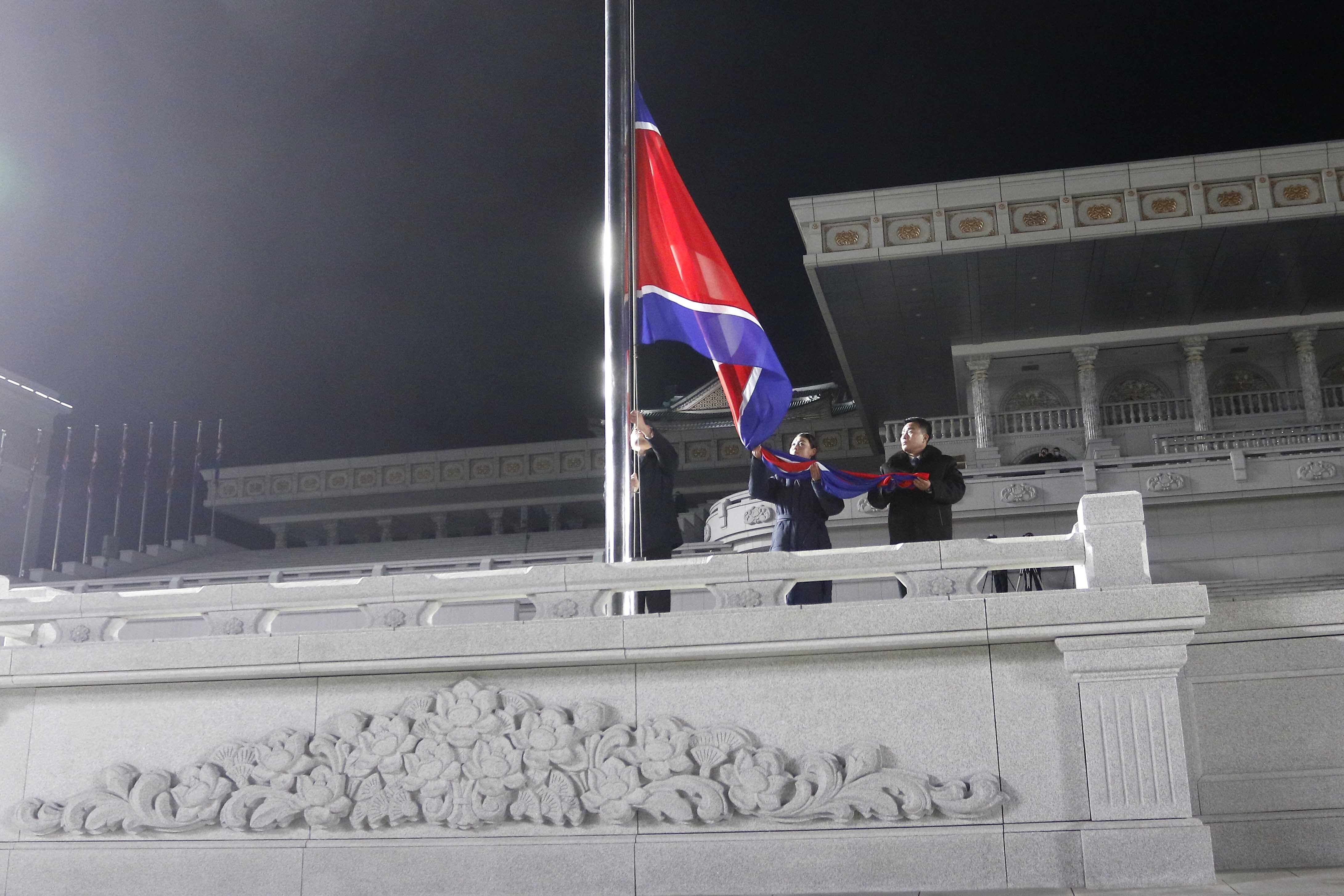
Ushering in the new year, a large crowd packed Pyongyang's main square to watch fireworks, a concert and a flag-hoisting ceremony. State TV showed people wearing masks and heavy coats, waving and standing close together.

North Korea has steadfastly claimed to be coronavirus-free — an assertion doubted by outsiders. But experts also say any outbreak likely wasn't widespread and so North Korea considered it safe to hold big events like the party congress in Pyongyang.

READ MORE: North Korea executed people to prevent COVID-19 spread

Also Friday, North Korea said it has successfully completed "an 80-day battle," a productivity campaign it often launches to press citizens to work extra hours and report bigger production numbers ahead of major political events. During the congress, experts say North Korea will likely underscore building a stronger self-reliant economy to tackle the difficulties in an attempt to squeeze people to work harder.

KCNA said "the all-people advance by dint of self-reliance" achieved "a proud victory of the historic 80-day battle." It said the North Koreans have either fulfilled or exceeded newly set quotas at factories, mines, farms, flooding recovery works, anti-coronavirus steps and various other areas.

Driver charged over death of cyclist

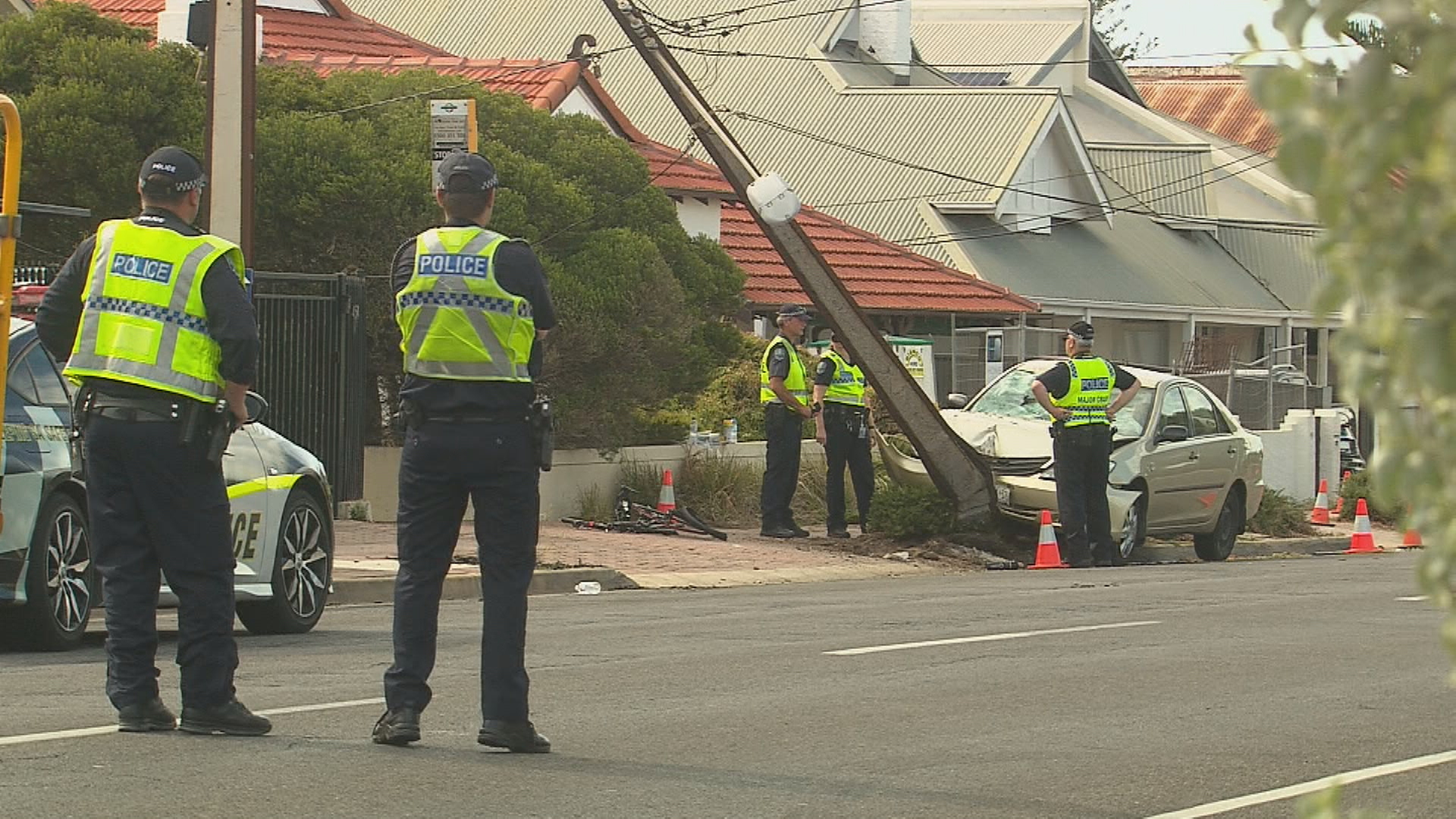
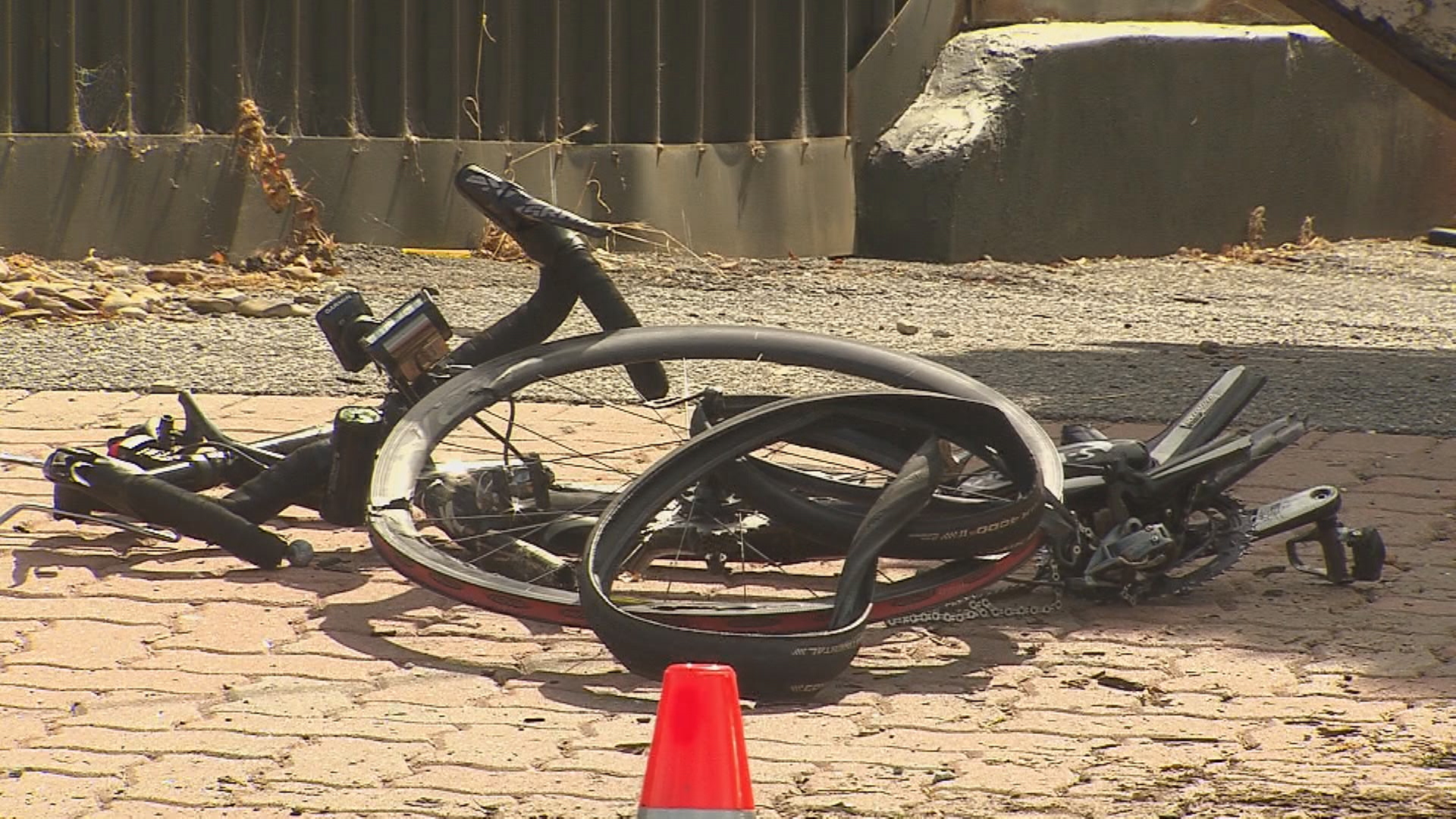
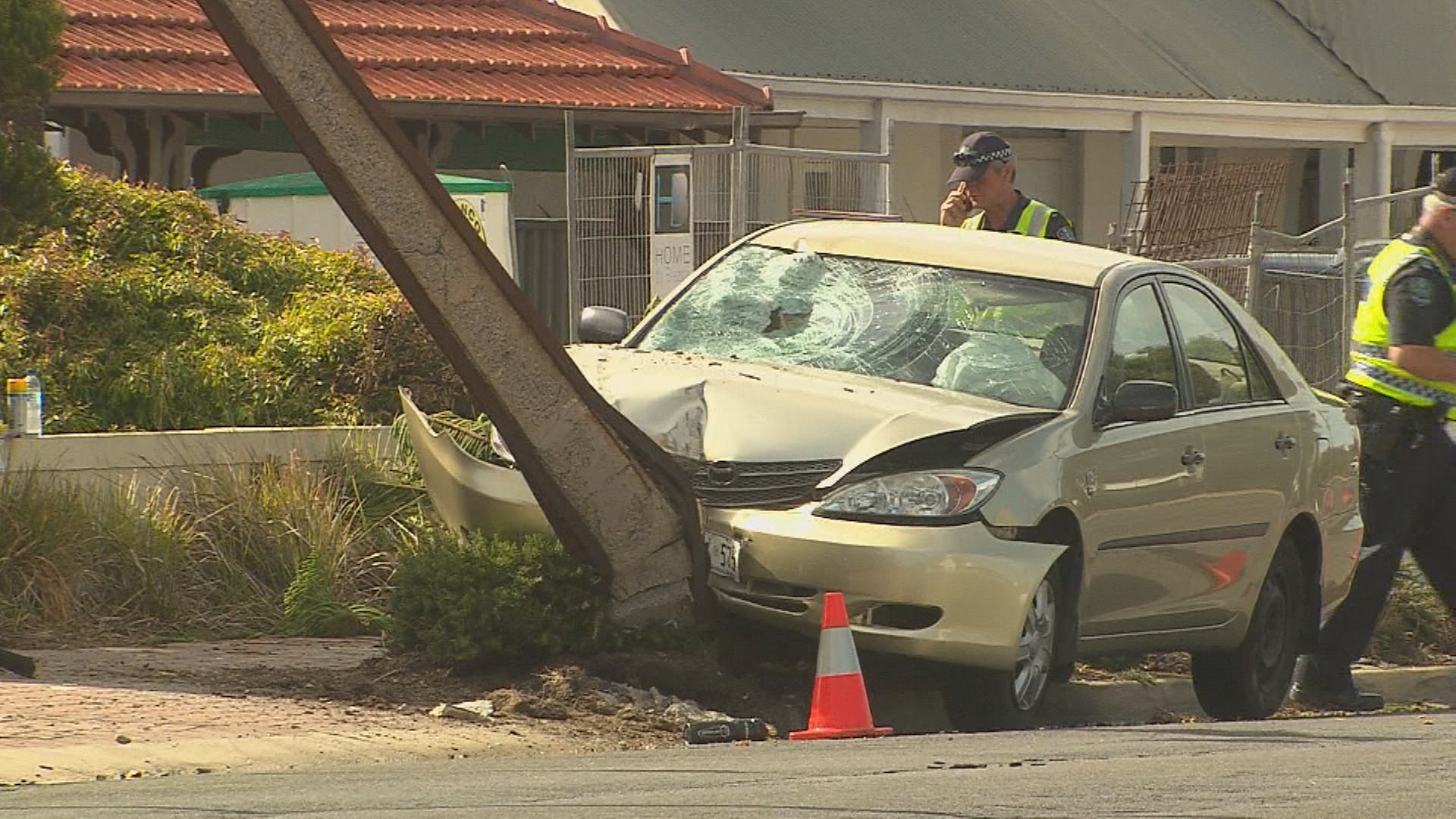
A 51-year-old man has been arrested and charged following the death of a cyclist in a collision in Adelaide's west this morning.

The crash happened just before 7.30am on Seaview Road, Henley Beach in South Australia.

Emergency services arrived to find a 60-year-old cyclist had been struck by the car.

The man, from nearby Brighton, died at the scene from his injuries.

The driver, a 51-year-old man from Grange, was taken to the Royal Adelaide Hospital to be assessed.

He was arrested a short time later and charged with causing death by dangerous driving and aggravated driving without due care.

The man was granted bail to appear in the Port Adelaide Magistrates Court on 17 February.