All posts by FreeNews

Why Australia is not rushing to approve a COVID-19 vaccine

Australia will not rush to approve a COVID-19 vaccine until comprehensive data on the potential risks is vigorously analysed and made available.

The Federal Government has endured mounting pressure for a coronavirus vaccine to be approved for use in Australia, with critics calling for the process to be expedited as NSW and Victoria battle virus flare-ups.

Other countries around the world have approved vaccines in quick haste, with millions of people already vaccinated in China and the US.
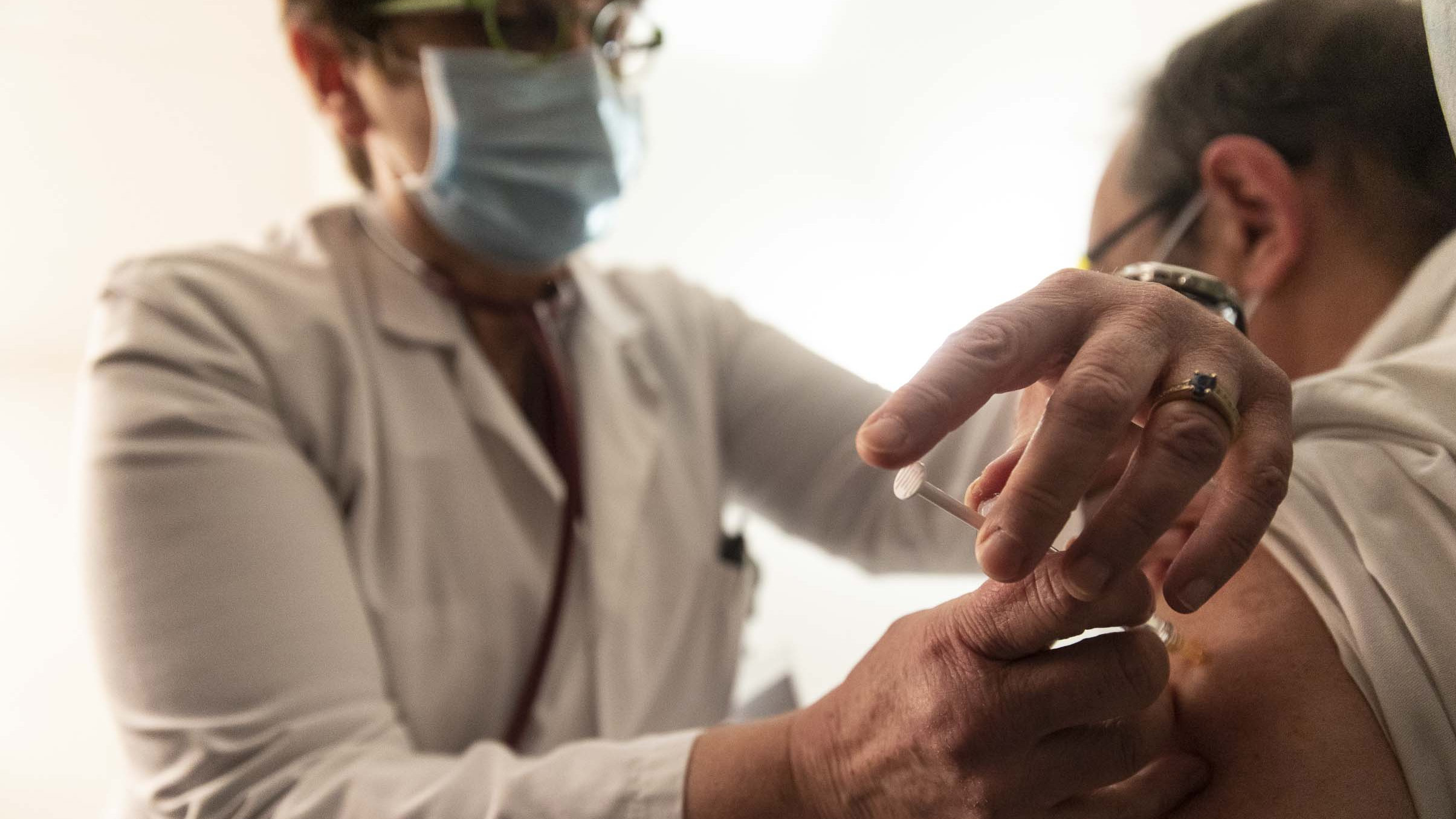
The nation's leading health experts have stood by Prime Minister Scott Morrison's tough stance, emphasising the safety of Australians cannot be compromised.

Australian National University infectious diseases expert Professor Peter Collignon told 9news.com.au the process was technically already "rushed" as the approval process was being conducted at least two to three times quicker than the usual speed for a vaccine.

"It's being done with extraordinary speed," he said.

"If you rush it, you are likely to waste vaccine and you may well be rolling out something before you have the full data of safety."

Professor Collignon said the world only had preliminary data on the vaccines, including potential side-effects.

Dr Allen Cheng, Victoria's Deputy Chief Health Officer and Chair of the Advisory Committee for Vaccines, said published papers of evidence only just "scrape the surface of what we want to know".

https://twitter.com/peripatetical/status/1346036238680285185

In the Pfizer study, a third of participants who received the jab in the placebo arm experienced side effects of fatigue and headache.

The phase three studies, which generally included about 20,000 to 25,000 people, were sufficient enough to exclude the moderately uncommon side effects, but not the serious and rare ones, which include those occurring in less than one in 10,000 people, Dr Cheng said.
"If you see a single case of a serious side effect, it can be hard to work out if it is chance or something to worry about," he wrote on Twitter.

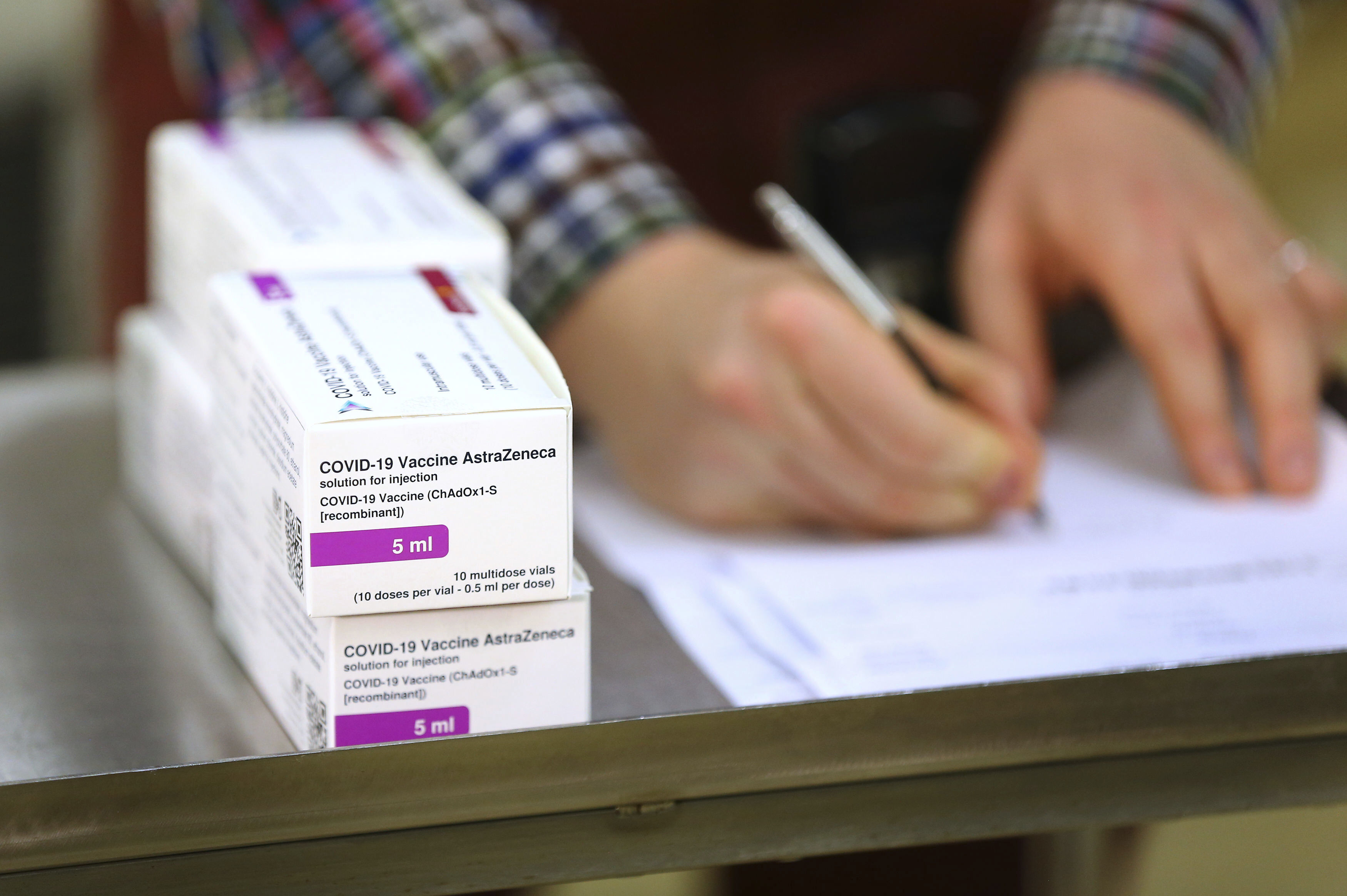
"An example are the cases of transverse myelitis (spinal cord inflammation) that were reported in the AstraZeneca trial."

Three cases in the study experienced spinal cord inflammation.

The side effect occurred in one case 14 days after the vaccine, in another case 10 days after but believed to be due to pre-existing multiple sclerosis, and a third case emerged in the control group.

Other side effects picked up post rollout include cases of anaphylaxis that have been reported in the UK and the US.

READ MORE: Oxford-AstraZeneca jabs begin for first patients in the UK

"Ultimately, the question is whether the benefit of using the vaccine outweighs the known risks and the uncertainties," Dr Cheng said.

"Countries where there are hundreds or thousands of deaths each day are clearly willing to tolerate some uncertainty to prevent this, and this is appropriate."

Israel is leading the pack in the vaccine race, with 14.4 doses administered per 100 people, according to Oxford University data.

The rate is the highest in the world, followed by Bahrain, the UK and the US.

More than 12.9 million COVID-19 vaccine doses have been administered across 30 countries so far, including 4.5 million in the US, 4.5 million in China and 1.2 million in Israel.

Professor Collignon said countries such as those in Europe, Israel, US and the UK had only given emergency approval of the vaccine due to their perilous COVID-19 death rates.

"We shouldn't do experiments before we see more data because we're not in an emergency situation," he said.

"They have uncontrolled infections and lots of deaths.

"Australia should not be at the front of the queue.

"We don't have uncontrolled spread, in fact, we've got little spread."

Prime Minister Scott Morrison shared the same view as the experts, telling 3AW today Australia was not in urgent need of a vaccine compared to other countries, which would see shortcuts taken if approved at this stage.

"They are in a position where they have no other choice because of the terrible situation they find themselves in," he said.

https://omny.fm/shows/mornings-with-neil-mitchell/full-interview-scott-morrison-speaks-with-tony-jon/embed?style=cover

The final agreement between the Australian government and pharmaceutical giant Pfizer was solidified on Christmas Eve, with 10 million doses to be made available for a March rollout if the vaccine is approved by regulators.

Australia also has vaccine agreements with Pfizer-BioNTech, Oxford-AstraZeneca and Novavax.

President of the Australian Medical Association Dr Omar Khorshid told Today the ethical debate was one that needed more attention, rather than the push to quickly roll out a vaccine.

"It's more important to be given to people in Europe than it is in Australia," he said.

"There's a real ethical question as to whether we should be taking doses of this vaccine from other countries that are needing it more than us.

"But hopefully if the AstraZeneca vaccine gets approved it will be manufactured here and we'll have our own source for Australians and plenty of vaccine for every Australian."

Public distribution of an approved vaccine is expected to be begin as early as March in Australia.

However, Professor Collignon warned a vaccine would not make the world "go back to normal".

"I think people get the impression once we vaccinate the problem will go away – but that's not realistic," he said.

"It's not going to be an instant fix. We are going to have to live with this problem for another year or two at least.

"You have to have all the world vaccinated for the world to go back to normal like in 2019."

Prime Minister praises Explorer’s far-reaching impact on Federation’s youth

Explorer’s Youth Club members pose with Prime Minister Dr. the Hon. Timothy Harris, second from left, and Commissioner of Police Hilroy Brandy, left.

BASSETERRE, St. Kitts — Prime Minister Dr. the Honourable Timothy Harris says he continues to be amazed by the growth of the Explorers Youth Clubs programme and the kind of positive impact it is having on hundreds of young persons who are now active members of the youth group.


In his address at the opening ceremony of the $2.47 million Explorers Youth Clubs Headquarters at Phillip’s Village on December 31, Prime Minister Harris said it is an amazing feat when more than 1,200 young people are being exposed to structured programmes that are rendered as part of the Explorers programme.

“The Explorers initiative came on board as part of an added value that we could bring to the fight to contain crime in our country and to stymie or eradicate the involvement of juveniles in criminal activities through constructive afterschool engagements, mentorship and outreach,” said Prime Minister Harris.

“The outreach is not just with the students,” he said. “The outreach, importantly, is also with their families, with the mother and father. It is saying to them that we are willing to try but we need you to partner with us to give your child a stronger, safer, and better future.”

With its growing interest and membership across St. Kitts, Dr. Harris described the Explorers Youth Club initiative as a legacy development in the context of law and order.

“This is a legacy initiative that generations after us will speak to as being an important stabilizer of our society and contributing to the advancement of St. Kitts and Nevis,” said Dr. Harris, who is also the Minister of National Security.

He acknowledged the officers who are part of the Royal St. Christopher and Nevis Police Force’s community policing team for their yeoman service to the young people of the Federation.

He extended words of appreciation to several business community members for their continued support of the Explorers Youth Club programme. Among those recognized were Sun Islands Clothes Ltd., Karron’s Fabrics, and Ross University School of Veterinary Medicine.

The post Prime Minister praises Explorer’s far-reaching impact on Federation’s youth appeared first on The St Kitts Nevis Observer.

Workers to benefit from Labour Department, Social Security collaboration

BASSETERRE, St. Kitts — The Government of St. Kitts and Nevis is moving to strengthen the relationship between the Department of Labour and St. Christopher and Nevis Social Security Board to streamline programmes to benefit workers.

Prime Minister, Dr the Honourable Timothy Harris, gave some insight in his January 1 New Year’s Address into ways the government will enhance collaborative efforts in the coming weeks and months.

“We expect a report to Cabinet shortly regarding the feasibility of setting up an E-platform for the Labour Department and Social Security,” said Dr. Harris, “to interface with each other on severance payments and related matters, while observing and confirming with data privacy and data protection issues.”

The government is preparing to implement actuarial recommendations on the Severance Fund, Long Service Gratuity and Unemployment Benefits.

This comes after an additional $7 million was pumped into the Severance Fund to facilitate payments in 2021.

Dr. Harris said his administration remains committed to empowering workers across the twin-island Federation.

“This demonstrates our love and concern for workers,” he said. “We will continue to protect our workers and ensure that their future is safe and secure. These are important labour values, which further demonstrate our commitment that our workers are protected at all times.”

Dr Harris added that additional measures to increase worker empowerment will be implemented.

“My government will extend duty-free concessions accorded to first time home builders to the Teachers’ Union, the Labour Union, and any of our Credit Unions and Banks,” said Dr. Harris. “These will undertake to build new offices or to make significant renovation of existing offices, and engage in approved residential developments within the next 12 months.”

This, along with the duty-free concessions to first-time homeowners over the next 12 months, is expected to spur further construction activity in the country.

The post Workers to benefit from Labour Department, Social Security collaboration appeared first on The St Kitts Nevis Observer.

Brick Kiln man’s death being investigated

BASSETERRE, St. Kitts — A At about 10 a.m. on Sunday, January 3 the Police responded to a report that a body was found on Herbert’s Beach.

Upon arrival, the motionless body of 61-year-old Myron Jeffers of Brick Kiln was found lying on the ground close to his vehicle. The District Medical Officer visited the scene and pronounced Jeffers dead. An autopsy will be performed to determine the exact cause of death. Personnel from the Forensic Services Unit visited and processed the scene. Investigations into the matter are ongoing.

The Police are appealing to anyone has any information in relation to this incident to call the Violent Crimes Unit (Nevis) at 469-5269, 663-5414, the Newcastle Police Station at 469-9326 or their nearest Police Station.

The post Brick Kiln man’s death being investigated appeared first on The St Kitts Nevis Observer.

Tragedy saves Julian Assange from being extradited to US

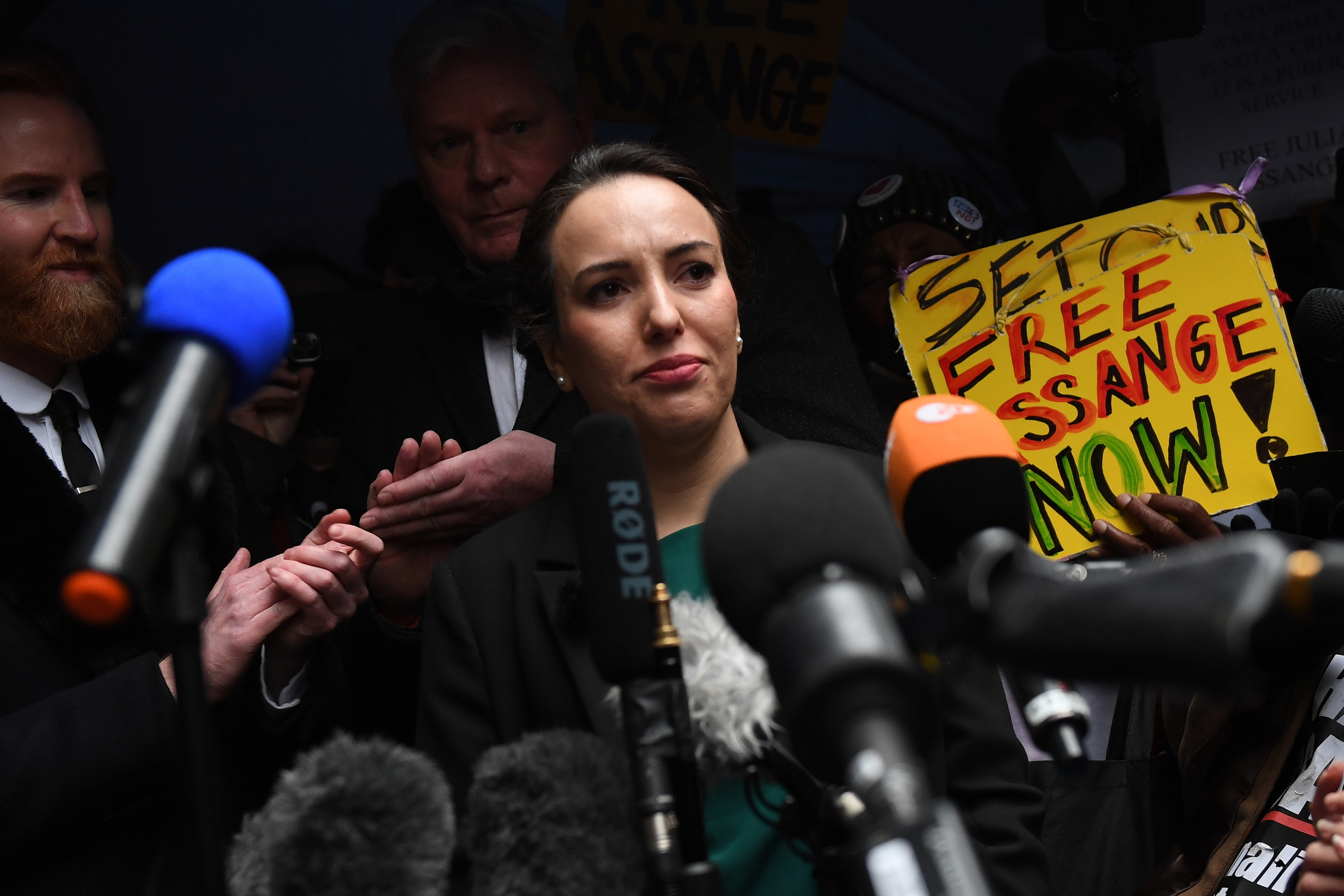
Stella Moris, the partner of Julian Assange and mother of two of his children, wept in a London courtroom as the WikiLeaks founder was delivered a dramatic victory.

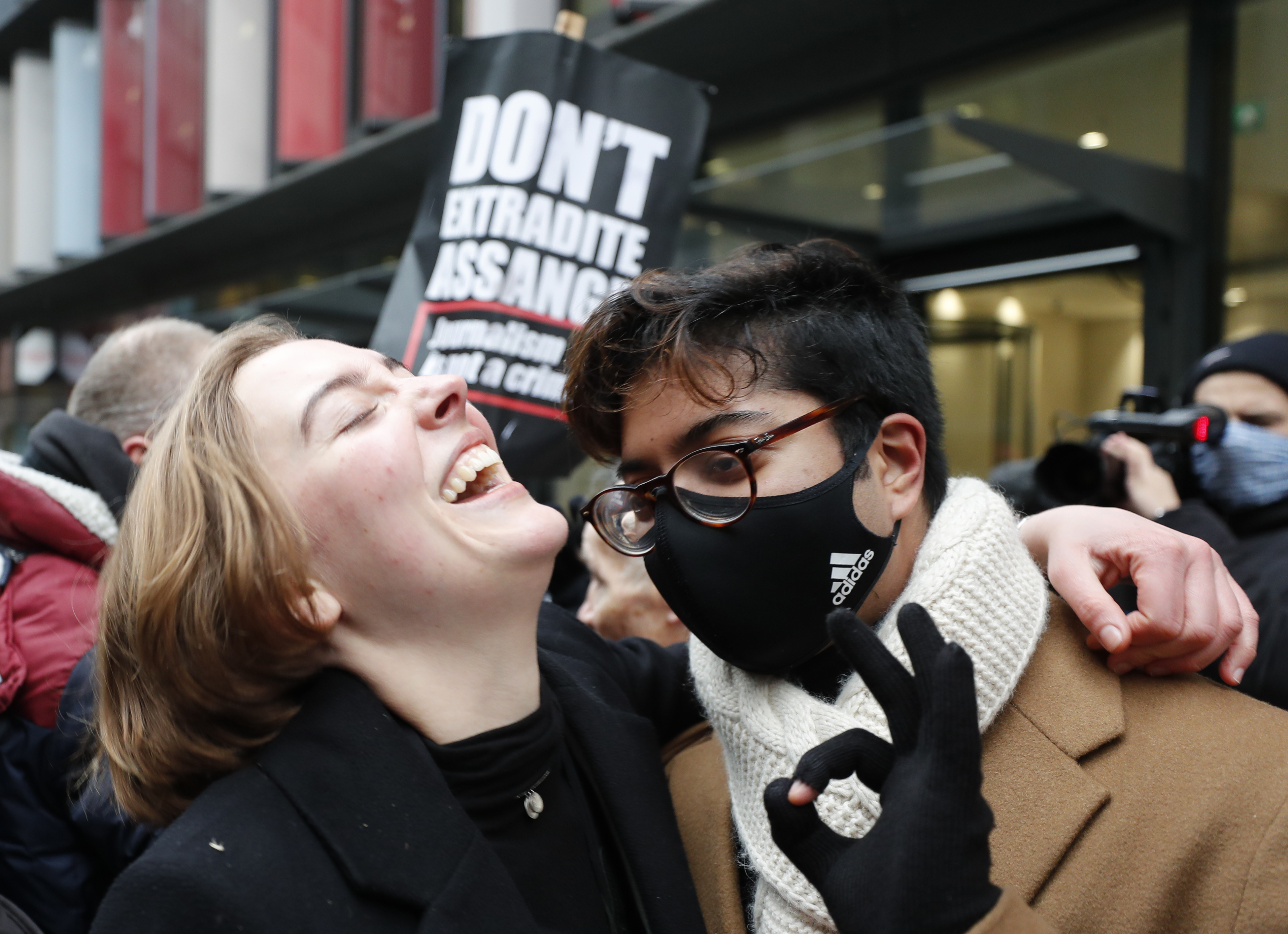
More than 18 months after he was dragged out of the Ecuadorian embassy and taken into police custody after years claiming political asylum, a British judge last night ruled the Australian would not be extradited to the US to face espionage charges.

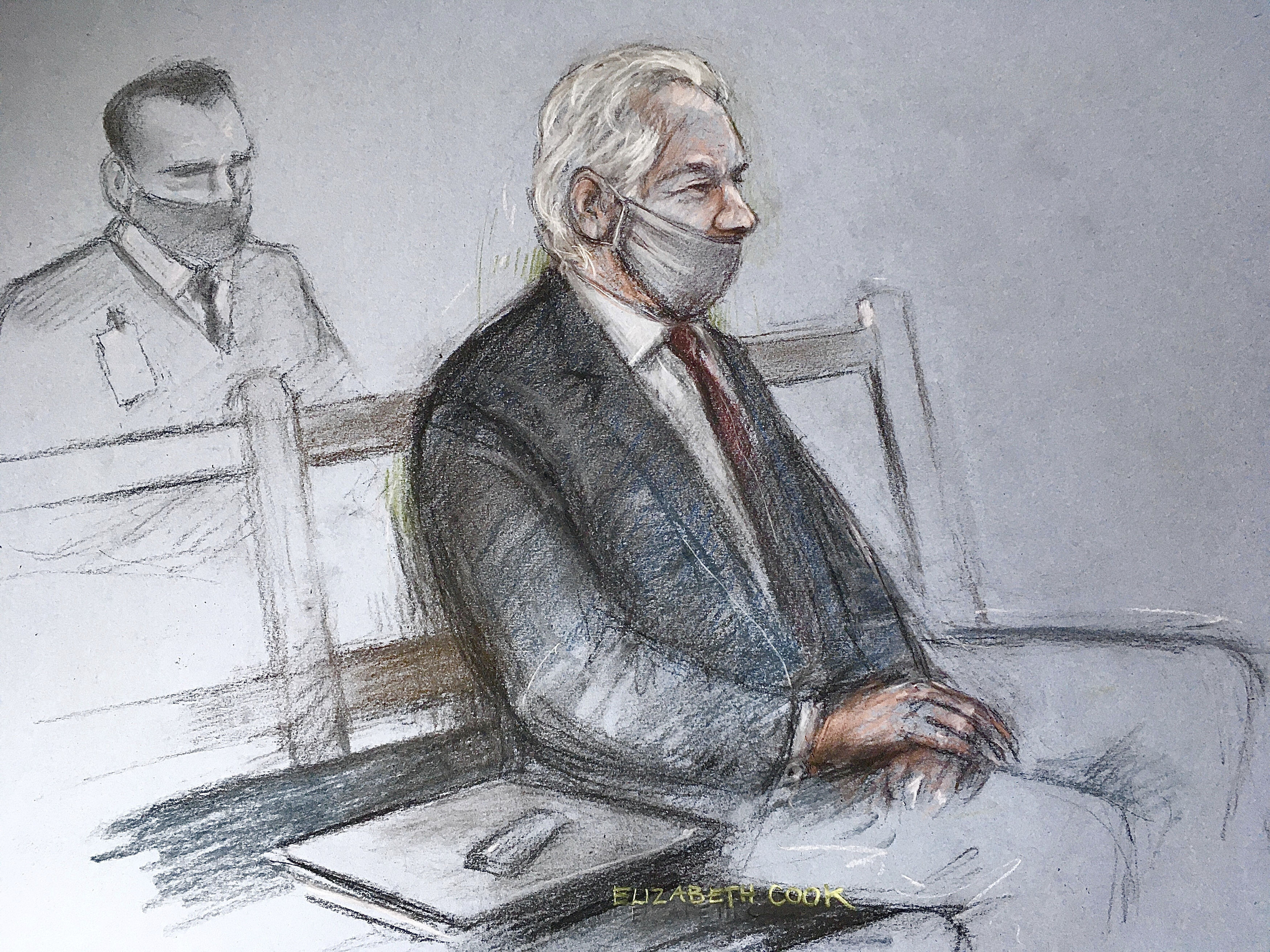
But the reason for the ruling was tragic: District Judge Vanessa Baraitser said that Assange would almost undoubtedly kill himself if held under harsh US prison conditions.

READ MORE: UK judge rules Assange will not be extradited to US

Baraitser rejected Assange's legal team's arguments that the 49-year-old faces a politically motivated American prosecution that rides roughshod over free-speech protections.

But she said Assange's precarious mental health would likely deteriorate further under the conditions of "near total isolation" he would face in a US prison.

"I find that the mental condition of Mr. Assange is such that it would be oppressive to extradite him to the United States of America," the judge said.

She said Assange was "a depressed and sometimes despairing man" who had the "intellect and determination" to circumvent any suicide prevention measures taken by American prison authorities.

https://twitter.com/CGreenbank9/status/1346049037343068160

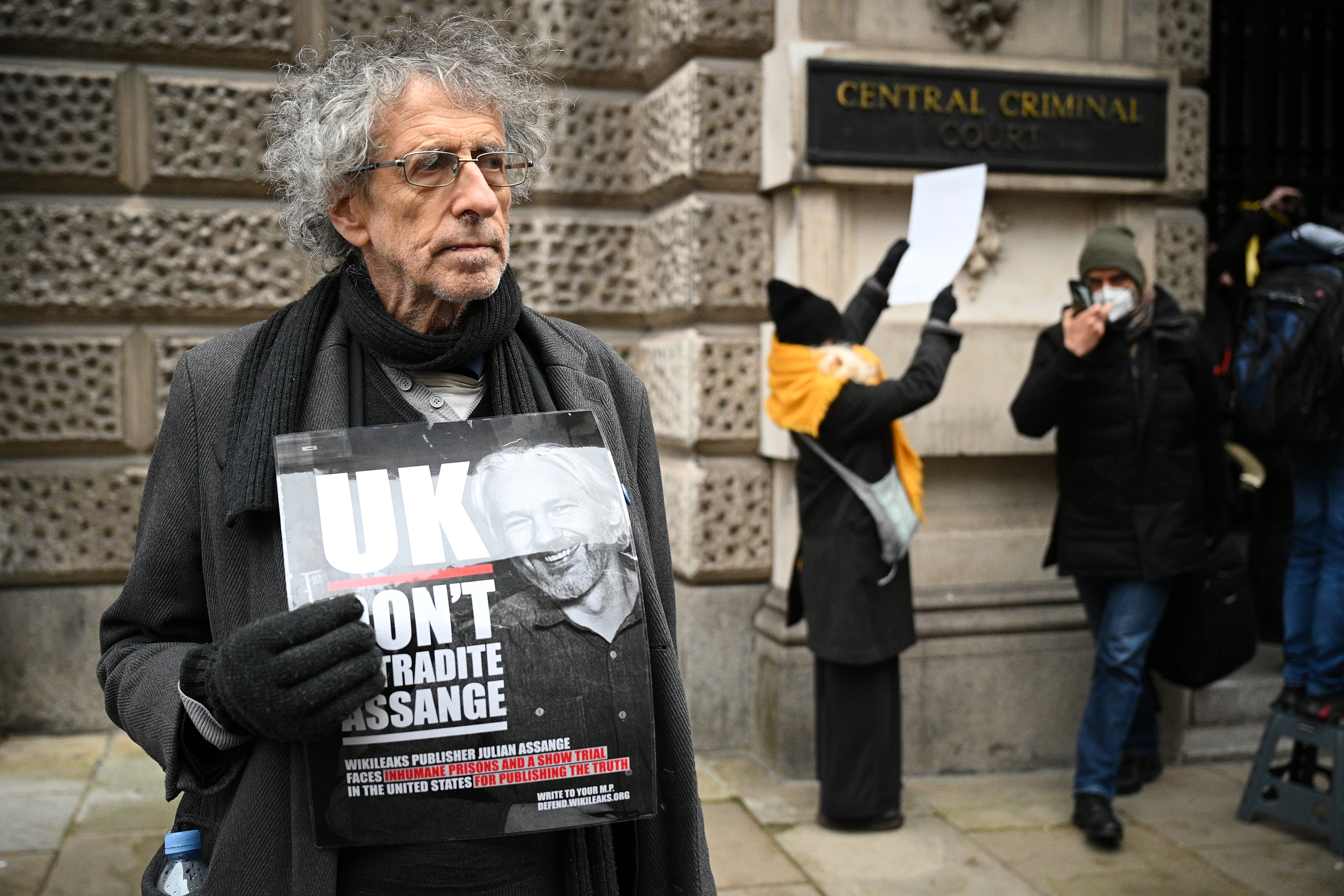
The Australia sat quietly in the dock of London's Central Criminal Court as he learned the news.

Outside court, Moris said the ruling was "the first step towards justice", but it was not yet time to celebrate.

"I had hoped that today would be the day that Julian would come home," she said.

"Today is not that day, but that day will come soon."

READ MORE: Inside the US supermax prison Julian Assange is facing

Final chapter not even opened yet

The ruling marks a dramatic moment in Assange's years-long legal battles in Britain — though likely not its final chapter.

The US government said it would appeal the decision.

Assange's lawyers said they would ask for his release from a London prison where he has been held for more than a 18 months at a bail hearing on Wednesday.

https://twitter.com/amnesty/status/1346069219989811200?ref_src=twsrc%5Etfw

It's unclear whether the incoming Biden administration will pursue the prosecution, initiated under President Donald Trump.

Assange's American lawyer, Barry Pollack, said the legal team was "enormously gratified" by the British court's decision.

https://twitter.com/StellaMoris1/status/1344981277976494080

"We hope that after consideration of the UK court's ruling, the United States will decide not to pursue the case further," he said.

Moris urged Trump to pardon Assange before he leaves office later this month.

"Mr President, tear down these prison walls," she said.

"Let our little boys have their father."

https://twitter.com/MrsC_Assange/status/1346070304464900097

Facing 175 years in prison

US prosecutors have indicted Assange on 17 espionage charges and one charge of computer misuse over WikiLeaks' publication of leaked military and diplomatic documents a decade ago. The charges carry a maximum sentence of 175 years in prison.

Lawyers for Assange argue that he was acting as a journalist and is entitled to First Amendment protections of freedom of speech for publishing documents that exposed U.S. military wrongdoing in Iraq and Afghanistan.

Lawyers for the US government denied that Assange was being prosecuted merely for publishing, saying the case "is in large part based upon his unlawful involvement" in the theft of the diplomatic cables and military files by US Army intelligence analyst Chelsea Manning.

The British judge sided with US lawyers on that score, saying Assange's actions, if proven, would "amount to offences in this jurisdiction that would not be protected by his right to freedom of speech." She also said the US judicial system would give him a fair trial.

READ MORE: 'I need Julian': Assange's fiancée reveals hidden family

The defence also argued during a three-week hearing in the fall that Assange risked "a grossly disproportionate sentence" and detention in "draconian and inhumane conditions" if he was sent to the United States,

The judge agreed that US prison conditions would be oppressive. She accepted evidence from expert witnesses that Assange had a depressive disorder and an autism spectrum disorder.

"I accept that oppression as a bar to extradition requires a high threshold. … However, I am satisfied that, in these harsh conditions, Mr Assange's mental health would deteriorate causing him to commit suicide with the 'single minded determination' of his autism spectrum disorder," the judge said in her ruling.

Rights groups praise latest victory

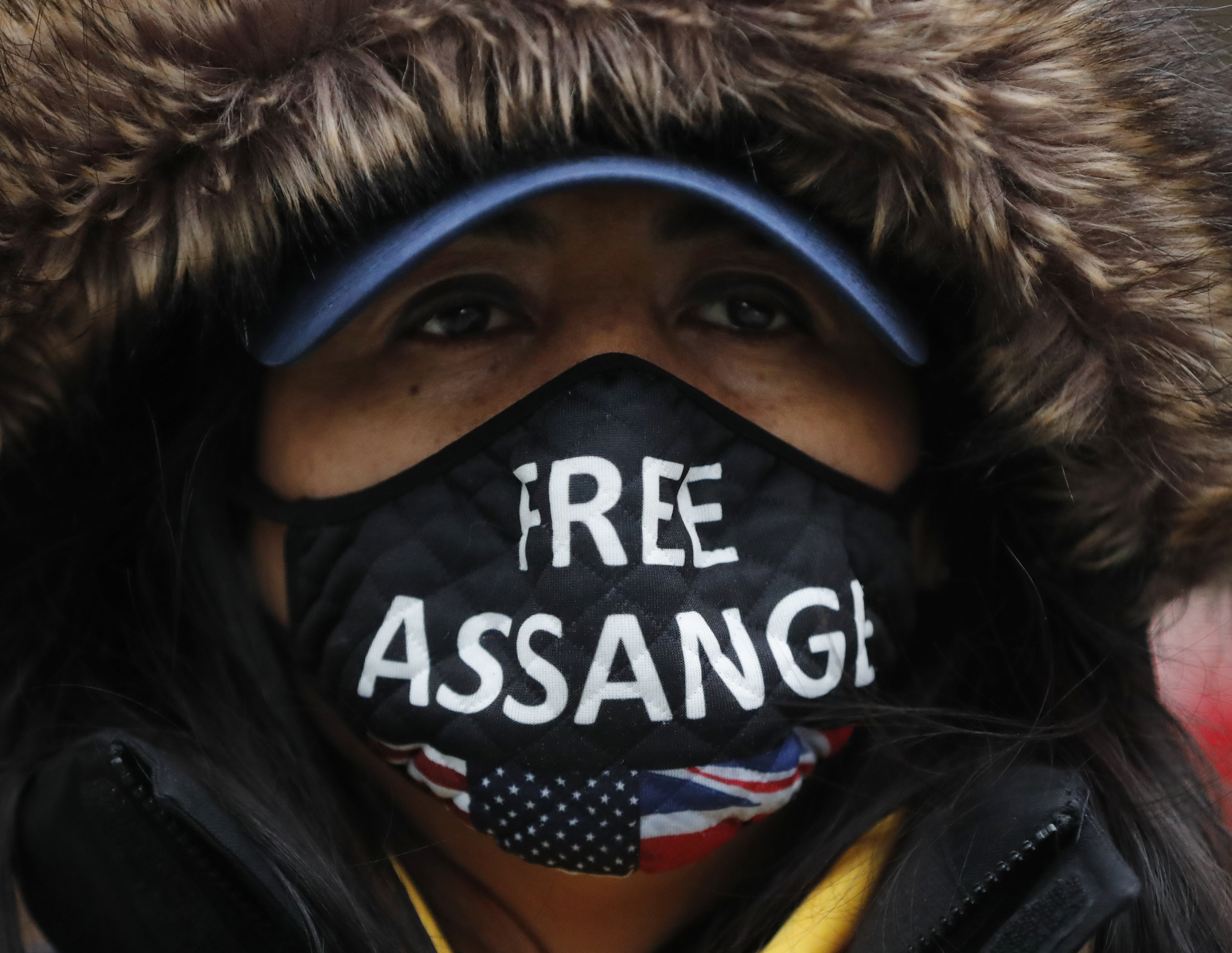
The prosecution of Assange has been condemned by journalists and human rights groups, who say it undermines free speech around the world.

They welcomed the judge's decision, even though it was not made on free-speech grounds.

"This is a huge relief to anyone who cares about the rights of journalists," The Freedom of the Press Foundation tweeted.

Assange's legal troubles began in 2010, when he was arrested in London at the request of Sweden, which wanted to question him about allegations of rape and sexual assault made by two women.

In 2012, Assange jumped bail and sought refuge inside the Ecuadorian Embassy, where he was beyond the reach of UK and Swedish authorities — but also effectively a prisoner, unable to leave the tiny diplomatic mission in London's Knightsbridge area.

The relationship between Assange and his hosts eventually soured, and he was evicted from the embassy in April 2019. British police immediately arrested him for breaching bail in 2012.

Sweden dropped the sex crimes investigations in November 2019 because so much time had elapsed, but Assange has remained in London's high-security Belmarsh Prison throughout his extradition hearing.