An elderly woman was left in tears after a shock power bill claiming she owed her electricity provider more than $1000.West Auckland resident Hazel Jones thought she was up to date with her bill – but Genesis Energy claims she has…
All posts by FreeNews
Herald morning quiz: January 20
Test your brains with the Herald’s morning quiz. Be sure to check back on nzherald.co.nz at 3pm for the afternoon quiz. To challenge yourself with more quizzes, CLICK HERE.
Japan warns it will block NZ honey shipments if glyphosate limits breached
By Charlie Dreaver of RNZ Japan is warning it will stop importing New Zealand honey if it continues to find the weed killer glyphosate during border testing.New Zealand’s global honey exports totalled $490 million last year,…
New coronavirus mutations have experts worried
The race against the virus that causes COVID-19 has taken a new turn: Mutations are rapidly popping up, and the longer it takes to vaccinate people, the more likely it is that a variant that can elude current tests, treatments and vaccines could emerge.
Coronavirus is becoming more genetically diverse, and health officials say the high rate of new cases is the main reason.
Each new infection gives the virus a chance to mutate as it makes copies of itself, threatening to undo the progress made so far to control the pandemic.
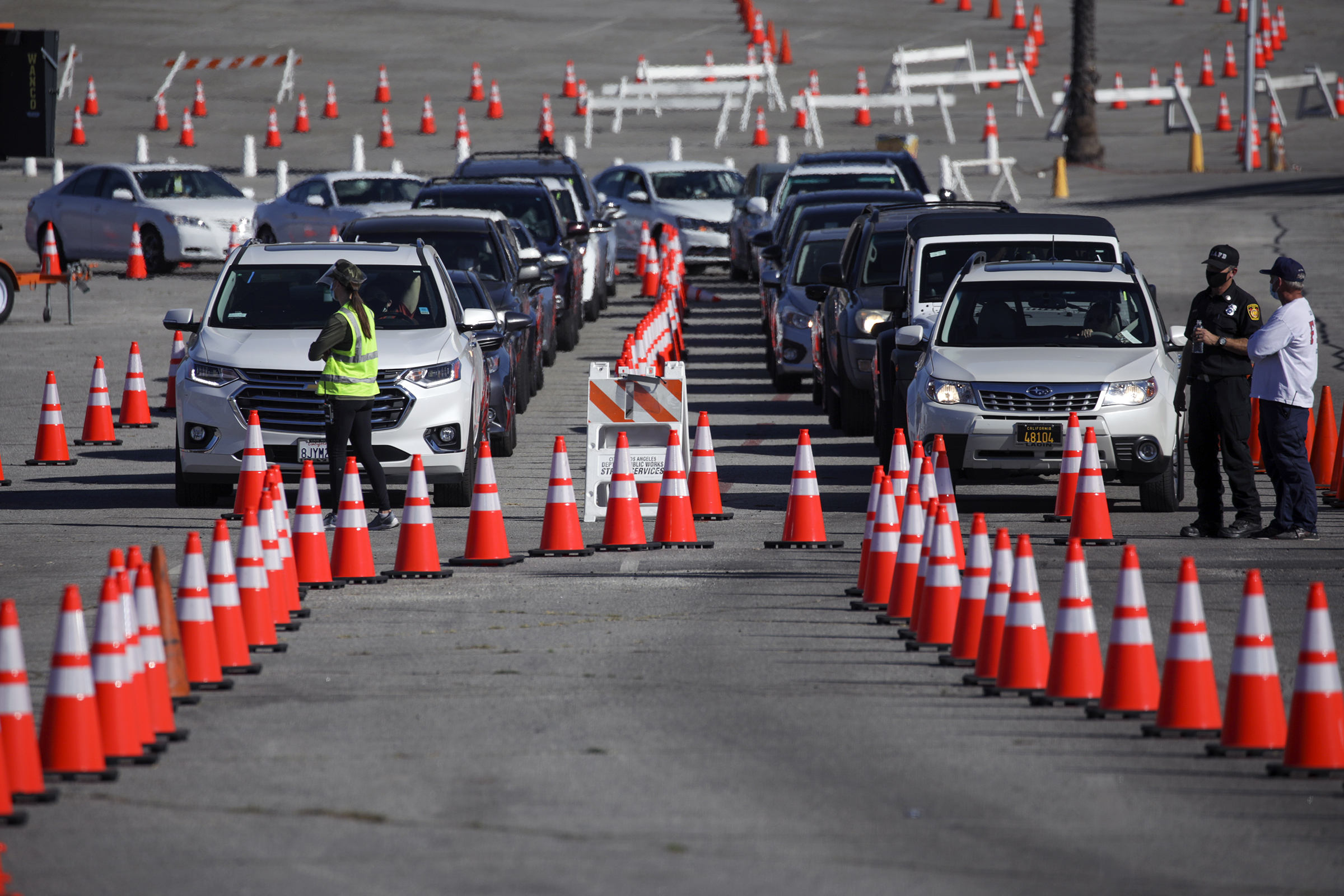
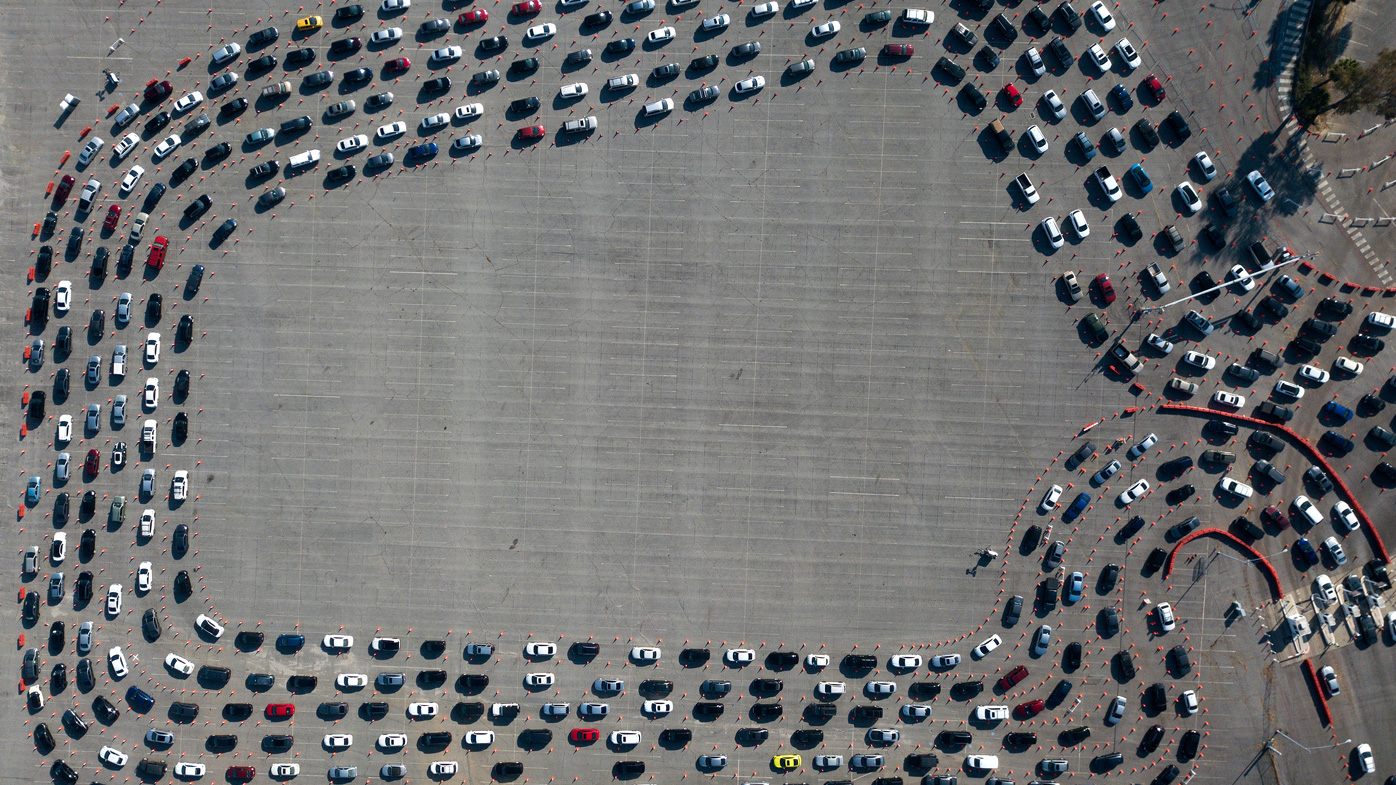
READ MORE: Wuhan scientists 'had symptoms before first case confirmed'
On Friday, the World Health Organisation urged more effort to detect new variants.
The US Centres for Disease Control (CDC) said a new version first identified in the United Kingdom may become dominant in the US by March.
Although it doesn't cause more severe illness, it will lead to more hospitalisations and deaths just because it spreads much more easily, the CDC said, warning of "a new phase of exponential growth".
"We're taking it really very seriously," Dr Anthony Fauci, the US government's top infectious disease expert, told NBC on Sunday.
"We need to do everything we can now … to get transmission as low as we possibly can," Harvard University's Dr Michael Mina said.
"The best way to prevent mutant strains from emerging is to slow transmission."
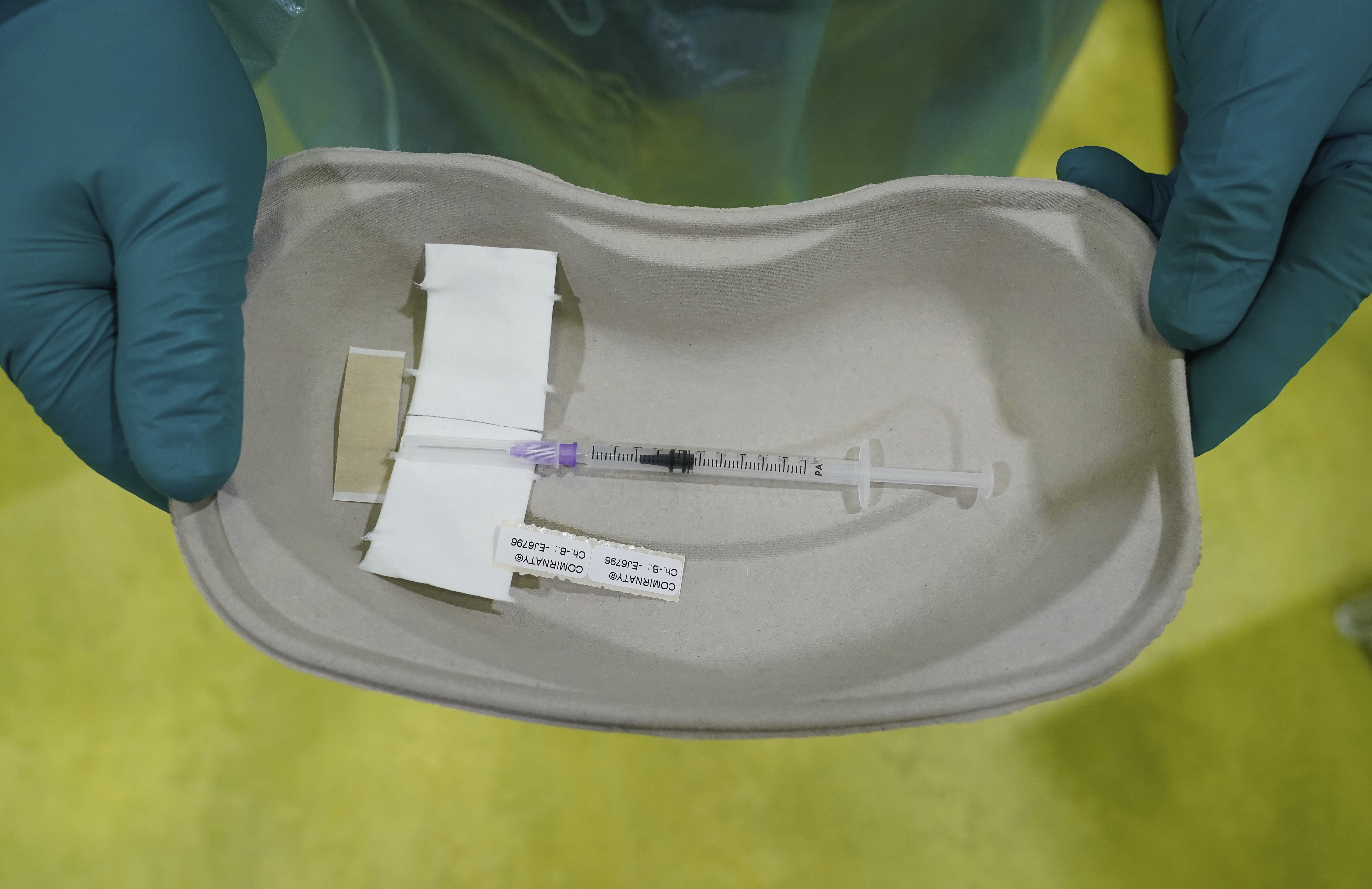
So far, vaccines seem to remain effective, but there are signs that some of the new mutations may undermine tests for the virus and reduce the effectiveness of antibody drugs as treatments.
"We're in a race against time" because the virus "may stumble upon a mutation" that makes it more dangerous, Dr Pardis Sabeti, an evolutionary biologist at the Broad Institute of MIT and Harvard, said.
READ MORE: What the super strain mutants mean for the world in 2021
Younger people may be less willing to wear masks, shun crowds and take other steps to avoid infection because the current strain doesn't seem to make them very sick, but "in one mutational change, it might," she warned.
Dr Sabeti documented a change in the Ebola virus during the 2014 outbreak that made it much worse.
Mutations on the rise
It's normal for viruses to acquire small changes or mutations in their genetic alphabet as they reproduce. Ones that help the virus flourish give it a competitive advantage and thus crowd out other versions.
In March, just a couple months after coronavirus was discovered in China, a mutation called D614G emerged that made it more likely to spread. It soon became the dominant version in the world.
Now, after months of relative calm, "we've started to see some striking evolution" of the virus, biologist Trevor Bedford from the Fred Hutchinson Cancer Research Centre in Seattle said via Twitter.
"The fact that we've observed three variants of concern emerge since September suggests that there are likely more to come."
One was first identified in the United Kingdom and quickly became dominant in parts of England. It has now been reported in at least 30 countries including Australia.
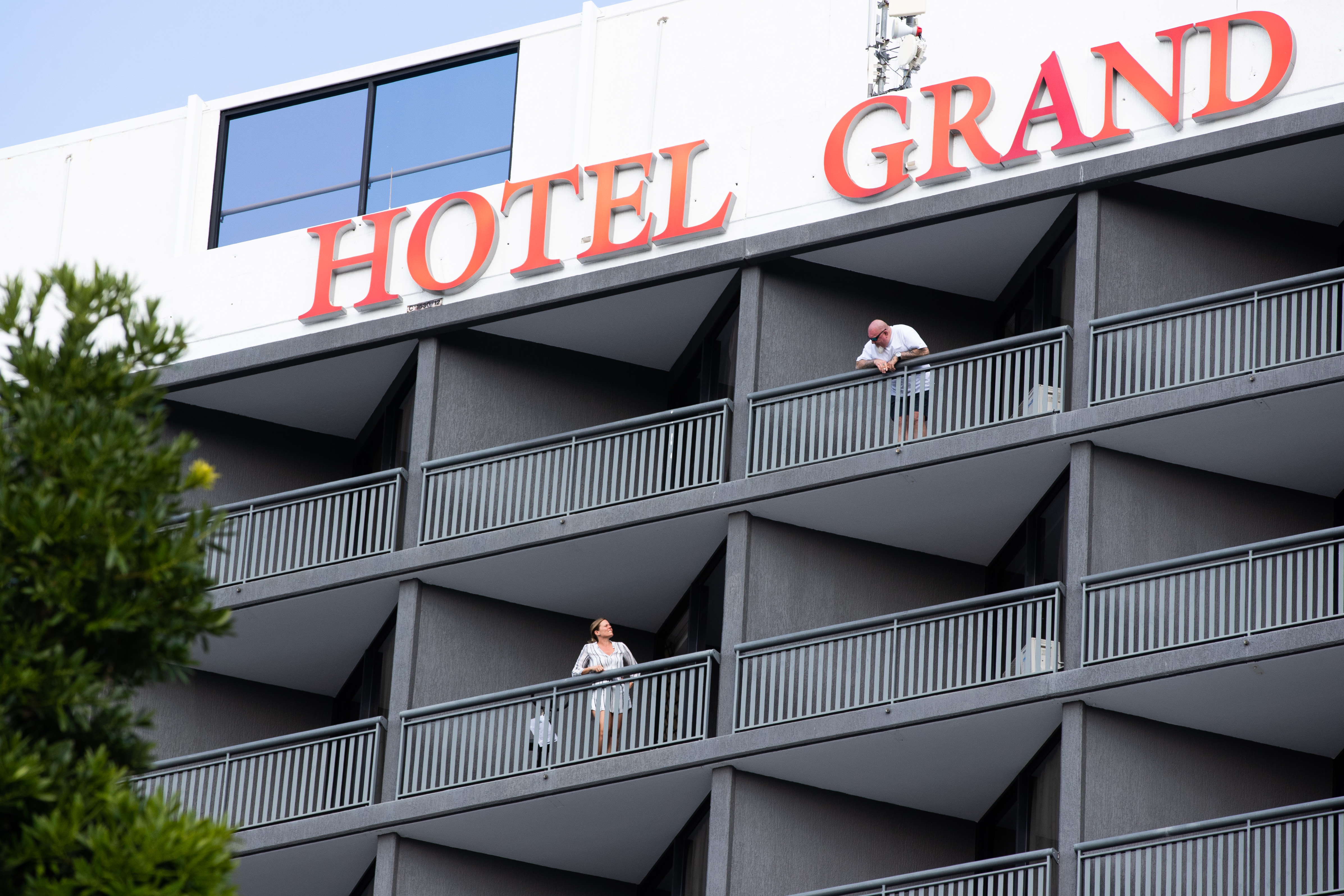
Soon afterwards, South Africa and Brazil reported new variants, and the main mutation in the version identified in Britain turned up on a different version "that's been circulating in Ohio … at least as far back as September," Dr Dan Jones said, a molecular pathologist at Ohio State University who announced that finding last week.
"The important finding here is that this is unlikely to be travel-related" and instead may reflect the virus acquiring similar mutations independently as more infections occur, Dr Jones said.
That also suggests that travel restrictions might be ineffective, Dr Mina said.
Because the United States has so many cases, "we can breed our own variants that are just as bad or worse" as those in other countries, he said.
Treatment, vaccine, reinfection risks
Some lab tests suggest the variants identified in South Africa and Brazil may be less susceptible to antibody drugs or convalescent plasma, antibody-rich blood from COVID-19 survivors — both of which help people fight off the virus.
US Government scientists are "actively looking" into that possibility, Dr Janet Woodcock from the US Food and Drug Administration said.
READ MORE: WHO chief lambasts vaccine profits, demands elderly go first
The (US) government is encouraging development of multi-antibody treatments rather than single-antibody drugs to have more ways to target the virus in case one proves ineffective, she said.
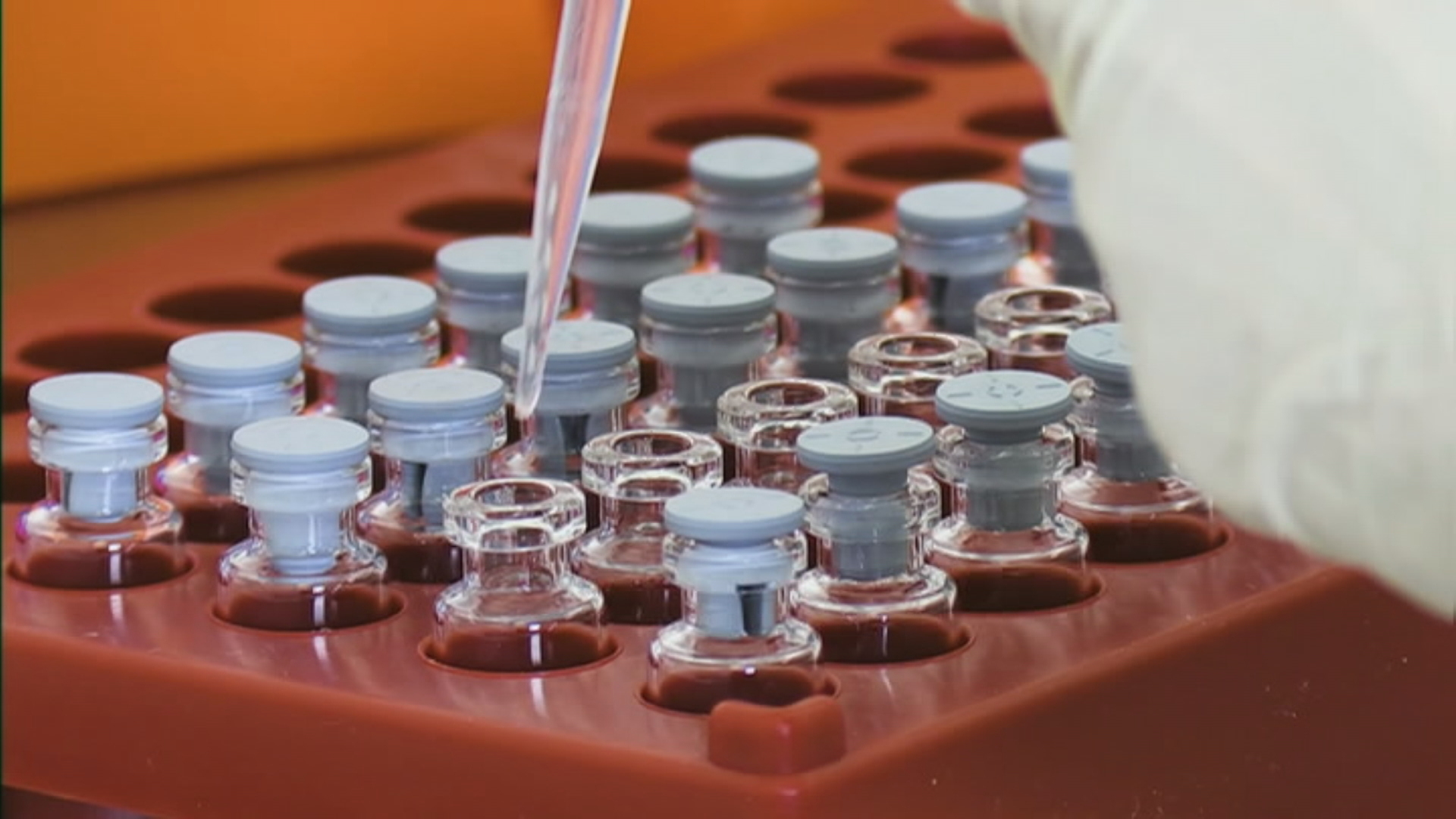
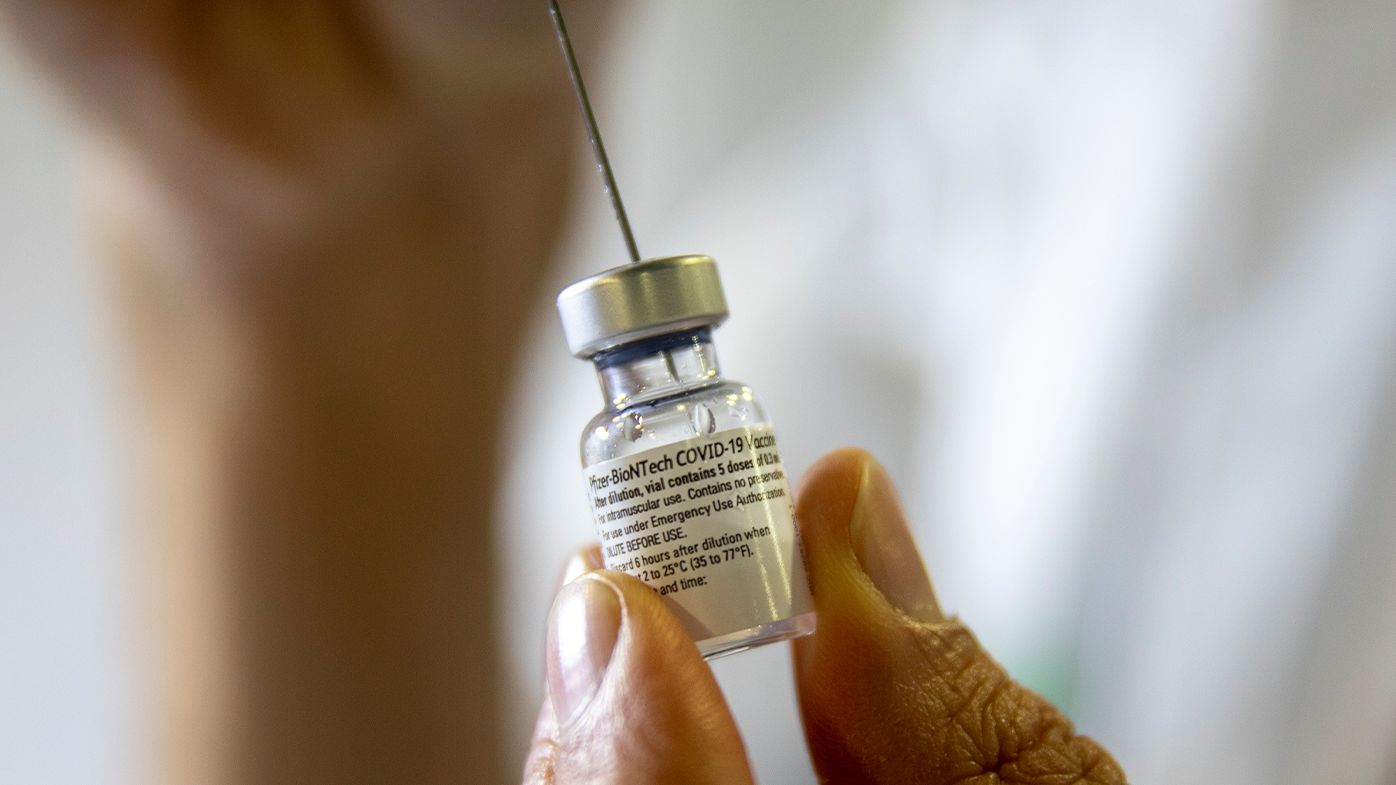
Current vaccines induce broad enough immune responses that they should remain effective, many scientists say.
Enough genetic change eventually may require tweaking the vaccine formula, but "it's probably going to be on the order of years if we use the vaccine well rather than months," Dr Andrew Pavia from the University of Utah told the Infectious Diseases Society of America.
Health officials also worry that if the virus changes enough, people might get COVID-19 a second time.
Reinfection currently is rare, but Brazil already confirmed a case in someone with a new variant who had been sickened with a previous version several months earlier.
What to do
"We're seeing a lot of variants, viral diversity, because there's a lot of virus out there," and reducing new infections is the best way to curb it, Dr Adam Lauring, an infectious diseases expert at the University of Michigan, said.
Loyce Pace, who heads the nonprofit Global Health Council and is a member of President-elect Joe Biden's COVID-19 advisory board, said the same precautions scientists have been advising all along "still work and they still matter."
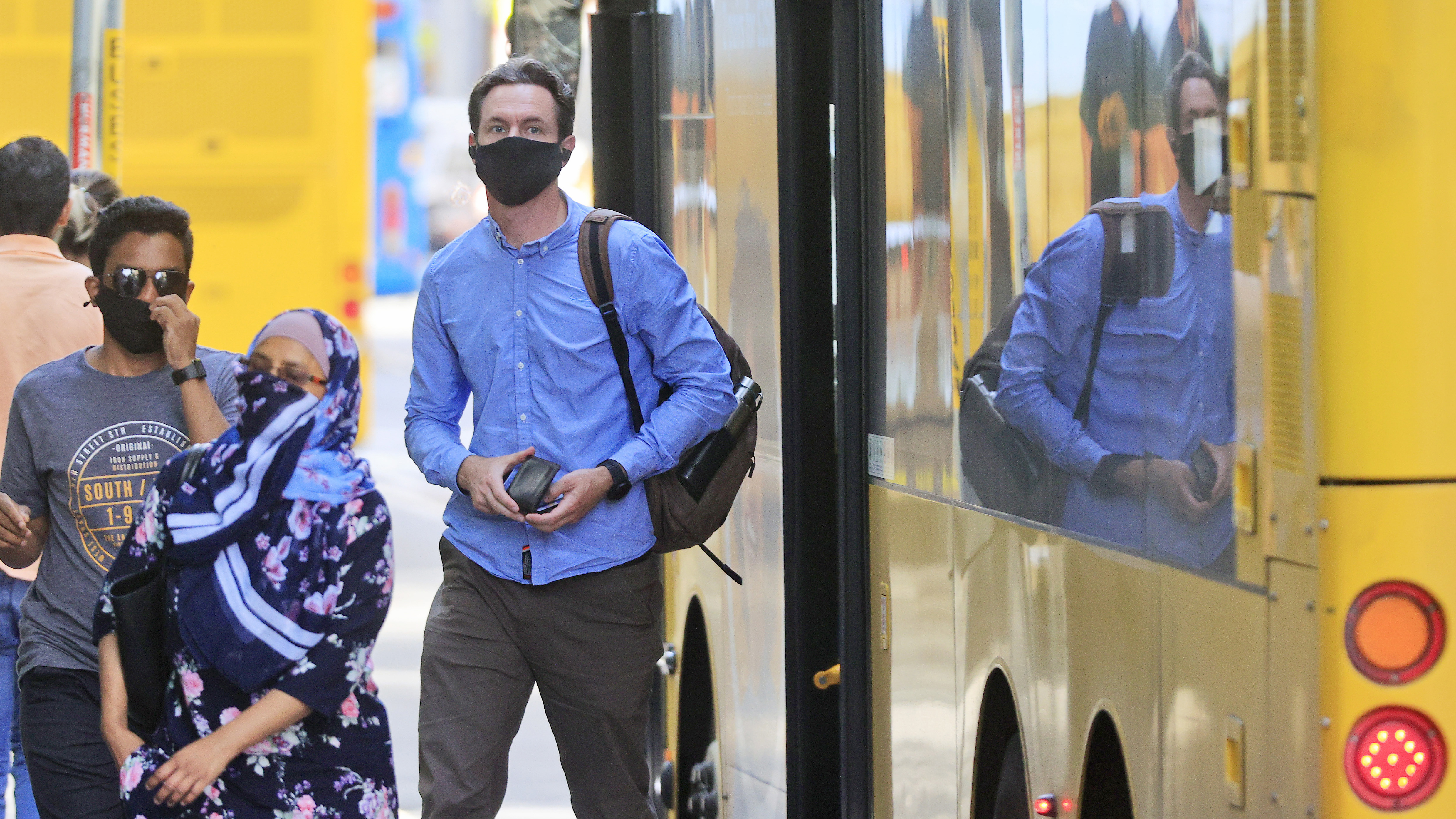
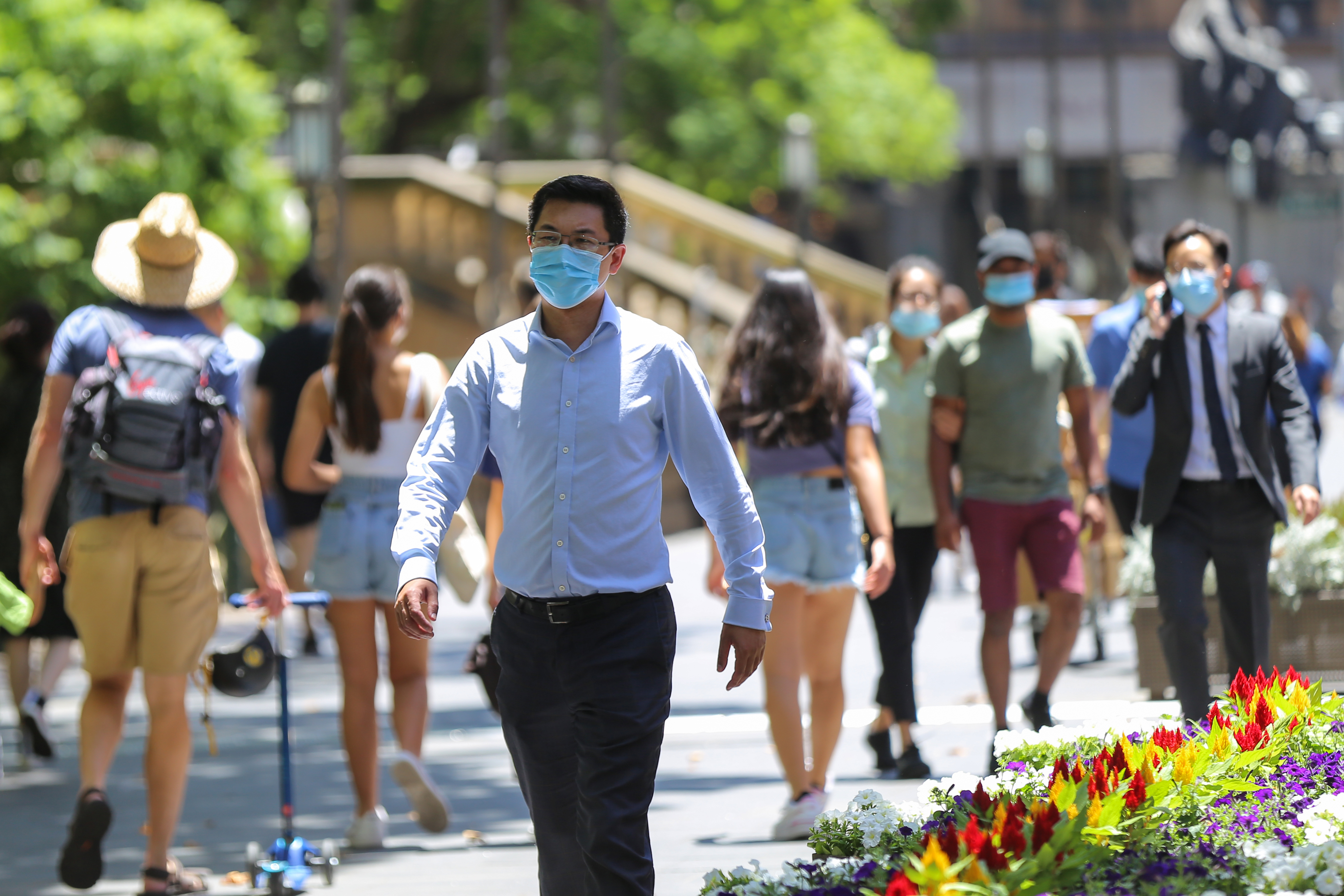
"We still want people to be masking up," she said on Thursday on a webcast hosted by the Johns Hopkins Bloomberg School of Public Health.
"We still need people to limit congregating with people outside their household.
"We still need people to be washing their hands and really being vigilant about those public health practices, especially as these variants emerge."
Swiss hunt down mutated coronavirus strain at luxury ski resorts
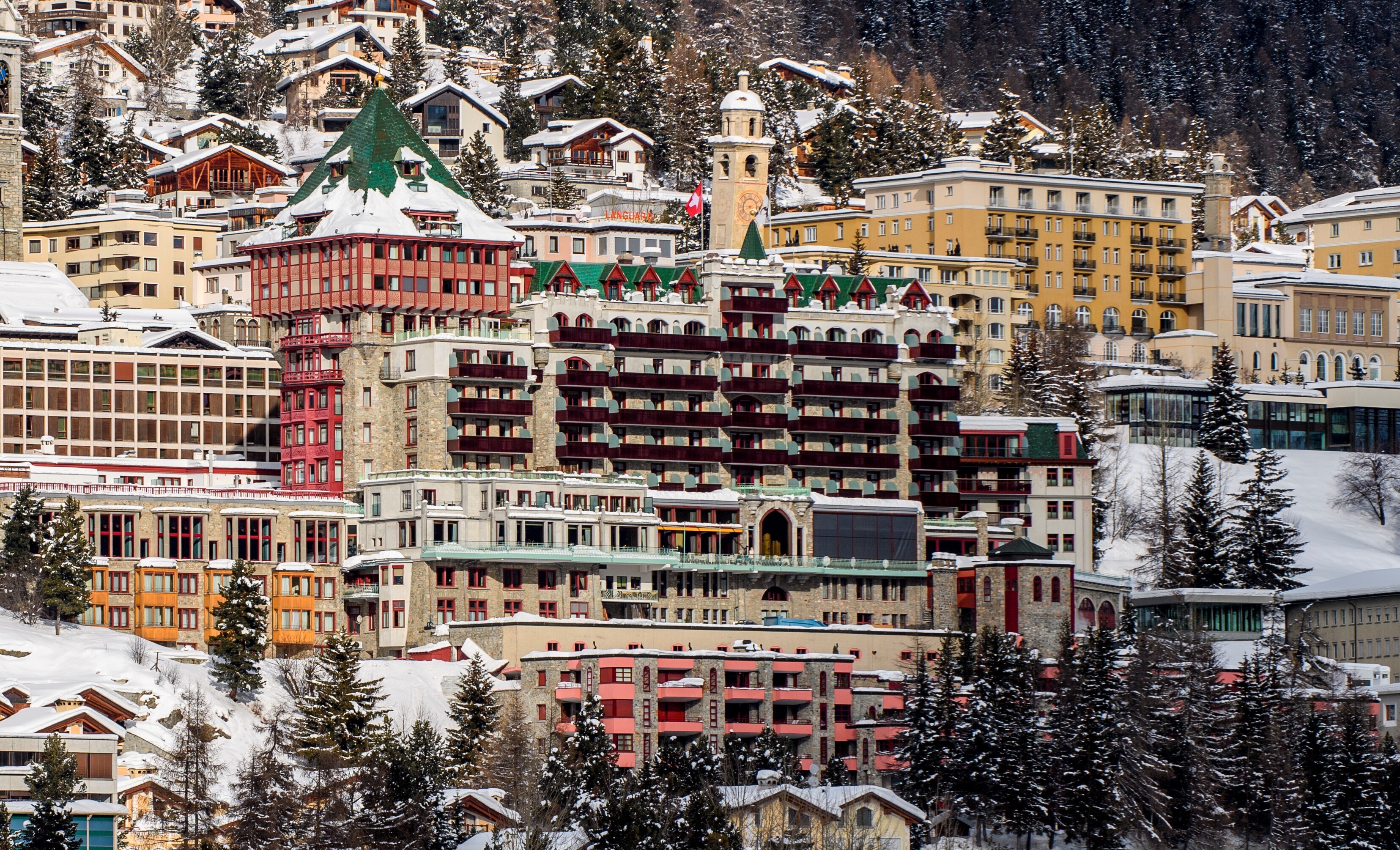
Swiss authorities have started mass testing residents and visitors in St Moritz after a new variant of the coronavirus was detected in the upscale skiing resort.
People were asked to register online and come in for free tests to a local gym and a beverage store on Tuesday, after two luxury hotels were put under quarantine Monday.
All schools, kindergartens and skiing schools were closed.
READ MORE: Wuhan scientists 'had symptoms before first case confirmed'
Officials said at least two dozen cases were detected in the two hotels, which local media identified as the Palace and the Kempinski hotel.
The Kempinski said late on Monday that health authorities had confirmed cases of the mutated coronavirus among the hotel's employees.
"Local health officials have ordered that all guests and staff at the hotel should be quarantined to minimise exposure to the public," a spokeswoman for Kempinski told The Associated Press.
"The hotel is strictly following the advice of the local health authorities and World Health Organisation guidelines."
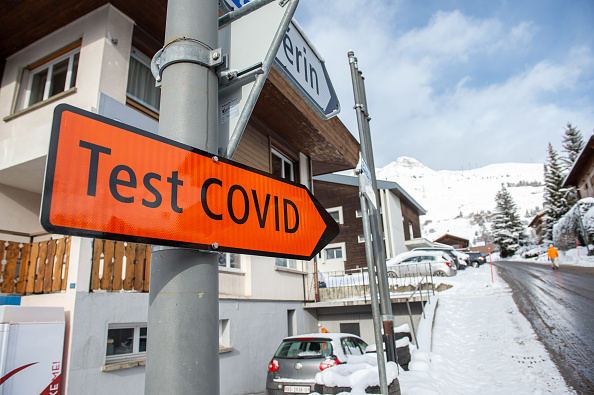
All people in St. Moritz who are five-years-old and above were asked to participate in the test, which was voluntary.
Swiss media reported that the variant detected in St. Moritz was first found in South Africa.
READ MORE: Inside Spain's COVID-19 hospital as country under siege
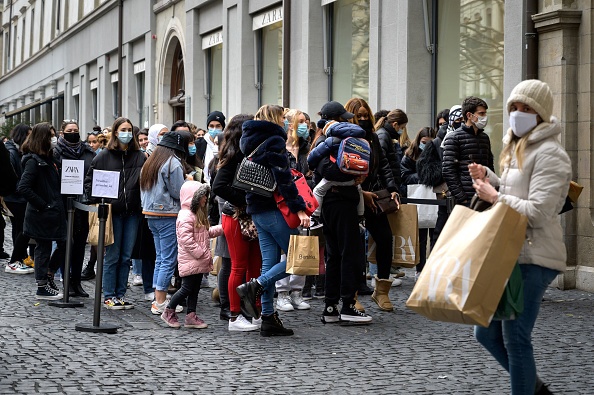
The new strain comes as Switzerland has closed non-essential shops, restaurant and sports facilities until the end of February in a move to drastically reduce coronavirus infections.
MyPillow CEO Mike Lindell says products were dropped from major retailers after voter fraud claims
Election experts have uniformly declared that the 2020 election was conducted fairly.
New Immigrant Caravan: Mexico Wants a Solution from US
Mexican President Andres Manuel Lopez Obrador has urged the US to make major reforms to its immigration policy as thousands of migrants were blocked by police in neighbouring Guatemala.
Mr Lopez Obrador said he was hopeful that President-elect Joe Biden would agree to work with Mexico and other countries on the issue.
About 7,000 migrants, mostly from Honduras, have entered Guatemala.
They hope to travel on to Mexico and eventually reach the US border.
Every year, tens of thousands of Central American migrants try to reach the US, often on foot, in groups known as “caravans”.
They say they are fleeing persecution, violence and poverty in their home countries. Conditions have been made worse by the devastation wrought by two huge hurricanes that battered Central America last November.
In remarks on Monday, Mr Lopez Obrador urged the US to reform its policies on immigration.
“I think the time has come for the commitment [to immigration reform] to be fulfilled, and that is what we hope,” he said.
“In Joe Biden’s campaign, he offered to finalise immigration reform and I hope that he is able to achieve this. That is what I hope.”
He said his government would try to dissuade migrants from crossing into Mexico but added that the rights of all migrants must be respected.
In Guatemala on Monday, security forces broke up a caravan of about 4,000 mostly Honduran migrants who had been camped out near the village of Vado Hondo.
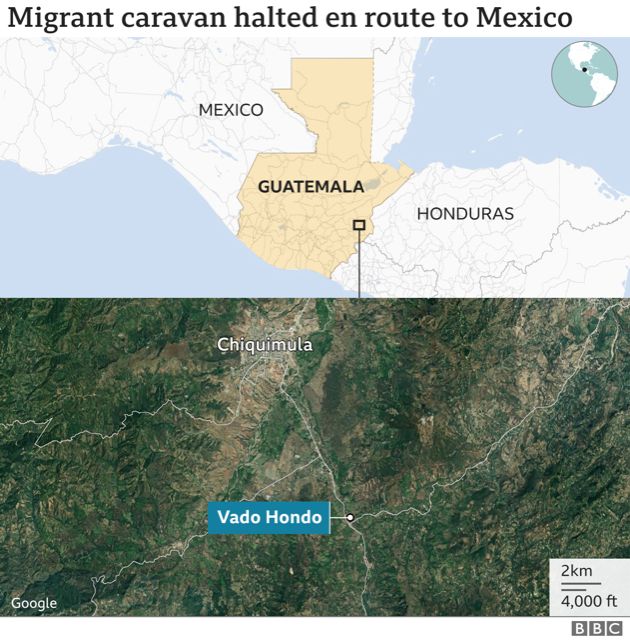

Witnesses said officers, beating their batons against their shields, tried to force the group back in the direction of the Honduran border, about 50km (31 miles) away.
The migrants scattered but several threw stones at police who responded by firing tear gas.
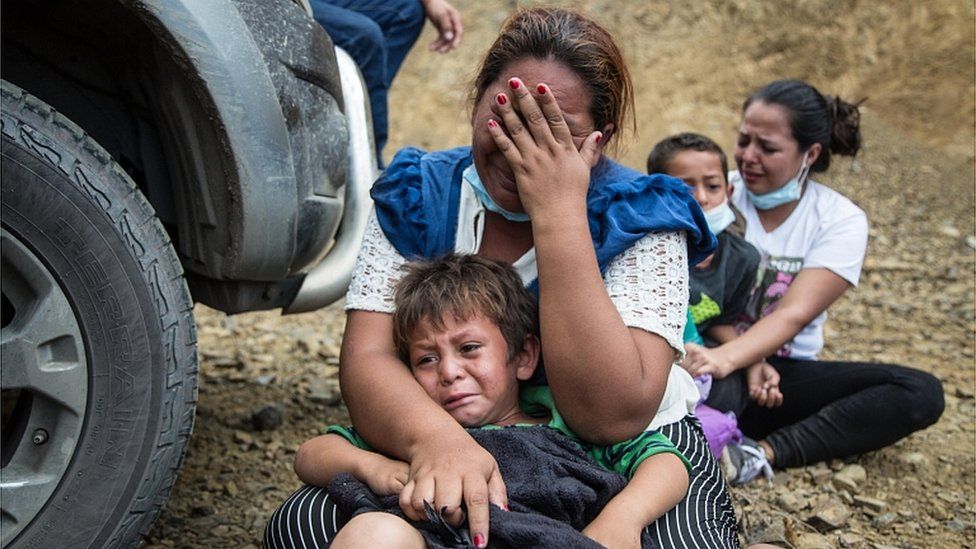 image copyrightEPA
The caravan had been held back in the area since Saturday and was blocking a key road, causing a long tail-back of traffic. Clashes broke out on Sunday as some of the migrants tried to force their way past police lines.
Speaking to reporters, Guatemalan foreign minister Pedro Brolo urged the Honduran government to help ensure “an orderly and safe passage home for those in this caravan”.
President Donald Trump has taken a hard line against illegal immigration, especially along the southern US border with Mexico. He has also put pressure on Mexico, Guatemala, Honduras and El Salvador to crack down on northbound migrants.
Mr Biden has vowed to end the strict immigration policies of his predecessor but his administration, which will take office on Wednesday, has warned migrants not to make the journey because policies will not change overnight.
An administration official told NBC News that migrants trying to claim asylum in the US “need to understand they’re not going to be able to come into the United States immediately”.
The Biden administration will prioritise undocumented immigrants already living in the US, not those heading to the country now, the official said
The post New Immigrant Caravan: Mexico Wants a Solution from US appeared first on The St Kitts Nevis Observer.
Guyana Getting Field Hospital from Qatar
The COVID-19 fighting capacity of Guyana is set to be boosted with the arrival of a field hospital from Qatar, later this week.
Minister of Health Dr. Frank Anthony said the mobile hospital will be established in the compound of the West Demerara Regional Hospital and would accommodate 60 beds. It would also be fully equipped with the necessary equipment to treat critically ill patients.
“This hospital would have the beds required for COVID-19 patients and will also have things like ventilators and monitors so if it’s necessary to intubate someone that will be able to do that,” Dr. Anthony said, during Monday’s COVID-19 update.
“They will have all the necessary equipment to assist somebody who’s critically ill…This would increase our capacity to respond to spikes.”
The field hospital is part of the realization of a commitment made by Qatar to the Guyana Government last October. President Dr. Mohamed Irfaan Ali and Emir of Qatar, Sheikh Tamim bin Hamad Al Thani had held discussions on the countries’ bilateral relations.
Last year, the two leaders had discussed the fight against the Coronavirus Pandemic and critical areas of support for Guyana. The Emir committed to providing Guyana with much-needed equipment including portable military hospitals and ventilators.
Other areas identified for collaboration include support for the agriculture sector through investments in the halaal industry, expansion of the housing programme, the strengthening of diplomatic ties between the two countries, and support in other critical sectors including energy. Following the engagement, the teams also proceeded to design programmes and projects to access resources from the Qatar Fund for Development (QFFD).
Guyana has also benefited from COVID-19 support from other countries including, Mexico, China, India and Kuwait. The country has received donations of several ventilators, and quantities of medication and personal protective equipment to boost its capacity.
CMC
The post Guyana Getting Field Hospital from Qatar appeared first on The St Kitts Nevis Observer.
Trump Leaves a Divided, Virus Crippled Nation
Guardian (UK) In a cold, sombre, damp Washington four years ago this Wednesday, Donald Trump took the oath of office as the 45th president of the United States and delivered an inaugural address now remembered for two words: American carnage.
He delivered, but not as he promised. Trump pledged to end the carnage of inner-city poverty, rusting factories, broken schools and the scourge of criminal gangs and drugs. Instead his presidency visited upon the nation the carnage of about 400,000 coronavirus deaths, the worst year for jobs since the second world war and the biggest stress test for American democracy since the civil war
“It’s not just physical carnage,” said Moe Vela, a former White House official. “There’s also mental carnage and there’s spiritual carnage and there’s emotional carnage. He has left a very wide swath of American carnage and that is the last way I would want to be remembered by history, but that is how he will be remembered.”
Trump campaigned for president as a change agent but millions came to regard him as an agent of chaos. His line-crossing, envelope-pushing, wrecking-ball reign at the White House crashed in a fireball of lies about his election defeat and deadly insurrection at the US Capitol. Future generations of schoolchildren will read about him in textbooks as a twice-impeached one-term president.
It all began in earnest in June 2015 when the property tycoon trundled down an escalator at Trump Tower in New York and announced a presidential run based on “America first” nationalism and building a border wall. Exploiting white grievance, economic dislocation and celebrity culture, he clinched the Republican nomination and promised: “I alone can fix it.” He lost the national popular vote to Hillary Clinton but lucked his way to victory in the electoral college.
The first person elected to the White House with no previous political or military experience, he represented a shock to the system and rebuke to the establishment.
Ian McEwan, the British novelist, observed in the Guardian: “Charles Darwin could not believe that a kindly God would create a parasitic wasp that injects its eggs into the body of a caterpillar so that the larva may consume the host alive … We may share his bewilderment as we contemplate the American body politic and what vile thing now squats within it, waiting to be hatched and begin its meal.”
Hopes that Trump would “pivot” and become “presidential” were dashed by that speech on 20 January 2017. A day later, the press secretary, Sean Spicer, tried to mislead the nation about the size of the inaugural crowd, and soon after the White House counsellor Kellyanne Conway was defending Spicer’s “alternative facts”. It was the outbreak of a disinformation pandemic.
Trump, by all accounts, tried to govern by gut instinct, refusing to read national security briefs but hanging on the words of hosts on the Fox News network. His Twitter feed gave an astonishing window on his thinking and frayed the nation’s nerves. He showed a narcissist’s craving for attention from the media and affirmation from West Wing staff, who came and went at a record rate.
He assailed government bureaucracy, sought to undo Barack Obama’s legacy and displayed the brashness and shamelessness that served his business career: hurl insults, never apologize, hit back harder and throw out constant distractions. He aped demagogues of the past by handing his family top jobs and deriding the media as “fake news” and “the enemy of the people”.
In his first year alone, Trump signed an executive order to prevent people from seven Muslim-majority countries from entering the US, fired the FBI director, James Comey, and other officials whose loyalty was less than absolute, announced America’s withdrawal from the Paris climate agreement and responded to deadly white nationalist violence in Charlottesville, Virginia, by insisting that there were “very fine people on both sides”.
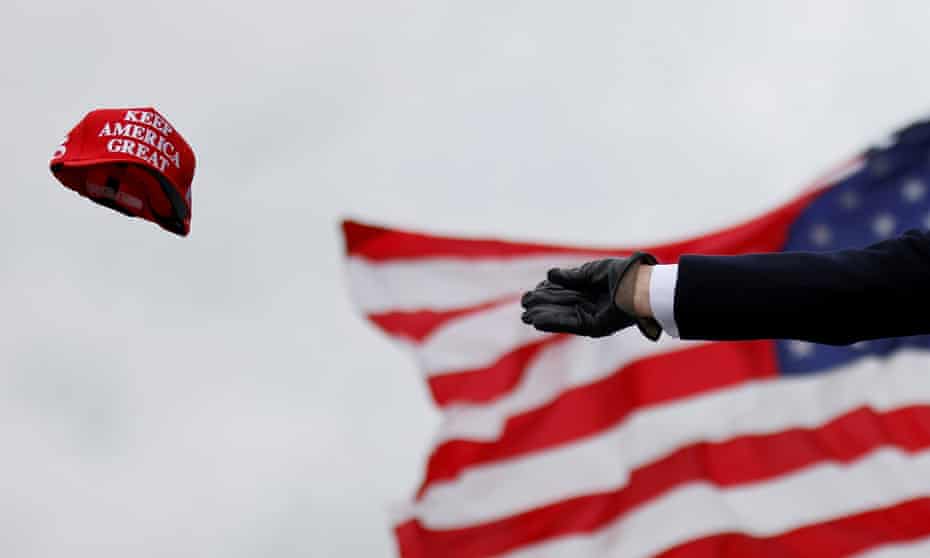
As his term went on, Trump oversaw a “zero-tolerance” policy at the border that separated immigrant parents from children and stripped away environmental regulations. He encouraged the QAnon conspiracy movement, described as a domestic terror threat by the FBI. In language often laced with violent imagery, it was all about “owning the libs” and mesmerising the “Make America great again” base at cultish rallies.
Jim Mattis, a retired four-star Marine Corps general who served as his first defence secretary, said last year: “Donald Trump is the first president in my lifetime who does not try to unite the American people – does not even pretend to try. Instead he tries to divide us.”
Yet for three years, his beginner’s luck held and re-election seemed possible. An investigation into links between Russian meddling in the 2016 election and Trump’s campaign led to several criminal convictions but ultimately ended in anticlimax. He was impeached by the House of Representatives for pressuring Ukraine for political favours but was comfortably acquitted by the Senate.
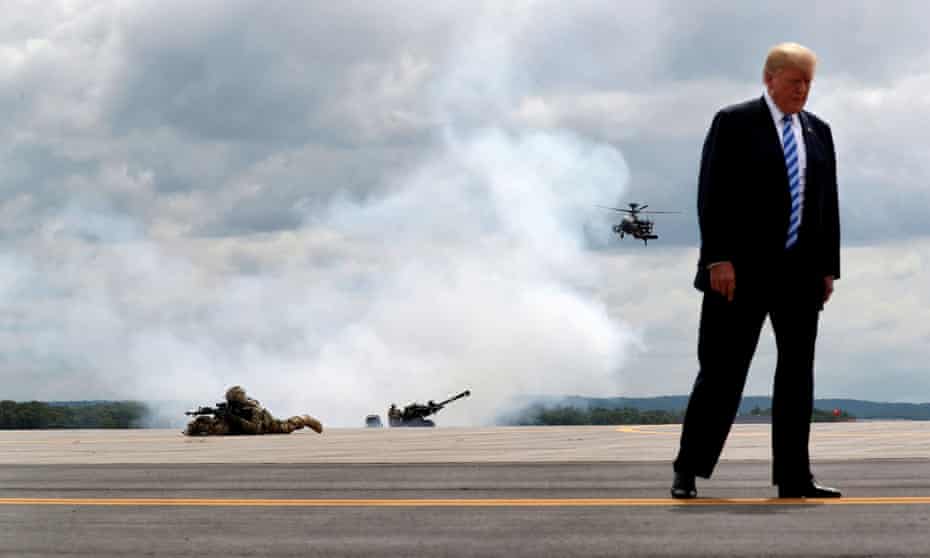
Trump gratified Republicans by naming three supreme court justices and more than 220 federal judges, giving the judiciary an enduring conservative bent, and enacting the biggest tax cuts and reforms for a generation. He invested in the military and brought troops home, negotiated a new trade deal with Canada and Mexico and helped broker agreements between close ally Israel and three Arab states.
Newt Gingrich, a former Republican House speaker, said: “It was a remarkably effective populist disruption of the old order. It changed regulations, it rebuilt the American military, it recentred American foreign policy on American interests, it renegotiated trade policy around American jobs, it began to fundamentally shift the judiciary system back to a constitutional basis. And at the same time it was generating economic growth so you had the lowest Black and Latino unemployment in American history.”
Using a term that had led to widespread criticism of Trump for fuelling racism, Gingrich added: “Except for the enormous intrusion of the Chinese virus, it was an astonishingly successful period.”
But the coronavirus did change everything. From the start, Trump deliberately played down the threat and failed to build a national testing strategy. He sidelined public health officials by refusing to embrace mask-wearing and suggesting unproven treatments, including the injection of disinfectant, and was eventually hospitalised with the virus himself. Vaccines came at historic speed but their distribution lagged and was described by President-elect Joe Biden as a “dismal failure”.
The summer brought another crisis. Faced with mass protests against racial injustice, Trump responded with brute force, law-and-order rhetoric and a renewed culture war over statues and Confederate symbols. On 1 June, security forces chased away peaceful protesters with teargas outside the White House before the president staged a photo op, awkwardly clutching a Bible at a historic church.
But for every action, there is an equal and opposite reaction. The Trump era was also the era of #MeToo and Black Lives Matter. His inauguration was immediately followed by women’s marches including a record 4 million people in Washington. The “resistance” was maintained by activists, journalists, politicians, satirists, watchdogs, whistleblowers and voters, who delivered their verdict by handing Democrats the House, then the White House, then the Senate.
By tapping America’s id, the president inadvertently did it a favor by bringing all its internal tensions and tormented histories to the surface, making them far harder to deny. Arisha Hatch, vice-president of the activist group Color of Change, said: “Trump’s four years in office led to a huge degree of suffering but it will also be remembered as a time of racial reckoning, a time when racial justice finally became a majoritarian issue.
“Trump will be remembered for exposing the flaws in our democracy that have, for decades, kept us from achieving racial equity. Trump was a symptom of many problems, not the cause.”
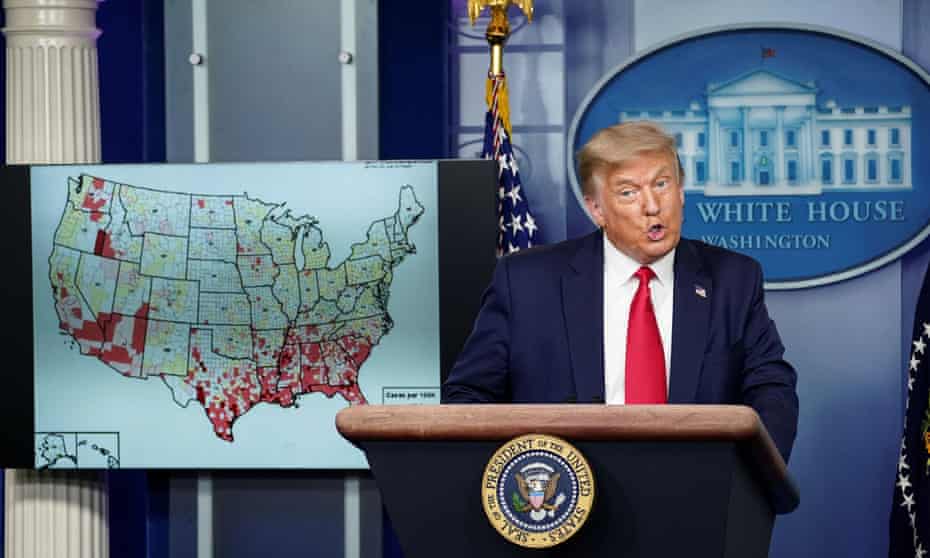
Trump once boasted that he could shoot somebody on New York’s Fifth Avenue and not lose any voters, an insight vindicated time and again, including when he grew his support from 63m votes in 2016 to 74m in 2020, more than any incumbent president in history. But his opponent, Biden, gained a record 81m votes and won 306-232 in the electoral college. Trump refused to concede and launched a scorched earth campaign of lawsuits, fantasies and propaganda to overturn the result.
But the officials, courts, civil society and media held firm. As Trump turned on his closest allies, including even Vice-President Mike Pence, weeks of election denialism and years of inflammatory rhetoric reached a fiery climax when a mob sacked the US Capitol, flaunting the Confederate flag and other far-right iconography. Five people died and members of Congress cowered in fear.
Gwenda Blair, a Trump biographer, said: “That was perhaps the first time I was truly shocked and truly, personally, physically frightened. I’ve been frightened on every other level before but that was the first time I thought, ‘It really could happen here’. It was the first time that all of the norms and all the notions of it being somewhere else were completely blown away.”
Blair was interviewed by the Guardian in a New York diner in July 2015 as Trump began his political ascent. Looking back on all that has happened since then, she reflected: “It’s a combination of exactly what I expected and worse than I could have imagined. It’s utterly consistent with his entire career but, even as someone who has been watching him for more than 30 years, it’s hard to wrap my mind around.”
From carnival barker to world’s most powerful man, Trump, 74, leaves a legacy of division, destruction and death. He accelerated Americans’ distrust in institutions and in each other, waging war on truth itself. He still has millions of acolytes whose divorce from the reality of a Biden’s presidency threatens further instability and violence from domestic terrorists. Overseas, Trump made America an object of ridicule, scorn or pity as he gravitated towards foreign autocrats and alienated longtime allies.
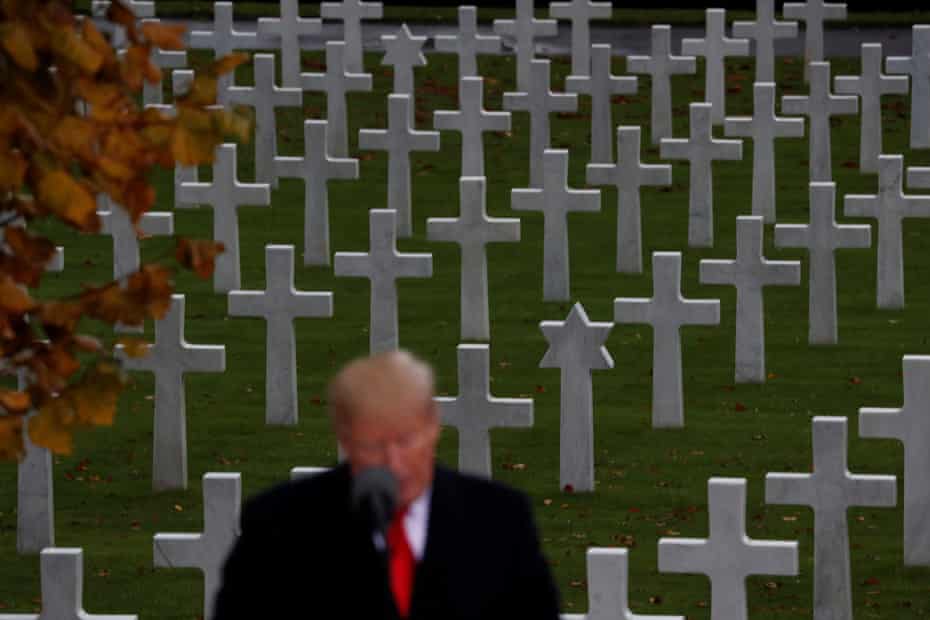
Leon Panetta, a former defence secretary and CIA director, said: “Future historians will say that it was perhaps the worst presidency the United States has had because of the person Trump is and because he had little respect for the values associated with the presidency, did not believe that there were any rules that constrained him and generally undermined the strength of the United States at a very critical time, both at home and abroad.”
But on Wednesday the lights will go out on the reality TV presidency as Trump exits the White House in defeat and disgrace, facing another impeachment trial in the Senate. A Pew Research Center poll found that his approval rating has collapsed to 29%, the lowest of his presidency. He has even been banned from social media, depriving him of the Twitter megaphone that gave diplomats and journalists sleepless nights.
Biden will be inaugurated in a city resembling a fortress and begin clearing up four years of carnage. Former president Gerald Ford’s proclamation after the departure of Richard Nixon – “our long national nightmare is over” – will be widely quoted. Many will hope that Trump was a mere heartbeat in historical terms, a blip as the baton passed from Obama to Biden, and a warning to the future: let’s not do that again.
Larry Sabato, director of the Center for Politics at the University of Virginia, said: “If history is honest, it will remember Donald Trump as by far the worst president ever. No one else even comes close. Not Warren Harding, not James Buchanan, not Richard Nixon. Nobody comes close.
“And beyond that he is, in my view, the most horrible human being who has ever sat in the Oval Office. In addition to being the worst president, he’s a terrible person. What a combination. I hope we’ve learned this lesson. This ought to remind all Americans what happens when you make a mistake with your vote.”
The post Trump Leaves a Divided, Virus Crippled Nation appeared first on The St Kitts Nevis Observer.
Biden Covid adviser challenges Cuomo's letter to buy vaccine directly from Pfizer
Dr. Celine Gounder said the New York governor’s request could cause more problems than it solves.