By Gill Bonnett, of RNZ An immigration adviser has been ordered to pay almost $10,000 after bad advice led to a family’s residence application being rejected.Rowel Mercado told his client her work visa as a personal assistant…
All posts by FreeNews
Wuhan scientists 'had symptoms before first case confirmed'
Staff at Wuhan's virus research institute were experiencing coronavirus symptoms weeks before cases were reported by China, the US Government has claimed.
A 'fact sheet' released by the US State Department said several scientists inside the Wuhan Institute of Virology (WIV) became ill in late 2019.
That was several weeks before China confirmed it was treating cases of a novel coronavirus that would later become known as COVID-10.
The US document provided no evidence but supports earlier claims the laboratory was the source of the pandemic.
READ MORE: Australian scientist investigating origins of coronavirus in Wuhan
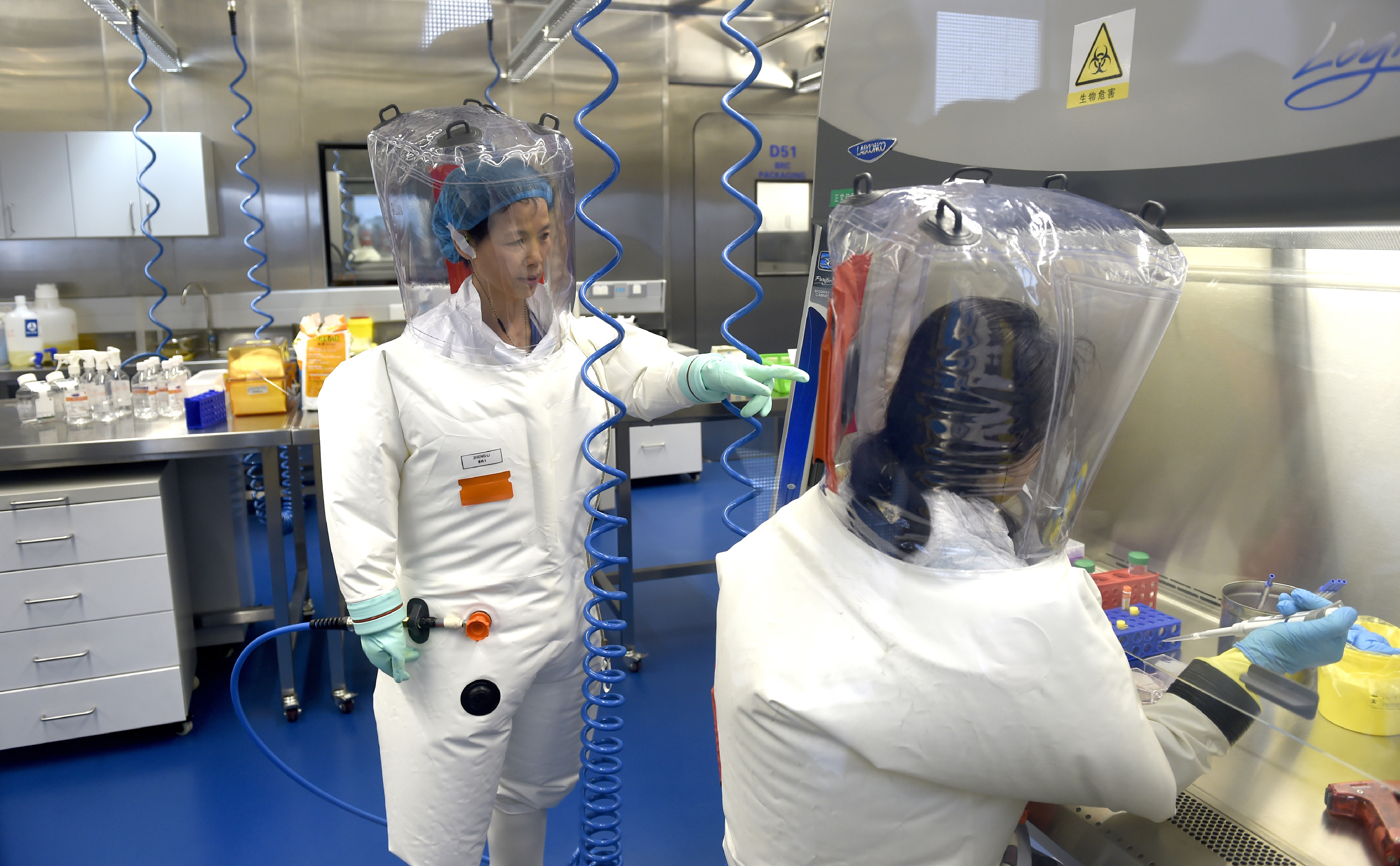
The Chinese Government has firmly rejected the US allegations.
Where the virus first emerged and how it transmitted to humans remains a mystery.
The initial cluster was linked to stall-holders at a wet market in Wuhan, but earlier cases have not been confirmed.
The claims by the outgoing Trump administration are the latest to challenge China over the origins of the virus, just days before President-elect Joe Biden takes office.
The US State Department said Chinese scientists conducted studies on "animal-derived coronaviruses under conditions that increased the risk for accidental and potentially unwitting exposure."
Several researchers at WIV then became ill in the northern autumn 2019, the US Government said. But other details were given.
READ MORE: Pfizer vaccine safe for Australians despite reports of Norway deaths, top CSIRO director says
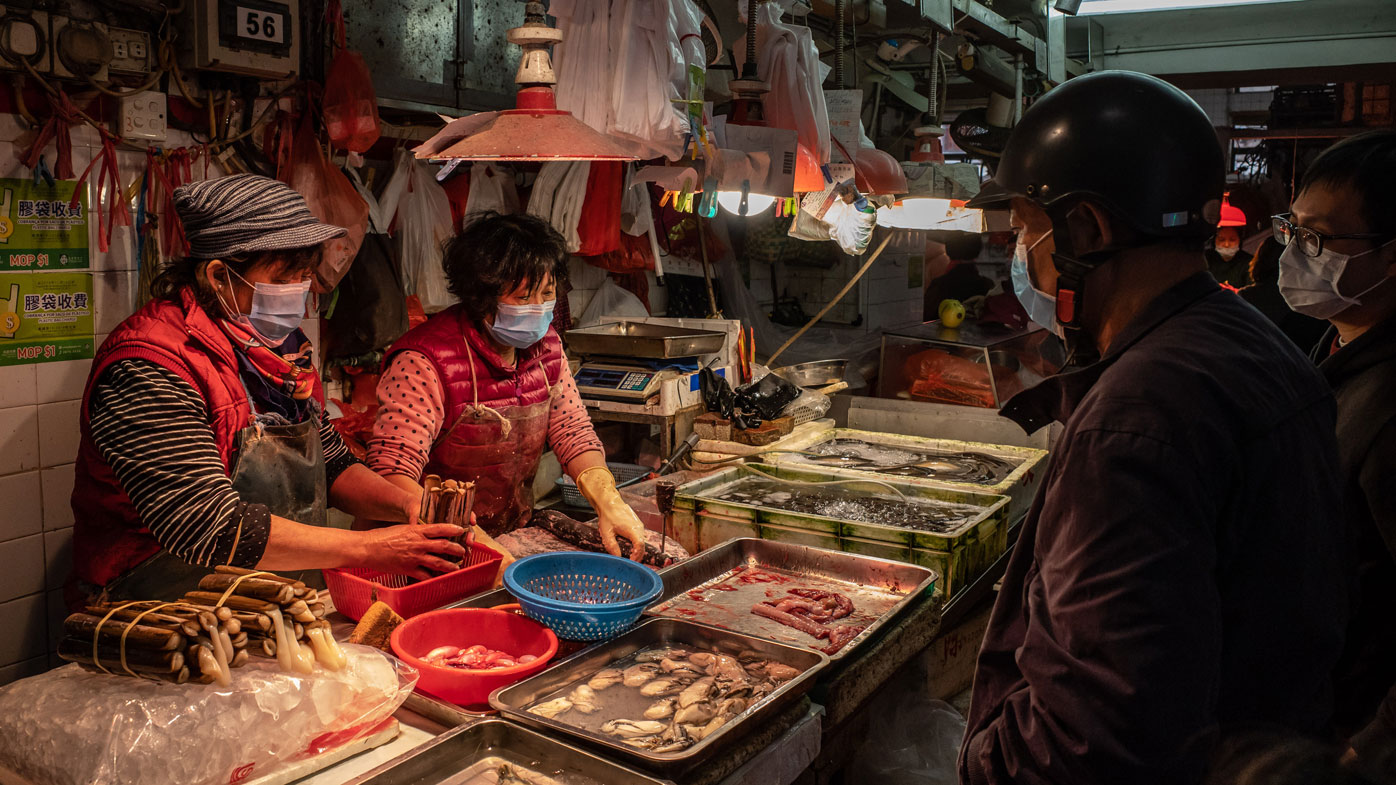
Chinese authorities reported a coronavirus outbreak weeks later on December 31, 2019, some three weeks before the World Health Organisation (WHO) confirmed human-to-human transmission of the virus, January 22 2020.
A team of WHO experts – including Australian microbiologist and infectious diseases expert Professor Dominic Dwyer – has arrived in Wuhan as part of a global investigation into the pandemic origins.
Taiwan stages defence drill against attack from China
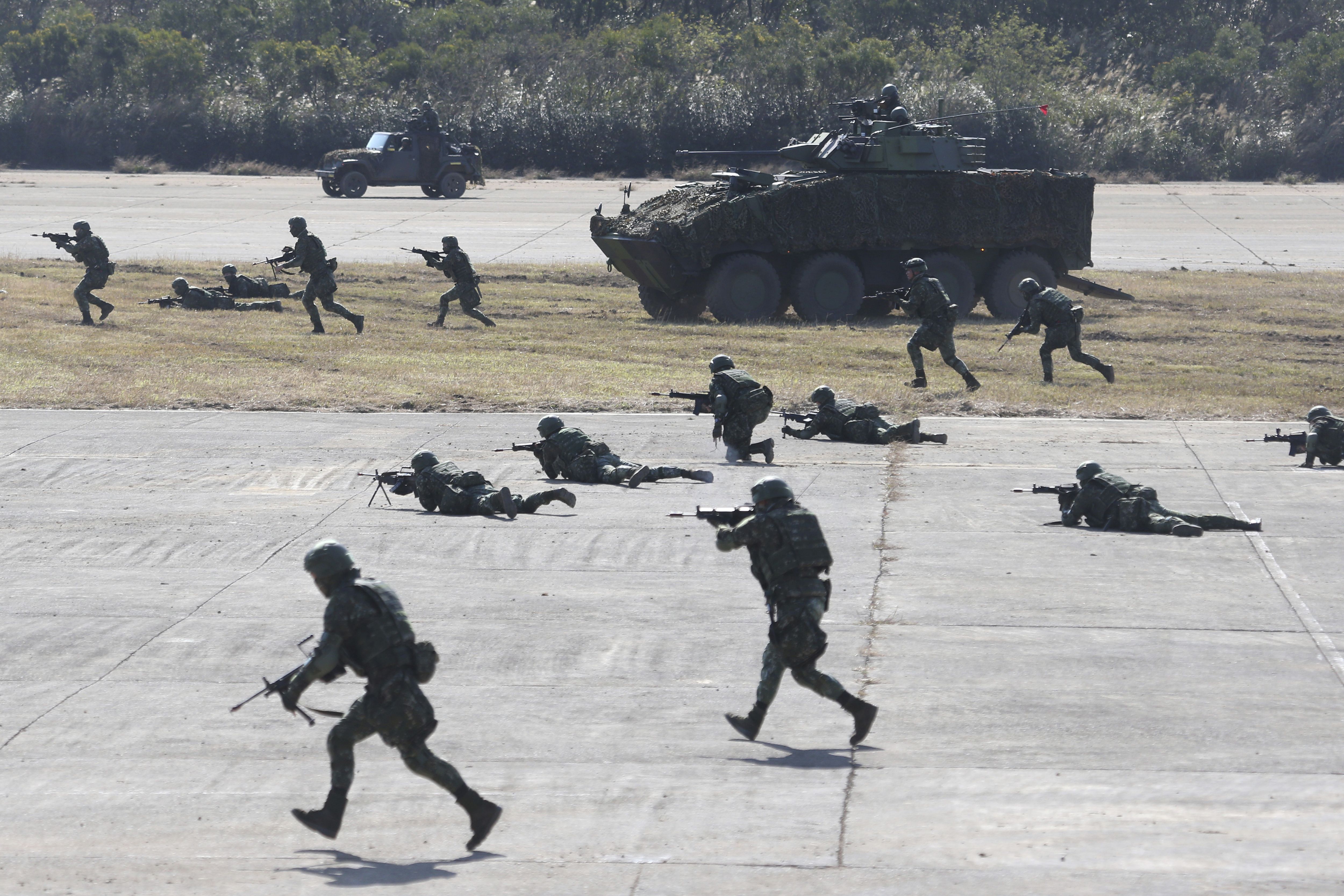
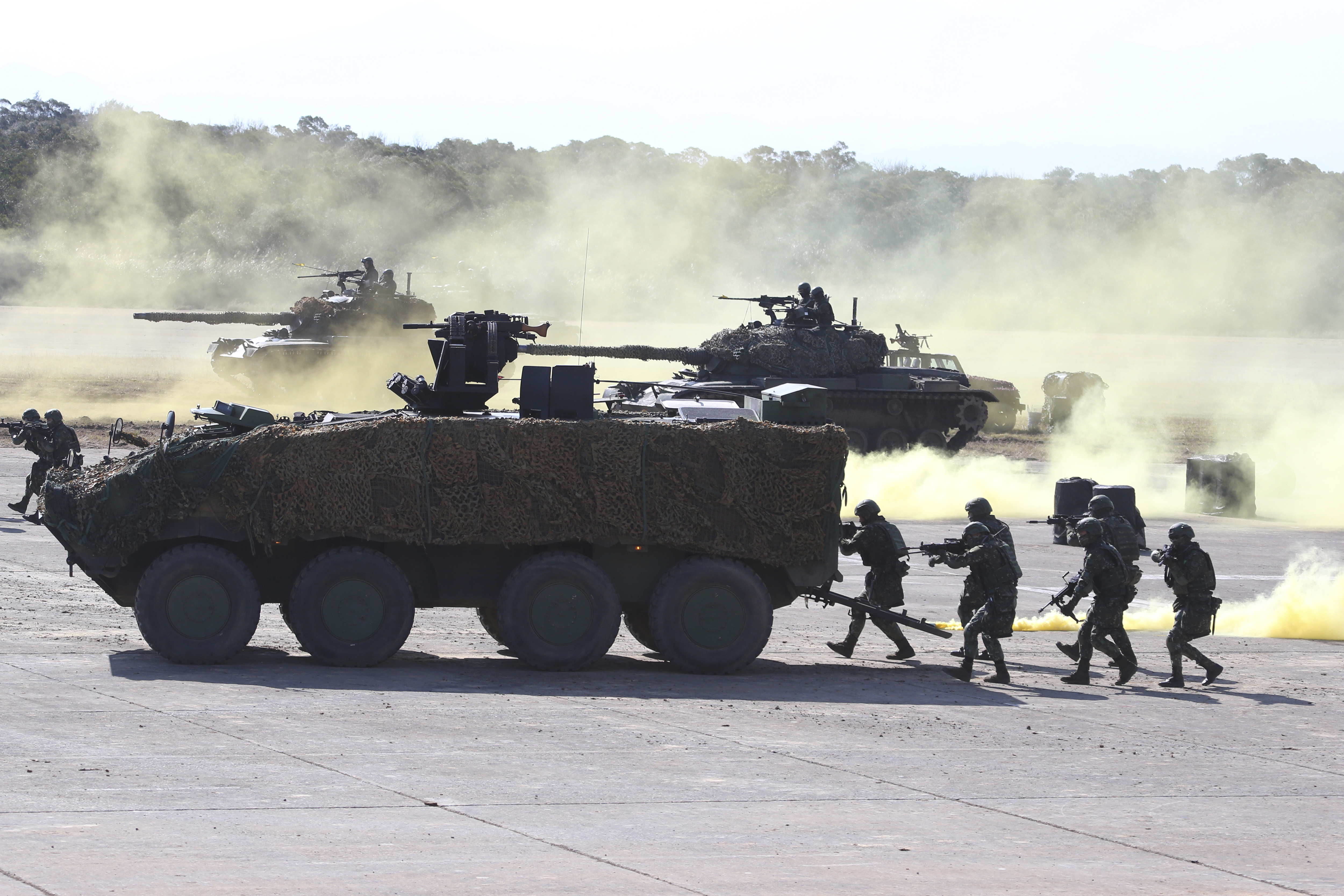
Taiwanese troops using tanks, mortars and small arms staged a drill today aimed at repelling an attack from China, which has increased its threats to reclaim the island and its own displays of military might.
"No matter what is happening around the Taiwan Strait, our determination to guard our homeland will never change," said Major General Chen Chong-ji said, director of the department of political warfare, about the exercise at Hukou Army Base south of the capital Taipei.
General Chen said the exercise was intended as a show of Taiwan's determination to maintain peace between the sides through a show of force.
READ MORE: Perth museum changes exhibit after Chinese consulate complains
The drills are also meant to reassure the public the military is maintaining its guard ahead of next month's Lunar New Year festival, when many troops take leave.
Hukou base lies in Hsinchu county, a center for Taiwan's high-tech industries that have thrived despite the constant threats of invasion by China, which considers the self-governing island democracy part of its own territory to be conquered by force if necessary.
Taiwanese President Tsai Ing-wen has sought to bolster the island's defenses with the purchase of billions of dollars in weapons from the US, including upgraded F-16 fighter jets, armed drones, rocket systems and Harpoon missiles capable of hitting both ships and land targets.
READ MORE: US Navy admiral visits Taiwan
She has also boosted support for the island's indigenous arms industry, including launching a program to build new submarines to counter China's ever-growing naval capabilities.
China's increased threats come as economic and political enticements bear little fruit, leading it to stage war games and dispatch fighter jets and reconnaissance planes on an almost daily basis toward the island of 24 million people, which lies 160km off China's southeast coast across the Taiwan Strait.
Along with world's largest standing military, numbering around two million members, China has the largest navy, with approximately 350 vessels, including two aircraft carriers and about 56 submarines.
It also possesses around 2000 combat fighters and bombers and 1250 ground-launched ballistic missiles, considered a key strategic and psychological weapon against Taiwan.
Taiwan's armed forces are a fraction of that number, with much of its ground force consisting of short-term conscripts, and its fleet numbers only around 86 vessels, roughly half of them missile boats for coastal patrol.
Scientists launch rocks at roofs in Auckland volcano study
Scientists are firing rocks at roofs in a fascinating study exploring how buildings across Auckland might fare in an explosive eruption.Auckland straddles a large volcanic field home to more than 50 volcanic centres, posing an ever-present…
Most popular dogs' names in Auckland revealed
Yell out for Bella, Charlie or Max at any Auckland dog park and you might attract a stampede of furry friends. It turns out for the fifth year in a row Bella has been revealed as the most popular dog name recorded on Auckland Council’s…
Missing kayaker: Items belonging to Koyren Campbell found on seabed
Items belonging to missing kayaker Koyren Campbell have been found on the seabed, police have confirmed.Campbell, 22, has been missing since his lone kayak was found floating on Wellington’s south coast on Sunday afternoon.He…
Fire danger running high in upper north amid oddball La Nina
Wildfire risk across the upper north and East Coast is running high, despite the presence of a La Nina climate system that usually dampens down the danger. A national outlook just issued by Scion and Fire and Emergency NZ also…
Pandemic Preparedness Panel urges countries, take proven measures now
GENEVA, Switzerland — The Independent Panel for Pandemic Preparedness and Response is urging all countries to ensure implementation of critical public health measures known to decrease virus transmission in order to curb the spread of COVID-19. It has also expressed grave concern at the prospect of inequitable vaccine rollout around the world.
The Independent Panel was established by the World Health Organization’s Director-General in response to World Health Assembly resolution 73.1. Its mandate is to review experience gained and lessons learned from the WHO-coordinated international response to COVID-19. The Independent Panel comprises thirteen members.
In the Independent Panel’s Second Report on Progress, the Panel expresses deep concern over the continued significant rises in the numbers of COVID-19 cases and deaths. Since January 1, the world is recording an average of almost 12,500 daily deaths and 682,000 recorded cases.
“These cases and deaths are causing untold grief to families and avoidable stresses on health workers and systems,” says Co-Chair Helen Clark. “Basic measures like testing, contact tracing, isolation, physical distancing, and wearing masks all have a role to play. We urge all governments to step up to protect the lives of their citizens and to support and promote the public health measures proven to work.”
The Co-Chairs note that basic public health measures are even more pressing as new and reportedly more infectious variants of SARS-CoV2 are detected.
On the issue of vaccines, Co-Chair Ellen Johnson Sirleaf says that the Panel is grateful to scientists for developing vaccines in record time. “We regret, however, that the vaccine roll-out is currently favouring wealthy countries. A world where high-income countries receive universal coverage while low-income countries are expected to accept only twenty per cent in the foreseeable future is on the wrong footing – both for justice and for pandemic control. This failure must be remedied.”
Failures in the global alert and response systems
The Independent Panel’s Second Report on Progress to the WHO Executive Board – an interim report before a major report scheduled for the World Health Assembly in May – updates the WHO Executive Board on initial findings and the Panel’s concerns.
A major concern is that the international system for alert and response is not fit for purpose. It seems to come from an earlier analogue era and needs to be brought into the digital age, the Panel’s report says. Modern information systems are picking up signals of new disease before countries are formally reporting. These are outpacing the procedures and protocols of the International Health Regulations including the declaration of a public healthemeency. of international concern.
The Report considers whether the international system acted fast enough to detect and alert the world to this novel infectious pathogen with pandemic potential.
“When there is a potential health threat, countries and the World Health Organization must further use the 21st century digital tools at their disposal to keep pace with news that spreads instantly on social media and infectious pathogens that spread rapidly through travel,” says Co-Chair Clark.
“Detection and alert may have been speedy by the standards of earlier novel pathogens, but viruses move in minutes and hours, rather than in days and weeks.” The Panel finds there is a need for a new international framework.
The Co-Chairs appreciate that at the time; many people worked hard to identify the new health threat, and took measures to address it. Identifying the timing gaps is a lesson for future response preparedness, not a critique of those who did their best.
In its Progress Report, the Panel also describes additional early shortcomings at each step of the global and national response to COVID-19 which have contributed to the pandemic. These include a failure to measure preparedness in a way that predicted actual performance, and a failure of
countries to prepare, despite years of warnings of the inevitability of a health threat with pandemic potential.
Crippling, deepening inequalities
The Panel finds that the pandemic response has deepened inequalities, both within and between countries. Low-income countries are bearing long lasting economic burdens of the pandemic. The inequitable access to vaccines is amongst the most glaring examples of inequality exacerbated by the pandemic.
The Panel will further examine and recommend ways in which pandemic preparedness and response systems can be improved so that countries have equitable access to protective equipment, supplies such as oxygen and ventilators, and diagnostics, therapies, and vaccines.
High expectations of WHO need to be backed by support for it.
The Panel is also concerned that Member States have high expectations of the World Health Organization but have left it underpowered to do that job.
“The WHO is expected to validate reports of disease outbreaks for their pandemic potential and, deploy support and containment resources, but its powers and funding to carry out its functions are limited,” said Co-Chair Sirleaf. “This is a question of resources, tools, access, and authority.”
To this end the Panel is concerned that the incentives for Member States to cooperate with WHO are too weak to ensure their effective engagement with the international system in an effective, transparent, accountable, and timely manner.
A new global framework, real investment needed
In the lead up to its report to the World Health Assembly in May, the Independent Panel will continue to gather information and analyse what happened during the early weeks and months of the spread of SARS-CoV2, as well as examining the wider social and economic impacts, and the implications for the international system.
The Panel’s report underscores that lessons from this pandemic are both painful and grave and must be a catalyst for “fundamental and systemic change in preparedness for future such events, from the local community right through to the highest National and global levels. There needs to be a fundamental shift so that pandemic preparedness is recognized as an obligatory investment not as a voluntary cost.”
“The consequences of this pandemic remind us of how important effective multilateralism is,” said Co-Chair Sirleaf. “Geopolitical tensions have impacted on the response, and the resulting pandemic has given us many interlinked reasons to rethink and reset the way in which the international system and countries prepare and respond to global health threats. With 7.6 billion lives interrupted, a regression on previous gains towards the Sustainable Development Goals; the loss of trust in governments and institutions; and a loss of some six trillion dollars in GDP, there is every reason to change.”
“We are at a global crossroads,” the Co-Chairs say. “The Independent Panel aims to make recommendations to support the world to be more prepared, more secure, and more resilient to future pandemic threats.”
The Independent Panel’s 2nd Report on Progress is available in six languages at www.TheIndependentPanel.org/documents.
The post Pandemic Preparedness Panel urges countries, take proven measures now appeared first on The St Kitts Nevis Observer.
Sandals founder Hon. Gordon ‘Butch’ Stewart, passes away in Miami
KINGSTON, Jamaica — Jamaican Businessman and entrepreneur Hon. Gordon ‘Butch’ Stewart died on January 4, 2021 at the age of 79 in Miami.
Hon. Stewart was born in Kingston on July 6, 1941. He grew up along the island’s North Coast.
The Organisation of Eastern Caribbean States (OECS) expressed sadness about Stewart’s death.
“We extend deepest condolences to his immediate family, his extended Sandals family and to the people of Jamaica on the loss of another Jamaican legend,” said an OECS statement calling him the visionary icon of Caribbean tourism.
Hon. Stewart attended college in England. After college, he founded Appliance Traders Ltd., selling air conditioners and appliances. In 1981 he founded the Sandals Resort chain and was its long-time owner and chairman. As it grew the enterprise became Sandals Resorts International.
Hon. Stewart founded the popular all-inclusive resort chains Sandals and Beaches. The OECS said,
“The greatest tribute that we can pay to this transformational figure is to ensure the continuation and continued impact of the legacy in the New Normal by bringing to the task of the re-invention of the Caribbean tourism sector, the same creative energy that he brought to the challenge and creation of his brand.”
“The Sandals and Beaches brand of indigenous all-inclusive luxury hotels have given prominence to the Caribbean region with its extensive international marketing and the extraordinarily high standards of hospitality and customer satisfaction that he defined. The legacy that he created is indelible and it lives on in the thousands of OECS Sandals employees in Antigua & Barbuda, Grenada, Saint Lucia (and soon, St. Vincent & the Grenadines) who are able to sustain their families every day.
“The greatest tribute that we can pay to this transformational figure is to ensure the continuation and continued impact of the legacy in the New Normal by bringing to the task of the re-invention of the Caribbean tourism sector, the same creative energy that he brought to the challenge and creation of his brand.”
Sandals was one of the first all-inclusive resorts and the first in the Caribbean to feature a swim-up bar. He later founded Beaches Resorts, which like Sandals, catered to couples only.
In 1994, Stewart bought a majority state in Air Jamaica and became its chairman.
In a tribute to Hon. Steward, Forbes Magazine said, “Stewart was one of the hospitality industry’s most vibrant personalities and founder of Sandals Resorts International, the world’s leading all-inclusive resort company. An unstoppable force, who delighted in defying the odds by exceeding expectations, Stewart single-handedly built the world’s most awarded vacation brand from one resort in Jamaica to over two dozen distinct resorts and villas throughout the Caribbean. He single-handedly changed the concept of the “all-inclusive” resort and changed how the world goes on vacation.”
Sandals Resorts International is a family-owned corporation and his son, Adam Stewart became chief operating officer in 2007 and will continue his management.
The post Sandals founder Hon. Gordon ‘Butch’ Stewart, passes away in Miami appeared first on The St Kitts Nevis Observer.
Donald Trump's most controversial pardons
While Donald Trump has been notoriously stingy with his pardon power compared with his predecessors, those he has pardoned are often those with personal ties to him.