A teenager who viciously beat his girlfriend has been freed from prison in a bid to stop him being recruited by gangs.James Tuwhangai, 19, was jailed for two years when he was sentenced at the Dunedin District Court in September…
All posts by FreeNews
Gender Affairs officials highlight the need for a National Gender policy
BASSETERRE, St. Kitts –- The need for the development of a National Gender Policy for the Federation of St. Kitts and Nevis was emphasised on January 13 by Sharon Warner, Executive Officer at the Department of Gender Affairs.

Mrs. Warner said the National Gender Policy is an institutional framework that will assist the government in facilitating gender equality and empowerment and improve compliance with repertory requirements on the various human rights instruments.
“It’s a key document that provides a clear mandate to enhance a gender-sensitive approach in processes and operations that will promote the rights and equality of men, women, boys, and girls,” she said. The purpose of the gender policy is to mainstream gender in all sectors.
“In society, there are existing patterns of inequality and differences between the roles of men and women, which require different approaches,” said Mrs. Warner. “A gender policy will promote greater gender sensitivity and understanding of the impact of gender on society at all levels.
“We actually need a gender policy to accelerate the achievement of gender equality and human rights and to ensure developmental benefits for everyone,” she said. “The policy will promote gender equality so that men and women can enjoy the same opportunities rights and obligations in all areas of life.
“This means sharing equally in the resources of the country including access to services, for example, health, education, social, political, economic and cultural,” said Mrs. Warner.
Director of the Department of Gender Affairs, Celia Christopher, commented that having access to the resources of the country is one of the most important aspects of the entire policy document.
The post Gender Affairs officials highlight the need for a National Gender policy appeared first on The St Kitts Nevis Observer.
Driver critically injured after vehicle rolls on to railway tracks off Waikato Expressway
A driver is in a critical condition after his vehicle crashed on to railway tracks in the Waikato early this morning. Emergency services are at the scene of the incident on the Waikato Expressway, just south of Ōhinewai (Tahuna…
'At 6pm, life stops': France enforces curfew to curb virus spread
As the winter sun sets over France's Champagne region, the countdown clock kicks in.
Labourers stop pruning the vines as the light fades at about 4.30pm, leaving them 90 minutes to come in from the cold, change out of their work clothes, hop in their cars and zoom home before a 6pm coronavirus curfew.
READ MORE: WHO team arrives in Wuhan to investigate pandemic origins
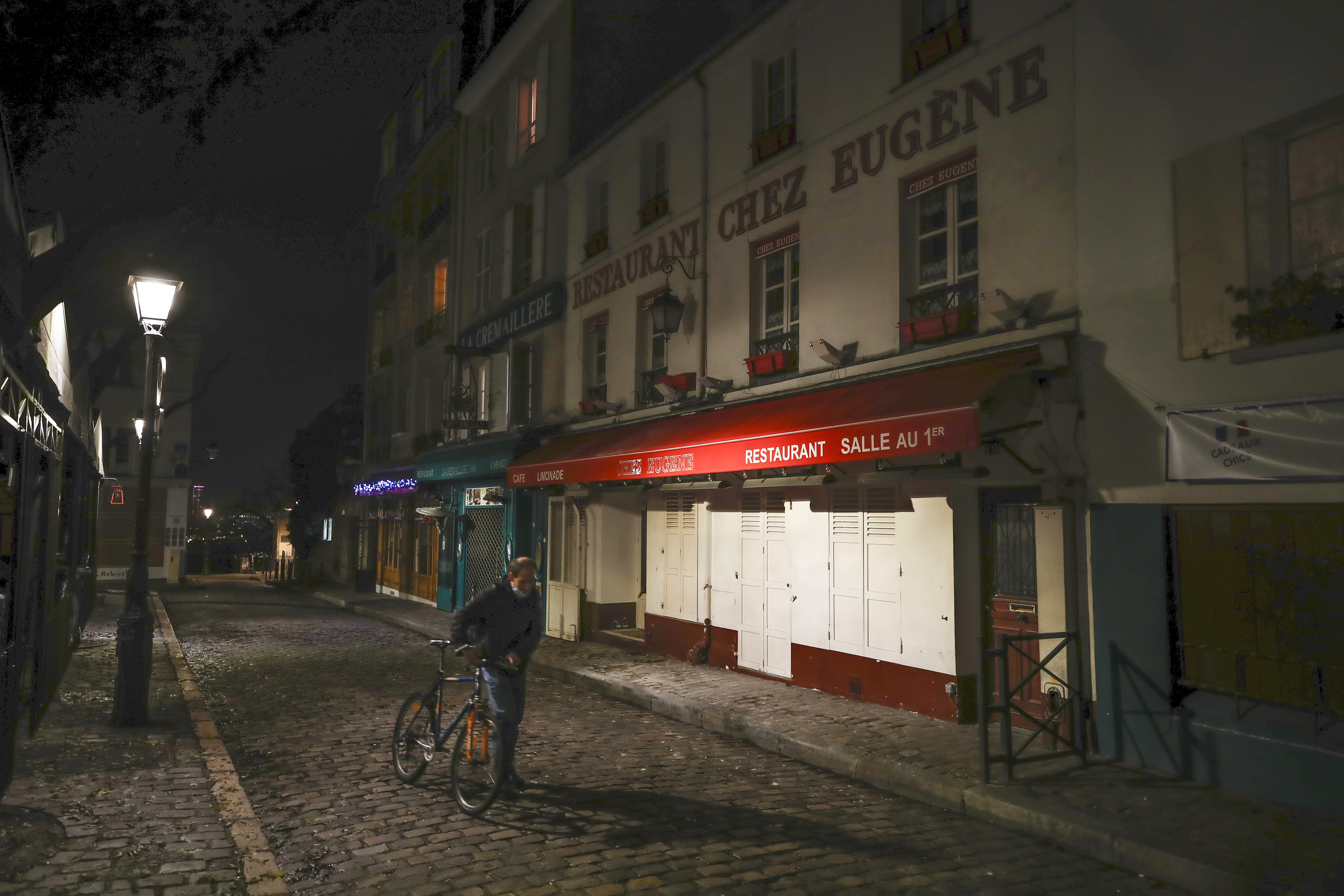
Forget about any after-work socialising with friends, after-school clubs for children or doing any evening shopping beyond quick trips for essentials.
Police on patrol demand valid reasons from people seen out and about.
For those without them, the threat of mounting fines for curfew-breakers is increasingly making life outside of the weekends all work and no play.
"At 6pm, life stops," Champagne producer Alexandre Prat said.
Trying to fend off the need for a third nationwide lockdown that would further dent Europe's second-largest economy and put more jobs in danger, France is instead opting for creeping curfews.
READ MORE: French woman tries to prove she's alive after court rules her dead

Big chunks of eastern France, including most of its regions that border Belgium, Germany, Switzerland and Italy, face 6pm to 6am restrictions on movement.
The rest of France could quickly follow suit, losing two extra hours of liberty that have been just enough for residents to maintain bare-bones social lives.
Until a couple of weeks ago, the nightly curfew didn't kick in until 8pm in Prat's region, the Marne.
Customers still stopped to buy bottles of his family's bubbly wines on their way home, he said. But when the cut-off time was advanced to 6pm to slow viral infections, the drinkers disappeared.
"Now we have no one," Mr Prat said.
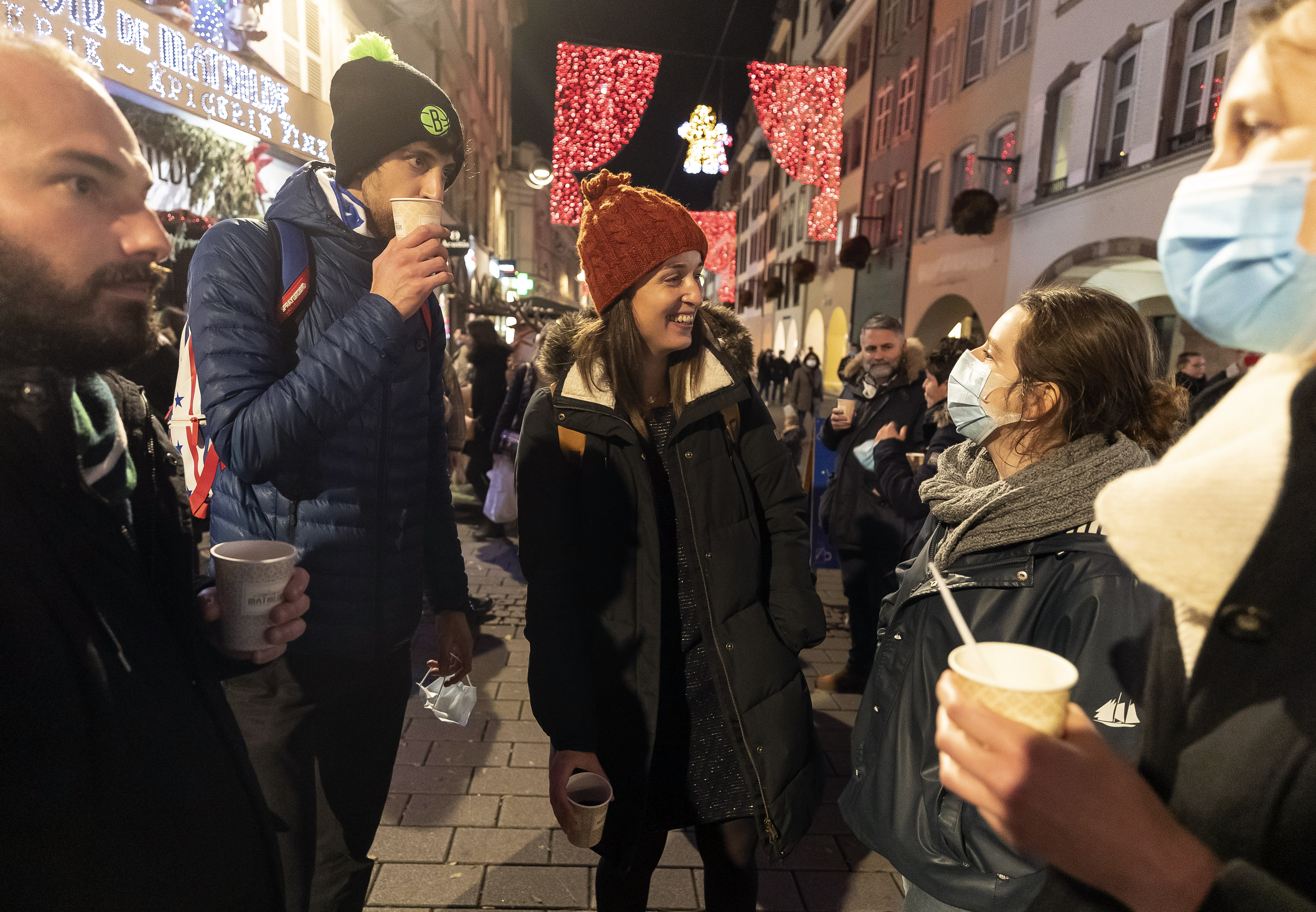
The village where retiree Jerome Brunault lives alone in the Burgundy wine region is also in one of the 6pm curfew zones.
The 67-year-old says his solitude weighs more heavily without the opportunity for early evening drinks, nibbles and chats with friends, the so-called "apero" get-togethers so beloved by the French that were hurried but still feasible when curfew started two hours later.
"With the 6pm curfew, we cannot go to see friends for a drink anymore," Mr Brunault said.
"I now spend my days not talking to anyone except for the baker and some people by phone."
Imposing a 6pm curfew nationwide is among options the French government is considering in response to rising infections and the spread of a particularly contagious virus variant that has swept across Britain, where new infections and virus deaths have soared.
Prime Minister Jean Castex could announce a curfew extension on Thursday evening, as well as other restrictions, to fight the virus in a country that has seen over 69,000 confirmed virus deaths.
An earlier curfew combats virus transmission "precisely because it serves to limit social interactions that people can have at the end of the day, for example in private homes," French government spokesman Gabriel Attal said.
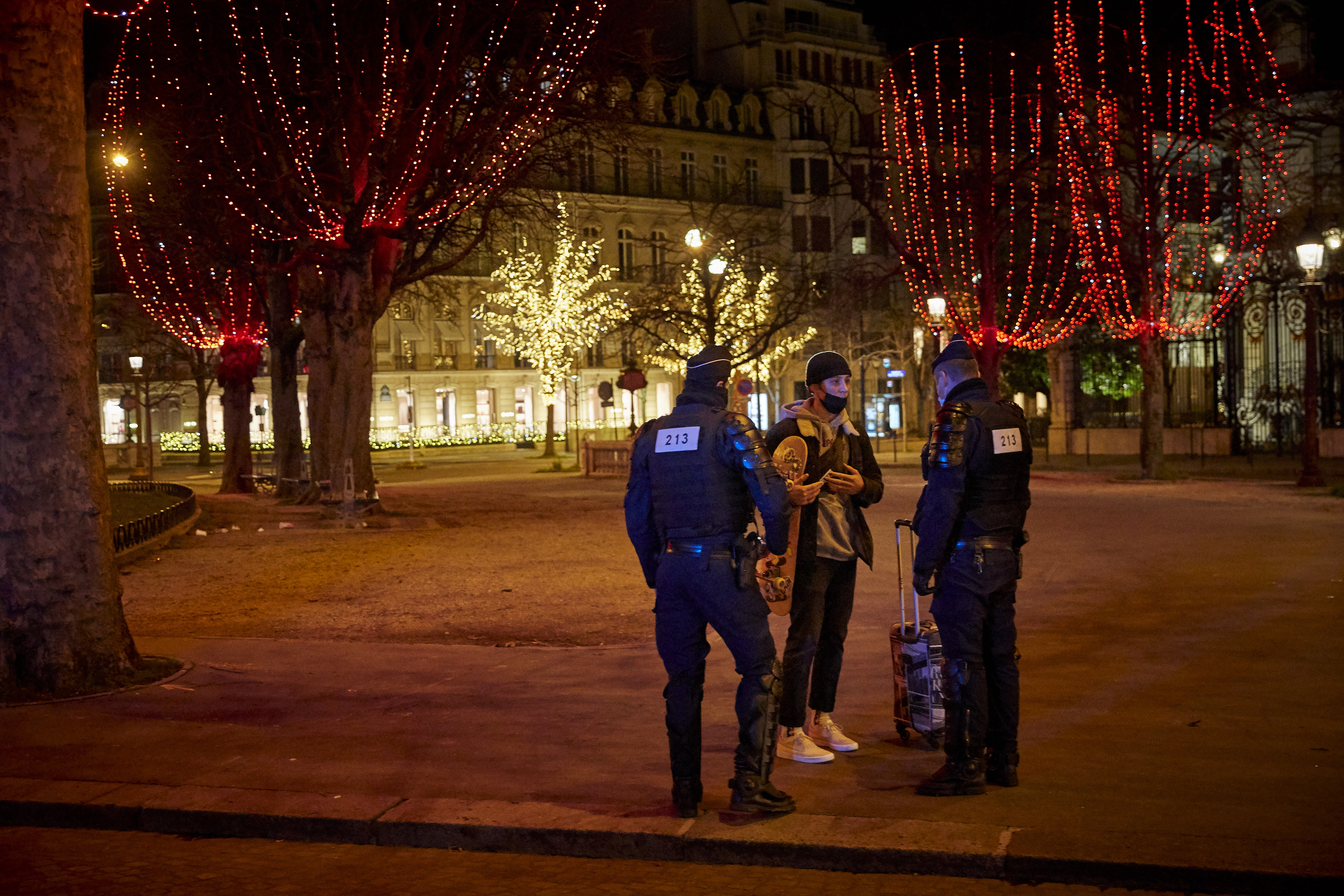
In France, critics of the 6pm curfew say the earlier time actually crams people together more after work, when they pile onto public transportation, clog roads and shop for groceries in a narrow rush-hour window before they must be home.
Women's rugby coach Felicie Guinot says negotiating rush-hour traffic in Marseille has become a nightmare.
The city in southern France is among the places where the more contagious virus variant has started to flare.
"It's a scramble so everyone can be home by 6pm," Ms Guinot said.
In historic Besançon, the fortressed city that was the hometown of "Les Misérables" author Victor Hugo, music store owner Jean-Charles Valley says the 6pm deadline means people no longer drop by after work to play with the guitars and other instruments that he sells.
Instead, they rush home.
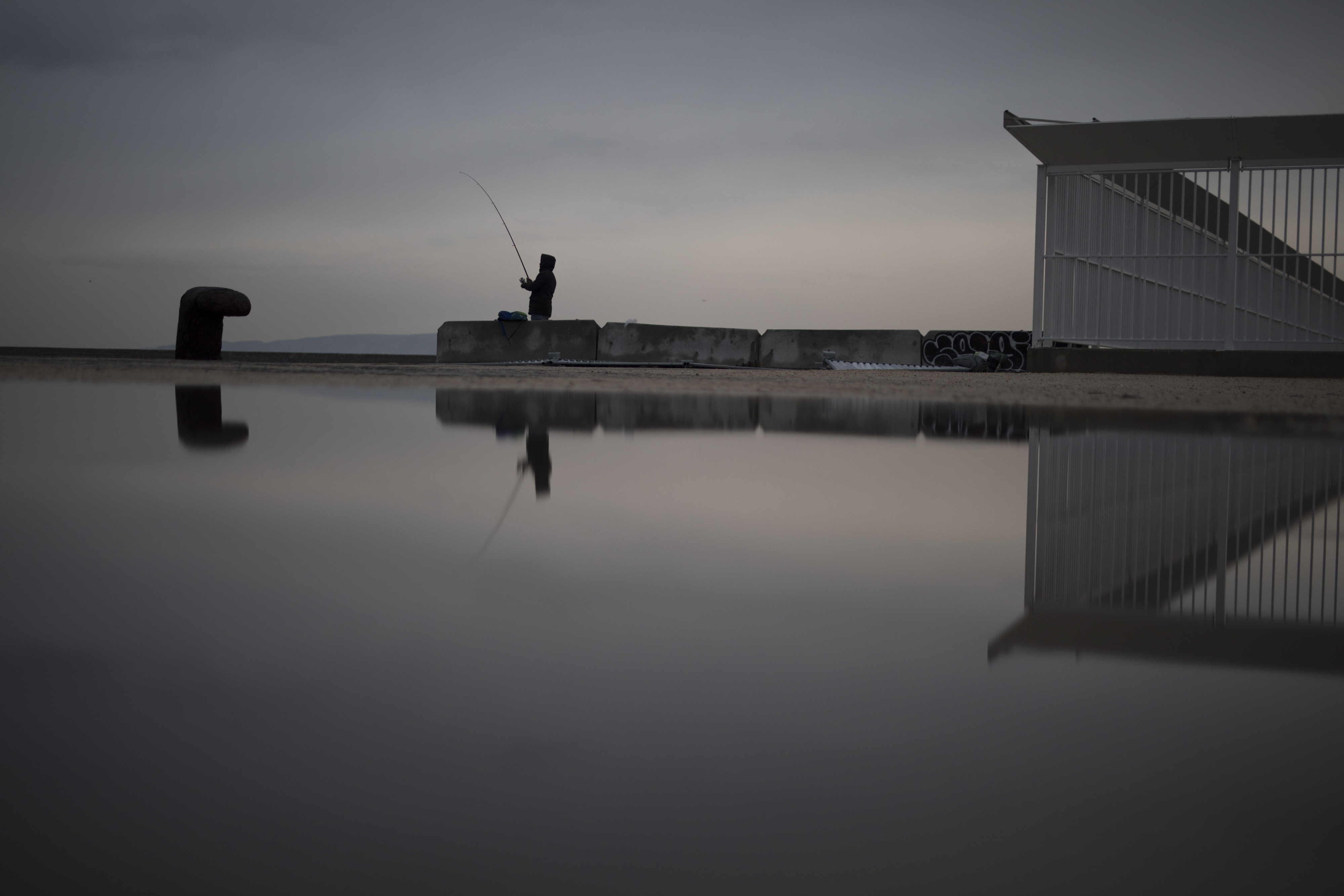
"People are completely demoralised," Mr Valley said.
In Dijon, the French city known for its pungent mustard, working mother of two Celine Bourdin says her life has narrowed to "dropping kids at school and going to work, then going back home, helping kids with homework and preparing dinner."
But even that cycle is better than a repeat of France's lockdown at the start of the pandemic, when schools also closed, Ms Bourdin says.
"If my children don't go to school, it means I cannot work anymore," she said.
"It was terribly difficult to be all stuck almost 24 hours a day in the house."
COVID-19 curfews in the rest of Europe
Overnight curfews have become the norm in swaths of Europe but the 6pm to 6am curfew in 25 regions of eastern France is the most restrictive anywhere in the European Union's 27 nations.
Others countries' curfews all start later and often finish earlier.
The curfew in Italy runs from 10pm to 5am, as does the Friday night to Sunday morning curfew in Latvia.
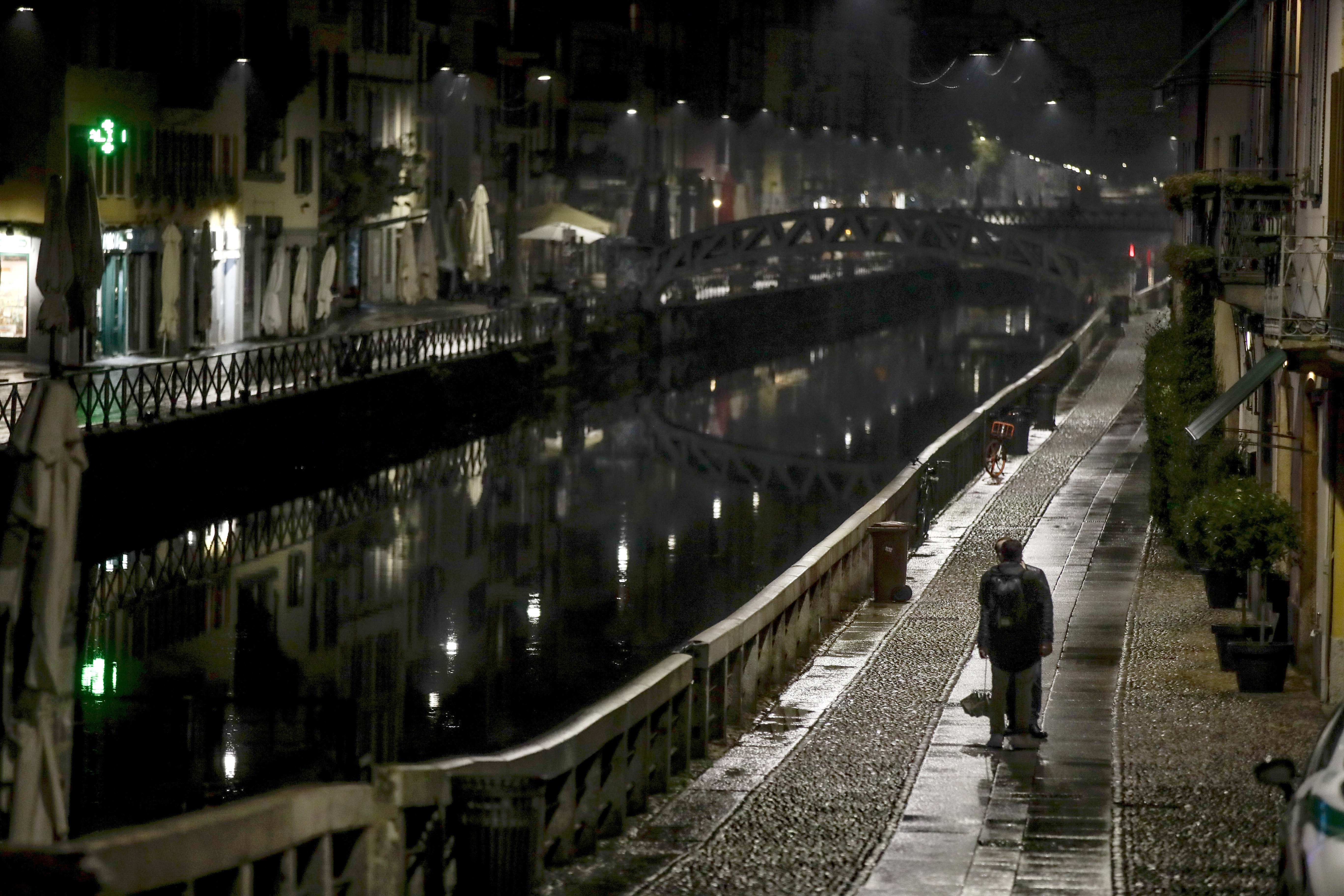
Regions of Belgium that speak French have a 10pm to 6am curfew while in Belgium's Dutch-speaking region, the hours are midnight to 5am.
People out between 8pm and 5am in Hungary must be able to show police written proof from their employers that they are either working or commuting.
There are no curfews in Bulgaria, Croatia, Denmark, Estonia, Finland, Ireland, Lithuania, Malta, Sweden, Poland or the Netherlands, although the Dutch government is thinking about whether imposing a curfew would slow new COVID-19 cases.
NIA announces 2021 study opportunity in Turkey
CHARLESTOWN, Nevis — The Ministry of Human Resources in the Nevis Island Administration (NIA) has announced a study opportunity in Turkey.
The Ministry of Human Resources in the Nevis Island Administration is pleased to share information regarding the 2021 Turkey Scholarship. This scholarship programme is available to individuals interested in pursuing studies at the Bachelor’s, Master’s and Doctoral levels.
Kindly note that applicants must be under the age of:
· Twenty-one for bachelor’s degree level
· Thirty for the master’s degree level, and
· Thirty-five for the doctoral degree level.
The scholarship covers:
· Turkish language course for one year
· University and programme placement
· Accommodation
· Tuition fee
· Monthly stipend
· One-way flight ticket, and
· Health insurance
The application period is from January to February 20, 2021.
For more information on this scholarship offer, application procedures, evaluation and selection process, and more, please visit https://turkiyeburslari.gov.tr/en/duyuru/turkiye-scholarships-2021-applications.
The post NIA announces 2021 study opportunity in Turkey appeared first on The St Kitts Nevis Observer.
UK announces travel bans over coronavirus variant
UK Transport Secretary Grant Shapps has announced a travel ban for in-bound arrivals from South America and Portugal.
The restrictions are being brought in from tomorrow as fears grow over a coronavirus variant first discovered in Brazil.
The ban applies to people who have travelled from, or through, Argentina, Brazil, Bolivia, Cape Verde, Chile, Colombia, Ecuador, French Guiana, Guyana, Panama, Paraguay, Peru, Suriname, Uruguay and Venezuela in the last 10 days.
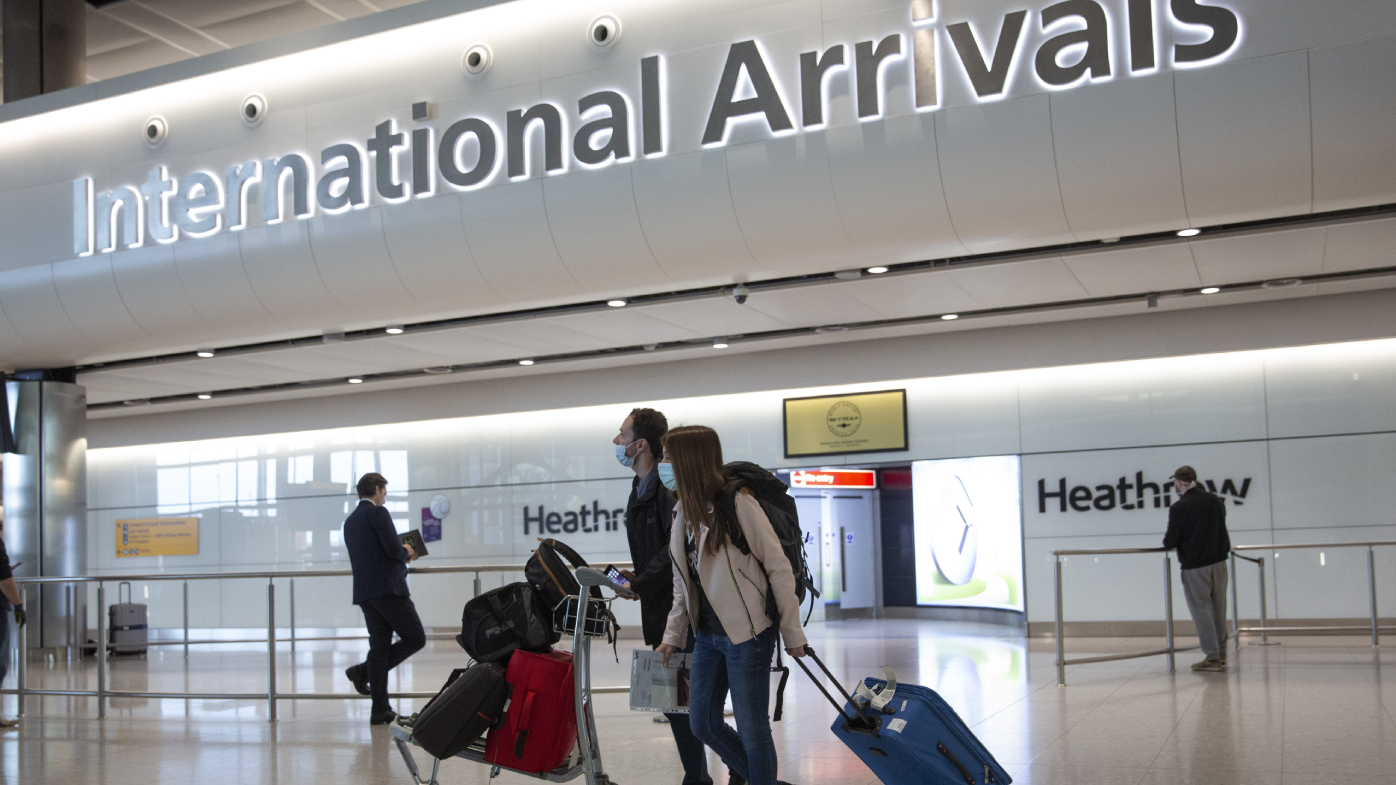
"Travel from Portugal to the UK will also be suspended given its strong travel links with Brazil – acting as another way to reduce the risk of importing infections," Shapps said in the announcement on Twitter.
RELATED: Boris Johnson under fire as Britain again faces onslaught of COVID-19
There will be some exemptions, including hauliers travelling from Portugal to allow the transport of essential goods.
Also, British and Irish citizens as well as foreign nationals with residence rights are still able to travel from these countries but must self-isolate for 10 days, along with their households he said.
Travel bans are already in place for UK-bound passengers from South Africa and Denmark, after new variants of the virus were detected in these countries.
https://twitter.com/grantshapps/status/1349745992099364868?ref_src=twsrc%5Etfwhttps://twitter.com/grantshapps/status/1349745993261211651?ref_src=twsrc%5Etfwhttps://twitter.com/grantshapps/status/1349745994628554754?ref_src=twsrc%5Etfw
Further strict travel restrictions will come into place from Monday, with all travellers required to show proof of a negative COVID-19 test taken no more than 3 days before boarding their flight.
It comes after a week of record figures in the UK.
On Wednesday, the country recorded it's highest number of daily deaths since the start of the pandemic with 1,564 people dying within 28 days of a positive COVID-19 test and another 47,525 daily confirmed coronavirus cases.
While provisional NHS data shows 2,661,850 COVID-19 vaccinations were administered in England between December 8 and January 12.
Trump’s Senate Trial Will Continue into the Biden Administration
Donald Trump faces trial in the Senate after becoming the first US president to be charged with misconduct in office for a second time.
Mr Trump is accused of inciting a mob that stormed Congress last week after he repeated false claims of election fraud. Five people died.
The trial will be held after the president leaves office next Wednesday.
If Mr Trump is convicted, senators could also vote to bar him from ever holding public office again.
The trial follows Wednesday’s vote in the House of Representatives that formally charged – or impeached – the president with “incitement of insurrection” for his role in the riot.
The Republican president has rejected responsibility for the violence. In a video released by the White House after the vote, he called on his supporters to remain peaceful, without mentioning his impeachment.
The FBI has warned of possible armed protests planned for Washington DC and all 50 US state capitals in the days before Joe Biden, a Democrat, is inaugurated as the new US president.
What happens next?
The Senate – the upper house of the US Congress – will hold a trial to determine the president’s guilt but this will not happen during Mr Trump’s remaining week in office.
Republican Senate leader Mitch McConnell said there was “simply no chance that a fair or serious trial” could conclude given “the rules, procedures, and Senate precedents” that govern trials involving presidents.
A two-thirds majority will be needed to convict Mr Trump, meaning at least 17 Republicans would have to vote with Democrats in the evenly split, 100-seat chamber.
As many as 20 Republicans are open to convicting the president, the New York Times reported on Tuesday. In a note to colleagues, Mr McConnell said he had not made a final decision on how he would vote.
If Mr Trump is convicted, senators could then hold another vote to block him from running for elected office again, which he has indicated he planned to do in 2024.
Mr Trump was impeached by the House in 2019 over his dealings with Ukraine, but acquitted by the Senate.

Impeachment: The basics
- What is impeachment? Impeachment is when a sitting president is charged with crimes. In this case, President Trump was charged with inciting insurrection by encouraging his supporters to storm the Capitol
- Could Trump be removed from office? The House of Representatives has impeached him, moving the case to the Senate for a trial. But a trial will not be carried out before Mr Trump leaves office on 20 January
- So what does it mean? A trial can happen after his term ends, and senators can vote to bar him from holding public office again
What was Trump charged with?
Impeachment charges are political, not criminal. The president was accused by the House of inciting the storming of the Capitol – the seat of the US Congress – with a speech on 6 January to supporters outside the White House.
He urged them to “peacefully and patriotically” make their voices heard, but also to “fight like hell” against an election that he falsely told them had been stolen.
Following Mr Trump’s remarks, his supporters broke into the Capitol, forcing lawmakers to suspend certification of election results and take shelter while the building was placed on lockdown.
The article of impeachment stated that Mr Trump “repeatedly issued false statements asserting that the presidential election results were fraudulent and should not be accepted”.
It says he then repeated these claims and “wilfully made statements to the crowd that encouraged and foreseeably resulted in lawless action at the Capitol”, leading to violence and loss of life.
“President Trump gravely endangered the security of the United States and its institutions of government, threatened the integrity of the democratic system, interfered with the peaceful transition of power, and imperilled a coequal branch of government.”
The post Trump’s Senate Trial Will Continue into the Biden Administration appeared first on The St Kitts Nevis Observer.
Ambassador Ian Patches Liburd appointed UN representative
BASSETERRE, St. Kitts — Ambassador His Excellency Ian Patches Liburd will serve as the Federation of St. Kitts and Nevis’ Permanent Representative to the United Nations.
Prime Minister Dr. the Honourable Timothy Harris addressed the nation at his January 14 press conference held at the National Emergency Management Agency Conference Room.
In making the announcement, Prime Minister Harris said that Ambassador Liburd has an outstanding record of service in both the private and public sectors.
“The United Nations is the premier global organization with over 193 member states and a large number of entities accredited to it. Ambassador Liburd has served the country well as its Minister of Public Infrastructure, et al. He is well versed in a range of public and private sector matters and will be an asset to our country,” Dr. Harris said.
The Honourable Eugene Hamilton, Minister responsible for Human Settlement, National Health Insurance et al., offered words of congratulations to His Excellency Ian Patches Liburd on his appointment, noting, “I know that he will do a fantastic job in that position and the country would be proud of his representation.”
A number of Foreign Service Officers are being transferred to postings at the Federation’s embassies and missions abroad. Among them are Sheldon Henry, who will join Ambassador Liburd at the Permanent Mission to the United Nations as the Second Secretary; Ms. Shanelle Simmonds, who has been approved for assignment to the Permanent Mission to the Organisation of American States in Washington D.C. as First Secretary; while Ms. Denaula Laplace will be posted to the country’s High Commission in Ottawa as Second Secretary.
The post Ambassador Ian Patches Liburd appointed UN representative appeared first on The St Kitts Nevis Observer.
Johnson & Johnson COVID Vaccine Works With One Dose
Results from early stage trials of Johnson & Johnson’s COVID-19 vaccine are promising, showing the one-dose vaccine generates an immune response in nearly all volunteers, with minimal side effects.
The company plans to release more details in a few weeks, and apply for emergency use authorization from the FDA in February.
Researchers say Phase 1-2 of the vaccine showed either one or two doses of the vaccine generated both antibody and T-cell responses against the coronavirus. The vaccine’s efficacy, how well it protects against a COVID-19 infection or symptoms, is being tested in Phase 3 trials happening now.
The initial phases included about 800 volunteers in two age groups – 18-to-55 and 65+. Results were published this week in the New England Journal of Medicine.
The vaccine helped the body create antibodies, which are expected to stop the virus from infecting cells, in 90% of all participants by the 29th day after the first dose was given. All participants had created antibodies two months after vaccination, whether or not they had been given a second dose.
The company says they are investigating the long-term efficacy of the vaccine with one dose versus two doses.
The post Johnson & Johnson COVID Vaccine Works With One Dose appeared first on The St Kitts Nevis Observer.
Three nationals awarded Romanian scholarships
BASSETERRE, St. Kitts — The Ministry of Foreign Affairs celebrates three more nationals, this time in their capacity as the proud recipients of the 2021 Romanian Scholarships, to each pursue undergraduate studies in Romania.
The three recipients are: Miss Nikovah Diamond will pursue Kinesiotherapy at Transylvania University of Brasov; Miss Kianna Lawrence will pursue Graphics Design at West University of Timisoara; and Joshua Salters Horticulture at the University of Agronomic Sciences and Veterinary Medicine of Bucharest. All three recipients will first be required to complete one year of immersion into the Romanian language and culture before commencing their respective degree programmes.
The students, who recently arrived in Romania all expressed delight in being the Federation’s first recipients of this award. They explained that individually, their research led them to identify the need for professionals in areas regarding their choices of study, to greater contribute to the broader plan for national development. Not only are these students looking forward to all that their degree programmes entail, but also to what the country has in store for them through its rich language and culture.
The Ministry thanks the Government of Romania for extending this opportunity to Saint Kitts and Nevis nationals and looks forward to great success from this scholarship programme. The 2021 Romanian Scholarships will cover tuition fees, accommodation in university dormitories, and monthly living allowances for a full five years of study.
The post Three nationals awarded Romanian scholarships appeared first on The St Kitts Nevis Observer.