A 21-year-old man has today been charged in relation to the hit and run incident in Blenheim on Christmas Day.At around 11.45pm on December 25 a 17-year-old boy was struck and injured by a car near the intersection of Scott St and…
All posts by FreeNews
Herald afternoon quiz: January 13
Test your brains with the Herald’s afternoon quiz. Be sure to check back on nzherald.co.nz for the morning quiz tomorrow. To challenge yourself with more quizzes, CLICK HERE.
Virus-fighting antibodies linger on in NZ Covid-19 patients
Virus-fighting antibodies have been found in Kiwi Covid-19 patients up to eight months after they were infected – findings that could bode well for the coming vaccine roll-out.The new research, released ahead of peer-review, could…
Page-turner: 150 years of New Zealand women's cricket
We know a lot about the history of men’s cricket in New Zealand. But what about the women’s game? Not much. Until now.A new authoritative and entertaining book looks back through over 150 years of New Zealand women’s cricket from…
Tamatea, Napier house fire caused by fault in old television
An electrical fault in an old television has been identified as the cause of a house fire in Napier that has left a family homeless.Emergency services were called to the home on Wynyard Cres, Tamatea, about 6.10am on Tuesday.Four…
Plane flips causing crash near Dunedin
Emergency services were called to the Taieri Aerodrome after a plane flipped this afternoon.A Fire and Emergency New Zealand spokesman said it was alerted at 12.47pm.It was unknown how the light aircraft flipped, and emergency…
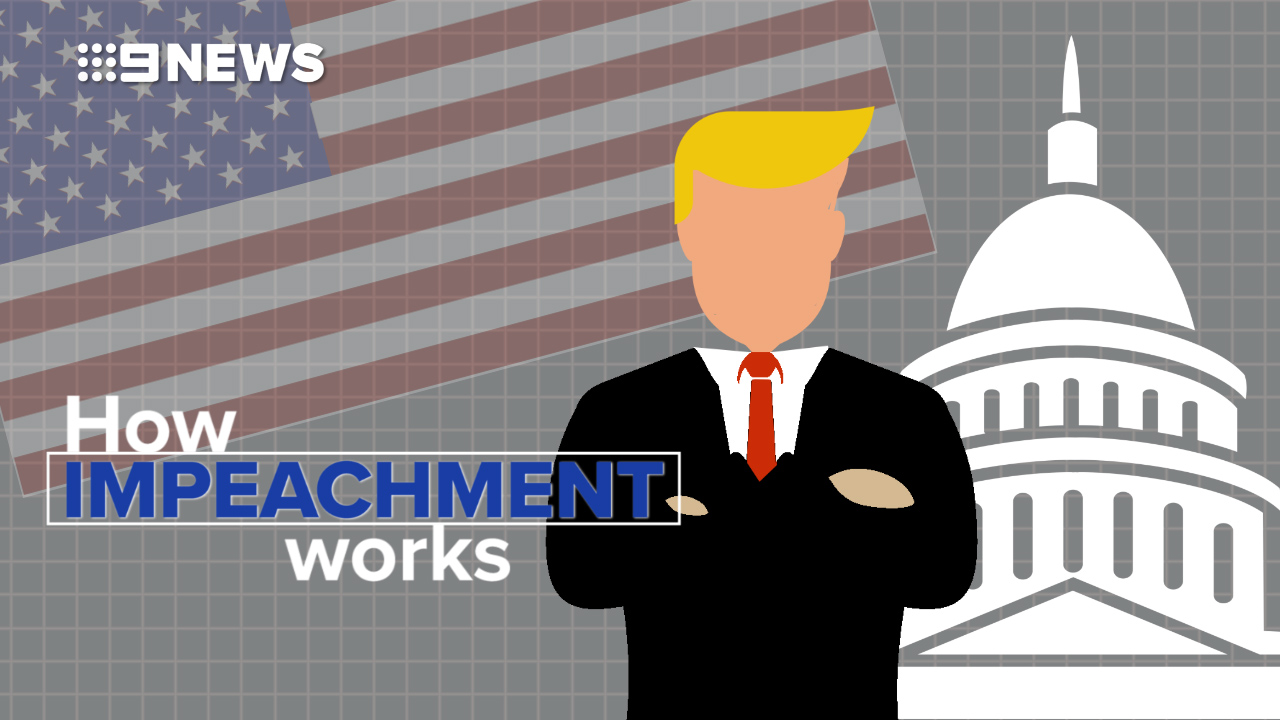
Pence won't invoke 25th amendment to remove Trump
Vice President Mike Pence won't invoke the 25th amendment to remove Donald Trump from office.
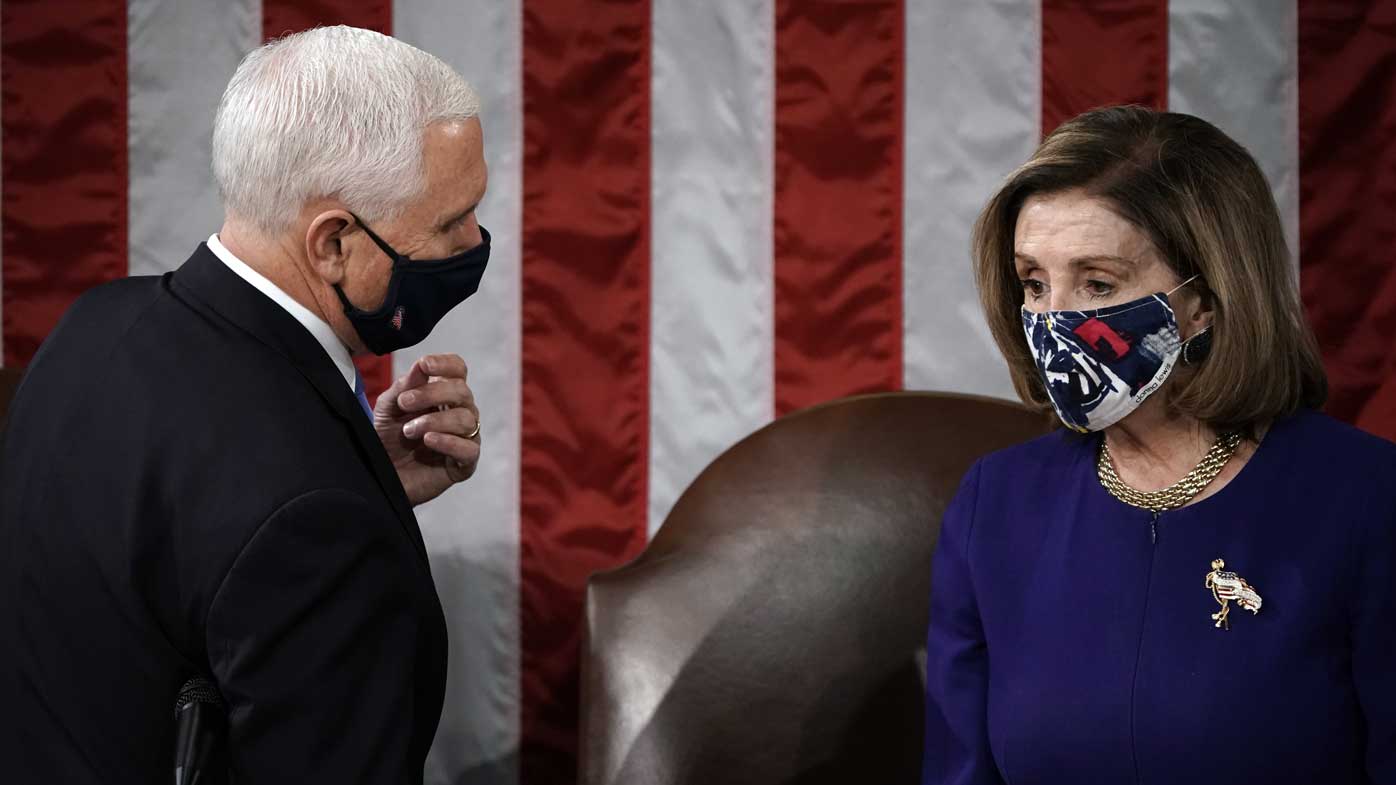
Mr Pence penned a letter to House Speaker Nancy Pelosi informing her of his decision.
Ms Pelosi had issued an ultimatum to Mr Pence yesterday to invoke the 25th, or else she would move forward to impeach Mr Trump.
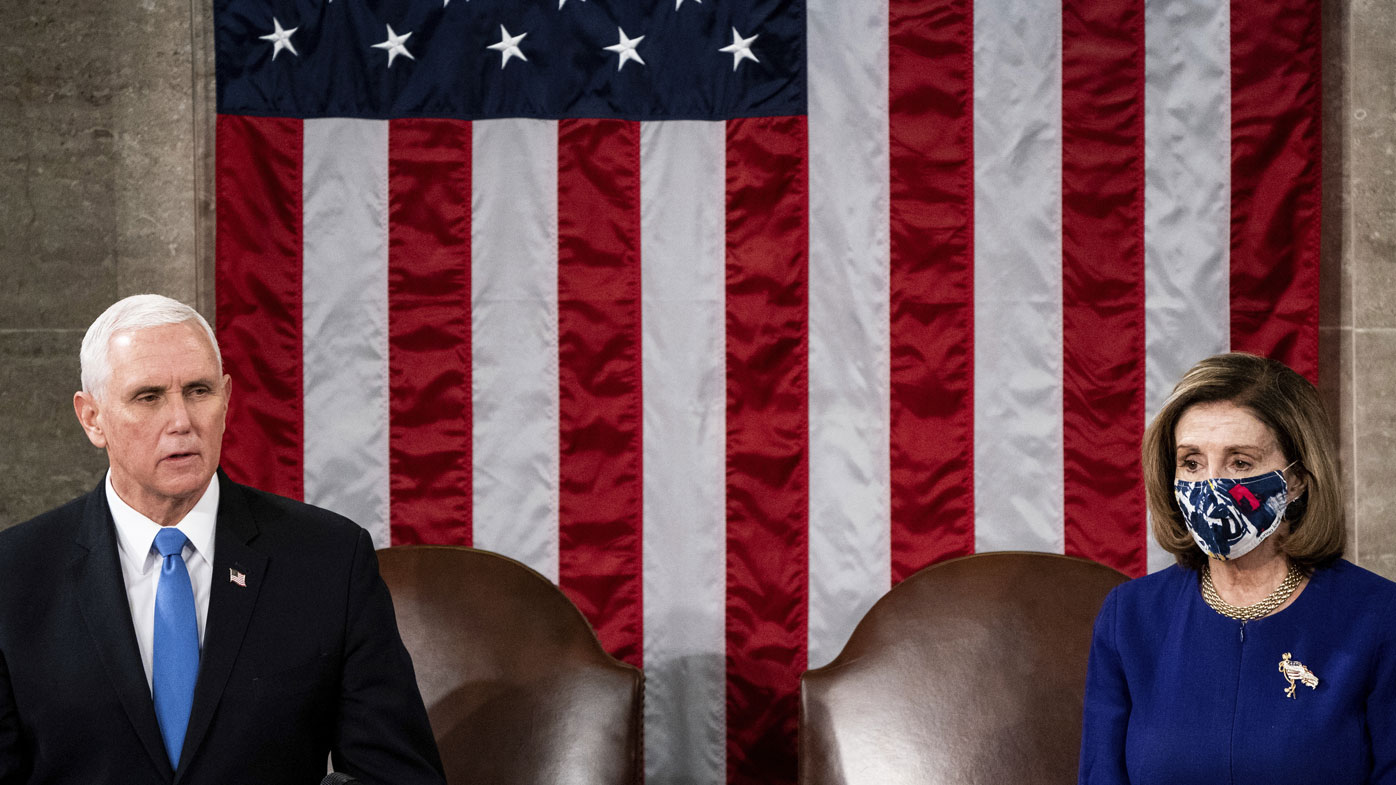
But Mr Pence rejected her demand.
"With just eight days left in the President's term, you and the Democratic Caucus are demanding that the Cabinet and I invoke the 25th amendment," he wrote.
"I do not believe such a course of action is in the best interest of our Nation or consistent with our Constitution.
"Last week I did not yield to pressure to exert power beyond my constitutional authority to determine the outcome of the election, and I will not now yield to efforts in the House of Representatives to play political games at a time so serious in the life of our Nation."
Mr Pence said the 25th amendment was designed for if a president was disabled or incapacitated.
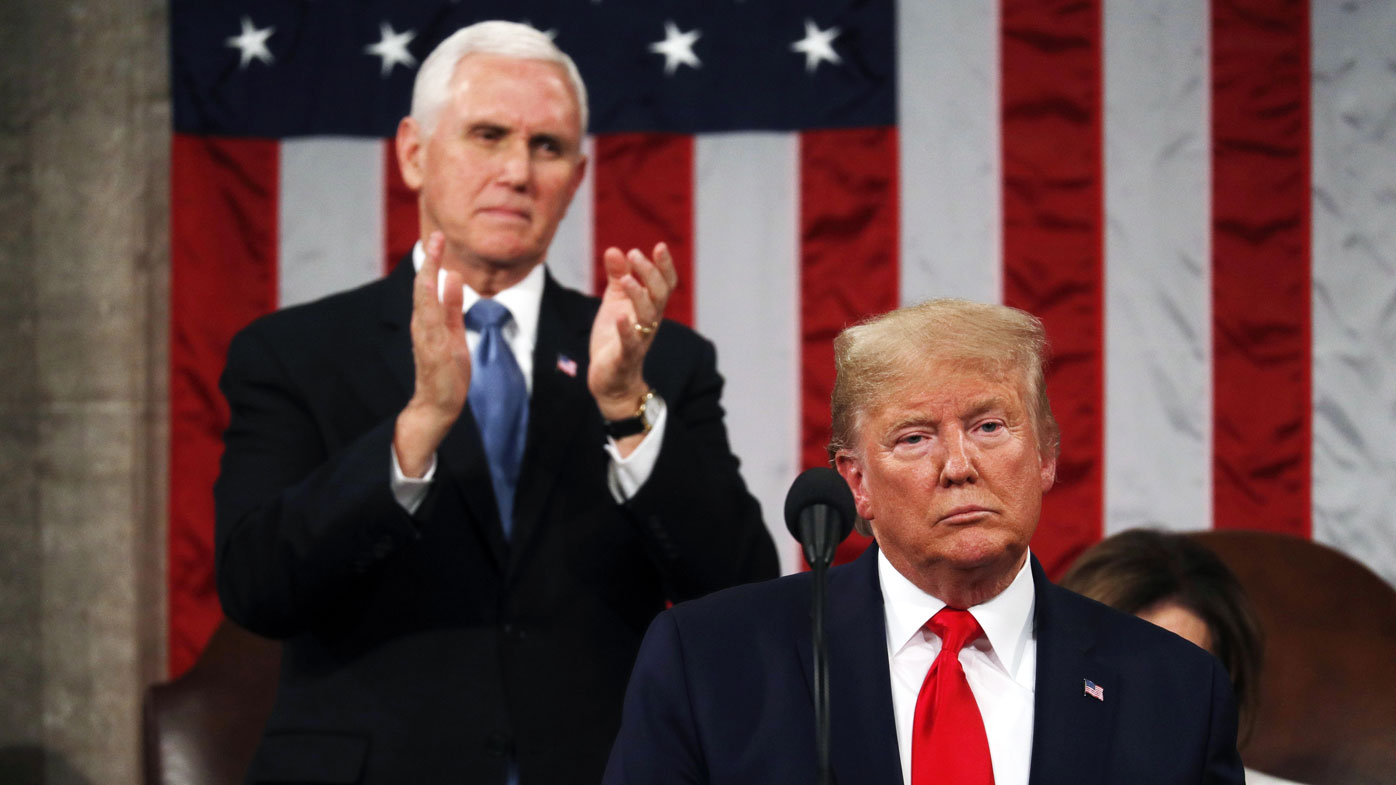
"Under our Constitution, the 25th amendment is not a means of punishment or usurpation," he wrote.
"Invoking the 25th amendment in such a manner would set a terrible precedent."
His letter made no mention of Mr Trump by name, and offered no defence of his actions last week leading up to the deadly Capitol riot.
READ MORE: What is the 25th amendment and how does it work?
READ MORE: Top Republican Liz Cheney backs impeachment
In order to remove a president from office, a majority of the cabinet needs to agree that he is "unable to discharge the powers and duties of his office".
But it needs the final approval of the vice president, who would take over if the president is removed.
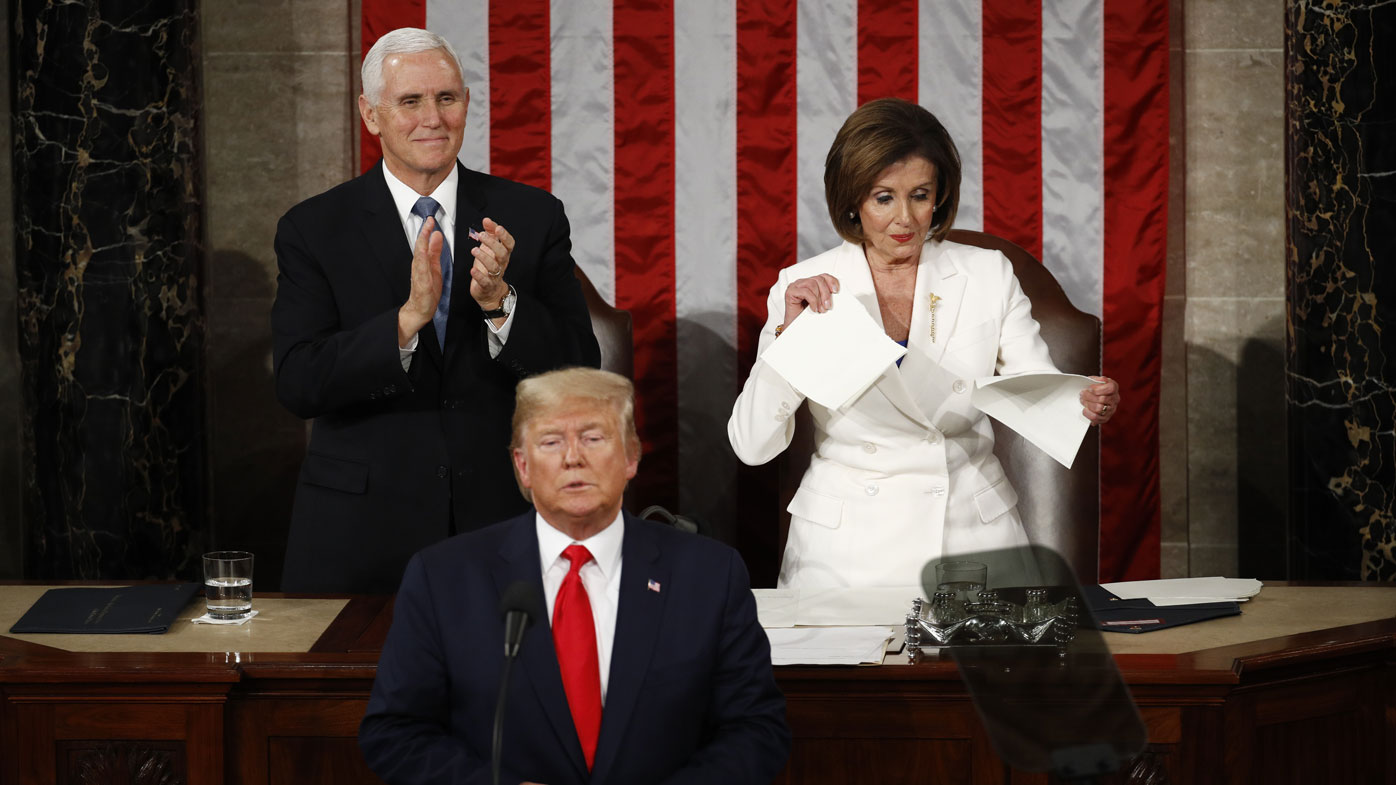
Ms Pelosi will likely now move forward with an impeachment vote. Already three Republicans in the House of Representatives have voiced their support for impeachment.
That includes one of the most senior Republicans in the House.
Liz Cheney, who as chair of the House Republican Conference, holds the third-highest position in the caucus, cited the president's role in inciting last week's deadly Capitol riot.
"There has never been a greater betrayal by a President of the United States of his office and his oath to the Constitution," Ms Cheney said in a statement.
Another, John Katko, said he would vote to impeach Mr Trump earlier today.
"By deliberately promoting baseless theories suggesting the election was somehow stolen, the president created a combustible environment of misinformation, disenfranchisement and division," Mr Katko said in his statement.
"When this manifested in violent acts on January 6, he refused to promptly and forcefully call it off, putting countless lives in danger."
Because Democrats control the House, impeachment is expected to pass on a simple majority vote.
But in order to remove Mr Trump from office, a two-thirds vote of the Senate is needed.
Half of the Senate are Republicans, and so far none have outright declared their support for impeachment – though some have called for his resignation.
Mr Trump is scheduled to leave office on January 20, as Mr Biden is sworn in.
Aussie job vacancies surpass pre-COVID levels
The number of job vacancies in Australia rose 23 per cent over the November 2020 quarter, placing the total number higher than it was before the COVID-19 pandemic in February 2020.
New data from the Australian Bureau of Statistics shows there were 254,000 job vacancies in November, and on an annual basis job vacancies were 12 per cent higher than in November 2019.
The three industries that saw the biggest increases in job vacancies were retail, arts and recreation services and accommodation and food services.
READ MORE: Unemployment rate falls to 6.8 per cent as jobs surge in Victoria
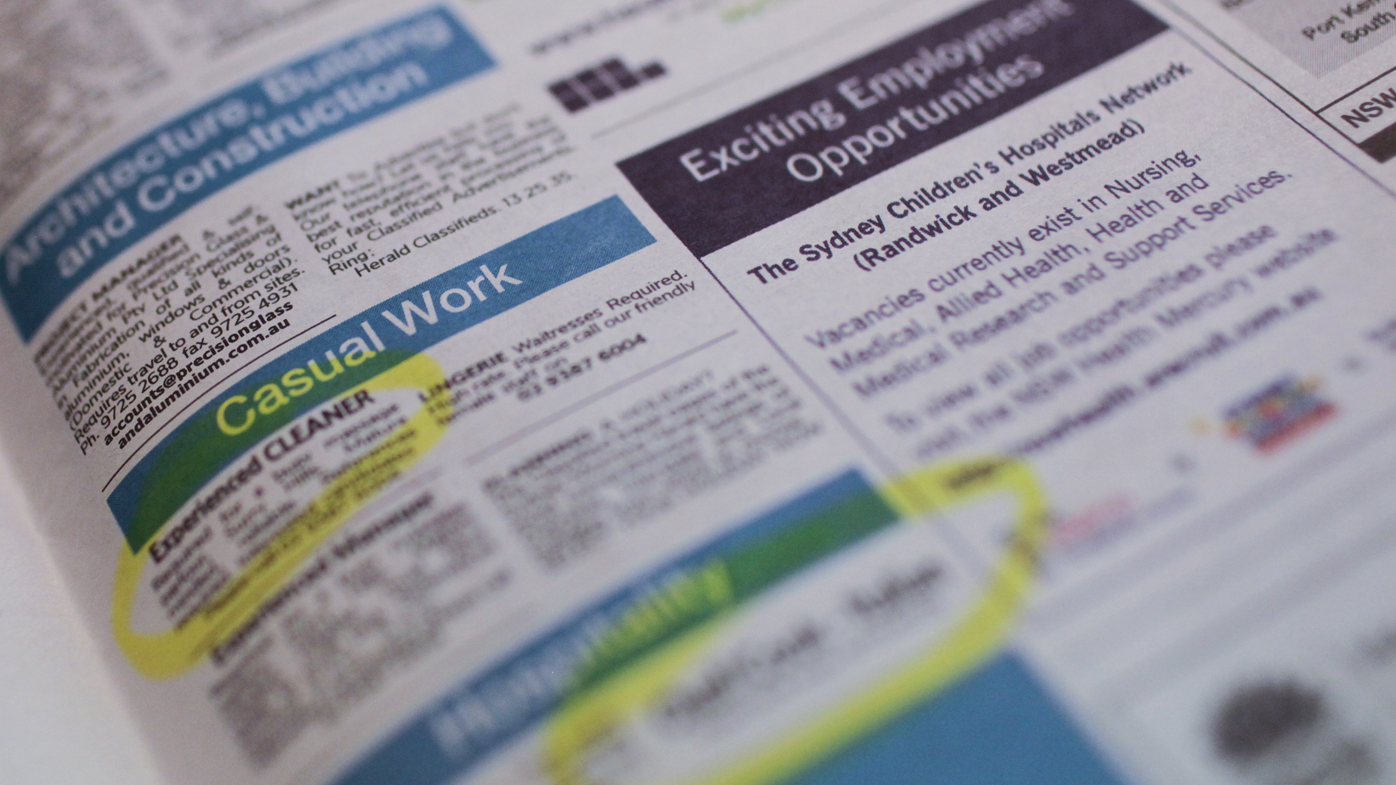
The ABS tracks job vacancies – that is the number of jobs currently advertised – via online electronic collection and phone surveys.
Data is not recorded on jobs that are private households employing staff, or positions available in the defence force.
"Job vacancies rose by 48,000 in the November 2020 quarter, following the sharp rise of 77,000 in August, as COVID-related restrictions continued to be relaxed across Australia," said Bjorn Jarvis, head of Labour Statistics at the ABS.
READ MORE: Treasurer warns of 'long, hard road ahead' as recession ends
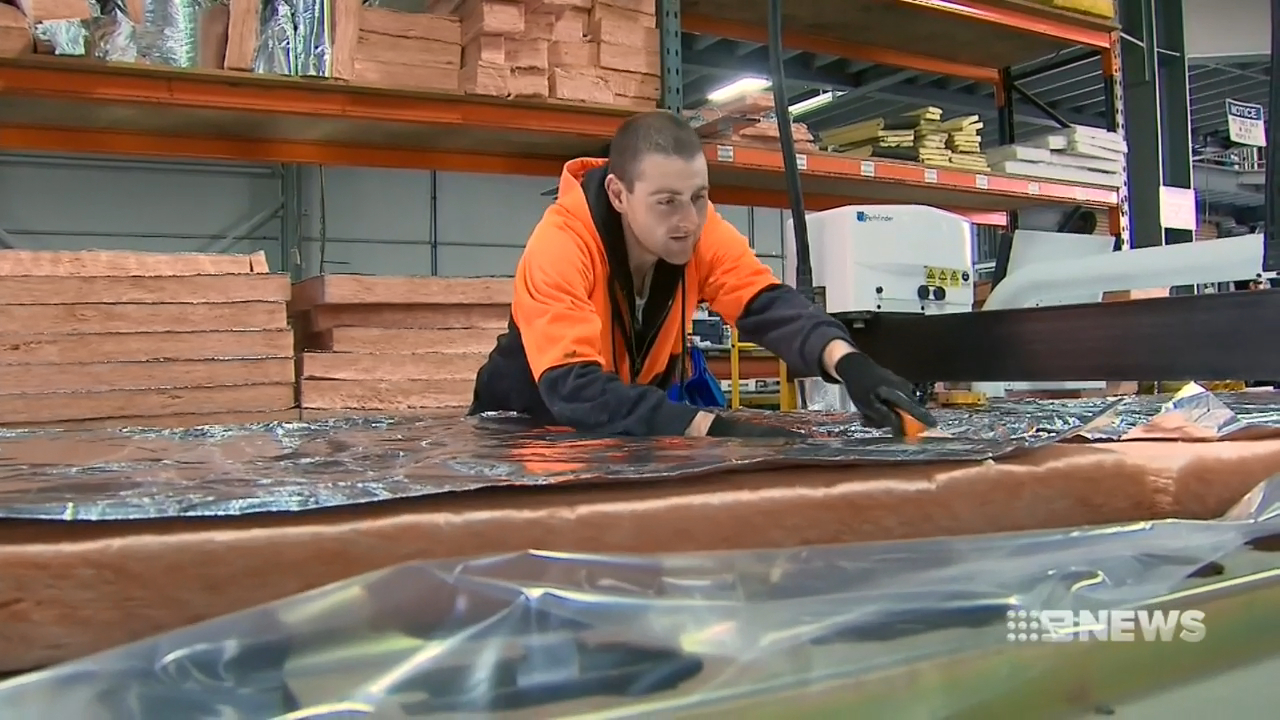
"There were 254,000 job vacancies in November, which was higher than the pre-COVID level in February.
"This reflected the pace of recovery in labour demand in the second half of the year and labour shortages in some industries."
Quarterly increases in vacancies were seen in all states and territories. Victoria was the only state with vacancies below its February level.
In December Australia's unemployment rate dropped to 6.8 per cent on the back of a strong jobs market recovery in Victoria.
READ MORE: 'Some businesses won't survive' but economic recovery on track

Seasonally adjusted figures showed the unemployment rate fell by 0.2 percent in November with 17,300 less people out of work, the Australian Bureau of Statistics (ABS) said.
And 90,000 more people found work people between October and November, while the number of hours worked increased by 2.5 per cent, according to the ABS.
The information provided on this website is general in nature only and does not constitute personal financial advice. The information has been prepared without taking into account your personal objectives, financial situation or needs. Before acting on any information on this website you should consider the appropriateness of the information having regard to your objectives, financial situation and needs.
Record-breaking holiday returns expected as consumers remain wary of exchanging gifts in-store
In some cases, Walmart and Target are encouraging customers to keep or resell unwanted gifts — even after receiving a refund.
Global scientists double down on SARS-CoV-2 variants research
GENEVA — Global scientists are intensifying research into COVID-19, as the World Health Organization (WHO) moves to expand its scientific collaboration and monitoring of emerging variants of SARS-CoV-2, the virus that causes COVID-19.
A day-long virtual meeting of scientists from around the globe, convened by WHO, brought together more than 1,750 experts from 124 countries to discuss critical knowledge gaps and research priorities for emerging variants of the virus.
Welcoming them, Dr Tedros Adhanom Ghebreyesus, WHO Director-General, said: “Science and research have played a vital role in responding to the pandemic since day one and will continue to be the heartbeat of everything WHO does.”
The consultation was structured around six thematic areas covering epidemiology and mathematical modelling, evolutionary biology, animal models, assays and diagnostics, clinical management and therapeutics and vaccines.
Scientists noted the importance of research to detect and understand early on the potential impact of emerging variants on diagnostics, treatments and vaccines.
There was a consensus on the importance of integrating the new SARS-CoV-2 variants research into the global research and innovation agenda while enhancing coordination across disciplines.
“Our collective goal is to get ahead of the game and have a global mechanism to quickly identify and study variants of concern and understand their implications for disease control efforts,” said Dr Ana Maria Henao Restrepo, Head of WHO’s R&D Blueprint.
It is normal for viruses to mutate, but the more the SARS-CoV-2 virus spreads, the more opportunities it has to change. High levels of transmission mean that we should expect more variants to emerge.
Of the significant variants reported so far, some are associated with increases in transmissibility but not disease severity. Research is ongoing to address whether the changes impact public health tools and measures.
Genomic sequencing has been critical in identifying and responding to new variants.
“So far an astounding 350,000 sequences have been publicly shared, but most come from just a handful of countries. Improving the geographic coverage of sequencing is critical for the world to have eyes and ears on changes to the virus,” said Dr Maria Van Kerkhove, WHO Technical Lead on COVID-19.
Increasing sequencing capacity across the world is a priority research area for WHO.
Better surveillance and laboratory capacity to monitor strains of concern needs to be accompanied by prompt sharing of virus and serum samples via globally agreed mechanisms so that critical research can be promptly initiated each time.
Scientists highlighted the importance of national data platforms to document critical clinical, epidemiological and virus data that facilitates the detection and assessment of new SARS-CoV-2 variants.
The post Global scientists double down on SARS-CoV-2 variants research appeared first on The St Kitts Nevis Observer.