A ute that was involved in a head-on collision should have been written-off – but was instead sold to another customer for $45,000. The 2018 Toyota Hilux was sold to a customer who found out after numerous faults that it had been…
Category Archives: headline
Police listened in as Comancheros leader Seiana Fakaosilea planned 600kg meth haul, jurors told
Comancheros gang leader Seiana Fakaosilea was driving through Auckland in his Toyota Corolla in March 2020 when authorities allege he hatched a plan to import 600kg of methamphetamine – a massive haul worth roughly $90 million – into…
Truck driver who killed four police officers appeals 22-year sentence
A truck driver who killed four police officers in a crash on Melbourne's Eastern Freeway has launched an appeal to reduce the length of his 22-year prison sentence.
Mohinder Singh, 49, was short on sleep and high on drugs when he veered into a service lane and crashed a 19-tonne semi-trailer into the Victoria Police officers, who had pulled over Porsche driver Richard Pusey for speeding.
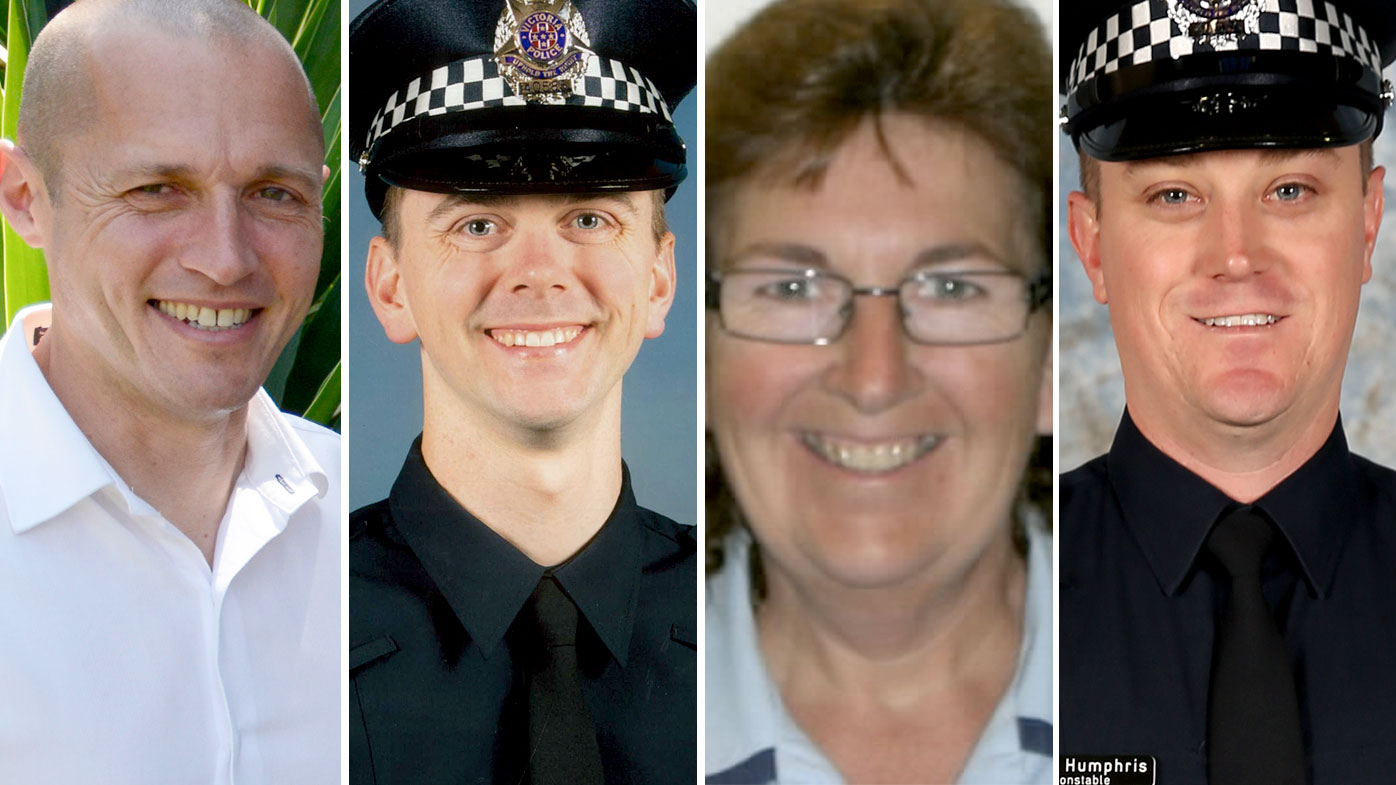
Constable Lynette Taylor, Senior Constable Kevin King, and constables Glen Humphris and Josh Prestney were killed in the April 2020 crash.
READ MORE: Australians lost nearly $300 million to scammers in the first half of 2022
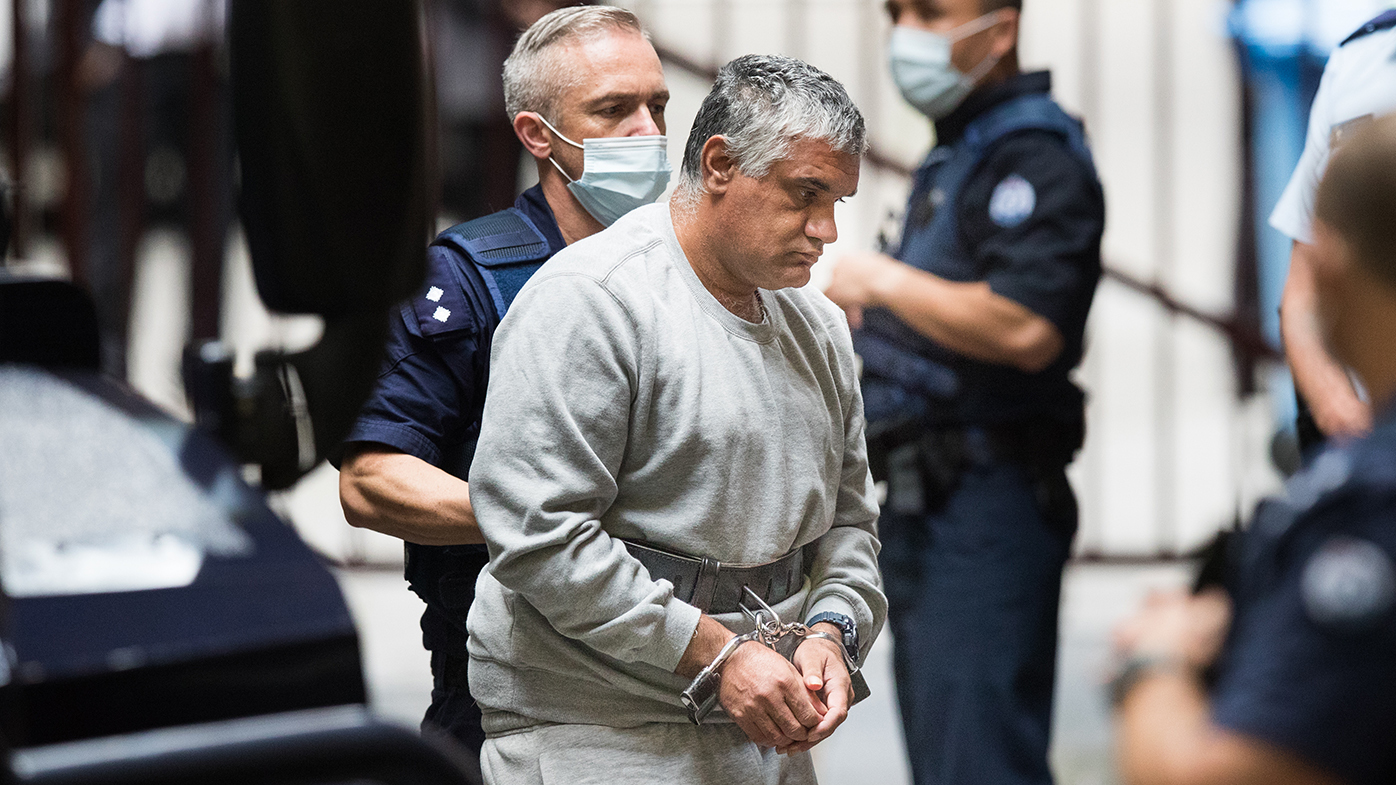
Singh was last year jailed for 22 years after pleading guilty to culpable driving causing death.
He must serve 18-and-a-half years before he is eligible for parole.
He appeared in Victoria's Court of Appeal on Monday by videolink from prison, with his barrister Peter Morrissey arguing the sentence was "manifestly excessive".
Morrissey said the sentence did not give enough weight to Singh's early plea of guilty, his remorse and his psychological disorders.
He said Supreme Court Justice Paul Coghlan's sentence on each of the four culpable driving offences was "extremely stern".
"The original sentence is too big… It needed to be much lighter than it was," he told the court.
Morrissey also argued Singh's non-parole period was too long and that his client had some prospects for rehabilitation.
Prosecutors rejected the appeal's grounds, arguing the sentence and non-parole period were within the range open to Justice Coghlan for such serious offending.
Families of the four police officers attended the appeal hearing, which continues before President Karin Emerton and Justices Emilios Kyrou and Terry Forrest.
Green Party co-leadership race: Chlöe Swarbrick says she is 'not in the running' to replace James Shaw
Green MP Chlöe Swarbrick has ruled herself out from running for the party’s co-leadership.In a statement posted to social media, Swarbrick said there had been a lot of speculation in recent days since co-leader James Shaw was ousted…
Baby born in ambulance suffered brain damage after oxygen given the wrong way
A newborn baby suffered brain damage after a paramedic used the wrong method to administer oxygen when she was born in the back of an ambulance. The Health and Disability Commissioner today released a decision that found St John…
Gisborne family break into empty Kāinga Ora home amid housing shortage
Desperation forced a young Tairāwhiti family to break down the door of an empty Kāinga Ora home and take up residence this month, even though utilities were disconnected. The stay was short-lived, however, after the Crown…
'I'm being harassed': Barilaro vents after cameraman scuffle
John Barilaro has complained he is a victim of sustained and unjustified media harassment, after the former New South Wales deputy premier was filmed in a tussle with a news cameraman while out with friends in Sydney.
For weeks, the nature of Barilaro's appointment into a plum state government trade role in New York City, which came with a $500,000 salary, has come under intense scrutiny.
Barilaro has since withdrawn from the glamour posting, but a parliamentary inquiry now underway is trying to eke out more detail into what was spiralling into a damaging scandal for Premier Dominic Perrottet.
READ MORE: Parents and six-year-old girl killed in random US camping attack
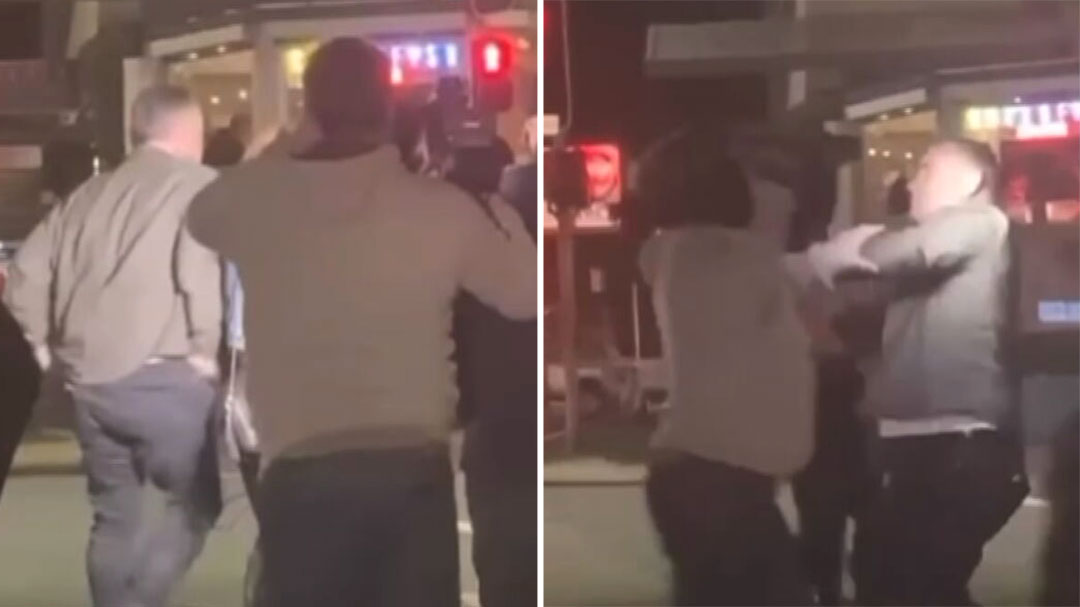
"I'm being absolutely intruded on and harassed and … the media are at the forefront," Barilaro told 2GB this morning, breaking weeks of silence with an unexpected call to host Ben Fordham after the video of the Manly fracas emerged.
Barilaro said he was out on Saturday night for pizza and beers with friends when he was ambushed.
"To come out in the dark and to have a camera shoved in your face, a microphone in your face," he said.
"At that point, you know, I asked him to 'just to walk away, I've got nothing to say.'"
Footage of the incident showed Barilaro, lit up with a bright spotlight, trying to grab the camera while members of the public circled the pair and watched on.
"All I did was push a camera out of my way, I did not manhandle an individual," Barilaro said.
"But I'll tell you what, some of those in my party, as in those that were at dinner with me, they were pushed and barged out of the way."
He claimed one of the friends had lodged a complaint with police.
https://omny.fm/shows/ben-fordham-full-show/john-barilaro-breaks-his-silence-over-new-york-job/embed
READ MORE: Urgent call as aged care battles new COVID-19 wave
Barilaro, who quit state politics in October, protested he should be left alone now that he is a public citizen.
He also vented frustration over not being invited to given evidence at the inquiry.
"I'm available to turn up to an inquiry hearing this week to tell my side of the story, and let's do that before this gets even uglier," he said.
"What occurred on Saturday night isn't pleasant for me, nor the cameraman, I will say that, but at the same time I have every right to defend myself and protect myself and my friends."
Police have confirmed they are investigating the fracas.
"Officers attached to Northern Beaches Police Area Command are investigating an incident that occurred about 7.30pm on Saturday 23 July 2022, outside a bar in Manly," NSW Police said in a statement.
"Inquiries into the incident are ongoing and there is no further information at this stage."
Since reporters began to look into his trade commission appointment, Barilaro said he had been hounded for weeks.
"I've kept my silence because I don't want to prosecute this case in the public realm," he said.
"It should be done at the inquiry, it's what the inquiry was all about.
"But I have to be given that opportunity."
READ MORE: Top US military officer's latest warning on 'more aggressive' China
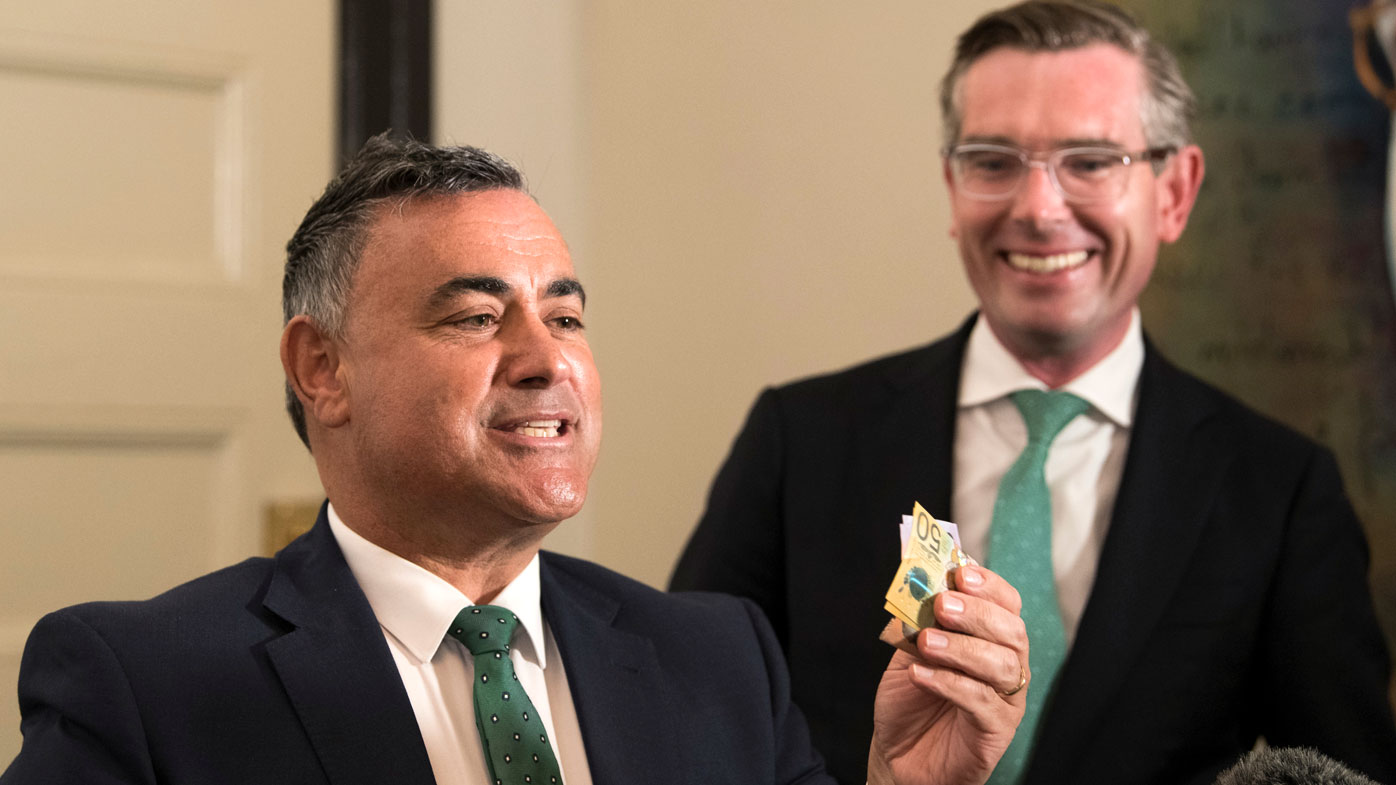
Barilaro claimed, given the chance, he could "actually clarify a lot of the mysteries" that have been swirling in media since the story broke.
The inquiry is examining how Barilaro landed the New York job, one of several international postings he announced when he was trade minister, so soon after quitting politics.
The $30 lifesaver not found at 50 per cent of house fires
A simple $30 investment could save your family's lives.
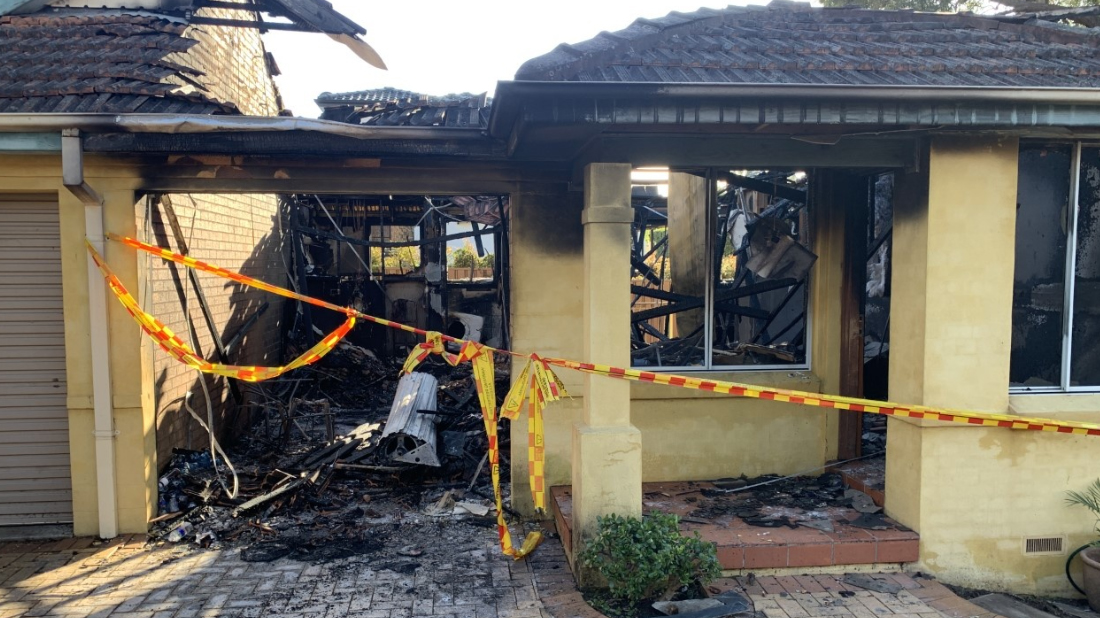
Fire and Rescue NSW is urging people to take elementary precautionary steps to stay safe after three people were killed in a house fire in Sydney's south-west.
A 10-year-old boy was among the victims of the blaze, which erupted in a home in Hinchinbrook yesterday morning.
READ MORE: Parents and six-year-old girl killed in random US camping attack
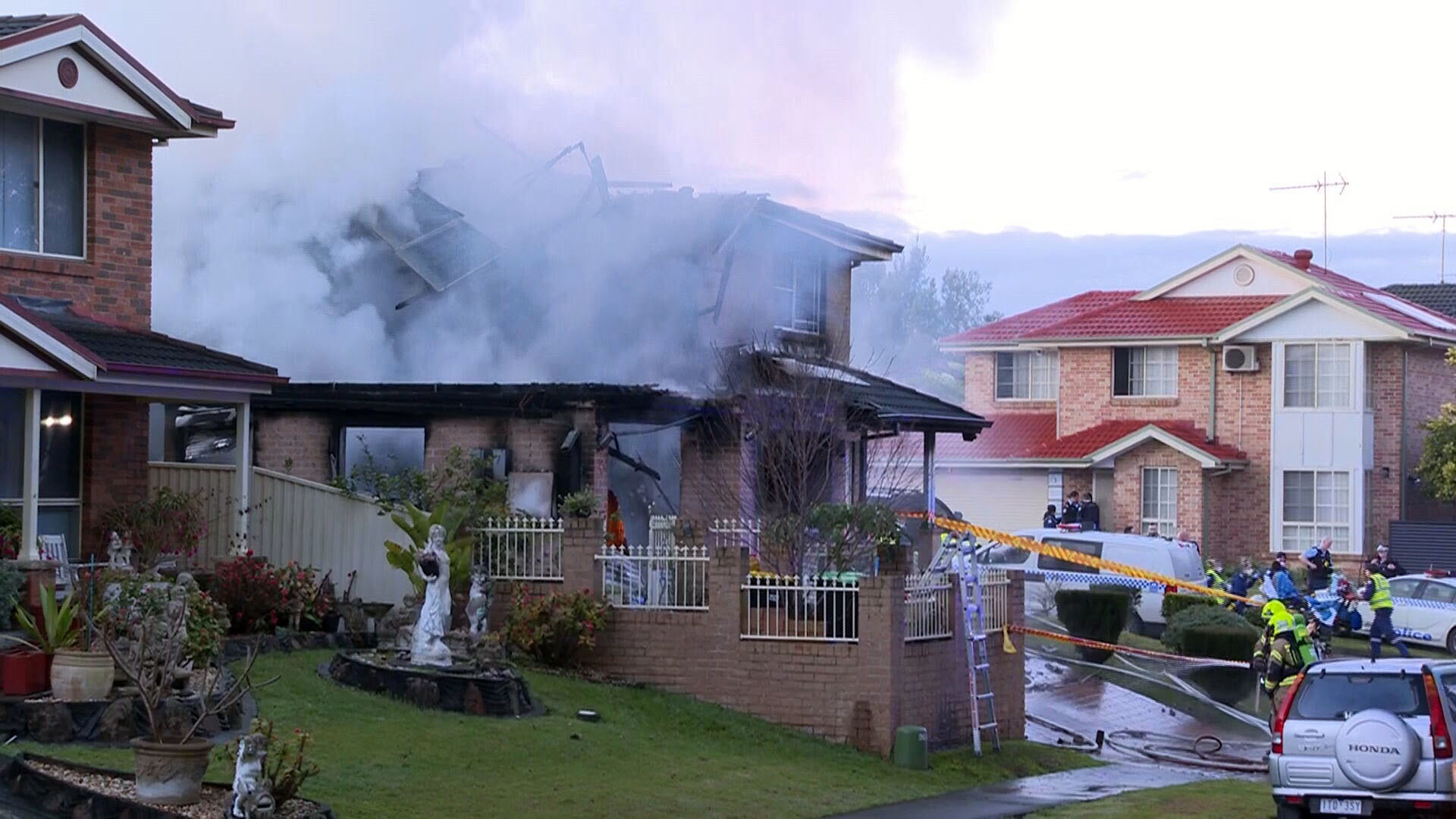
Two firefighters were also injured, but are now out of hospital and recovering.
Subsequent investigations revealed the home did not have a working smoke alarm.
"It is devastating not only for the family, but for the community and for firefighters," Fire and Rescue Deputy Commissioner Megan Stiffler said.
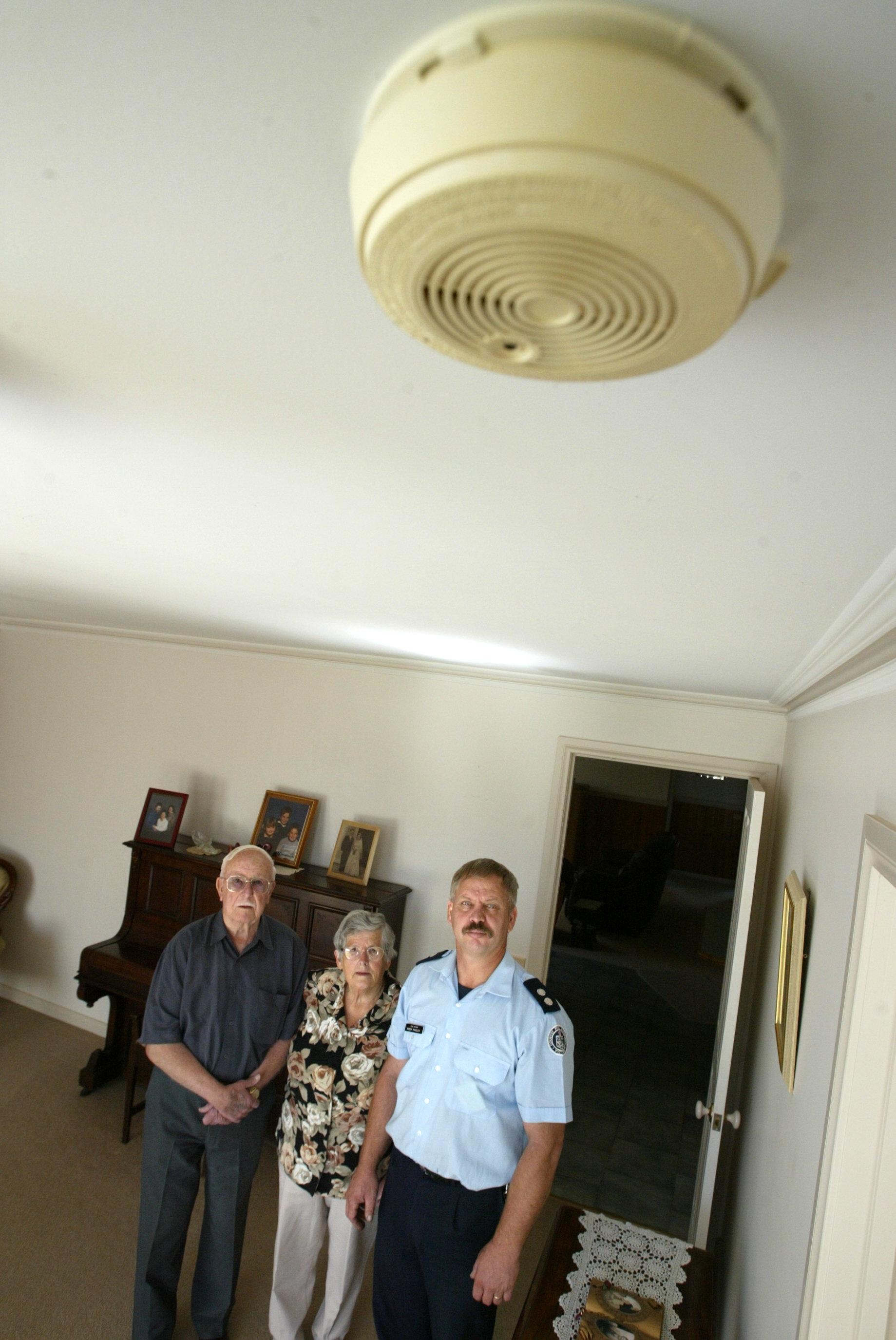
"Something as cheap as a $30 working smoke alarm can get your family out early in a house fire."
READ MORE: Urgent call as aged care battles new COVID-19 wave
She urged people to have a conversation with their family about fire safety and what to do in case of a blaze.
"How do you get out of the house? What is an alternative to the front door? In that moment of panic when you are trying to get everyone out safely, everyone know what they are doing," she said.
She said people could reduce risks by not bringing outdoor heating or cooking equipment inside, by having a smoke alarm and by preparing their family's escape plan.
READ MORE: Top US military officer's latest warning on 'more aggressive' China
"And then, thirdly, once we're out, we have to stay out," Stiffler said.
"The human body cannot survive a house fire."
Stiffler said 13 people had so far died in house fires this winter – nine more than last year.
And of the 500 house fires NSW Fire and Rescue had attended since June 1, a whopping 50 per cent did not have working alarms.
READ MORE: US waitress shocked to discover $4330 tip on $19 meal
"That's preventable deaths," Stiffler said.
"If we can get out of that house early, with the detection, we can save lives.
"This is a call to action for our community members to have the conversation and invest $30 in a working smoke alarm, test it if you have already got them to make sure they are working."
Woman on fishing boat off Florida coast stabbed by 45kg fish
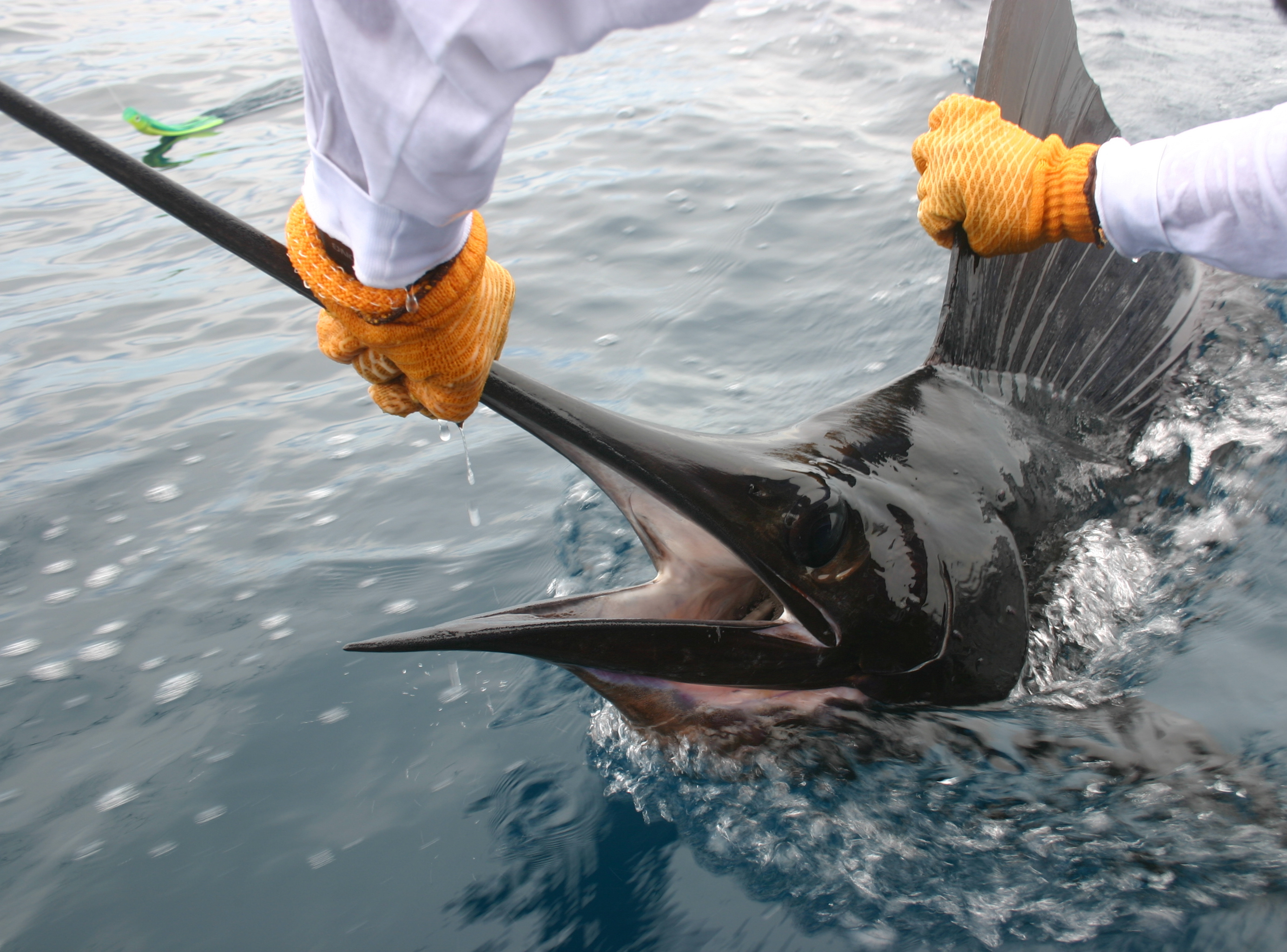
A 73-year-old woman was airlifted to a hospital after being stabbed by a 45 kilogram sailfish that an angler was trying to reel onto a boat off the Florida coast, officials said.
The sailfish began to charge at the boat and then jumped out of the water and stabbed the woman in the groin while she was standing next to the boat's centre console, according to the Martin County Sheriff's Office.
It happened so fast, the woman didn't have time to react, she told a responding officer.
READ MORE: Parents and six-year-old girl killed in random US camping attack
The two men on the boat applied pressure to the wound right away, according to an incident report filed last week.
The woman, identified as Katherine Perkins, was in a good condition in hospital Sunday, a spokesperson at HCA Florida Lawnwood Hospital told CNN.
The boat was about three kilometres offshore from the St. Lucie Inlet when the incident took place.
READ MORE: US waitress shocked to discover $4330 tip on $19 meal
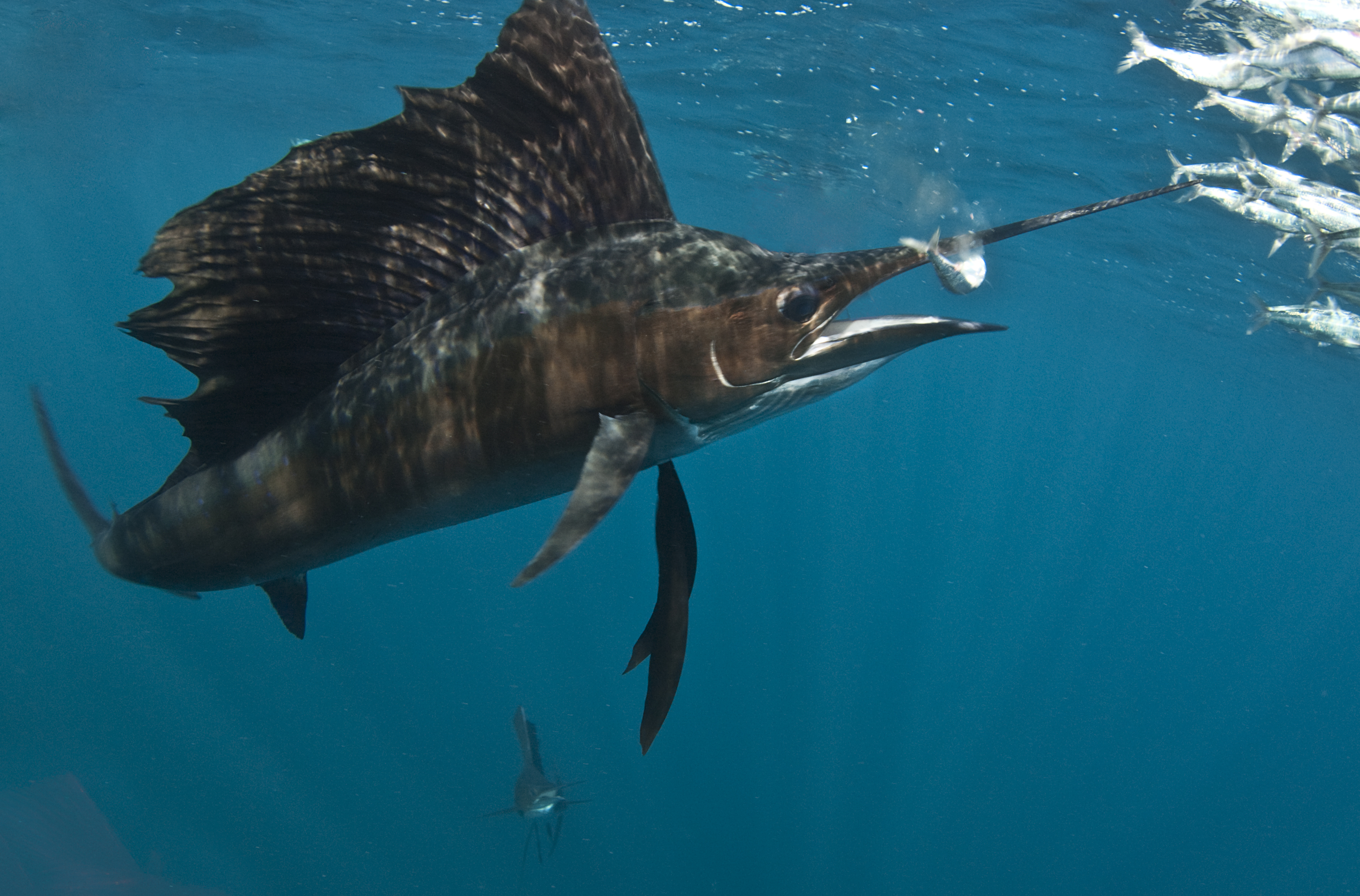
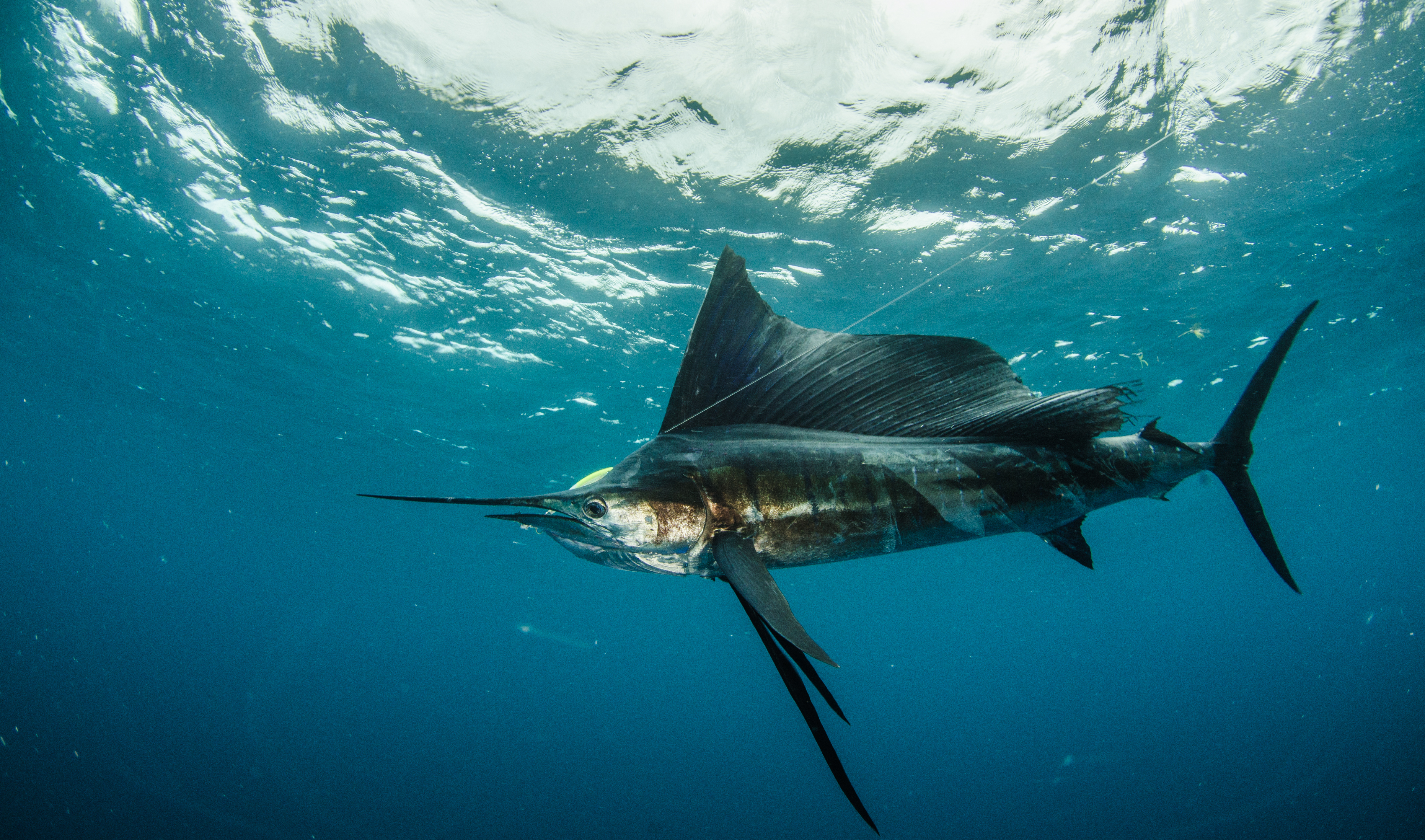
Sailfish have long bills, similar to those of marlins and swordfish. They are considered by many to be the fastest fish in the ocean, according to the Ocean Conservancy.
The sailfish was estimated to weigh 45 kilograms, according to the sheriff's office report.
READ MORE: Top US military officer's latest warning on 'more aggressive' China
The man who survived days trapped on the bottom of the Atlantic Ocean
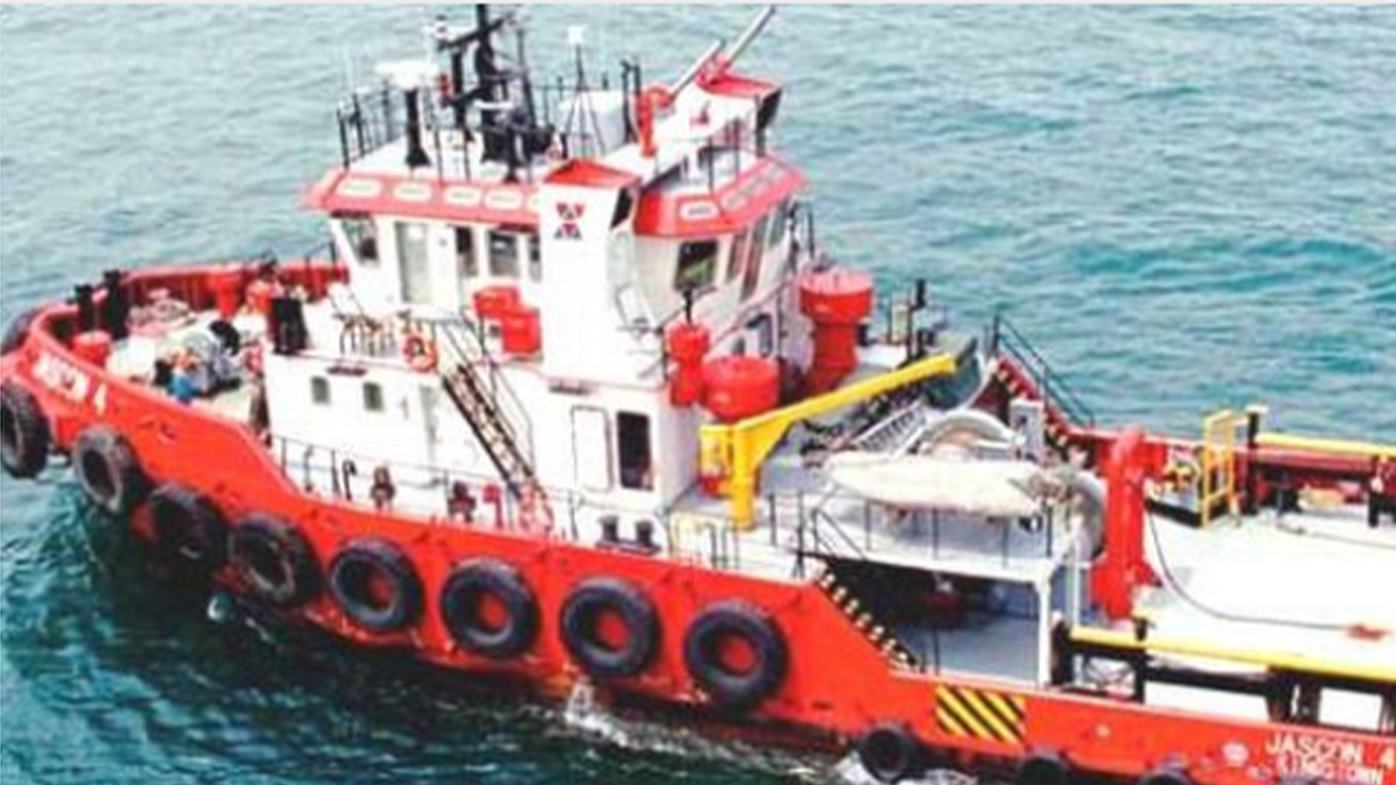
Driving rain and crushing waves swept over the Jascon-4 as the tugboat navigated through turbulent black waters around 30 kilometres off the coast of Nigeria.
Its mission: to secure a large oil tanker loaded with gasoline from the nearby Chevron oil platform.
The 12-man crew didn't know it then but the small boat was sailing to its doom.
READ MORE: Parents and six-year-old girl killed in random US camping attack
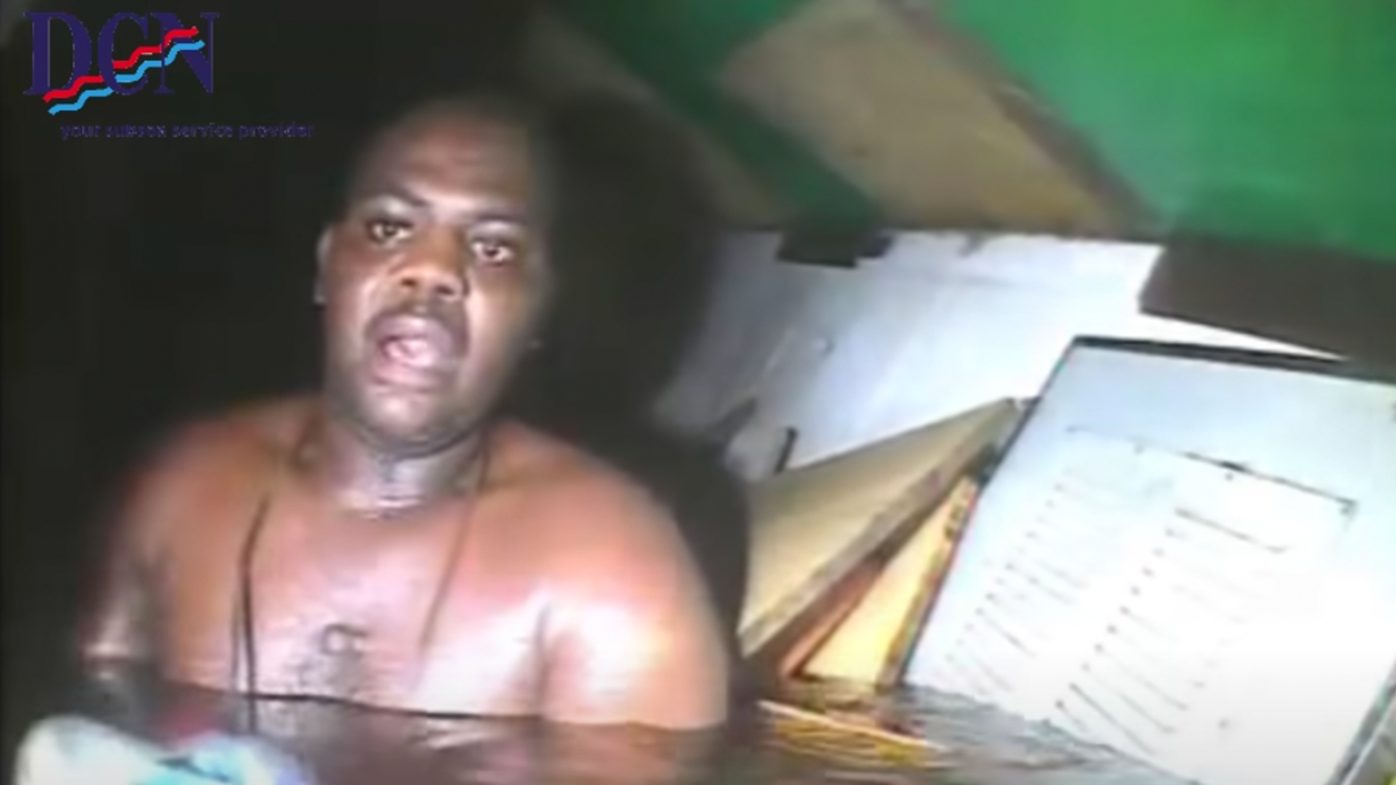
For Harrison Okene, the boat's cook, the date of May 26, 2013, is one he will never forget; it marks the start of his ordeal trapped 30 metres below the surface of the Atlantic Ocean.
Okene told 9news.com.au he had just woken up and was on the toilet when disaster struck.
A towering wave smashed into the side of the boat just before 5am, causing it to capsize.
Water started to pour into the vessel, filling the cabins and winding passageways.
"Before we knew, we were sinking," Okene said.
"It was very bad weather.
"We had been sailing for many years, we knew the sea, we had never had any issue before."
Okene pulled up his boxers and started to tear through the ship, but escape was made difficult by the fact all but a couple of doors had been locked in a bid to deter potential attacks from pirates.
READ MORE: Urgent call as aged care battles new COVID-19 wave
He sought refuge in the ship's officer's cabins.
There, a wall of water forced him into the room's adjoining toilet.
Something akin to a miracle occurred as the boat settled in its watery grave.
An air pocket formed, giving the then 29-year-old precious oxygen to breathe.
"Underwater it was so, so, so, cold," he said, explaining he tried to find a way out several times, tracing his way back to the air pocket with a rope he had found.
"I was struggling to stay alive, wondering how long it (the air pocket) would last me.
"I was thinking about my family, my wife, what would happen, how would she live, how can I get out, thinking about my life as well.
"I was praying a lot."
Hours ticked by as Okene sat in the pitch black, wedged up against a wall.
At one point he heard a sound that terrified him.
It was the "bite of fish" eating something in the vessel.
READ MORE: Top US military officer's latest warning on 'more aggressive' China
"I never knew if they were sharks or not, it was so dark," he said.
"I heard them biting something.
"I was scared, I had to stay and keep watch to see if something would come in my direction."
And so Okene waited and he watched in the dark and cold.
After 60 hours, he heard more knocking.
Then he saw something he had given up hope of ever seeing – light had pierced through the black water.
The 'long and difficult' rescue
That light belonged to the torch of South African diver, Nico van Heerden.
He and a crew from DCN, a global diving company, had been sent by Chevron and West African Ventures to retrieve the bodies of the crew.
In total, ten bodies were recovered – the 11th was never found.
Very gently, Okene reached out to van Heerden and tapped his gear, careful not to startle him.
READ MORE: Andes flight disaster survivor recounts 'horrific' 72 day ordeal
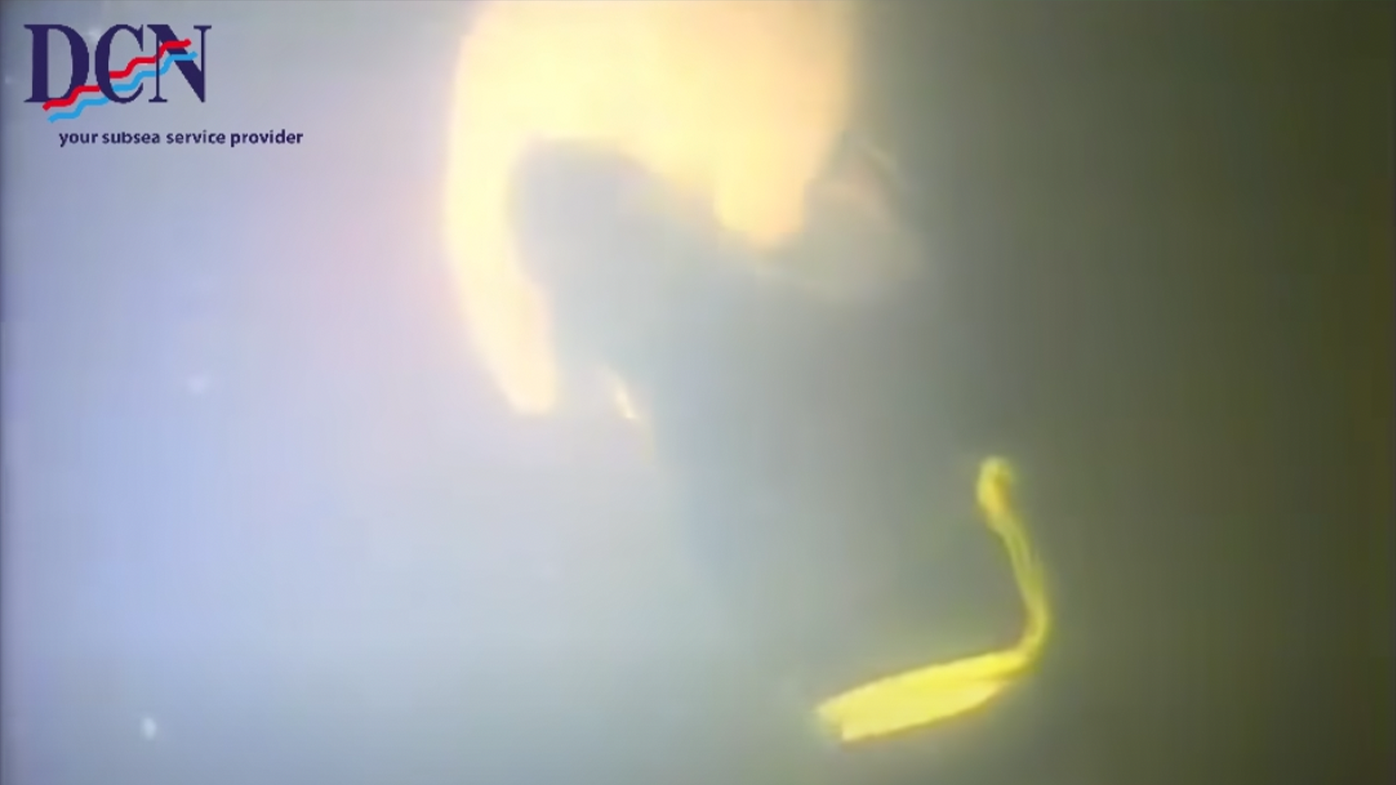
"When he came I was just crying," Okene said.
"He never knew what I was thinking.
"I was not afraid at that time. I had already decided if it's to be alive or dead, no problem.
"I had been ready to go (but) God heard my prayers."
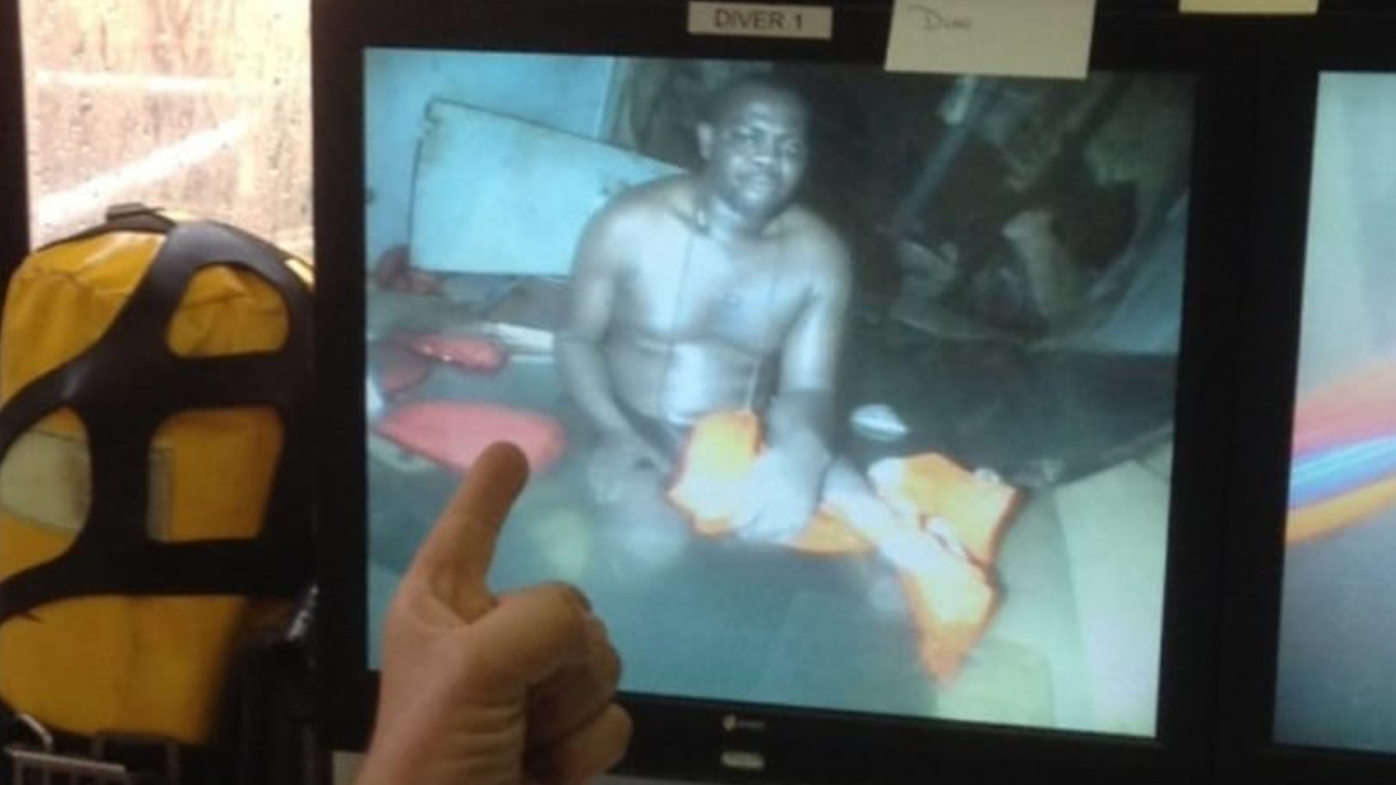
Alex Gibbs, a life support technician on duty on the surface, remembers the moment their recovery mission turned into a "long and difficult" rescue.
"I was shocked and then a bit excited," Gibbs told 9news.com.au.
"It was certainly unexpected, especially after nearly three days and seeing all the bodies coming up.
"Nobody thought there was anyone alive.
"(But) there were a lot of concerns."
The diving bell, decompression chamber and a first-time diver
Even though Okene had been discovered, his ordeal was far from over.
Due to the time he had spent at depth, he needed to do lengthy decompression stops to avoid decompression sickness – also known as the bends – when nitrogen bubbles form within the body's tissues and bloodstream.
Okene had also never dived before, and there was another medical complication unfolding.
"He was close to dying when we found him," Gibbs said, explaining Okene was in the first stages of hypercapnia.
"Contrary to popular belief, when people are trapped in confined spaces it is not the oxygen running out that will kill you, it is your own exhaled breath causing a build-up of CO2.
"By the time he had been found, this was at a clearly high level.
"You can see him panting in the video and his slightly glazed eyes caused by this.
"We immediately put down an air hose and literally blew fresh air over him (but) another concern was he had been saturated by air so we now had to switch him onto an oxygen and helium mix, which is not standard practice."
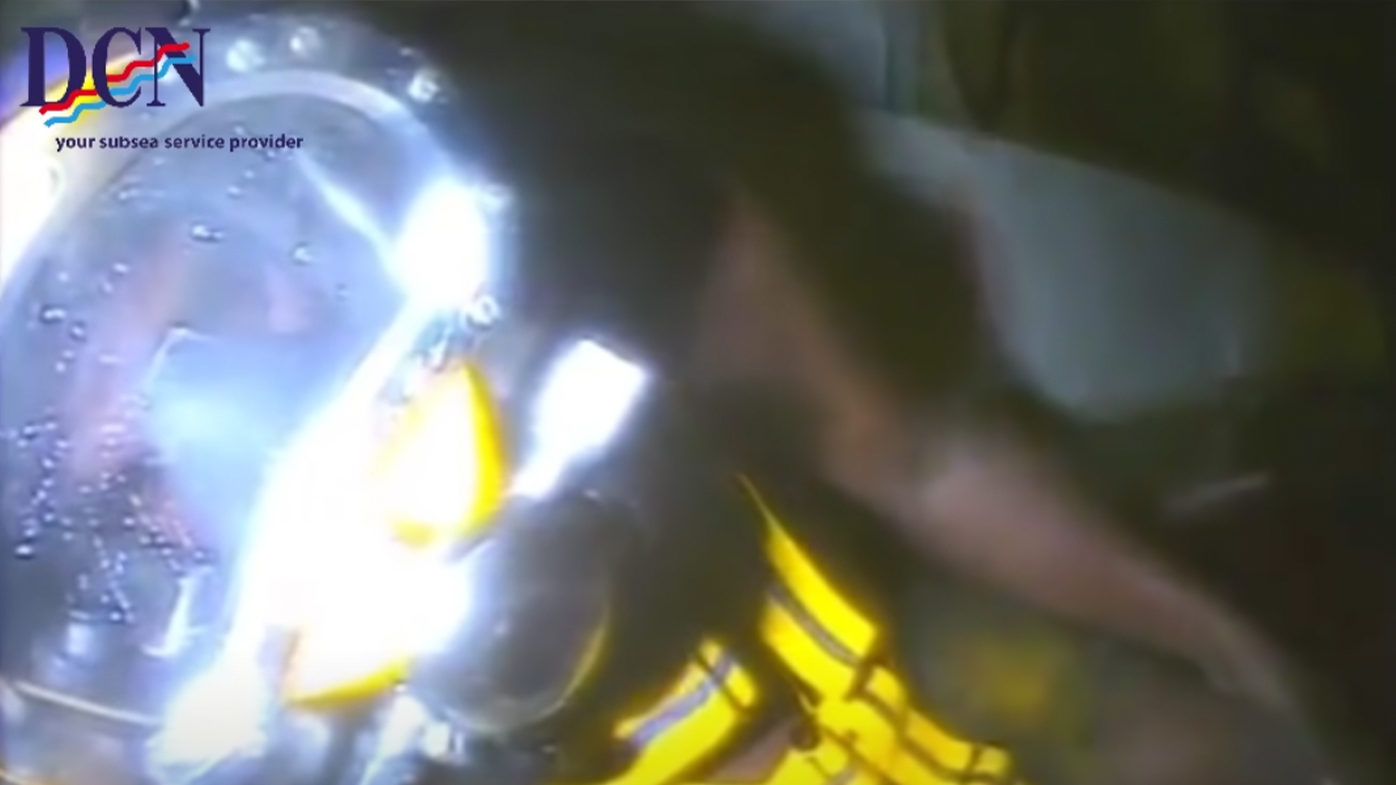
Despite being exhausted and overwhelmed, Okene somehow proved a natural diver.
At the surface he was transferred to a diving bell, under pressure, then locked inside a decompression chamber, where Gibbs tended to him for days.
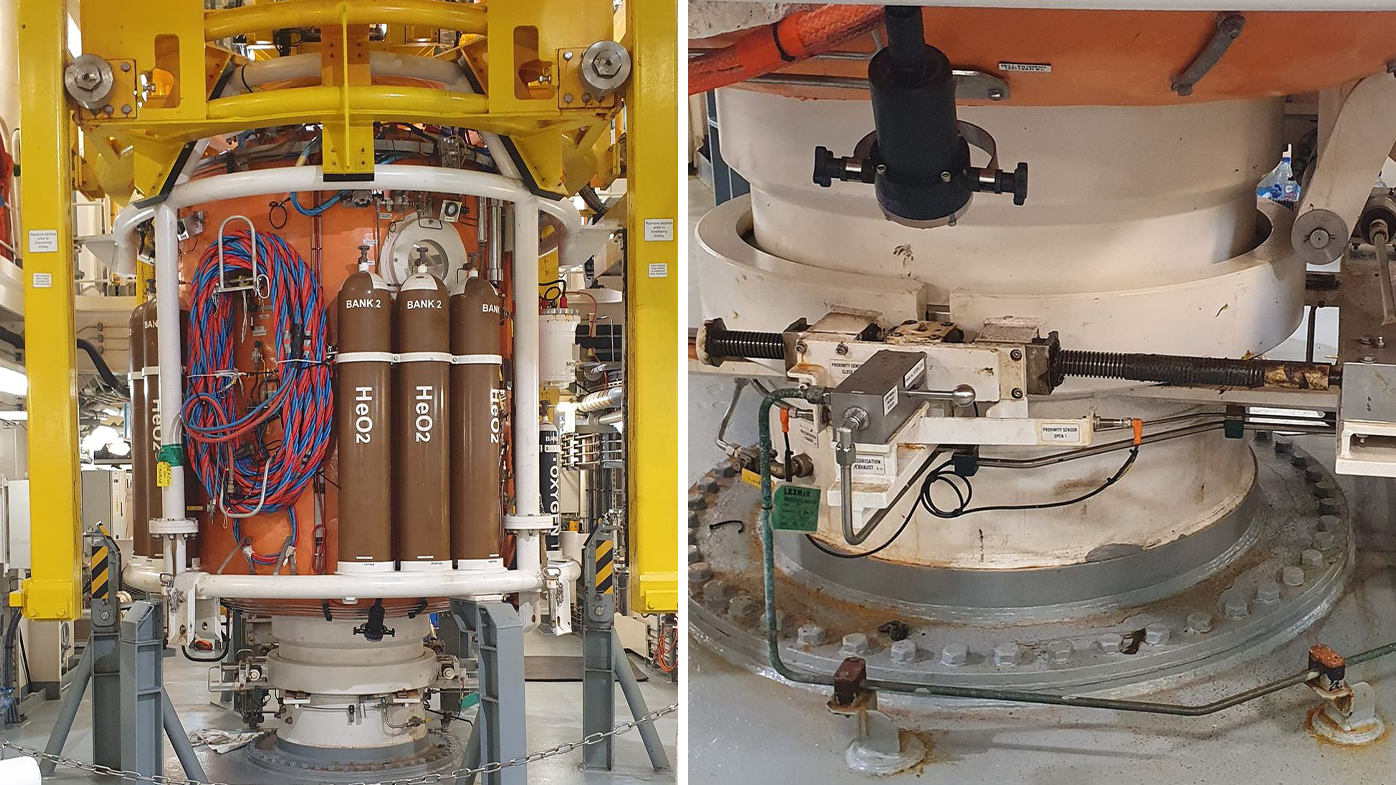
"I looked after him the entire three days before he was decompressed and out," Gibbs said.
"I delivered his food, changed his bed linen, gave him medicine and acted as the go-between from him to doctors, managers and shoreside office.
"He was constantly monitored.
"It must have been a huge shock and bewildering experience for him."
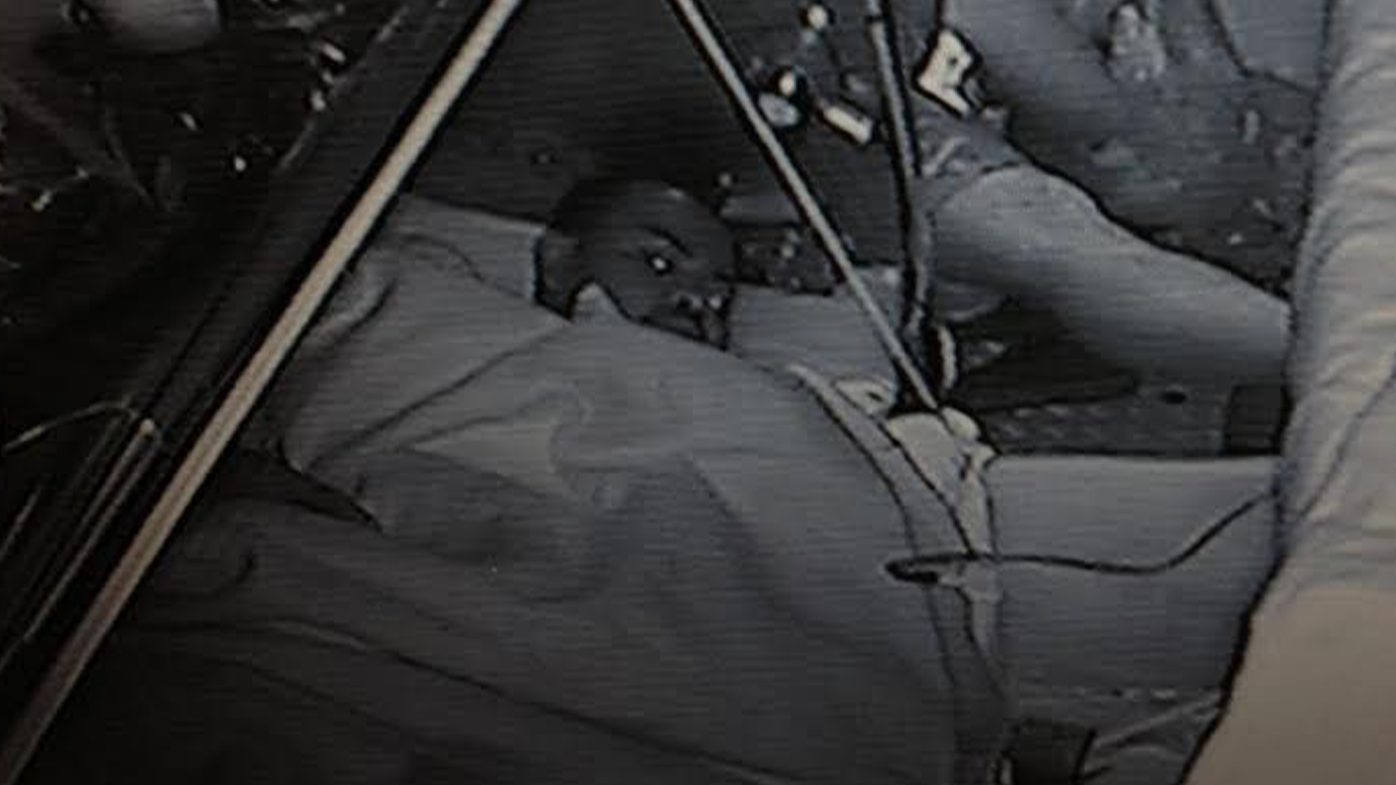
Nine years on, Gibbs said he has never experienced a rescue like Okene's.
"Not one where someone has had to be transferred into a diving bell," he said.
"It is a freak occurrence.
"The fact he lived, he found an air pocket, it held for nearly three days, we happened to be in an area with a deep sea diving boat.
"So many coincidences had to happen to make this possible."
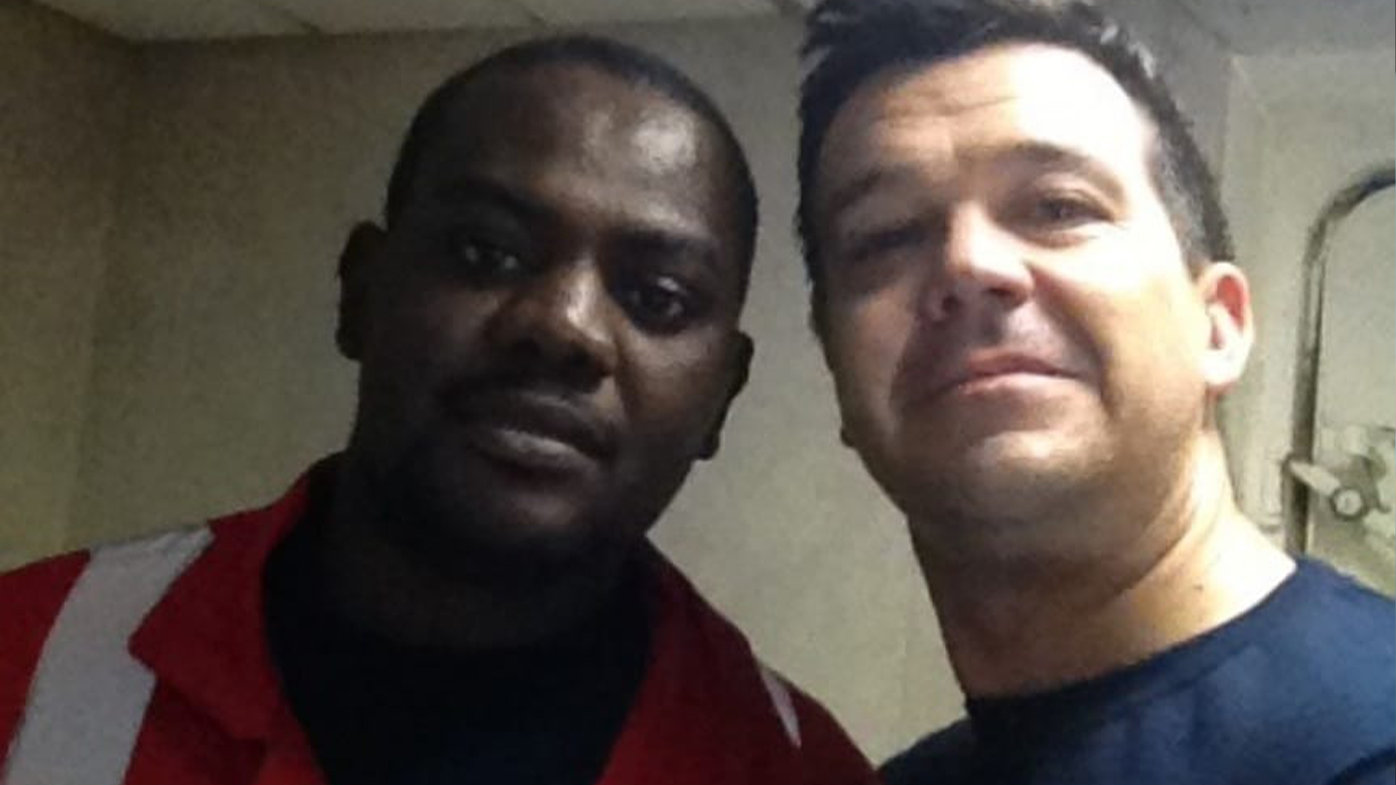
Nearly a decade on, Okene is back in the water
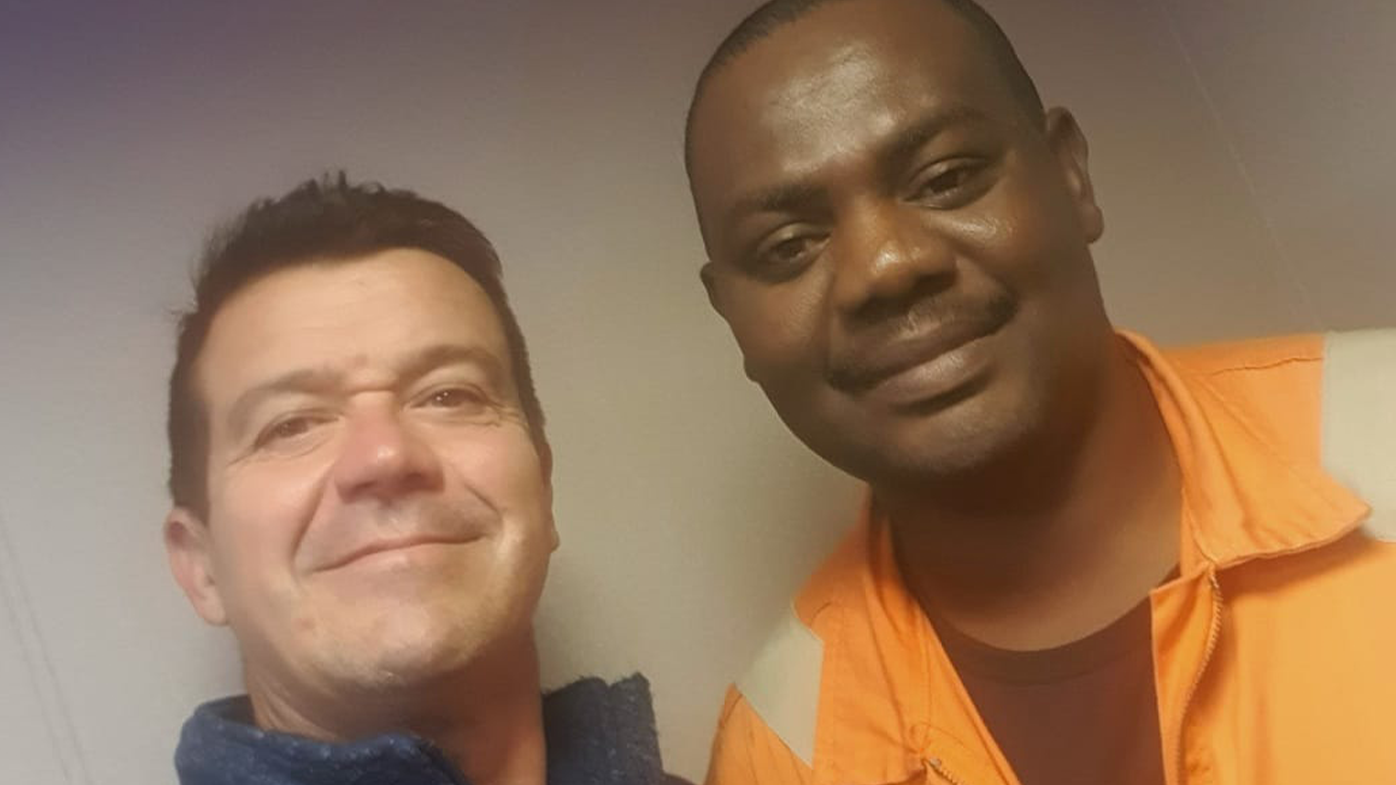
Last month, Gibbs and Okene reunited "unexpectedly" on a diving job.
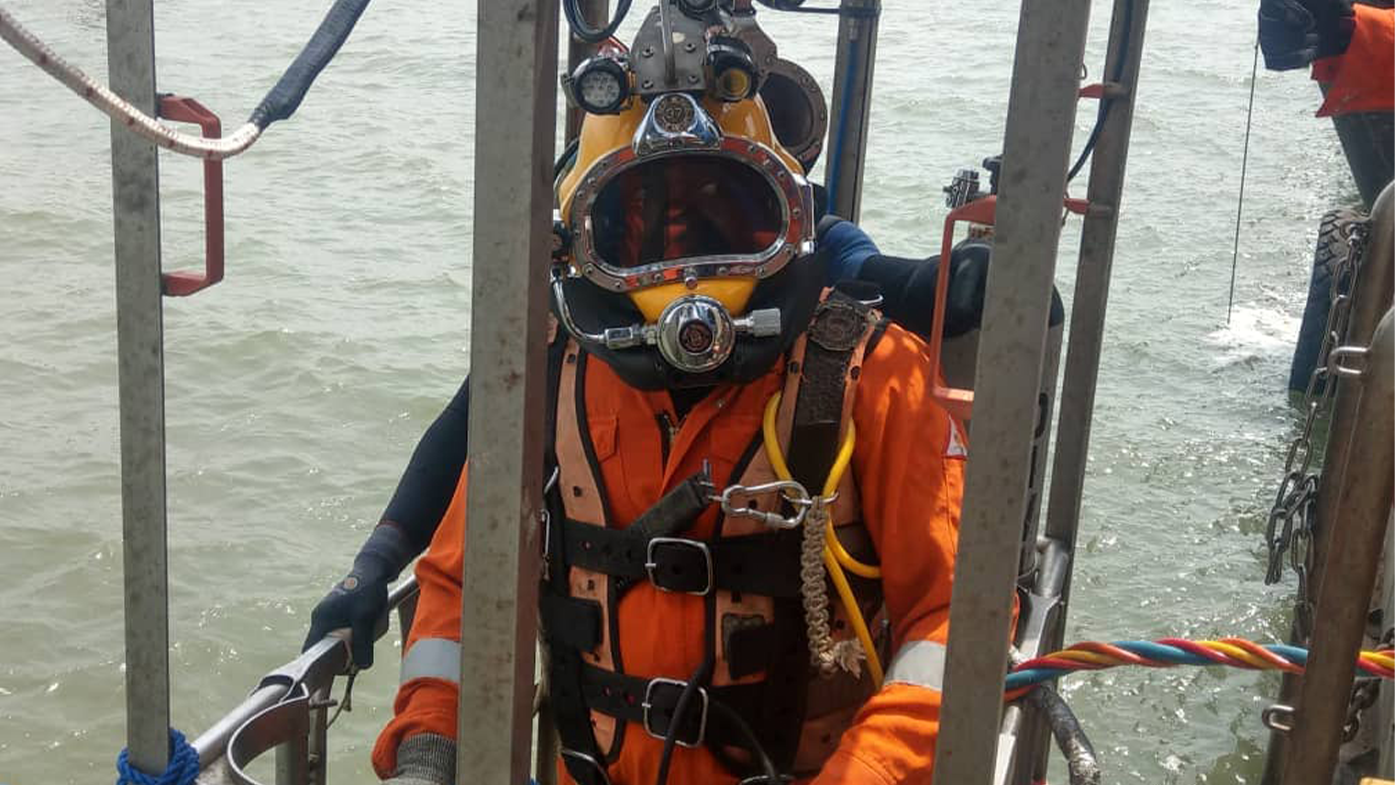
Okene has a newfound love for the ocean and is now an IMCA Class Two Commercial Air Diver.
He can dive to a depth of 50 metres.
"I'm enjoying diving, it's life for me, it's fun," Okene said.
"I believe the ocean is my world. I feel more comfortable, relaxed there.
"I like being in the environment."
Okene has a message for anyone who finds themselves fighting for survival.
"The fear alone can kill you," he said.
"I took fear off me, and I believed that 'what will be, will be'.
"Believe in yourself and keep your faith and your mind strong."