OPINION: Something about this fixed-price contract for building the new Christchurch stadium, Te Kaha, just doesn’t stack up for me.In fact, the whole fixed-price thing doesn’t stack up, as far as I’m concerned.The gist of it…
Category Archives: headline
One Australian diagnosed with diabetes every 8 minutes
Sydney woman Holly Hartson was diagnosed with Type 1 diabetes when she was six years old and said the condition has "consumed" her and her loved ones ever since.
"There's just no break ever," Hartson told 9news.com.au.
"It affects every single part of my life."
EXPLAINED: What are the current mask rules in Australia?
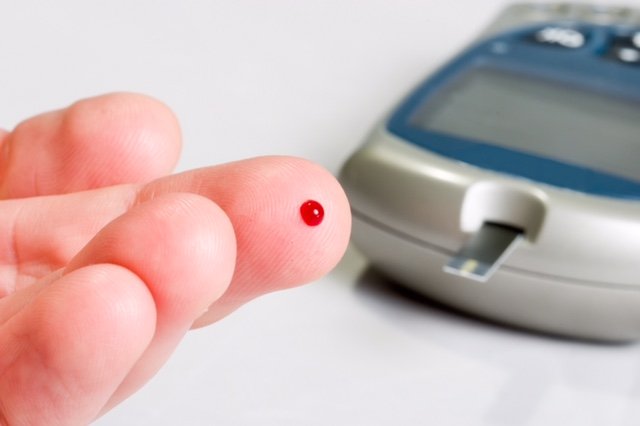
The now 28-year-old wants people to understand that while living with diabetes has its challenges, "a very happy, healthy life" is possible.
"It's not, you know, a life sentence," Hartson laughed.
"You can still do everything you want to do."
"You just have to learn how to do it differently," she said.
Hartson is a nurse and a diabetes educator who has made it her mission to advocate and care for people living with the condition.
READ MORE: Confusion over rules as COVID-19 cruise docks in Sydney
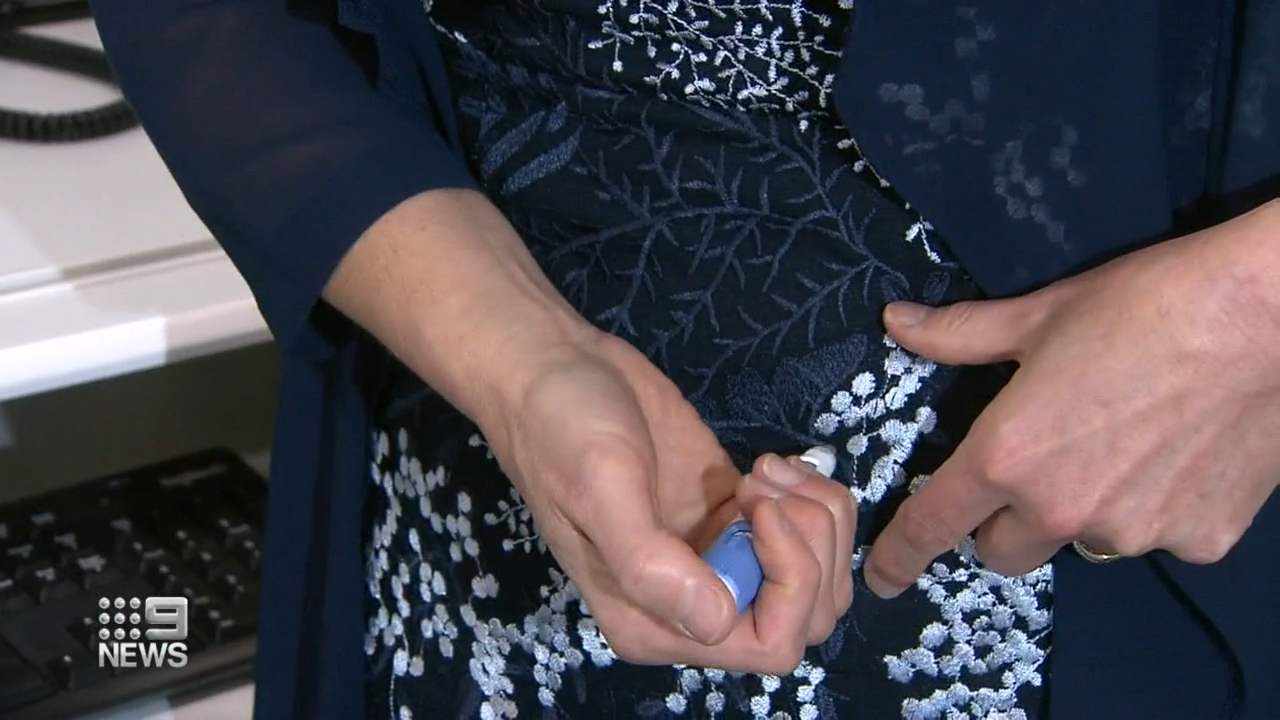
"I've spent a significant part of my lifespan inside medical care, and I've had amazing educators in the past, some of whom had diabetes, some of whom didn't – all were amazing," she said.
"I just found those that did have diabetes had a level of understanding that you just honestly can't replicate."
"So, if I'm living with this condition, I might as well make the most of it and help others."
A recent study has revealed that the number of people being diagnosed with diabetes is rapidly increasing nationwide.
READ MORE: Huge Bunnings sausage sizzle shake-up after 15 years
Data from the Australian Institute of Health and Welfare (AIHW) shows more than 1.3 million Australians were diagnosed with a form of diabetes between 2000 and 2020.
That number tripled over 20 years from 460,000, with 175 Australians diagnosed with diabetes each day.
According to the AIHW, that's almost 64,000 people each year and one person every eight minutes.
"Numbers have stabilised in the last decade, however, 1 in 20 Australians were living with the condition in 2020,' said AIHW spokesperson Richard Juckes.
Diabetes is a chronic condition marked by high levels of glucose in the blood.
It is caused by either the inability to produce insulin or by the body not being able to use insulin effectively.
While Type 2 diabetes represents over 90 per cent of cases in Australia, each form of diabetes increases the risk of health complications and chronic disease.
The AIHW said diabetes was the underlying cause of death in around 5,100 cases in 2020 and was a pre-existing condition in 20 per cent of the 3,600 COVID-19 related deaths between 2020 and 2022.
Experts say that the condition impacts people differently depending on where they live.
"Australians living in Remote and Very remote areas were 1.3 times more likely to be living with diabetes and 1.8times more likely to die with diabetes compared to those living in Major cities,' Mr. Juckes said.
Hartson believes the new data highlights a need for Australians to connect with health experts.
"Stay on top of either your management or you know, get a checkup if you haven't had one every two to three years," she said.
Research estimates that diabetes costs about $3 billion worth of health system expenditure each year.
US tourist falls into volcano while trying to retrieve phone
An American tourist fell into the crater of Mount Vesuvius in an attempt to retrieve his mobile phone at the weekend, Italian police say.
The 23-year-old man from Baltimore was hiking an unauthorised trail on the Italian mountain accompanied by three relatives on Saturday morning, the carabinieri of the provincial command of Naples said.
Two British tourists were also spotted walking on the forbidden trail.
READ MORE: Brisbane woman pleads guilty to attempted murder after father begged her to end his life
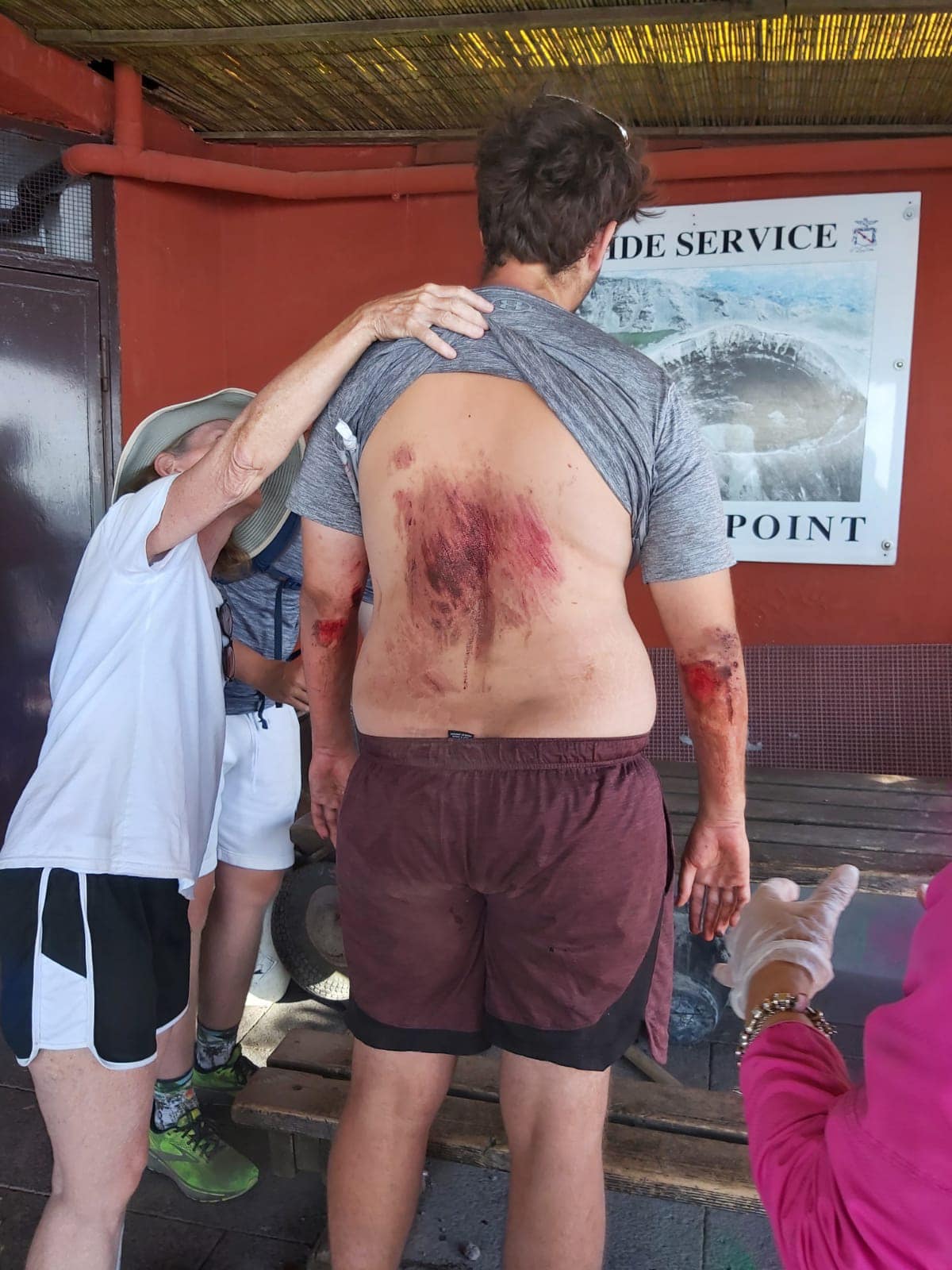
Following the fall, the man reported only a few bruises on his hands, arms and back.
Local official Gennaro Lametta shared an image of the tourist's back, and thanked volcano authorities who staged a delicate rescue to recover the man.
He was treated by an ambulance that arrived on the scene, but he did not want to go to the hospital, police said.
The path had clear signs warning of danger and forbidden access, according to the force, which added that the prosecutor will decide whether to proceed with a formal charge against them for invasion of public territory.
The last eruption of Mount Vesuvius took place in 1944.
It is still active, but is in a state of repose, according to the Vesuvius National Park website.
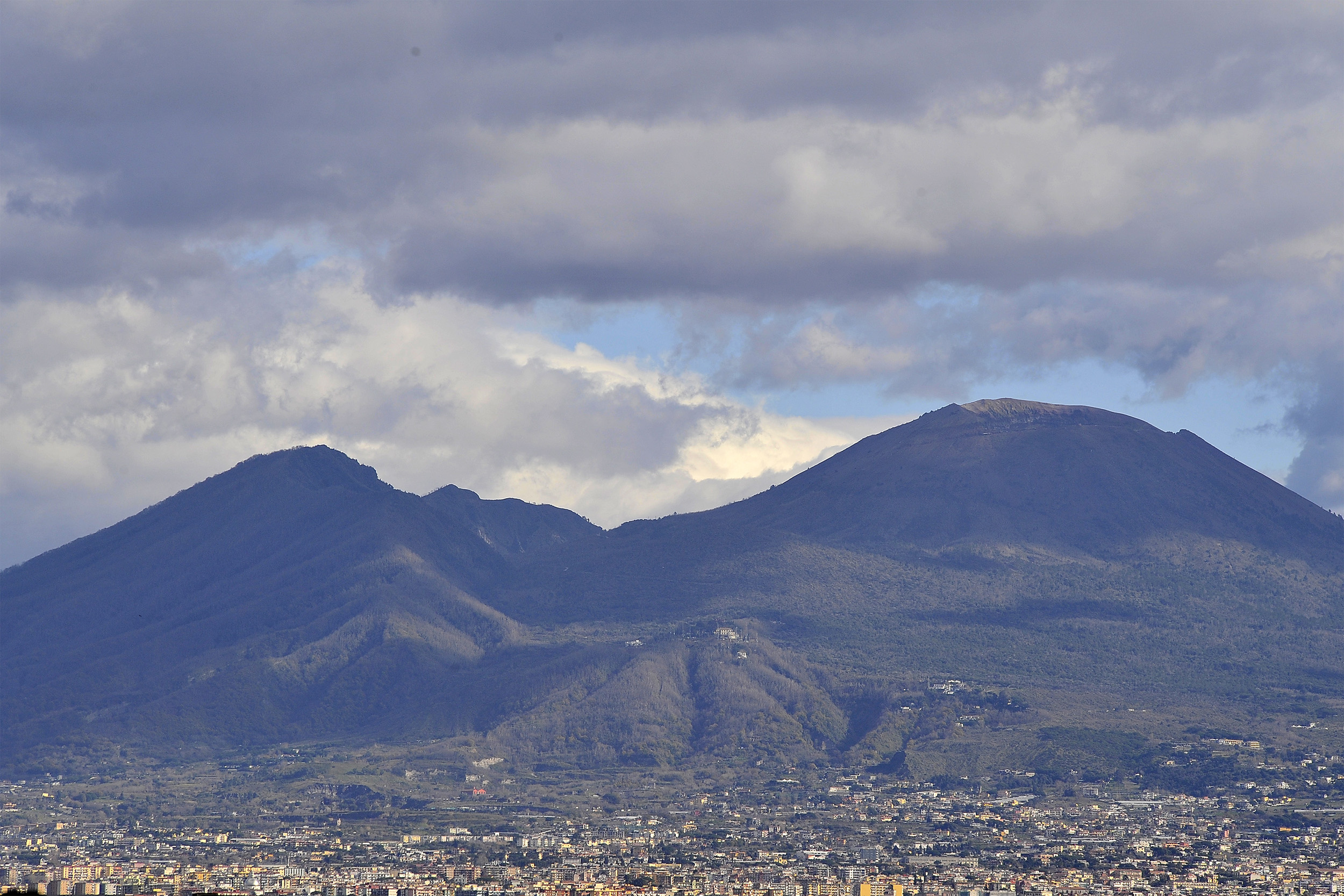
The mountain's highest peak reaches 1277 metres, while the crater has a diameter of 450 metres and is 300 metres deep, the national park's website adds.
Vesuvius had been a dormant volcano for centuries before it erupted in 79 AD, burying cities like Pompeii, Oplontis and Stabiae beneath ash.
Pompeii was submerged under a seven-metre-deep layer of volcanic debris, which preserved the ruins from the detrimental effects of weather and climate.
It has since become a popular tourist destination, as well as a rich site of study for archaeologists.
Four thousand of these beagles need adopting
The Humane Society of the United States (HSUS) will transfer 4000 beagles from a research facility in Cumberland, Virginia, to humane societies across the United States where they can be adopted, under a plan approved by a federal judge last week.
Genetically modified pig heart transplanted into brain-dead humans
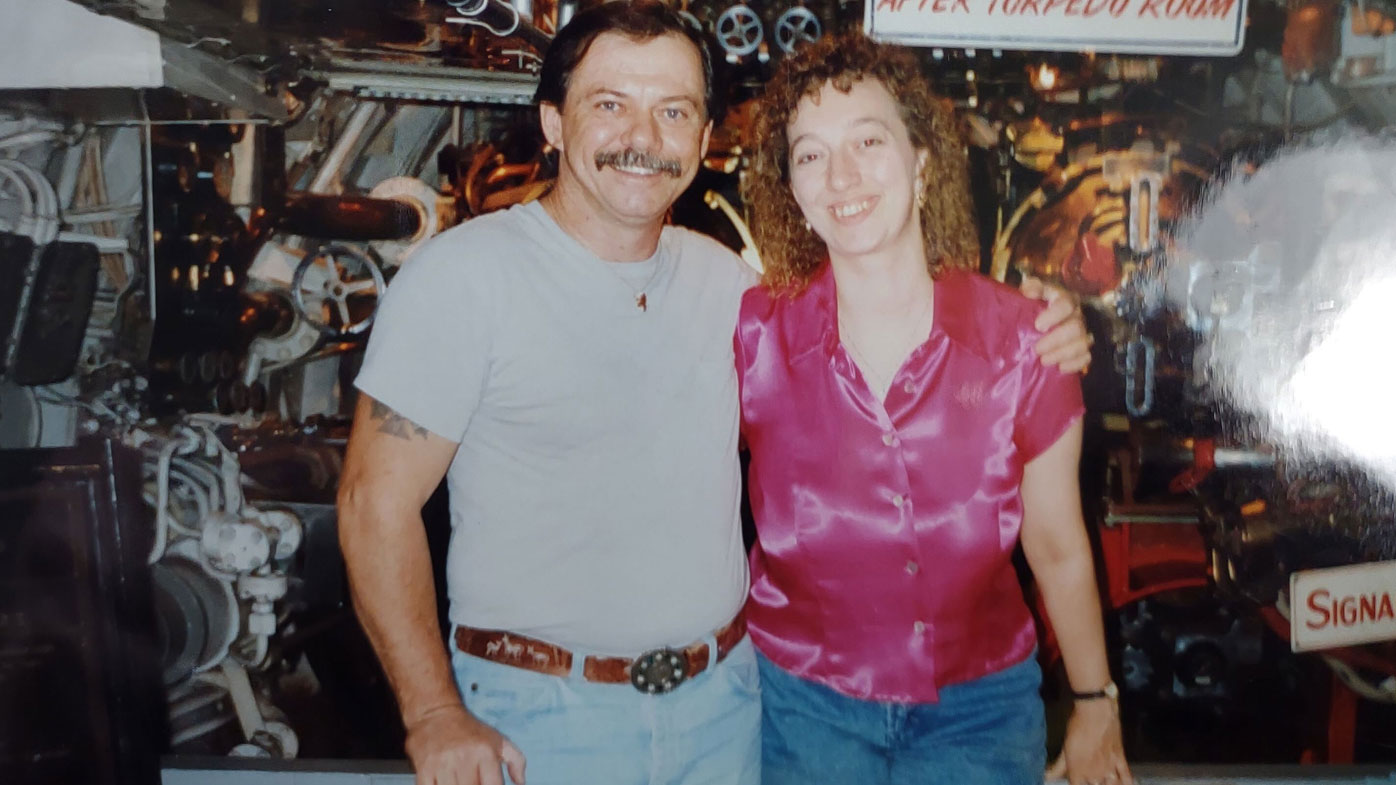
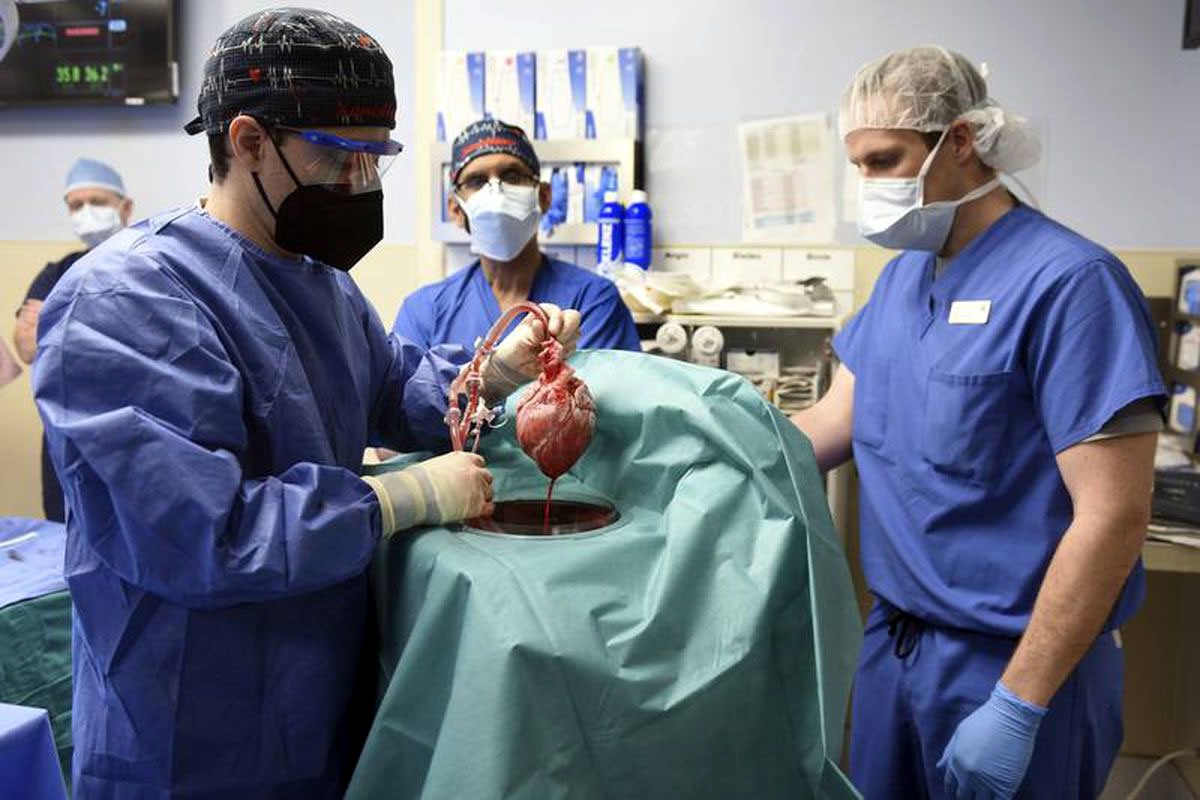
A surgical team transplanted a heart from a genetically modified pig into a dead man, as doctors try to determine whether organs in non-human animals can be modified and successfully used in humans in need of a transplant.
The 72-year-old recipient, Lawrence Kelly of Pennsylvania, had been declared brain-dead.
His family donated his body for the study at NYU Langone Health, which aimed to investigate how well the modified pig heart worked in a deceased human's body.
READ MORE: Bunnings lifts sausage sizzle prices for first time in 15 years
After Kelly's transplant in June, the research team repeated the procedure with another deceased recipient, 64-year-old Alva Capuano of New York City, in early July.
These transplants followed a procedure done by the University of Maryland in January of a pig heart into a living human.
That recipient died in March.
Dr Robert Montgomery, director of the NYU Langone Transplant Institute, said the procedures allowed for more in-depth study of how well the recipients' bodies tolerated the pig hearts.
"We can do much more frequent monitoring and really sort of understand the biology and fill in all of the unknowns," he said.
He added that their study was unique because they attempted to emulate real-world conditions by, for example, not using experimental devices and medications.
At any one time there are 1850 Australians on the transplant waiting list, according to Transplant Australia.
But this is only the tip of the iceberg, the organisation says, as there are 13,000 people on dialysis who could benefit from a transplant.
There were 112 heart transplants operations in Australia last year.
'He went out a hero'
Researchers travelled out of state to procure the heart, which had genetic modifications aimed at a number of factors, like modulating the organ's growth and reducing the chance that the recipient's immune system would reject it.
The flight meant the team could replicate the conditions of a typical heart transplant, said Dr Nader Moazami, surgical director of heart transplantation at NYU Langone Health.
"It was about an hour and 15 minute flight from New York, which is typical of the distance that we take hearts for clinical transplantation," said Moazami, who performed the transplant.
The heart went to Kelly, a Navy veteran who was declared brain-dead after a car crash.
Kelly's fiancee, Alice Michael, authorised the donation of his body to research.
"They were going to take his liver, and they couldn't find a recipient. And then New York University called me with this research thing. And I automatically said yes, because I know he would have wanted to do it. He loved to help people," she said.
READ MORE: First ever pig-to-human heart transplant performed by US doctors
READ MORE: Cruise ship with over 100 COVID-19 cases set to dock in Sydney
"When they asked me, I didn't have to think twice about it. I just automatically said yes, because I knew it was groundbreaking research, and I know he would have wanted it. It was hard because I had to wait to bury him. But in the long run, maybe he can help a lot of people.
"He was a hero in life, and he went out a hero," Michael said.
After the transplant, the researchers conducted tests for three days to monitor how well the heart was accepted, while the recipient's body was kept alive using machinery including ventilation.
"No signs of early rejection were observed and the heart functioned normally with standard post-transplant medications and without additional mechanical support," the medical centre said in a news release.
Additionally, the researchers said they found no signs of infection with porcine cytomegalovirus (pCMV), which experts have been concerned could pose an obstacle to using pig organs in human recipients.
A new method for transplant research
Testing how well an organ transplantation works using the donated body of a deceased person is a new method, Moazami said.
The first use of this technique for research happened in September, when a team at NYU Langone led by Montgomery transplanted a kidney from a genetically modified pig into a deceased human.
Although the study represents a step forward, Moazami said, there is still work to be done before such a procedure is made broadly available outside a research setting.
"There's still a long way to go before we go from here to clinical transplantation to support a patient in the longer term," he said.
"There's still many, many, many questions that need to be answered."
One important limitation was the length of the study, he said; the organ and recipient were evaluated for only 72 hours after the transplant.
Additionally, there could be important differences in how deceased human bodies respond to the procedure, compared with living humans.
READ MORE: Demand for action after granddad's death waiting for ambulance
More research will be needed to determine how transplant recipients would fare in the long term.
"We thought that in 72 hours, we could learn all the things that we would learn if we had extended this a little bit more," Moazami said, noting that the short time frame limited the expense of the study and allowed the recipient's body to be returned to his family quicker.
"We thought that 72 hours was a reasonable amount of period for our short-term study, to understand all the things that we needed – that three days versus five days versus seven days, wouldn't make a difference.
"Would three days versus one month make a difference? Yes, absolutely. But at this stage, that would have been very, very difficult to pull off."
Transplantation of animal organs into humans also raises an array of other ethical questions such as whether the benefits of using a modified pig heart outweigh the risks that a patient would face if they instead waited for a human organ to become available.
Generally, demand for organ transplantations far exceeds the supply of donor organs available in the United States.
As of July 7, there are 106,074 people on the organ transplant waiting list, with 3442 on the heart waiting list.
On average, 17 people die on the organ transplant waitlist every day.
With CNN
Dominica Calls for US to Lift Its Age Old Trade Blockade of Cuba
By Santana Salmon Dominica has reiterated a call for the United States to remove its decades-old trade and economic embargo against Cuba as a Cuban diplomat predicts “one day we will celebrate the end of the blockade.” Foreign Affairs Minister, Dr. Kenneth Darroux, addressing a weekend motorcade and rally organized by the Dominica-Cuba Friendship Association, […]
The post Dominica Calls for US to Lift Its Age Old Trade Blockade of Cuba appeared first on The St Kitts Nevis Observer.
REUTERS WORLD NEWS: Japan’s Farewell to Shinzo Abe, Euro Near Parity with Dollar, Subway Can Be Sued Over Its Tuna, More
ooo The Reuters Daily Briefing Tuesday, July 12, 2022 by Linda Noakes Hello Here’s what you need to know. Japan bids a somber farewell to Shinzo Abe, the euro is on the brink of breaching parity with the dollar, and Subway can be sued over its tuna Today’s biggest stories Ukrainian servicemen stand in front […]
The post REUTERS WORLD NEWS: Japan’s Farewell to Shinzo Abe, Euro Near Parity with Dollar, Subway Can Be Sued Over Its Tuna, More appeared first on The St Kitts Nevis Observer.
Olympic Champ Mo Farah Praised after Revealing He was Trafficked into UK Age 9
Olympian praised as inspirational figure after revealing he was trafficked and forced into domestic servitude Aina J Khan Community affairs correspondent Guradian Mo Farah has been praised as an inspirational figure by friends and politicians after the Olympic medallist revealed he was trafficked into Britain under the name of another child as a nine-year-old, and […]
The post Olympic Champ Mo Farah Praised after Revealing He was Trafficked into UK Age 9 appeared first on The St Kitts Nevis Observer.
US Stumbles in Monkeypox Response
by Joseph Choi The U.S. has had a faltering response to the monkeypox outbreak, with confirmed cases jumping to 700 in the two months since outbreaks were first detected and clinics across the country struggling to meet the demand for effective vaccines. Some public health experts and patients say more needs to be done and […]
The post US Stumbles in Monkeypox Response appeared first on The St Kitts Nevis Observer.
UK Resident Who Gave Birth in Jamaica Stranded after Baby Refused Entry to UK
British resident Tiffany Ellis separated from husband and other child since last year after ‘callous’ Home Office decision Tiffany Ellis, 28, with baby Xien Ellis, has lived in Britain since the age of eight. Photograph: supplied by Diane Taylor Guardian A British resident who is stranded in Jamaica with her baby has been told by […]
The post UK Resident Who Gave Birth in Jamaica Stranded after Baby Refused Entry to UK appeared first on The St Kitts Nevis Observer.