Rugby legend Owen Franks is selling his 80th test jersey to help raise money for a friend’s lifesaving cancer treatment. Franks wrote on a Trade Me page that Missy, who has been a “huge part” of his journey back to rugby, had…
Category Archives: headline
Sinkhole claims house along NSW river
A sinkhole has opened up along the Hawkesbury River following devastating floodwaters, claiming a house in the process.
Sprinkle of salt at table could knock two years off your life, study finds
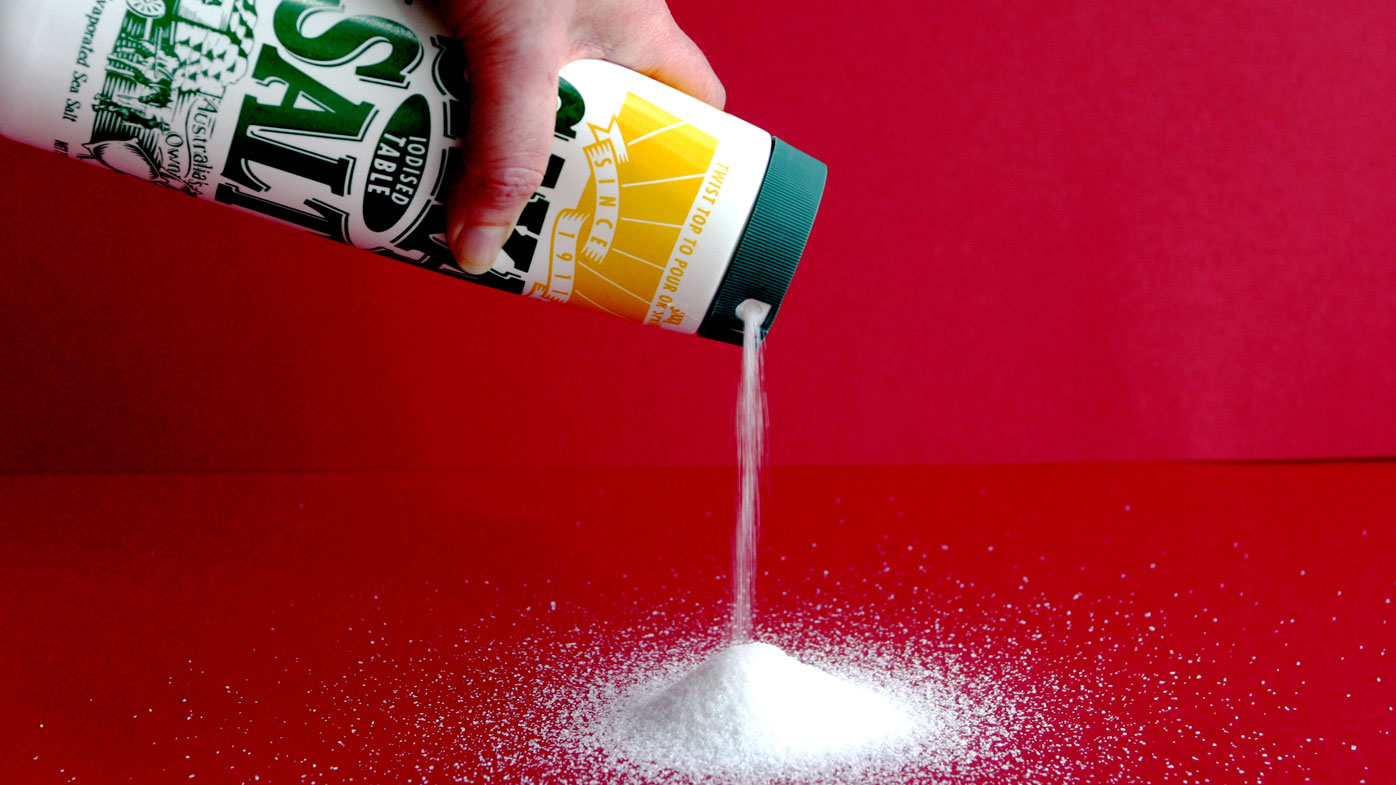
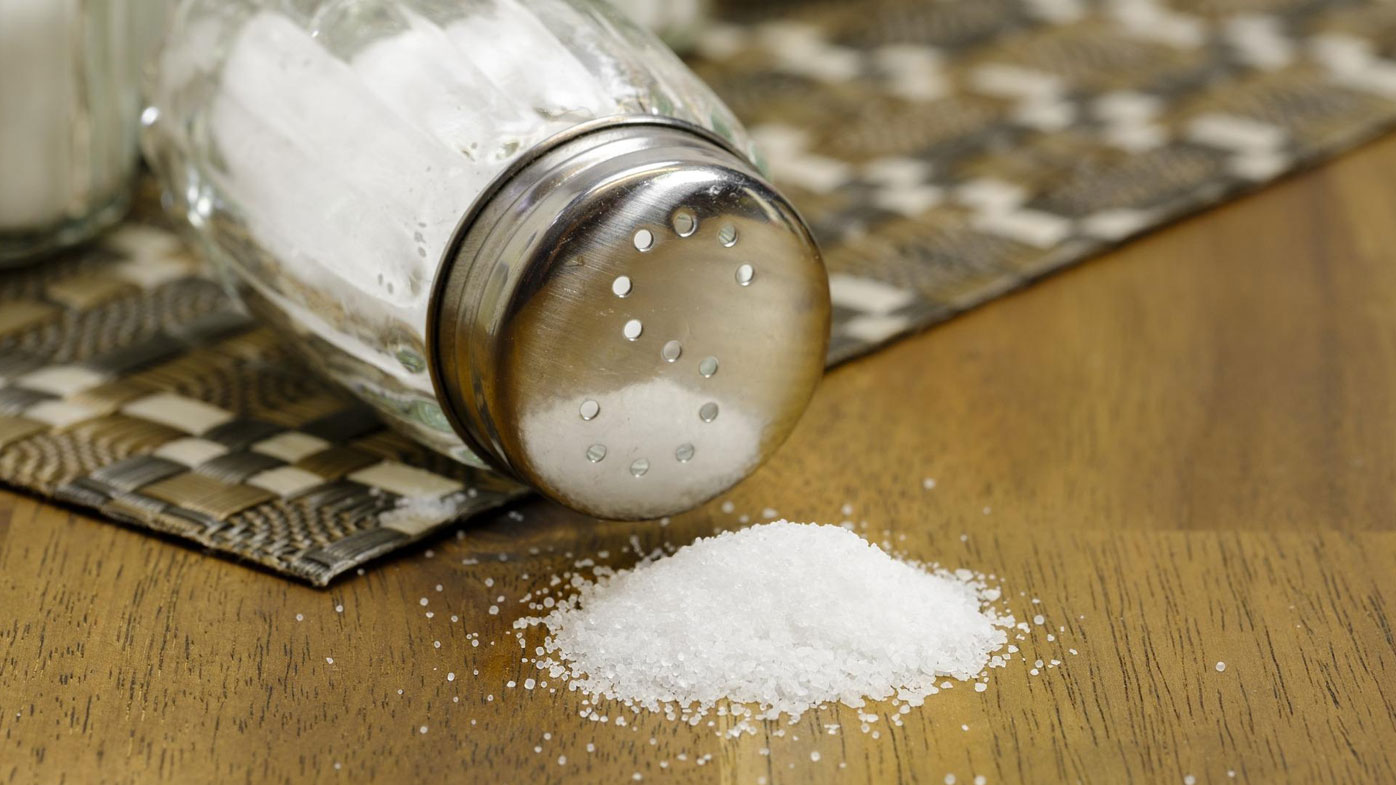
Shaking salt over your food at the table could cut your life short by almost 1000 days, a groundbreaking study which investigated one of the world's most popular condiments and its links to premature death has found.
Compared to people who never or rarely add salt, people who always sprinkle salt on their food have a 28 per cent increased risk of dying prematurely, the study of more than 500,000 people in the United Kingdom said.
At the age of 50, always adding salt to food at the table knocked 1.5 years off the life expectancy of women, and 2.28 years off men, researchers said.
READ MORE: McDonald's successor in Russia will stop selling fries
Professor Lu Qi of Tulane University in the US said, to his knowledge, assessing the relationship between adding salt to foods and premature death was a world-first.
"It provides novel evidence to support recommendations to modify eating behaviours for improving health," Qi said of the study, published today in European Heart Journal.
"Even a modest reduction in sodium intake, by adding less or no salt to food at the table, is likely to result in substantial health benefits."
The peer-reviewed findings had several public health implications, he said.
Government agency Food Standards Australia New Zealand estimates that Australians aged two years and older eat an average of 5.5 grams of salt every day, or slightly less than one teaspoonful.
About 80 per cent of that daily intake comes from processed foods and 20 per cent from salt used at the table or in home cooking.
"There will be many Australians whose sodium intake is higher than this," the agency's website said.
The saltiest foods Australians typically eat are bread and bread rolls, meat, poultry and game products, the health body said, including processed meat, and cereal products and cereal-based dishes such as biscuits, chips and pizza.
"Adding salt to foods at the table is a common eating behaviour that is directly related to an individual's long-term preference for salty-tasting foods and habitual salt intake," Qi said.
In the Western diet, adding salt at the table accounts for 6-20 per cent of total salt intake, the study estimated.
READ MORE: Wrestling legend 'paid millions in hush money' to multiple women
READ MORE: Aussie activist 'crash tackled' by Wimbledon security
Assessing overall sodium intake is difficult, as many foods, particularly pre-prepared and processed foods, have high levels of salt added before they even reach the table.
For these reasons, researchers looked at whether or not people added salt to their food at the table, independent of salt added during cooking.
Researchers analysed data from 501,379 people who took part in a UK Biobank study which measured the level of their salt usage at mealtime.
As well as finding that always adding salt to foods was linked to a higher risk of premature death from all causes and a reduction in life expectancy, researchers found those risks reduced slightly in people who ate high amounts of fruit and vegetables.
READ MORE: Aussie bikie gangs running drug outposts in south-east Asia
Second Melbourne care home charged over COVID-19 deaths
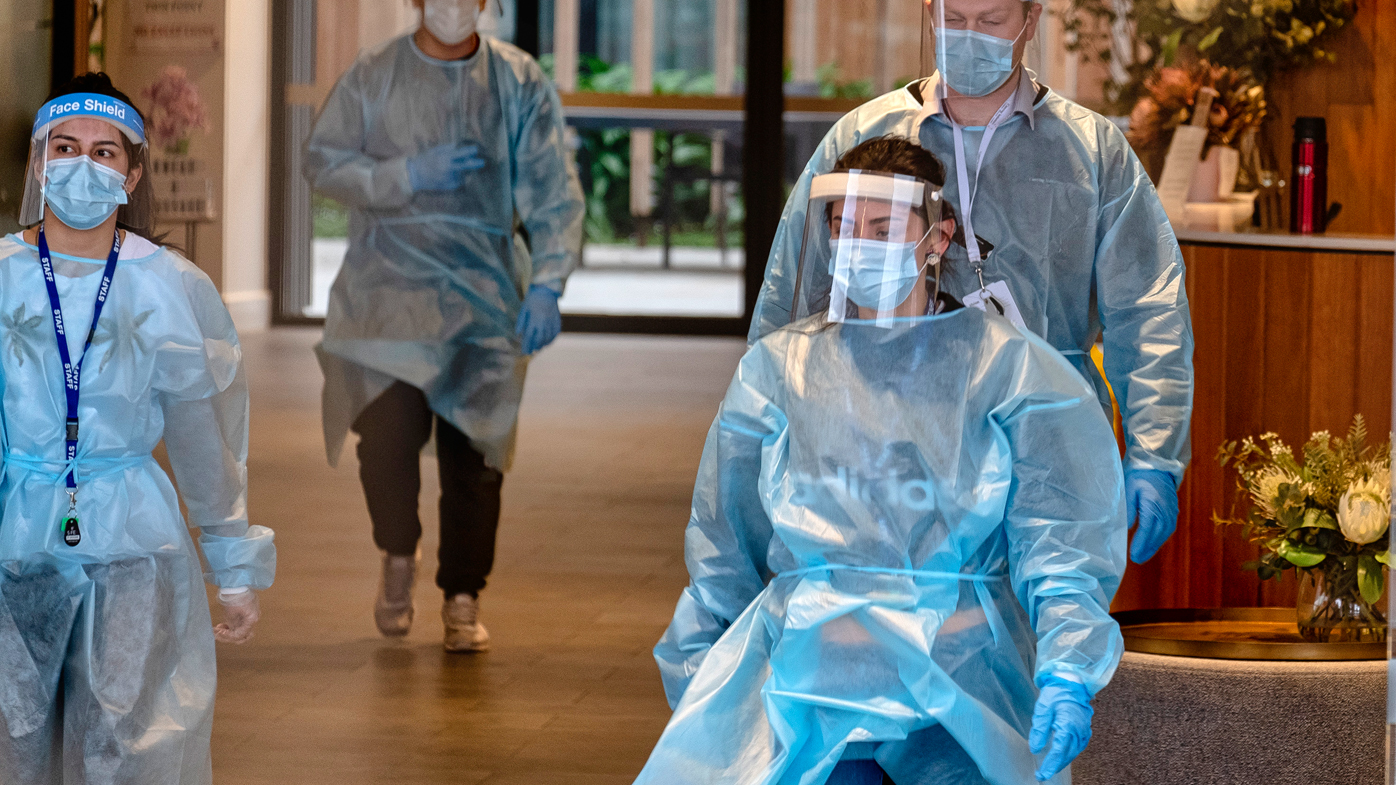
A second Melbourne aged care facility has been charged over its handling of the COVID-19 pandemic, after 34 of its residents died from the virus.
WorkSafe Victoria has charged Heritage Care in relation to the COVID-19 outbreak at its Epping Gardens home in Melbourne's north between March 13, 2020 and July 20, 2020, following a 22-month investigation into its practices.
During those four and a half months, 89 residents and 65 staff members developed COVID-19, leading to 34 residents dying from COVID-19 related complications.
READ MORE: Australia's aged-care sector losing 65,000 workers every year, report finds
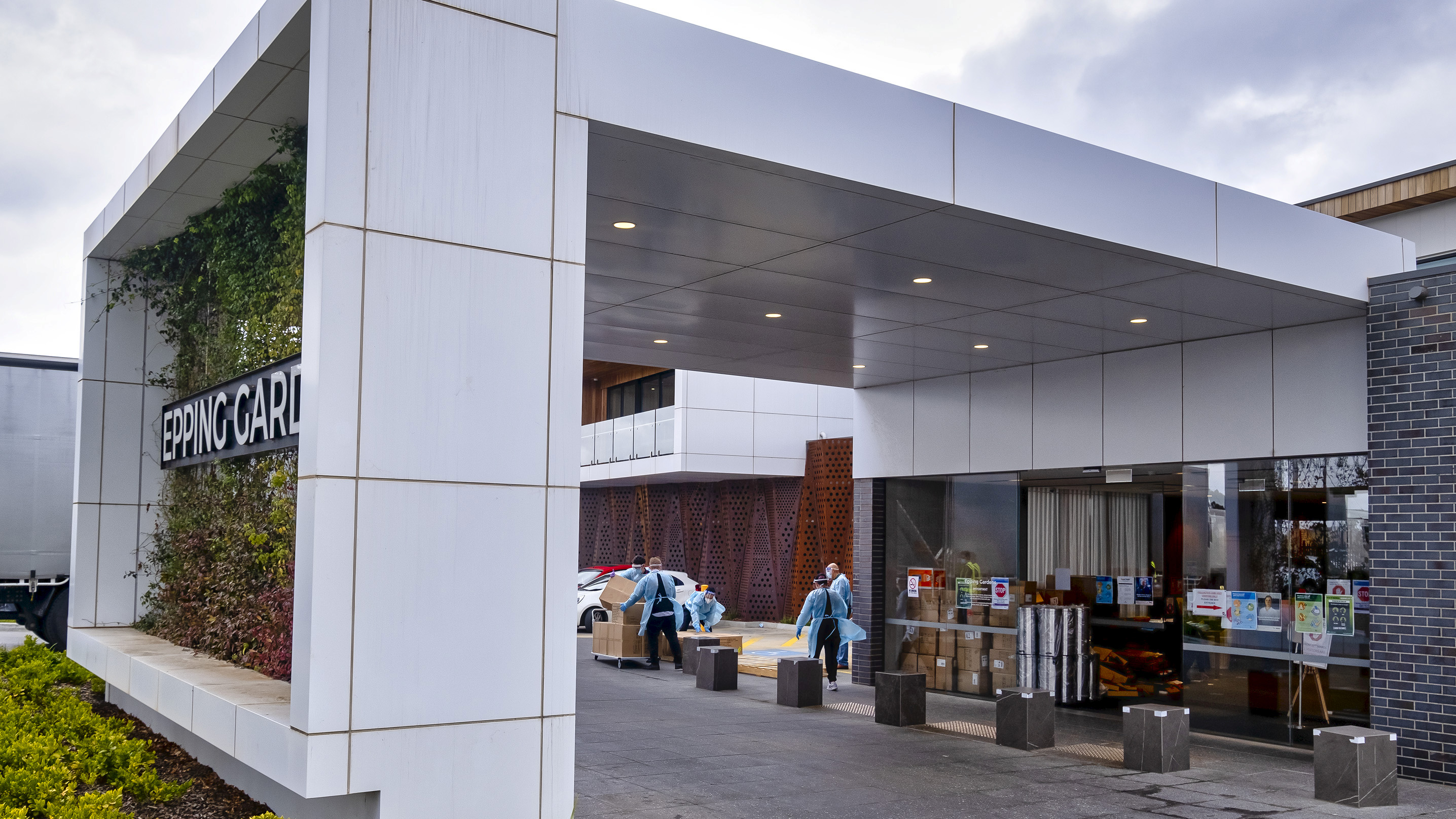
WorkSafe has charged Heritage Care with three breaches of the Occupational Health and Safety Act, saying it failed to provide the necessary training to enable staff to perform their work safely and without risks to health.
WorkSafe has also charged the aged care provider with failed to ensure, so far as was reasonably practicable, that persons other than employees were not exposed to risks to their health or safety from conduct of its undertaking.
The aged care provider has been further charged with failing to ensure, so far as was reasonably practicable, that its workplace was safe and without risk to health.
The maximum penalty for a body corporate for each of these offences is a fine of 9000 penalty points ($1.49 million at the time of the alleged offence).
READ MORE: How many Australians have had short-term reactions to COVID-19 vaccines?
Heritage Care is due to front Melbourne Magistrates' Court on August 8 over the charges.
The company has been charged one week after St Basil's Homes For The Aged was hit with similar charges for its handling of COVID-19 at its Fawkner home, also in Melbourne's north.
A total of 45 residents died of COVID-19 at the home.
WorkSafe has advised that "a number of other investigations relating to the control of COVID-19 related risks in workplaces remain ongoing".
READ MORE: Millions more Australians can get extra COVID-19 booster from today
Teacher accused of inappropriate behaviour at Christchurch's Cashmere High School
Allegations have been made about a teacher being inappropriate towards a student at Christchurch’s Cashmere High School. The Ministry of Education confirmed the school had alerted it to the allegation. Ministry spokeswoman Nancy…
Auckland homicide: Man facing murder charge after woman died in Grey Lynn referred to psychiatric hospital
A man charged with murder after a woman’s death in Grey Lynn has been referred to a psychiatric hospital.A lawyer for the 31 year-old man, who cannot be identified, appeared in the Auckland District Court this afternoon.The defendant,…
John MacDonald: Some of my best friends use cycleways but are they worth the money?
OPINION: We probably shouldn’t be surprised that the number of cyclists using Christchurch’s cycleway network has flatlined since the Covid pandemic, but does it mean it’s time for a bit of a rethink as to whether we need more of…
'Reach out to support agencies directly if you have concerns of rough sleepers in cars': Auckland Council
Auckland Council is reviewing reporting processes to ensure that its teams are better prepared to respond to calls about people sleeping in cars.Last week, a woman found dead in a car in Remuera had been wrongly categorised as a…
Airports braced for check-in and travel chaos as school holidays end
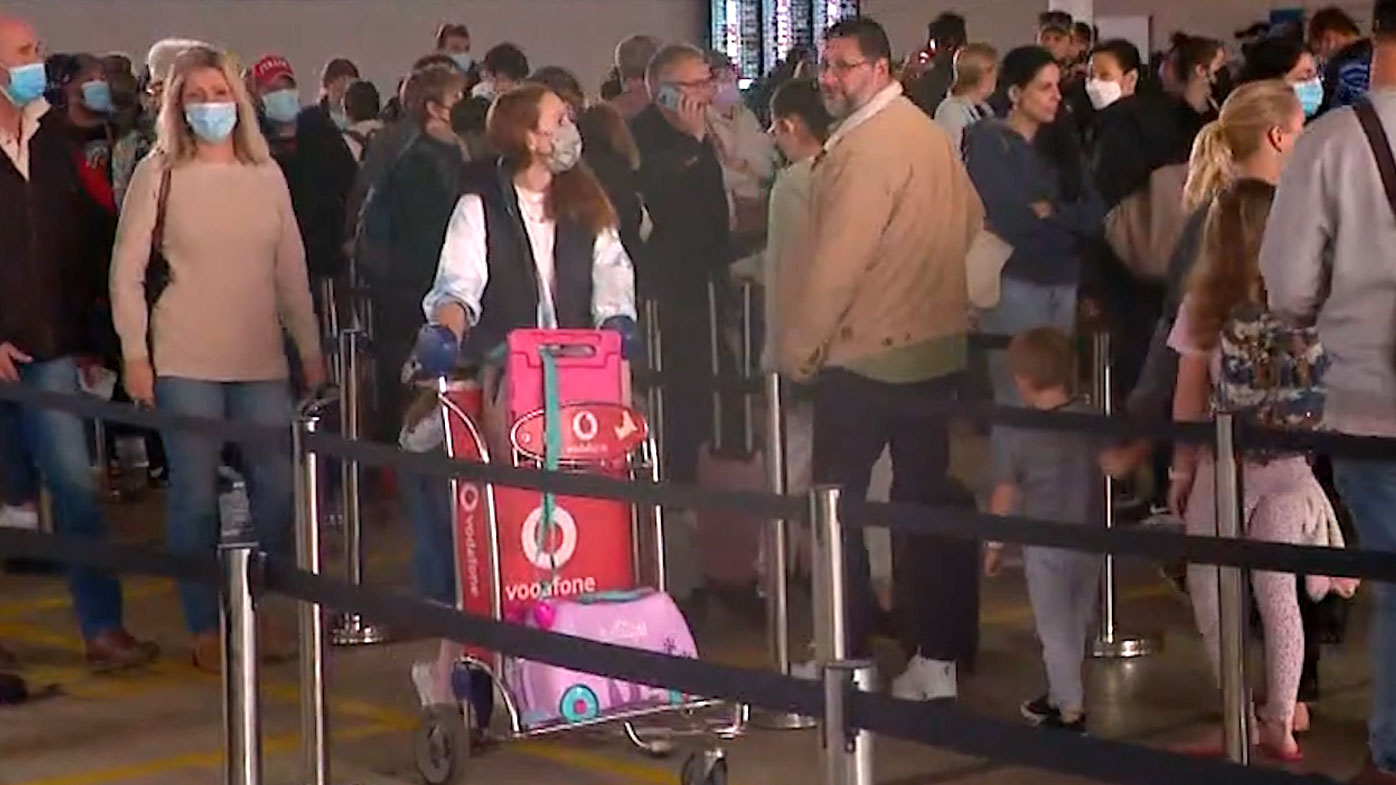
Travellers with the misfortune to be flying this week can expect a return to the hellish airport scenes and excruciating waits suffered at the start of the July school holidays.
Snaking lines, the scourge of all travellers, were back at Sydney and Brisbane airports this morning, as some states start their third school term this week.
With fans flying in for a highly-anticipated State of Origin decider, Brisbane Airport was readying for a tidal wave of 57,000 passengers today, its second busiest day since the pandemic began in 2020.
READ MORE: Former WWE boss 'paid millions in hush money' to multiple women
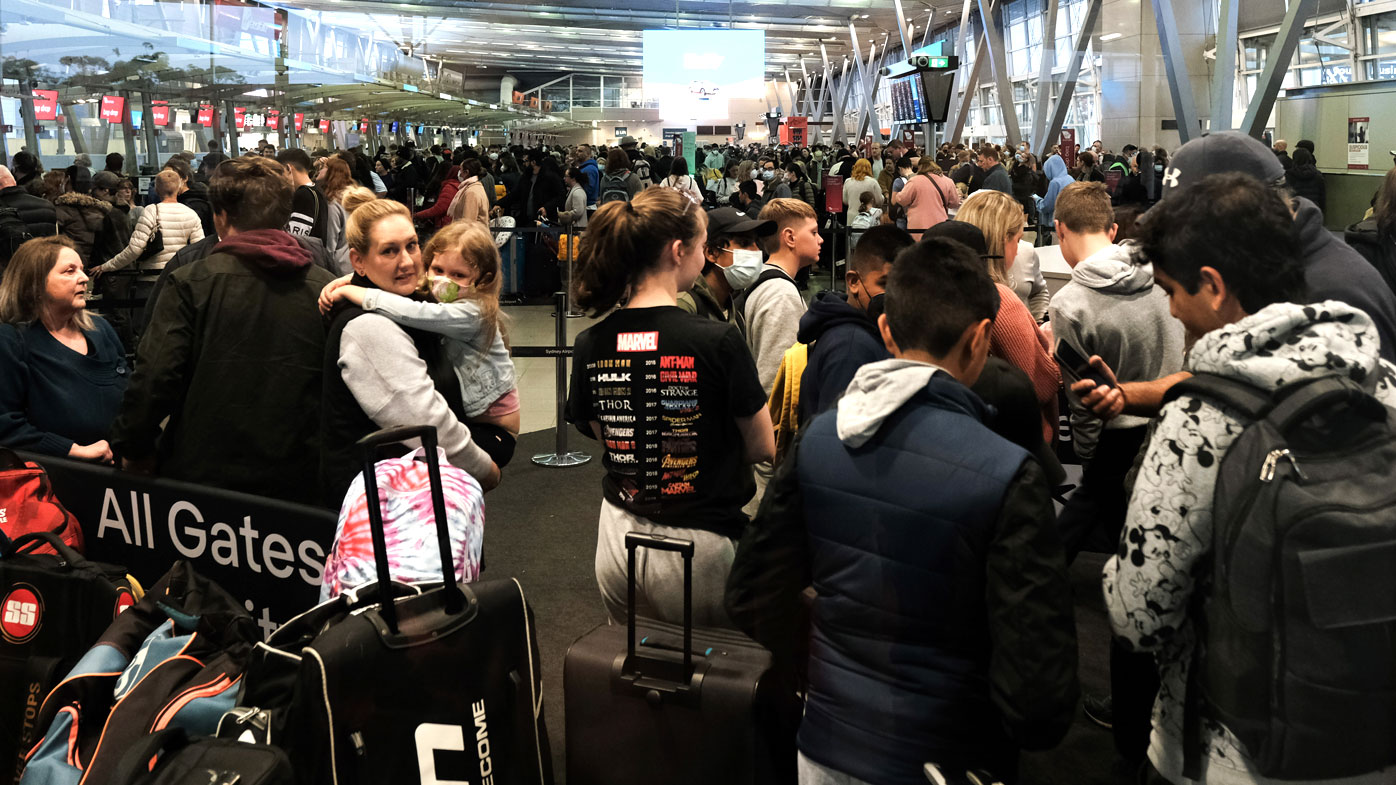
Sydney Airport was expecting almost double those numbers today, with 110,000 passengers estimated to process through its under-pressure terminals.
Figures obtained exclusively by 9news.com.au revealed Sydney Airport had to cancel 15 per cent of all domestic flights at the start of the July school holidays, when lines grew so long they stretched outside terminal doors.
In total, 344 domestic and 59 international flights were axed out of Sydney, as too few staff at the airport were quickly overwhelmed with luggage and check-ins.
The airport has struggled to replace about 15,000 staff it shed during the pandemic, and it is especially short on baggage-handling and security screening workers.
READ MORE: School holiday Bali flight cancelled just hours before take-off
Melbourne and Brisbane fared better than Sydney in the opening days of the holidays, according to the data given to 9news.com.au, with those airports cancelling 9 per cent and 7 per cent of domestic flights, respectively.
Australians have endured infuriating waits at airport terminals since COVID-19 travel restrictions were lifted.
During the Easter holidays, Qantas boss Alan Joyce drew the ire of many when he blamed "not match fit" passengers for delays and chaotic queues which caused some people to miss their flights.
Earlier in the year, some phoning Qantas call centres were left on hold for hours.
READ MORE: Aussie activist 'crash tackled' by Wimbledon security
READ MORE: Aussie bikie gangs running drug outposts in south-east Asia
Last week, analysts at Fitch ratings agency said they expected a "full recovery" in domestic travel by the end of 2023.
It would take another 12 months, around the end of 2024, for international passenger traffic to pre-pandemic levels, they said.
Passenger traffic was down around 30 per cent in April 2022 at Sydney and Melbourne airports combined, compared with April 2019.
Cow on the run in central Whanganui, collides with police officer
Two loose cattle on the run in Whanganui have now been dealt with, but not before a police officer was charged down.At one point one of the cows was at a New Zealand Army facility on Maria Pl near Whanganui central.A witness near…