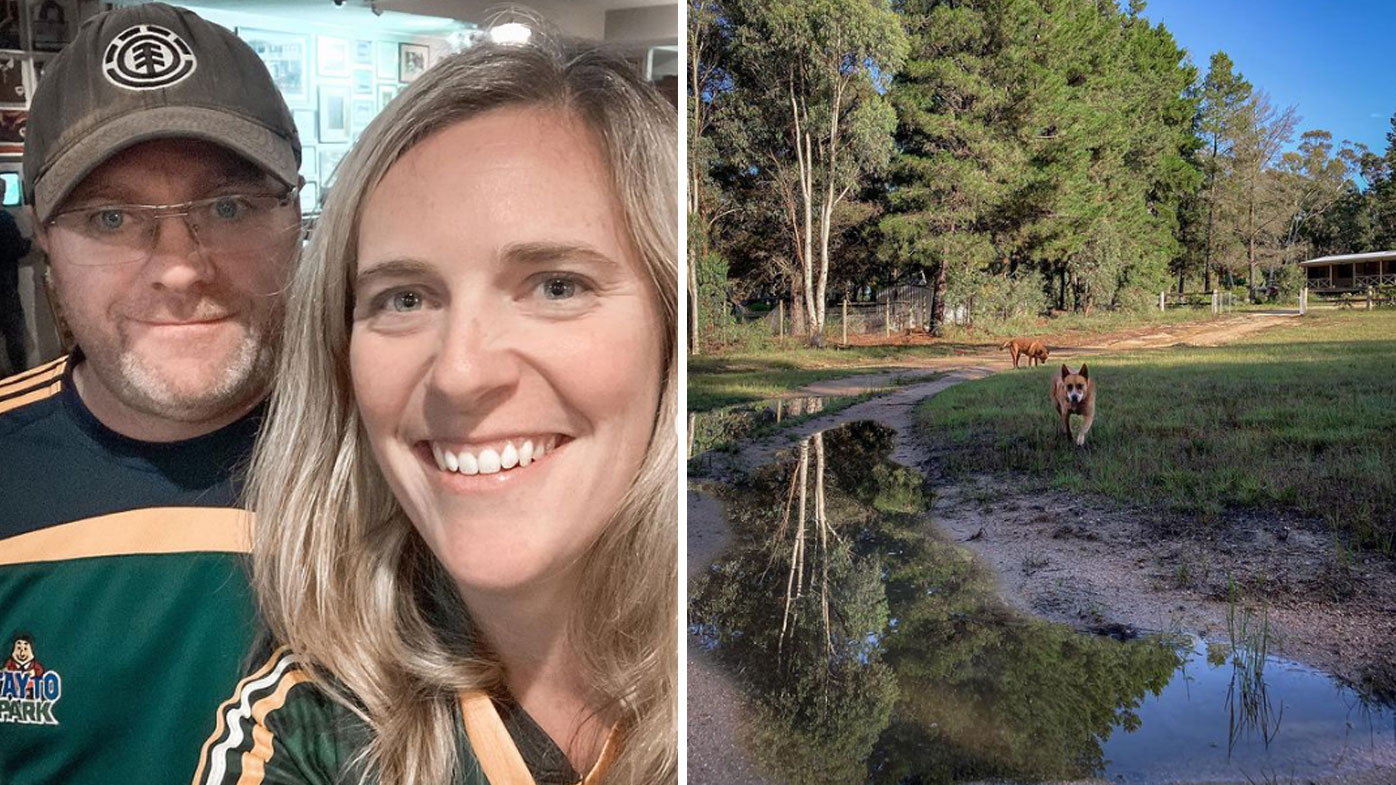
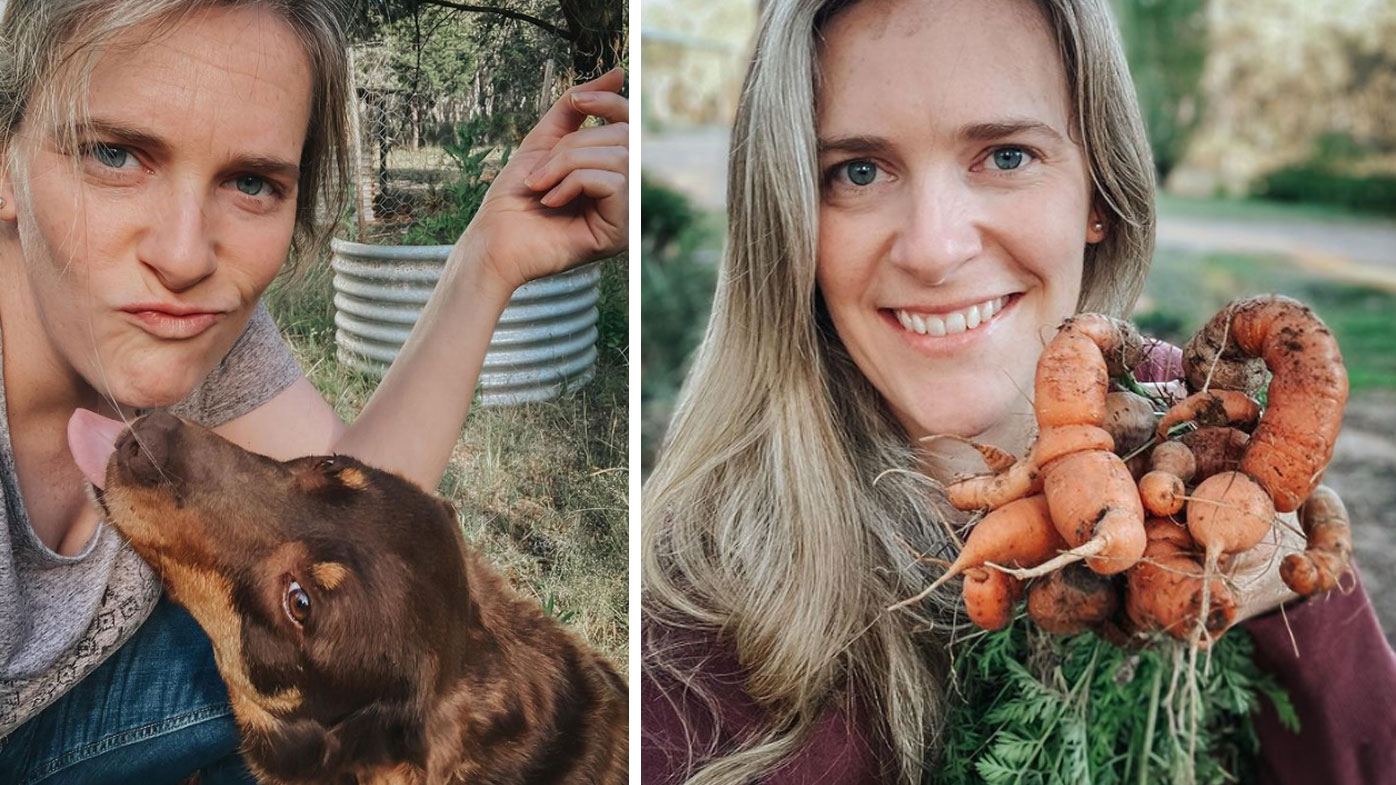
Tilly Monaghan got very used to being called a "hippy" when she and her husband first bought and moved into their off-the-grid property in central NSW almost a decade ago.
But these days, she's no longer copping derisive remarks and is instead fielding detailed questions about how they manage to live disconnected from water, sewerage and electricity services.
"People are a lot more interested in it and are always asking things like, 'How do you cook? How do you boil water?'" Monaghan said.
READ MORE: KFC menu prices to rise again in 2022 as inflation bites
Soaring house, food and energy prices – as well as fears over climate change – appear to have made off-the-grid living an increasingly attractive option, with many people who once considered it too alternative now considering taking the leap.
Facebook groups dedicated to the lifestyle have reported large influxes of new members.
Bek Morris helps run the popular "Off-the-grid Australia" Facebook page, which now has almost 200,000 members.
"This year alone has seen the group nearly double in numbers," she said, adding the interest started during the pandemic and just kept going from there.
"Ever since COVID hit, I've noticed a lot of people trying to get away from the city and go rural.
"The cost of living has also driven people out to this way of life, as well as the rental crisis, and more people want to be self-sufficient."
'You can't just flick on a kettle'
Monaghan said she and her husband, Enda, fell into off-the grid living almost by chance, but the affordable lifestyle was definitely a drawcard.
"We had been looking for a property to buy for a long time and we've been really struggling to find something within our budget and something that we both saw potential in," she said.
"We came across this property and we both fell in love with it.
"It just so happened to be not connected to the grid."
READ MORE: Average home deposit soars to $120,000
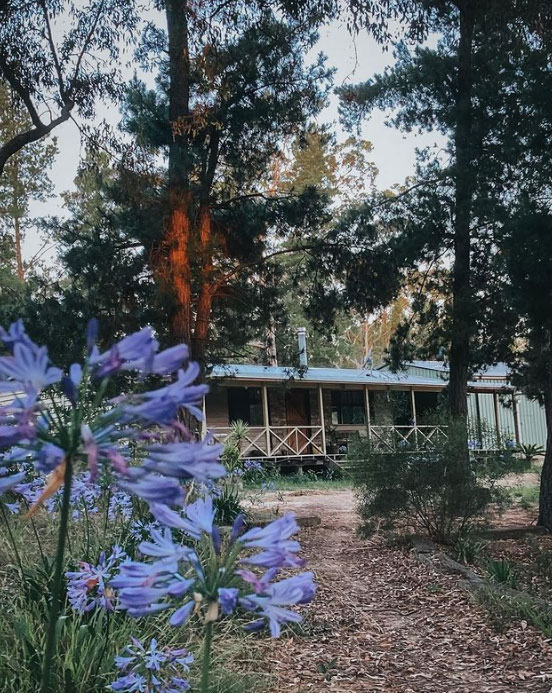
The small, three-bedroom house, about 45 kilometres outside of Mudgee, runs off tank water.
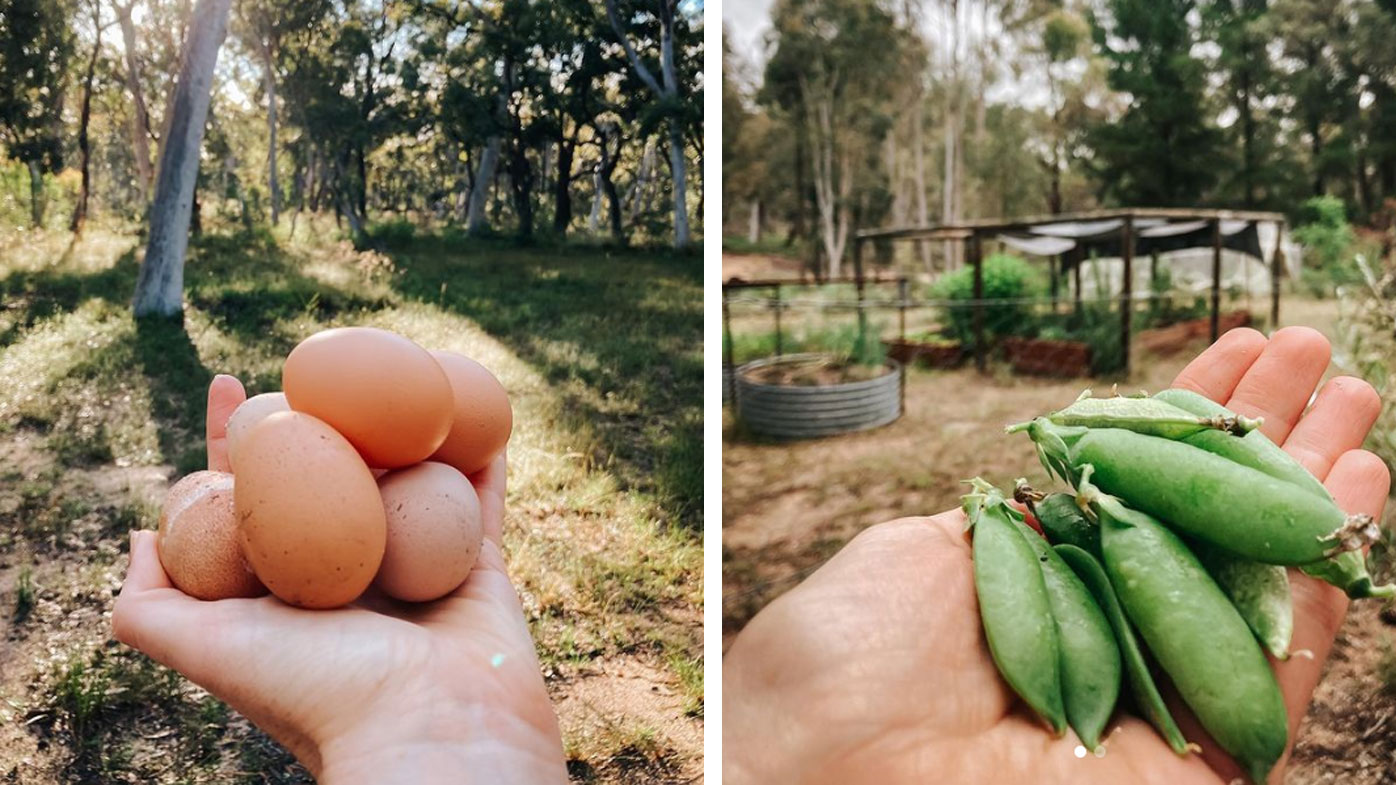
The property's five tanks can store almost 100,000 litres of rainwater, which meant even during the many long years of crippling drought in central NSW they did not run out of water, Monaghan said.
A header tank uses gravity to drip feed water to the house, so no pumps are needed.
Gas is used for hot water and cooking, and 14 solar panels power the house with electricity.
A diesel generator provides backup power when poor weather leads to less electricity being generated by the solar panels.
Having both grown up on rural properties, Monaghan said she and her husband adapted well to off-the-grid living, but some things took a while to get used to.
"It was simple things that were sometimes the most difficult, like you can't just flick on a kettle, or pop a piece of bread in the toaster," she said.
"The toaster in your house uses so much electricity which people wouldn't even realise.
"I also found out I couldn't get up and do my hair some mornings in the middle of winter.
"I can't turn on the blow dryer or the hair straightener because there's been no charge during the night, so if I were to do that, I would flatten the batteries."
The house was hooked up to satellite NBN, making it possible to work from home and watch the latest Netflix shows, she said.
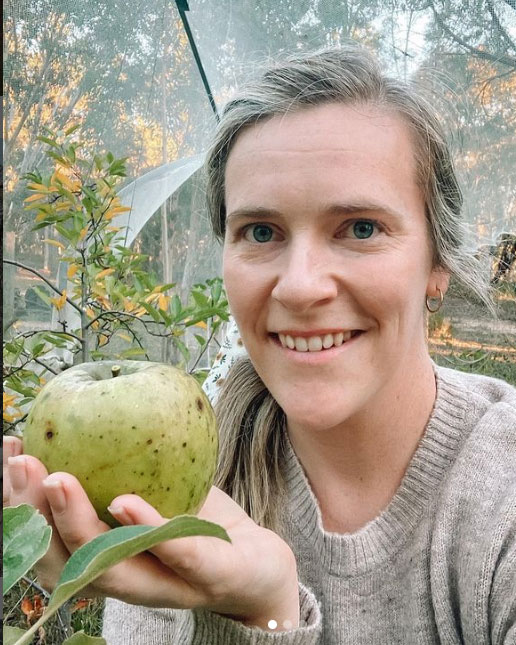
When it comes to food, Monaghan said their household was "more supplemental than self-sufficient".
"Unfortunately, although we love where we live, the soil is very sandy so that affects what can grow in our area," she said.
"But we still grow a lot, we did really well with fruit this year and it's great for green beans and seasonal things like cucumbers and tomatoes.
"We do have sheep, and every year or so we get a piglet as well which we raise and then slaughter ourselves as well.
"We also have a lot of chickens. We haven't bought eggs in years."
The simple life pays off
The couple's food and energy bills are extremely low.
Monaghan estimated she and her husband would spend about $130 on gas per quarter, $100 at most on diesel per quarter, and about $100 a week on food.
"We've been able to pay off our mortgage a lot quicker than what we would have ever been able to living in town and having a lot of those bills," Monaghan said.
READ MORE: One in four Aussies struggling with rising cost of living
"We've lived out here off-the-grid for about nine years and we've nearly completely paid off our 30-year mortgage."
Monaghan, who works part-time from home while studying, said she and her husband chose to work so they could afford to maintain a lifestyle which included travelling overseas.
Technology makes it easier
While she often fielded questions about how to make the leap to off-the grid living, Monaghan said her advice was simple.
"You just have to do it; it's the thinking about it that actually makes it more daunting," she said.
Improvements in technology over the years had made off-the-grid living a lot easier, she said.
"The technology that's out there now is so much better, and really, we don't we don't really miss any of the mod cons."
Dr Rachael Goldlust, from Melbourne's La Trobe University, has researched the increasing number of Australians choosing to live off-the-grid.
While it was once considered a radical way to live, it was becoming more mainstream, she said.
Goldlust said the expansion of the renewables sector and newly accessible technology meant living off-the-grid made economic and practical sense to more people.
"If you were someone in the 80s, that was talking about living off a battery and a solar panel, people would have no idea what you were on about," Goldlust said.
"But the technology has increased to such an extent that it's cheaper, more affordable and more accessible. It's more legitimate too, so you'll see more people talking about living off-grid," she said.
While it was hard to pinpoint how many Australians were now living off-the-grid, climate change and high housing costs were undoubtedly sparking interest in living more simply and sustainably.
"It's something that is more prevalent in rural and semi rural areas, but it's probably way more prevalent than we think it is."
An Australian 'homesteader'
For TJ, who lives with her husband in a semi-rural, five acre property south west of Brisbane, it's a desire to be self-sufficient and live simply that drives her lifestyle.
Although not completely off-grid, as it is connected to electricity services, their property has no water or sewerage connection.
The couple grow about half of their vegetables and are part of a local co-op of growers, which allows them to sell or swap what they don't need.
Hens provide eggs, and plans to start breeding chickens will soon supplement their meat intake as well.
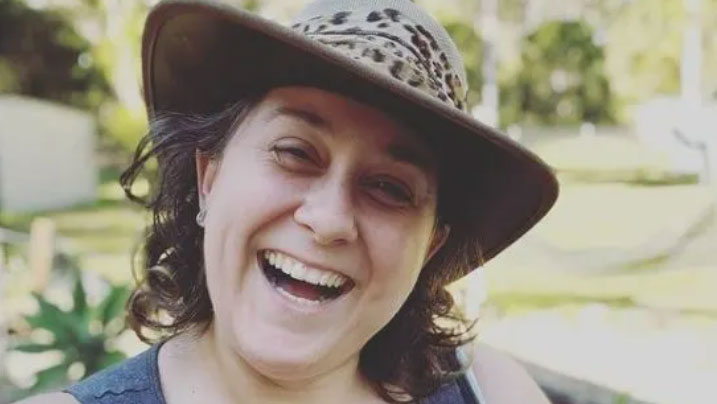
TJ said she identified with the concept of "homesteading", a lifestyle of self-sufficiency, but not so much in the way the term was used in the US.
"In America they are a bit more extreme. I think that there's been homesteaders in Australia for a long, long time," she said.
"I just don't think that we called ourselves homesteaders because I think the American connotation was that if you were a homesteader, you know, you had this bunker, you had all this ammunition, you were ready to go to war."
Homesteading often involves using traditional skills. TJ said she started out making her own soaps her herself, but now also sells them online.
The business has also expanded recently to include homemade skincare products.
TJ said homesteading came naturally for her and harked back to the way her grandparents, who are from Europe, lived in villages, producing and preserving their own food.
"I think that it's kind of skipped my parent's generation, but then for my generation, we saying, 'wait a minute, we actually prefer to do things that way and to maintain those older traditional skills'."
Contact reporter Emily McPherson at em********@******om.au.