Firefighters smashed their way into a burning Auckland home last night to rescue a young man who’d woken to fire but became disoriented and couldn’t get out.The man was taken from his home in Kitemoana St, Ōrākei, to hospital…
Category Archives: headline
Human rubbish found on Mars by NASA rover
A discarded thermal blanket has been found on Mars by the NASA Perseverance Rover.
The rover's Twitter account posted a photo of the human-made rubbish trapped between rocks on the planet.
"My team has spotted something unexpected: It's a piece of a thermal blanket that they think may have come from my descent stage, the rocket-powered jet pack that set me down on landing day back in 2021," the tweet said.
READ MORE: Can restaurants legally charge more on weekends and public holidays?

"That shiny bit of foil is part of a thermal blanket – a material used to control temperatures.
"It's a surprise finding this here: My descent stage crashed about two kilometres away. Did this piece land here after that, or was it blown here by the wind?"
The rover was wrapped in thermal blankets prior to its departure to Mars to control the machine's temperatures.
READ MORE: Trump belittled Pence with vulgar taunts in bid to overturn election results
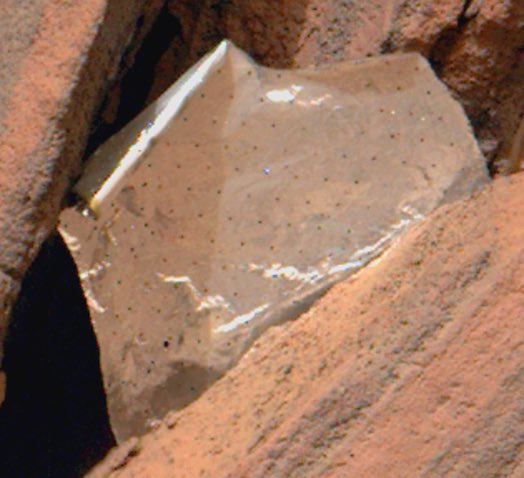
Scientists believe the thermal blanket was discarded on the planet during the rover's descent but are now trying to work out whether it landed there or was blown there by wind.
The Perseverance Rover landed on Mars in February 2021 and is collecting data about the planet.
Perseverance, the biggest, most advanced rover ever sent by NASA, stood to become the ninth spacecraft to successfully land on Mars, every one of them from the US, beginning in the 1970s.
The car-size, plutonium-powered rover was aiming for NASA's smallest and trickiest target yet: a five-by-four-mile strip on an ancient river delta full of pits, cliffs and fields of rock.
Scientists believe that if life ever flourished on Mars, it would have happened three billion to four billion years ago, when water still flowed on the planet.
Covid 19 Omicron outbreak: 11 deaths with Covid and 4404 community cases amid nursing 'crisis' warning
Eleven more people have died with Covid-19 and there are 4404 new cases of the virus in the community today.There are also 356 people in hospital with the virus, including three in intensive care, according to the Ministry of Health.The…
Long COVID-19 impacting brains for over a year, research shows
New research has shown long COVID-19 is causing brain fog and memory loss in patients for more than a year.
The study found about 20 per cent of those suffering from long COVID-19 can experience brain impairment for at least 12 months without improvement.
Long COVID-19 is categorised as people suffering from symptoms like brain fog, fatigue, and shortness of breath a month after contracting the virus.
READ MORE: Can restaurants legally charge more on weekends and public holidays?
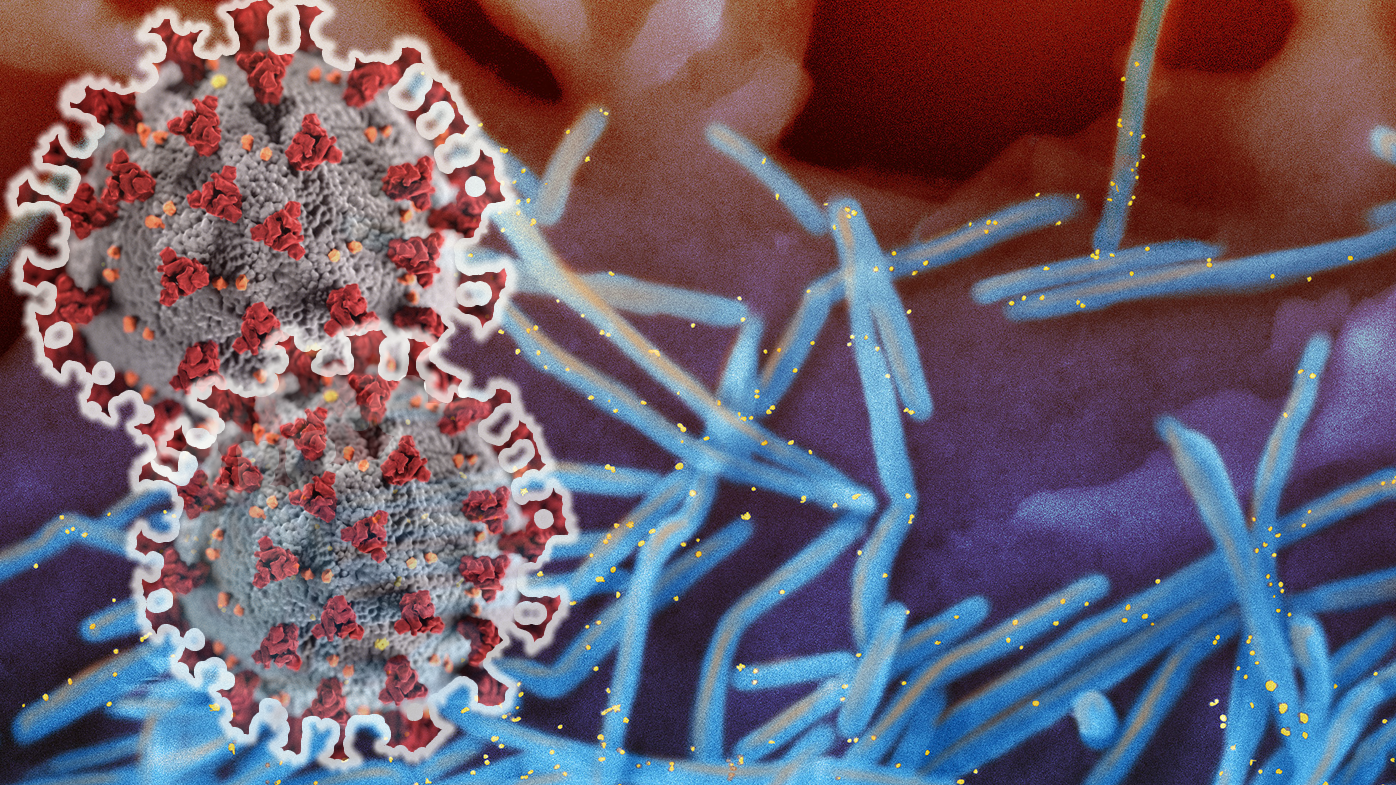
Professor Bruce Brew from Sydney's St Vincent's Hospital said researchers have analysed 128 patients over 12 months and found the impacts of long COVID-19 on the brain don't go away after a year.
"We're hopeful it will take another year or less to see some improvement in their condition but we just don't know," he said.
"The study has also identified a marker of cognitive impairment – a nerve toxin in a particular pathway in the brain, which opens up the possibility of repurposing existing drugs to modulate this toxin, which could potentially give us a treatment."
READ MORE: Trump belittled Pence with vulgar taunts in bid to overturn election results

Brew added those suffering from long COVID-19 didn't necessarily become really sick with the virus when they had it.
"There's a common misconception that if you're not severely ill with COVID then you won't experience brain fog, but in our study nine out of ten of those suffering long COVID were not hospitalised," he said.
Professor Steven Faux helps run the long COVID clinic at St Vincent's Hospital and said he is seeing eight to 10 new patients a week with the disease, primarily young people.
"What we're finding is it's actually affecting younger people, and they're finding it really difficult to be able to continue working," he said.
READ MORE: Thousands of cattle dead in US feedlots after heat spikes
Researchers added long COVID-19 has debilitating effects on sufferers and the symptoms have been likened to a traumatic brain injury.
"The impact of long COVID on some is significant. I had one patient, a businessman who had to sell his business because he could no longer focus on contracts and negotiations during meetings," Brew said.
"We're seeing people with slow thought processes and confusion which is very similar to a Traumatic Brain Injury," Faux added.
A clinic at St Vincent's Hospital in Sydney treats patients with long COVID-19.
The research will be heard at the National Brain Injury Conference.
Push for native wildlife to be allowed as pets
When people think of pets, animals like dogs, cats, fish and even birds would spring to mind.
But most would probably never have thought about keeping a swamp wallaby or a western quoll as a companion inside the home.
Even fewer would have pondered over adopting a grey-headed flying fox, a rufous bettong or a yellow-bellied glider.
One New South Wales paleontologist is desperately trying to change that.
READ MORE: How Tasmanian tiger's closest relative could help resurrect species

Mike Archer, professor of Biological Science at the University of New South Wales, is leading the push within the state to allow residents to keep native Aussie fauna as pets, in a bid to conserve endangered populations and ensure that non-endangered species do not follow the same trajectory.
The concept has already been adopted in Victoria and South Australia and is steadily gaining momentum in the science world and among conservationists.
Some think native wildlife should remain, as the name suggests, in the wild.
But Archer said the concept is far from provocative, having shared his home with over 25 native Australian species in his lifetime.
He acknowledged not all species would make ideal companions, however a certain number of marsupials in particular are "entirely suitable" and make "absolutely exquisite" pets.
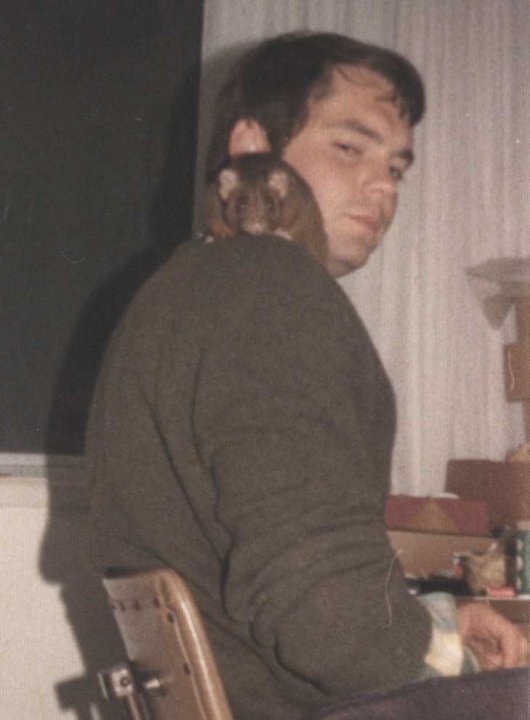
"The big problem we all have to face is that wildlife is increasingly no longer safe in the wild," Archer told 9News.com.au.
"The alien animals that we've introduced into the wild areas of Australia is just slowly obliterating the wildlife. And we have to accept that fact.
"I feel we've got responsibilities to be smart and find strategies that are going to bring back the future for many of these animals that are otherwise going to go extinct."
He claimed arguments against keeping wildlife as pets don't stand up.
Some insist it would take decades to properly domesticate native animals and that they could bring diseases into the home.
Others argue the animals simply would not want to be human pets, and instead should run free in the wild.
However, after further analysis, many of these points don't match the evidence, according to Archer.
"All of the objections I've ever heard are usually based on ignorance, or lack of experience or having actually understood how the animals will react with us," Archer said.
"As soon as we put our arm around animals, and bring them close, their future is secure.
"No animal that we've ever done that to has gone extinct.
"The ones that do go extinct are the ones that we assumed, somehow foolishly, should be just left on the other side of the fence to they'll look after themselves when demonstrably, that's not what's happening. They're declining."
READ MORE: 'Lost' species rediscovered after more than 100 years
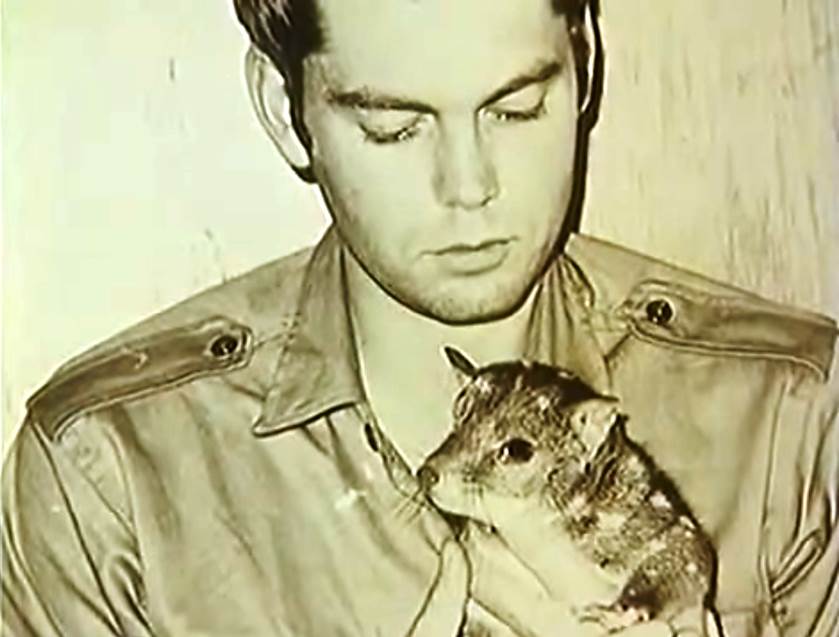
RSPCA Australia is one organisation who are firmly opposed the idea, stating that it would be "very challenging" concept to achieve.
"RSPCA Australia is opposed to the taking of animals from the wild to be kept as pets," Dr Di Evans, Senior Scientific Officer, RSPCA Australia told 9News.com.au.
"In many cases they require specialised husbandry and facilities to mimic their natural environment and meet their behavioural and physiological needs, and ecological requirements, which is very challenging to achieve in most domestic environments.
"Domestic animals have been selectively bred for hundreds or even thousands of years to ensure they have behavioural and physiological qualities that make them appropriate companions.
"In contrast, wild animals are adapted to the wild, rarely enjoy human company or handling and are predominantly nocturnal in their habits."
In places like Russia, within 50 years of selective breeding Siberian foxes, the animals became domesticated to a point where they now are now remarkably similar to our beloved dogs.
Initially "ferocious" wild animals, they are now completely tame.
Their ears became sloppy, their tails bagged, and many Russians now keep them as "wonderful pets", Archer said.
"But in my experience with Australian marsupials it doesn't take anything like that amount of time," he said.
"Almost all the animals I had were one generation animals.
"I'm not arguing that all are appropriate to be kept as pets, but I certainly know that there are many that are entirely suitable as human companions.
"One that gave me the greatest pleasure was a western quoll – which should be called a central quoll because they were once in all the mainland states of Australia, until our cats drove them out – which I had for about five years.
"The other was my swamp wallaby, but I'd have to say, most of the possums that I've had made wonderful companions as well. Things like yellow belly gliders, sugar gliders, squirrel gliders."
Some of the critters were so affectionate in the home, Archer said, that they would even follow him around the house, the possums would sit on his shoulder and the swamp wallaby on his lap while watching TV.
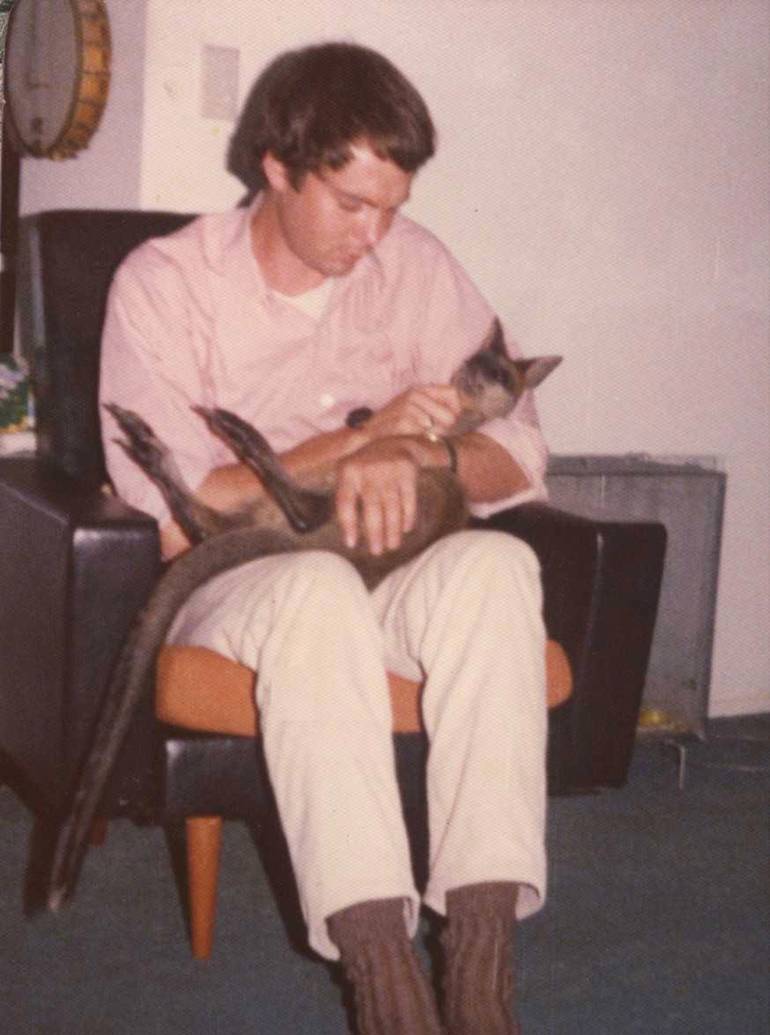
"My quoll was an obsessive user of kitty litter box, there's no way that he would have done his business other than in the kitty litter box," he said.
"My experience is, once they bond to you – and that happens very quickly within one generation – they want to be with you."
Archer argued against letting species go extinct because humans don't consider it "proper" to have a relationship with them.
"Are we just so happy to let them go extinct? Because we don't think it's proper for us to have a relationship with these animals?" he asked.
"Do we think that our dogs actually need vast amounts of living space because they're actually wolves. It's just not true. They can live in homes. Animals get used to and are comfortable with the situations they're raised in."
Archer noted that to be suitable as pets, animals would have to have been raised from young and would therefore require specific breeding facilities, permits and a regulated industry.
"The money people would pay to buy a special companion of that kind, would be able to be committed to conservation of the species in the wild," he said.
Pointing toward the thylacine (Tasmanian tiger), Archer said that the loss is a stark reminder of the impacts of human's interference in wildlife and serves as a warning for what may happen to hundreds of species in the very near future.
"While it was being persecuted in Tasmania, there were many people who were keeping thylacines as pets, quietly, because it was frowned upon," he said.
"Governments at the time, ultimately and unfortunately, required people to turn in their animals – many any of which ended up in zoos.
"My question is, if it had not been frowned upon, if it were a supported initiative and if those people who discovered that they did make very fine companions were embraced, would the thylacine be extinct today?
"The answer is no."
Newspaper Cover for 17th June, 2022
The post Newspaper Cover for 17th June, 2022 appeared first on The St Kitts Nevis Observer.
Summit of the Americas was worth attending
Sceptics, including persons like me, who have attended many inter-governmental meetings where statements are made and eventually discarded, are tempted to see proof before accepting sincerity. But there was an electricity in the Biden encounter that appeared more credible; it generated a sense that something might actually come of it.
The post Summit of the Americas was worth attending appeared first on The St Kitts Nevis Observer.
Florida: Miramar to Host 2022 Juneteenth ‘Unite Against Racism’ Celebration
By Santana Salmon The City of Miramar will host a Juneteenth celebration under theme Unite Against Racism, on Monday, June 20, 2022, from 5:00 p.m. to 8:00 p.m. at the Miramar Multi-Service Complex Ballroom located at 6700 Miramar Parkway, Miramar, FL 33023. The special guest speaker for the evening will be award-winning author, educator, producer and […]
The post Florida: Miramar to Host 2022 Juneteenth ‘Unite Against Racism’ Celebration appeared first on The St Kitts Nevis Observer.
Jamaica Elected Vice President of 77th United Nations General Assembly
By Santana Salmon Jamaica has been elected as one of three Vice Presidents of the 77th Session of the United Nations General Assembly from the Group of Latin American and Caribbean States. The country will be represented by Brian Wallace, Ambassador and Permanent Representative of Jamaica to the United Nations – New York and by […]
The post Jamaica Elected Vice President of 77th United Nations General Assembly appeared first on The St Kitts Nevis Observer.
WORLD VIEW: Biden-‘Recession Not Inevitable,’ Israel Kills Palestinian Gunmen, China’s New Aircraft Carrier, 2 Dead in Alabama Church Shooting, More
Trending | View in Browser June 17, 2022 w Here is today’s selection of top stories from The Associated Press at this hour to begin your day. Today’s Headlines The AP Interview: Biden says recession is ‘not inevitable’ WASHINGTON (AP) — President Joe Biden told The Associated Press on Thursday that the American people are […]
The post WORLD VIEW: Biden-‘Recession Not Inevitable,’ Israel Kills Palestinian Gunmen, China’s New Aircraft Carrier, 2 Dead in Alabama Church Shooting, More appeared first on The St Kitts Nevis Observer.