Australia Foreign Minister Penny Wong says her country has “a lot to learn” from Aotearoa-New Zealand in developing an indigenous foreign policy. Wong and Foreign Minister Nanaia Mahuta met at Parliament in Wellington today for…
Category Archives: headline
Fuel prices higher than when Government announced cuts to ease pain at the pump
Petrol prices are as high if not higher than when the Government slashed fuel excise duties by 25c a litre in March, and now diesel is more than $3 a litre in some places. Sky-rocketing prices have the Automobile Association warning…
A tonne of cocaine camouflaged as potatoes seized at Colombian port
Police have seized a container with 1000 kilograms of cocaine disguised as potatoes and frozen chips in the northern Caribbean shores of Colombia, South America.
More than 50 people, as well as sniffer dogs, worked to uncover the drugs before they were shipped from the Port of Cartagena to Spain.
Anti-Narcotics Police Major General Ricardo Augusto Alarcón Campos said police received a tip from an anonymous caller regarding the shipment.
READ MORE: World's largest central bank makes biggest rate hike in 28 years
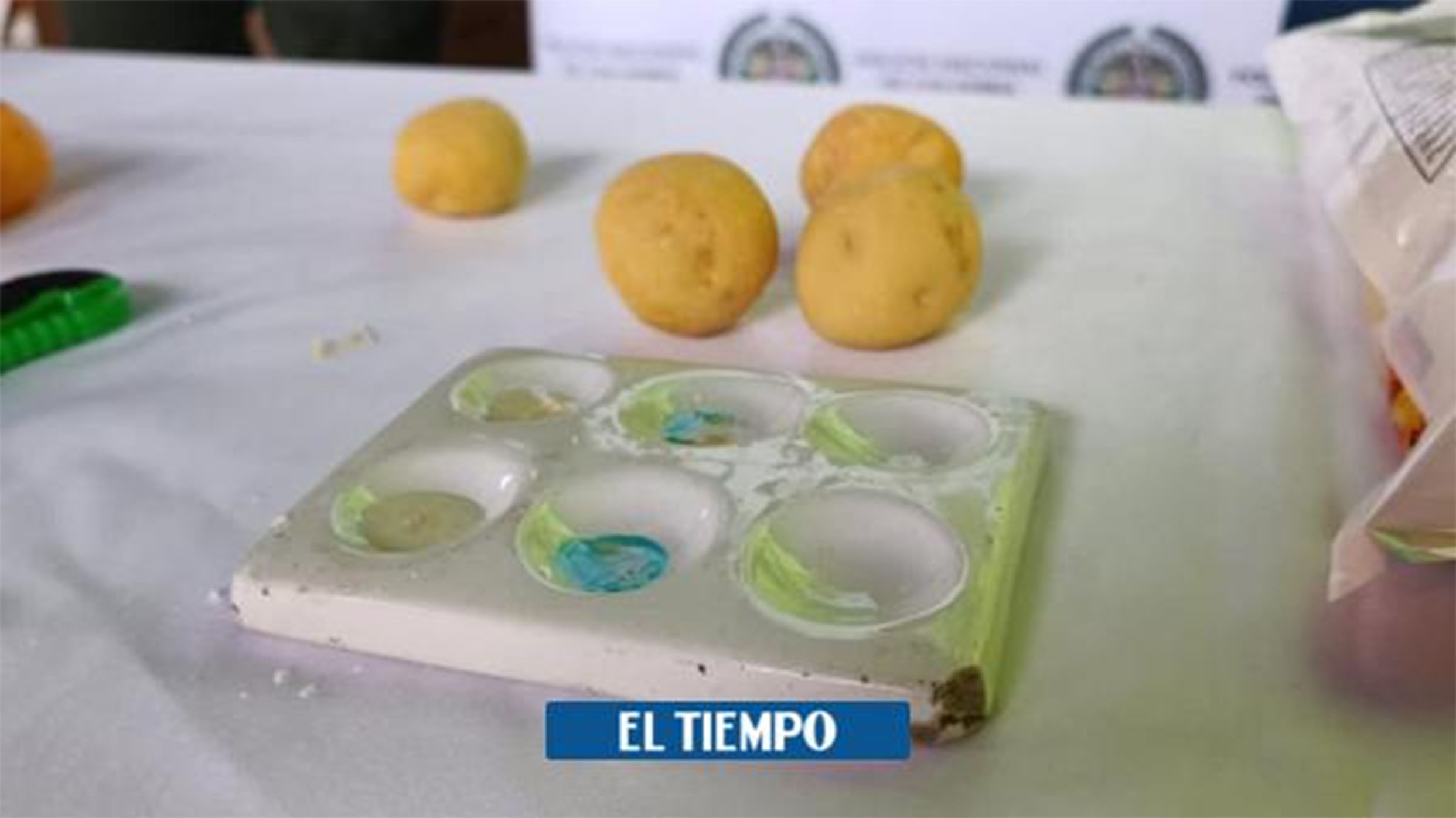
"This may be the most innovative case discovered by drug traffickers in recent years, they had designed the drug in irregular molds simulating croquettes of cassava and papa criolla," Campos said.
"The cooperation and support of the people who manage the maritime terminals in the country has been fundamental, we will continue working together to find those responsible and discover who is behind this shipment."
Colombia's National Police Major said the counterfeit potatoes and frozen chips located were extremely deceiving, but that the packaging had no expiration date which caused some suspicion.
https://twitter.com/mindefensa/status/1537223433808920576?ref_src=twsrc%5Etfw
"The review was costly, each bag had to be uncovered and each of the frozen tubers had to be checked, the irregular shapes of the cassava and potatoes once they are peeled and cut into squares aroused some suspicion among the uniformed men," Campos said.
"Today we reaffirm our commitment in the fight against the drug trafficking, this is how we have been recovering the trust of businessmen and exporters."
Man admits threats to kill – and to blow up the Beehive
An eight-year-old girl tried to stand her ground to stop her mother being hurt when Jason Edward Tier began smashing things with a mop.Her brave efforts did not succeed. Thirty-four-year-old Tier grabbed the woman and threw her…
What's in a name? Court brings seven-year legal battle over the word 'ombudsman' to a close
The Court of Appeal has put an end to seven years of legal battles by directing that a private company that handles disputes in the financial services industry can call itself an “ombudsman”. The court’s decision overrules repeated…
Kāpiti Art Studio artist invited to exhibit in Southland
When it comes to art there’s no right or wrong.Each Thursday morning artists of different abilities gather together at Kāpiti Art Studio to create, paint, and produce artwork of all kinds.One of them, John Jensen, has been…
Herald afternoon quiz: June 16
Test your brains with the Herald’s afternoon quiz. Be sure to check back on nzherald.co.nz for the morning quiz tomorrow. To challenge yourself with more quizzes, CLICK HERE.
Abuse in care: Child made to stand in the corner for 3 weeks as punishment for 'peeking at birthday gift'
By Andrew McRae of RNZ A woman, who moved between numerous foster-care placements during her state care, says the then Social Welfare Department was a faceless agency that did not take responsibility for those in its care.Ms…
'I was living in fear': Call for easier access to genetic cancer testing
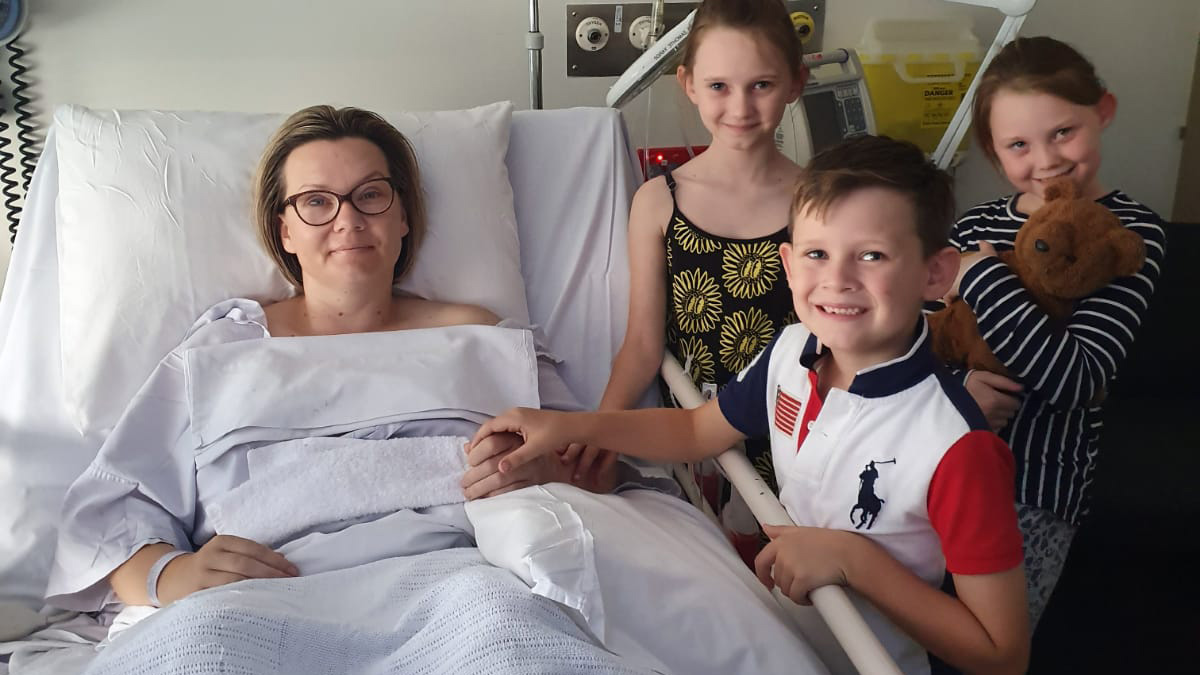
When mother-of-three Beck Thomas, 41, was told she should have a preventative mastectomy after testing positive for a cancer-causing gene mutation, she burst into tears.
But six months later, after having counselling to ensure it was the right option for her, she was in hospital for the surgery.
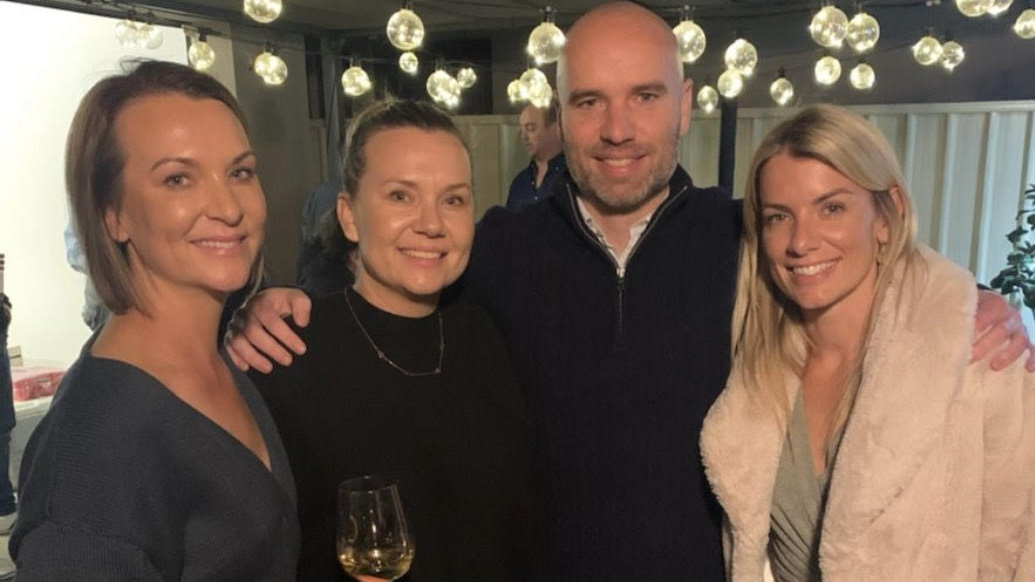
Her younger sister, Lee, had been diagnosed with breast cancer at 31, and the Melbourne woman had just found out she was around 50 per cent likely to develop it too.
READ MORE: Call to make electric vehicles louder to help people who can't see them
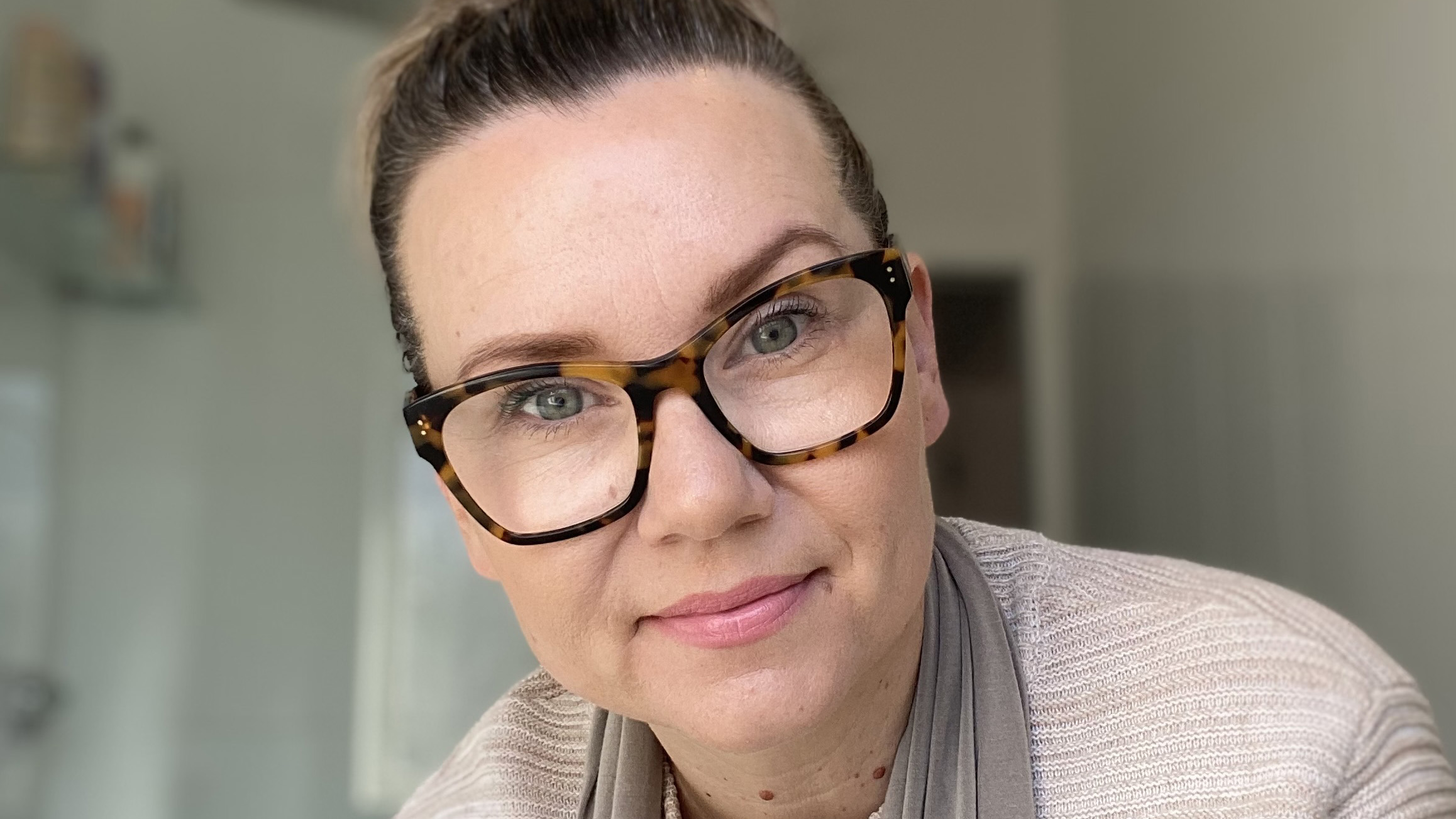
Now she's had the surgery and reconstruction, she admits she feels "in control" of her future, rather than worrying about the results of her annual MRI, mammogram and ultrasound.
"Every year when I would be coming up to my annual trifecta of imaging, I would be so stressed out," she said.
Thomas, whose grandmother died from breast cancer, is backing a campaign for greater testing access for those at risk.
Cancer charity Pink Hope is pushing for an expansion of the testing criteria so more people can access publicly funded tests if they would like one.
People generally need to have been diagnosed with cancer or have two or more close relatives who have, to get publicly funded testing.
Pink Hope says new analysis from medical genetics firm Invitae found that up to two-thirds of Australian breast cancer patients with high-risk, hereditary gene variants would not currently qualify for genetic testing.
READ MORE: Mum-to-be told she'd developed asthma. She had lung cancer
"I think that it should be available to more people who aren't quite meeting some thresholds," Thomas said.
Thomas' mother Jenny, and other sister Jaimie, 33, also have the same cancer-causing gene mutation, called PALB2, and her older sister, Kristi, died of brain cancer aged 21.
Thomas had been offered the testing alongside her siblings and mother, but never imagined all of them would have the mutation.
"I was the last one to get my results," she said.
READ MORE: Scientists working on 'heat-seeking missile' to destroy melanomas
"We all thought 'what are the chances all of us are tested are going to carry the mutation?'"
In a few years Thomas will face the choice of having surgery to remove her ovaries too.
Pink Hope says around one in 20 women with breast cancer and about one in seven of women with ovarian cancer have an inherited mutation in a known high-risk cancer gene.
Carriers of BRCA1 and BRCA2 genes have between 40 and 60 per cent chance of developing breast cancer.
PALB2 means 'Partner and Localiser of the BRCA2 gene'.
Research shows people with that mutation have a 17 percent chance of developing breast cancer before 50, and a 53 per cent chance by 80.
New mum faces mastectomy
New mum, Ashleigh Hood, 26, has also tested positive for a cancer-causing gene.
Her mum Sanet has had breast cancer, as have other relatives.
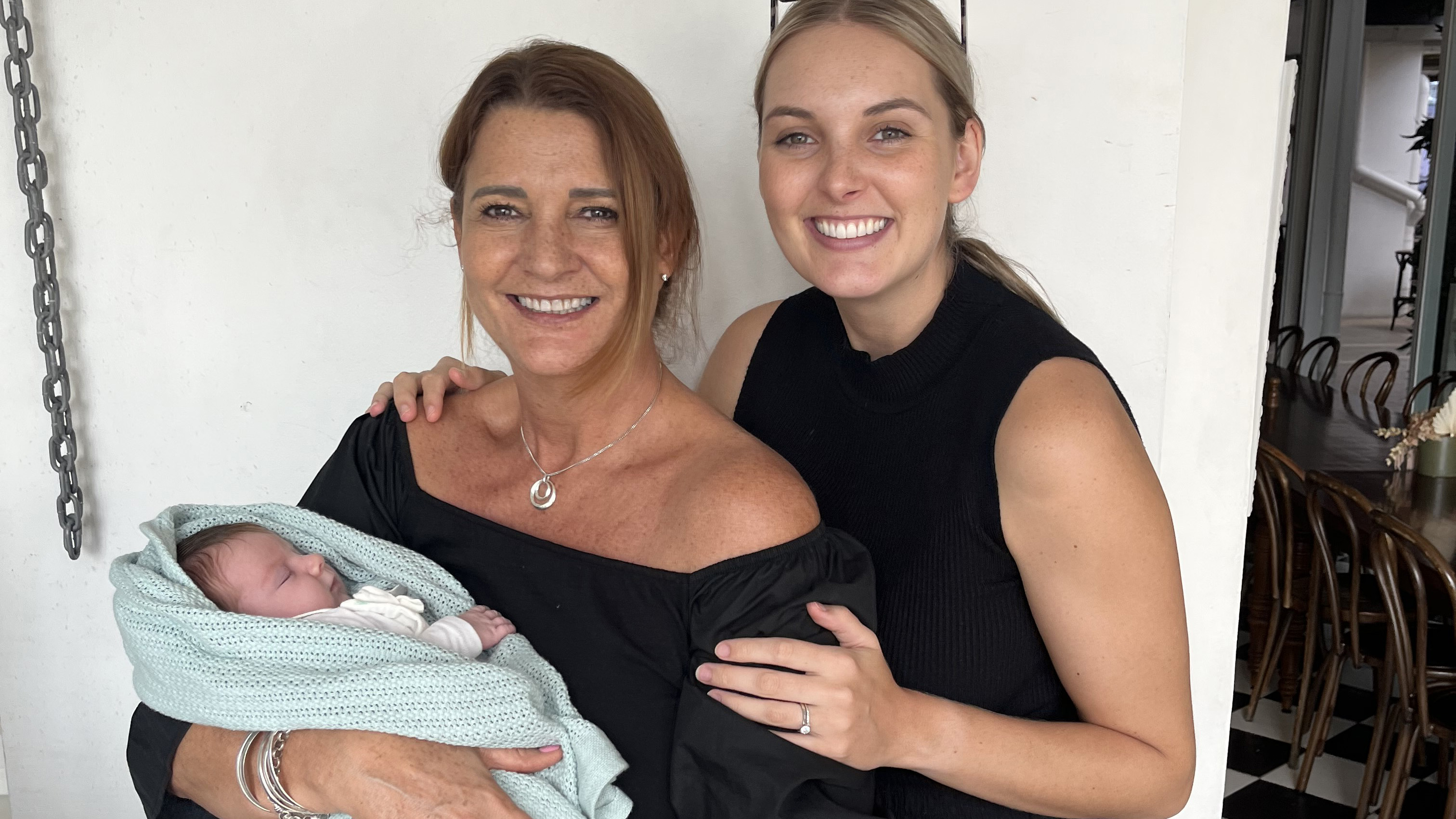
As she's breastfeeding her new baby Layla, the Brisbane primary school teacher isn't yet opting for surgery after a test revealed she has the BRCA2 mutation.
But it's a plan for the future.
"For me, doing the test just kind of confirmed everything. I was always scared and living in fear of what might happen," she said.
"Even though it came back positive, it gave me access to a lot more screening options and that brought some relief."
READ MORE: Vape in seven-year-old's bag exposes Australia's black market dilemma
Sarah Powell, chief executive officer at Pink Hope, said they want more people to qualify for a public-funded test if they want it, as many family members of cancer patients are unable to access them.
They also want the process to be easier to navigate, so have launched a new resource to help people navigate genetic testing options.
"Our organisation's mission is to empower people to have a genetic test at the earliest possible point in their pathway, where the potential to avoid a cancer diagnosis is in reach," she said.
"There's a very high threshold to qualify for a publicly-funded genetic test, so many family members are unable to find out if they are at increased risk."

Pink Hope founder Krystal Barter found out aged 22 she had the BRCA1 gene and had preventative surgery.
It was around the time actress Angelina Jolie also had surgery to reduce her cancer risk after discovering she had the gene.
An Australian Health Department spokesperson said in 2020-21 $6.8 million in Medicare benefits was paid to fund around 14,400 genetic test services.
It said it has also given almost $3m to Ovarian Cancer Australia for a program to identify women at significant genetic risk of cancer who have not previously been tested for the BRCA1/2 gene mutations.
"Medicare currently funds a range of genetic tests for people with breast and/or ovarian cancer, at their doctor's request," a spokesman said.
Contact reporter Sarah Swain: Ss****@******om.au
Glacier the size of UK melting at fastest rate for 5500 years
A massive Antarctic glacier nearly the size of Great Britain is melting faster than it has in the past 5500 years, a new study has found.
Antarctica is covered by two huge ice masses: the East and West Antarctic Ice Sheets, which feed many individual glaciers.
Because of the warming climate, the WAIS has been thinning at accelerated rates over the past few decades.
READ MORE: Extra school year planned for millions of Aussie children
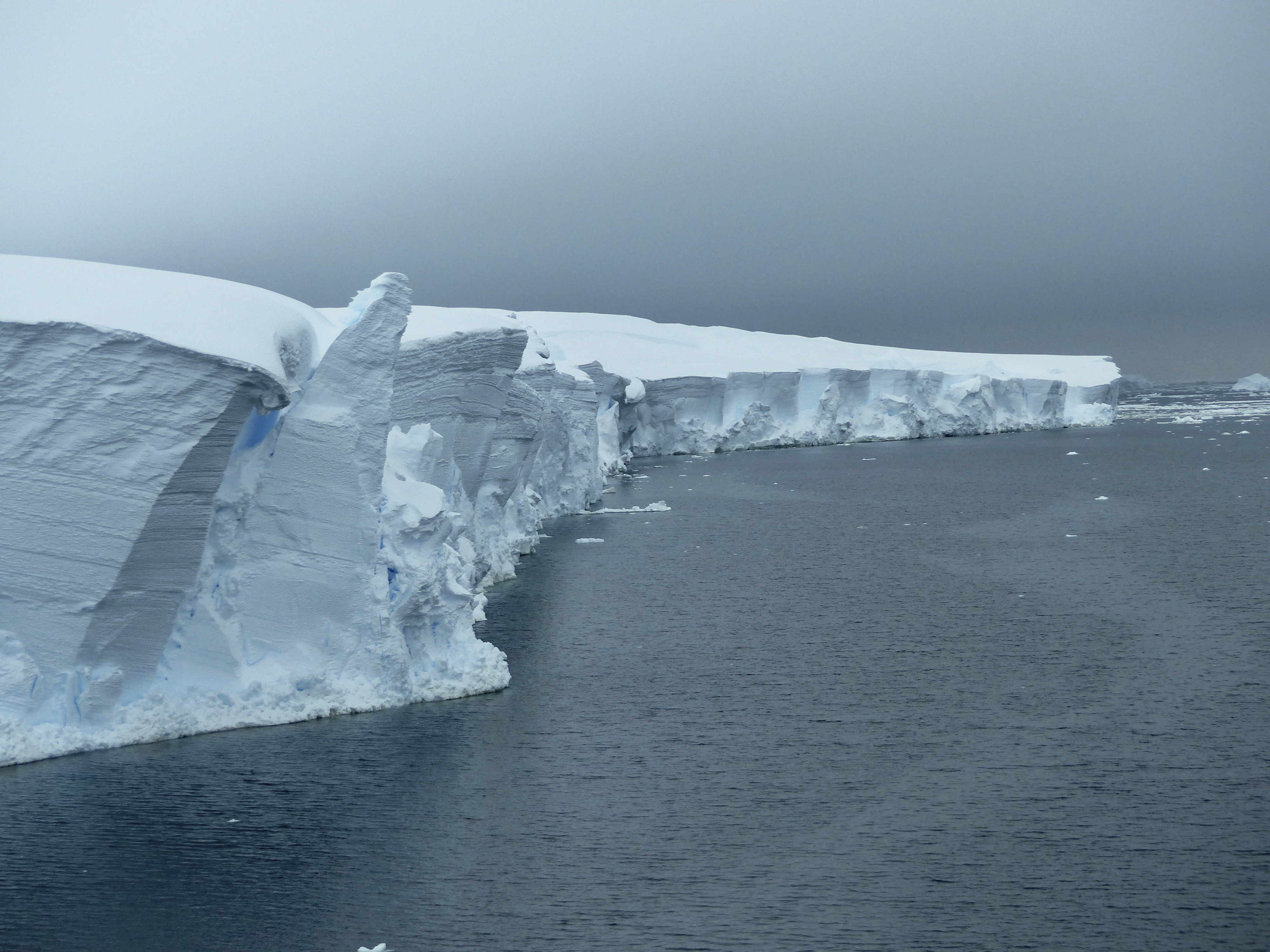
Within the ice sheet, the Thwaites and Pine Island glaciers are particularly vulnerable to global warming and are already contributing to rises in sea level.
The Thwaites glacier is nicknamed "Doomsday" for its rapid rate of melting.
Now, a new study led by the University of Maine and the British Antarctic Survey, including academics from Imperial College London, has measured the rate of local sea level change – an indirect way to measure ice loss – around these particularly vulnerable glaciers.
READ MORE: World's largest central bank makes biggest rate hike in 28 years
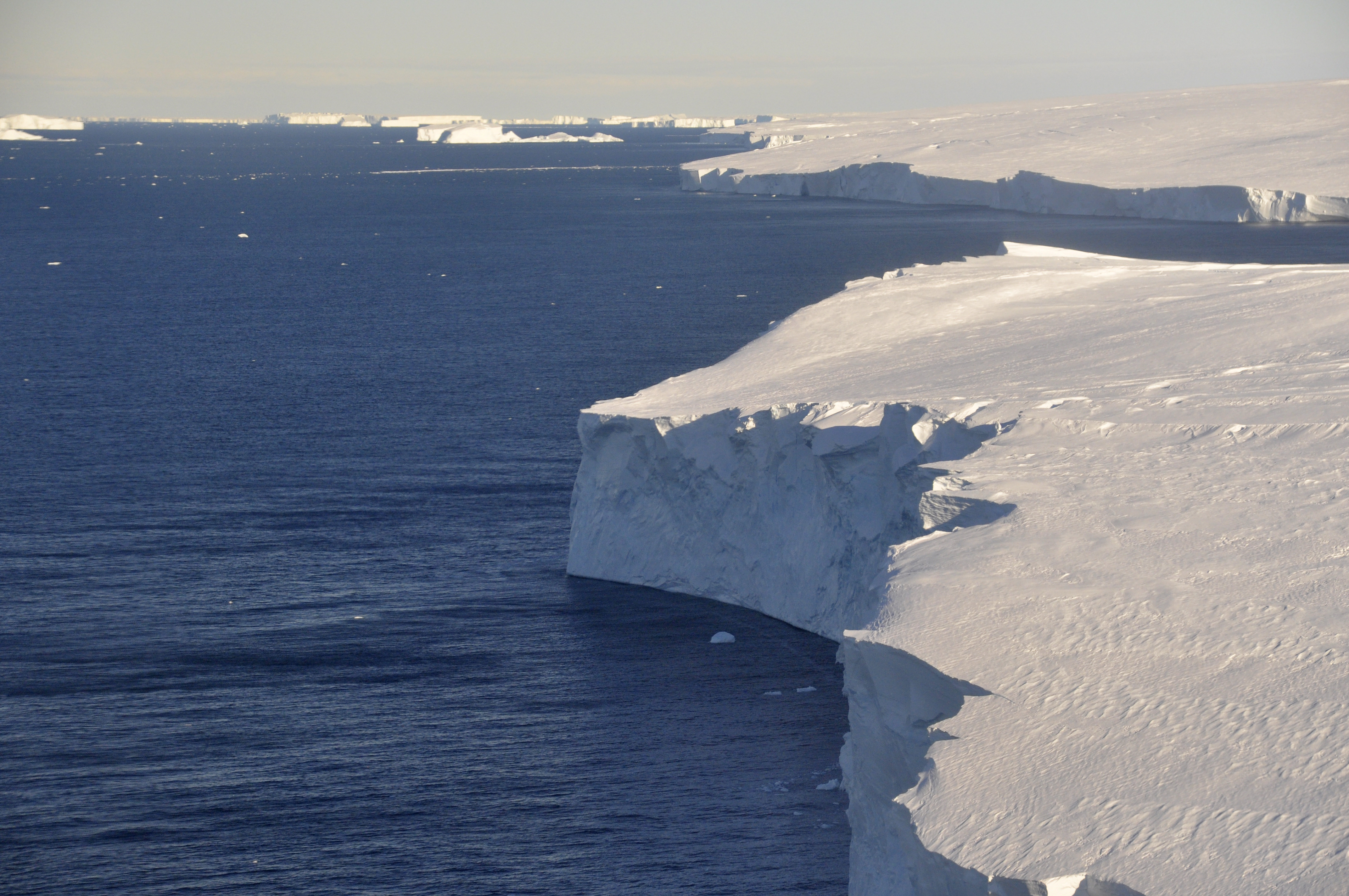
They found that the glaciers have begun retreating at a rate not seen in the last 5500 years.
With areas of 192,000 square kilometres (nearly the size of the island of Great Britain) and 162,300 square kilometres respectively, the Thwaites and Pine Island glaciers have the potential to cause large rises in global sea level.
At the current rate of retreat, the study authors found, the glaciers could fuel a 3.4m rise across the next several centuries.
READ MORE: Medieval tombstones could reveal surprise origin of Black Death
"Although these vulnerable glaciers were relatively stable during the past few millennia, their current rate of retreat is accelerating and already raising global sea level," co-author Dr Dylan Rood said.
"These currently elevated rates of ice melting may signal that those vital arteries from the heart of the WAIS have been ruptured, leading to accelerating flow into the ocean that is potentially disastrous for future global sea level in a warming world. We now urgently need to work out if it's too late to stop the bleeding."
The paper is published in Nature Geoscience.