Emergency services are responding to a fire in Auckland’s Ōtara.A police spokesperson said police were at the scene of a suspicious house fire in Berrett Place.Police were called to the address about 2.30pm.There was no…
Category Archives: headline
Weather forecast: The big chill and snow to hit NZ by Friday, forecasters say
Brace yourselves for the big chill – weather experts are forecasting the “first proper winter blast of 2022” to hit the country this coming weekend.MetService says a northwesterly flow will bring significant amounts of rain across…
Chinese warplane interception shows limits of Australian power in disputed sea
The "dangerous" interception of an Australian military reconnaissance aircraft by a Chinese warplane last month is a stark lesson for the new Labor government about dealing with the superpower, one expert says.
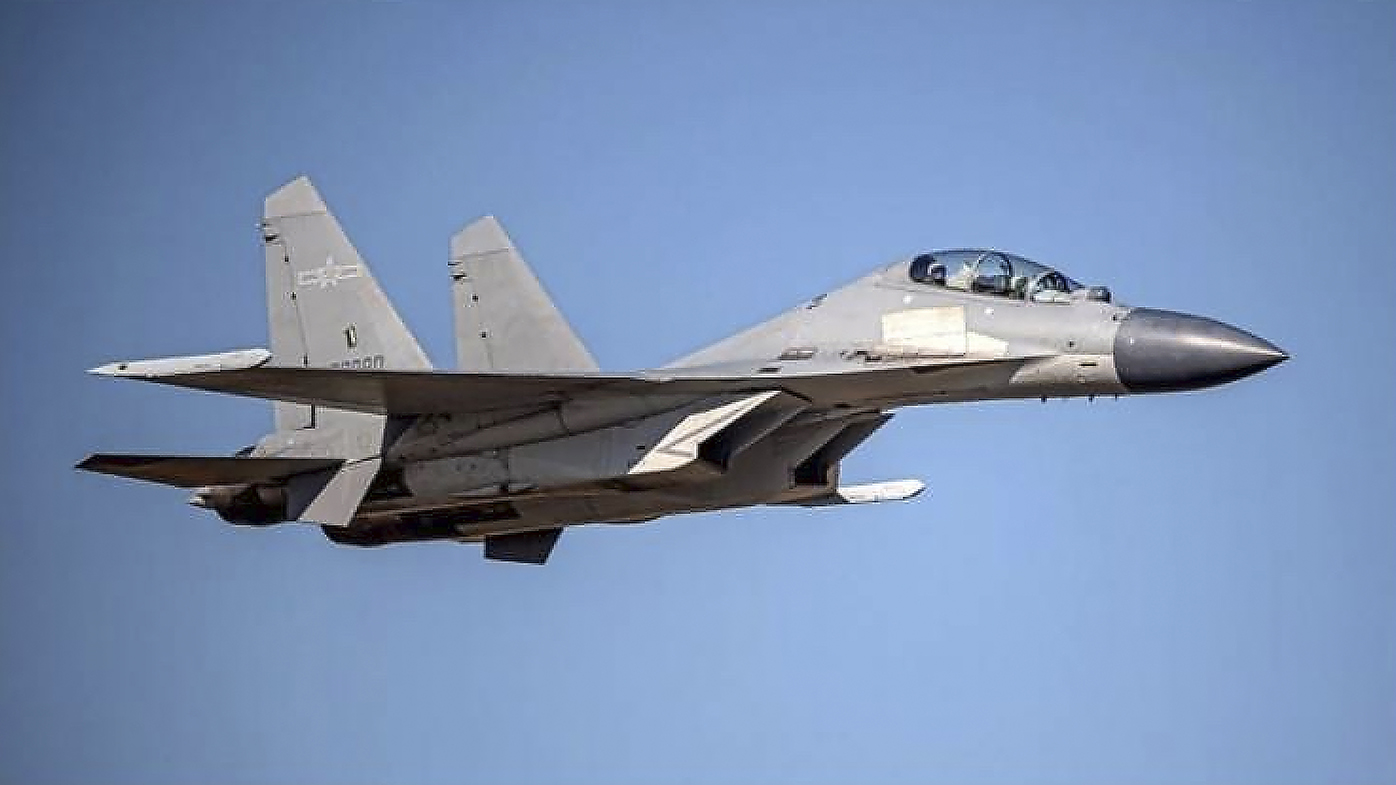
The Royal Australian Air Force (RAAF) P-8A Poseidon was conducting routine surveillance in international airspace above the South China Sea on May 26 when the J-16 jet flew "very close", set off flares and dropped chaff in its path, the Defence Department said.
Defence Minister Richard Marles said yesterday the federal government had raised its concerns over the "very dangerous" intercept with the Chinese government.
READ MORE: Australia 'hyping' warplane interception, Chinese state media says
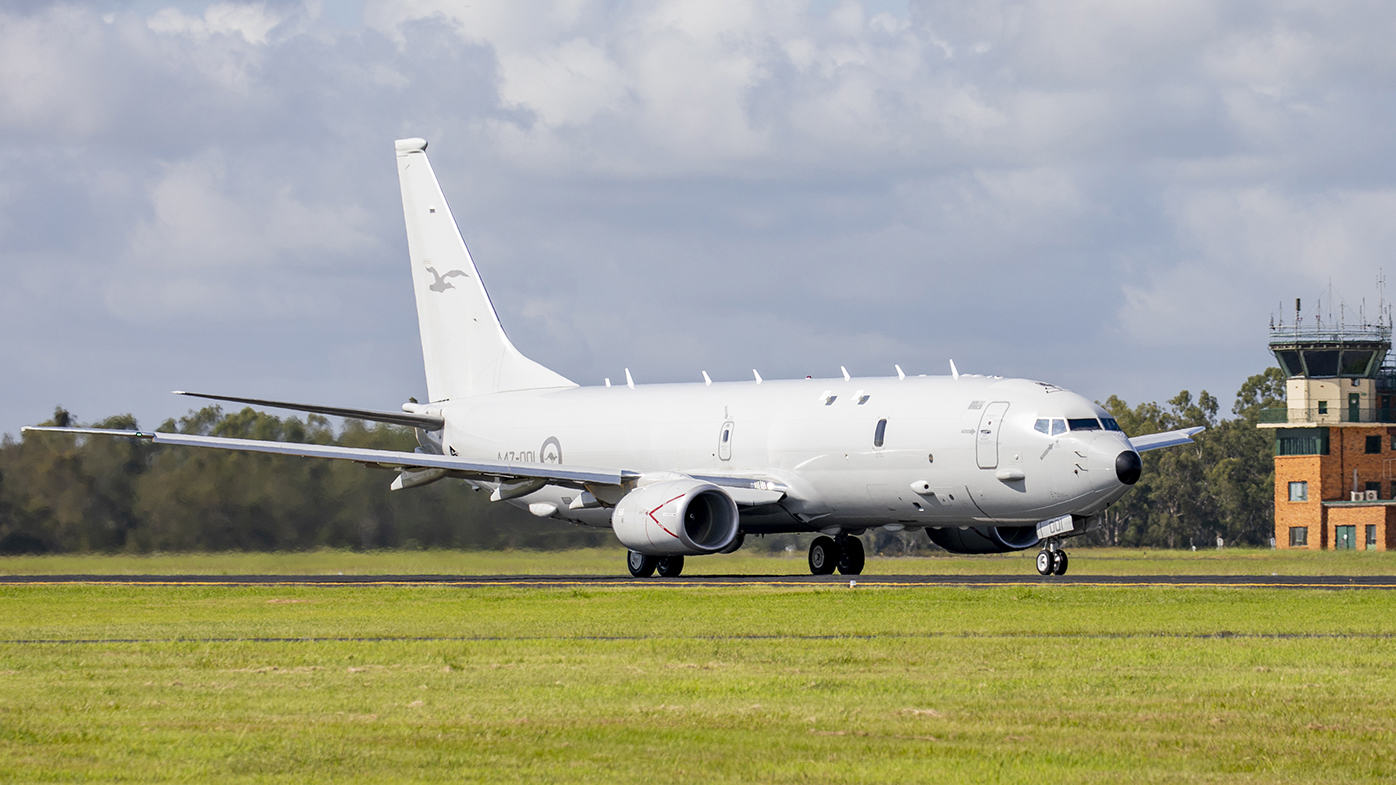
"We have to back off in incidents such as this … we simply don't have the luxury of risking escalation," Sam Roggeveen, director of the International Security Program with the Lowy Institute think tank, told 9News.
He said interceptions of foreign military aircraft were used by China to reinforce its claims of sovereignty over the South China Sea.
But it was significant the incident followed reports about a similar episode involving a Chinese fighter flying extremely close and fast to a Canadian reconnaissance plane on a UN mission in East Asia.
"With medium-sized powers such as Canada, Australia and New Zealand, China knows it is dealing with the 'little fish'."
In comparison, the Chinese are generally more cautious about intercepting US reconnaissance planes because the American military had far greater capacity to retaliate.
Australian has also refused US requests to join Freedom of Navigation naval patrols through disputed parts of the South China Sea because federal governments of both parties realise they would have to back off in any confrontation with Chinese naval or coastguard vessels.
READ MORE: Ukraine forces 'kill two Russian generals' amid heavy fighting in east
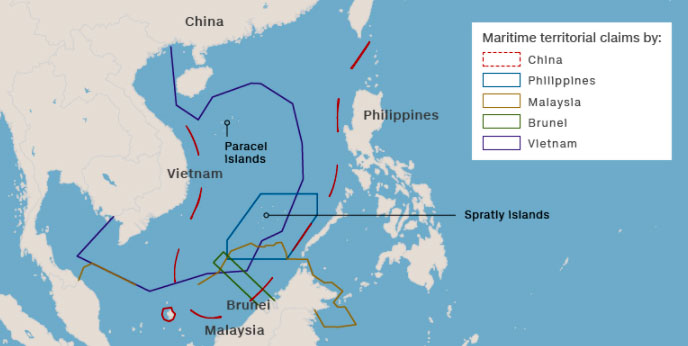
Roggeveen said the motives for the Chinese interception of the RAAF plane would be better understood if the Defence Department released the precise location and any footage taken by the Poseidon's crew.
"We need that sort of information for a better understanding about the incident … it could have been down to a poorly trained (Chinese) pilot."
The vast South China Sea has become hotly disputed between China and other countries, including Australia.
Tensions in the contested waters have ratcheted up since 2014 as China has turned sandbars into islands, equipping them with airfields, ports and weapons systems and warned Western warships and aircraft to stay away from them.
Marles said the Chinese jet had flown near the RAAF plane before releasing "small pieces of aluminium", or chaff, into the air.
When ingested, chaff can damage a jet engine's blades and in extreme instances can even shut it down, said Peter Layton, a former Royal Australian Air Force officer who is now a fellow at the Griffith Asia Institute in New South Wales.
READ MORE: 'Top Gun: Maverick' brings back the Taiwan flag after controversy
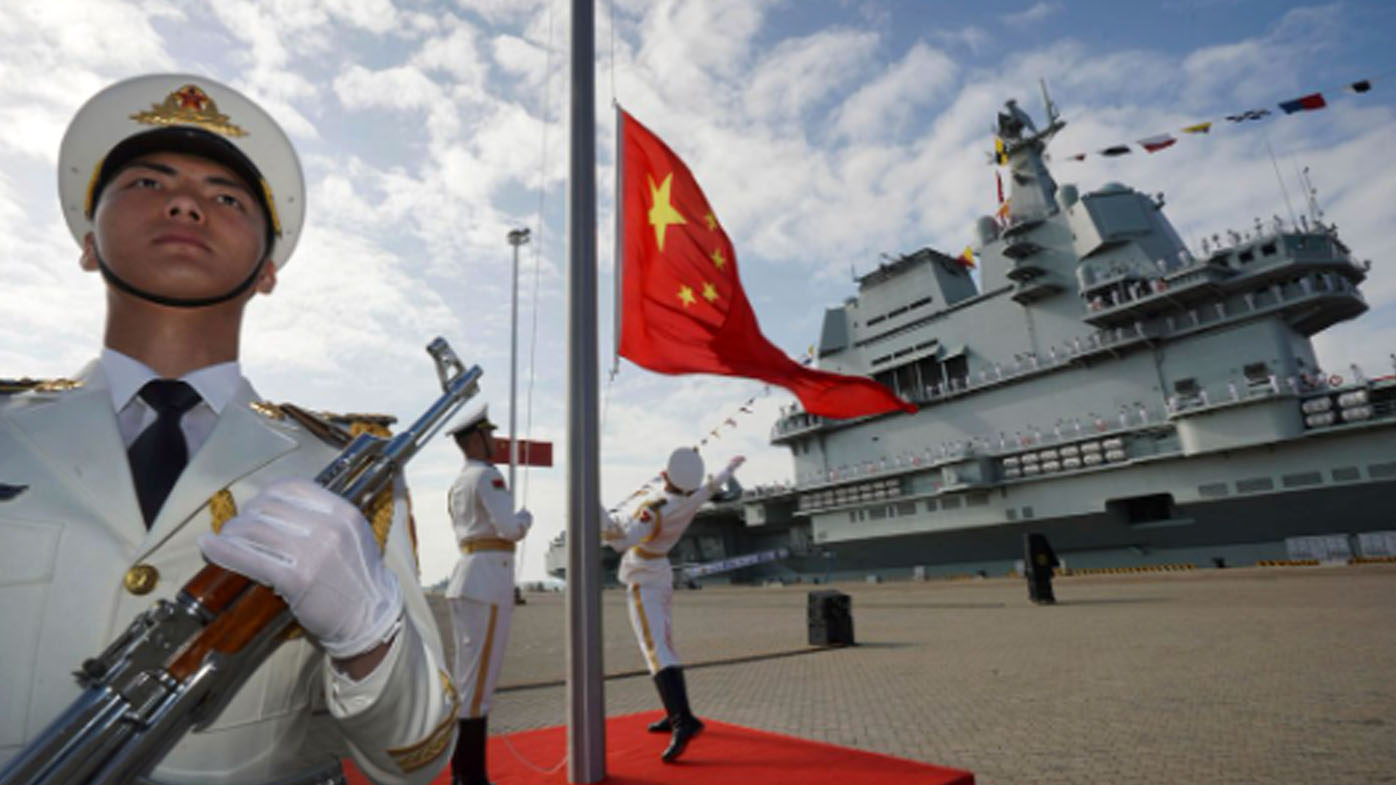
While the P-8 Poseidon can operate on only one of its two engines, the alleged incident would have forced it to return to base, effectively ending its patrol, Layton said.
There have been other close encounters between Chinese and foreign warplanes over the years.
The worst of these occurred in 2001, when a Chinese fighter jet collided with a US Navy reconnaissance plane over the South China Sea.
In that case, the pilot of the Chinese F-8 fighter was killed and the US plane had to make an emergency landing on China's Hainan Island. The 24 US crew members were held on the Chinese island for 11 days before their release.
– Reported with CNN
Tax season is close – here's what you can and can't claim
The end of the financial year is just weeks away, which means tax season is near.
With rising cost of living pressures and interest rates, along with expenses born of the pandemic, it might seem tempting to try to pad out the claims and deductions.
But Chartered Accountants Australia and New Zealand (CA ANZ) have warned it's far safer to play it straight.
READ MORE: Russia hits Kyiv with missiles as Putin issues cryptic warning to West
CA ANZ Tax Leader Michael Croker said Chartered Accountants have seen and heard it all – but trying it on with the ATO is not a smart strategy.
"Some funny, some creative, but all non-deductible, our members have reported some real doozeys over the years," Croker said.
"One tax agent had a client try to underwrite their pet expenses – arguing their pet pug was a 'business mascot' which 'welcomed customers and staff'.
"Another tax agent reported a client saying he was an 'entertainment consultant', trying to claim his video games and streaming services. He was actually a checkout worker at a well-known technology retailer.
READ MORE: Cold front to sweep Australia this week

"And perhaps not as altruistic as they thought, another person sought to claim travel to Cairns as a 'gift or donation' for tax deductible purposes, because they gave a blood donation."
Croker said there was often confusion around what you can and can't claim at tax time – but there are some tips that can help clear things up.
Work-related Rapid Antigen Tests (RATs)
The government announced in February that COVID-19 testing expenses are tax deductible for tests that are required when attending a workplace, but the law wasn't passed until March 31.
"Hold onto your RAT receipts," Croker said.
READ MORE: How Tom Steinfort 'dodged a bullet' investing in cryptocurrency
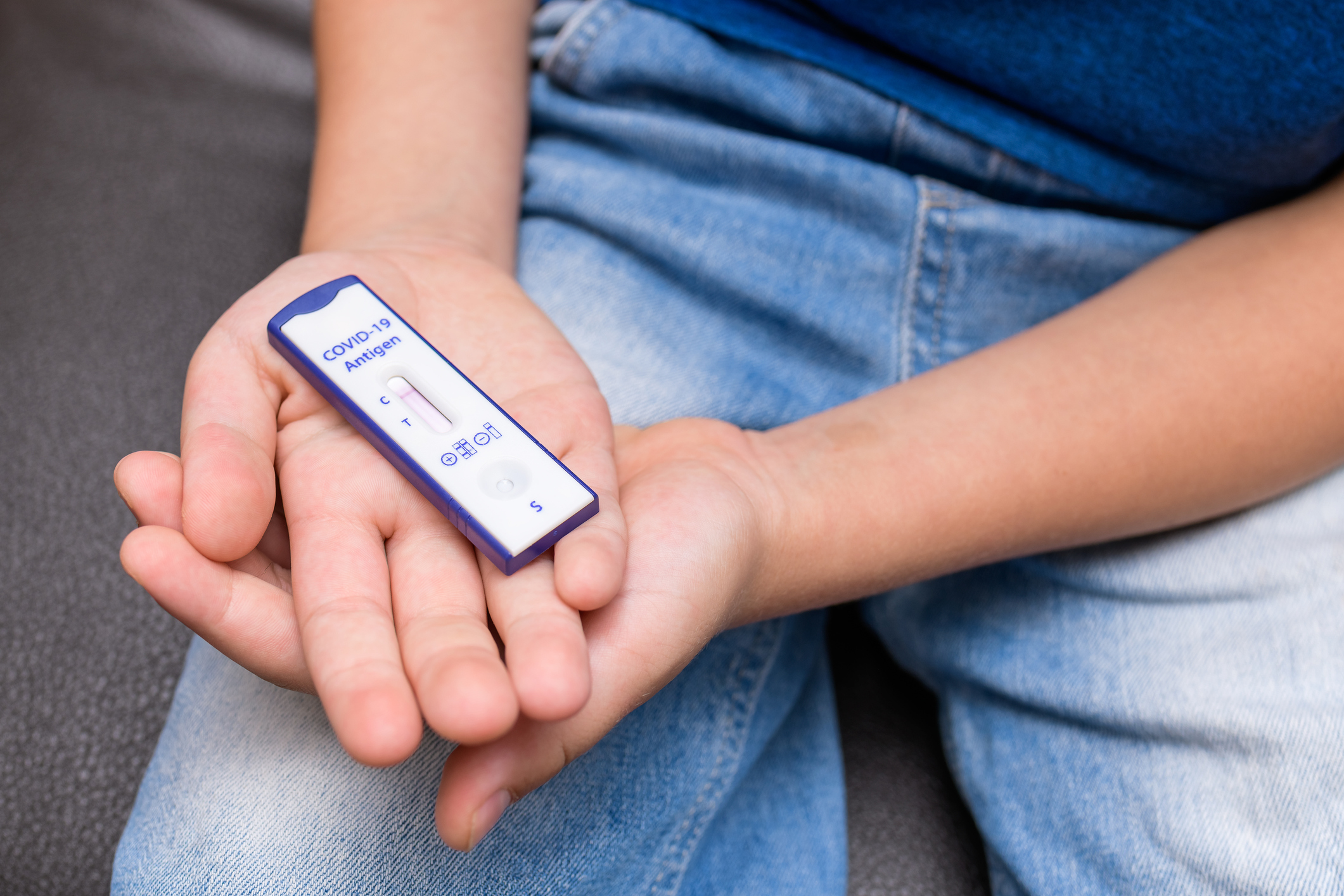
But he noted the ATO would also accept reasonable evidence of RAT expenses incurred before the law changed.
Croker warned against claiming RAT deductions for family reasons.
"A RAT needed to send the kids off to school, visit grandma in the old folks home or for holiday travel isn't deductible," he said.
Home office equipment and expenses
"Remember that home office equipment and expenses can give rise to deductions where used to produce income," Croker said.
"Your printer, desk, stationery and other home-based, work-related expenses can add up and make a real difference.
LIVE UPDATES: Interest rates set to rise

"But don't try to sneak through your Netflix subscription, because that will raise a red flag with the ATO. And some costs may need to be apportioned between work and private use."
If keeping track of each item of work from home expenditure is too hard, an accountant can help determine whether somebody can use the ATO's "shortcut" tax method to claim expenses at 80 cents per hour for each hour of working from home.
Self-education expenses
People can claim self-education expenses when the course directly relates to their occupation.
"You can also claim for courses that result in, or are likely to result in, an increase your income from your current employment," Croker said.
"But deductions generally aren't allowed for gaining new qualifications in a totally different occupation."
Work clothing and dry cleaning
A deduction can also apply to costs somebody incurs when buying, hiring or repairing clothing and footwear if it is specific to their occupation, or a compulsory uniform.
"But remember, you may need to have written evidence that shows you bought the clothing, the amount you spent, and your cleaning costs," Croker said.
Donations
"It's great if you gave to charity but if that charity is not registered as a Deductible Gift Recipient and you don't have a paper record of the donation, then don't expect the ATO to be as charitable," Croker said.
"Some taxpayers contribute to worthy causes on Go Fund Me or similar sites – it's unlikely you can claim that back."
Don't double-dip on deductions
Croker said a common mistake was for a taxpayer to claim a deduction for an expense already reimbursed by the employer.
"The ATO has a habit of contacting employers and verifying whether an employee with suspicious tax deductions actually paid the amount," he said.
Avoid the temptation to make a "cost of living" tax deduction
With increased cost of living pressures, Croker said some Australians might be tempted to over-claim deductions in 2022.
"With petrol costing north of $2 a litre, many accountants are fielding questions about deductions for car running costs," he said.
Ditto for increased home electricity and gas costs.
"Deductions need to be claimed in accordance with the tax law," he said.
Glen Eden death: Beloved Westie Ben McIntosh found shot in car will save others with organ donation
A much-loved West Auckland character found critically injured after being shot last week has died in hospital.Police confirmed they are now investigating the man’s death as a homicide. Ben McIntosh, 36, died in Auckland Hospital…
Oligarch's $200m superyacht goes dark on epic 11,000km escape
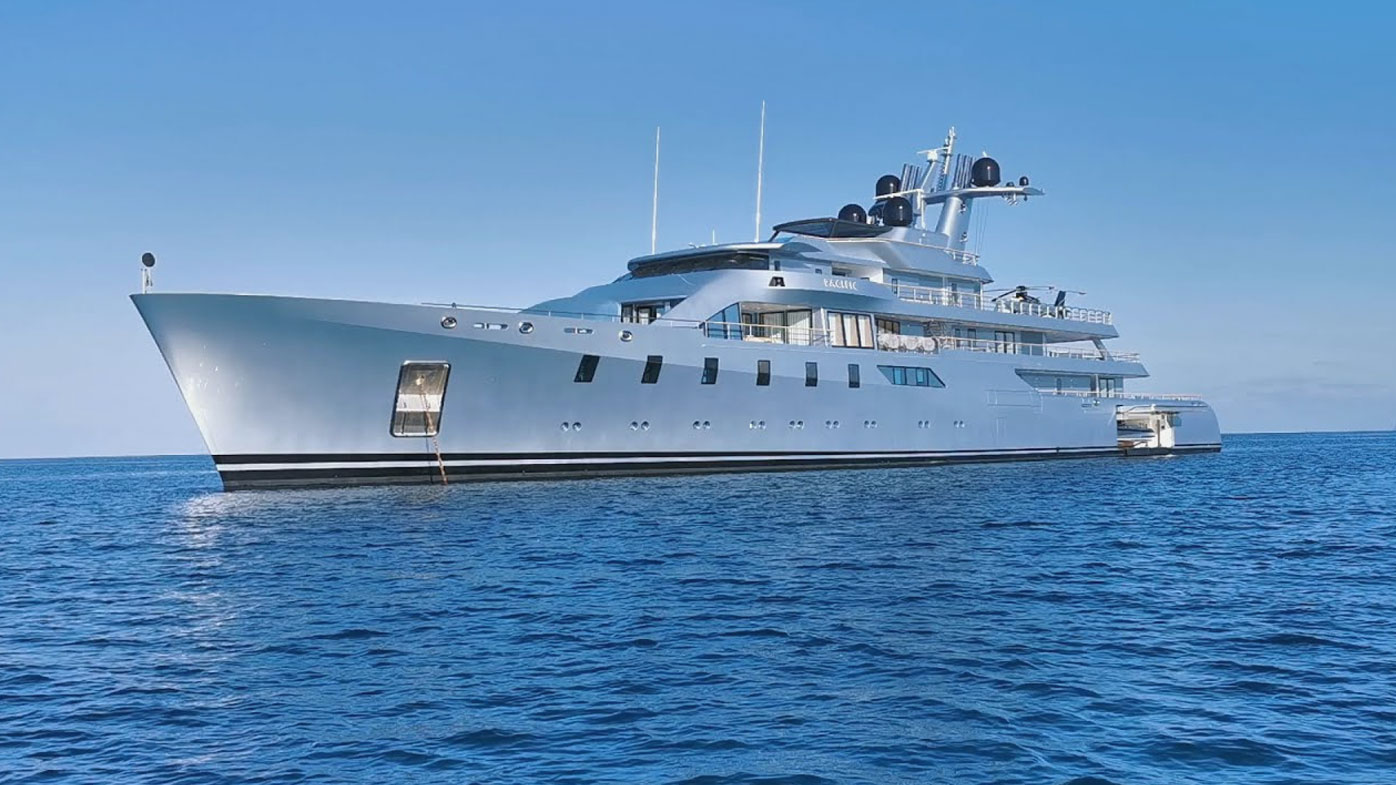
A $208 million superyacht linked to Russia's second-richest person has gone "dark" while making an audacious 11,000km journey to the safe haven of Turkey.
The plush 85-metre Pacific, which has deck space for two helicopters, turned off its transponders for around half the month-long voyage across multiple oceans and seas, according to Bloomberg.
Linked to Russian billionaire Leonid Mikhelson, the Pacific set sail from the west coast of Costa Rica in the Pacific Ocean, moved through the Panama Canal, across the Atlantic and into the Mediterranean Sea.
READ MORE: The secretive state where Russia's oligarchs are fleeing
On June 4, the vessel sailed into the Turkish resort port of Marmaris, waters where other prized superyachts owned by oligarchs, such as former Chelsea football club owner Roman Abramovich, have sought refuge from US-led sanctions.
Since Vladimir Putin ordered Russia's invasion of Ukraine, triggering a raft of punishing sanctions from Australia and others, authorities have seized more than a dozen Russian-linked superyachts worth more than $3.1 billion.
In the hope of dialling up pressure on the Kremlin, much of Putin's inner-circle of uber-wealthy elites have been targeted by wide-ranging sanctions.
Numerous Russian-owned superyachts have broken international maritime laws by turning off their AIS transponders, a boat's satellite tracking signal, to reach safe waters.
While the transponders are off, the yachts have generally sailed for Turkey, the Russian port of Vladivostok or other friendly harbours, typically the Middle East or Maldives.
READ MORE: Russia hits Kyiv with missiles as Putin issues cryptic warning to West
READ MORE: Where in the world are Roman Abramovich's private jets?
Some ships "go dark" to avoid detection, Gur Sender of Windward, a marine surveillance and intelligence firm, has told 9news.com.au.
"Sometimes vessels can intentionally and manually turn off their AIS and engage in what's referred to as dark activities," he said.
"Vessels engaging in such a behaviour are usually trying to conceal their real location or who they are meeting with."
READ MORE: Cold front to sweep Australia this week

NATO member Turkey has close ties to both Russia and Ukraine.
It has criticised Moscow's invasion of Ukraine but also positioned itself as a neutral party trying to mediate between the two.
Turkey has closed the Turkish Straits connecting the Black Sea to the Mediterranean Sea to most Russian warships but has not imposed sanctions on Russia or shut down its airspace to Russian flights.
https://twitter.com/Gibdan1/status/1388907708221378562?ref_src=twsrc%5Etfw
Private jets owned by oligarchs have been allowed to land at airports in Turkey, with opensource tracking websites monitoring flights to and from places like Russia and Israel.
READ MORE: How Tom Steinfort 'dodged a bullet' investing in cryptocurrency
Indian climber reaches top of Everest, six years after faking it
This time there was no humiliating claim of faked photos, no shameful controversy, and no ban from Mount Everest in the majestic Himalayas.
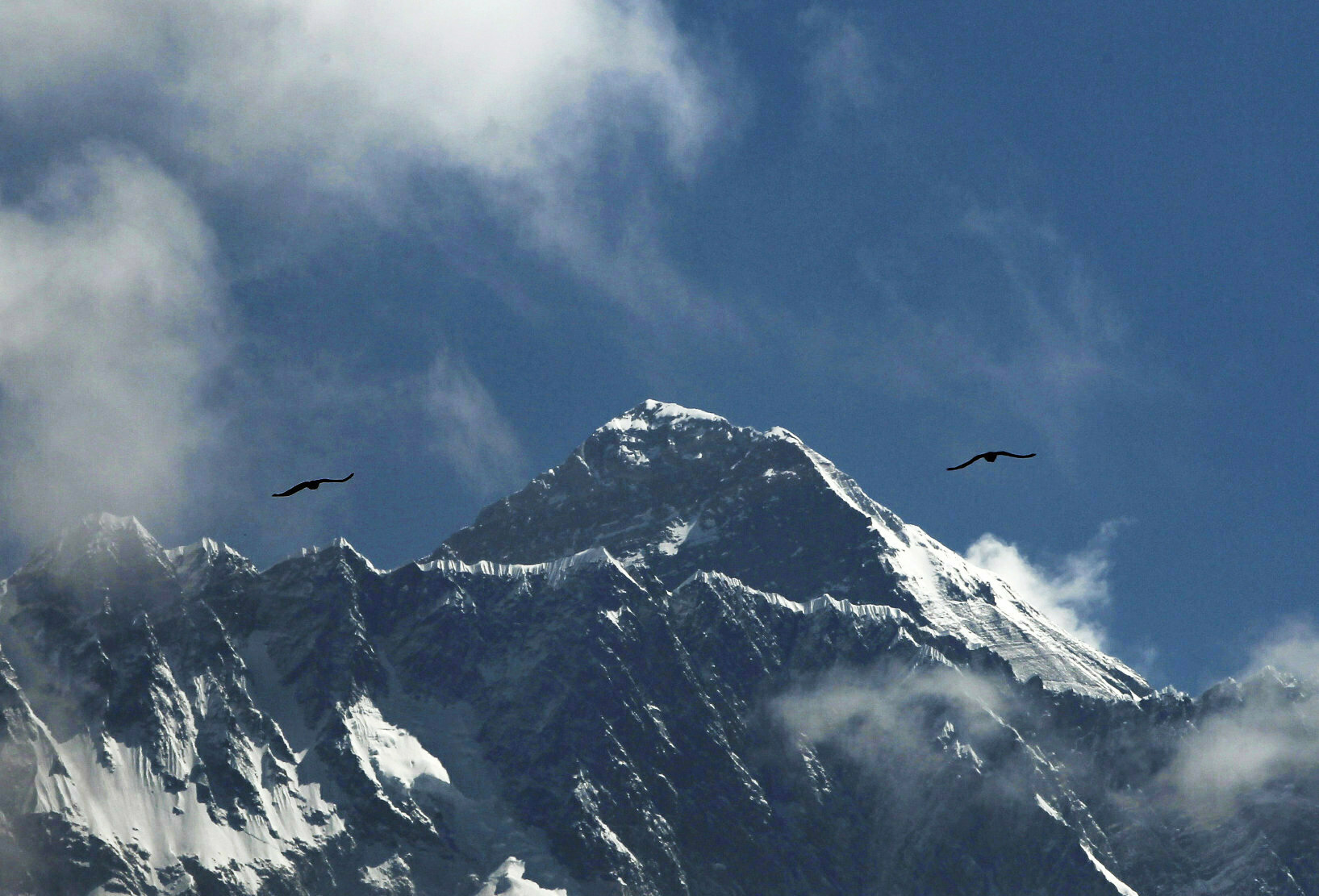
Six years after he was accused of doctoring at what first looked like a successful ascent of the world's tallest mountain, Indian climber Narender Singh Yadav on Friday morning reached the top of Everest's 8849-metres.
Although Yadav maintains there was nothing fake about his 2016 summit, the 26-year-old said he returned to Everest this year to "prove himself".
READ MORE: The year Everest broke, but no one could have predicted 2020
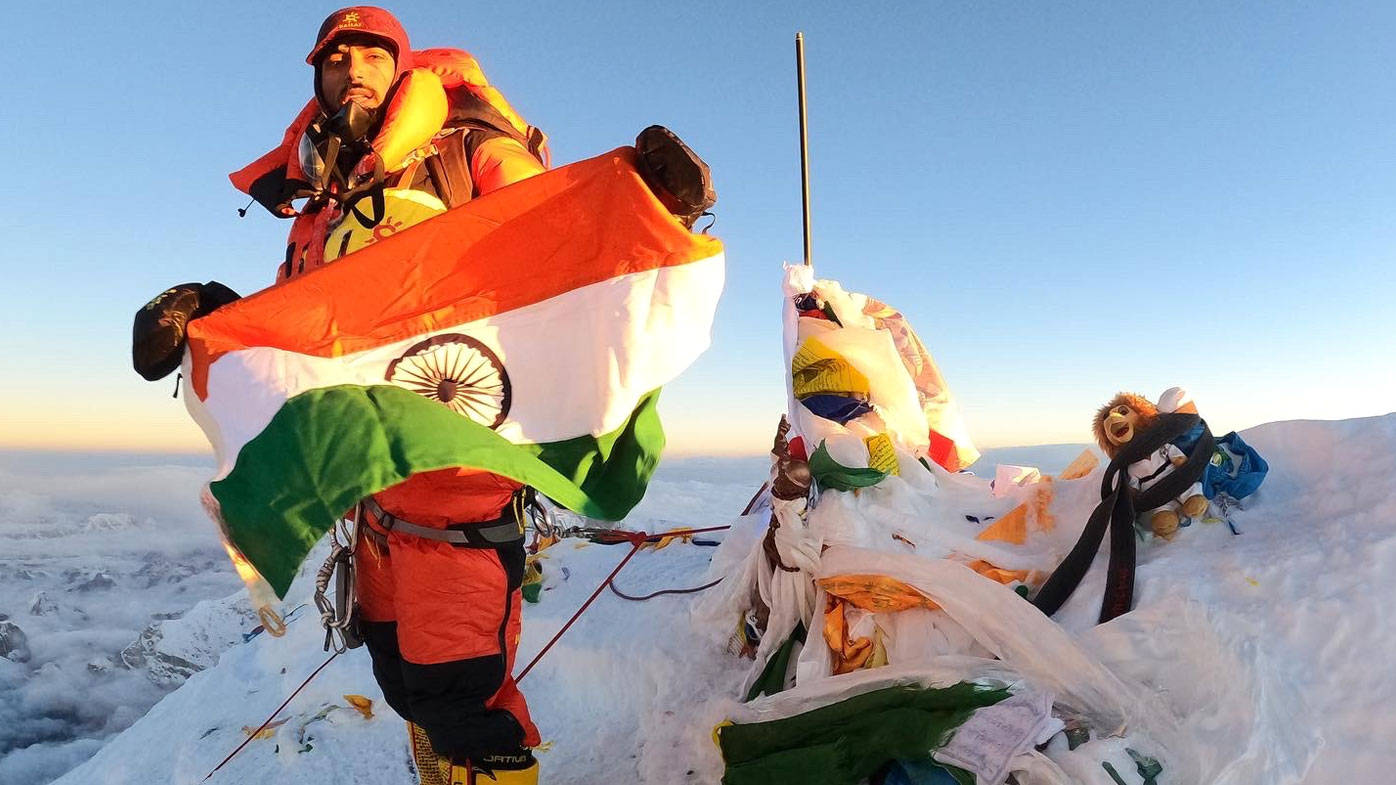
Days after his ban elapsed, Yadav made it to the summit at 5:02am on May 27, according to AFP.
It took Yadav just six days to summit, much quicker than the average 30-45 it takes most climbers who spend long periods acclimatising to the high altitude at base camp.
Yadav was accompanied by two Sherpas, who took an extensive series of photographs and video so there could be no doubt this time.
In photos posted to Twitter, Yadav is pictured in partial early morning sunlight, standing on a point of the planet so rarefied it is possible to see the curvature of Earth.
Against an epic backdrop of blue and white, Yadav is proudly holding the Indian flag.
READ MORE: Oligarch's $200m superyacht goes 'dark' on epic 11,000km escape
https://twitter.com/NSY_8848/status/1530563628810014720?ref_src=twsrc%5Etfw
READ MORE: 'Touching the Void' climber talks about 'cutting the rope' on friend
"Everest is a dream for all of us but Everest is life for me," Yadav told AFP, after the climb.
"There were a lot of allegations on me… that's why I (had to) prove myself and climb Everest."
Yadav has insisted he was an unwitting victim in 2016.
Yadav claimed it was his expedition leader who digitally altered photos from the climb, which quickly pinged the radar of the global climbing community.
When photos of the climb were posted on social media, other climbers and Sherpas questioned the validity of Yadav's claims.
Since the ban was imposed, Yadav has spoken about his shame of having the Nepal government publicly revoke recognition of his feat.
"People called me a fraud," Yadav told the Kathmandu Post.
"(But) I am happy now.
"I waited for many years to achieve this goal."
Yadav summitted without acclimatising for weeks at base camp.
READ MORE: Teen becomes youngest Australian to climb Mount Everest
READ MORE: Meet the man who lost $600 million on crypto
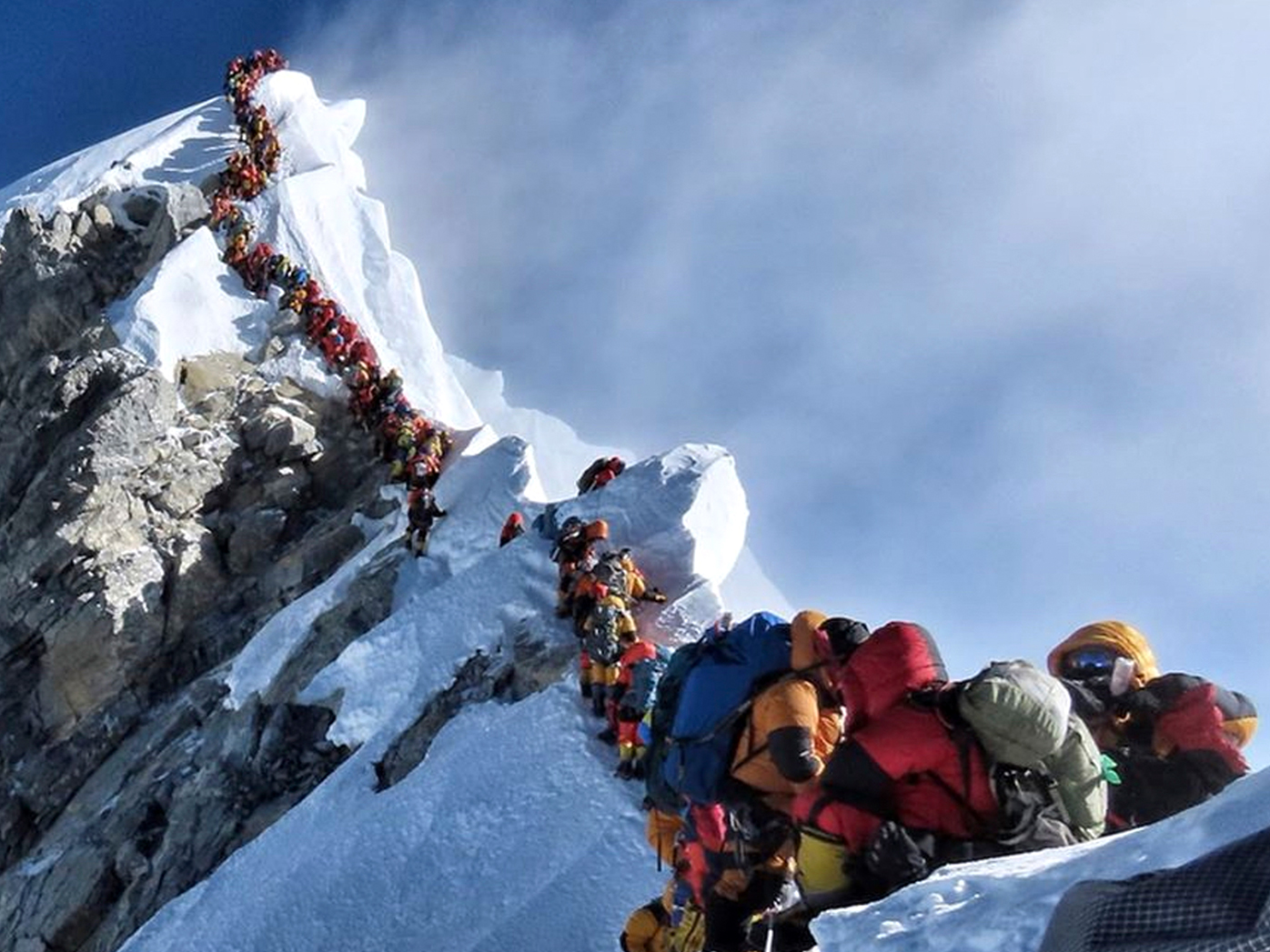
According to Nepalese government figures, 560 climbers and guides reached the top of Everest this year in a season that was blessed with good weather.
Yadav is not the first to be accused of faking a successful ascent of Everest.
Indians Dinesh and Tarakeshwari Rathod were banned from Everest for 10 years in 2016 after they claimed to be India's first couple to conquer the mountain.
Like Yadov, their climb was disputed because of photos which many believed had been digitally altered.
READ MORE: Climber's frostbitten fingers to be cut off after scaling 8000m peak
Google ordered to pay John Barilaro $715,000 in damages
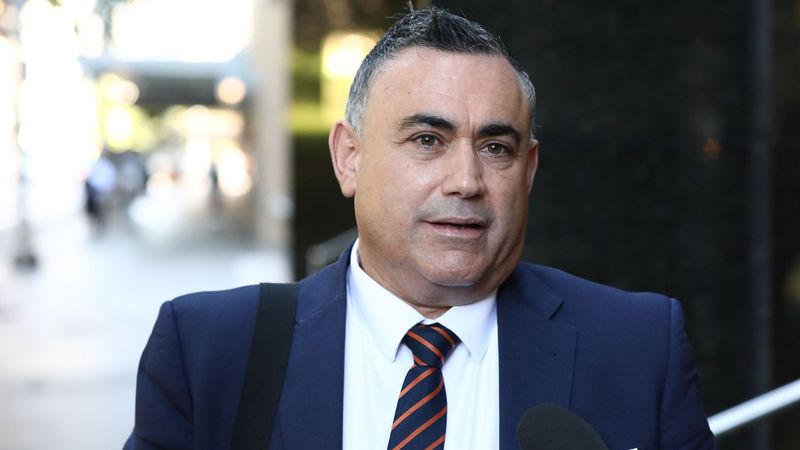
Google has been ordered to pay former NSW deputy premier John Barilaro $715,000 following a defamation trial over two YouTube videos made by comedian Friendlyjordies.
The Federal Court handed down the decision this morning after Barilaro sued Google over a "relentless, racist, vilificatory, abusive and defamatory campaign" carried out against him on YouTube for more than a year up until he resigned as deputy premier in October 2021.
The two offending videos Bruz and Secret Dictatorship were created by Jordan Shanks, known online as Friendlyjordies.
READ MORE: RBA interest hike will bring 'a lot of pain' to millions of Aussies
Justice Steven Rares found Google "made a considered decision" to keep the videos online, even after Barilaro had complained about them as encouraging bullying and harassment for profit.
Google owns YouTube, which is its second most visited site.
"Google encouraged and facilitated Mr Shanks in his vitriolic, obsessional, hate filled cyberbullying and harassment of Mr Barilaro both before and after Mr Shanks settled the defamation claims against him," the judgement read.
"It did so with a view to its commercial profit.
Rares further found the videos caused a traumatised Barilaro to end his career.
"Google's publication of the matters complained of drove Mr Barilaro prematurely from his chosen service in public life and traumatised him significantly," the judgement read.
"Google cannot escape its liability for the substantial damage that Mr Shanks' campaign caused.
"He needed YouTube to disseminate his poison.
"Google was willing to join Mr Shanks in doing so to earn revenue as part of its business model.
"It did so without regard to acting as a responsible or reasonable publisher, which actually intended its policies to be applied to Mr Shanks' campaign, would have acted."
The judgement further found Google had no defence to Barilaro's defamation claims, and dragged out the case with defences "that had no prospect of succeeding, causing Mr Barilaro added distress, damage to his reputation, and delay to his vindication".
Barilaro was awarded $675,000 and another $40,000 in prejudgment interest.
Barilaro and Shanks settled their own defamation case last November, involving Shanks apologising to Barilaro in court and paying the court costs.
Australia 'hyping' warplane interception: Chinese state media
Beijing has accused Canberra of "hyping" the mid-air interception by a Chinese fighter jet of an Australian military reconnaissance aircraft last month.
The Royal Australian Air Force (RAAF) P-8A Poseidon was conducting routine surveillance in international airspace above the South China Sea on May 26 when the J-16 jet flew "very close", set off flares and dropped chaff in its path, the Department of Defence said.
Defence Minister Richard Marles said the federal government had raised its concerns over the "very dangerous" intercept with the Chinese government.
LIVE UPDATES: Interest rates set to rise
But the state-backed Global Times newspaper claimed the Australian military had withheld key details about the incident in an editorial headlined "Hyping PLA's 'dangerous intercept,' who is Australia performing to again?".
"For example, where exactly in the South China Sea is the area in which the incident occurred? How far is it from the Chinese islands and reefs in the region? What is their purpose here?" the article reads.
"Furthermore, what did the Australian military aircraft do before the intercept? How far was the Australian jet from the Chinese aircraft at that time? Why didn't Australia take the initiative to announce it?"
Marles said the Chinese jet had flown near the RAAF plane before releasing "small pieces of aluminium" into the air.
The Australian aircraft returned to base and its crew was unharmed.
The Global Times accused Marles of playing to the media in his comments.
It noted his response echoed government comments in February when the Australian military said a Chinese navy vessel fired a laser at one of its aircraft.
READ MORE: Russia hits Kyiv with missiles as Putin issues cryptic warning to West
"This time, Marles also pretended to be "the weak" and said in front of a reporter's microphone that Australia will not be deterred by China's intimidation.
"This is obviously a tone favoured by American and Western journalists, and Australian politicians are well versed in it and pick what they want to hear."
The editorial also urged the new Labor government against following its Coalition predecessor in striving to become Washington's "right-hand man" in the Pacific.
"Canberra's approach is inappropriate and unwise … the key is that Canberra needs to take actual actions …. No one can act as Washington's "goon" while making a fortune from China."
The vast South China Sea has become hotly disputed between China and other countries, including Australia.
Tensions in the contested waters have ratcheted up since 2014 as China has turned sandbars into islands, equipping them with airfields, ports and weapons systems and warned Western warships and aircraft to stay away from them.
Auckland ram raids: Man accused of targeting Christies Jewellery in Ormiston Town Centre
A young man has been charged with a ram raid crime spree in recent months that damaged a jewellery store and two mobile phone shops in nearby South Auckland shopping malls. The 22-year-old Ōtara resident is set to appear at…