A 3-year-old was left covered in blood and bleeding from his mouth and nose following an alleged attack by a Mongrel Mob member on the boy’s dad in a Hastings park yesterday afternoon.A source told the Herald the boy was on a swing…
Category Archives: headline
Queensland government faces questions over future of Wellcamp facility
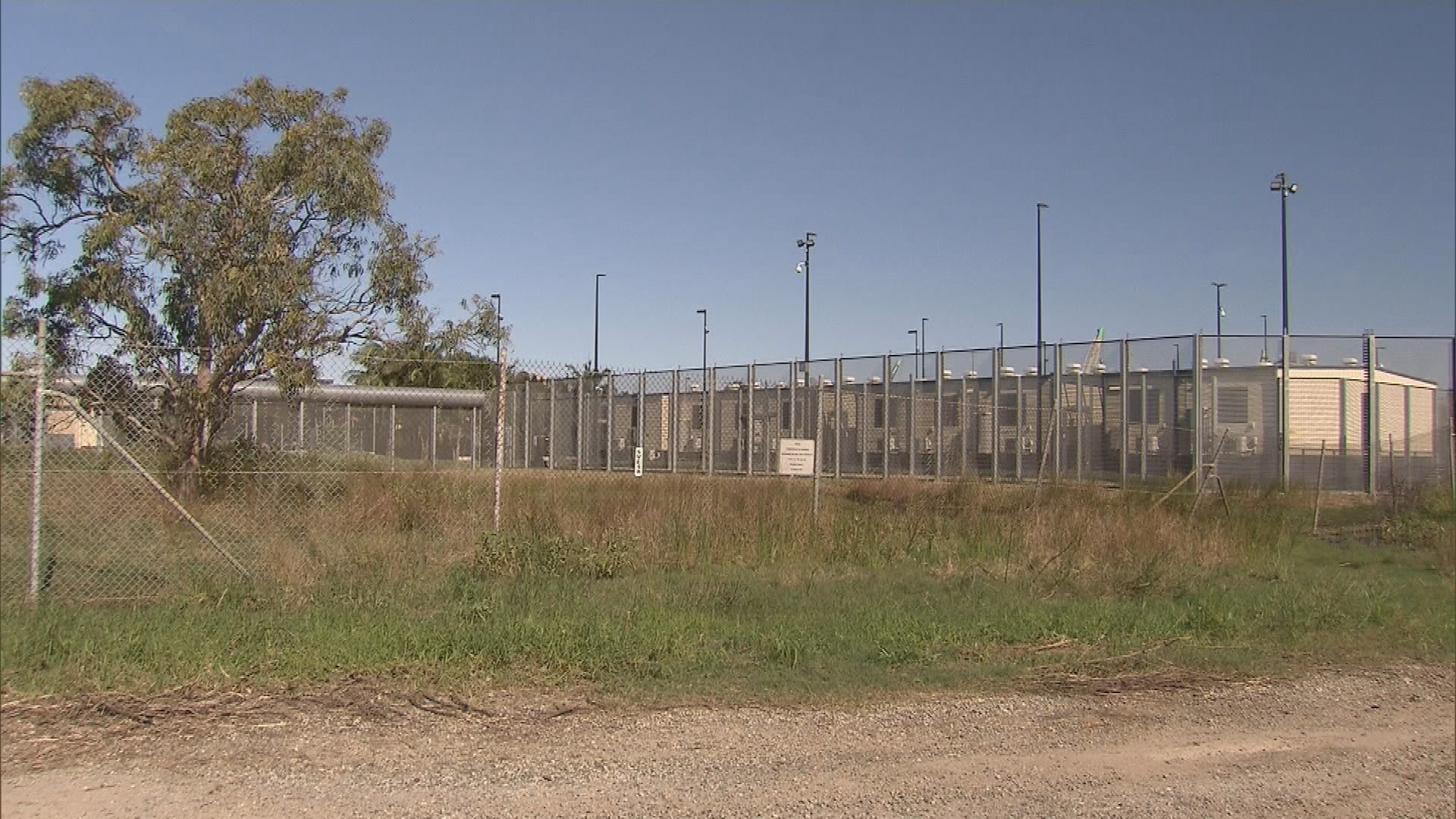
The future of the Queensland government supported Wellcamp facility has been questioned as only seven of the quarantine accommodation's 1000 beds are in use.
The government has not revealed the cost of the building, citing commercial reasons.
But the leader of the opposition claims the building, supported by the state government and currently leased out for the purpose of the COVID-19 pandemic has cost Queensland $200 million.
READ MORE: Severe weather warning as 'peak' inching closer
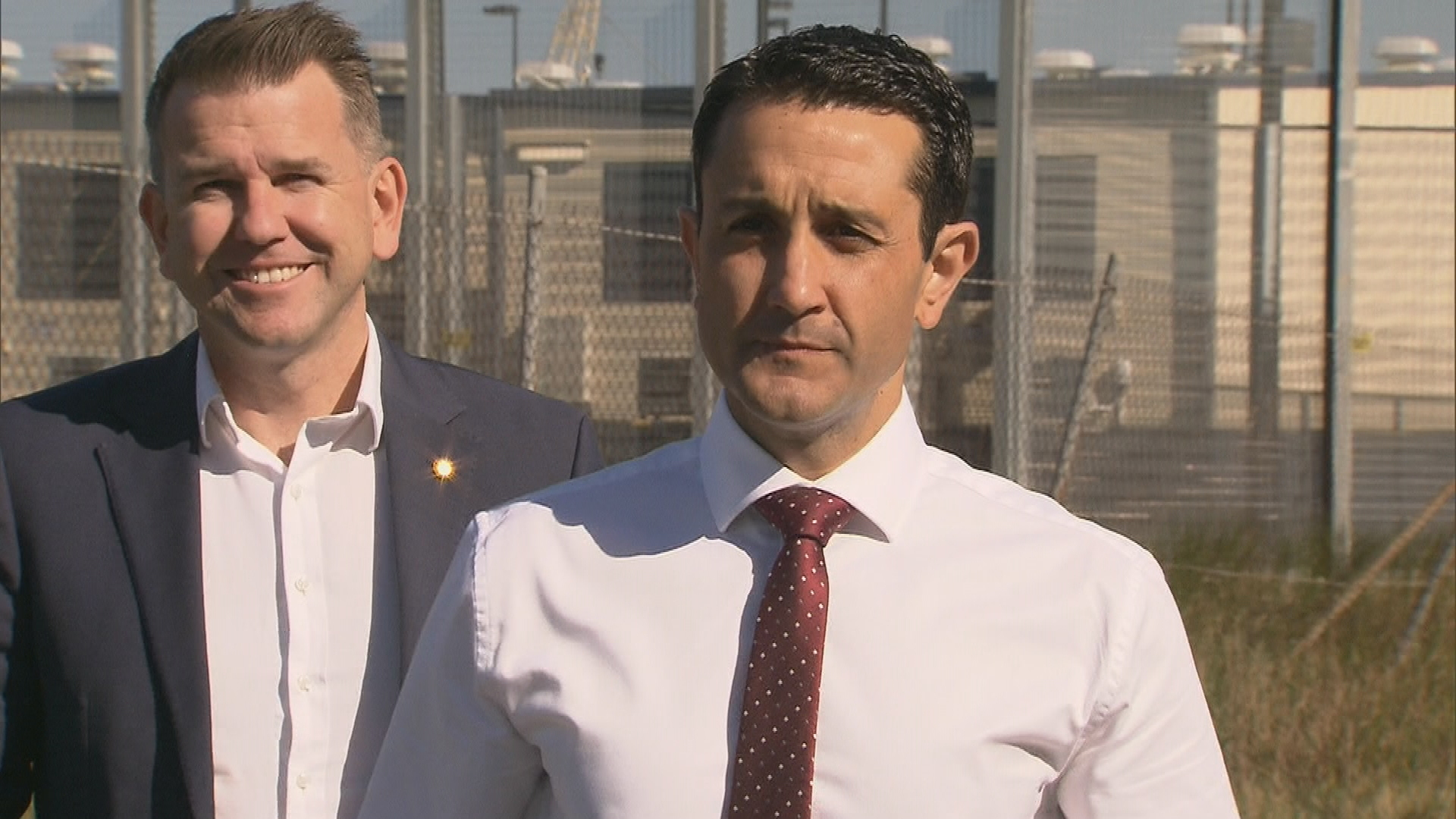
"Wellcamp is W for waste," state opposition leader David Crisafulli said.
"The figure of $200 million has never been disputed.
"We know that over $200 million has been spent to lease a facility that Queenslanders will never own that currently houses half a dozen people at a time the government is paying for hotel rooms and this place is now complete."
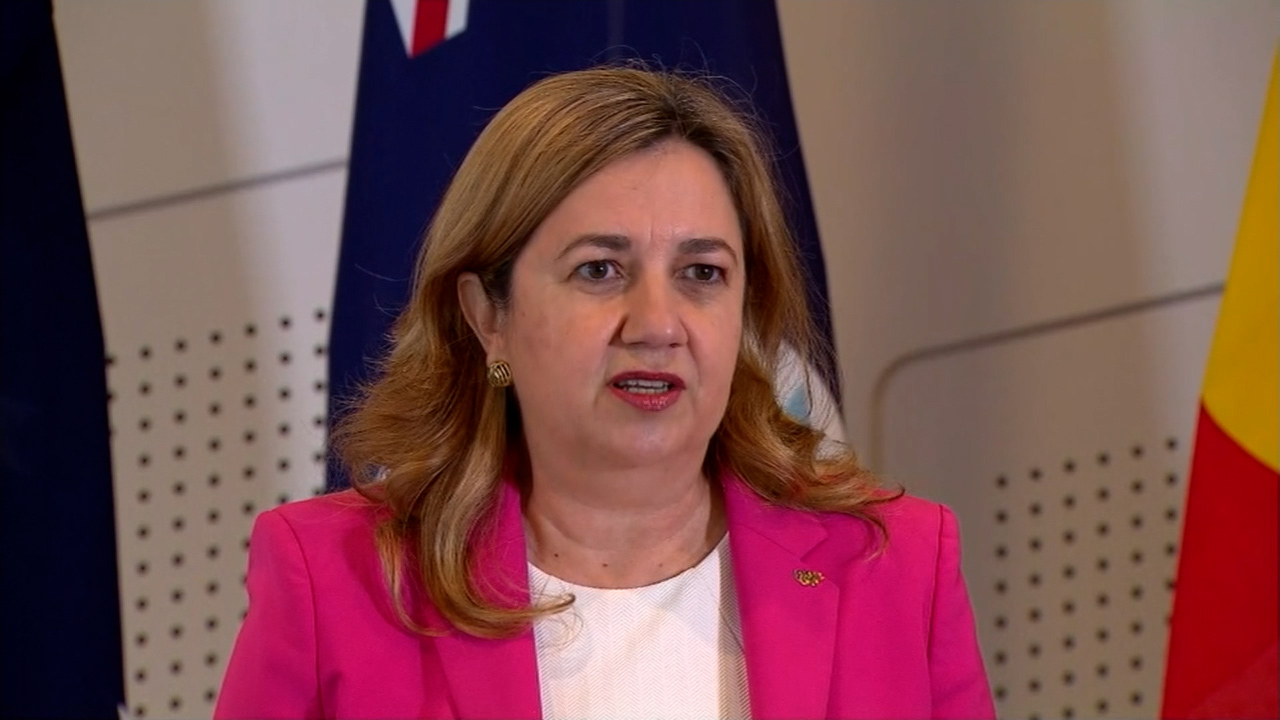
Queensland premier Annastacia Palaszczuk defended the facility, which was implemented during the height of the COVID-19 pandemic, and designed to isolate interstate and international arrivals to the state.
"At the time the people of Queensland wanted the state government to step in and do something and that's exactly what we did," the premier said.
"There are a lot of opportunities for it to be used by a whole range of people."
READ MORE: New sexual consent laws in NSW take effect from today. Here are the key details
The opposition has questioned whether the Queensland government's lease of the Wellcamp facility will be renewed next year.
There have been suggestions the facility can be used as a potential centre for domestic violence survivors or those displaced by natural disasters.
"We'll look at all those issues when it comes to that," Palaszczuk said.
The LNP has turned it's attention to the government's upcoming budget.
"Its been a complete waste of taxpayers money," Jarrod Bleije said.
"I'm very concerned the only way this government will pay for budget blowouts and all the wastage would be taxes- increased taxes."
READ MORE: How to get a free flu shot, state-by-state
Pharmac review: 'How many lives have been lost?' advocate asks after drug-buying agency told to make changes
A patient advocate says a newly-released investigation shows Pharmac needs a major culture overhaul.A review of Pharmac found the drug-buying agency secured some of the best prices possible but had contributed to health inequality…
Herald afternoon quiz: June 1
Test your brains with the Herald’s afternoon quiz. Be sure to check back on nzherald.co.nz for the morning quiz tomorrow. To challenge yourself with more quizzes, CLICK HERE.
China's largest city leaves lockdown after crippling two months
Shanghai authorities say they will take major steps today toward reopening China's largest city after a two-month COVID-19 lockdown that has set back the national economy and largely confined millions of people to their homes.
Already, a steady stream of people strolled in the Bund, the city's historic waterfront park, on a pleasant Tuesday night, some taking selfies against the bright lights of the Pudong financial district on the other side of the river.
Elsewhere, people gathered outside to eat and drink under the watch of police deployed to discourage large crowds from forming.
READ MORE: Severe weather warning as 'peak' inching closer
Lu Kexin, a high school senior visiting the Bund for the first time since late March, said she went crazy being trapped at home for so long.
"I'm very happy, extremely happy, all the way, too happy," she said.
"I could die."
Vice Mayor Zong Ming announced that full bus and subway service will be restored on Wednesday, as will basic rail connections with the rest of China.
Schools will partially reopen on a voluntary basis, and shopping malls, supermarkets, convenience stores and drug stores will reopen gradually at no more than 75 per cent of their total capacity.
Cinemas and gyms will remain closed.
"The epidemic has been effectively controlled," Zong said.

She added that the city will enter the phase of fully restoring work and life on Wednesday.
Officials, who set June 1 as the target date for reopening earlier in May, appear ready to accelerate what has been a gradual easing in recent days.
A few malls and markets have reopened, and some residents have been given passes allowing them out for a few hours at a time.
READ MORE: Key details of NSW's new sexual consent laws
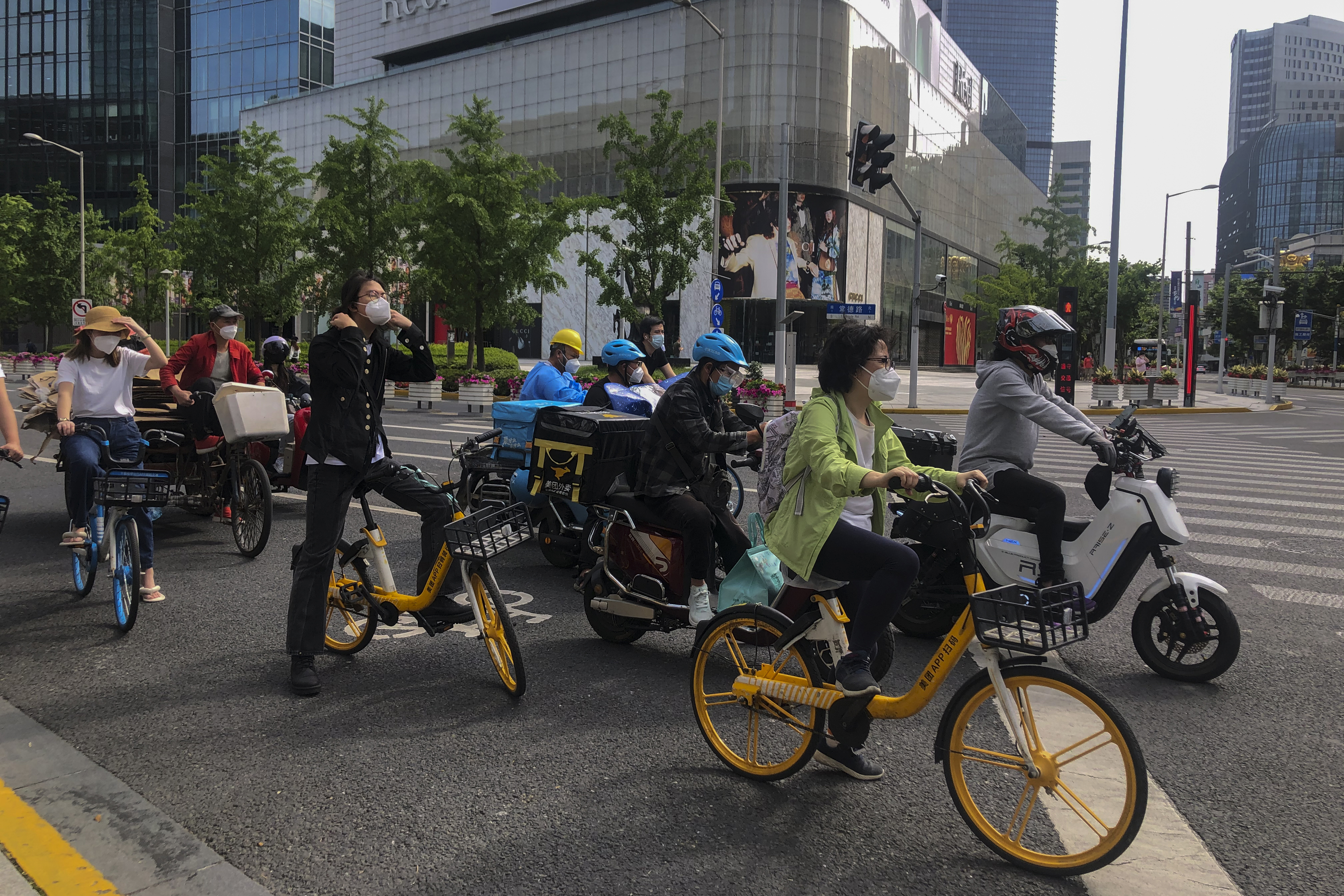
In online chat groups, some expressed excitement about the prospect of being able to move about freely in the city for the first time since the end of March, while others remained cautious given the slow pace and stop-and-go nature of opening up so far.
Workers took down some of the barriers that had been erected along sidewalks during the lockdown.
A few people walked or biked on the still mostly empty streets.
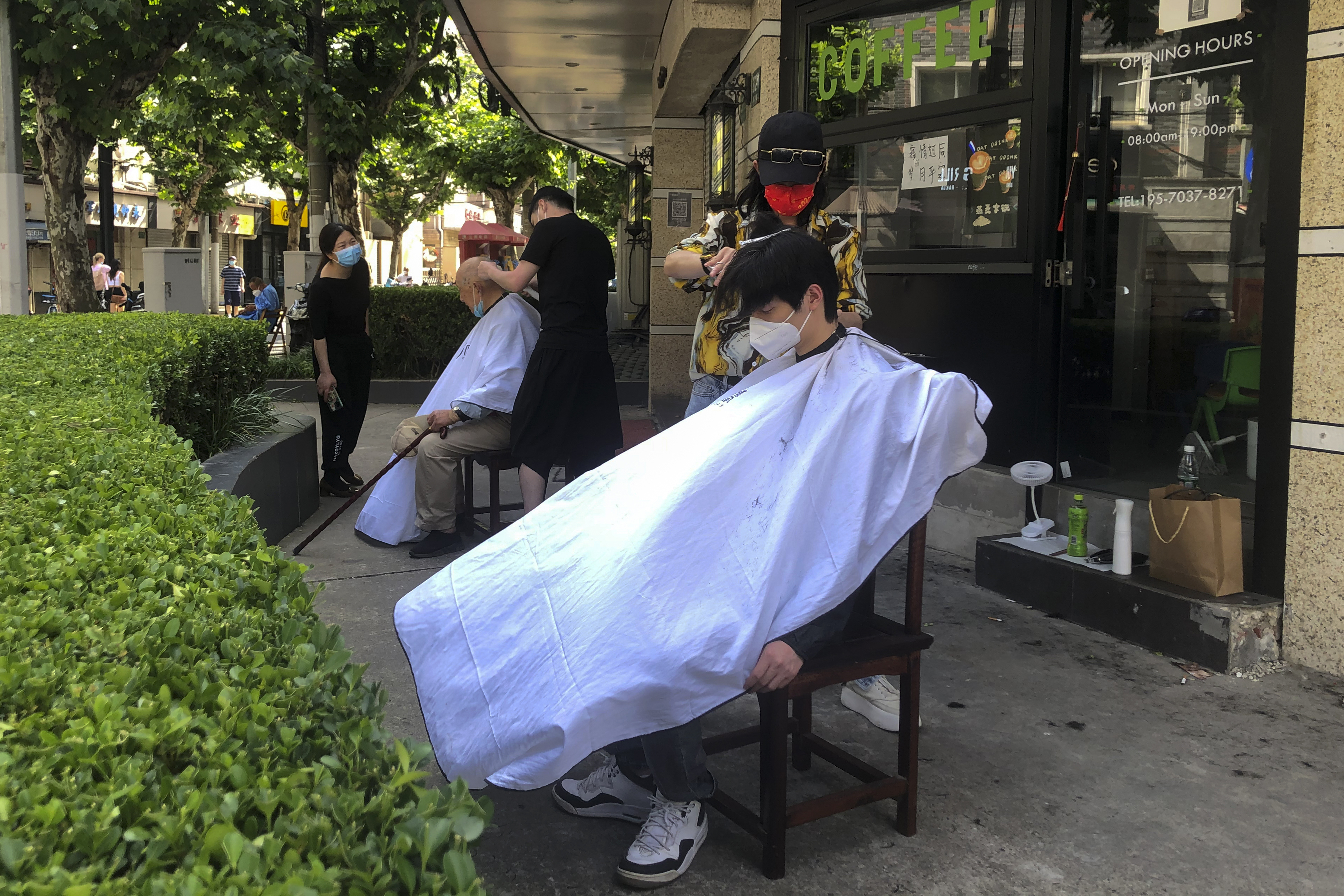
One man got his hair cut on the sidewalk, a common sight in recent days, as a worker or volunteer in full protective clothing looked on.
The most difficult part of the lockdown was psychological, said Cao Yue, who has worked in Shanghai for five years.
She recalled the early days when it was difficult to buy food and she didn't know what to do.
"It was quite depressing to be locked at home and see the whole Shanghai under lockdown," she said.
More than half a million people in the city of 25 million won't be allowed out Wednesday — 190,000 who are still in lockdown areas and another 450,000 who are in control zones because they live near recent cases.
READ MORE: How to get a free flu shot, state-by-state
Shanghai recorded 29 new cases on Monday, continuing a steady decline from more than 20,000 a day in April.
Li Qiang, the top official from China's ruling Communist Party in Shanghai, was quoted as saying at a meeting Monday that the city had made major achievements in fighting the outbreak through continuous struggle.
The success came at a price. Authorities imposed a suffocating citywide lockdown under China's "zero-COVID" strategy that aims to snuff out any outbreak with mass testing and isolation at centralised facilities of anyone who is infected.
Huge temporary facilities were set up in exhibition centres and other venues to house thousands of people who had tested positive.
Teams of health care and other workers flew in from around the country to help run the massive undertaking.
Factories were shuttered, or were allowed to operate only if workers slept on site to prevent the spread of the virus.
Reduced production at semiconductor plants added to the global chip shortage.
Containers backed up at the port of Shanghai because of a shortage of truck drivers to deliver them to their destinations.
Though it all, leaders of the ruling Communist Party repeatedly expressed a determination to stick to the "zero-COVID" policy even as other countries have opened their borders and are trying to "live with the virus."
Outside economists widely expect China to fall short of its 5.5 per cent growth target for this year.
However, the latest economic data showed that Chinese manufacturing activity started to rebound in May as the government rolled back some containment measures.
Schools will reopen for the final two years of high school and the third year of middle school, but students can decide whether to attend in person.
Other grades and kindergarten remain closed.
Outdoor tourist sites will start reopening Wednesday, with indoor sites set to follow in late June, the Shanghai tourism authority said.
Group tours from other provinces will be allowed again when the city has eliminated all high- and medium-risk pandemic zones.
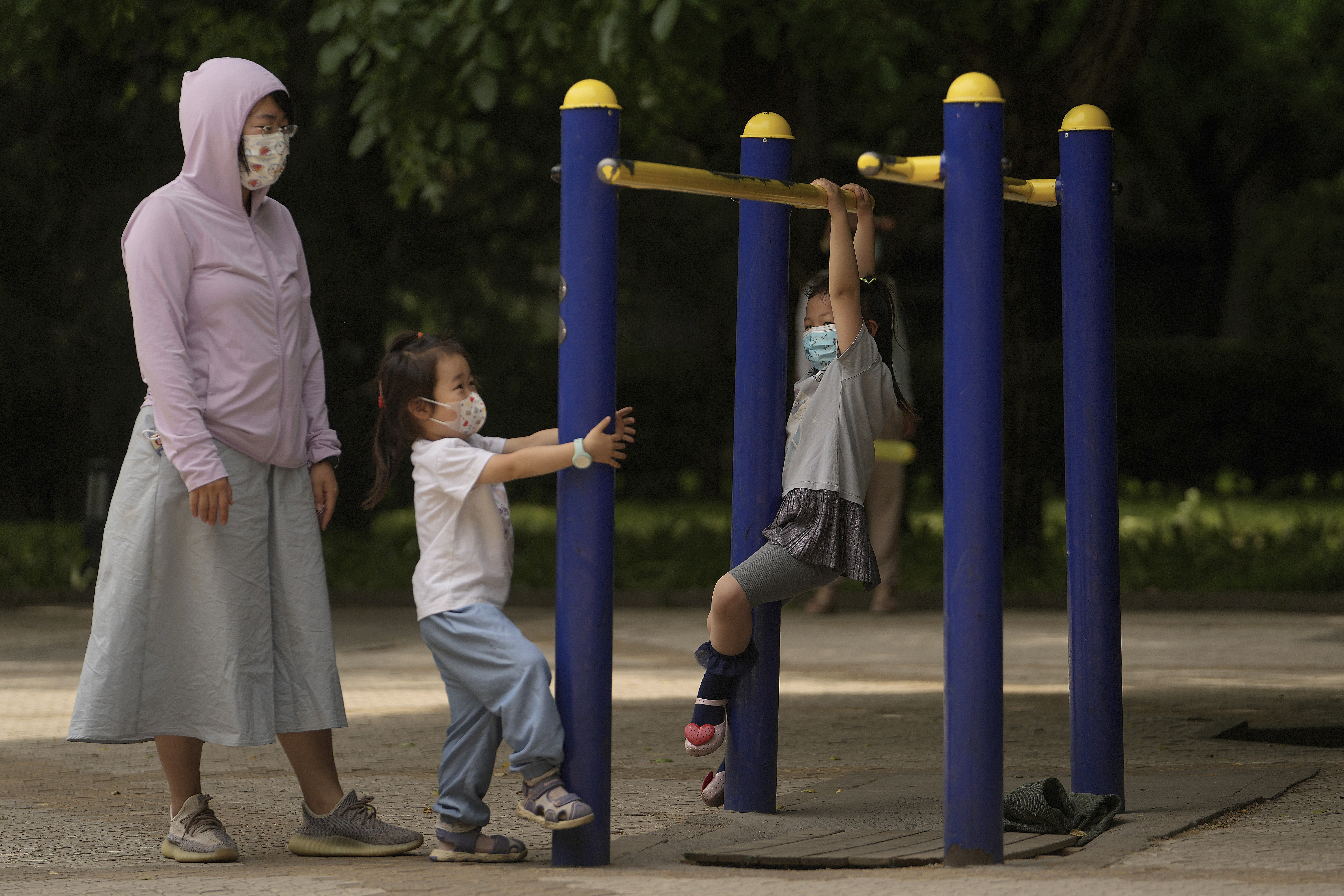
Beijing, the nation's capital, further eased restrictions Tuesday in some districts.
The city imposed limited lockdowns, but nothing near a citywide level, in a much smaller outbreak that appears to be on the wane. Beijing recorded 18 new cases on Monday.
Mother describes horror Bay of Plenty crash that seriously injured daughter
By Whakatane Beacon An Edgecumbe mother has spoken of hearing a terrifying bang “like a massive explosion” as an out-of-control ute smashed into her car on the outskirts of Whakatāne on Sunday.Eight people were injured in…
Severe thunderstorm warning: Hail and heavy rain hitting Wellington
Heavy rain, hail, and damaging winds are expected to lash the Wellington region in a severe thunderstorm this afternoon. MetService has issued a warning severe thunderstorms will strike Wellington near the airport at 2.45pm before…
Tornado's brute force shocks Roger and Mavis Smith
Roger and Mavis Smith were relaxing in their Waikanae Beach, north of Wellington, home when a mini-tornado muscled its way across their property in Weggery Drive today.The drama started at 11.15am when two metal bi-fold doors “blew…
Australia's economic growth slows to 0.8 per cent, but beats expectations
Australia's economy is slowing down in the wake of widespread COVID-19 restrictions, new data from the Australian Bureau of Statistics (ABS) has revealed.
Releasing the national accounts this morning, the ABS shows that Australia's Gross Domestic Product (GDP) grew by 0.8 per cent in the first three months of 2022.
That narrowly beat market expectations – which was expecting growth of around 0.7 per cent – but represents a fundamental slowing down of the economy.
READ MORE: Severe weather warning as 'peak' inching closer
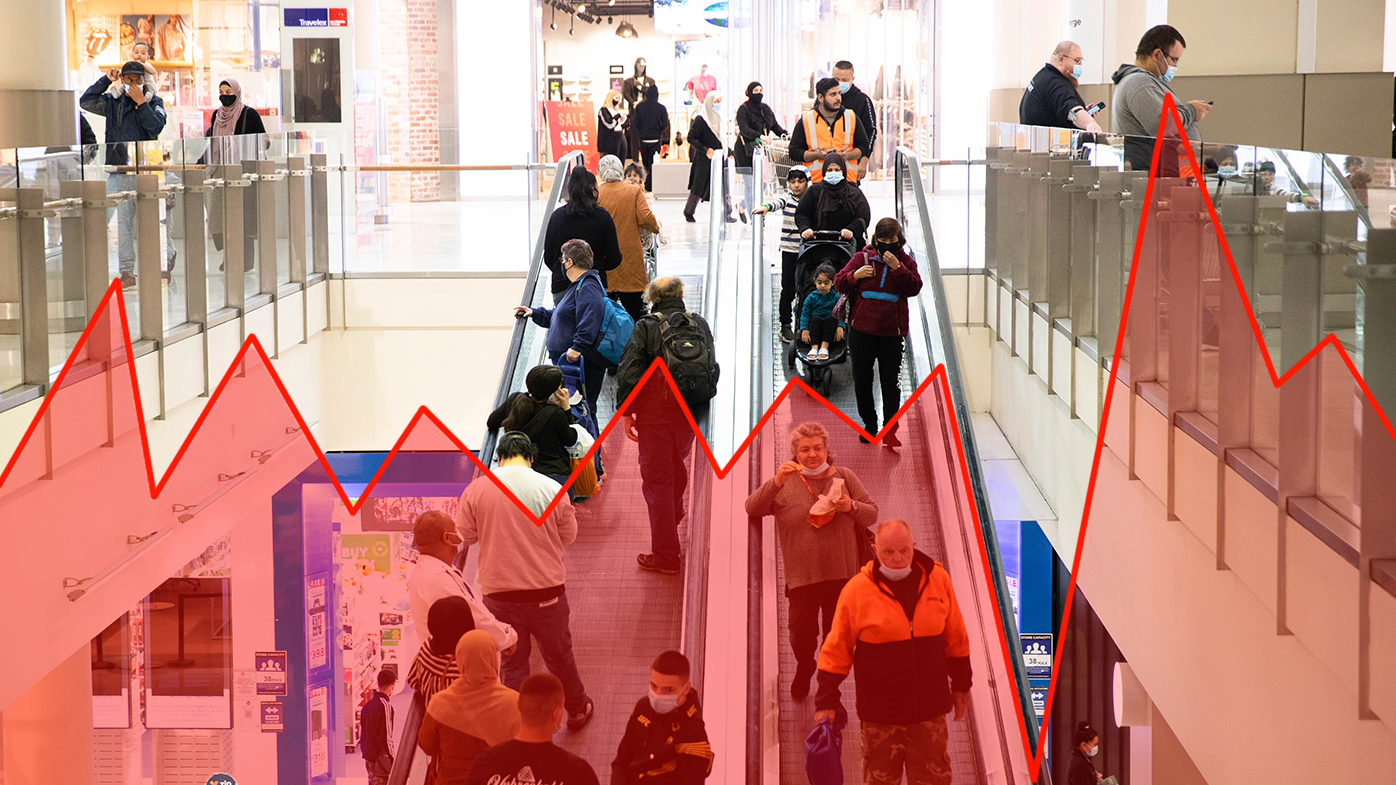
In the previous quarter, which benefited from a sharp uptick in activity following Delta-strain lockdowns, Australia's GDP rose by a staggering 3.4 per cent for the quarter.
Acting Head of National Accounts at the ABS Sean Crick said today's positive lift was driven by the economic consumption of ordinary households.
"The economy grew for a second consecutive quarter following a contraction in the September quarter 2021, when economic activity was affected by the Delta outbreak," he said.
"Household consumption continued to drive growth this quarter.
"Following the easing of COVID-19 restrictions, household spending on transport services, hotels, cafes and restaurants, and recreation and culture increased."
READ MORE: New sexual consent laws in NSW take effect from today. Here are the key details
The flipside of increased household consumption was the fall in the household saving ratio, which roughly tracks how much income Aussie households are storing away.
Household saving to income fell from 13.4 per cent to 11.4 per cent over the quarter, and showed household spending outpaced growth in household income so far in 2022.
"The 11.4 per cent household saving ratio was the lowest since the start of the COVID-19 pandemic, but remains above pre-pandemic levels," Crick said.
READ MORE: How to get a free flu shot, state-by-state
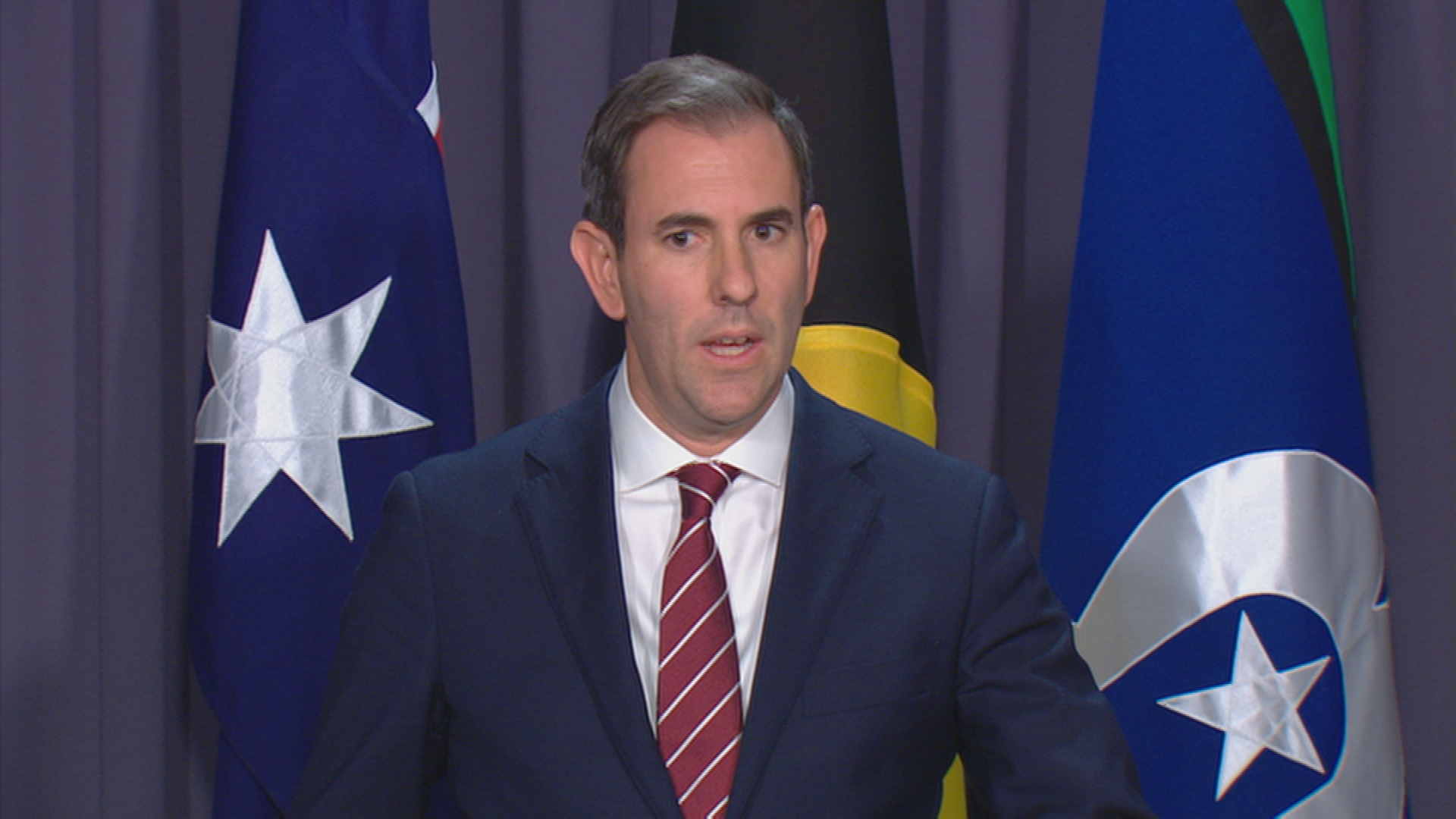
Treasurer Jim Chalmers pulled no punches in addressing today's GDP data, saying there was "no point in mincing words" about what he believed were fundamentally weak figures.
"Consumption, dwelling investment, new business investment, export and the nominal GDP were all weaker in the March quarter than what was anticipated by our predecessors in the budget," he said.
"These are glimpses at the mess the former government have left behind for us to clean up."
Australia's GDP grew by 0.8 per cent in the March quarter, exceeding market expectations but falling well short of the 3.4 per cent growth recorded in the previous quarter.
"There is no point mincing words about the sorts of conditions that we have inherited," Chalmers said.
"We have inherited higher and rising inflation and interest rates, falling real wages and $1 trillion of debt, with nowhere near enough to show for it."
Aussie supermarkets unveil 'supercharged' strategies
Australia's biggest supermarkets are finding creative ways to offer shoppers more value as the entire nation grapples with the soaring cost of living.
Coles today announced a "triple treat" Flybuys programs, in which customers can boost their reward points by shopping in store.
The "supercharged point initiative" will run from today until June 28 and will allow customers to triple their earned points on all Coles-branded products.
READ MORE: Severe weather warning as 'peak' inching closer
The supermarket will also set up "$1 or less" bins at the end of aisles from today.
Coles chief executive of commercial and express, Leah Weckert, said the grocer was committed to providing value, with 530 new products costs lowered during the March quarter.
"As well as lowering prices, we are significantly increasing the value we offer through Flybuys by tripling the number of points they receive when they purchase thousands of quality Coles brand products," Weckert said.
Coles is not the only grocer grappling with a market that has fewer dollars per week to spend on food.
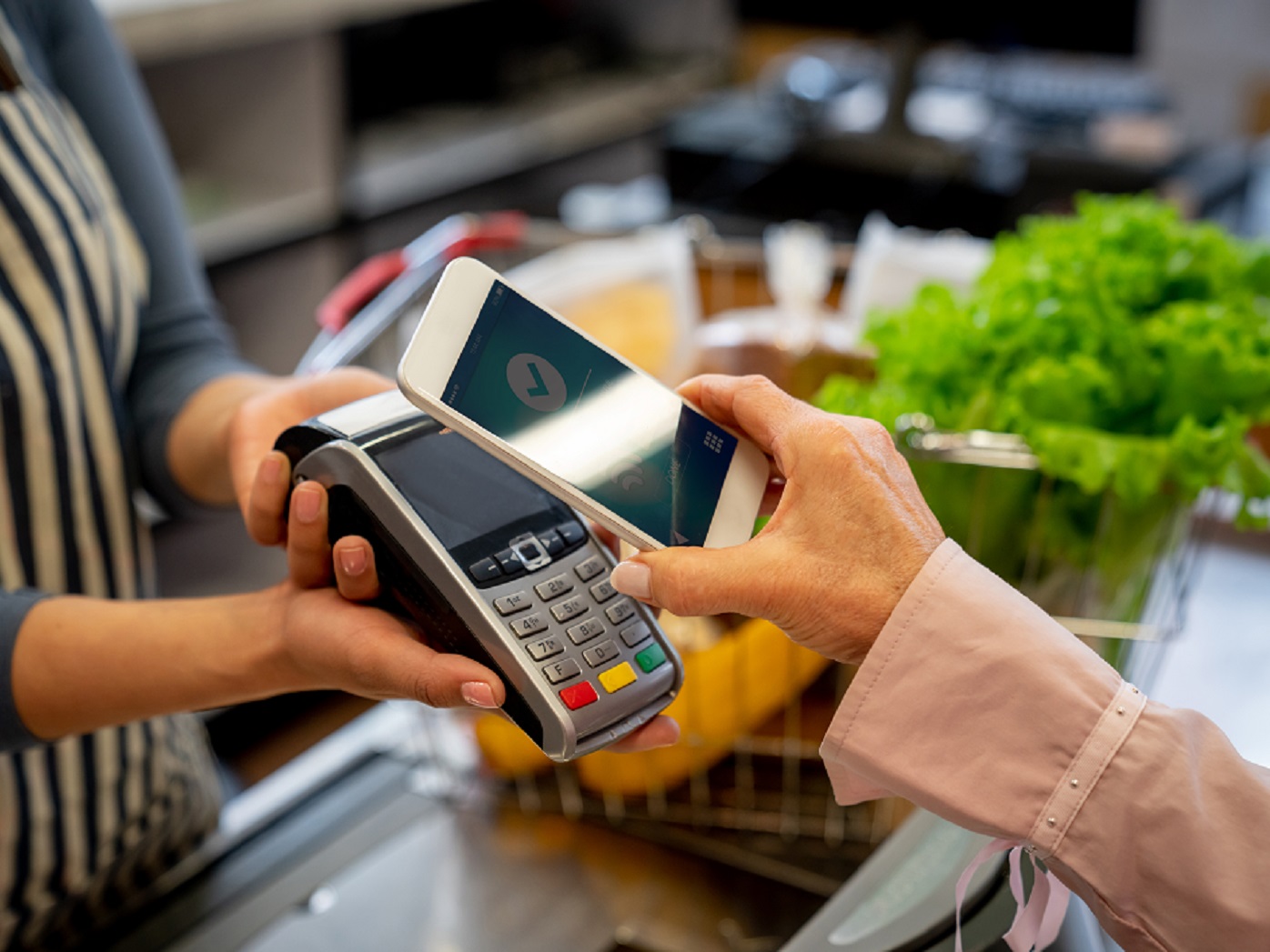
Woolworths recently launched their Everyday Rewards Wallet app, allowing customers to earn points and save when paying through the application's QR code process.
"By integrating the ease of QR code payments, with our Everyday Rewards app, we can save customers time at the checkout and help ensure they never miss a rewards point again," said Everyday managing director Hannah Ross.
READ MORE: How to get a free flu shot, state-by-state
Aldi confirmed in their 2022 Price Report that a basket of their goods is 15.6 per cent cheaper than their competitors – saving families $1555 a year.
Data commissioned by Aldi found the average family is spending 7 per cent of their annual gross income on groceries.
In March, ING research found that grocery shopping online can save the average shopper about $1,369 a year.
The pandemic revolutionised the way Australians shop for food, with one in five currently signed up to a meal kit subscription.