Category Archives: headline

The suburbs where unit prices are decreasing in Brisbane

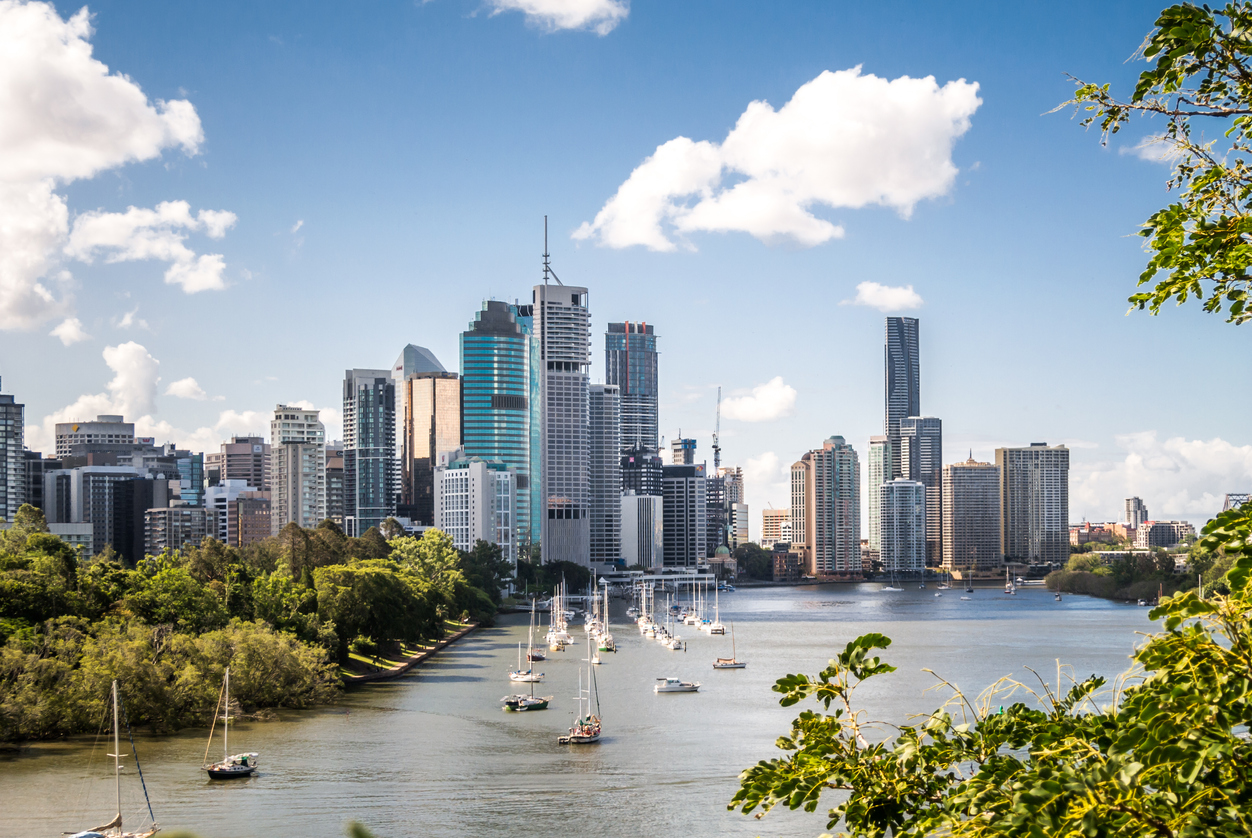
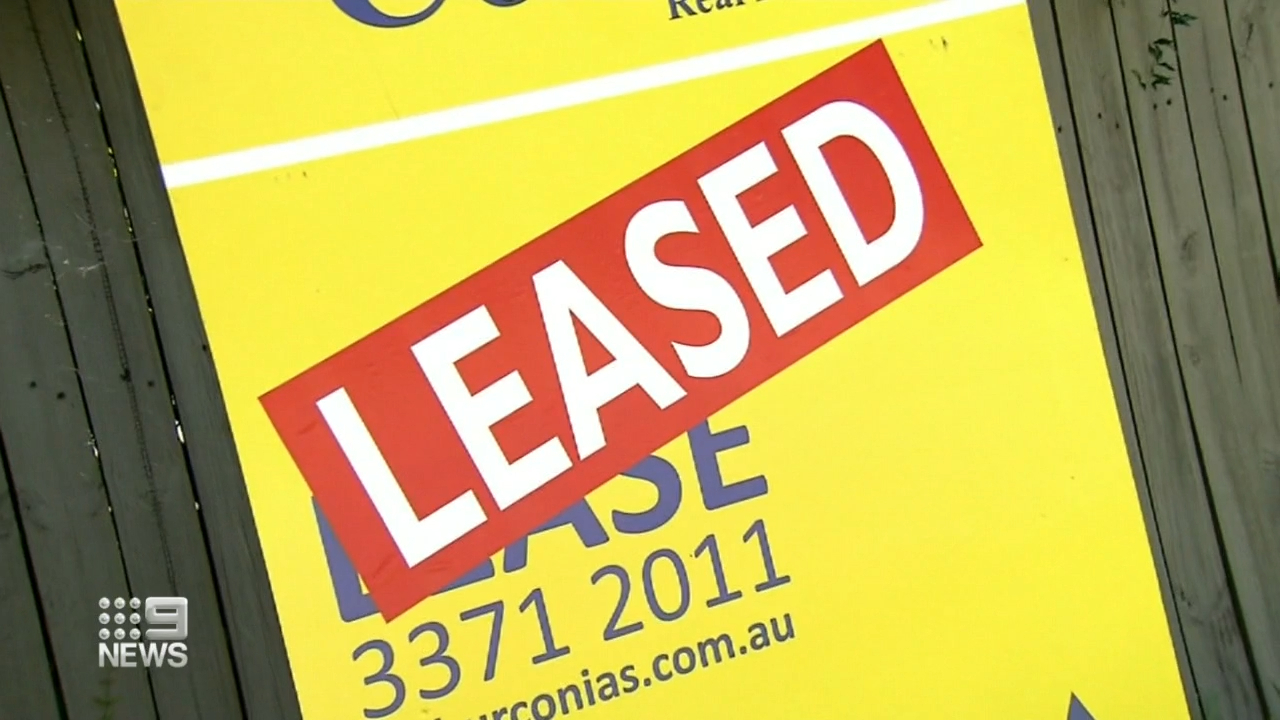
As housing prices reach record highs in south-east Queensland, new data shows units in some Brisbane suburbs are getting cheaper.

The city's housing market is the fastest growing of any Australian capital city with housing prices tipped to continue increasing throughout the year.

As the city sees a population boom, the average unit price in Brisbane has peaked at $437,000.

"It's gone up 3.1 per cent this year alone," Domain managing editor Alice Stolz said.

READ MORE: Sydney couple duped out of $5000 over a seven-hour call

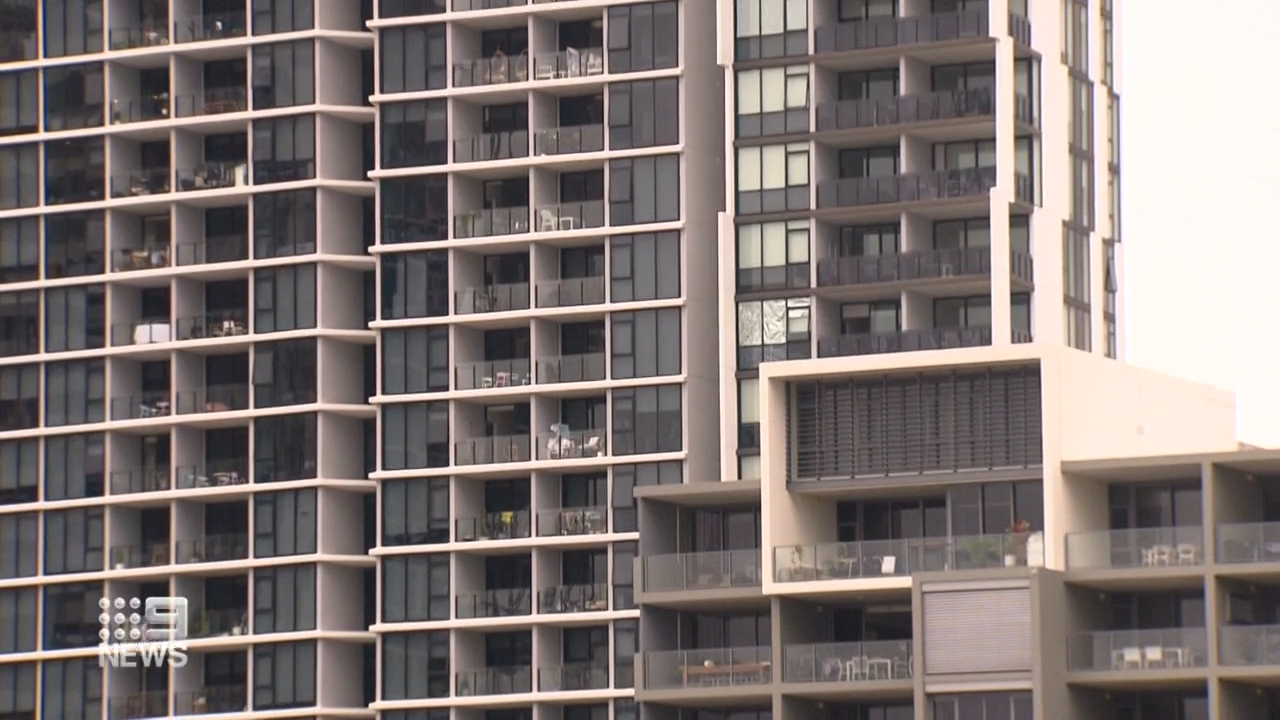
Domain data reveals some units in some south-east Queensland suburbs are cheaper than they were in 2017.

In the suburb of Windsor, Brisbane, data shows the average unit price has dropped by 15 per cent.

In Beenleigh, properties are on average 12.7 per cent cheaper than they were five years ago.

Some Milton apartments are costing approximately 10 per cent less while some Indooroopilly apartments are down by 6.6 per cent.

But Place real estate agent Alex Rutherford said not all properties had felt the dip, encouraging those on the market to do their research to find the best price.

"It's largely properties that were sold off the plan five to 10 years ago and are now reselling, yes lower than they were then but it's only a small segment of the market," Rutherford said.

READ MORE: Aussies warned of severe weather as polar blast hits state

On the Gold Coast, housing prices are increasing.

The only suburb where unit prices have dipped in the last five years is Coomera.

Property experts say now could be an ideal time for young buyers to enter the property market as prices are projected to spike again across the south-east.

"Especially with the end of the financial year coming there are investors that obviously want to have their properties sold before June 30," Rutherford said.

Stolz said with the price of property buying and building on the rise, now could be the ideal time to purchase a new home.

"Knowing that we're seeing such pressure in the construction industry, pipeline is really driving up in the development space, having a building in front of you with a key in your hand could be your way into the market."

READ MORE: What happened after Australian woman Briggite set Everest record

Aussie Top Guns show their flying skills in NT

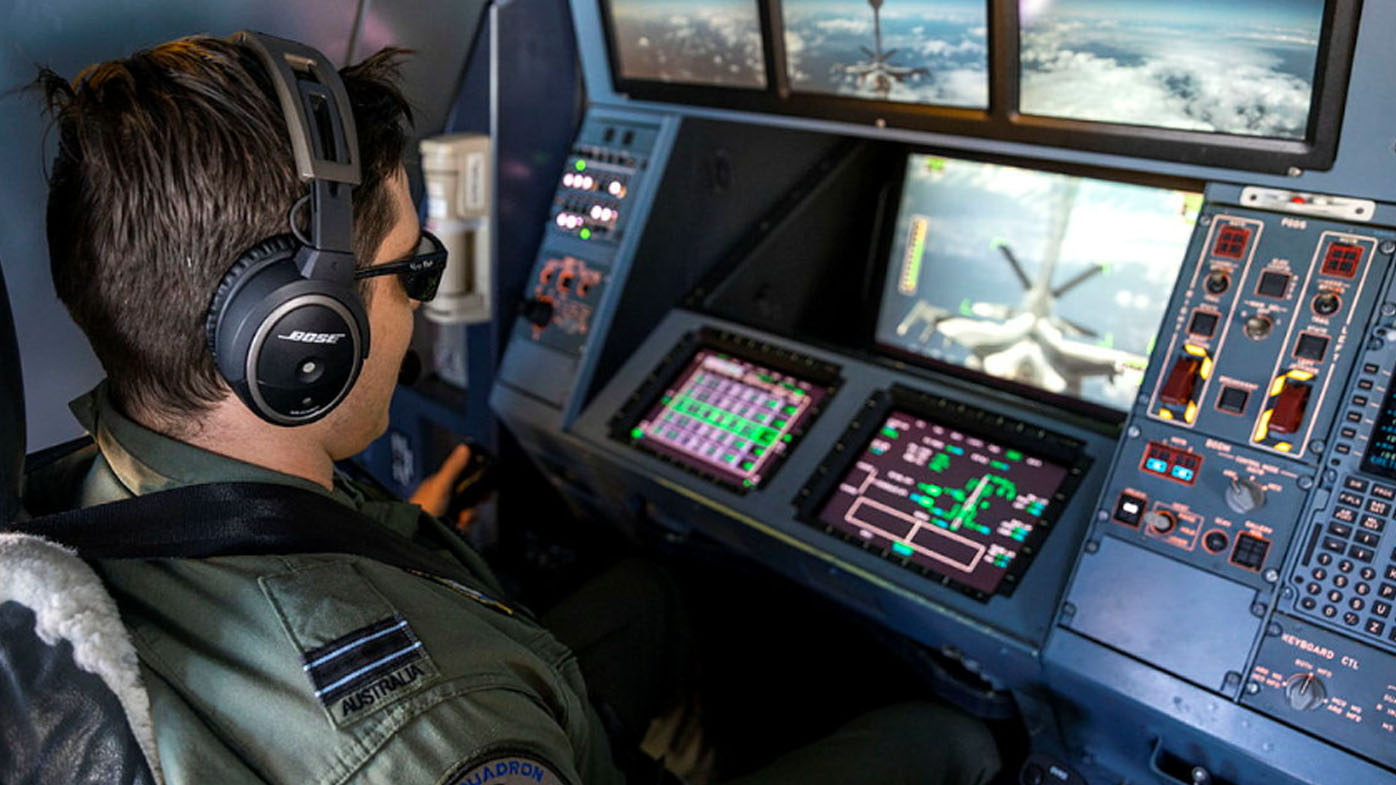
Australia's very own 'Top Gun' pilots are taking to the skies over the Northern Territory in a major military exercise.

The Royal Australian Air Force's Exercise Diamond Storm 22 started this week, with the aim of training the best of the best in air warfare.

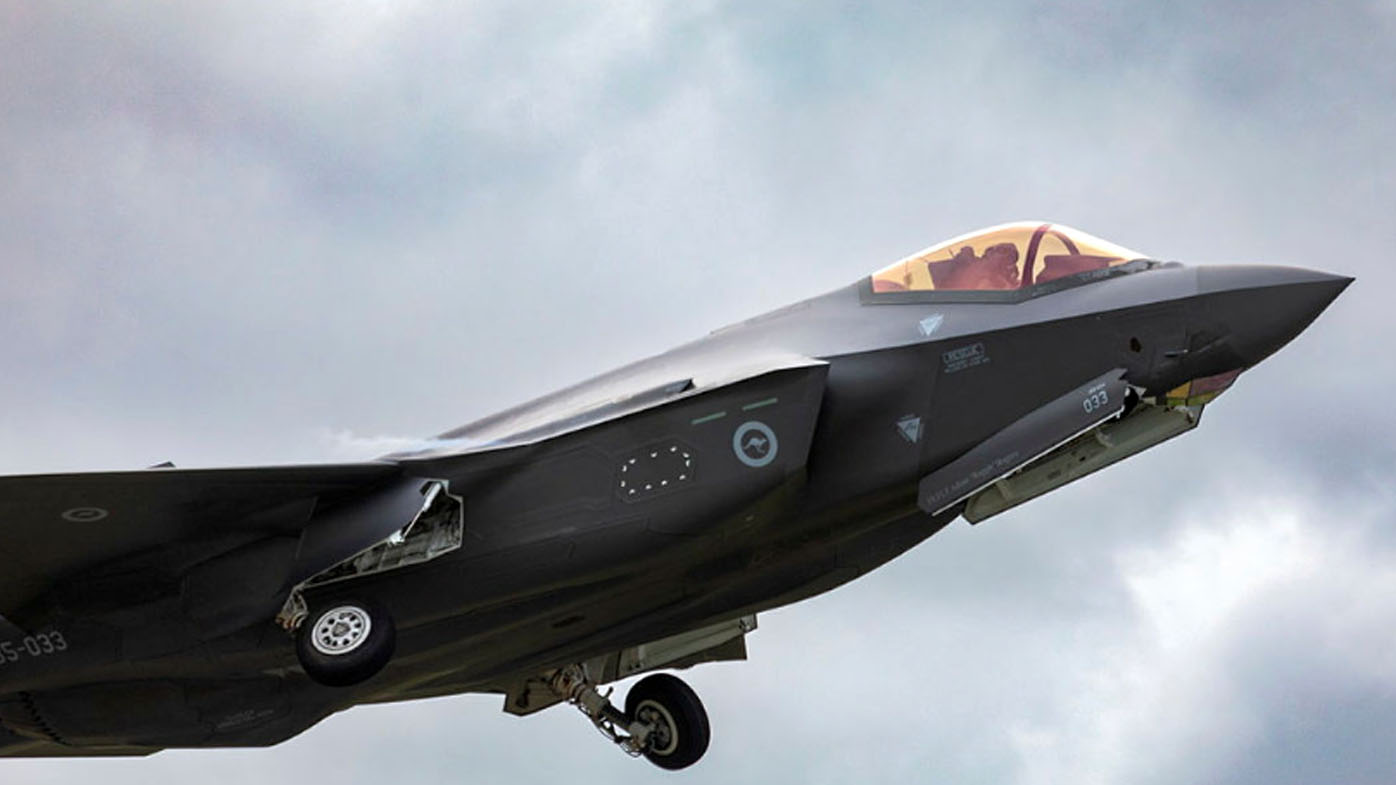
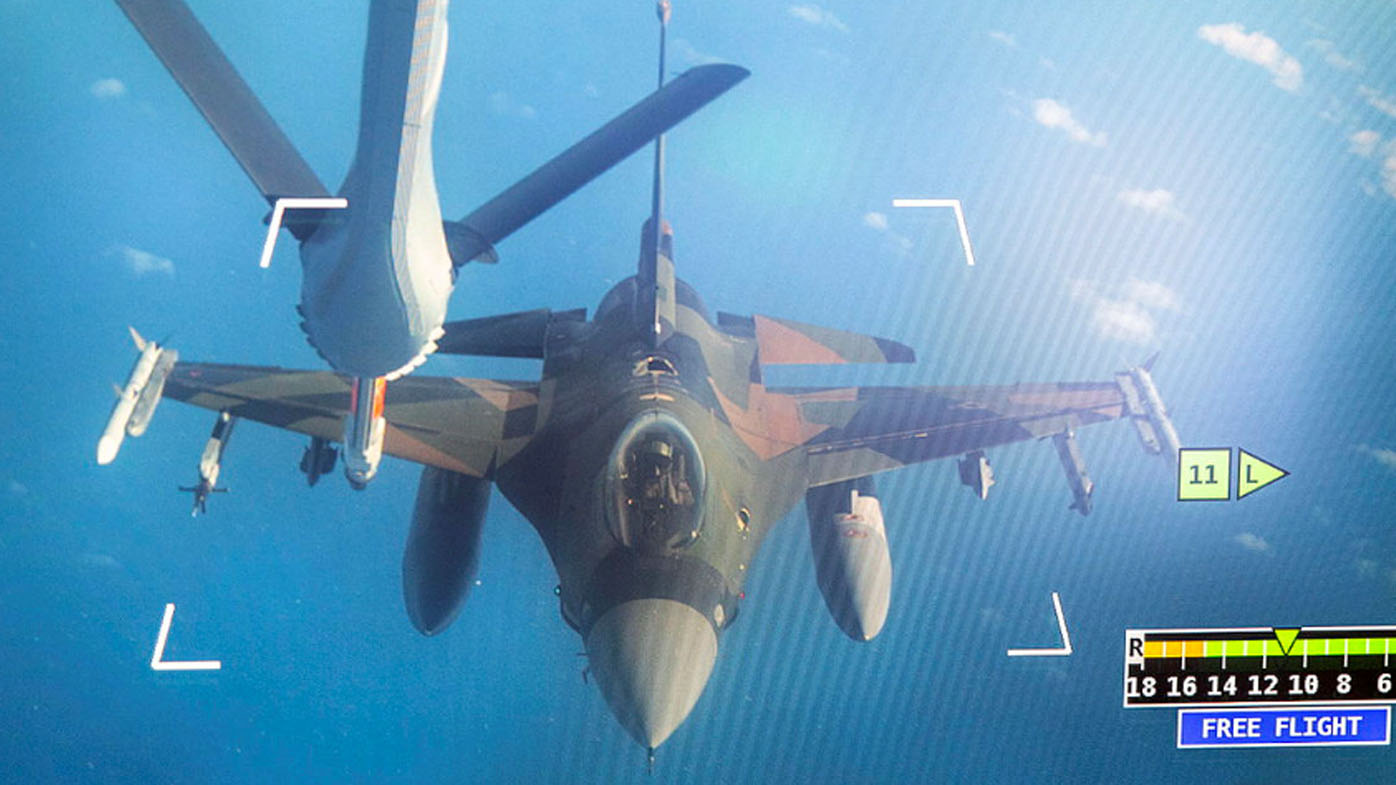
More than 60 Australian and US aircraft will fly in the bi-annual exercise that is being held until late June. The warplanes taking part include F-35A Lightning II stealth fighters.

READ MORE: Sydney couple duped out of $5000 over a seven-hour call

The giant military drill will also deploy about 1400 Australian and US service personnel.

RAAF Air Commodore Ross Bender said the Northern Territory offered the military one of the best training environments.

"Diamond Storm provides our candidates with the opportunity to apply their skills in high-end warfighting scenarios alongside international partners," he said.

Warplanes based from RAAF Base Darwin and RAAF Base Tindal will fly throughout the NT.

READ MORE: Aussies warned of severe weather as polar blast hits state

Air crews will also fire missiles and other weapons at the Delamere Air Weapons Range during the exercise.

The training also gives the RAAF the opportunity to hone the skills and knowledge of its future air warfare instructors.

"Our air warfare instructors will be knowledgeable and approachable experts who can integrate people, systems and combat effects across the five warfare domains: air, land, maritime, space and cyber," Air Commodore Bender said.

Exercise Diamond Storm 22 is being held as the film Top Gun: Maverick, starring Hollywood actor Tom Cruise, screens in Australian cinemas.

READ MORE: What happened after Australian woman Briggite set Everest record

The sequel to the famous 1986 Top Gun movie, it is about pilots from the US Navy's Top Gun elite flying school.

'It mongreled me good': Man attacked by massive roo in Victoria

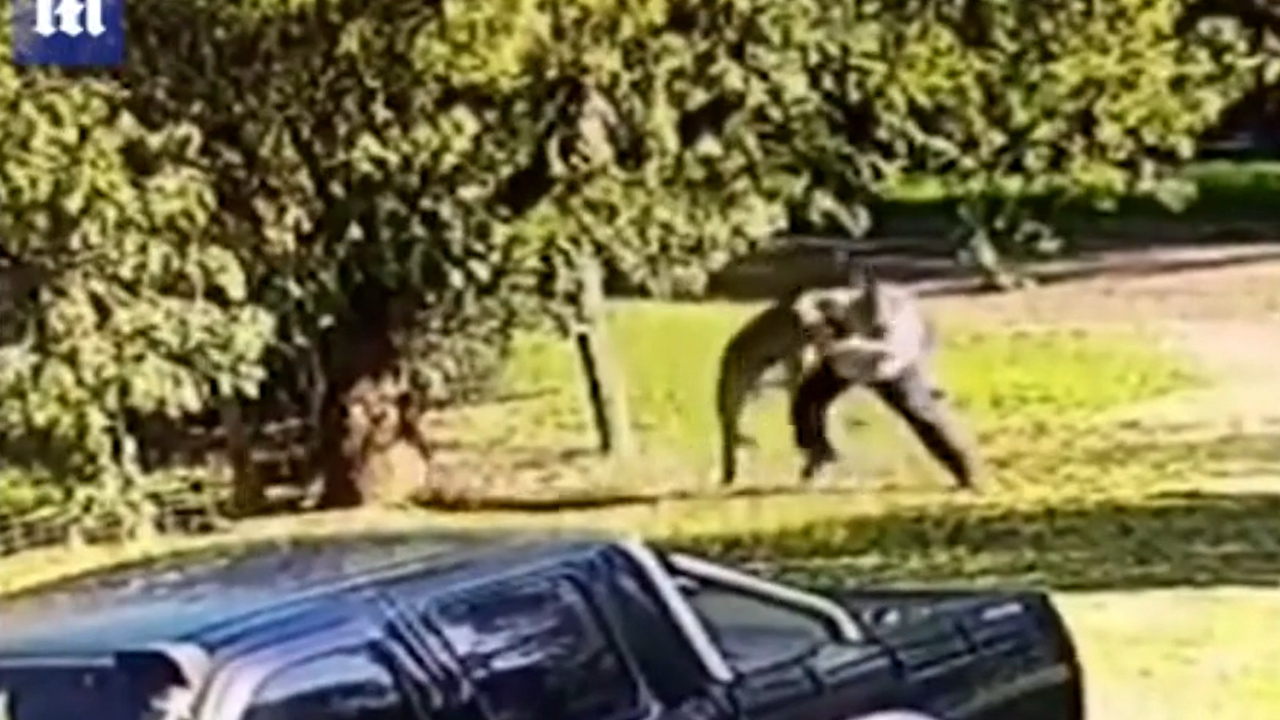
Shocking vision has emerged of a man being attacked by a kangaroo for more than six minutes in central Victoria.

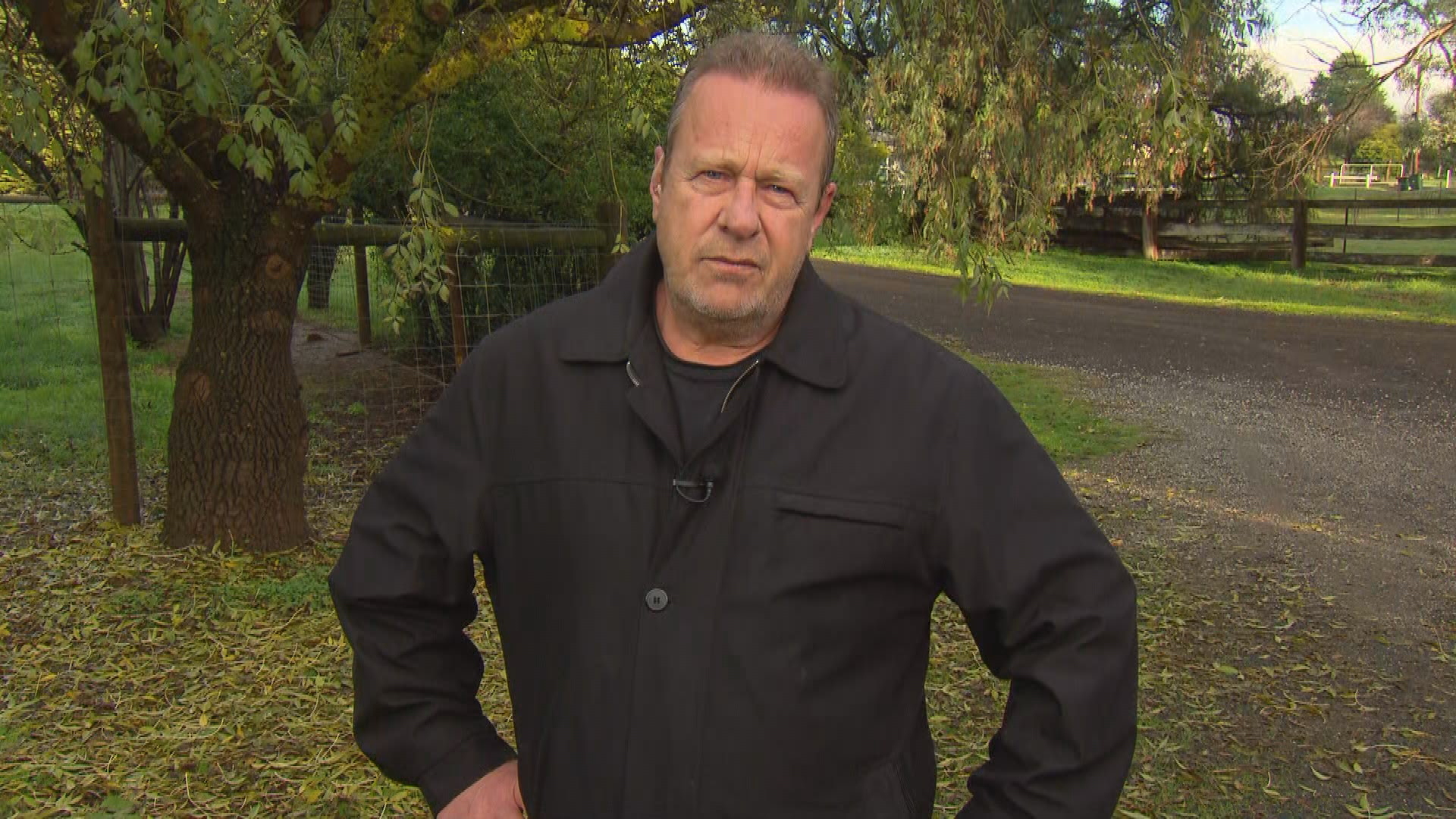
Heathcote man Cliff Des told Today how the large animal set upon him when he went to see what his dogs were barking at near his backyard.

"It was a six-foot mad roo trying to rip my little dogs out of the yard," he said.

READ MORE: Icy polar blast to sweep Australia as winter looms

The massive roo can be seen stomping on the man as he stumbles to the ground while trying to flee.

"I went near it, about 30-foot away to try to shoo it away but it didn't want to go away."

Des then ran back to his yard, with footage showing the kangaroo then stomping on him as he tries to flee.

"I fell near a stick, and after three whacks with the stick, it snapped like a carrot."

The 59-year-old pinned the kangaroo after it continued to attack him.

"I thought this guy means business, he was going to mongrel me if I didn't, I took him to the ground.

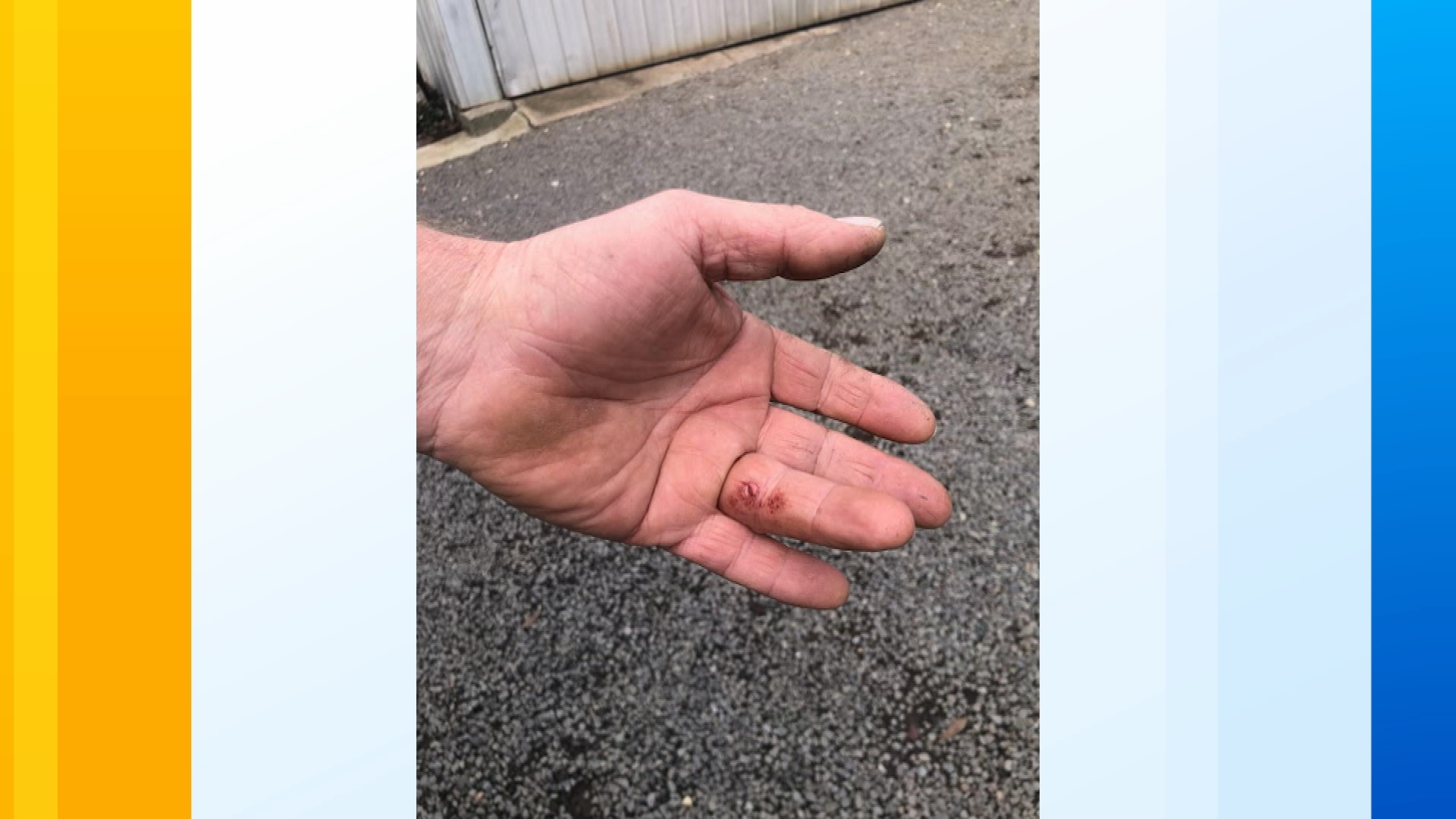
"It tried to gouge my face. I put my head down so it gouged me on the top of my head. It bit my finger. Then it put its back claw through my leg, about an inch-and-a-half through my back leg, shredded my pants down to the cuff."

Des then tried to run away again and it chased him around his car, with the ordeal lasting six minutes and 22 seconds.

"I didn't come out that good. I've got a few bruises and scars on me.

"It mongreled me real good."

Des said it was fortunate the attack happened to him, seeing a lots of elderly people and kids also walked through the area.

READ MORE: Drinking coffee everyday could help you live longer, study reveals

"It could have been worse. It could have been one of them," he said.

However, Des said he held no resentment towards kangaroos after the encounter, saying humans were on kangaroos' land.

"We built our roads over theirs. They're a beautiful animal.

"What I can take from the whole scenario is just don't go near them.

"They can snap…we don't know how they think."

The kangaroo hopped away uninjured.

A previous version of this story incorrectly reported the encounter as happening in Ballina, NSW.

How Australia's mining expertise could help humans reach Mars

An otherworldly grey, dusty substance on the moon could be instrumental in getting humans to Mars, and Australia is one of a handful of nations best equipped to mine it.

Regolith, a kind of lunar dust which covers the moon in depths of up to 10 metres, has been formed over billions of years through constant meteorite strikes.

Rich in minerals, regolith is believed to contain oxygen, silicon, iron, aluminum, titanium, calcium, magnesium and other rare elements – all which could help humans live in space.
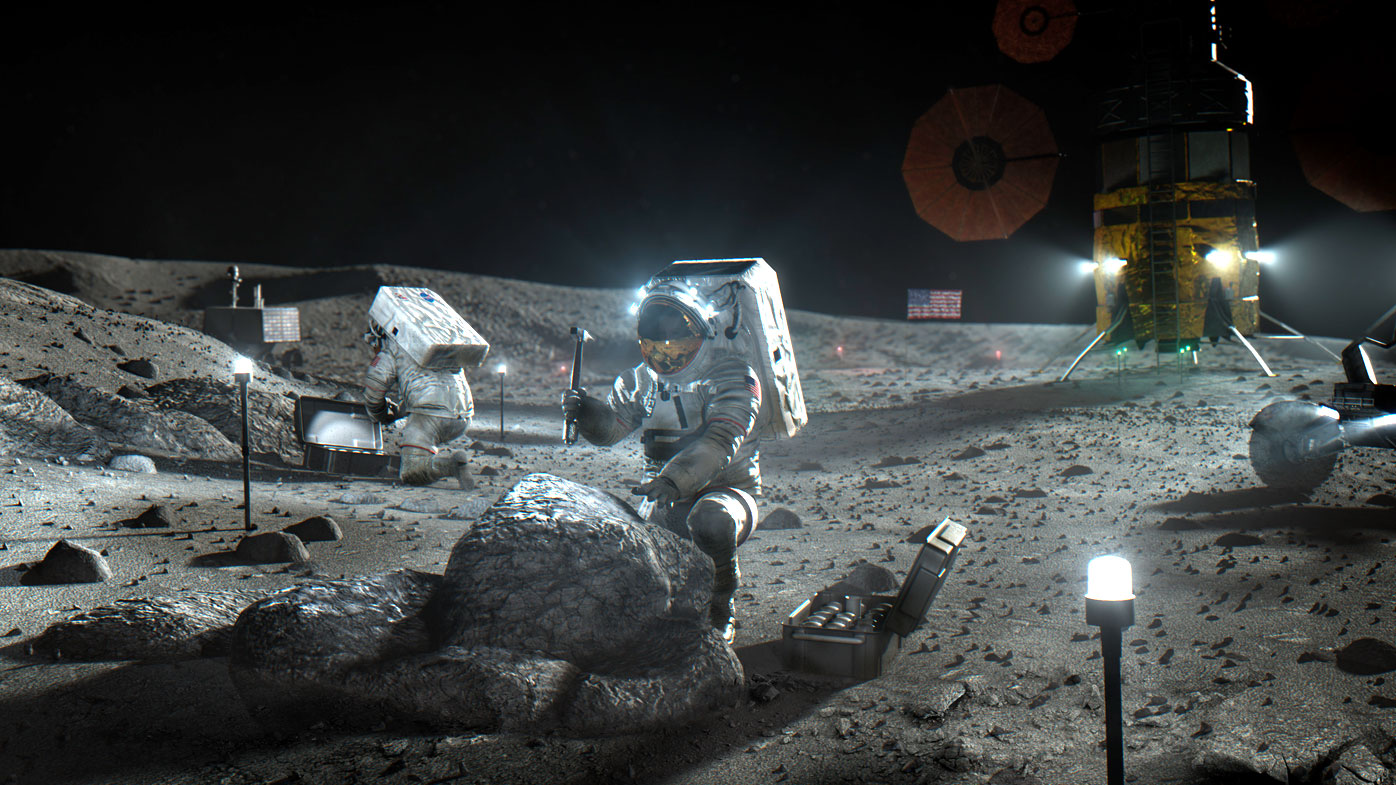
A NASA depiction of Artemis astronauts on the moon

READ MORE: Sydney couple duped out of $5000 over a seven-hour call

Unlocking the potential of regolith is set to drive a kind of new gold rush on our closest celestial neighbour, which has been a source of fascination and held religious and cultural significance since prehistoric times.

Before Apollo 11 landed on the moon in July 1969, there were fears inside NASA that the moon's lunar dust could simply swallow up its astronauts like quicksand.

But, as Neil Armstrong and Buzz Aldrin discovered, despite having the appearance of light and flaky sand, regolith is in fact sharp and jagged, with a kind of coral and fragmented glass-like form.

"When Apollo 11 astronauts came back from the moon and their beautiful white spacesuits were all dusty and dirty, that's regolith," Melissa de Zwart, a member of the Advisory Council of the Space Industry Association of Australia, tells 9news.com.au.

Along with the US, China, Russia, Japan and the European Space Agency, de Zwart lists Australia as part of a select group who have the technological capability to mine the moon for what could be hundreds of billions of dollars of untapped resources.

And, as Amazon's Jeff Bezos and Tesla's Elon Musk have shown, billionaires of untold wealth and with an eye for opportunity will ensure this brave, new frontier is not the sole domain of nation states.

De Zwart says mining the moon is "going to happen very soon", and points to "proof of concept" operations already successfully conducted.

READ MORE: Mesmerising rover footage captures rare sight above Mars
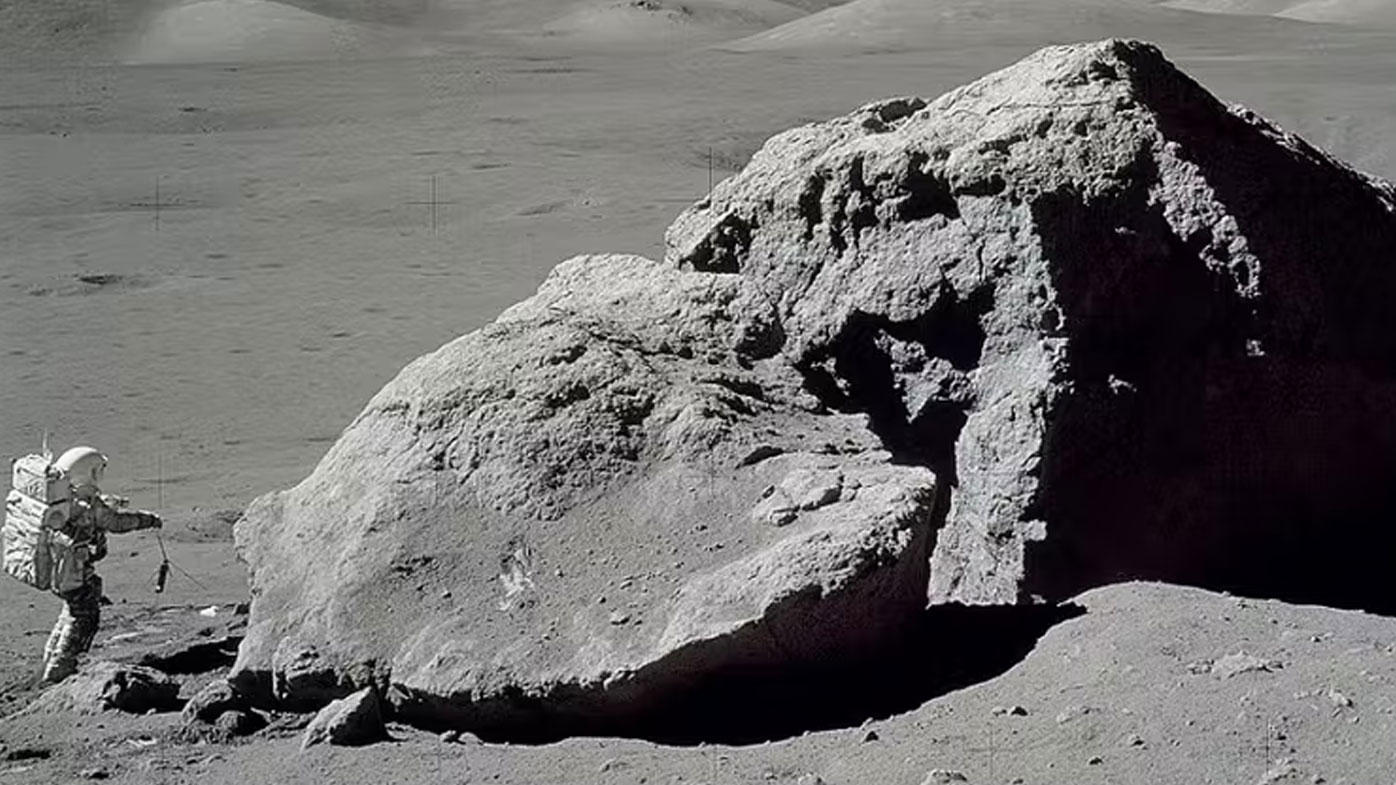
Apollo 17 astronaut Harrison H. Schmitt walks near a massive rock on the moon in 1972, in what was the final mission of NASA's Apollo program.

READ MORE: Aussies warned of severe weather as polar blast hits state

In 2020, NASA pledged to buy moon rocks from private companies who put robotic rovers on the lunar surface and dig for samples of the dusty terrain.

Last year the Australian Space Agency announced plans to send an Australian-made rover to the moon by as early as 2026, under a deal with NASA.

And the European Space Agency plans to start mining for water and oxygen, contained in regolith, by 2025.

The agency has signed a one-year contract with aerospace company ArianeGroup to spearhead efforts to mine regolith.

De Zwart says private corporations, such as ArianeGroup and Australian mining giants Vale, Glencore, Rio Tinto, and BHP, will "most likely" pioneer mining operations on Earth's only natural satellite.

"Australia has such an advantage technologically," de Zwart says, "because who has the expertise in mining autonomously in such hostile and extreme environments?"

National science agency CSIRO believes Australia can leverage its geoscience and mining expertise – particularly in the fields of remote and automated mining.

READ MORE: Volcanoes could still be active on Mars
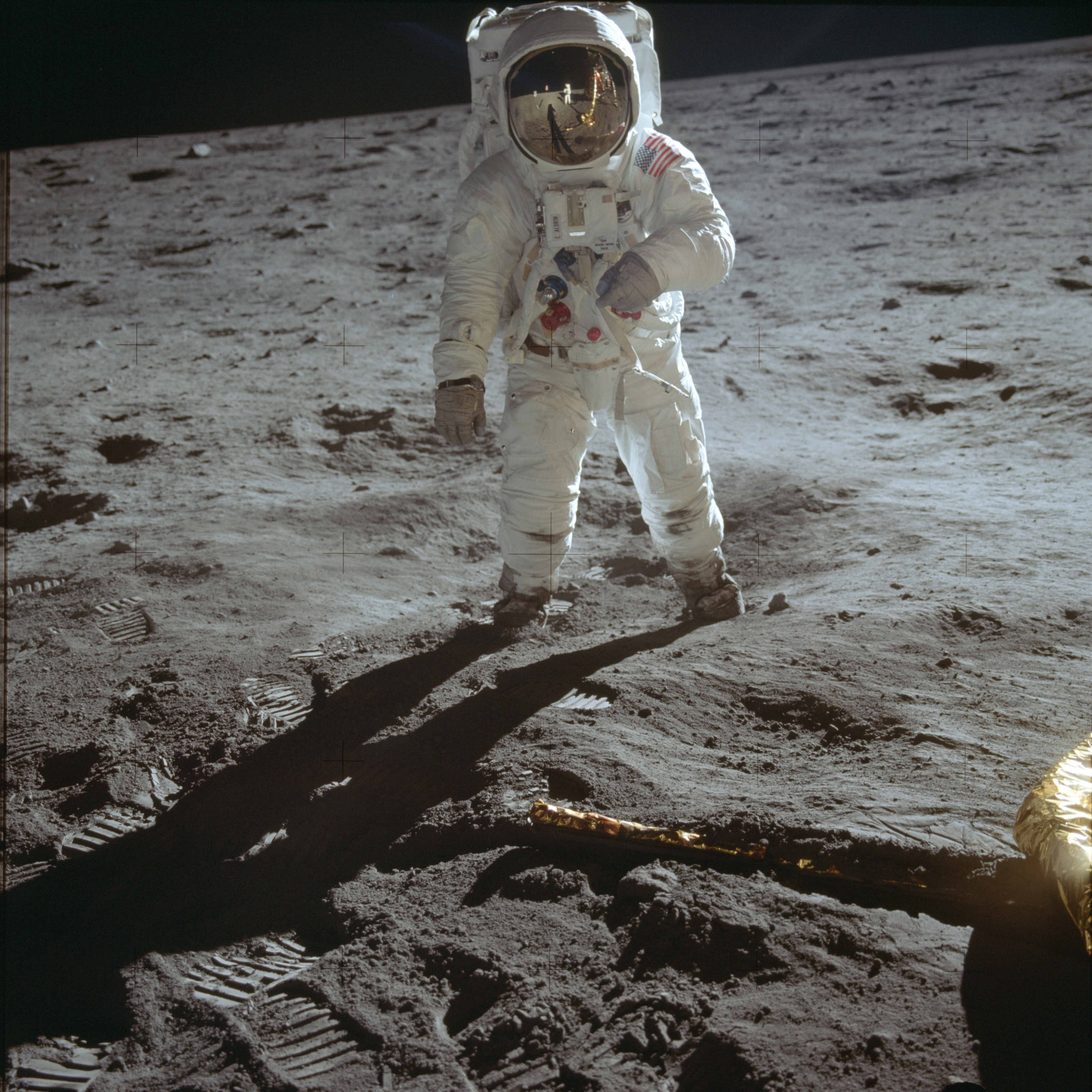
The world's first moonwalker, Neil Armstrong, brought regolith back to Earth after he landed on the moon.Australian mining companies have built up valuable expertise in WA's remote Pilbara region

READ MORE: First ever plants grown in lunar soil in scientific landmark

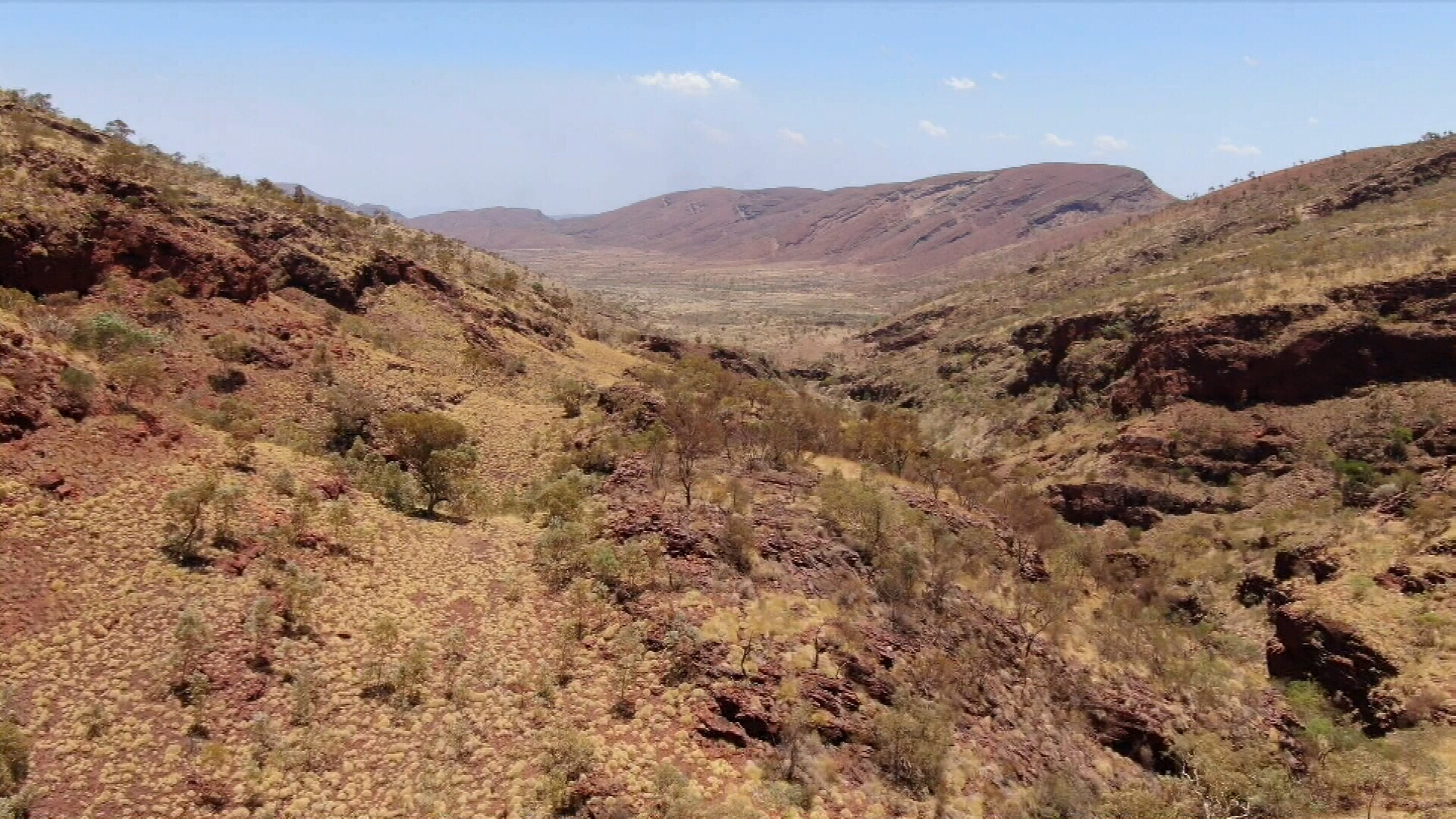
Much of the mining activity in Western Australia's Pilbara is managed remotely from Perth, a method which could be replicated on the moon.

With a race for minerals, strategic advantage and unknown levels of financial wealth, there are fears of tensions between world superpowers as the space sector heats up.

The moon is viewed as a kind of lunar gateway, which could potentially vault humans beyond the International Space Station and into other far flung parts of the universe.

Taking materials up to the moon, powering through the Earth's gravitational pull, is too difficult, inefficient and horrendously expensive.

To transport cargo the 384,400 kilometres from Earth to the moon, CSIRO estimates it costs around US $1 million per kilogram.

It is necessary, experts believe, for humans to create and build bases on the moon using materials excavated from regolith.

So robotic mining rovers will be just part of the puzzle.

De Zwart says our lofty ambitions to reach Mars will mean putting people back on the moon to assist mining operations and build settlements and bases.

And that, de Zwart says, is where humans are venturing into unknown and possibly fraught territory.

The Outer Space Treaty, signed by 107 countries, prevents any nation from claiming sovereignty over the moon or any other celestial body.

READ MORE: Why the US government proposed nuking the Moon
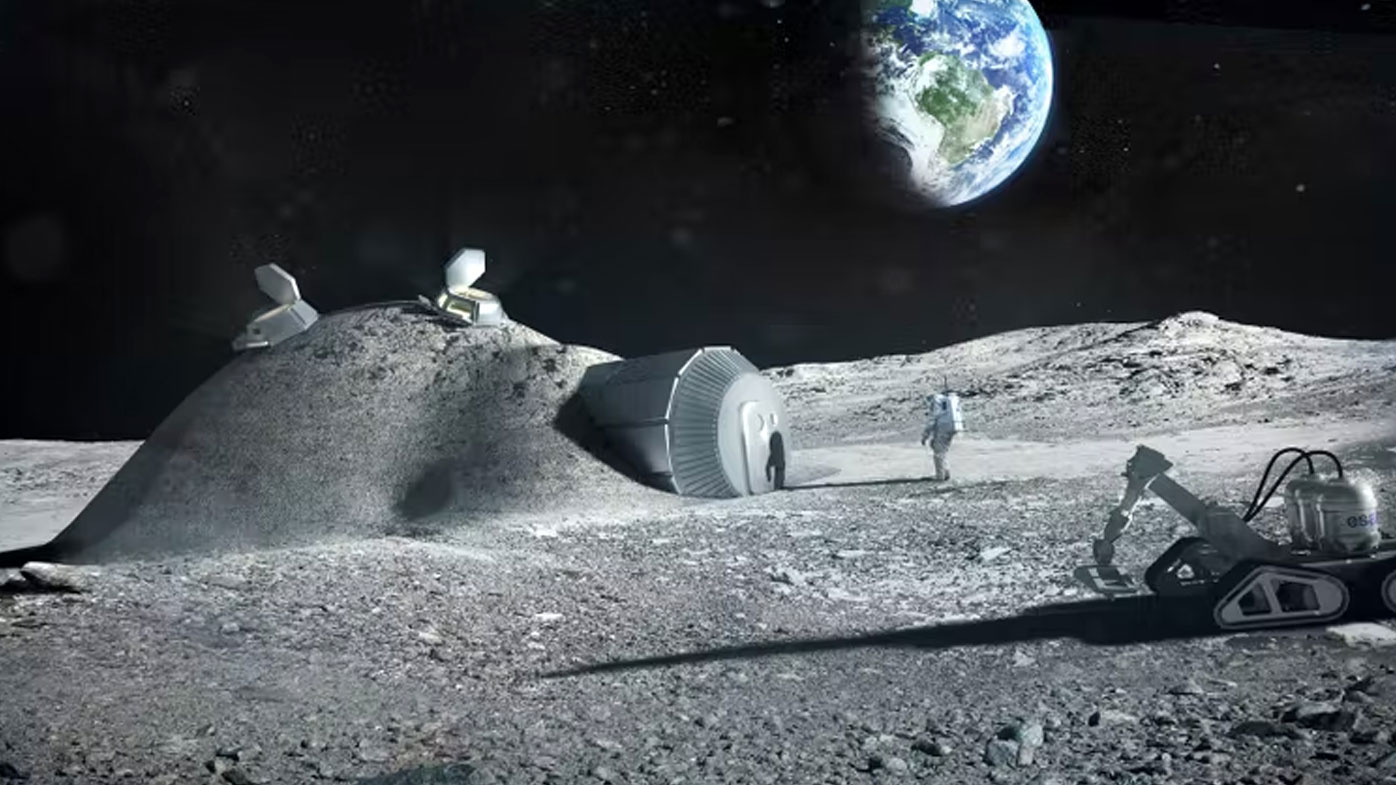
A rendering from the European Space Agency depicting future settlements on the moon.

READ MORE: What happened after Australian woman Briggite set Everest record

However, mining on the moon is not fully regulated by any treaty.

The Moon Agreement, signed in 1979, accords most protection of the moon and does seek to govern the kind of activities that take place on its surface.

However, of the leading spacefaring nations, only Australia has signed up to the agreement, which has a meagre 18 signatories.

"Human beings will go into space, and, you know, things happen when humans go anywhere," de Zwart predicts.

"You are going to have multiple, competing uses of the moon."

READ MORE: Real reason sides of the moon look different
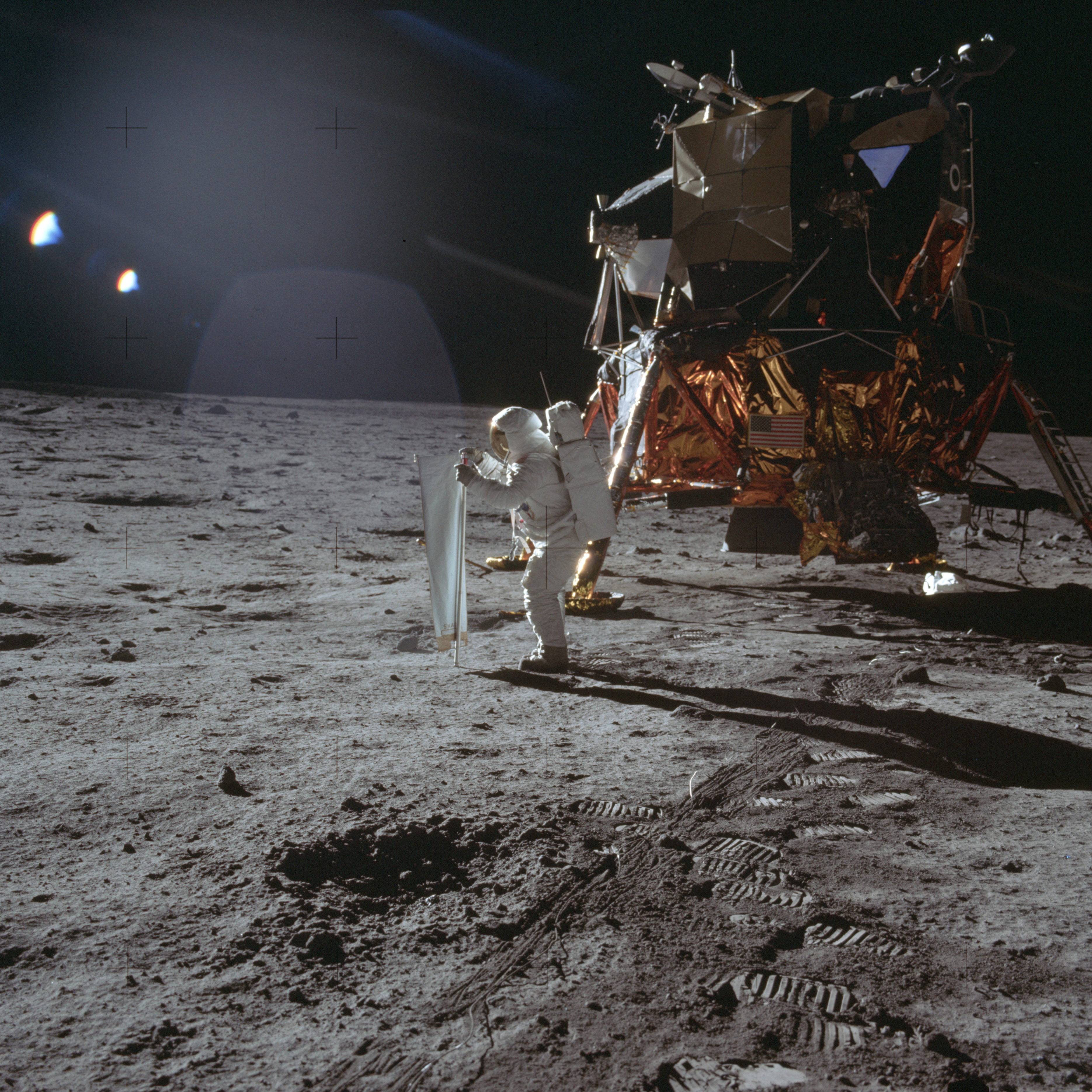
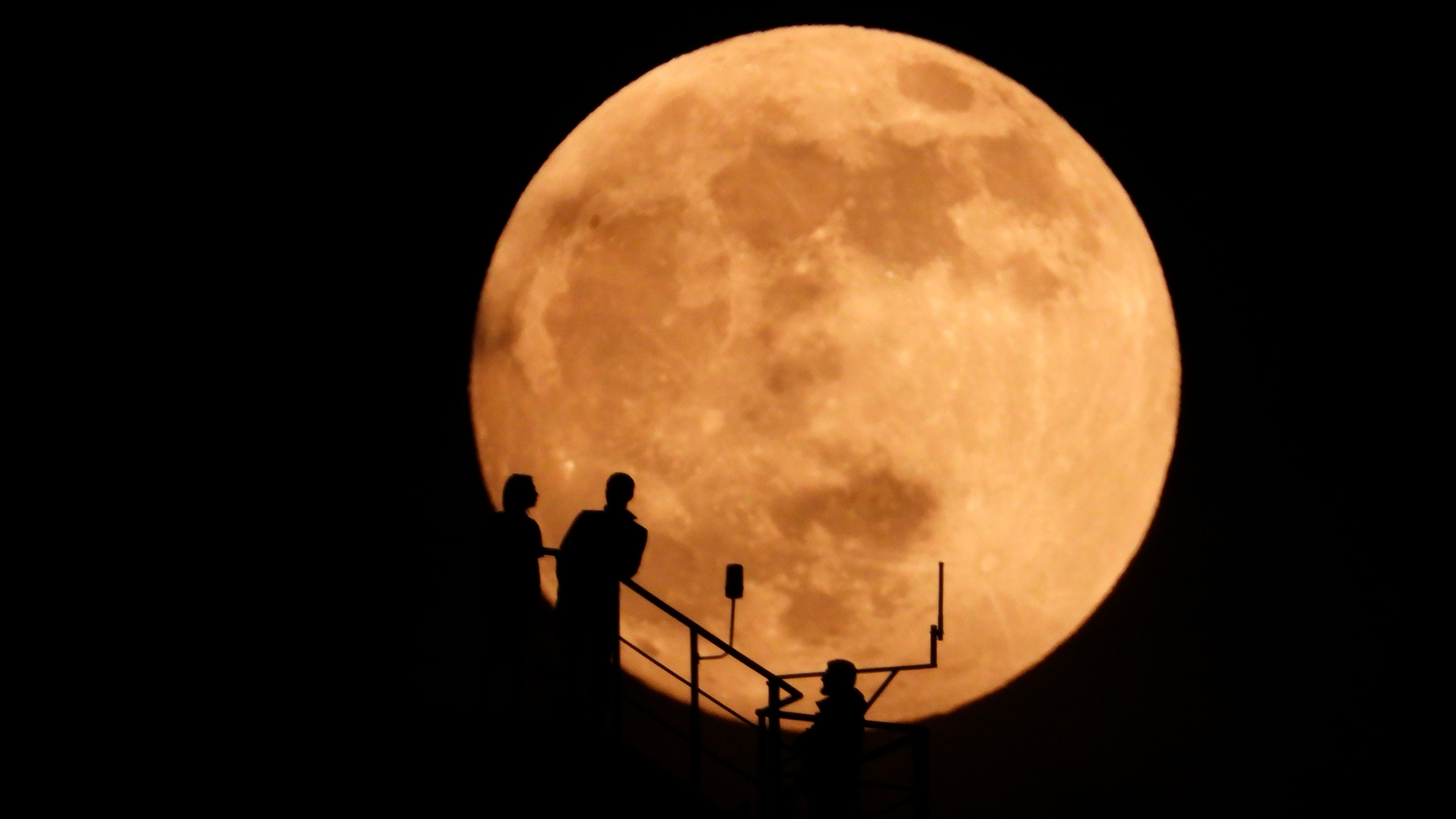
Apollo 11 astronaut Buzz Aldrin deploys a solar wind experiment on the surface of the moon.People are silhouetted as an almost full moon rises above the sky.

Tensions could rise over mine and other strategic locations, she says.

At the moment, under current treaties, there is no certainty or rulebook for how potential conflicts will be resolved.

"One bad mistake in space can mess it up for everybody. So, it really is an environment that we need to be cooperative about," de Zwart says.

"The moon, I think, means something to most people.

"When we look up at the moon, it gives us a sense of where we are on Earth. And we get excited when there's a big full moon or a blood moon or an eclipse.

"I don't think that we want to go up there and fight over the moon."