The Employment Court has ruled that a group of ex-Gloriavale members were employees at the secretive Christian community – from when they were just 6 years old.Further, the members undertook “strenuous, difficult, and sometimes…
Category Archives: headline
True nature of political 'preference deals' explained
It pops up every election: political parties warn voters to put their opponents last on the ballot paper, because of scary "preference deals" that will see unwanted candidates gain power.
While these preference deals exist, they have no power on how you vote – unless you let them.
From how to vote cards to democracy sausages, here's a crash course on how Australia's voting system works.
READ MORE: The satellite images that cost Aussie homebuyers $25k
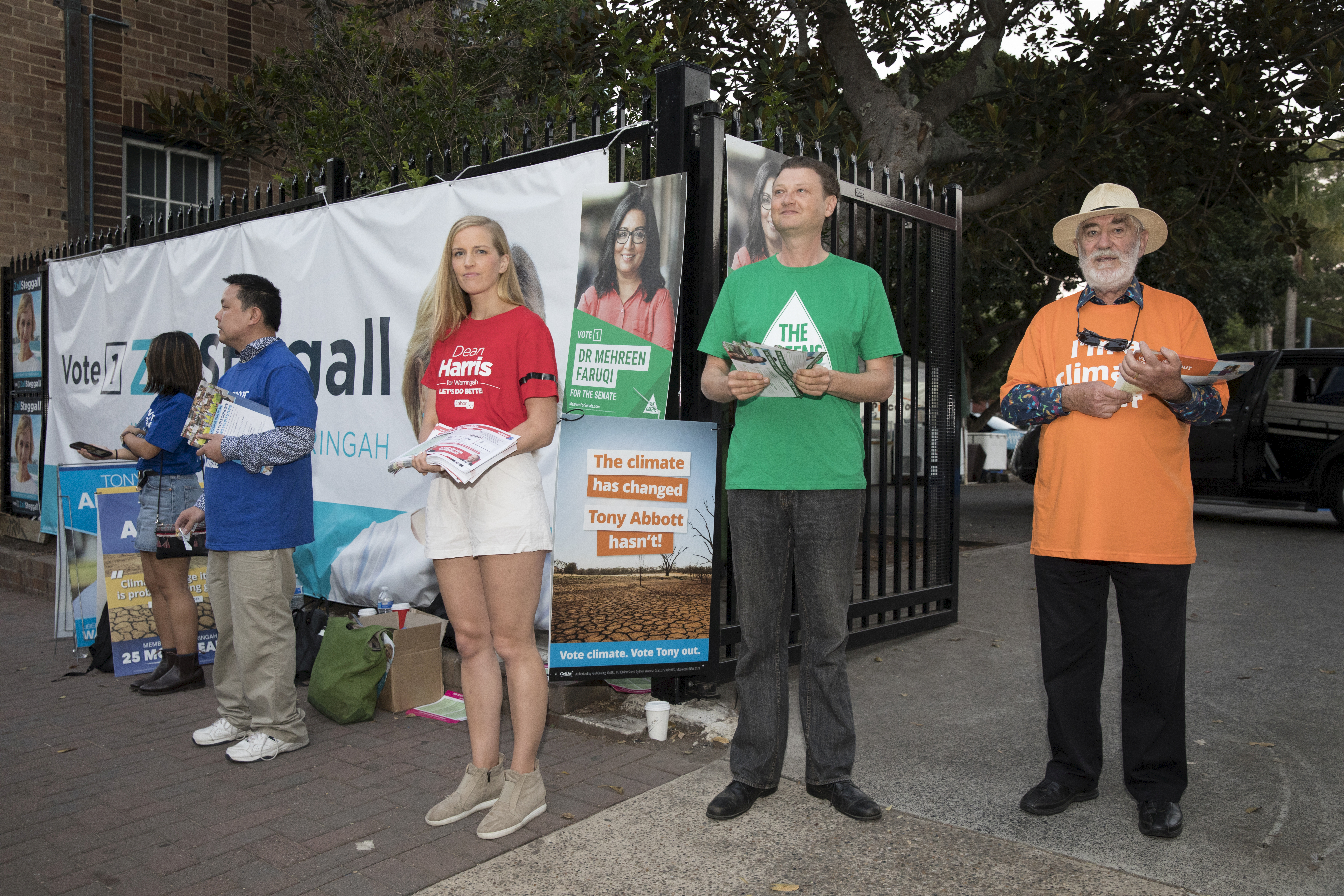
Elections are simple, aren't they? The person who gets the most votes wins, right?
Yes, fundamentally elections are simple beasts.
But throw in multiple candidates and multiple counts and suddenly you have enough data to make a statistician dizzy.
Australian federal elections use something called a "preferential voting system".
Under this system, voters are required to mark a preference for every candidate on the green ballot paper (which is the House of Representatives) and mark a certain number of preferences on the white ballot paper (which is the Senate).
To win, a candidate must secure an "absolute majority" or more than 50 per cent of formal votes.
In real terms, an "absolute majority" is essentially support from more than half of voters.
READ MORE: 'Significant flooding' likely in Queensland as BoM issues flood watch
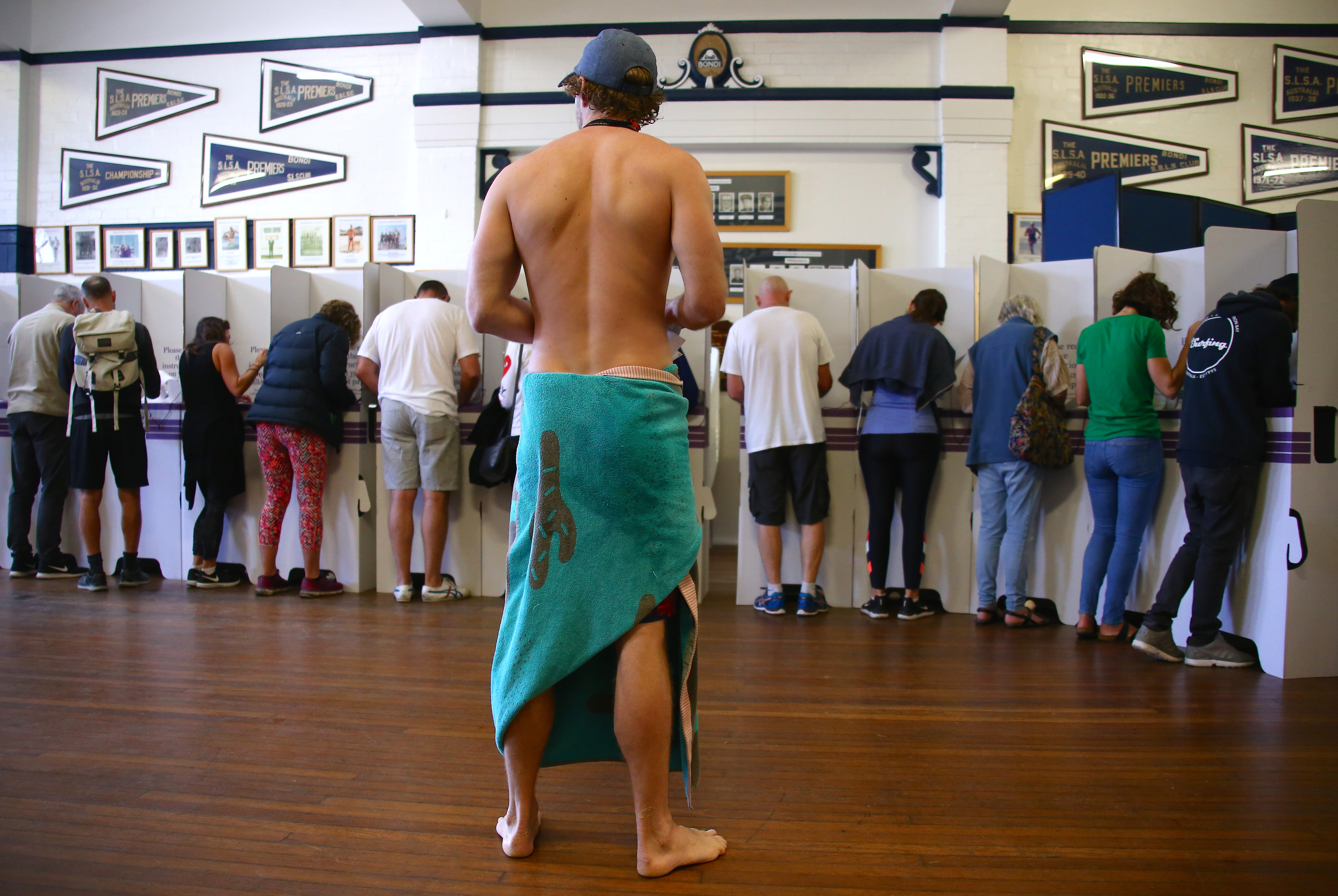
That makes sense. So why can't we just put an X down for the candidate we want, and leave it at that?
Because the result may not show an "absolute majority" of support for one candidate.
At every polling station, officials start by sorting the formal votes by who voters have placed a number one next to.
If one candidate gets more than 50 per cent of formal first preferences (a clear absolute majority) then they are elected, but a full "preference count" is still done.
If no single candidate wins a clear absolute majority on the first count, polling officials then go through several counts where they factor in the order of the numbers you placed next to the candidates.
I know, I know, it sounds very confusing in writing – the Australian Electoral Commission (AEC) has an excellent explainer of how preferential voting works.
READ MORE: Nick Cave's eldest son Jethro Lazenby dies
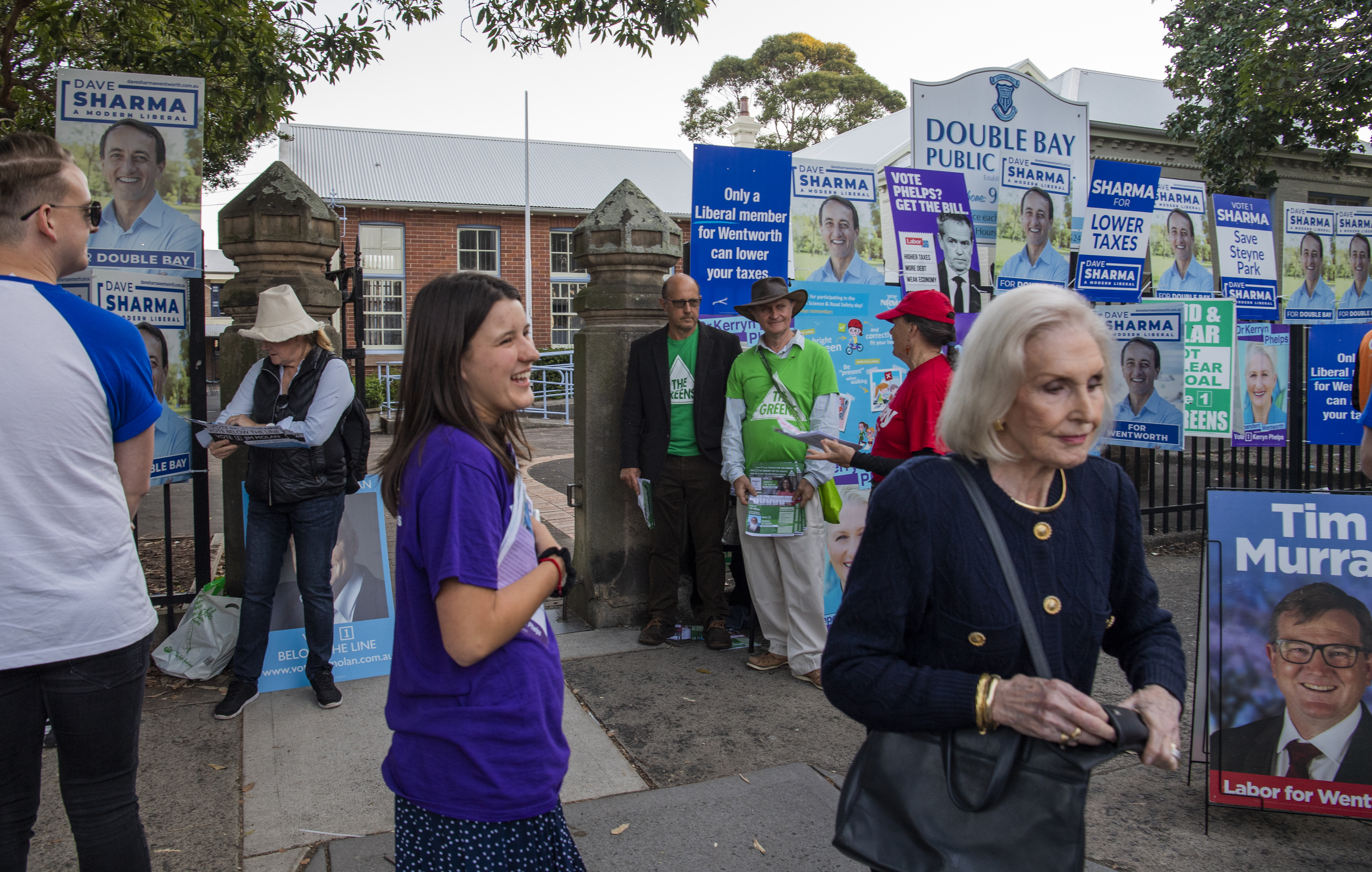
It sounds like you are describing preference deals to me …
Let me be clear.
Preference deals – as described by political parties – are only about those "how to vote" cards that party volunteers hand out at polling stations.
Political parties make agreements to have a streamlined message on these "how to vote" cards, where they provide a suggestion to voters on which numbers should go next to which candidates.
You as the voter can preference whoever you like – and in whatever order you like – when you number the boxes.
Voters are not obliged to take any notice of the party-printed "how to vote" cards at all, and preference deals do not impact your vote if you do not follow the "how to vote" cards.
Political parties know that these "how to vote" cards do have an influence, and thus have polling booths well staffed by representatives who hand out materials.
FULL COVERAGE: Federal Election 2022
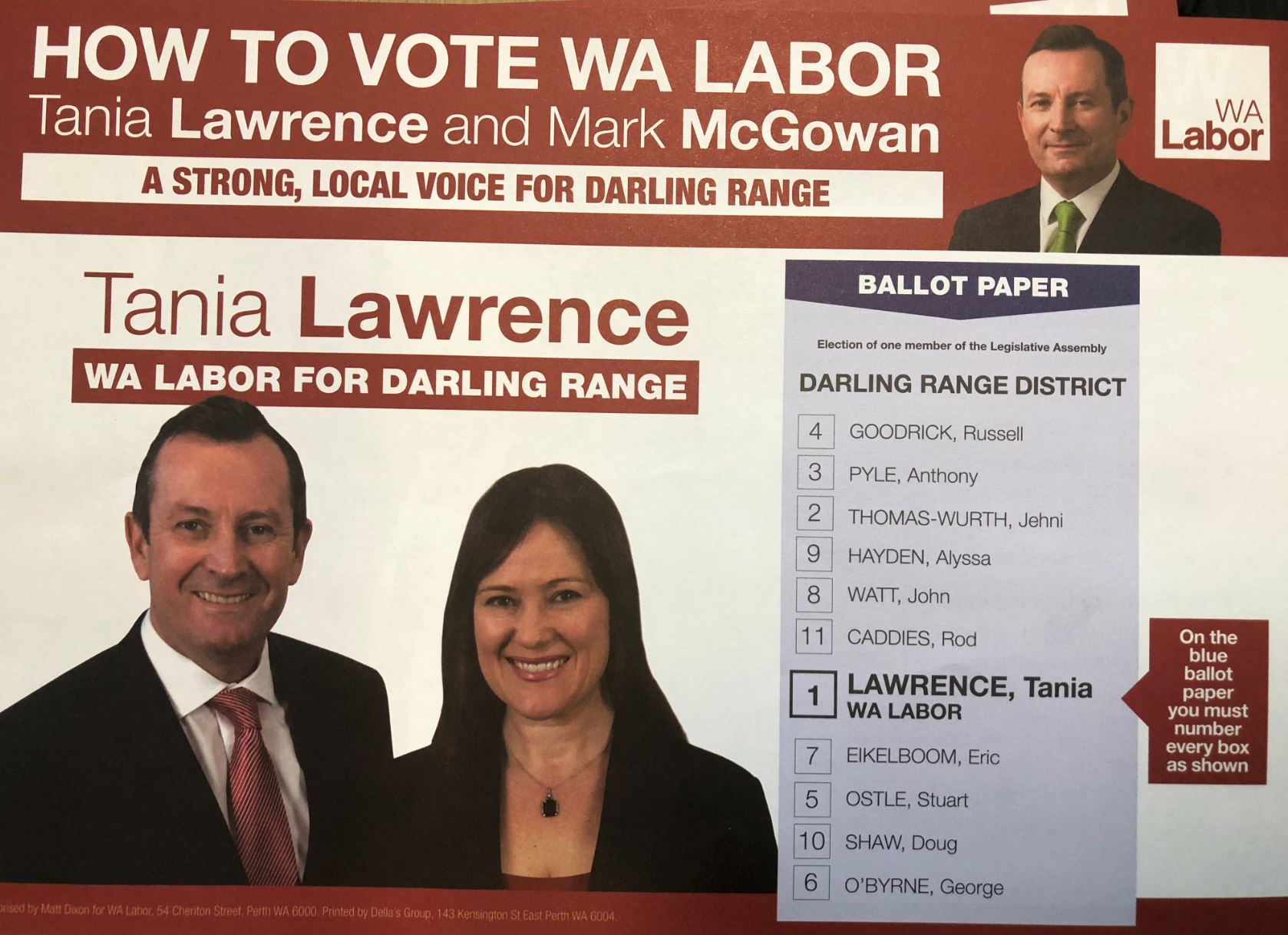
So I should ignore those How to Vote cards that suggest what order I should put the candidates in?
How you vote on polling day is entirely up to you.
You can choose to be influenced by the materials or not.
What's most important is that your vote – whatever that may be – actually counts.
Come May 21, that means you must number every single box on the green ballot paper for the House of Representatives and either every box above the line on the white senate paper, or at least 12 boxes below the line.
Non-political instructions on how to vote will be on the ballot papers themselves.
No dramas if you make a mistake – you can always ask polling booth staff for another ballot paper.
Covid 19 Omicron outbreak: Auckland case numbers up 50 per cent in three weeks
Covid-19 cases have risen in Auckland for three weeks, with the city’s three district health boards posting increased infection numbers after dipping from their peak of the Omicron outbreak.The increase in our biggest city comes…
'Perfect storm' facing farmers to be felt at supermarket checkout
Australian grain farmers are weathering a "perfect storm" of record-high fertiliser costs that are expected to result in lower yields and increased food prices over the coming months.
High fertiliser prices – in addition to high diesel and labour costs – are squeezing farm budgets, GrainGrowers, a national group representing arable farmers, has warned.
"The high cost of fertiliser is having a really big impact," GrainGrowers Chairman Brett Hosking said.
FULL COVERAGE: Federal Election 2022
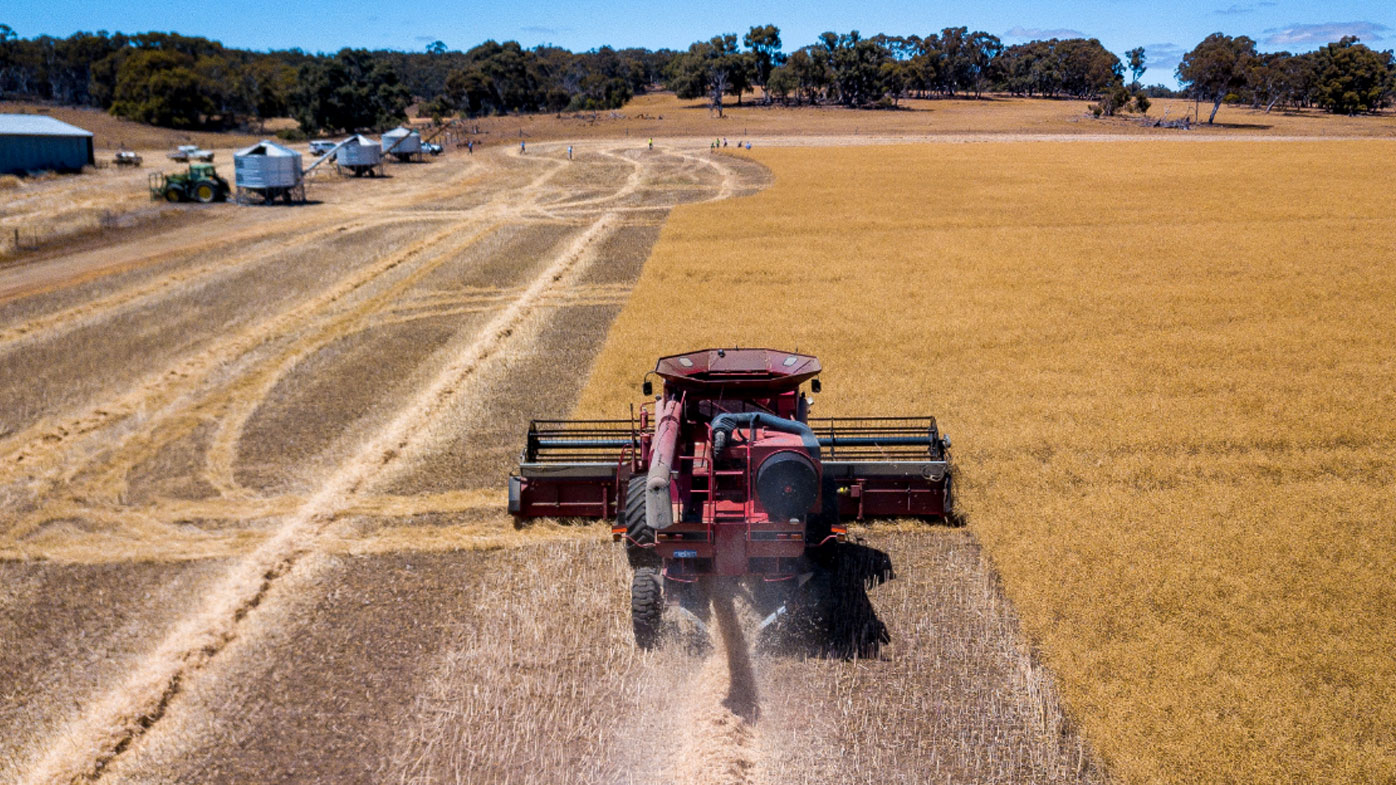
He said Australian farmers will be closely watching the fertiliser prices during the winter cropping season.
Data from Thomas Elders Markets showed the cost of sending fertiliser to Australia in April 2022 was $1251 per tonne compared with $533 per tonne in May 2021.
The conflict in Ukraine has driven the price even higher.
Ukraine has deposits of vital fertiliser ingredients urea and potash, and exports have been limited since Russia invaded the country on February 24.
Russia is also the world's largest fertiliser exporter but trade sanctions have imposed limits on imports into Australia.
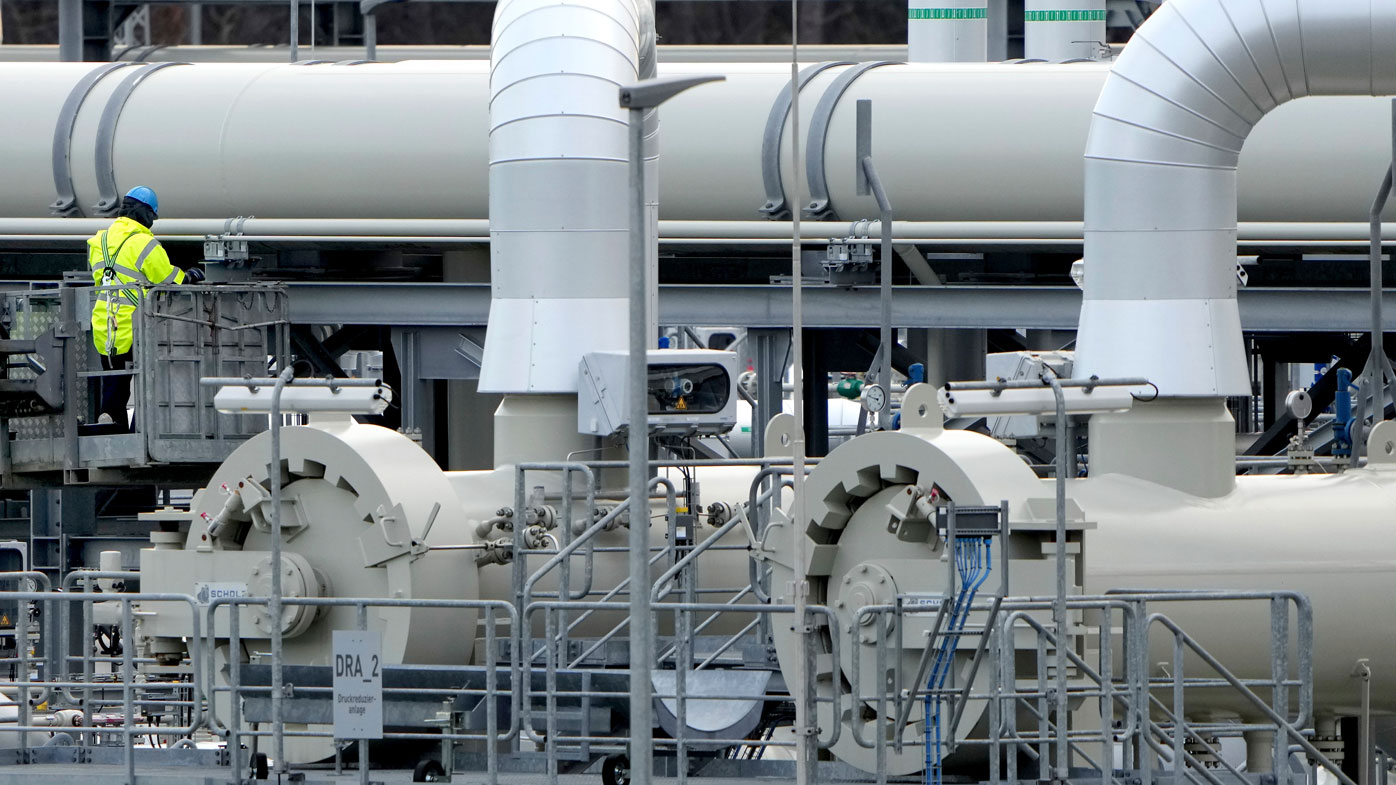
Added to the problem is the high price of natural gas used in the production of fertiliser.
Australia imports most of its fertiliser from the Middle East, a major producer of gas.
But Thomas Elders Markets analyst Andrew Whitelaw said the gas price has "gone through the roof" since the invasion of Ukraine.
READ MORE: The satellite images that cost Aussie homebuyers $25k

Grain farmers are now warning cost pressures will lead to lower yields at the next harvest.
"Together with the supply chain problems in China – which produces much of the world's fertiliser – and now the Ukraine war, it's been a perfect storm," Hosking said.
While high grain prices and moisture levels are giving growers confidence in the current growing season, this may change in coming months.
Higher fertiliser prices mean the grower is taking a great risk in recovering the costs.
"The stakes and risk profile of the growers become a whole lot higher," Hosking said.
He is concerned that despite favourable conditions, because of cost pressures grain farmers will "reach a point of diminishing return" in yields of wheat, barley, oats, canola and other grains.
READ MORE: Nick Cave's eldest son Jethro Lazenby dies
And the pressure on farmers will feed into prices on supermarket shelves, especially the price of white meat.
Corn fed to chickens and pigs helps animals put on weight quickly and is one of the largest expenses in livestock production.
Couple who used others' identities in politically charged posters fight to keep names secret
A couple who falsely used the identities of two Māori to make it look like it was them delivering a politically charged message are fighting to keep their names secret.In a lengthy sentencing today the pair’s efforts to seek…
Man living in Mount Maunganui cave convicted for beating dog
WARNING: This story details animal abuse and may be distressing for some readers. What was supposed to be a relaxing lockdown stroll turned into a distressing display of violence for a teenager who discovered a man abusing a puppy…
Piopio home invasion: Jury sent off to deliberate fate of father and son after teen's finger chopped off
Did William and Shaun Burr inflict aggressive violence out of revenge on two teens who’d broken into their home, or were they simply trying to protect themselves?A jury of three women and nine men have just begun those discussions…
Queensland floods review reveals emergency warnings were too slow
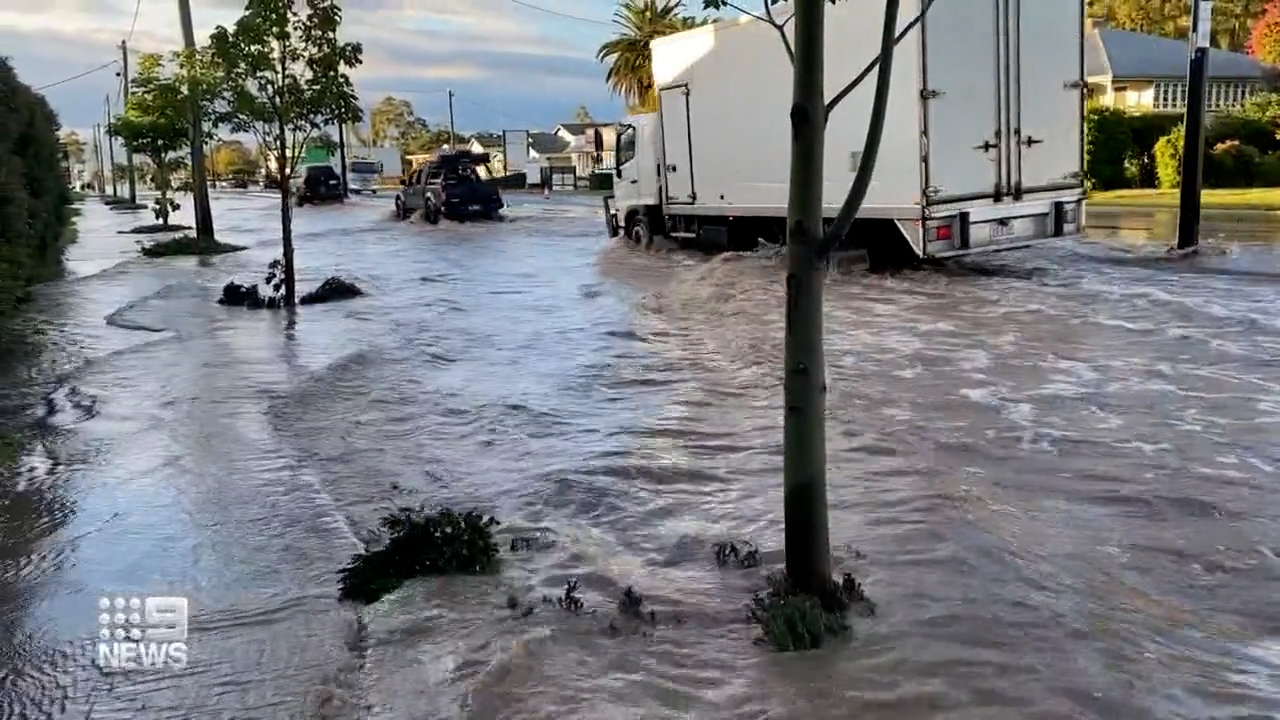
An independent review into Queensland's flood crisis this year revealed emergency alerts took too long to reach vulnerable residents.
The review, led by ex-governor of Queensland Paul de Jersey investigated the government's response to flooding in south-east Queensland, which destroyed 23,000 homes and killed 13 people this year.
Brisbane received 80 per cent of its annual rainfall in just three days over February, with several surrounding regions also devastated by floods.
"I've reached the view this was a worst case scenario for Brisbane and it's people," de Jersey said.
READ MORE: The satellite images that cost Aussie homebuyers $25k
"In the end I'm very proud of the people of Brisbane who reacted to this event and to the council and its staff for the way they dealt with it responsibly with great dedication."
Brisbane's Lord Mayor Adrian Schrinner said 37 recommendations had been made during the review to deal with future flooding catastrophes and all would be implemented.
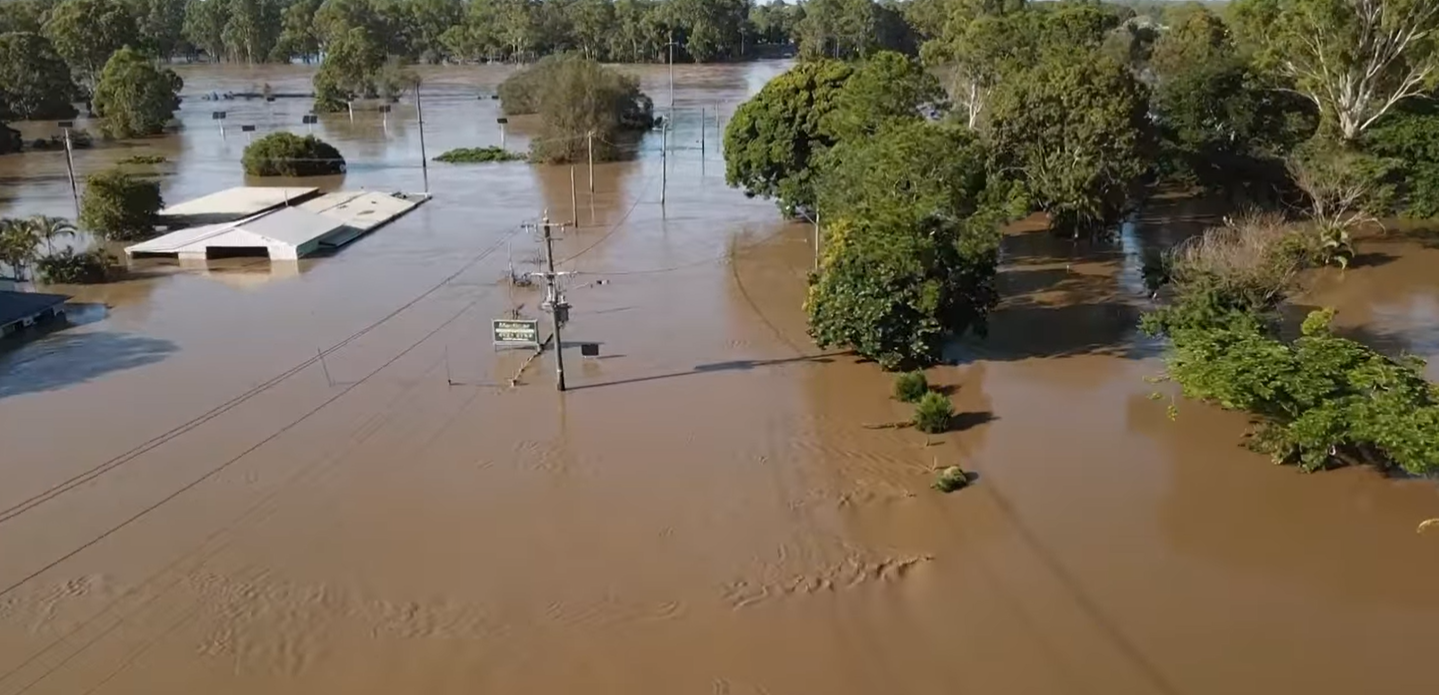
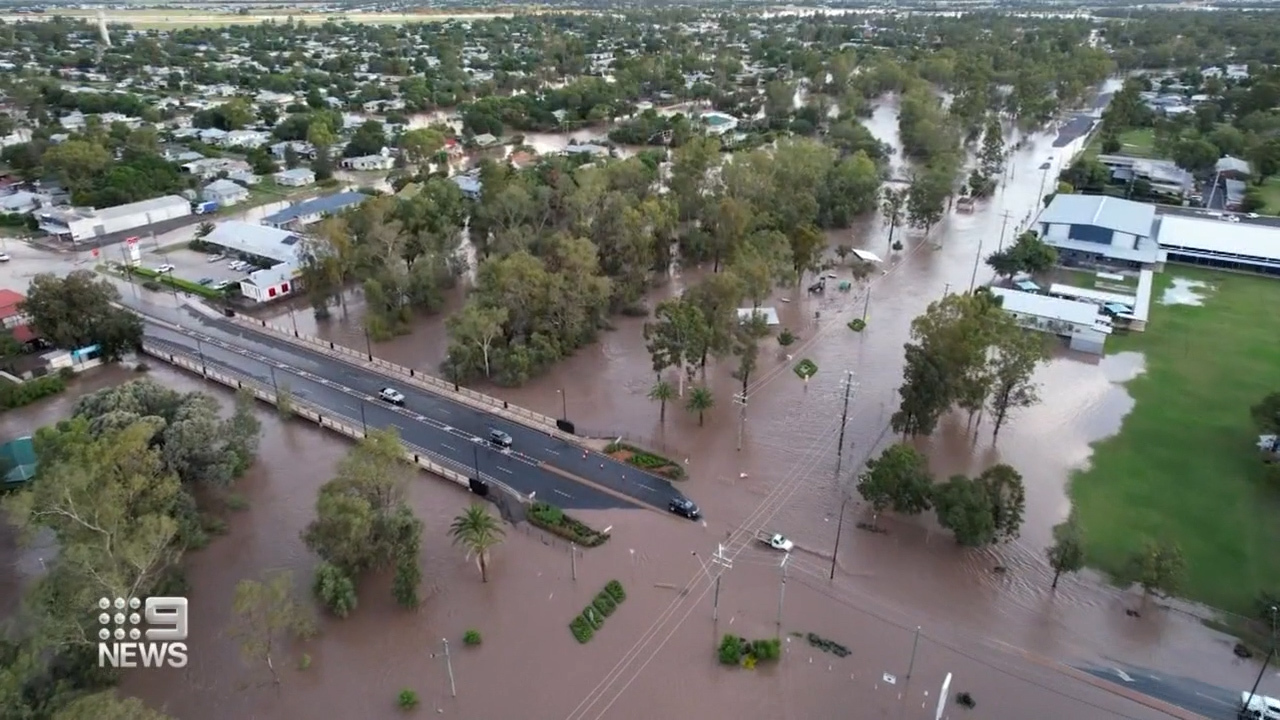
Of primary concern was the implementation of mobile emergency alert systems, which faced "unreasonable delays" in notifying Brisbane's 1.2 million affected residents.
"This is a national system but also implemented by state governments around Australia," Schrinner said.
READ MORE: 'Significant flooding' likely in Queensland as BoM issues flood watch
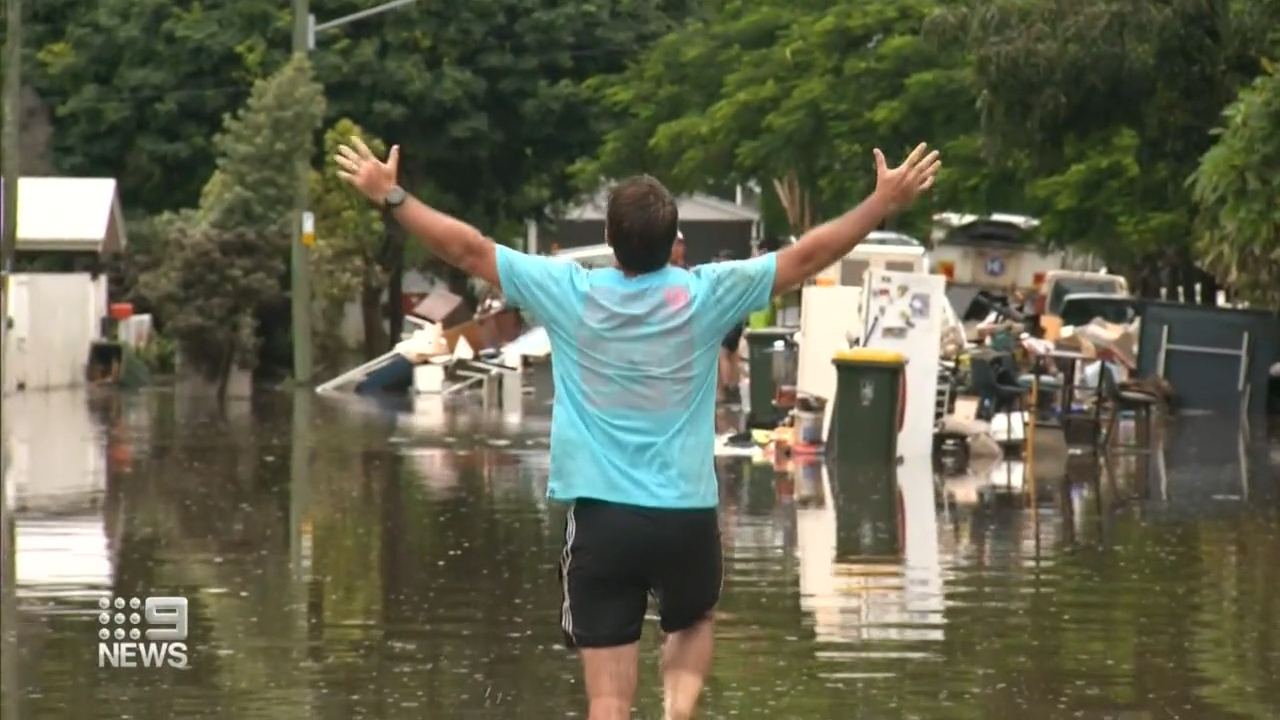
"We were concerned with the unreasonable delays in information getting out and that is something I believe must be addressed before the next storm system comes our way.
"The early alert system is absolutely critical."
He added more people needed to be registered for the voluntary alert system, with only 14 per cent of Brisbane residents signed up to the warnings.
He added the situation on the ground was rapidly changing, with emergency warnings from the Bureau of Meteorology escalating quickly due to unpredictable conditions.

"The situation moved incredibly quickly, we did our absolute best to respond quickly but the information provided by the Bureau (BoM) was changing and the responses on the ground were changing."
"Predictions on the level of rainfall we got from the Bureau were undercooked.
"It was the most rain ever recorded in just a few days in Brisbane's history."
De Jersey said a crucial takeaway was the response of residents and their willingness to help their neighbours, which formed the bulk of flood recovery across the south-east.
"One feature which emerges very strongly was the spontaneous outpouring of support amongst the community- neighbours helping neighbours."
READ MORE: Nick Cave's eldest son Jethro Lazenby dies
Drunk young man punched mum and stepdad, could not remember
A young man punched his mother and stepfather before going on to kick a police officer on the same night, but was so drunk he couldn’t remember. John Mewburn’s mother says his mental health had been suffering for a few years but…
Ukraine crisis: New ambassador, Vasyl Myroshnychenko, has called on Government to do more to help
Vasyl Myroshnychenko, who will shortly become accredited as Ukraine’s Ambassador to New Zealand, has urged the Government to do more to support his country in its war with Russia.In a speech broadcast to an audience of MPs and diplomats…