KiwiRail has spent more than $3 million fixing rail assets as a direct result of the July 2021 and February 2022 floods which hammered the Westport area.The State-rail operator is now on board as work is finalised on the business…
Category Archives: headline
Man charged in relation to Wellington, Dixon St shooting
A 21-year-old man will appear in court today in relation to a gang shooting on Wellington’s Dixon St which left two people critically injured.The man is charged with unlawful possession of a firearm and three charges of being a…
James Webb Space Telescope ready to observe the universe
The James Webb Space Telescope is now ready to observe the universe.
The space observatory's massive mirror, capable of peering into the most distant reaches of space, is now completely aligned, according to the NASA's Webb team.
Hailed as the world's premier space observatory, Webb has successfully completed a number of steps within the past few months that were crucial for aligning its 18 gold mirror segments.
READ MORE: Melbourne crime figure jailed for 32 years over shopping centre murder
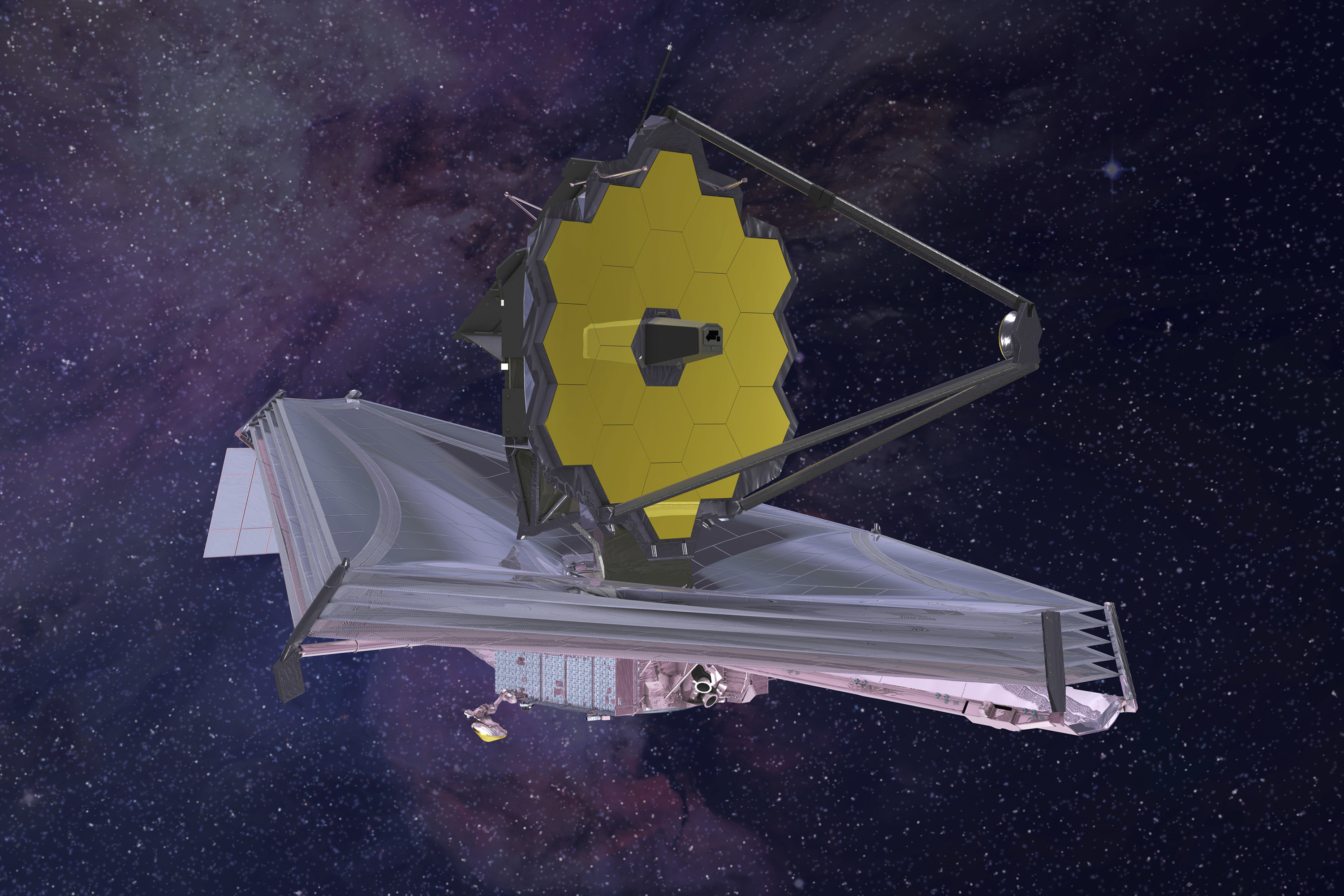
The mirror is so large that it had to be folded to fit inside the rocket for its December 25 launch.
After reaching an orbit a million miles from Earth in January, Webb began the careful process of unfolding and aligning its mirror.
This $10 billion space telescope will reveal the secrets of the universe
The telescope will be able to peer inside the atmospheres of exoplanets and observe some of the first galaxies created after the universe began by observing them through infrared light, which is invisible to the human eye.
READ MORE: Woman attacked by kangaroo while playing golf on Gold Coast

The first high-resolution images Webb collects of the cosmos aren't expected until the end of June since the observatory's instruments still need to be calibrated.
Test results released by NASA on Thursday show the clear, well-focused images that the observatory's four instruments are capable of capturing.
Together, these images share the telescope's full field of view. Webb's mirrors are directing focused light from space into each instrument and those instruments are capturing images.
Each of Webb's instruments captured crystal clear images of stars in a neighboring galaxy.
For the test, Webb observed a small neighboring satellite galaxy called the Large Magellanic Cloud. The galaxy's dense field of hundreds of thousands of stars can be seen in the test images.
READ MORE: Russian offensive in east gathers momentum
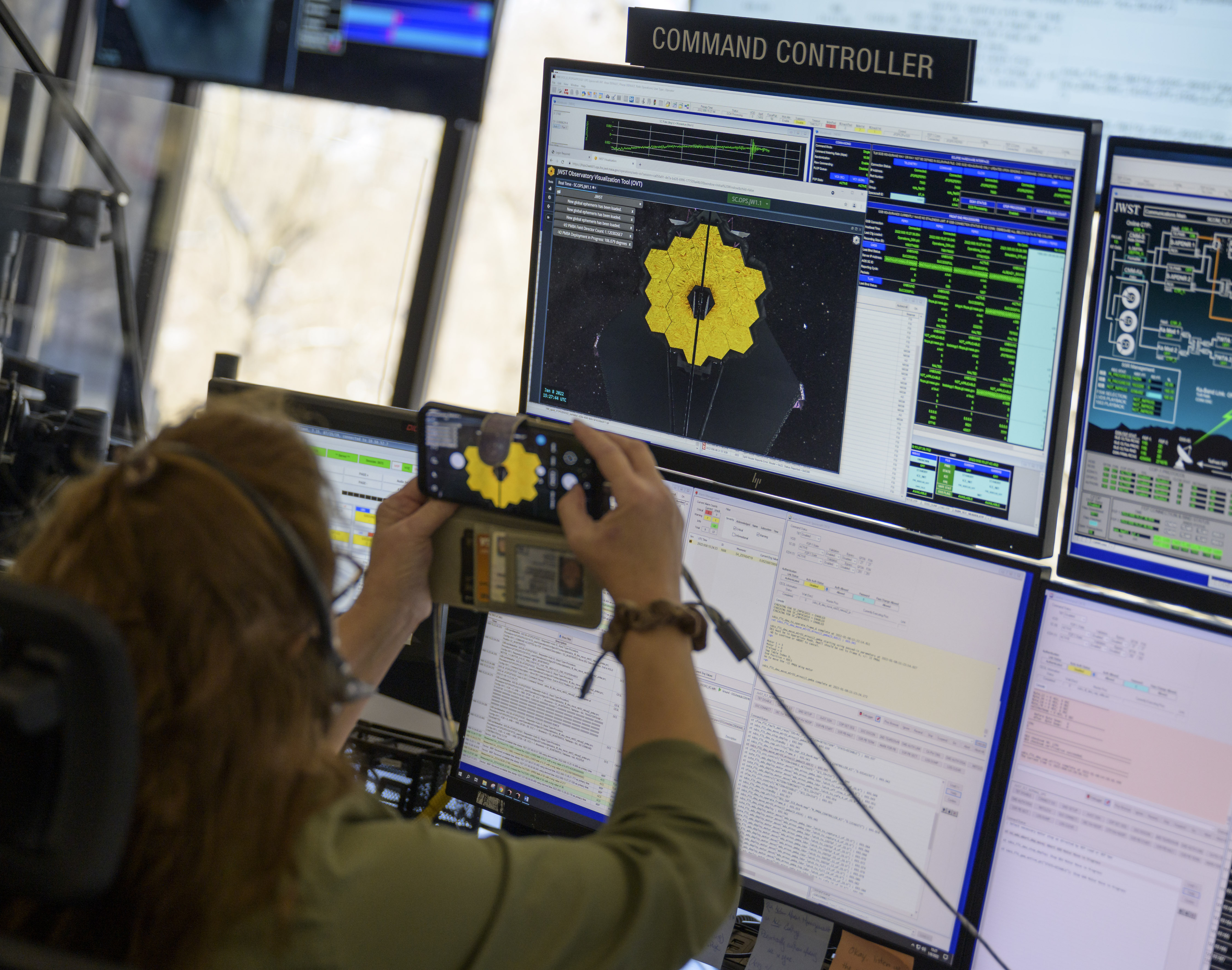
"These remarkable test images from a successfully aligned telescope demonstrate what people across countries and continents can achieve when there is a bold scientific vision to explore the universe," said Lee Feinberg, Webb optical telescope element manager at NASA's Goddard Space Flight Center.
Webb telescope's first test images include an unexpected 'selfie'
The telescope team expects that the observatory may even exceed the goals it was meant to achieve because it's already performing better than expected.
"These images have profoundly changed the way I see the universe," said Scott Acton, Webb wavefront sensing and controls scientist at Ball Aerospace, in a statement.
"We are surrounded by a symphony of creation; there are galaxies everywhere! It is my hope that everyone in the world can see them."
A previous image shared in March also showed that Webb can use the individual segments of its mirror as one giant 21-foot, 4-inch (6.5-meter) mirror and capture the light from a single star.
For the next couple months, the team will ensure all of the science instruments are calibrated.
Each instrument has a number of specialized detectors with custom equipment to help achieve Webb's science objectives, and all of the instruments have to be configured before they can be declared ready.
And this summer, we'll see Webb's first glimpses that could unlock the mysteries of the universe.
Joanna Ji: New Zealander missing in Amsterdam found
A 25-year-old Korean-New Zealander who had been missing in Amsterdam without her wallet or mobile phone for more than a week has been found. The family of Joanna Ji had feared she had been harmed or kidnapped and had appealed to…
Character and charm of historic Aussie pubs
An afterwork schooner at the bar, a wild night out or a local landmark, Aussie pubs have been a national icon for hundreds of years.
'Doughnut beer' to hit shelves in WA to support food charity
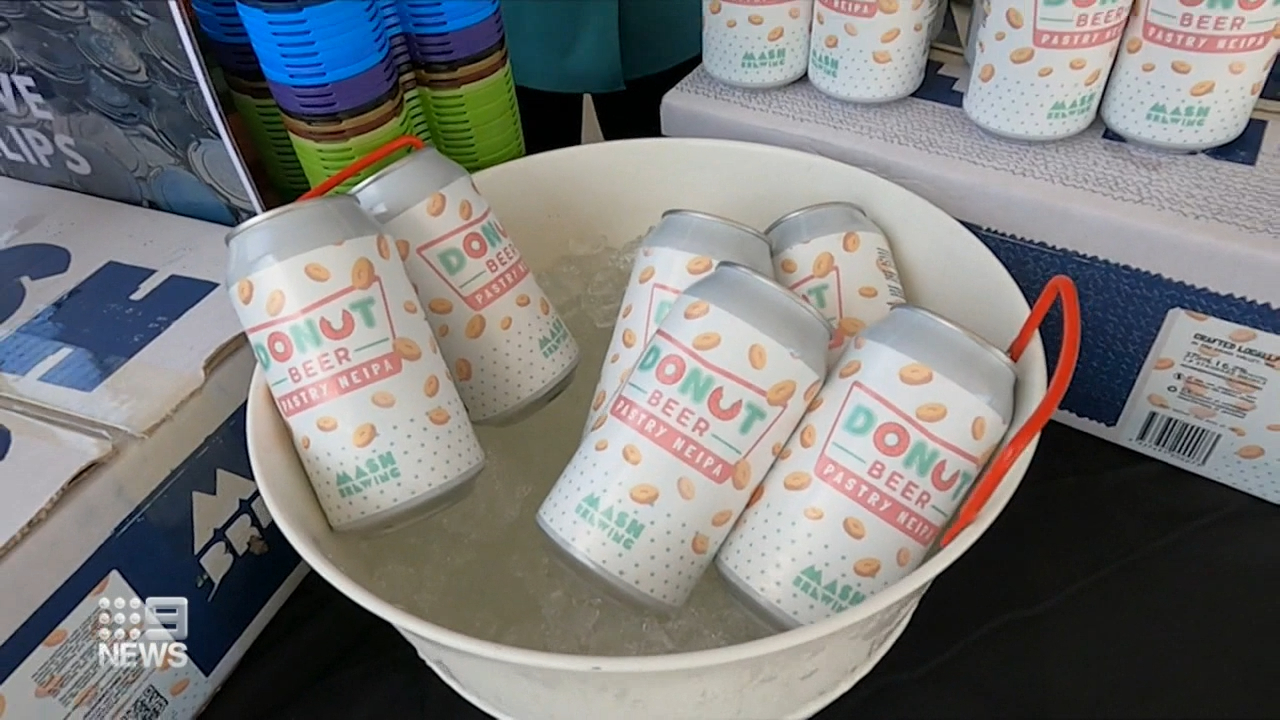
A local Western Australian brewery is blending two of life's greatest creations together to produce a sustainable doughnut beer pastry pale ale.
Mash Brewing is one of a number of craft breweries operating in the Swan Valley, but stands out from the crowd thanks to their involvement with 'Donut Waste': A startup which focuses on reusing beer clips and recycling coffee grounds, and now doughnuts.
The limited range made from a whopping 114 kilograms of glazed, sprinkled or cookie flavoured doughnuts is carefully crafted with hops, grain and yeast and packaged into 2000 beer cans.
READ MORE: Man believed to be killed in Sydney 'gangland tit-for-tat'
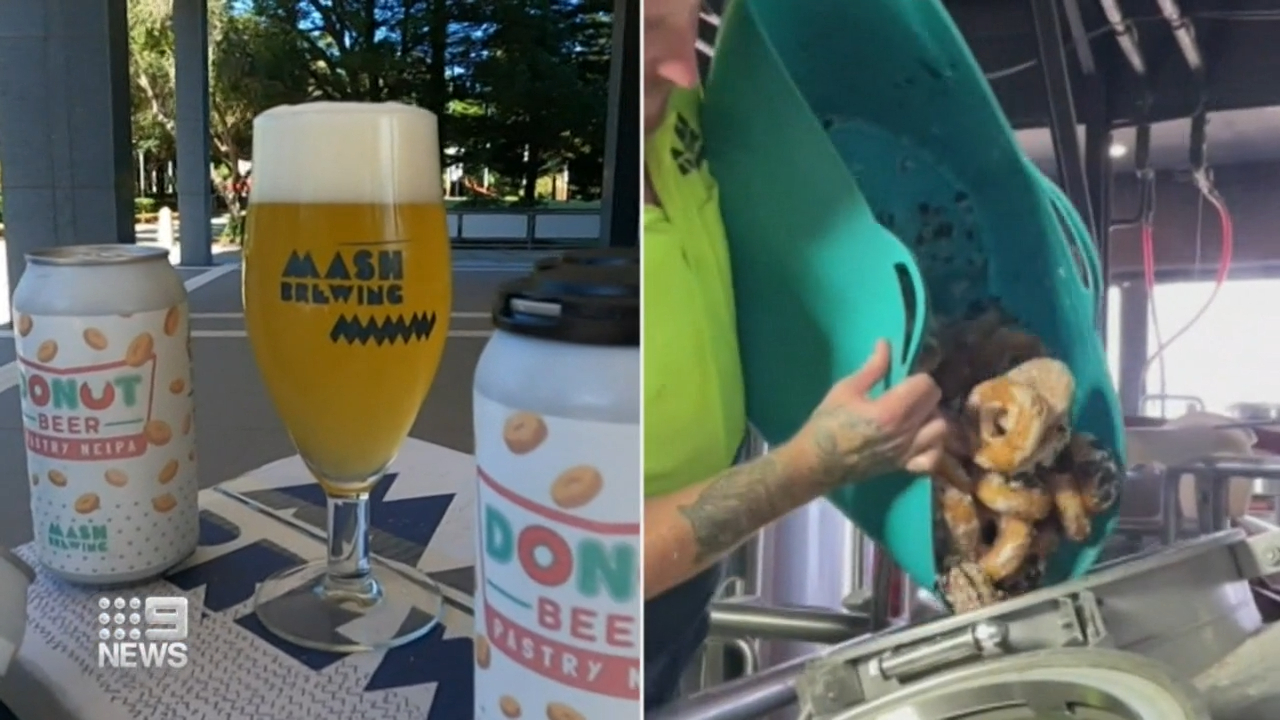
Head brewer at Mash Brewing Adrian Godwin said while the outcome is delicious, the process is far from simple.
"It's quite a challenging process," he said.
"The doughnuts took a very long time to absorb."
Mr Godwin said the brewing process takes around nine hours.
With an alcoholic content of 6.2 per cent, the advice is strict: do not drive after too many doughnuts.
READ MORE: 'Tragic miscarriage of justice' as Singapore executes disabled man
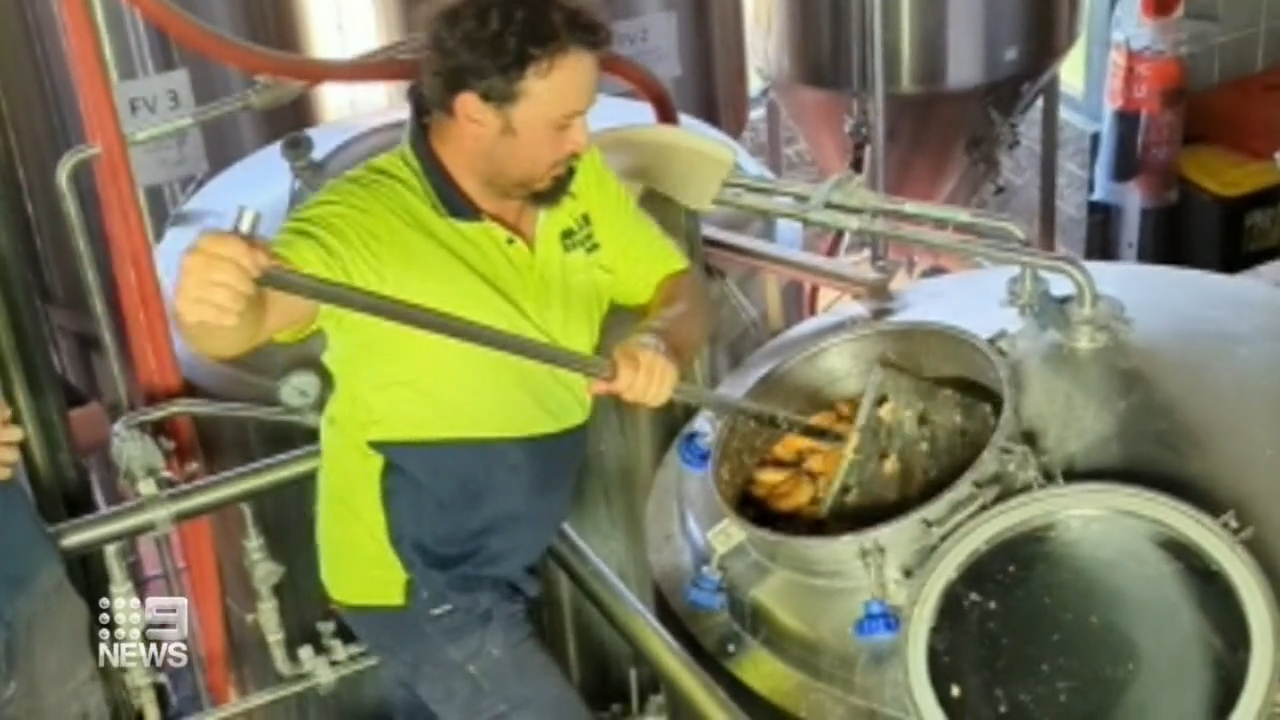
The partnership will see sales of the new beer raise funds for OzHarvest WA, with 50 cents from each can being donated to the food charity to help provide meals to people in need.
Mr Godwin said every can will represent "one meal that goes into the community for people in need."
The unsold sweet treats once destined for the bin are being given a new lease on life and Environment Minister, Reece Whitby has welcomed the duo's work.
"This beer may not be good for your waistline but it's going to be great for our war on waste."
McDonald's left with millions of dollars of Russian food it can't use
McDonald's exit from Russia is costing it a lot of money — and food.
The company announced last month that it would temporarily close its restaurants in Russia because of the country's invasion of Ukraine.
It also closed restaurants in Ukraine.
READ MORE: Logo of Russian fast-food chain to replace McDonald's looks familiar
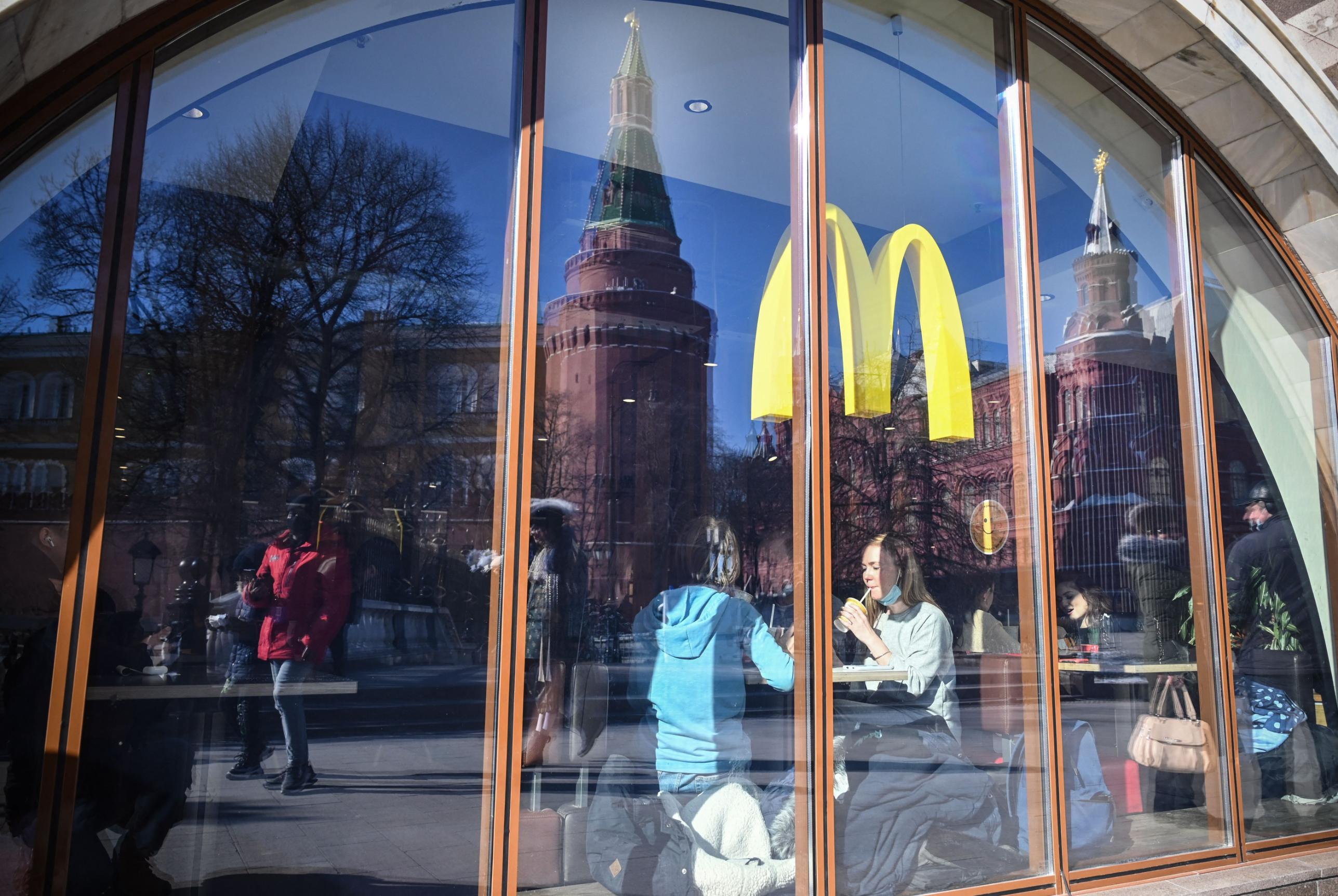
Those shutdowns cost McDonald's more than US$178.8 million last quarter.
McDonald's said in March that it would continue to pay its 62,000 Russian employees, despite shuttering operations in the country.
CEO Chris Kempczinski added during a Thursday call with analysts that McDonald's is supporting Ukrainian employees too: "In both countries, we have continued to pay employees and provide additional support."
Those staff costs, plus payments for leases and supplies, cost the company more than $38 million.
The other more than $140.8 million was from food and other items it will have to get rid of.
READ MORE: McDonald's shuts down $2.75 billion worth of stores in Russia, Ukraine
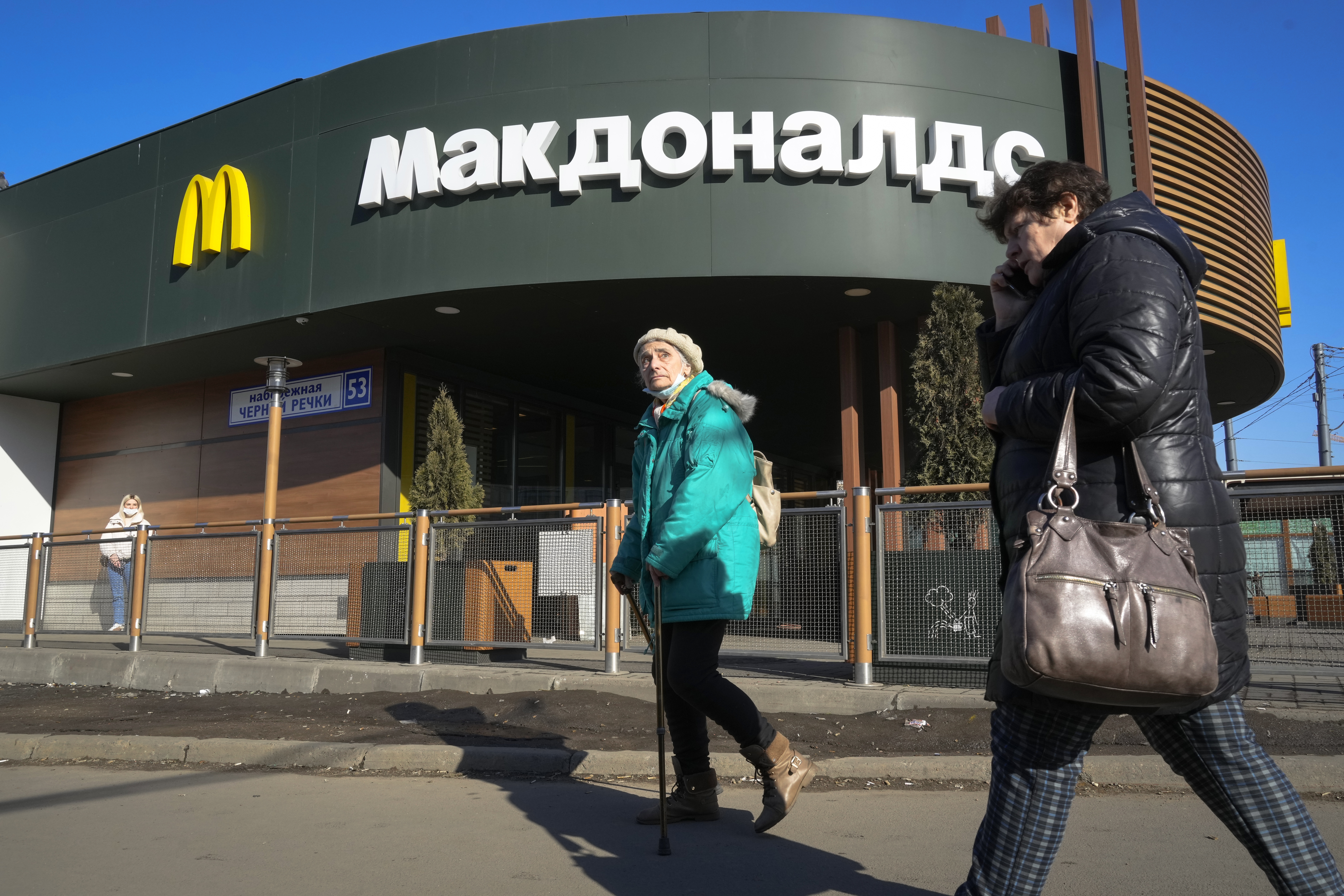
"Results included … USD$100 million of costs for inventory in the company's supply chain that likely will be disposed of due to restaurants being temporarily closed," the company said in a statement.
The company will offer an update on its plans for the region by the end of the second quarter, Mr Kempczinski said.
There were 847 McDonald's restaurants in Russia at the close of last year, according to an investor document.
Together with another 108 in Ukraine, they accounted for nine per cent of the company's revenue in 2021.
READ MORE: Aussie mining giant pulls out of Russia
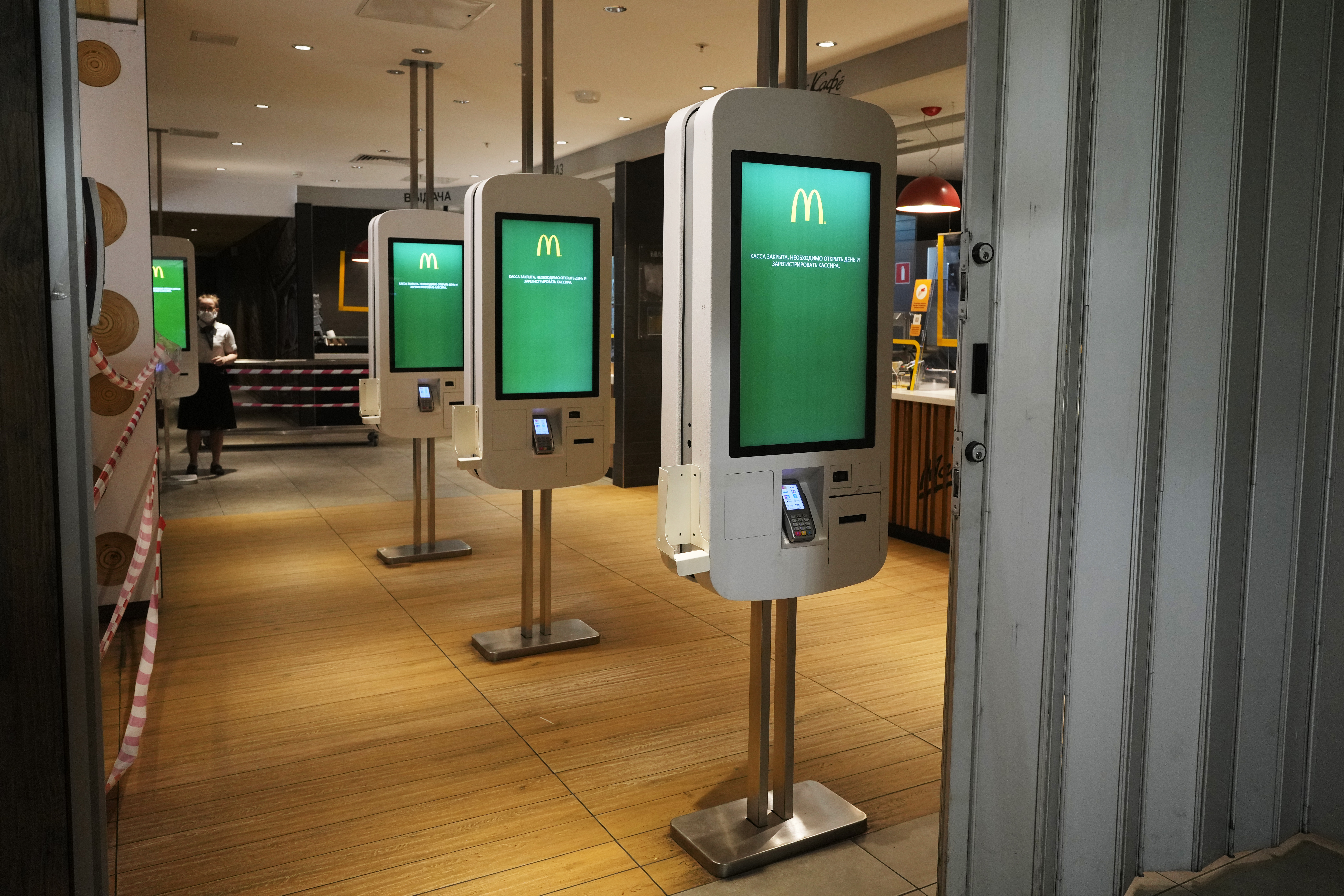
The closures hit McDonald's net income, which fell 28 per cent in the three months ending on March 31.
Elsewhere, McDonald's sales grew.
Globally, sales at restaurants open at least 13 months jumped 11.8 per cent in the quarter, driven by international locations.
In the United States, sales popped 3.5 per cent, thanks in part to higher prices.
READ MORE: Ukraine says Russian offensive in east gathering momentum
In the first quarter, McDonald's prices were up about eight per cent.
"Consumers are definitely worried about inflation," said CFO Kevin Ozan during the call.
"They're concerned about energy and gas prices."
But, he noted, the fact that groceries are also getting more expensive has "probably been a little benefit."
He added that "We are keeping … a close watch on lower-end consumers just to make sure that we're still providing the right value."
Last year, McDonald's raised prices by about six per cent.
The company's marketing of core menu items and growth in its digital business, thanks in part to its rewards program, also contributed to the growth in US sales, McDonald's said.
Sting Operation: BVI Premier Fahie Arrested in USA On Drug, Money Laundering Charges
BBC- The leader of the British Virgin Islands (BVI) has been arrested for alleged drug smuggling and money laundering in the US. Premier Andrew Fahie was detained in Miami by US agents posing as cocaine traffickers from a Mexican drug cartel. He agreed a $700,000 (£560,000) payment to allow traffickers to use BVI ports with […]
The post Sting Operation: BVI Premier Fahie Arrested in USA On Drug, Money Laundering Charges appeared first on The St Kitts Nevis Observer.
How a $10 test could have helped 'bubble' baby Isabelle
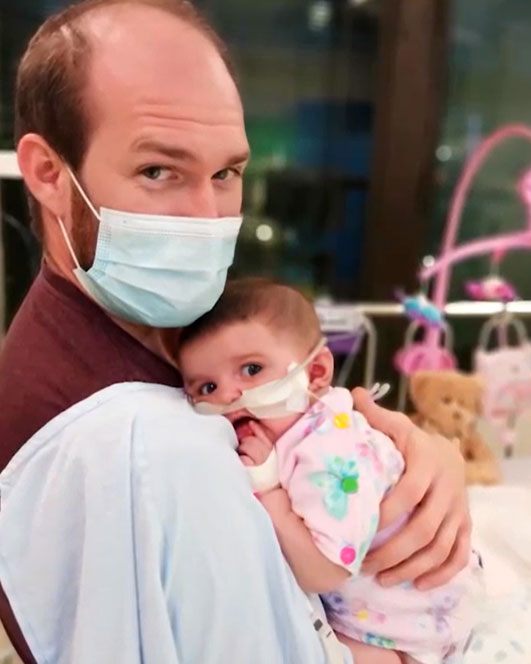
When Brisbane parents Louise and Tim Grant took their tiny, newborn baby Isabelle home from the hospital in August 2020, they had no idea her life was in danger.
"We had her out in the world and we were doing things that you do with a newborn," Ms Grant told 9news.com.au.
"We had my sister's wedding and we had our daughter christened. And looking back, those events make me nervous now. But at the time, we didn't know any different."
READ MORE: Postcode lottery, the tests saving babies in some states but not others
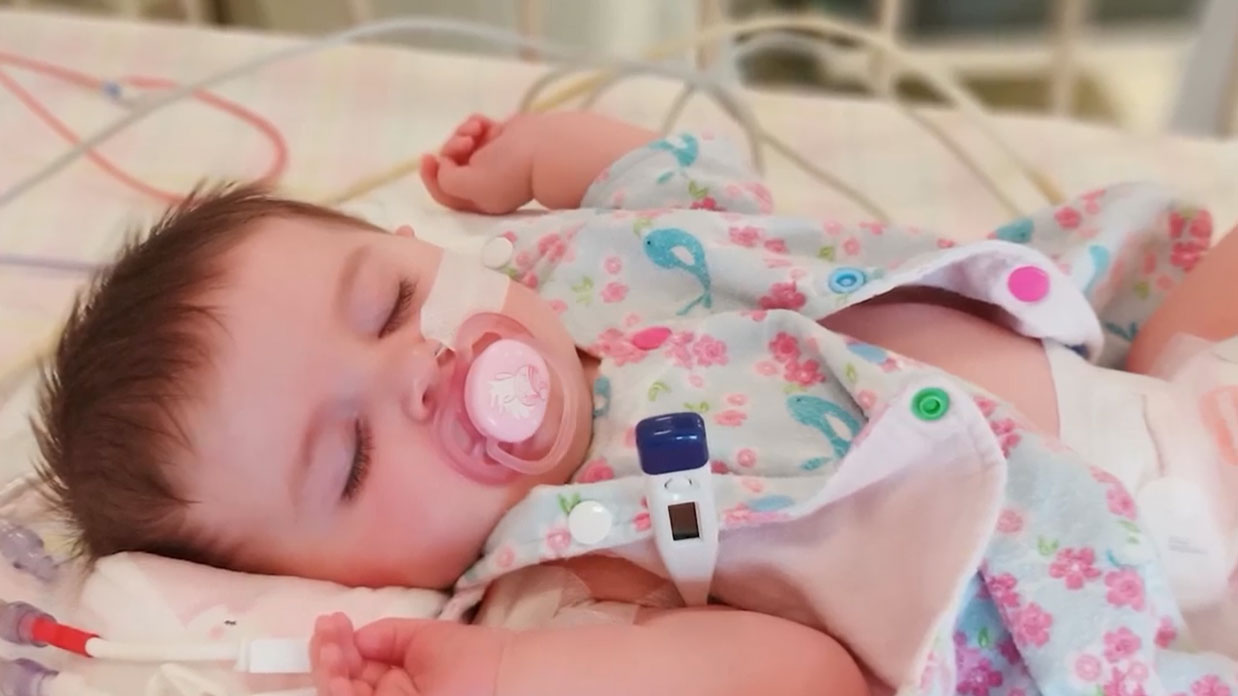
Unbeknownst to her parents, any of those outings could have made Isabelle perilously sick.
That is because Isabelle was born without a functioning immune system.
She has an extremely rare type of severe combined immunodeficiency, known as adenosine deaminase deficiency, or ADA SCID.
The first sign something was wrong was five days before Christmas when Isabelle was 18 weeks old, Ms Grant said.
"All of a sudden she started vomiting and started to get quite lethargic. We thought 'this is a bit strange'."
Luckily, Isabelle had already an appointment with her GP, which is where Ms Grant voiced her concerns.
"I said, 'she's going purple around her mouth' and her hands and feet were purple," she said.
"We didn't know it then but essentially her body was stopping breathing. She couldn't breathe properly."
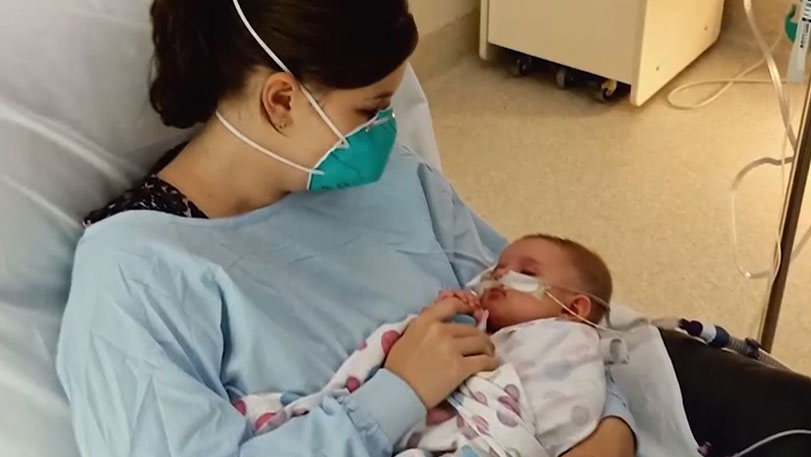
At the GP's advice, Ms Grant took Isabelle straight to the Queensland Children's Hospital.
"We were waiting in the emergency department and that's when a doctor walked around the corner and saw Isabelle and went, 'Oh my gosh, look at the colour of that child.'"
"They then worked very quickly to help her to start breathing again properly."
Before Isabelle, there had not been a baby diagnosed in Queensland with ADA SCID for 20 years.
Luck was in her favour, however, when Isabelle just happened to be seen by a paediatric doctor who noticed her low white blood cell count and had recently read a report on SCID.
Tests confirmed the one-in-a-million diagnosis, and Isabelle became a "bubble baby".
Isabelle was immediately isolated in a positive pressure room, and spent 33 days in paediatric ICU recovering from the severe lung infection she had developed.
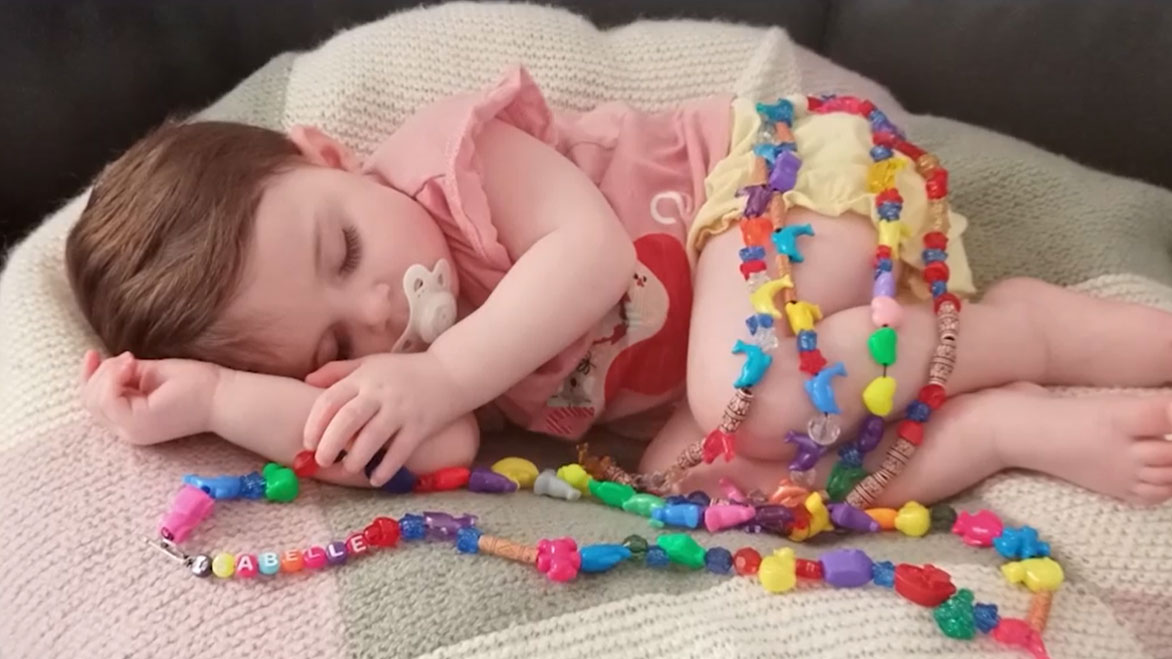
A stem cell transplant from her donor dad has been deemed a success and Isabelle now has a chance of developing a normal, healthy immune system.
However, Ms Grant said Isabelle had been left with some permanent disabilities, such as hearing loss and developmental delays, which she would not have had to deal with if her condition had been diagnosed at birth.
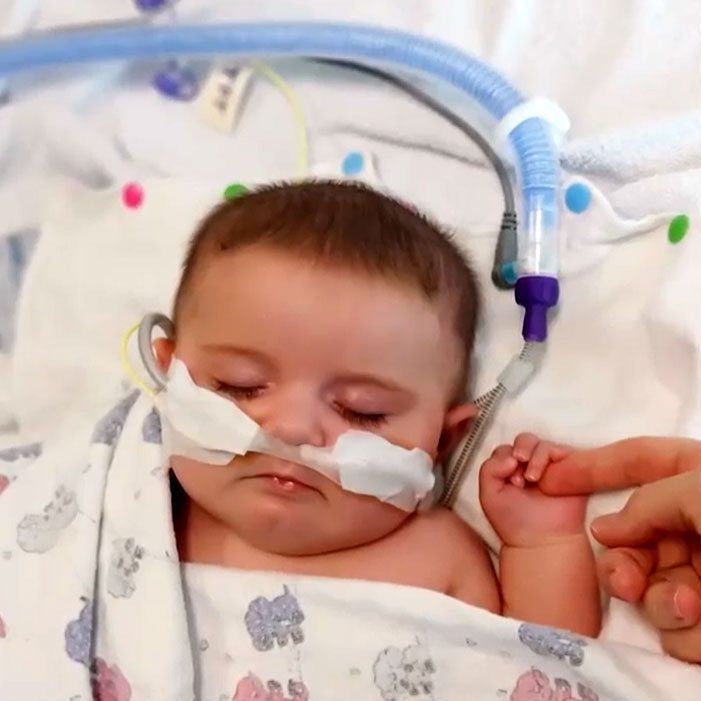
Ms Grant is one of many parents and advocates calling for SCID and other immunodeficiencies to be included nationwide in the newborn bloodspot or "heel prick" screening test routinely carried out in hospitals.
Newborns are tested for SCID in the US, some parts of Europe and New Zealand.
Currently, SCID is only tested for in newborns in NSW and the ACT as part of a trial program.
"If Isabelle had been screened at birth, she would still have her hearing. When she was born, she was screened under hearing screening that they do and she had perfectly normal hearing," Ms Grant said.
"Now she has severe hearing loss and will need hearing aids and Auslan for the rest of her life.
"She's now at increased risk of particular skin cancers because her skin cells may have been affected by the toxin, she's got developmental delays, possible neurological delays, all because this toxin was able to accumulate was not treated when she was born – and it could have been.
"It's very hard as a mother to know that."
Without treatment, babies with SCID are not expected to live past the age of two.
Ms Grant said adding SCID to the newborn screening test would save lives.
Estimates by patient advocacy group Better Access Australia have showed it would cost just $10 extra per baby to add dozens of other conditions to the 25 currently tested for in Queensland and 28 in NSW.
Newborn screening has become an election issue with the ALP promising to expand the program nationally to include tests for 80 conditions, including SCID.
Screening for SCID is currently under review by the Medical Services Advisory Committee and the Chief Medical Officer.
In response to the ALP's pledge, a spokesperson for Federal Health Minister Greg Hunt said: "The newborn bloodspot screening (NBS) program has been updated multiple times, most recently in 2021 to include spinal muscular atrophy."
The Australasian Society for Clinical Allergy and Immunology is calling for the inclusion of SCID in newborn screening.
Dr Melanie Wong, the head of Allergy and Immunology at Sydney Children's Hospital Network, said screening for SCID was vital to give all babies born with the condition a chance at life.
"Due to their rarity, delays in diagnosis of primary immunodeficiencies (PIDs) are common.
"For infants and very young children with severe PIDs, this leads to severe complications due to recurrent infections and early death, despite being curable if treated in the first few months of life," Dr Wong said.
"SCID is fatal in the first two years of life without definitive intervention. Early diagnosis is vital to allow curative treatment such as urgent haematopoietic stem cell transplantation (HSCT), also known as bone marrow transplant (BMT)," Dr Theresa Cole, ASCIA President-Elect and ASCIA Immunodeficiency Committee Chair, said.
"Screening is also likely to be more cost-effective for the health system than the cost of prolonged hospital and intensive care unit admissions. It should be a health priority in Australia."
Contact reporter Emily McPherson at em********@******om.au
WORLD VIEW: Ukraine Latest, EU Being Blackmailed, Beijing Lockdown, Israel Stops for Rememberance, More
Trending | View in Browser April 28, 2022 Here is today’s selection of top stories from The Associated Press at this hour to begin your day. Today’s Headlines Occupied Ukrainian city fears sham Russian referendum plans LVIV, Ukraine (AP) — Ever since Russian forces took the southern Ukrainian city of Kherson in early March, residents […]
The post WORLD VIEW: Ukraine Latest, EU Being Blackmailed, Beijing Lockdown, Israel Stops for Rememberance, More appeared first on The St Kitts Nevis Observer.