Ten people have died with Covid-19 and there are 5690 new cases of the virus in the community, the Ministry of Health says.The 10 deaths include people who have died over the past three days.The ministry previously reported two…
Category Archives: headline
Man dies after being found with multiple stab wounds in Adelaide's CBD
A man has died after he was found lying in an Adelaide CBD street with multiple stab wounds.
Police were called to North Terrace shortly after 2am today and found a man lying in the middle of the road.
He had been stabbed "multiple" times and died from his injuries shortly after officers' arrival, police said.
LIVE COVERAGE: How Australia marked Anzac Day as dawn services return
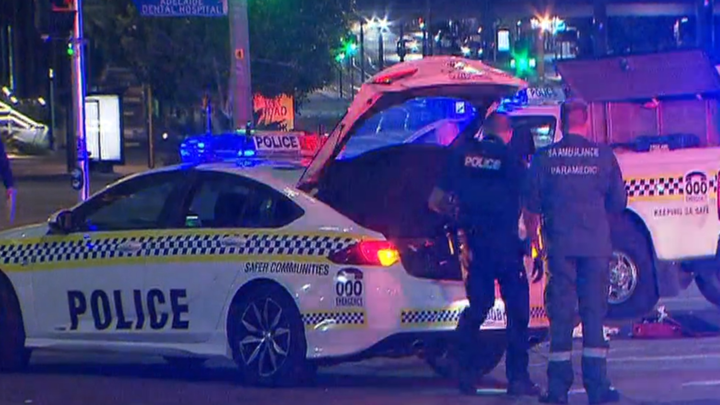
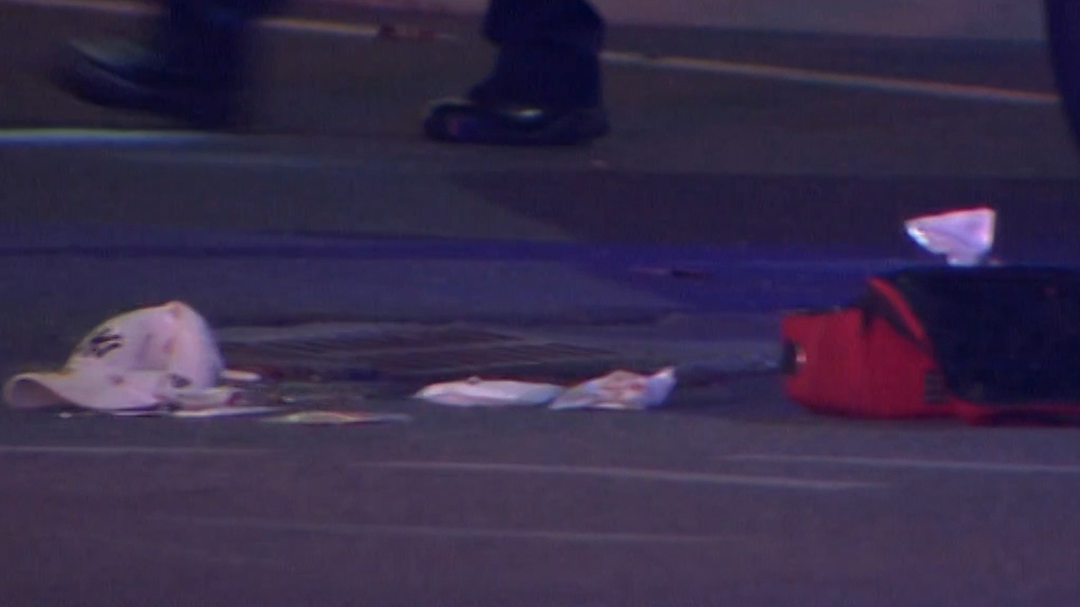
North Terrace was closed between West Terrace and Morphett Street following the man's death.
"Detectives from Eastern District CIB and Forensic Crime Scene Investigators were recalled to the scene and are investigating," police said.
"Anyone with information or saw anything in the area at that time is asked to contact Crime Stoppers on 1800 333 000."
Australians remember the fallen
Thousands of Australians have gathered at Dawn Services around the country to commemorate Anzac Day.
Ahuriri waka vandalised weekend ahead of Anzac event
. Photo / Warren Buckland Crew members showing whānau around double-hulled waka Te Matau a Maui found beer handles strewn about alongside snapped fenders and a broken hand railing. Read More Waka set adrift in inner Napier…
What happens next to Maddie suspect Christian Brueckner?
Almost two years after German prosecutors sensationally named him a prime suspect, Christian Brueckner is now an arguido, a formal suspect.
The million-dollar question is: what happens next?
Will Brueckner be formally charged over Madeleine McCann's disappearance, triggering a criminal trial that would surely draw the same intense media interest and public fascination as the court proceedings involving OJ Simpson or Michael Jackson?

READ MORE: Suspect 'worked at resort' where Maddie McCann vanished
Or will this arguido status simply linger over Brueckner's head for an indeterminable length of time, with prosecutors never charging him?
Both outcomes are on the table.
Currently locked up in a German prison for raping an elderly woman in Portugal, the arguido status could see Brueckner extradited to Portugal for questioning by the Policia Judiciaria (PJ), who are still investigating the 2007 mystery.
The prosecutor's office in Germany, who have driven the investigation into Brueckner over the past two years, appear to have a circumstantial case.
Prosecutor Hans Christian Wolters has repeatedly claimed to have "concrete evidence" Madeleine is dead and that Brueckner was responsible for killing her.
Brueckner has denied any involvement in Madeleine's unusual disappearance, when she vanished from her family's rented apartment in the resort town of Praia da Luz.
READ MORE: Madeleine McCann suspect injured while in custody
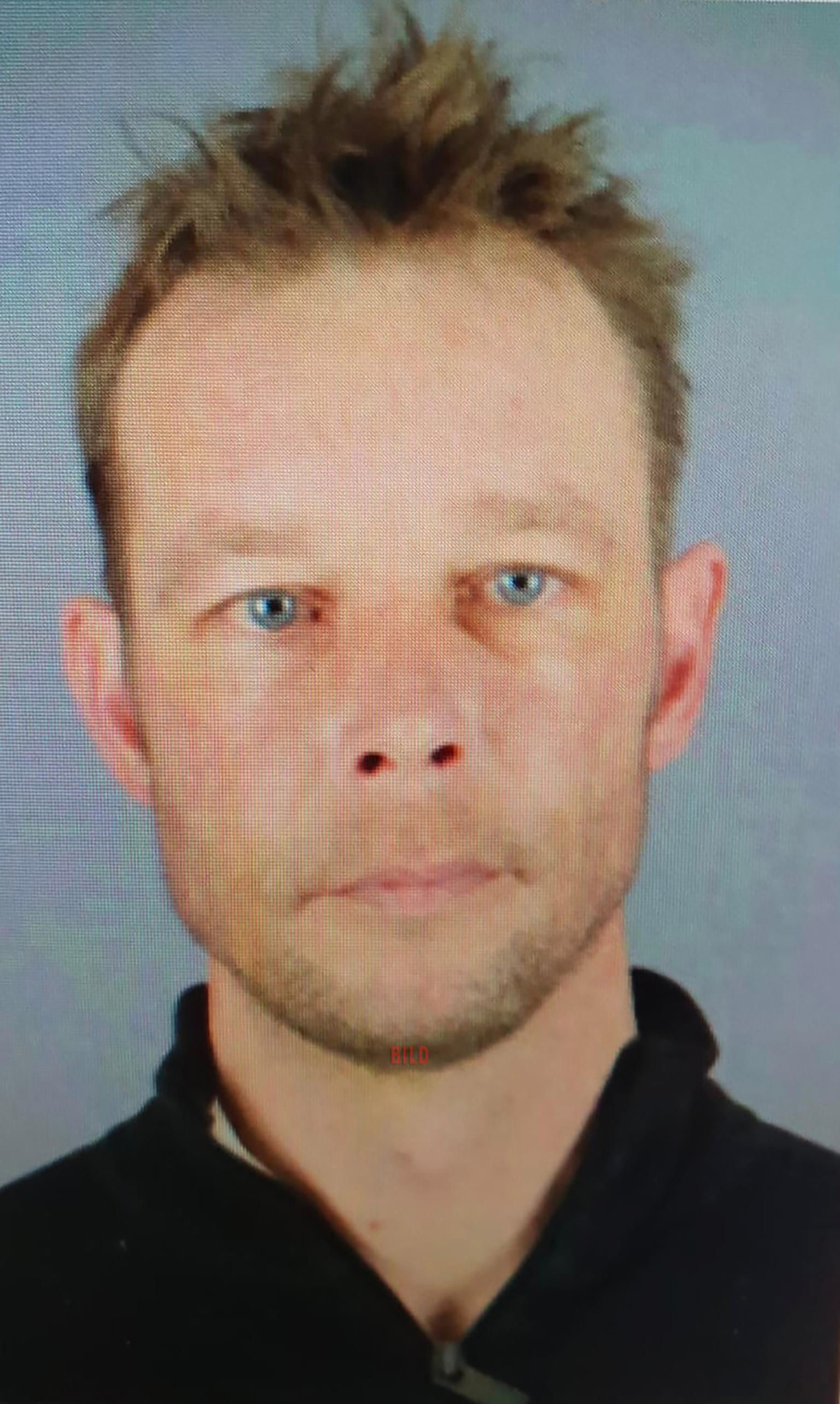
The initial Portuguese investigation ran from May 2007 to July 2008, and Brueckner is now the fourth person to be declared an arguido in the case.
The first was British man Robert Murat, named an arguido just 12 days after the three-year-old toddler mysteriously vanished on the night of May 3.
Arguido status hovered over Mr Murat for more than one year, until the case was closed by the PJ in July 2008 through lack of evidence.
Mr Murat was never charged in that time and he insisted he did not abduct Maddie.
Madeleine's parents, Kate and Gerry McCann, were also at one time declared arguidos.
Their arguidos status lingered for 10 months, and lifted when the case was closed.
Like Mr Murat, the McCanns were never charged and they too always denied any involvement in their daughter's disappearance.
If Brueckner is charged, he will fight those charges in court, according to previous conversations 9News.com.au has had with Brueckner's legal team.
A plea of not guilty from Brueckner would trigger a trial and a tidal wave of media coverage.
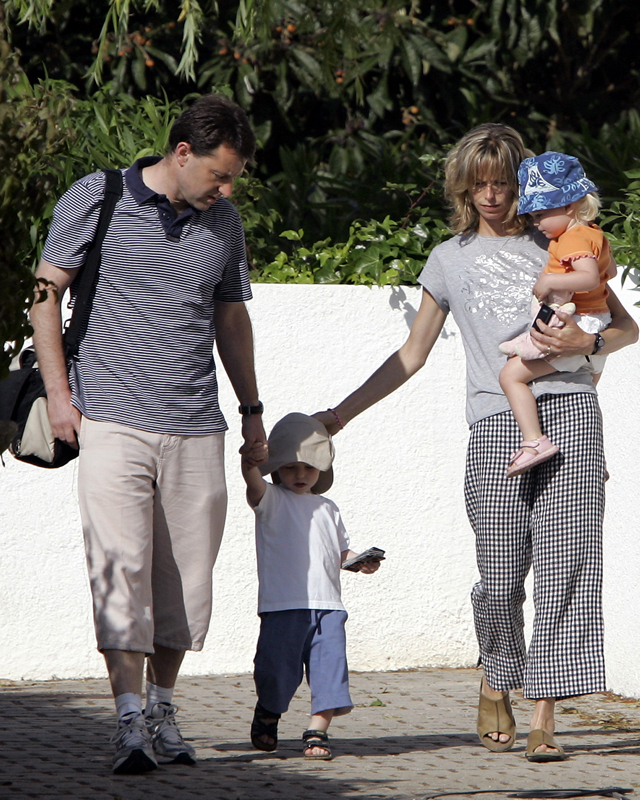
Any trial would likely see Mr and Mrs McCann and the Tapas 7, the group of doctor friends who holidayed with the McCanns in 2007, called to the stand as witnesses.
Media attention would be intense, given the circumstances Madeleine vanished.
The group said they were leaving their small children and babies alone in their holiday apartments at night while the adults ate dinner at a nearby tapas restaurant.
During the PJ investigation, there were questions over how an intruder could have broken into the apartment and a specialist cadaver dog team alerted inside the apartment the McCanns were staying and a hire car the family had rented.
For Brueckner to be charged, prosecutors will need to have sufficient evidence to be confident of winning.
Brueckner's legal team have complained a fair trial for their client is impossible.
For two years, German prosecutor Mr Wolters said his office did not yet have enough evidence to charge Brueckner, while insisting he was certain of the case against him.
Has that now changed?
It's possible German investigators have now built a strong enough case for charges to follow, in what would be a monumental development in this 15-year mystery.
Or, as Brueckner's legal team has claimed, was Brueckner named an arguido because Portugal's 15-year statute of limitations will expire in just over one week, on May 3.
If so, declaring Brueckner an arguido could be a judicial procedural play to ensure the case remains alive.
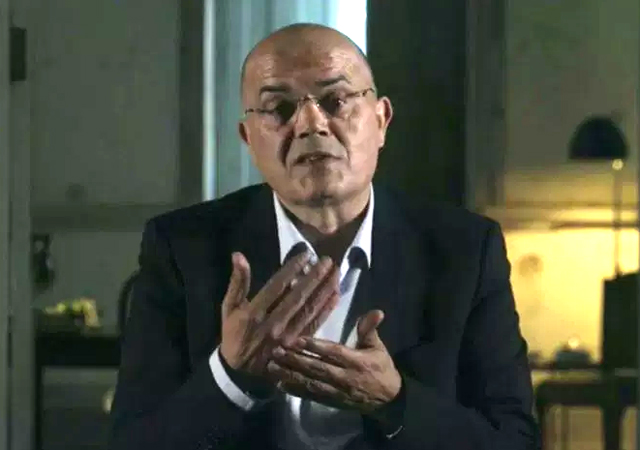
In an interview three years ago for true crime podcast Maddie, the lead Portuguese detective who worked the case, Goncalo Amaral, made the remarkable claim that a German pedophile he refused to identify would be made a "scapegoat" in the case.
British police were "preparing the end of the investigation, with a German pedophile who is in prison right now," Mr Amaral said.
Brueckner, a drifter with a criminal past of sex crimes and break in robberies, lived on the Algarve and in the coastal town Praia da Luz at the time Maddie went missing.
Mr Amaral was thrown off the case several weeks after Mr and Mrs McCann were named arguidos.
The detective claimed he was the victim of external political pressure on the PJ and he wrote a book in 2008 outlining his theory of what happened to Madeleine.
The 22-chapter work suggested an unproven theory that Madeleine had died in apartment 5A, an abduction was simulated and her body was somehow removed from the resort.
That book, The Truth of the Lie, started a bitter, years-long legal fight between Mr Amaral and the McCanns.
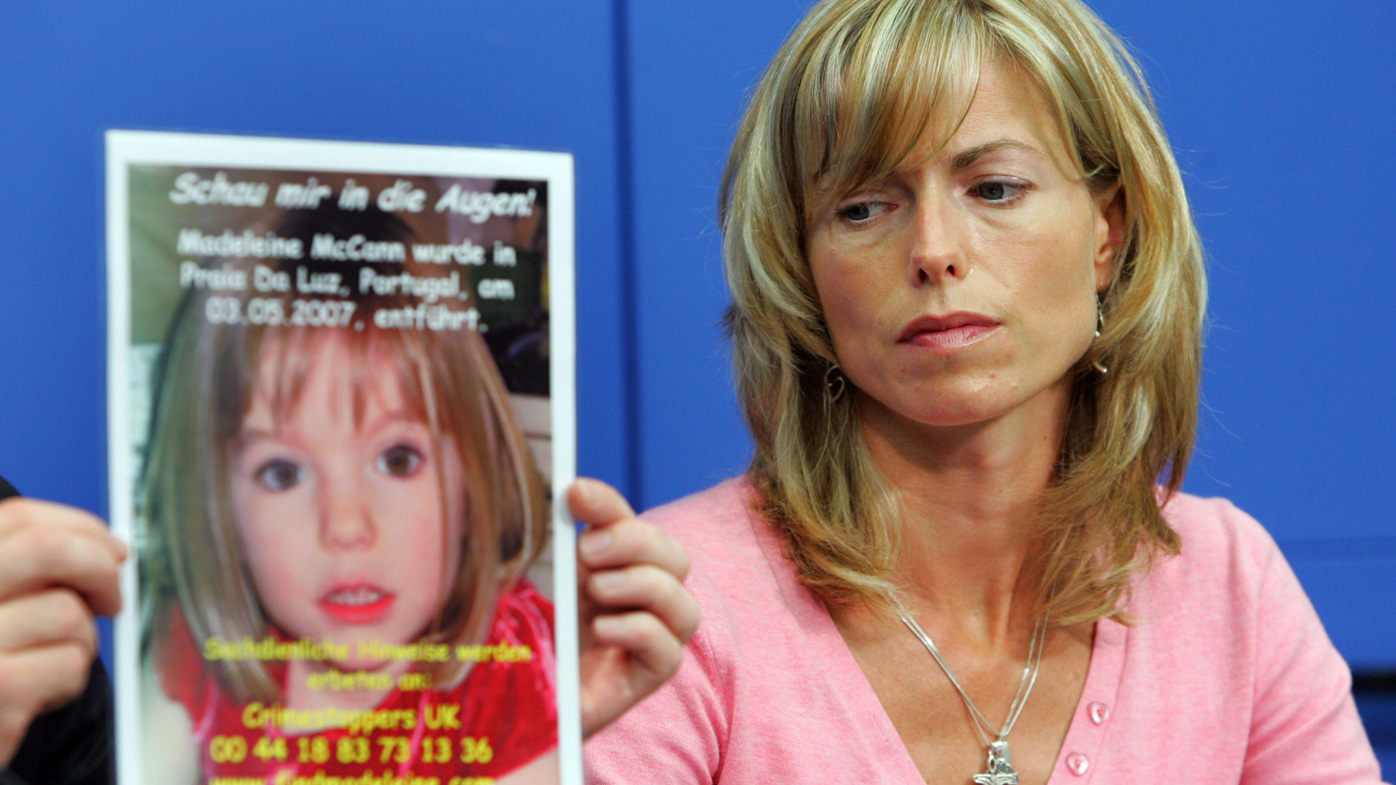
Over the weekend Mr and Mrs McCann said they "welcome the news" about Brueckner, and they hold out hope Maddie is still alive.
LISTEN: True crime podcast investigates what happened to Madeleine McCann

READ MORE: Three questions could help answer what happened to Maddie
"This reflects progress in the investigation, being conducted by the Portuguese, German and British authorities," they wrote in a statement.
"We are kept informed of developments by the [London] Metropolitan Police.
"Even though the possibility may be slim, we have not given up hope that Madeleine is still alive and we will be reunited with her."
German investigators are adamant the case is a homicide inquiry.
London's Metropolitan Police maintain they are investigating a missing person case.
Last month, it was reported the long-running, multi-million-dollar Metropolitan Police operation to find out what happened to Madeleine was on the brink of shutting down.
Launched in 2011 to review and investigate Madeleine's disappearance, Operation Grange has cost taxpayers $23.4 million.
"There are currently no plans to take the inquiry further," a source told British tabloid The Sun.
"The end of the road for Operation Grange is now in sight (and) the team's work is expected to be completed by autumn."
When contacted by 9news.com.au in March, London Metropolitan Police said "the investigation is ongoing".
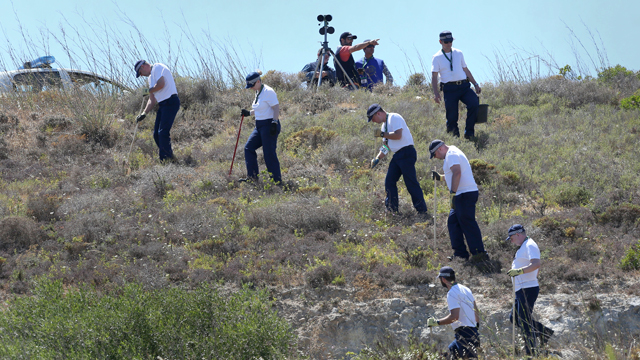
Operation Grange has over the years conducted extensive searches around Praia da Luz.
Divers have descended into ancient wells, land has been excavated and old farm buildings and ruins searched.
No clues indicating what happened to Madeleine were found on those searches.
Man dies in 'water incident' at Piha in West Auckland
A man has died in a “water incident” at Piha this morning.Emergency services were called at 8.15am to a report of a person in difficulty in the water off Marine Parade South, at the surf beach on Auckland’s west coast.Police said…
Family mourns Stephen Penn killed in speedway crash
Tributes for the racer who died in a crash at a speedway track in Palmerston North on Sunday evening are flooding in. The man who died was Stephen Penn, a member of the Manawatū Mustangs, and he was racing in the SuperStock…
Fears Australia could be plunged into third La Nina system
New US-led forecasts suggest the La Nina weather system that brought heavy rains and deadly flash flooding to Australia's east coast is "struggling to break", according to Weatherzone.
This means wet weather will persist for a while yet on the east coast, stoking fears of a "third La Nina" event.
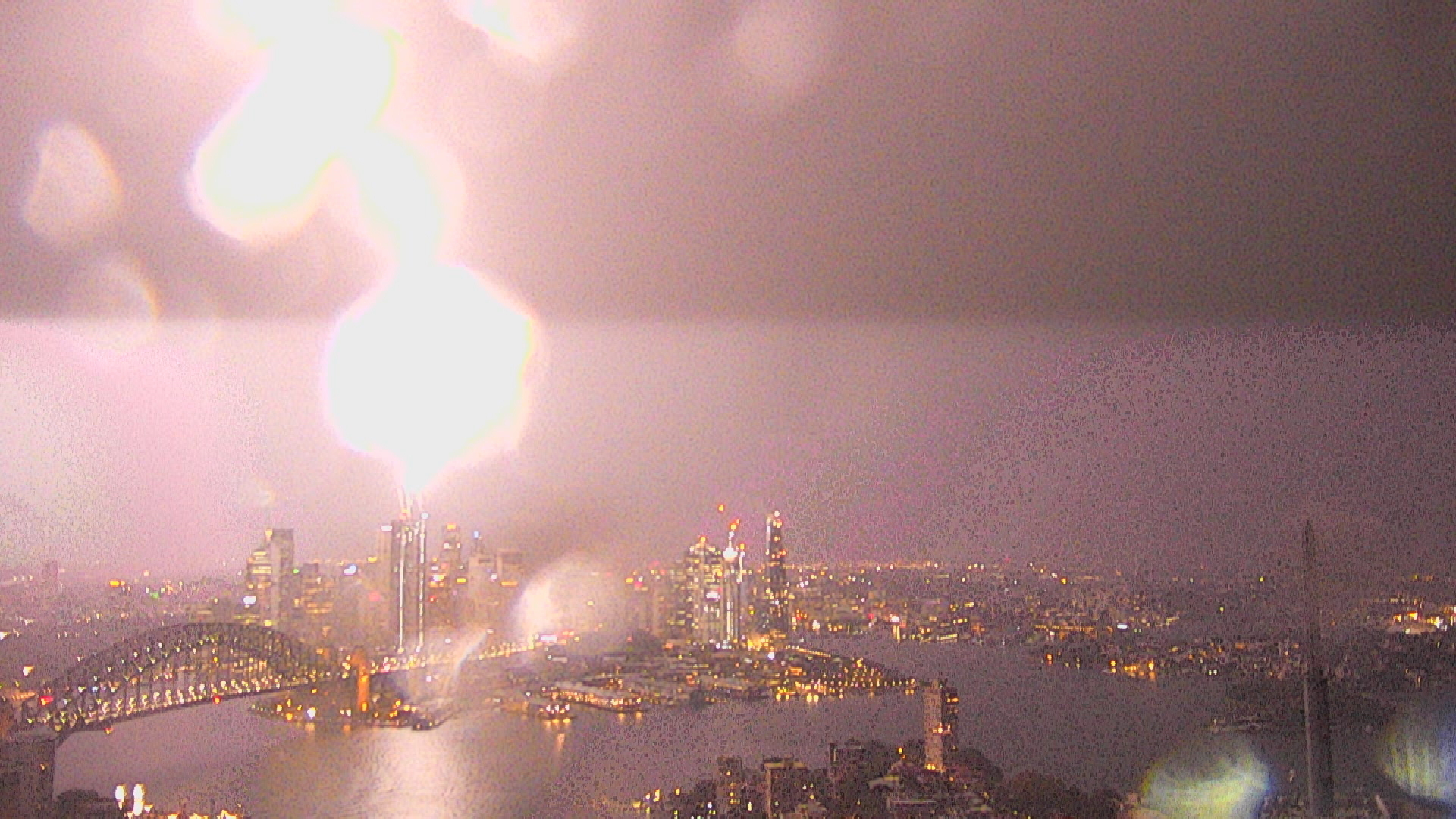
Already Sydney has recorded its wettest start to a year and devastating floods have played out across northern NSW and south-east Queensland.
READ MORE: What will and won't be open on ANZAC Day
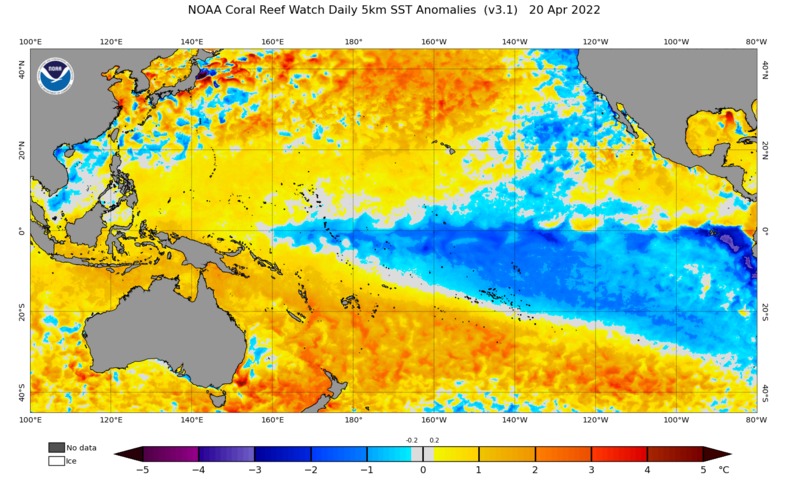
While the Bureau of Meteorology (BOM) said the system will likely ease by "late Autumn or early winter", forecasters in the US paint a different story.
They monitored sea surface temperature and air pressure difference between Tahiti and Darwin to develop the forecast.
READ MORE: France's Macron is re-elected
"La Niña has a 59 percent chance of continuing through the Southern Hemisphere's winter and a 50 to 55 percent chance of persisting thorough the Southern Hemisphere's spring," Weatherzone said, referring to forecasts from US National Weather Service's Climate Prediction Centre (CPC) and Columbia University's International Research Institute for Climate and Society (IRI).
"It is rare for the footprint of La Niña to still be so well established in both the ocean and the atmosphere at this time of year.
"The enduring strength of this current La Niña is something to keep an eye on in the coming weeks and months."
The weather event was first confirmed to have formed over the Pacific Ocean by the BoM on November 23.
READ MORE: Controversial Liberal candidate relocates family after death threats
The prediction comes as multiple states are lashed by heavy rain and thunderstorms.
"A trough currently sitting over Australia's northern interior will dip south over the weekend, dragging cloud and rain across large areas of SA, NSW, QLD and VIC from Sunday into the first half of next week," Weatherzone.
"The rain and cloud will initially focus on Australia's central and northern interior on the weekend before spreading further south and east early-to-mid mid next week."
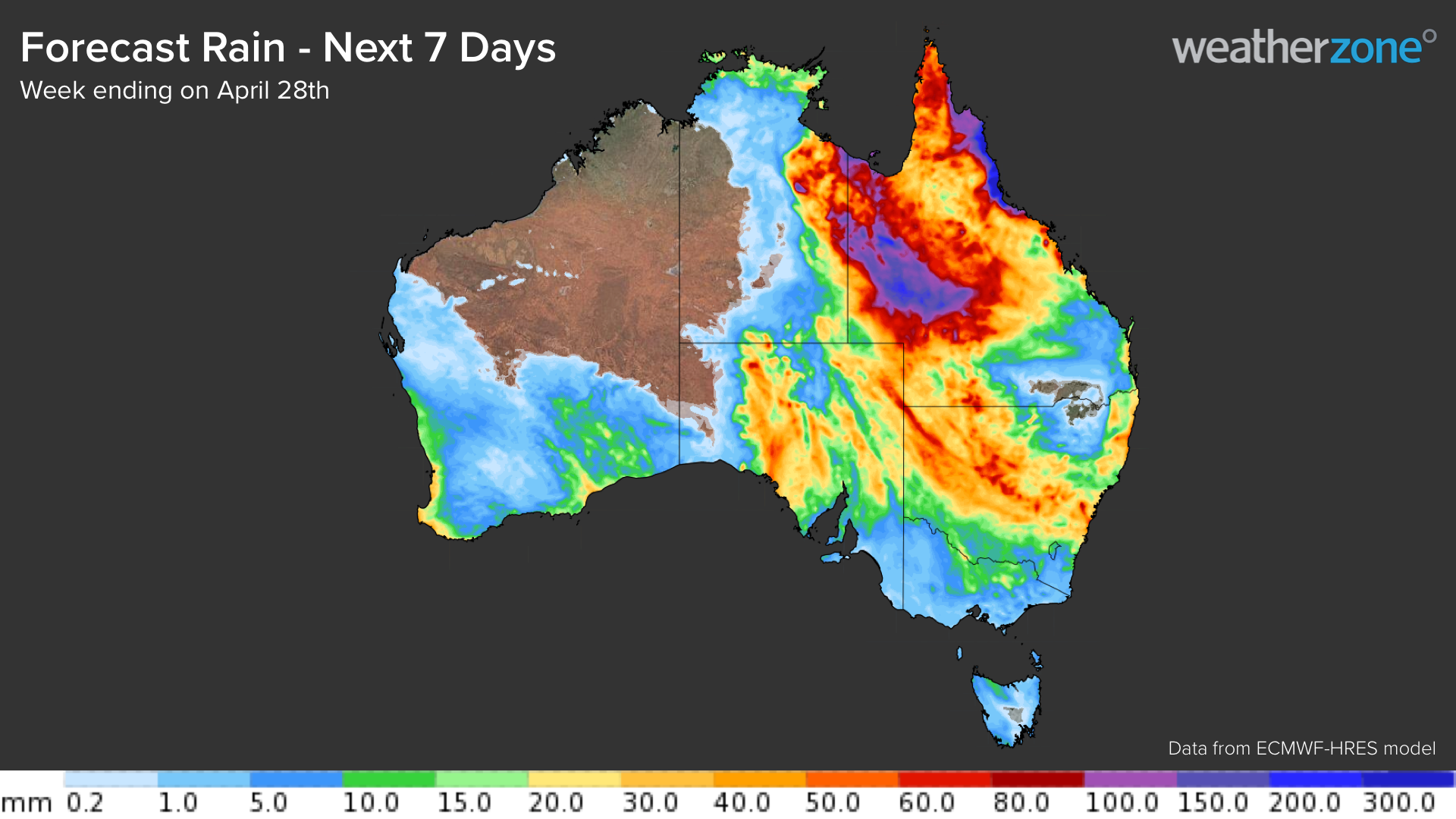
Accumulated rainfall totals reaching 100 to 200mm are predicted to fall in parts of eastern NT and western and northern QLD.
Broader areas of Australia central and eastern are expected to reach accumulated totals of 40 to 80 mm by the middle of this week.
Let's take a look and see what the weather is doing across the nation's capitals this morning.
Brisbane
A "shower of two" and a maximum temperature of 25C is forecast for Brisbane today.
Rain will become less likely from the late afternoon and evening.
Sydney
Showers are also forecast for Sydney today, with 2 to 5 mm of rain predicted to fall.
The Harbour City has a maximum temperature of 22C forecast.
Melbourne
Melbourne woke to a chilly 9C, but thankfully the mercury is expected to climb to a top of 21C.
It will be partly cloudy.
Canberra
Similar conditions were felt in the nation's capital; a low of 7C will give way to a high of 20C.
It will be partly cloudy.
Hobart
It will also become cloudy in Hobart during the day.
Morning temperatures dipped to 7C. A maximum of 17C is forecast.
Adelaide
There's a slight chance of a shower in Adelaide today, but on the whole the day will be mostly cloudy.
A maximum of 25C is forecast.
Darwin
It will be a sunny 34C day in Darwin today.
Perth
Last showers could hit Perth, with the temperature expected to range between a low of 18C and a high of 29C.
The BoM said there's a chance of "gusty thunderstorm this evening".
Thousands attend Anzac Day dawn services
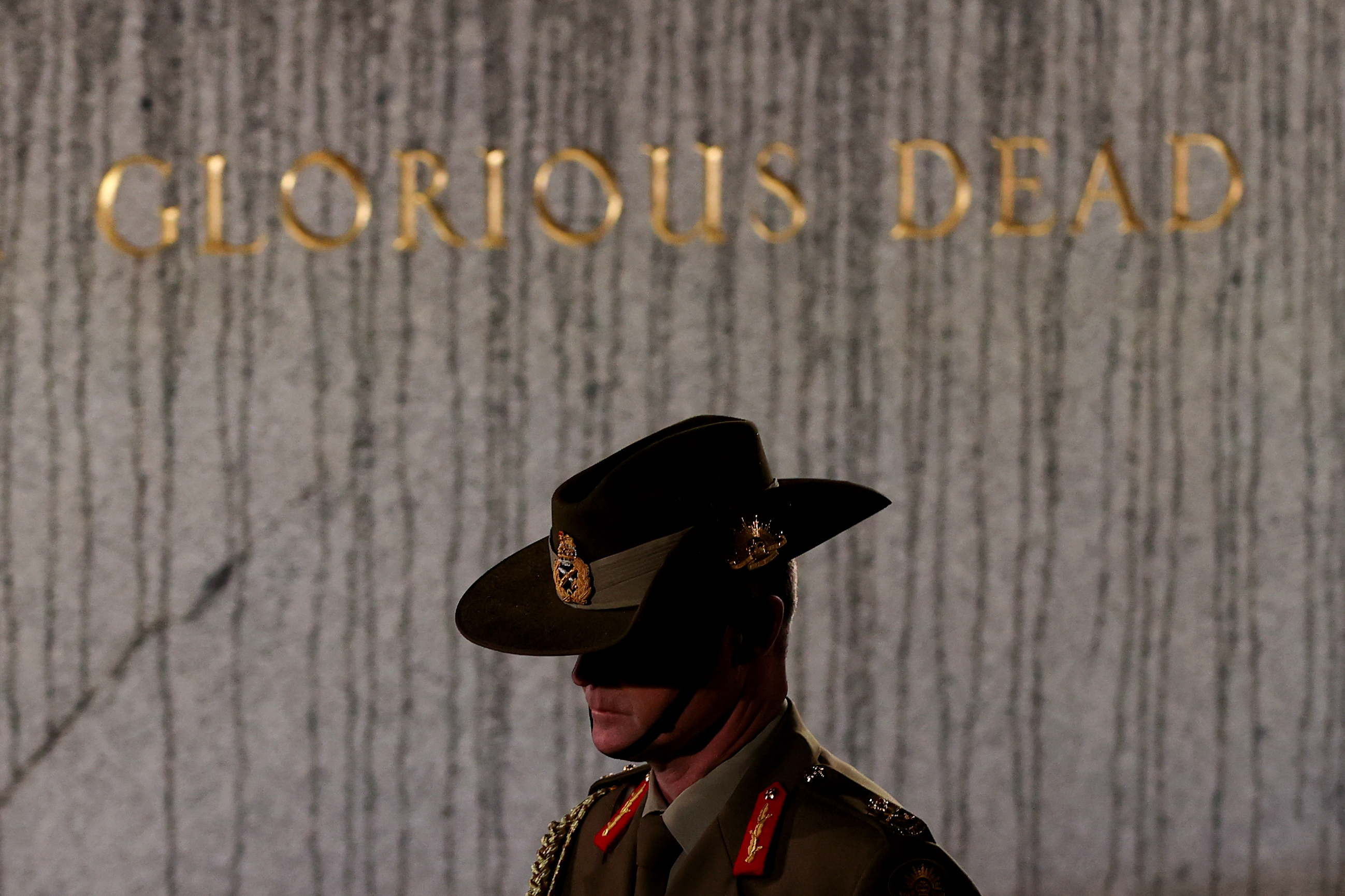
Rain, drizzle and chilly pre-dawn conditions did little to stop thousands of Australians turning out to dawn services around the country to commemorate Anzac Day.
After two years of COVID-19 restrictions that saw many commemorate dawn services in their driveways, 2022 marked the first time that many have been able to return to full capacity services since the pandemic.
Huge crowds were drawn to cenotaphs in Sydney, Melbourne, Brisbane, Canberra, Darwin and Perth to remember the sacrifice Australia's military personnel have made in defence of the nation.
READ MORE: Anzac Day service returns to Gallipoli
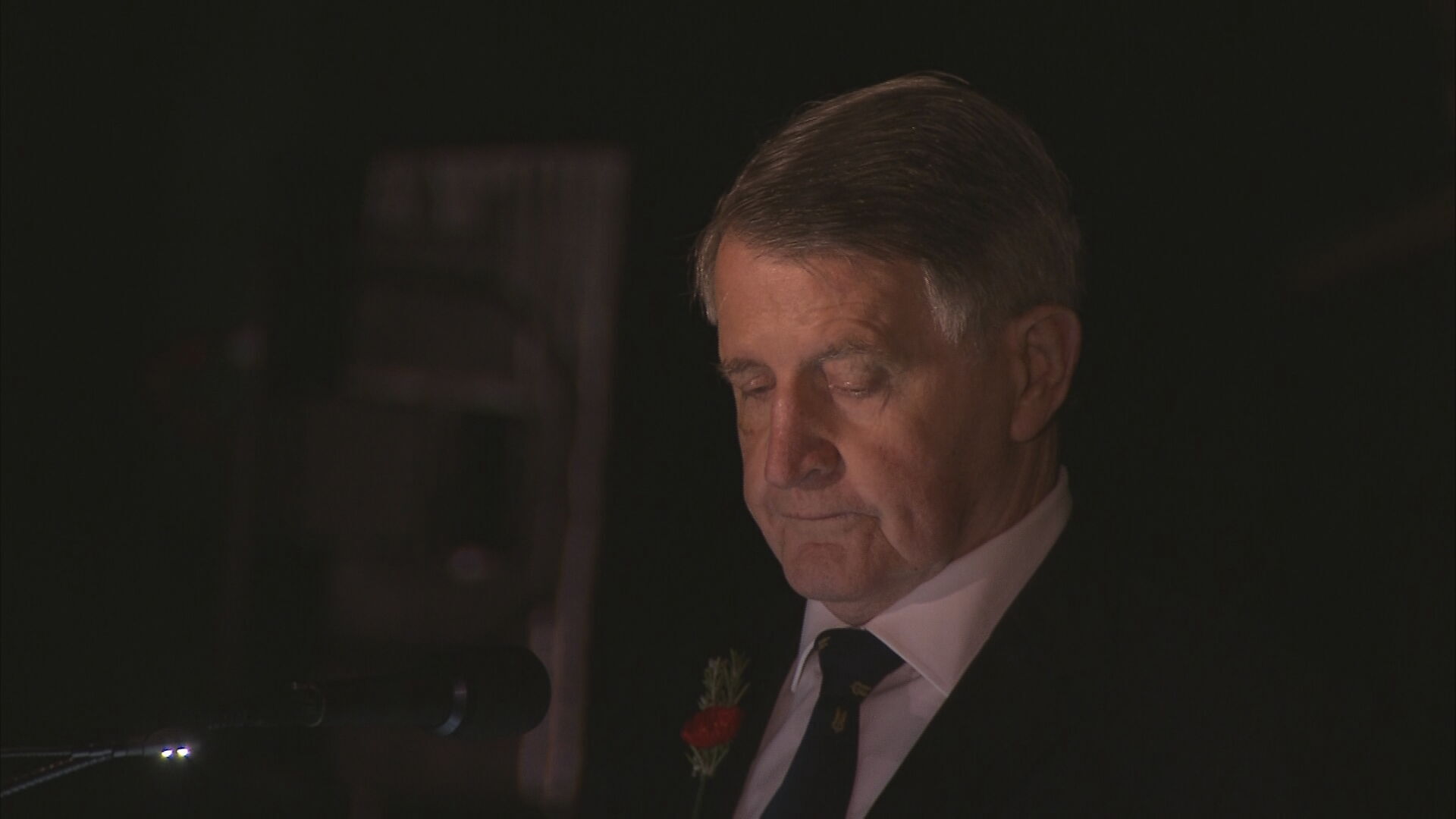
In Canberra, Defence Veteran Michael Ruffin gave a moving dawn service address in which he spoke about the power of mateship even in the face of extreme adversity.
He spoke of one operation in Vietnam in 1968 when his patrol group were ambushed, forcing the men to flee across open ground while under heavy fire.
"In hindsight, it seemed inconceivable that five men could run across 100m of open ground whilst being subjected to that amount of fire and not receive a single gunshot wound," he said.
"Had any one of us been wounded that had would have been the end, as we would never have left a mate behind."
READ MORE: 'Democracy wins': France's Macron is re-elected
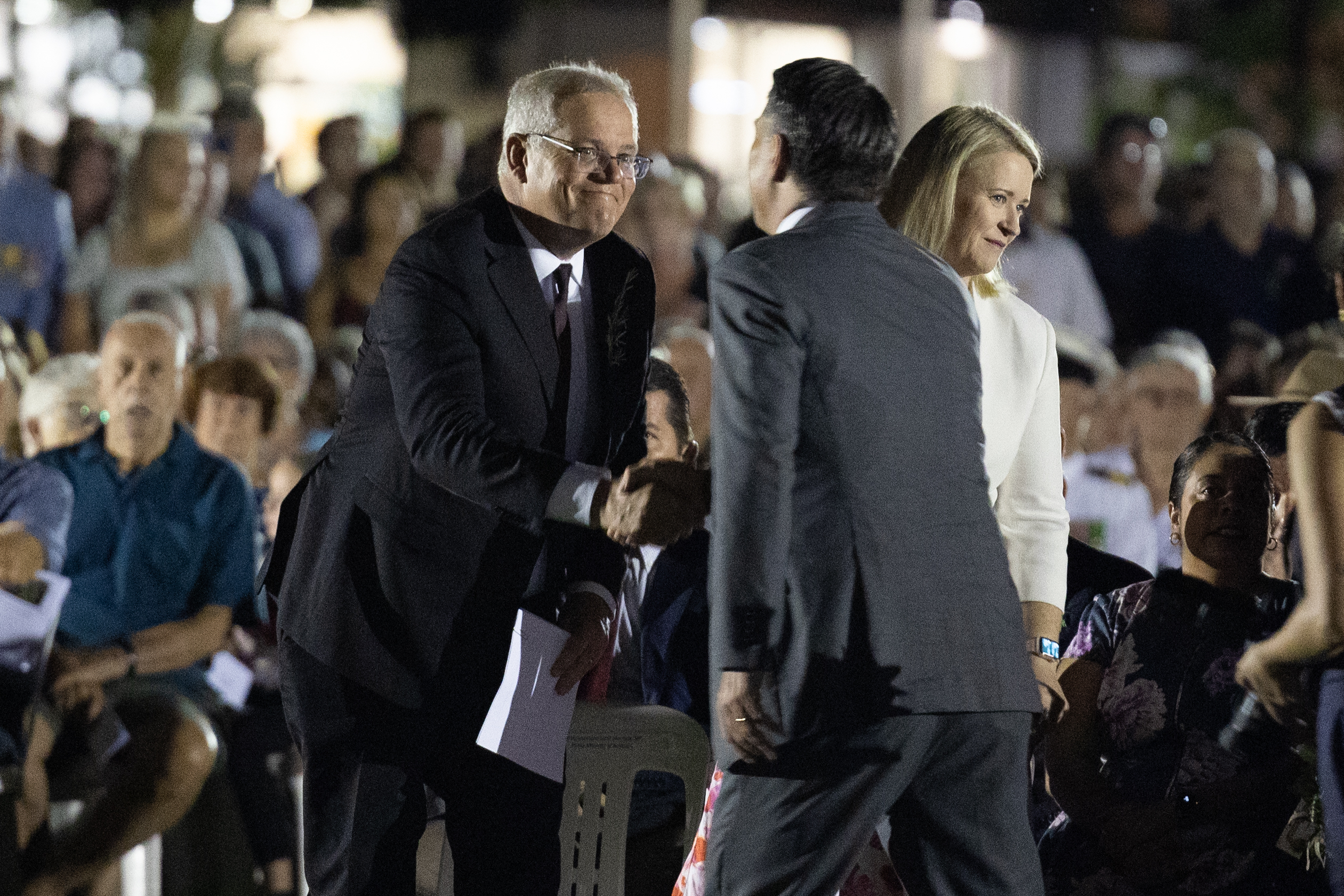
The solemnity of Anzac Day was not lost on the nation's politicians, who put party lines to rest during the Federal election campaign to attend dawn services.
Prime Minister Scott Morrison and Deputy Labor leader Richard Marles shared a handshake at a dawn service in Darwin, which is marking the 80th anniversary of the Bombing of Darwin during WWII.
As Australians commemorated the day, so too did New Zealanders: Across the ditch and hours earlier huge crowds gathered to remember those lost in military action at Gallipoli in the first World War.
READ MORE: Ten found dead after Japan tour boat with 26 aboard sinks
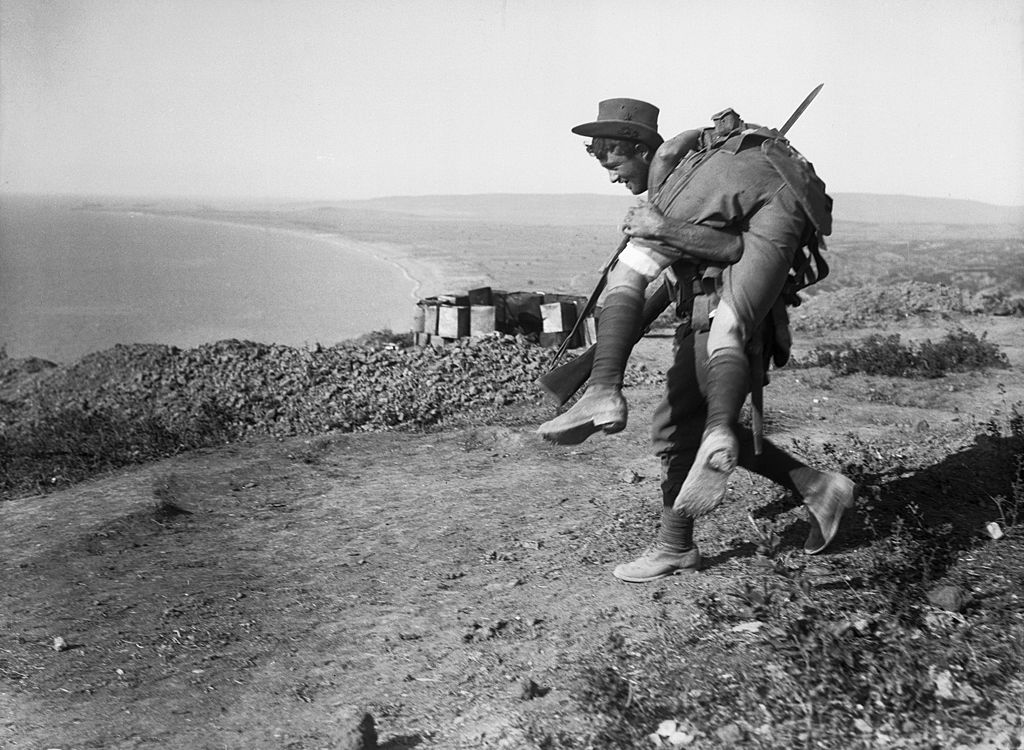
Over eight months in 1915 the allies attempted to take the Gallipoli Peninsula in Turkey in what would be a bold strike against the Ottoman Empire, an ally of Germany at the time.
However the confrontation ended in a stalemate, as allied forces battled rough ground and heavily fortified Turkish defensive lines.
In all more than 8700 Australians and 2,700 New Zealanders were killed and the allied forces were eventually evacuated.
Despite the action being universally considered a loss, the Anzac legend was born: one in which soldiers from halfway around the war fought valiantly, defended their mates, showed good humour and pioneered several military techniques under extreme duress.
'Democracy wins': France's Macron is re-elected
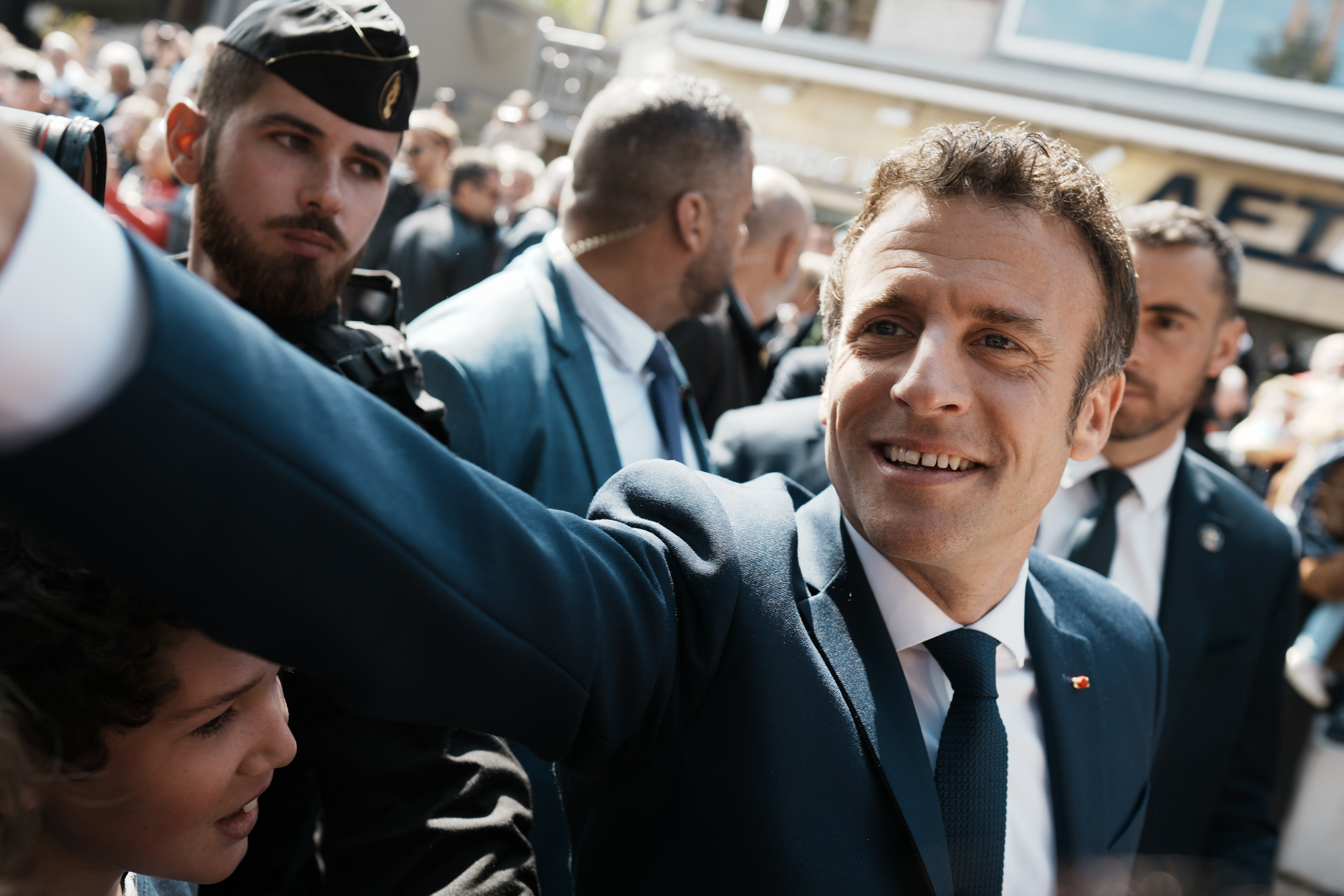
French President Emmanuel Macron comfortably won re-election to a second term Sunday, according to polling agencies' projections.
In the midst of Russia's invasion of Ukraine, the result offered the European Union the reassurance of leadership stability in the bloc's only nuclear-armed power and was immediately hailed by France's allies.
A second five-year term for the centrist Macron spares France and its allies the seismic upheaval of a wartime shift of power to Macron's populist challenger Marine Le Pen, who quickly acknowledged her defeat Sunday night but still appeared on course for a best-ever showing for her fiercely nationalist far-right policies.
LIVE UPDATES: Australians commemorate Anzac Day 2022
During her campaign, Le Pen pledged to dilute French ties with the 27-nation EU, NATO and Germany, moves that would have shaken Europe's security architecture as the continent deals with its worst conflict since World War II.
Le Pen also spoke out against EU sanctions on Russian energy supplies and faced scrutiny during the campaign over her previous friendliness with the Kremlin.
A chorus of European leaders hailed Macron's victory. "Democracy wins, Europe wins," said Spanish Prime Minister Pedro Sánchez.
"Together we will make France and Europe advance," tweeted European Commission President Ursula von der Leyen.
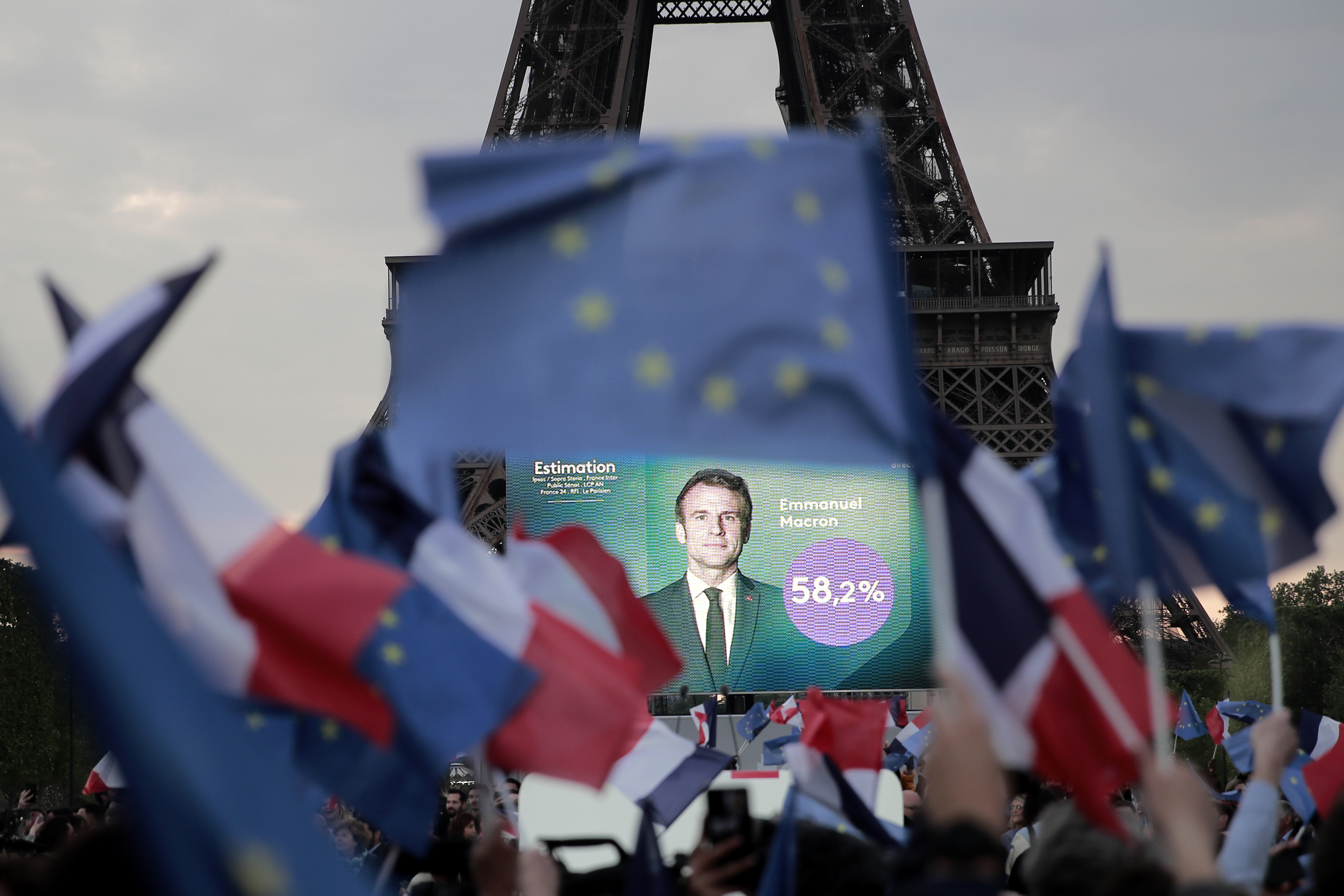
Italian Premier Mario Draghi hailed Macron's victory as "splendid news for all of Europe" and a boost to the EU "being a protagonist in the greatest challenges of our times, starting with the war in Ukraine."
Polling agencies' projections, released as the last voting stations closed, said Macron was on course to beat his rival by a double-digit margin.
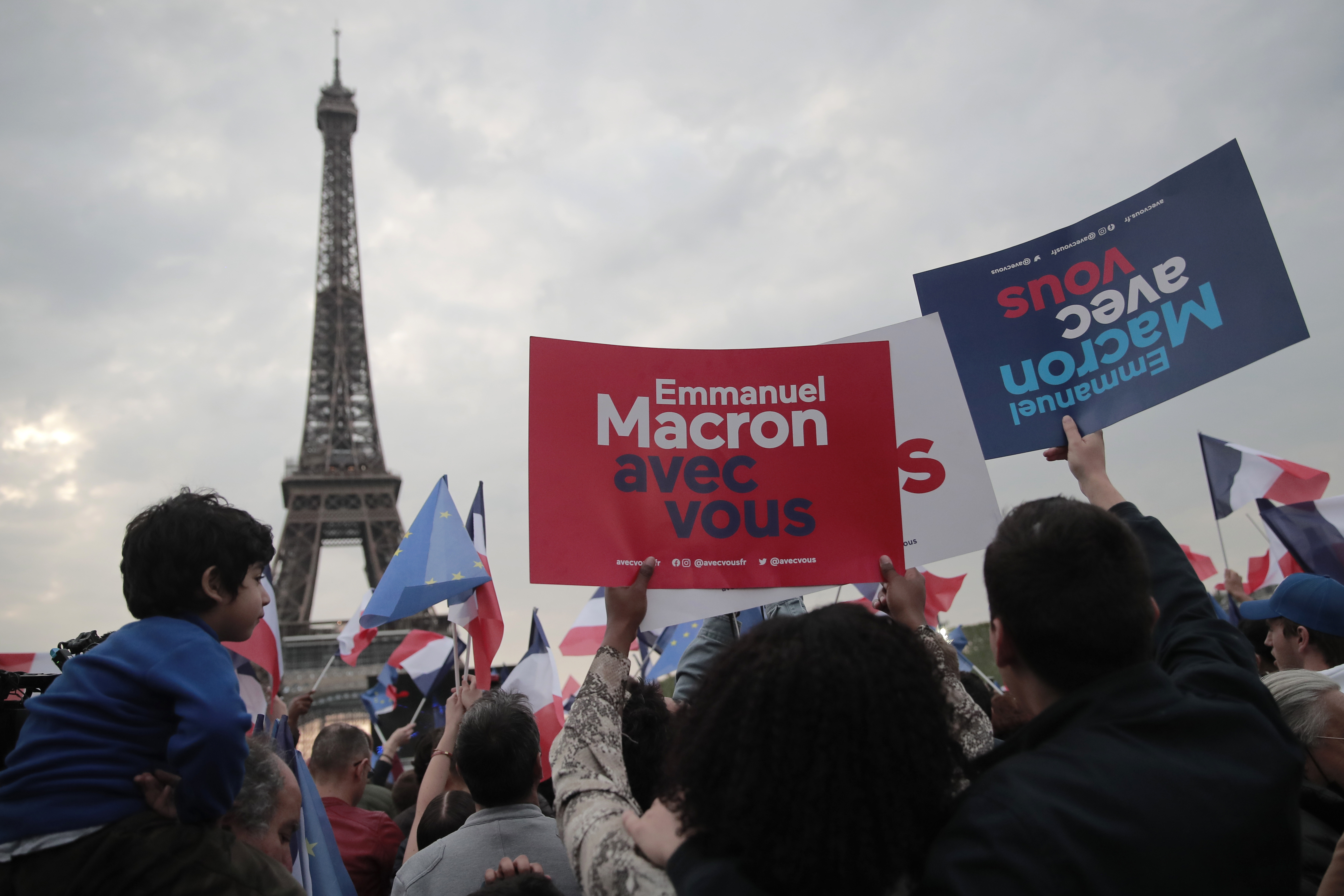
Several hundred Macon supporters happily gathered in front of the Eiffel Tower in Paris, waving French and EU flags to the beat of Daft Punk's "One More Time."
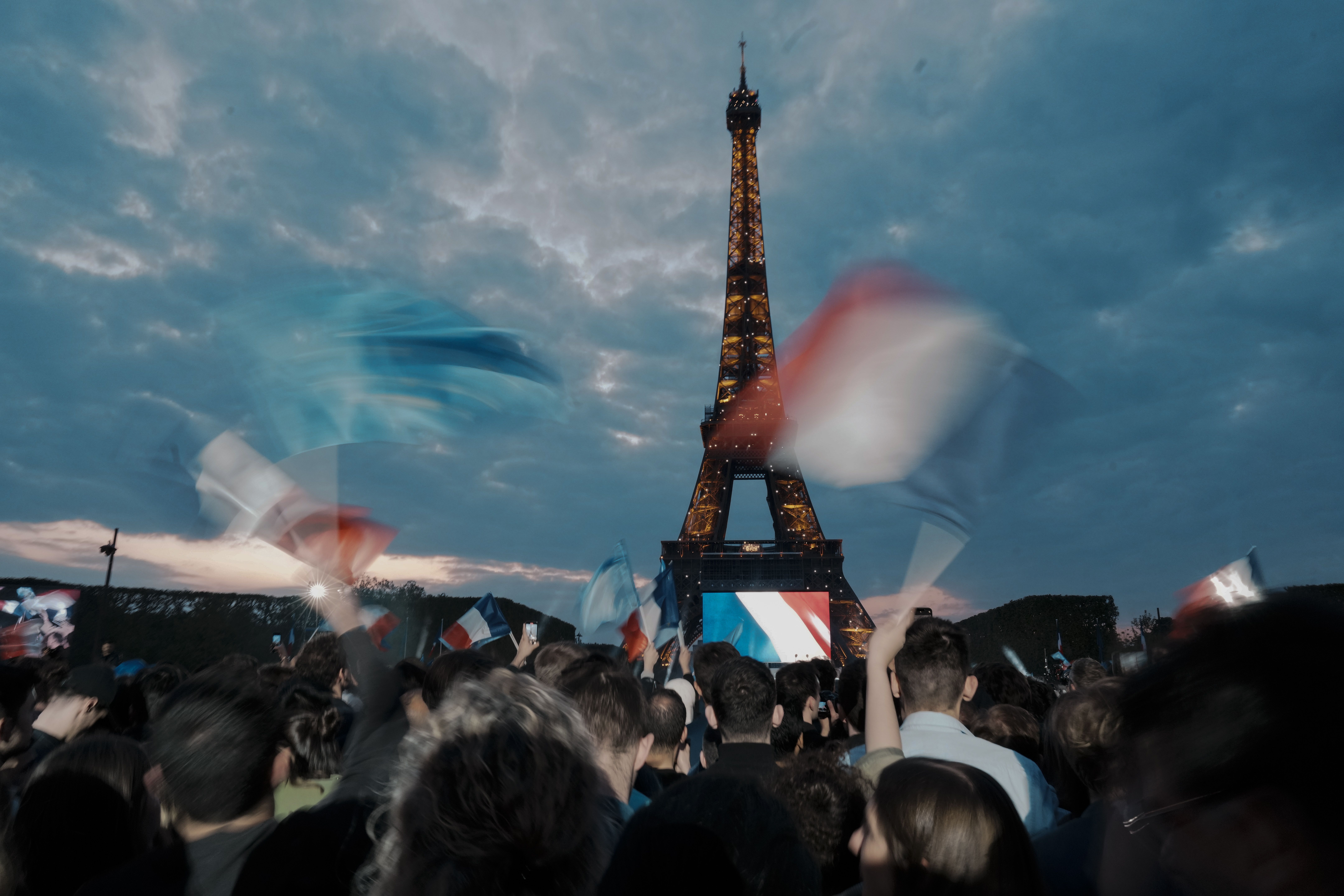
Five years ago, Macron won a sweeping victory over Le Pen to become France's youngest president at 39.
The margin is expected to be much smaller this time: Polling agencies Opinionway, Harris and Ifop projected that the 44-year-old pro-European centrist would win at least 57 per cent of the vote.
Le Pen was projected to win between 41.5 per cent and 43 per cent support — a still unprecedented result for the 53-year-old on her third attempt to win the French presidency.
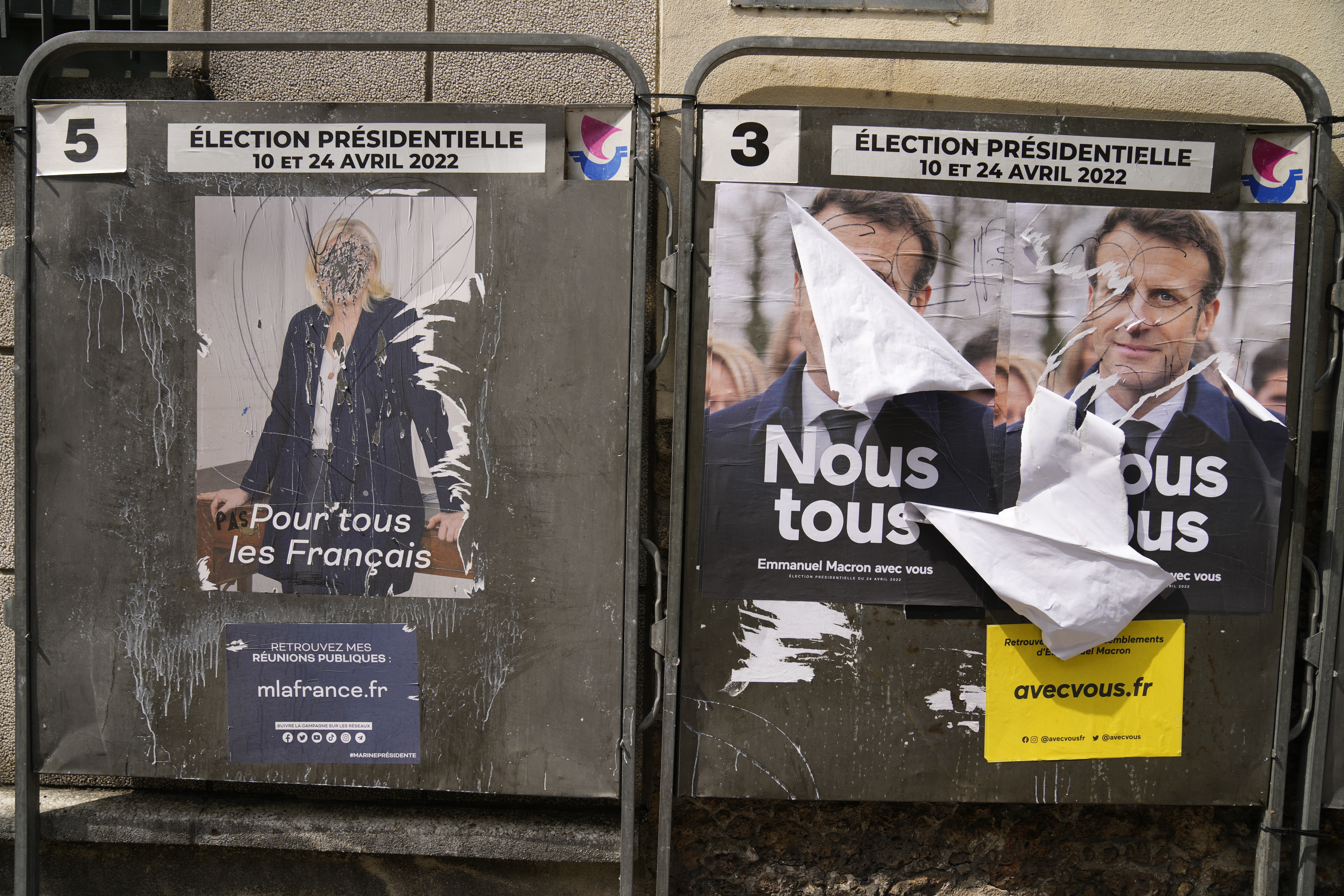
Early official results in France's presidential runoff are expected later Sunday night.
If the projections hold, Macron would become only the third president since the 1958 founding of modern France to win twice at the ballot box, and the first in 20 years, since incumbent Jacques Chirac trounced Le Pen's father in 2002.
Le Pen called her results "a shining victory," saying that "in this defeat, I can't help but feel a form of hope."
Breaking through the threshold of 40 per cent of the vote is unprecedented for the French far-right. Le Pen was beaten 66 per cent to 34 per cent by Macron in 2017 and her father got less than 20 per cent against Chirac.
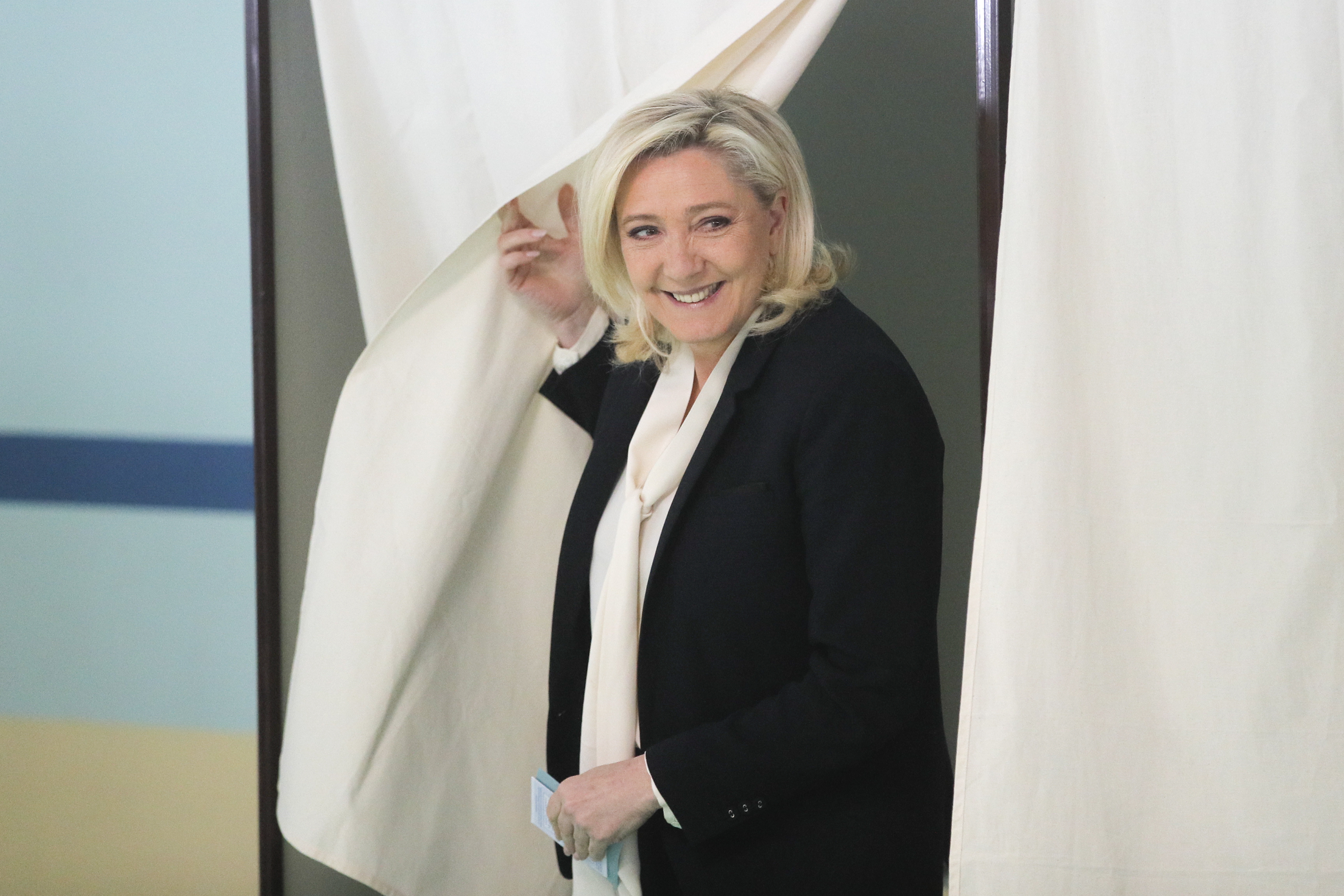
She and hard-left leader Jean-Luc Melenchon, one of 10 candidates eliminated in the first round of voting on April 10, both quickly pitched forward to France's legislative election in June, urging voters to give them a parliamentary majority to hamstring Macron.
Le Pen's score this time rewarded her years-long efforts to make her far-right politics more palatable to voters. Campaigning hard on cost-of-living issues, she made deep inroads among blue-collar voters in disaffected rural communities and in former industrial centers.
The projected drop in support for Macron compared to five years ago points to a tough battle ahead for the president to rally people behind him in his second term. Many French voters found the 2022 presidential rematch less compelling than in 2017, when Macron was an unknown factor, having never previously held elected office.
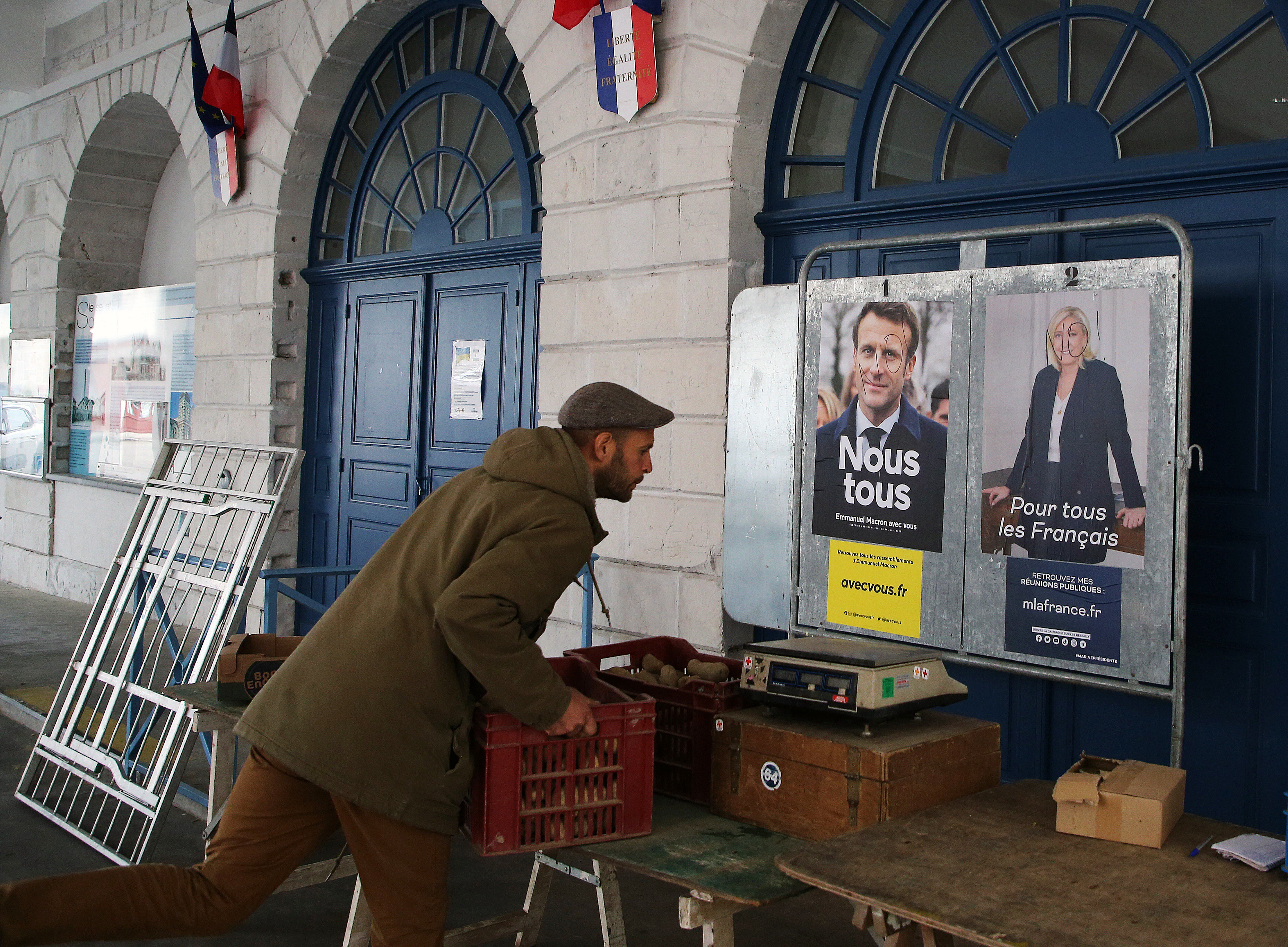
Leftist voters — unable to identify with either the centrist president or Le Pen's fiercely nationalist platform — often agonized with the choices available Sunday. Some trooped reluctantly to polling stations solely to stop Le Pen, casting joyless votes for Macron.
"It was the least worst choice," said Stephanie David, a transport logistics worker who backed a communist candidate in round one.
It was an impossible choice for retiree Jean-Pierre Roux. Having also voted communist in round one, he dropped an empty envelope into the ballot box on Sunday, repelled both by Le Pen's politics and what he saw as Macron's arrogance.
"I am not against his ideas but I cannot stand the person," Roux said.
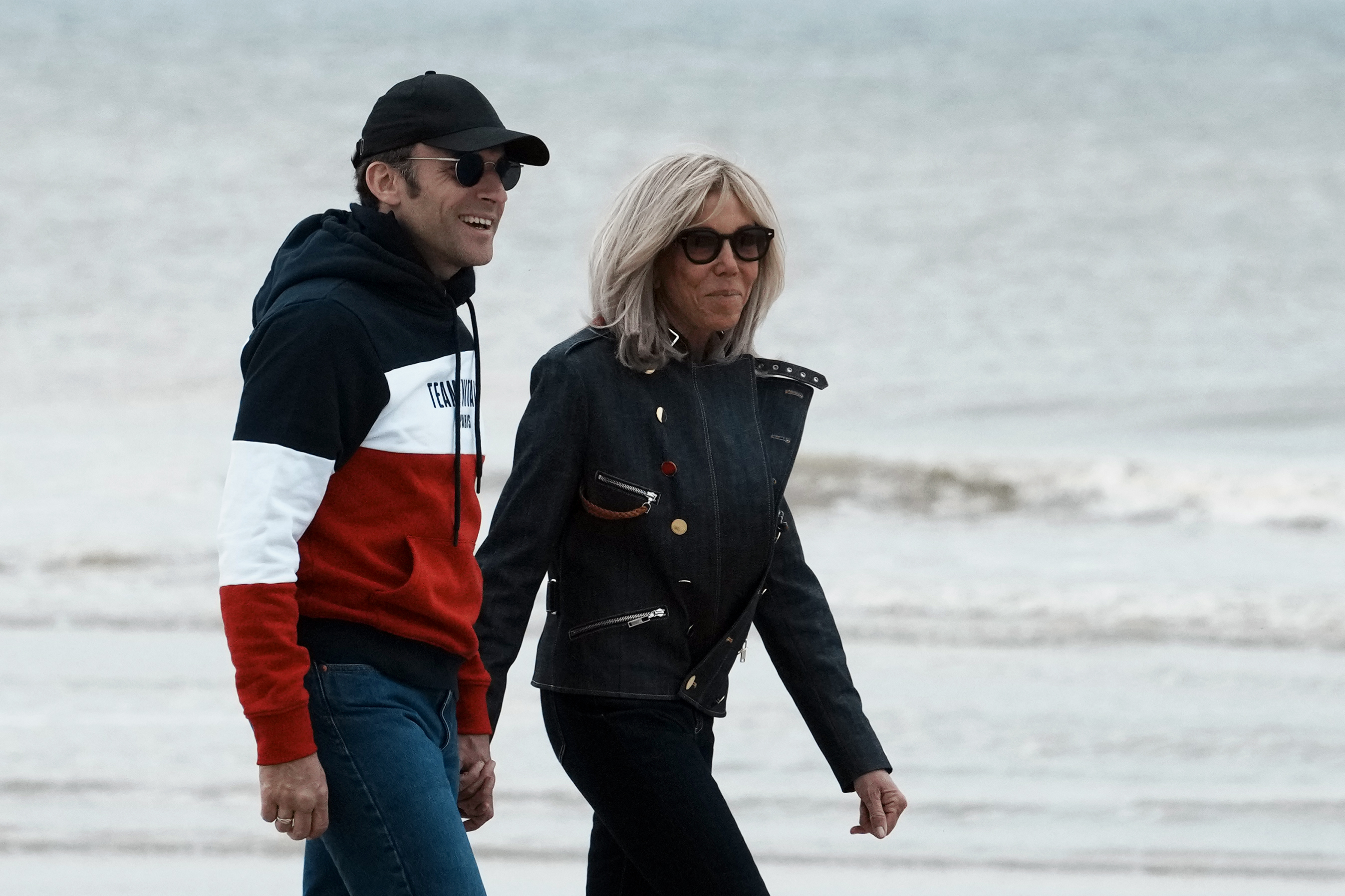
In contrast, Marian Arbre, voting in Paris, cast his ballot for Macron "to avoid a government that finds itself with fascists, racists."
"There's a real risk," the 29-year-old fretted.
Macron went into the vote with a sizeable lead in polls but faced a fractured, anxious and tired electorate. The war in Ukraine and the COVID-19 pandemic battered Macron's first term, as did months of violent protests against his economic policies, which created fertile ground for Le Pen.
With the EU's only seat on the U.N. Security Council and only nuclear arsenal, the outcome in France was being watched across the 27-nation bloc. France has played a leading role in international efforts to punish Russia with sanctions and is supplying weapons systems to Ukraine.
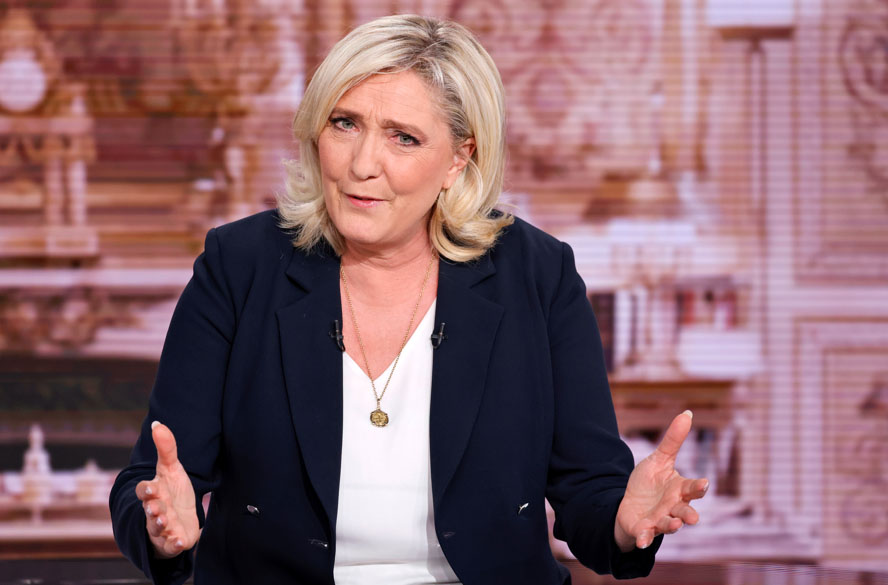
Appealing to working-class voters struggling with surging prices, Le Pen vowed that bringing down the cost of living would be her priority and argued that Macron's presidency had left the country deeply divided.
Macron sought to appeal to voters of immigrant heritage and religious minorities, especially because of Le Pen's proposed policies targeting Muslims and putting French citizens first in line for jobs and benefits.
Macron also touted his environmental and climate accomplishments to trawl for young voters who backed left-wing candidates in round one. Macron said his next prime minister would be put in charge of environmental planning as France seeks to become carbon neutral by 2050.