Category Archives: headline

Senator resigns over dual citizenship

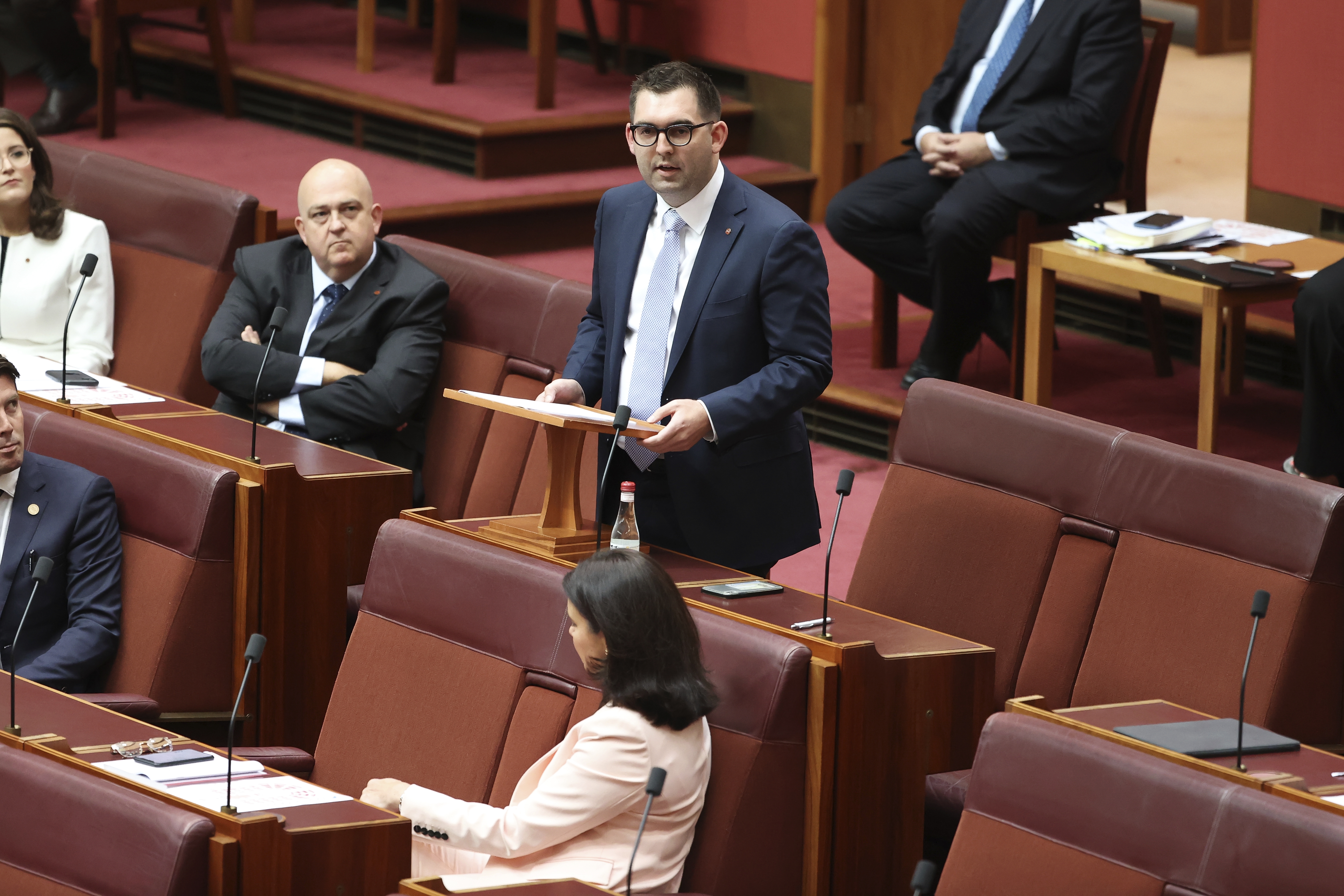
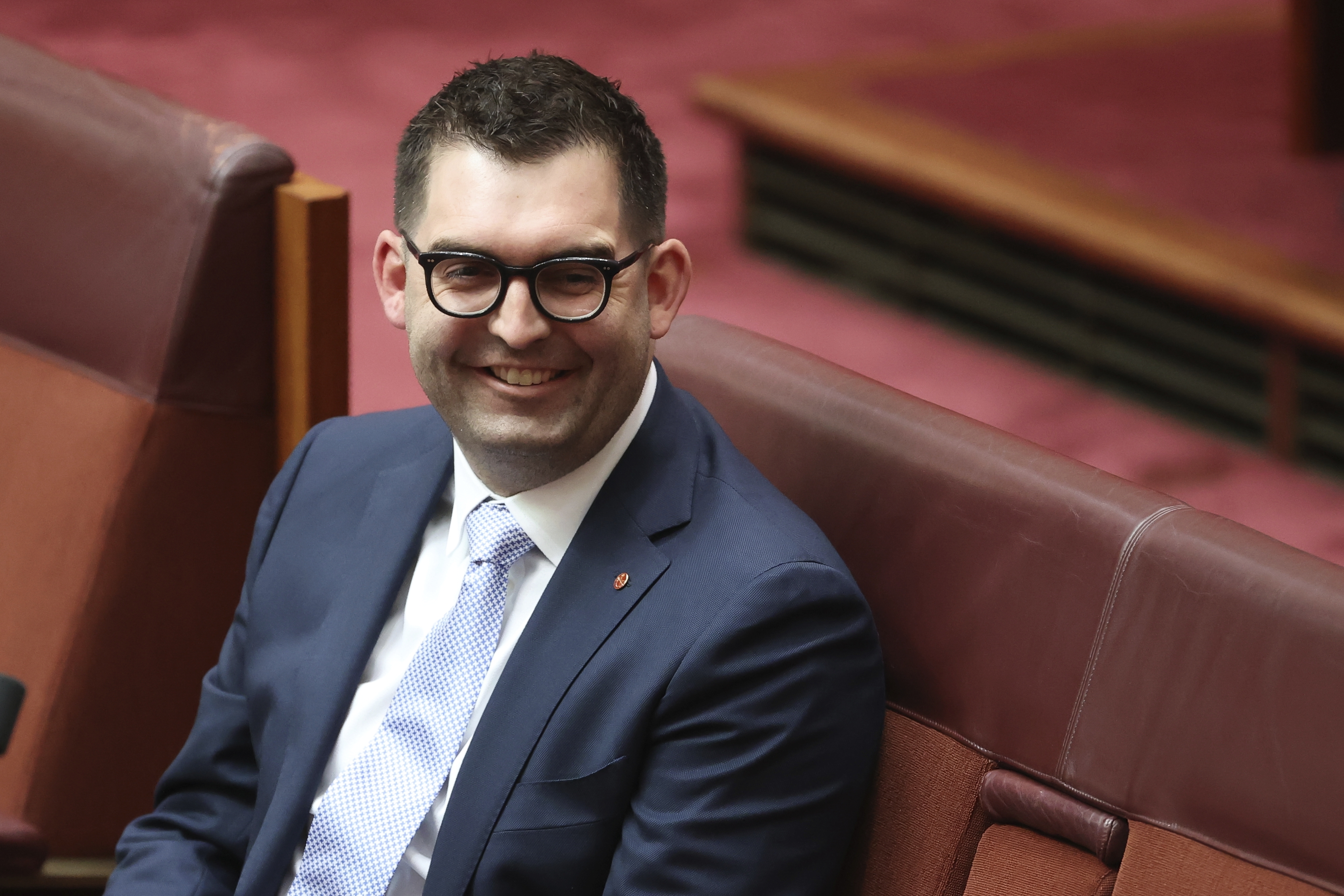
Western Australian senator Ben Small has resigned after recently discovering he was a dual citizen of both Australia and New Zealand.

In a lengthy statement, Mr Small explained that he was born in Perth in 1988 to an Australian mother and a New Zealand father who was at the time an Australian Permanent Resident.

The 34-year-old Liberal senator had "always understood" that he had no entitlement to dual citizenship "based on the laws that applied at the time" of his birth.

READ MORE: Three officers discharged after PM's security vehicle rolled

However, last week while preparing for the upcoming election, Liberal Party officials asked Mr Small if he had any entitlement to New Zealand citizenship.

He wrote to the New Zealand High Commission, which confirmed that he was indeed a dual citizen of both nations.

"Yesterday afternoon, Thursday 14 April, the New Zealand High Commission confirmed that I had been a citizen of New Zealand and, further to my application, granted a renunciation of any New Zealand citizenship rights," Mr Small said.

"While the question of my ineligibility to have been appointed to a Senate casual vacancy would need to be confirmed by the Court of Disputed Returns, I believe that my circumstances are sufficiently clear and it is most appropriate that I promptly resign from the Senate myself.

"As a result, I have today provided my resignation to the President of the Senate."

READ MORE: Pedestrian killed after being struck by motorbike in Melbourne

Despite the resignation, Mr Small said that given he had renounced his New Zealand citizenship rights he was looking forward to contesting the election as a senate candidate.

"I remain strongly committed to fighting for the issues that matter to Western Australians, especially the small businesses across WA whose interests I have championed," he said.

"Now that any questions around my eligibility have been resolved, I look forward to continuing to campaign across WA as a candidate for the Senate and to ensuring the Morrison Government can continue to implement our plans for an even stronger Australia."

Section 44 of the Australian Constitution sets out restrictions on who can be a candidate for Federal Parliament.

One of those restrictions excludes anybody who "is under any acknowledgement of allegiance, obedience, or adherence to a foreign power, or is a subject or a citizen or entitled to the rights or privileges of a subject or citizen of a foreign power".

Three officers discharged after PM's security vehicle rolled

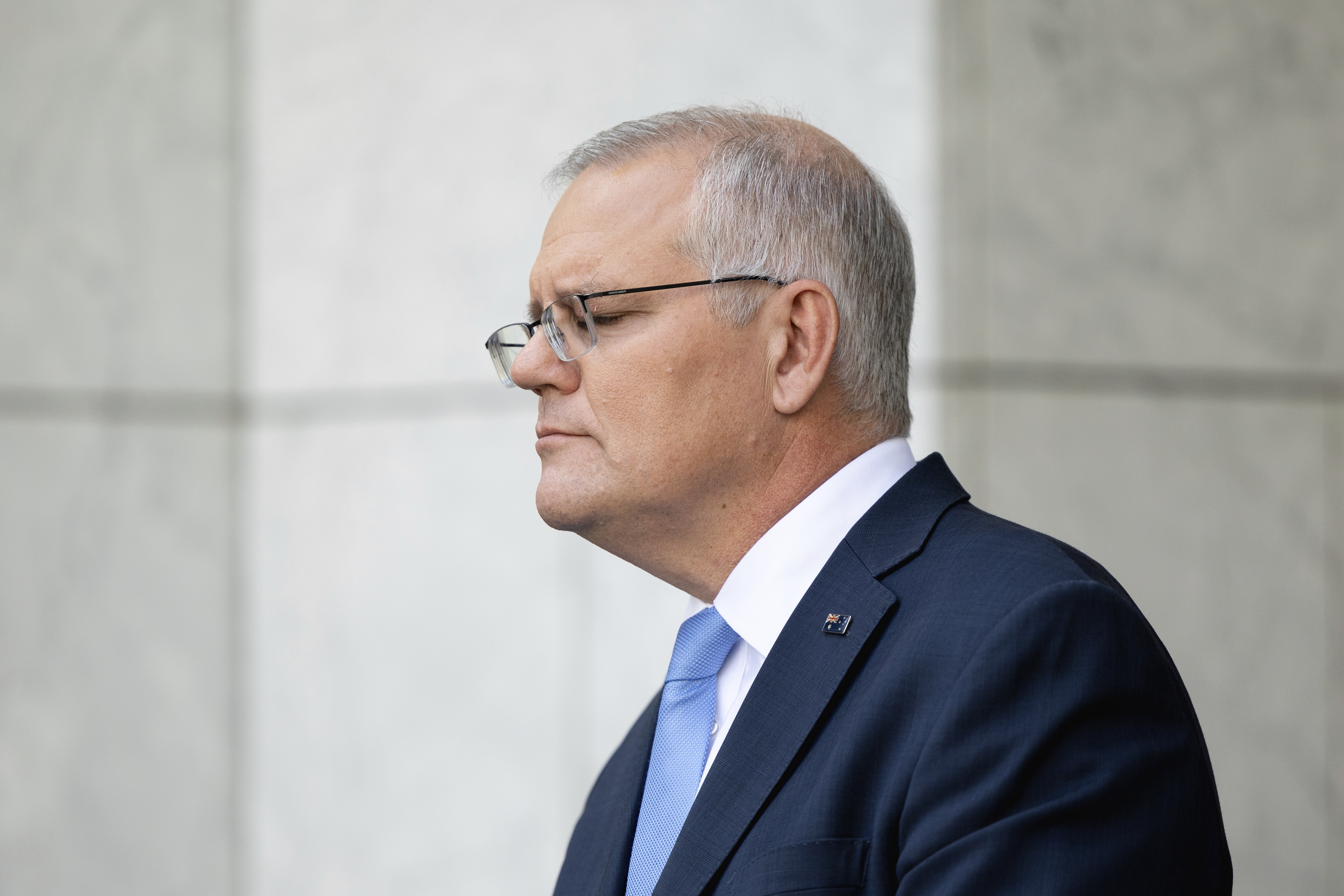
Prime Minister Scott Morrison has confirmed three police officers involved in yesterday's security vehicle crash have been discharged from hospital.

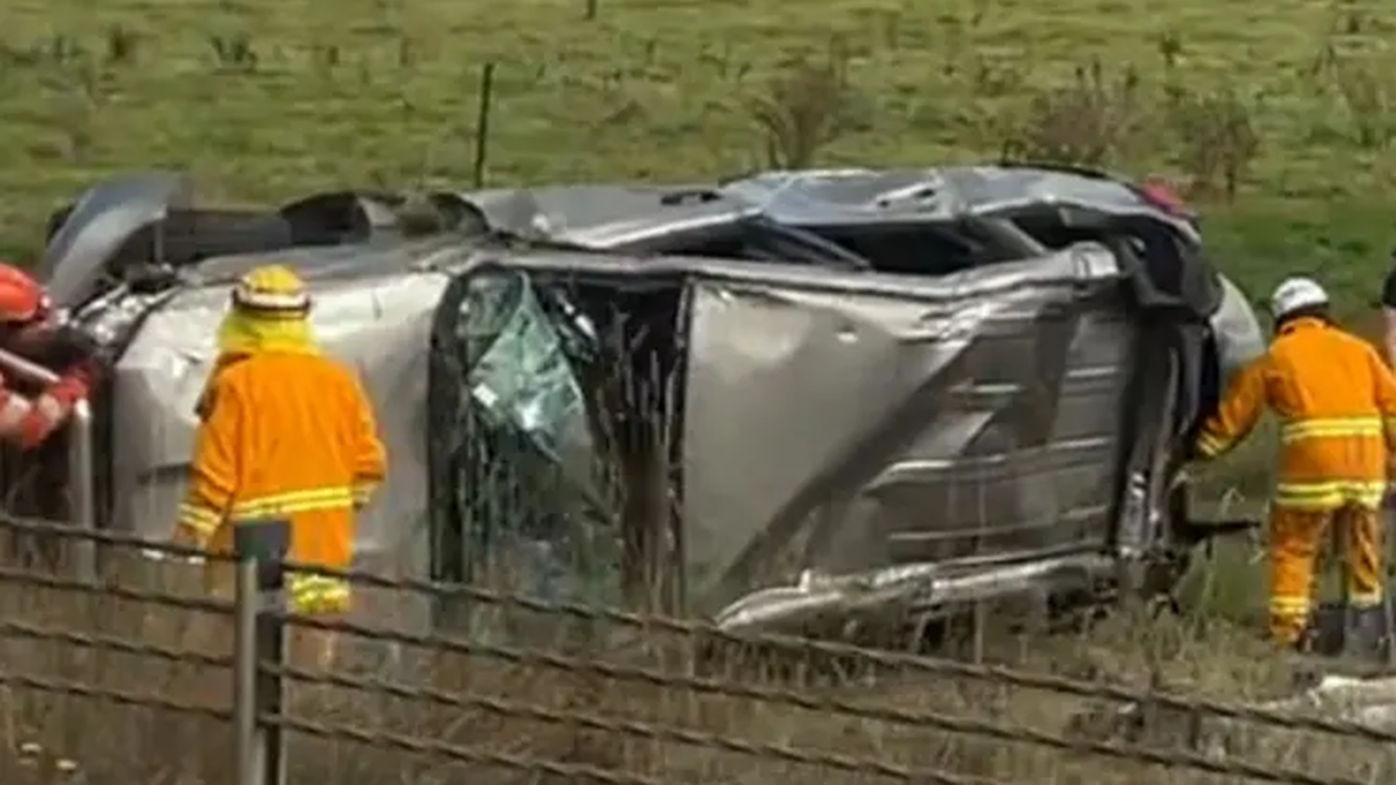
Two Australian Federal Police officers and two Tasmanian Police officers were sent to hospital for assessment after the Toyota Landcruiser they were travelling in rolled following a car accident in Tasmania.

Both of the Tasmanian officers and one of the AFP officers have now been discharged from hospital, with the remaining officer still receiving further treatment.

READ MORE: Four officers injured after PM's security car crashes in Tasmania

"I was pleased to be able to speak to the Australian Federal Police officers and their partners today and make contact with the two Tasmania Police officers after yesterday's terrible accident," the Prime Minister said on social media.

"While one of the AFP officers has now been discharged, the other is still receiving further treatment.

"I am pleased the two Tasmania Police officers are doing well and have been discharged from hospital.

"Jen and my prayers are with all the officers and their families for their full recovery."

READ MORE: 'Large target' on Albanese after week one – but is it too late for the PM?

Prime Minister Scott Morrison security car crashes, but he was not present in the accident.

The unmarked police car carrying the officers was acting as a follow vehicle while the Prime Minister was campaigning in Tasmania when the incident occurred.

Tasmanian Police said while the exact circumstances of the crash are still being investigated, it appears a Mitsubishi Triton collided with the rear of the unmarked police car while attempting to merge.

Images from the scene showed the Landcruiser on its side in a paddock with emergency crews nearby.

All four of the officers were conscious when transferred to hospital and the driver of the Triton was not injured.

The Prime Minister was not involved in the accident and was not injured.

Suspect in 'carefully planned' Brooklyn attack jailed without bail

The man charged with opening fire in a Brooklyn subway car full of people was jailed without bail overnight as prosecutors told a judge he terrified all of New York City.

Brought into a Brooklyn federal court without handcuffs, a subdued Frank James, 62, softly answered standard questions about whether he understood the charges and the purpose of the brief hearing. His lawyer later asked the public not to prejudge him.

Mr James was arrested in Manhattan after calling a police tip line to say where he was Wednesday, a day after the nightmarish rush-hour attack left 10 people with gunshot wounds and countless others fearing for their safety on the nation’s busiest subway system.

READ MORE: Prince Harry, Meghan Markle pay surprise visit to Queen
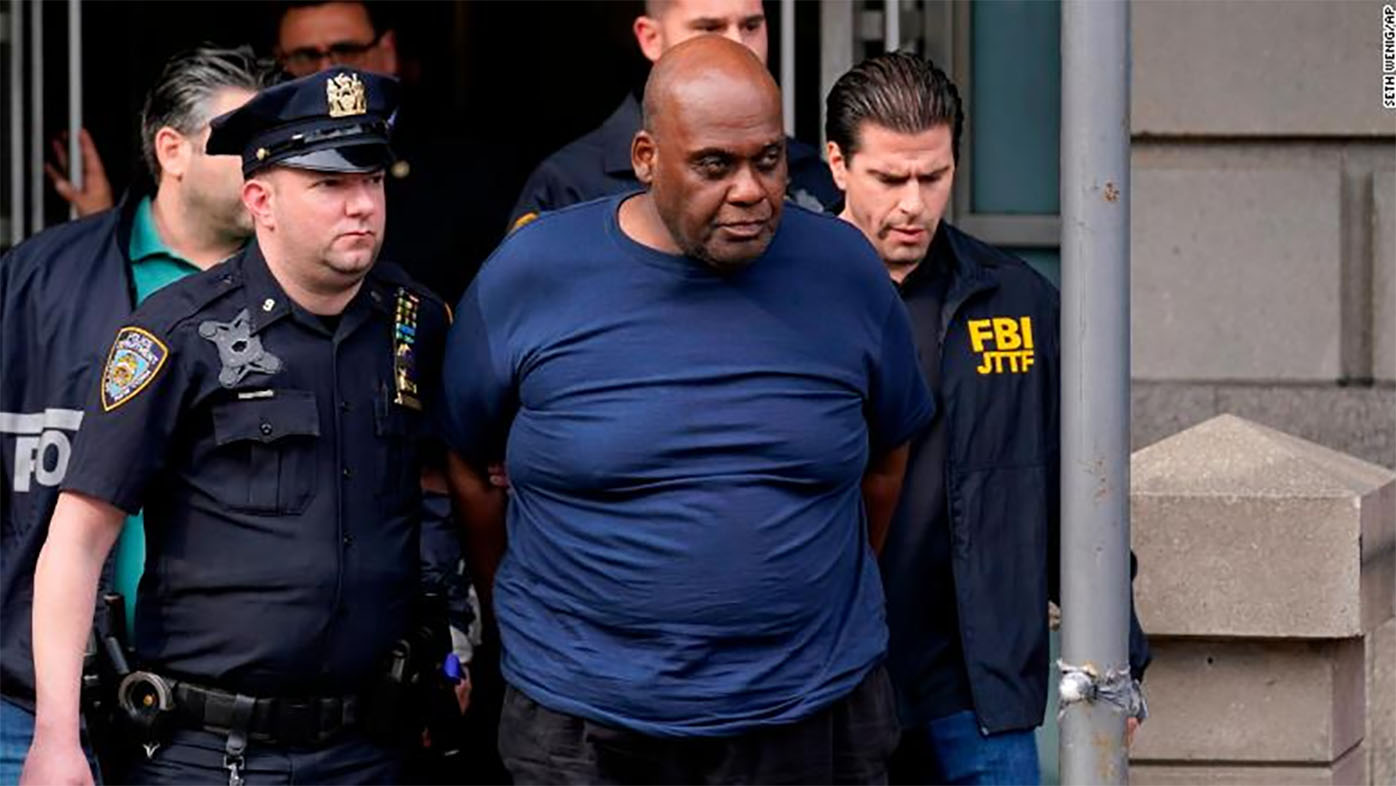
Frank James was arrested Wednesday and charged with a federal offence.

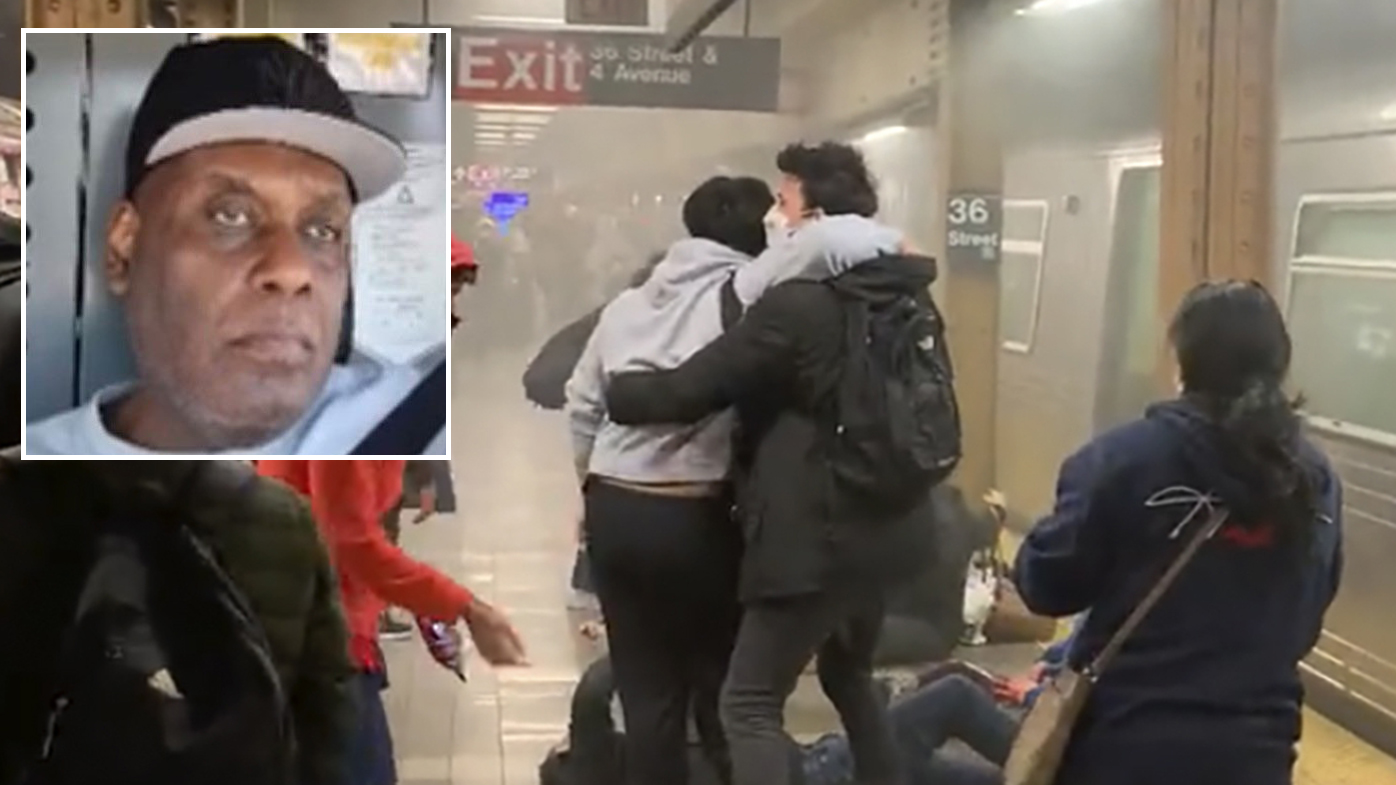
Authorities say he unleashed smoke bombs and dozens of bullets in a train full of morning commuters.

He's charged with a federal terrorism offense that applies to attacks on mass transit systems — authorities say there's currently no evidence linking him to terror organisations and are still trying to derive a motive.

“The defendant terrifyingly opened fire on passengers on a crowded subway train, interrupting their morning commute in a way the city hasn’t seen in more than 20 years,” Assistant US Attorney Sara K. Winik said, apparently referring to the September 11, 2001, attacks.

“The defendant’s attack was premeditated, was carefully planned and it caused terror among the victims and our entire city,” she said.

While Mr James was in court, Hourari Benkada was in a hospital bed with a bullet wound in his leg.

READ MORE: Cancelled flights, missing baggage – more travel chaos on Good Friday
Mr Benkada said he was just feet away from the gunman on the train and has struggled to sleep since.

Tuesday's horrific scene keeps replaying in his mind.

"I’m still shocked about it,” Mr Benkada said in a video interview, grimacing in pain as he recalled the attack.

He had headphones on, music blaring, as smoke began filling the subway car.

He initially thought it was a small fire.

But the smoke "kept escalating to black, black smoke like 9/11," he said, “and the whole train was pitch-black.”

Then there were gunshots, screams and a scramble for safety.

Mr Benkada said he tried to shield a pregnant woman from getting hit during the mayhem, and as people pushed forward, a gunshot tore into his knee.
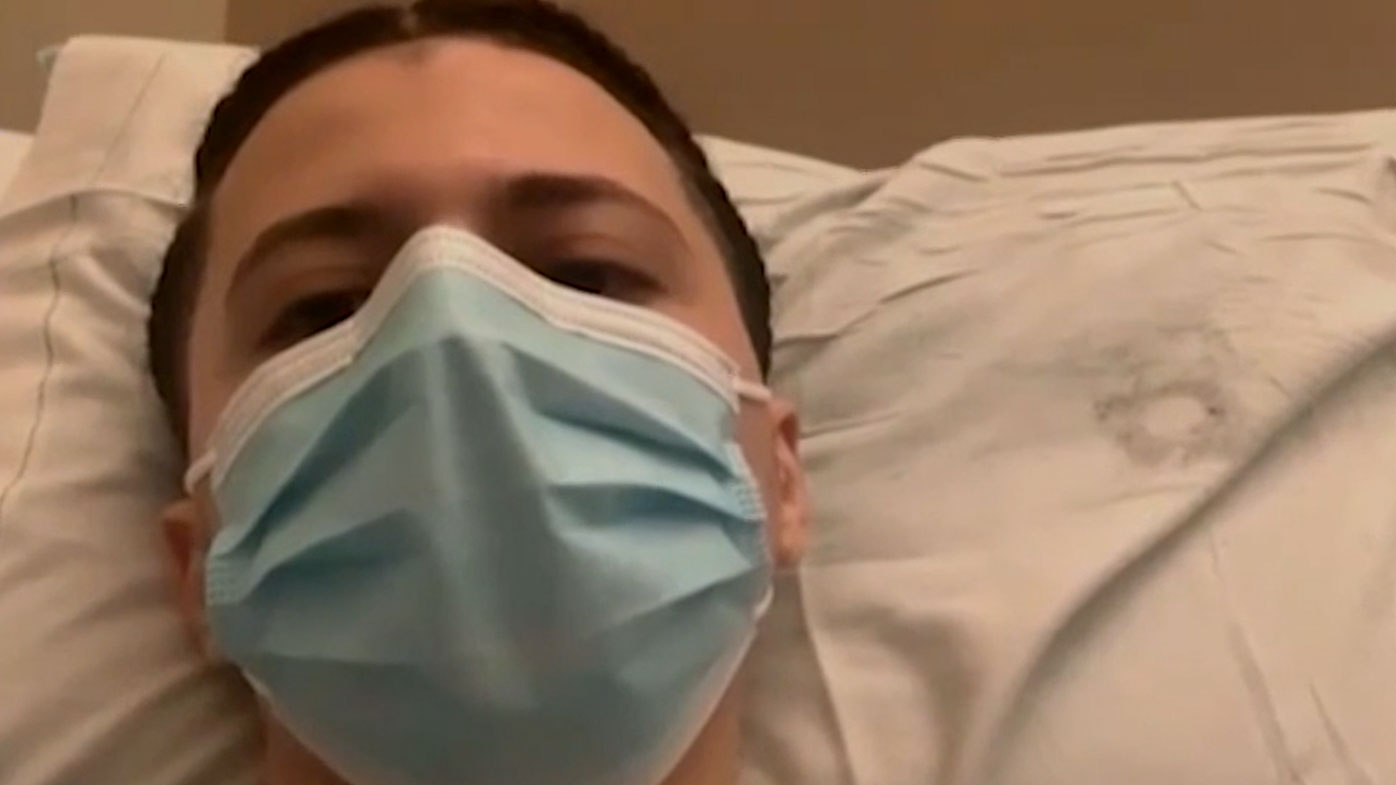
Hourari Benkada was sitting next to the suspected New York subway gunman.

The shooting victims, who range in age from 16 to 60, are all expected to survive.

Prosecutors described Mr James in court papers as a calculating shooter who wore a disguise — a construction worker-style hard hat and jacket that were shed right after the attack — and fired “in cold blood at terrified passengers who had nowhere to run and nowhere to hide.”

But defence attorney Mia Eisner-Grynberg cautioned against “a rush to judgment.”

"Initial reports in a case like this are often inaccurate,” she said outside court.

She noted that Mr James alerted police to his whereabouts, 30 hours into a manhunt that included mobile phone alerts to the general public.

Once he knew he was wanted, “he called Crime Stoppers to help," Ms Eisner-Grynberg said.

The manhunt began focusing on downtown Manhattan after police got a tip from a sharp-eyed high school junior on a photography class excursion.

Jack Griffin, 17, said he was looking for subjects for pictures when his eye was drawn to a man sitting on a bench with a duffel bag, resting amid the bustle of a street near Chinatown.

“As soon as I saw him, my first instinct was: 'That’s him,’” Mr Griffin said.

He snapped some photos of the man, who mumbled something and quickly moved on.

Then Mr Griffin sent his photos to police, who dispatched officers to the area.

Eventually, police got 911 reports of other possible sightings — and they got a call from Mr James, saying he was at a McDonald's in the East Village neighbourhood.

He was gone when police got there, but bystanders spotted him and flagged down officers as they searched the neighbourhood.

Mr James was apprehended a few blocks from the McDonald's.

READ MORE: Handcuffed prisoner's alleged escape triggers manhunt in Ipswich

Two cousins, Zack Dahhan and Mohammad Cheikh, said they glimpsed the man and hastily looked up James' wanted poster on their phones.

“And we say, ‘Oh, my God, this is the guy!’” as a number of people began to follow him, Mr Dahhan said.

The cousins said they pointed officers toward him.

Mr James' lawyers agreed to his being jailed, but said they could seek bail later.

At the request of Mr James’ lawyers, Magistrate Roanne Mann said she would ask for Mr James to get “psychiatric attention,” as well as magnesium tablets for leg cramps, at the federal lockup in Brooklyn where he's being held.

Authorities say a trove of evidence connects Mr James to the attack.

His bank card, his phone and a key to a van he had rented were found at the shooting scene.

Officers also found the handgun they said was used in the shooting; tracing records show Mr James purchased the gun from a licensed gun dealer in Ohio in 2011.

In court papers, prosecutors suggested Mr James had the means to carry out more more attacks, noting that he had ammunition and other gun-related items in a Philadelphia storage unit.

The New York City native had been living in Milwaukee and Philadelphia recently.

Investigators were examining many hours of videos that Mr James posted on social media, as recently as Monday, in which he delivered profanity-laced diatribes about racism, society's treatment of Black people, homelessness and violence.

He also discussed his history of psychiatric treatment and complained about how New York's mayor is dealing with homeless people on subways and with gun violence.

He also talked about shooting people, prosecutors noted in court papers.
Booster shots safer than initial COVID-19 vaccine doses: study

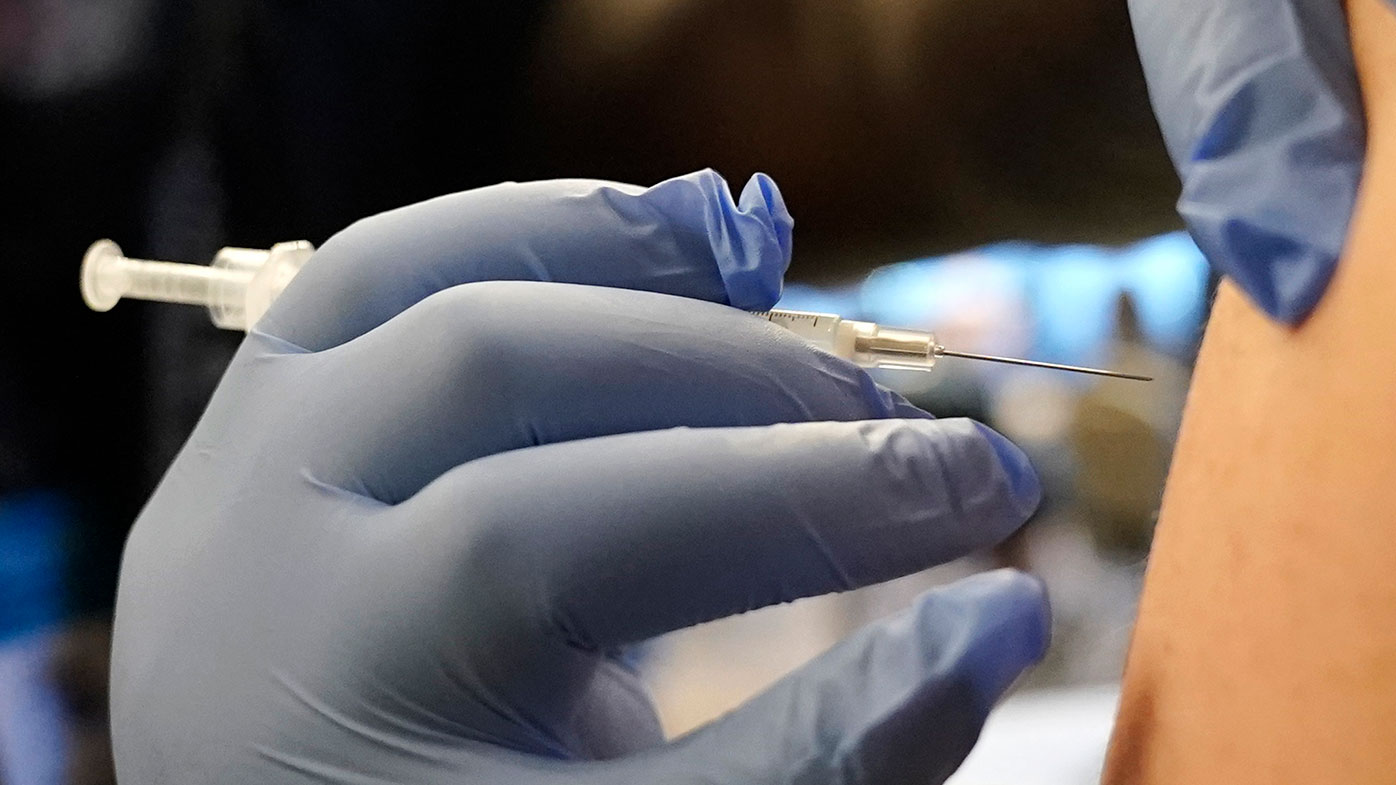
Booster shots of the COVID-19 vaccine are less likely to result in serious adverse effects than the initial jabs, a peer-reviewed study has found.

The study from health data science company nference found people who have had three doses of the same vaccine weren't more likely to develop problems like myocarditis or anaphylaxis.

But booster shots were more likely to result in mild reactions like fatigue or nausea.

FULL COVERAGE: Federal Election 2022

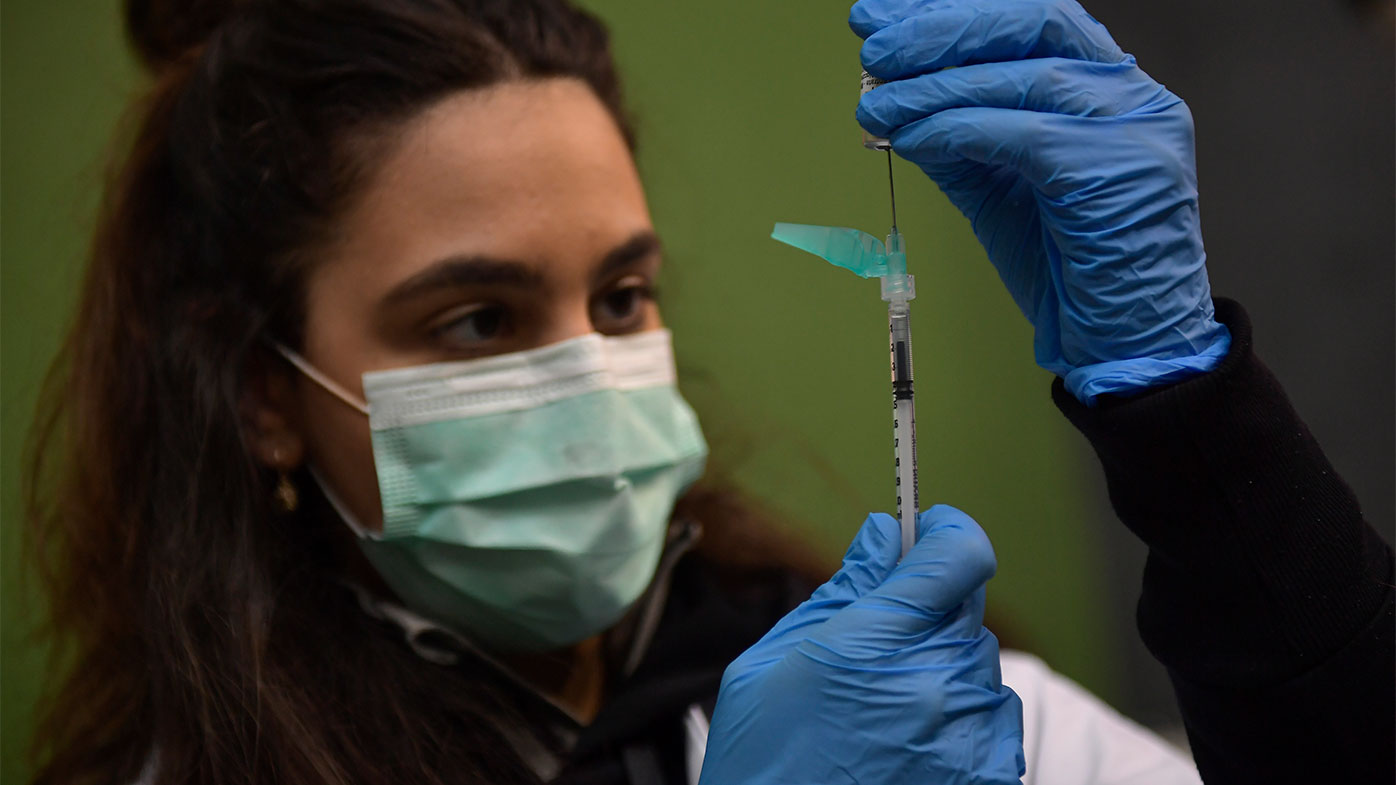
A study has found people who did not have an adverse reaction to initial COVID-19 vaccines are unlikely to have bad reactions to booster shots.

The study involved 48,000 Americans who had received Moderna or Pfizer vaccines.

The researchers noted the study may under-represent people who refused to get a booster shot after a bad reaction to the first two jabs.

Meanwhile, a study of 260,000 US veterans found people with mental health diagnoses were more likely to develop a breakthrough COVID-19 infection.

READ MORE: China accuses US of 'weaponising' extended Shanghai lockdown

People with mental health issues are more likely to have breakthrough COVID-19 infections, a study has indicated.

The study from the San Francisco Veterans Affairs Health Care System and the University of California found people suffering from depression, anxiety, PTSD, bipolar disorders, ADHD and eating disorders were more likely to get sick from COVID-19.

This was despite the participants being double vaccinated. The study was conducted from February 2020 to November 2021, before booster shots were being used.

Though the researchers were careful to note while there was an observable link, there was no clear indication mental illness was linked to breakthrough infections.

Man who spent almost $4 million on NFT of first tweet attracts just $15,000 at auction

The man who spent almost $4 million on the NFT of then-Twitter CEO Jack Dorsey's first tweet has failed to attract little more than $15,000 at auction.

Cryptocurrency Sina Estavi first purchased the NFT (otherwise known as a Non-Fungible Token) in March 2021 for around $US2.9 million ($3.92 million).

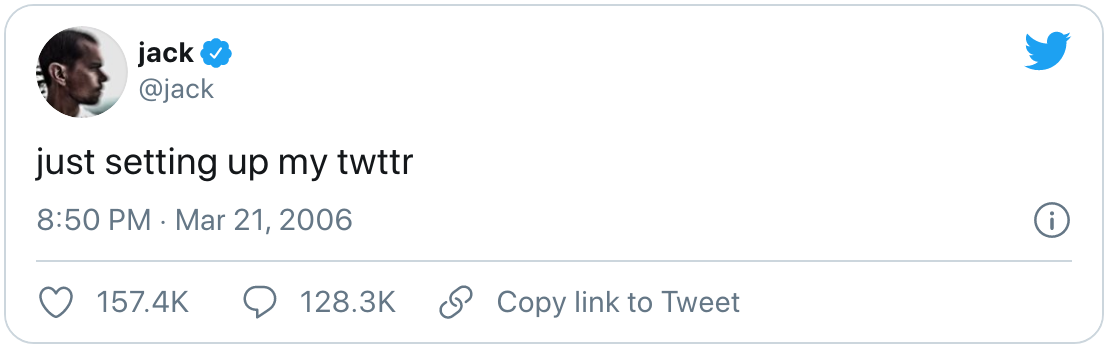
The NFT is an image of the world's first ever tweet, which simply reads "just setting up my twttr" in lower case.

READ MORE: More than $800 million worth of crypto stolen from video game

(A full explainer of what an NFT is – and why some people think they are worth millions – can be read here.)

Mr Estavi has now put the NFT up for sale via popular NFT marketplace Opensea.

At the time of publishing the highest bid was just 3.8 Ether, or just over $AUD 15,500.

READ MORE: Apple co-founder predicts Bitcoin to hit US$100,000

https://twitter.com/sinaEstavi/status/1511832413973983239

Mr Estavi himself predicts that the NFT, which he has likened to Leonardo da Vinci's Mona Lisa, will end up selling for over $50 million.

"I decided to sell this NFT ( the world's first ever tweet ) and donate 50 per cent of the proceeds ( $25 million or more ) to the charity @GiveDirectly," he tweeted.

‌‌‌‌‌‌He has previously said he has fielded offers for as much as $10 million for the NFT.

"Just received a $10M offer for my NFT from an institutional investor," Mr Estavi said.

"I think people still don't understand the value of the #Digital_Mona_Lisa!"

READ MORE: 'HODL': How a misspelled meme explains a Bitcoin trading strategy

What is a non-fungible token?

One of the most controversial asset classes derived from blockchain technology, a non-fungible token (or NFT) is a non-interchangeable unit of data.

Typically, an NFT is associated with a digital file such as a photo, a video or a piece of audio.

What an NFT allows someone to do is to prove ownership of a digital piece of property that may have already been shared hundreds of thousands of times on the internet.

EXPLAINED: What is an NFT?

It has been largely associated with digital art and historic instances of internet culture such as memes.

To use an imperfect analogy, owning the NFT of the first-ever tweet is like The Lourve in Paris owning the Mona Lisa.

Everybody knows what the Mona Lisa looks like – and anybody can have a replica printed to hang on their wall – but only The Louvre in Paris could (theoretically) sell the painting.

An NFT is a similar concept but for digital properties such as Jpegs.

How the youth vote could shape this election

As the first week of the 2022 federal election campaign comes to an end, one expert believes young Australians could have a significant impact on the polls this May.

The University of Melbourne's Youth Research Centre deputy director Hernan Cuervo said one of the biggest issues in the last two years had been related to gender equality, sexism and sexual assault.

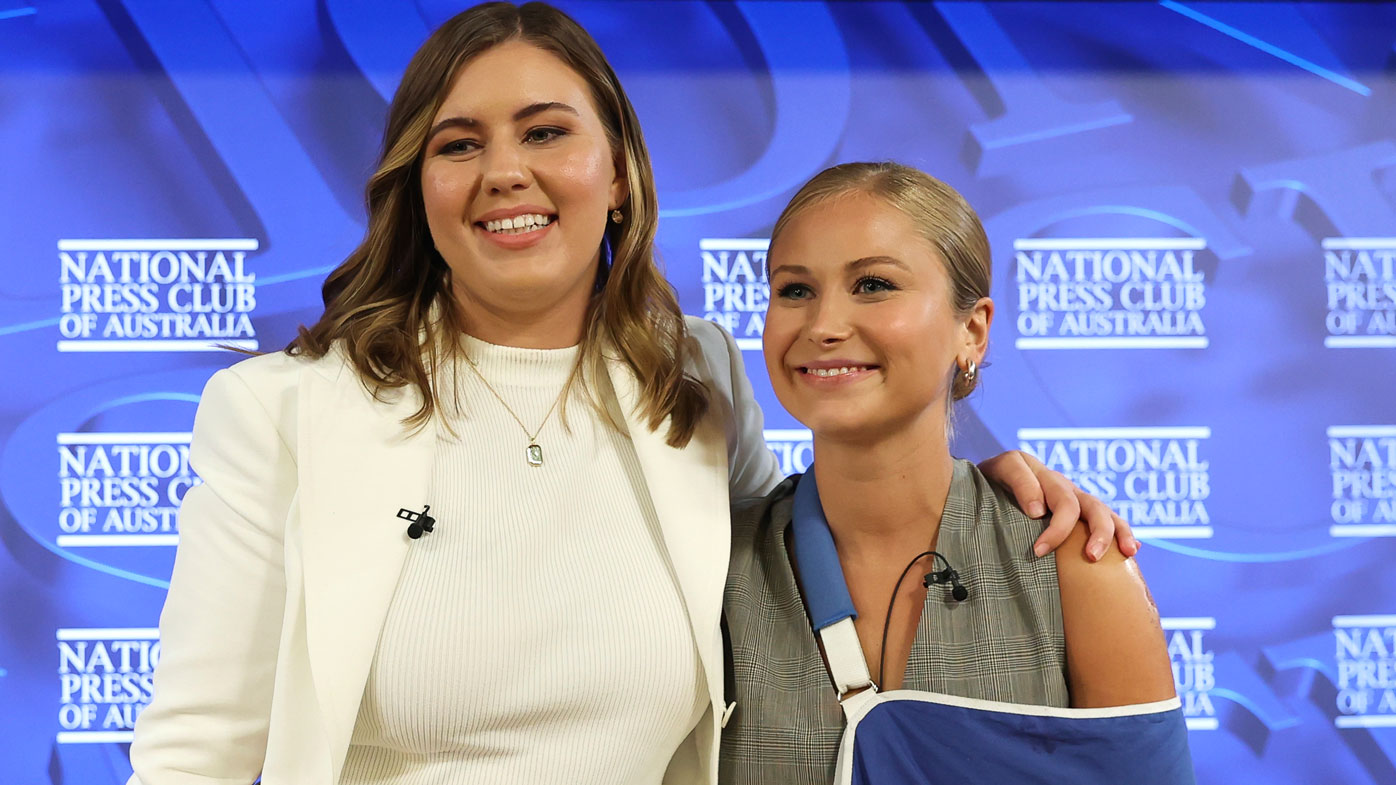
These issues were put on the public agenda by the former Australian of the Year Grace Tame and former political staffer Brittany Higgins, who used their own cases to bring those issues to the forefront of debate.

FULL COVERAGE: Federal Election 2022

Brittany Higgins (left) and Grace Tame are demanding Australian political leaders do more to improve the treatment and safety of women in the workplace and society.

"Here we have a conversation we haven't had as openly in the public discourse in Australia," Professor Cuervo said.

"It is also led by young people and young adults."

As of March this year, 85.4 per cent of eligible 18-to-24-year-olds have registered to vote, which surpasses the national youth voting target of 85 per cent but it is well below the national average of 96.5 per cent.

READ MORE: The key seats that will determine the outcome of the federal election

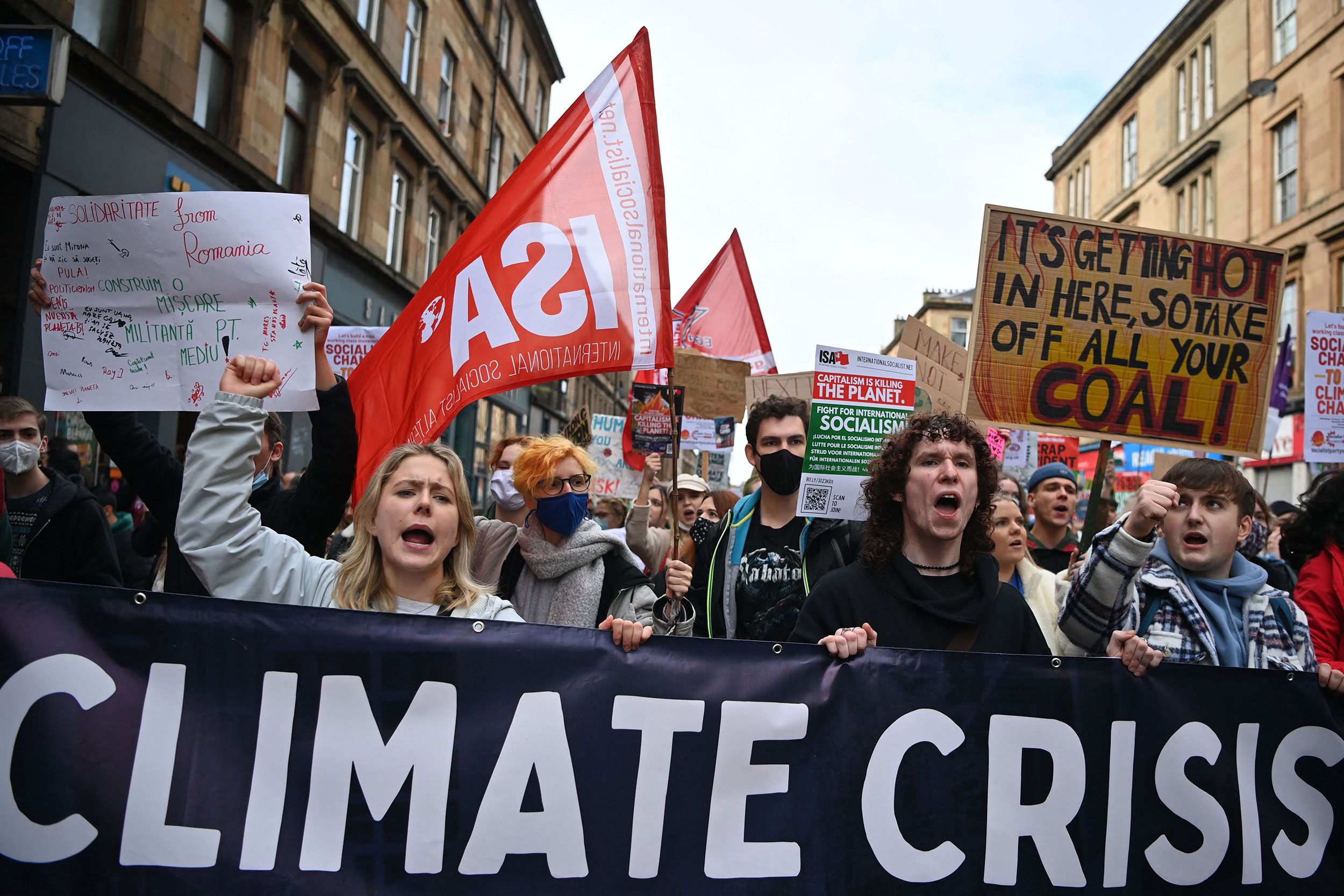
Youth activists march to protest against climate inaction on the sidelines of the COP26 UN Climate Summit in Glasgow

Professor Cuervo said the reason less young people enrol to vote is because they were a highly-mobile group.

"They change residency, they transition from school to work, to university to TAFE and they take a different place of living," he said.

"It is not that they are disengaged with the political process or civic process, but they might be disenchanted with politicians and traditional party politics."

He noted the youth voting rate has slowly but steadily increased over the last decade.

Global youth voting impacts

Professor Cuervo highlighted the many times where young people had significant impacts on political outcomes.

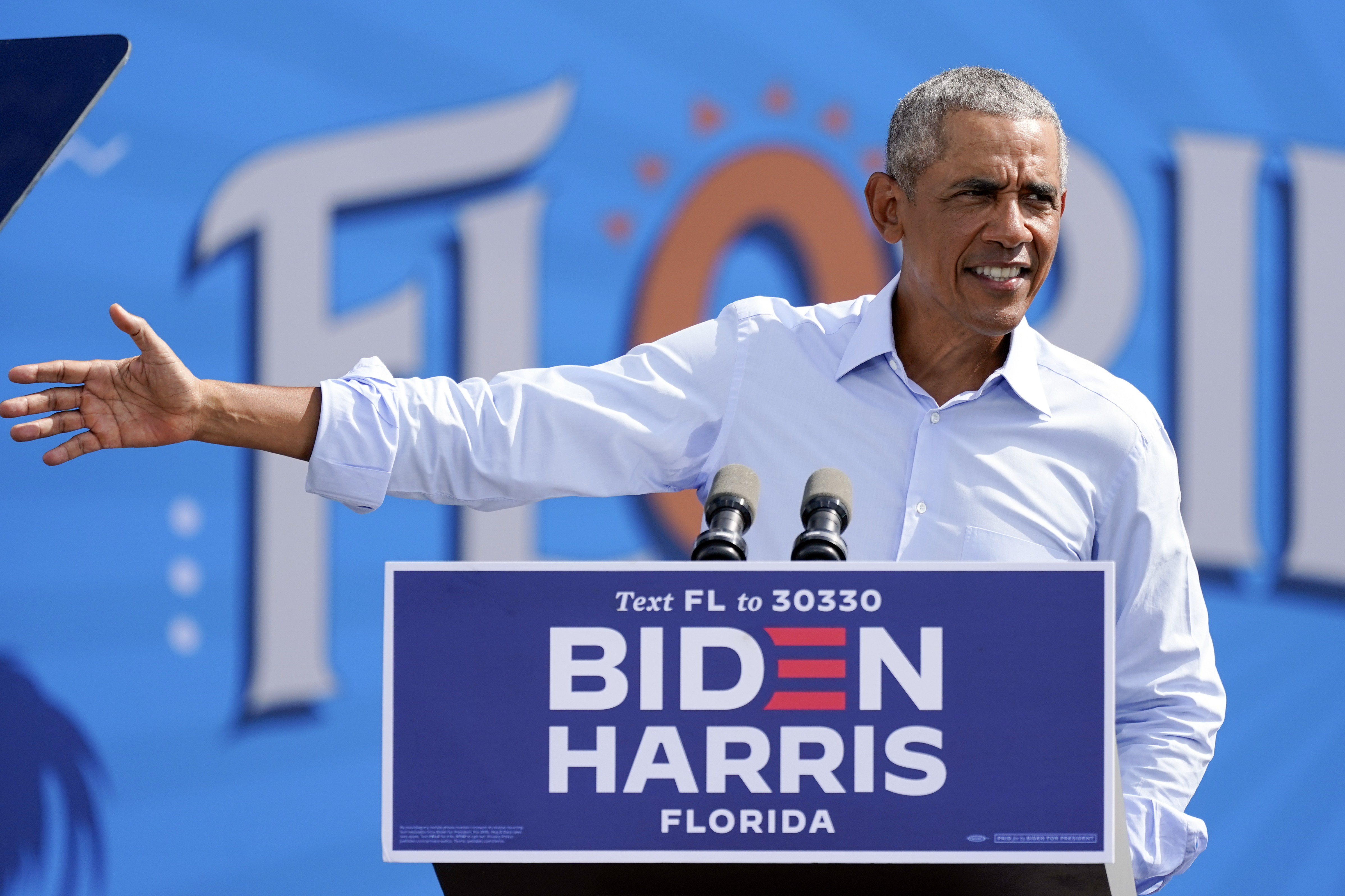
Perhaps the most well known is former US President Barack Obama's 2008 campaign, which engaged minorities through digital media campaigning driven by young people.

"In the Western world it was one of the first digitally led kind of campaigns where people were targets through social media platforms," he said.

READ MORE: How to enrol to vote for the 2022 federal election

Former President Barack Obama speaks at a rally while campaigning for Democratic presidential candidate former Vice President Joe Biden.

"The same could happen with both political parties. You have all politicians these days on social media, so engaging young people is very important and it can make a difference."

In another example, the term "youthquake" was used in the United Kingdom after young voters saw British Labour Party deny the Conservative Party an expected majority win.

But Professor Cuervo also warned a lack of youth voting can have the opposite effect.

"You can also say with Brexit that young people didn't come out and vote because they thought it was a done deal and that Brexit wasn't going to win," he said.

"If they don't show up, it can also make a difference."

READ MORE: How is the Australian government elected?

Issue-based politics

Australian National University politics lecturer Intifar Chowdhury said there was a strong movement to issue-based politics, rather than party politics, among young Australians.

"They (youth voters) tend to base their voting decision on issues that are relevant to their personal lives," Ms Chowdhury said.

"That means young people tend to align less with political parties and if you are aligning less with political parties that does tend to have a strong effect at the polls.

"Suddenly you become a swing voter and as we know, swing votes are very important with tipping election results."

Ms Chowdhury said politicians should target young Australians through "snappy, colourful messages" on social media instead of negative campaigning.