A serious crash has closed a main road in the East Auckland suburb of Pakuranga Heights.One witness claims he saw a car on the wrong side of the road collide with several other motorists.Police were told of the crash at 4.01pm…
Category Archives: headline
Mana whenua endorse Fale Malae on Wellington waterfront
By Kelvin McDonald of Maori Television A national Fale Malae on Wellington’s waterfront has taken another step forward with mana whenua and Pasifika leaders endorsing the proposal, a media statement released Saturday says.Taranaki…
Man faces court after allegedly stealing a car and child in Perth
A man will face court today after he allegedly stole a car while a little girl was sleeping in the backseat in Perth.
Western Australia Police said a woman in her 30s was driving with a 27-year-old passenger and her five-year-old daughter about 9.30pm last night.
She stopped the car at a cafe on Main Street, Osborne Park, to buy a cake.
READ MORE: New anti-COVID-19 drug eliminated virus in three days, study shows
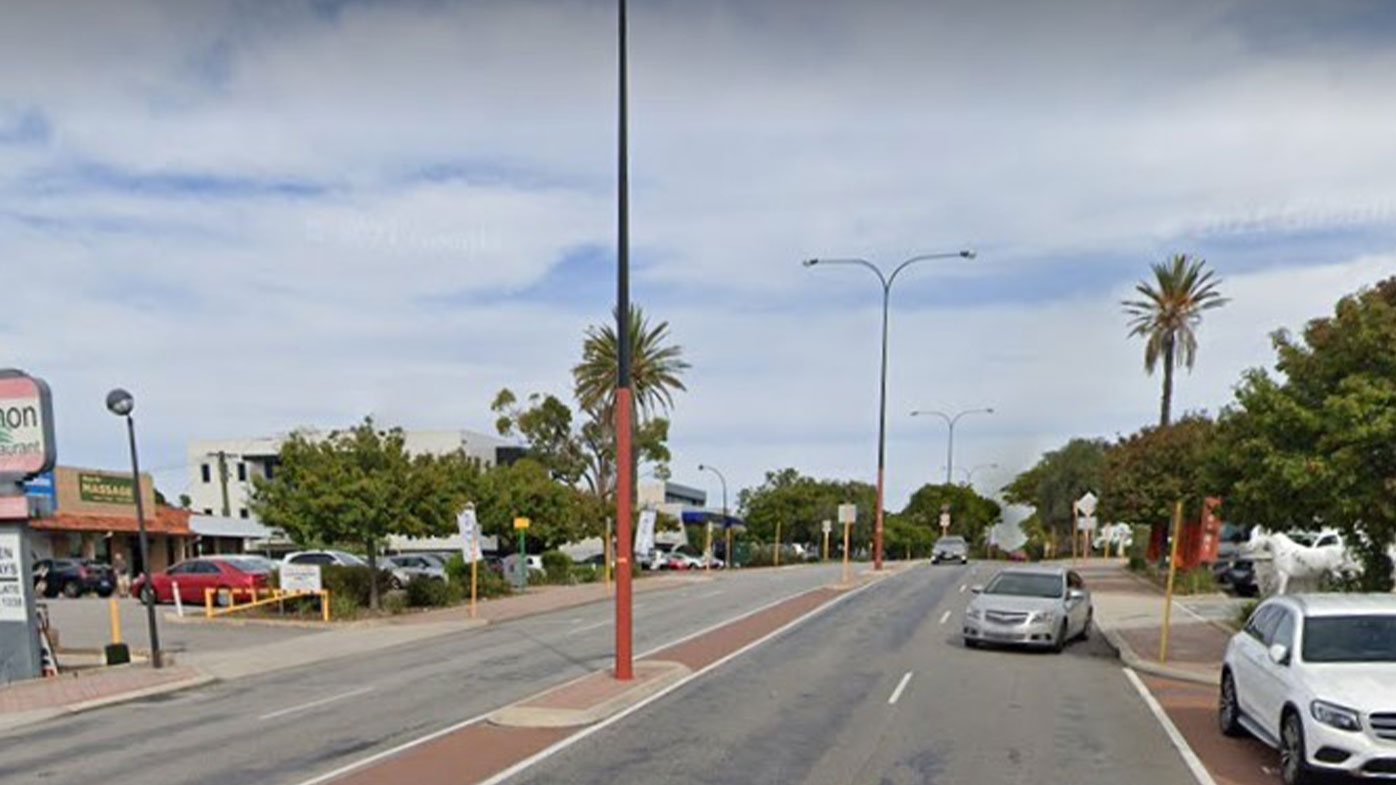
But when she returned, her car and daughter were missing, police said.
WA Police allege the 27-year-old man got into the driver's seat while the woman was buying the cake and stole the car.
The little girl was still asleep in her car seat.
READ MORE: Asian countries once COVID-19 success stories see massive outbreaks
Police spotted the car driving along Ocean Reef Road, Edgewater, a short time later.
The man stopped at a red light where police were able to intercept the car and arrest the 27-year-old.
He was taken into custody and the little girl who was unharmed and still in her car seat was reunited with her mother.
READ MORE: Chinese military set to be based on Australia's doorstep
The man has been charged with multiple offences including driving under the influence and stealing and motorvehicle and person.
He will appear at court today.
Urgent call for help to find missing Queensland woman
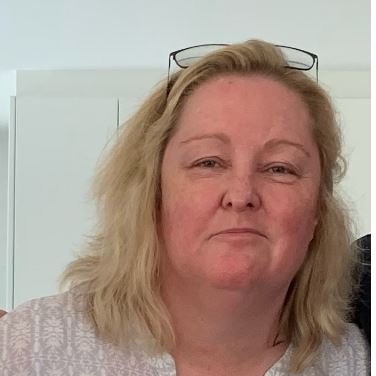
Police are calling for urgent help to find a Queensland woman who has been missing since Wednesday.
Police say Cindy Kenny's disappearance is "very out of character" and that her family is very worried about her.
The 50-year-old, who is from South Ripley, was last known to have left a property on Dennis Road in Springwood address about 5pm on Wednesday, March 30.
READ MORE: Queensland, NSW and Victoria record drop in COVID-19 cases
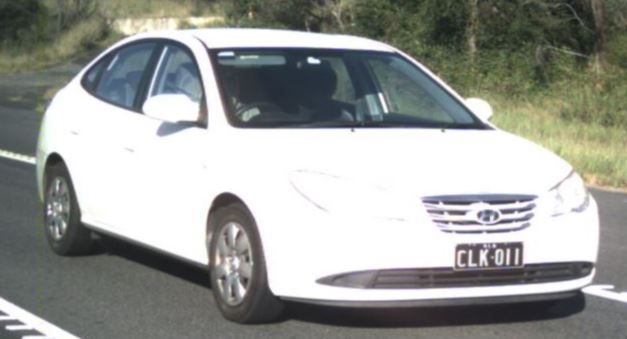
It is believed she may be driving a white 2009 Hyundai Elantra sedan with Queensland Registration CLK011.
Cindy is described as Caucasian in appearance, 175cm in height and as having blonde hair and a solid build.
Police are urging Cindy, or anyone else with information on her whereabouts, to contact them.
If you have information for police, contact Policelink by providing information using the online suspicious activity form 24hrs per day at www.police.qld.gov.au/reporting.
Report crime information anonymously via Crime Stoppers. Call 1800 333 000 or report online at www.crimestoppersqld.com.au.
Quote reference number QP2200552461.
Covid 19 Omicron outbreak: More Kiwis dying from Covid but will restrictions be eased
New Zealand has experienced its deadliest week of the pandemic with more than 100 Kiwis dying, yet epidemiologists are backing the possibility of a change in Auckland’s Covid settings.Cabinet meets tomorrow to consider whether it…
Two dead, three injured in Kaeo, Far North crash
Two people have died and three others are seriously injured after a crash in the Far North. State Highway 10, near Kaeo, remains closed and diversions are in place while the Serious Crash Unit examines the scene. Emergency services…
Person dies following St Heliers driveway incident
A person has died following an incident in the driveway of an Auckland home this afternoon.Emergency services are at the property on The Parade in St Heliers and a cordon is in place. Police said they received a report of an incident…
Falklands War veteran recalls 'mayhem' of combat
Forty years ago West Australian man Jeff Moorcroft was thrust into the short but bloody Falklands War; a conflict that continues to impact many veterans today.
On April 2, 1982, Argentinian forces invaded the tiny British territory of the Falkland Islands, known as the Malvinas in Argentina, in the South Atlantic.
The dramatic action caught the UK off guard and initially there was scepticism on whether military action in the far-off territory was worthwhile.
READ MORE: Russian soldiers 'low on morale and refusing to obey orders'
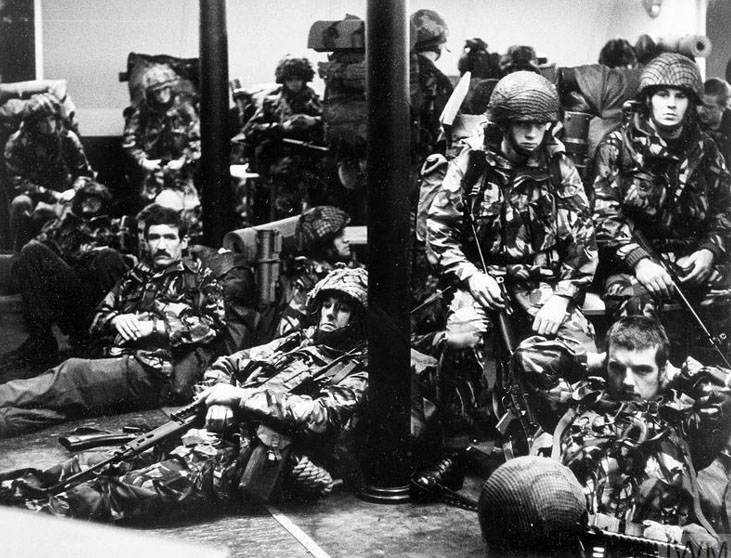
But then-British prime minister Margaret Thatcher decided to retake the Falkland Islands. A Task Force of thousands of British soldiers, sailors and airmen, with Mr Moorcroft among them, was assembled for the 16,000 kilometre voyage from the UK to the Falklands Islands.
At the time Mr Moorcroft was a 20-year-old British soldier, with the 2nd Battalion The Parachute regiment, also known as 2 Para.
He told nine.com.au about his memories of the conflict.
By late April 1982, Mr Moorcroft and his unit were aboard a ferry requisitioned as a troop ship headed to the Falklands.
"It began with many of us thinking there would be a diplomatic solution and we'd be heading home after a few days in the sun sailing off Africa.
"But then when it became apparent we'd have to take them back by force the mood changed. The sun cream was put away and we began pulling out the combat gear."
And the further south the British Task Force travelled, it faced the risk of attack from Argentinian forces.
READ MORE: Aussie house prices to fall more than 5 per cent in 2022-23, analysts say
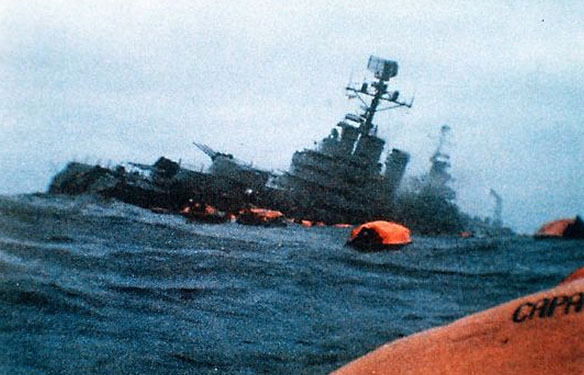
"The mood, emotions and training changed after reaching Ascension Island (the British base in the South Atlantic). There was the constant threat from Argentinian submarines and aircraft and calls to battle stations."
After three weeks sailing, Mr Moorcroft's unit arrived off the Falkland Islands to join other British units. Just 800 kilometres from the Argentinian mainland, British naval ships faced daily air attacks.
After the Royal Navy sunk the Argentinian warship General Belgrano, with the loss of nearly 300 crew, the conflict entered its most intense period.
"The first shots had been fired from the task force and the war was on … the Argentinians were up for a scrap."
The paratroopers and other British soldiers were tasked with landing on the Falkland Islands and recapturing its capital Stanley.
In late May, 1982, Mr Moorcroft was among a 4000-strong force that landed at San Carlos Bay during the night.
READ MORE: Cold case team shines new light on betrayal of Anne Frank
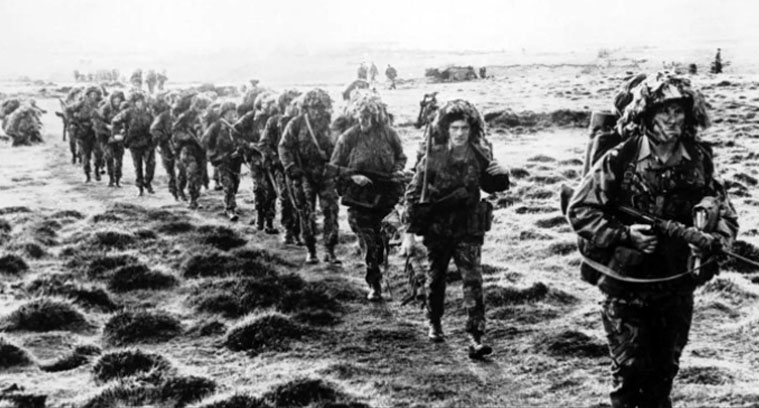
He recalled the initial march from the landing zone over rugged terrain, with each soldier carrying about 40 kilogram of kit, and under the constant danger of enemy attack.
"It was the most physically demanding and arduous tab (march). If you tripped and fell, you had to wait for the person behind you to lift you up."
Over the coming days, 2 Para became the only British land force unit to fight in two battles of the war.
First up was Goose Green, a well defended Argentinian stronghold guarding the route to Stanley.
Mr Moorcroft recalled the chaotic fighting before the final costly British victory.
"There were enemy trenches all over the place … This was absolute mayhem … there was close quarter fighting for four to five hours."
More than 1250 prisoners were taken and 50 Argentineans killed during the battle that cost 2 Para 18 dead, including its commanding officer Lieutenant-Colonel 'H' Jones, who was awarded a posthumous Victoria Cross.
READ MORE: Australia commemorates 80th anniversary of Darwin Bombing
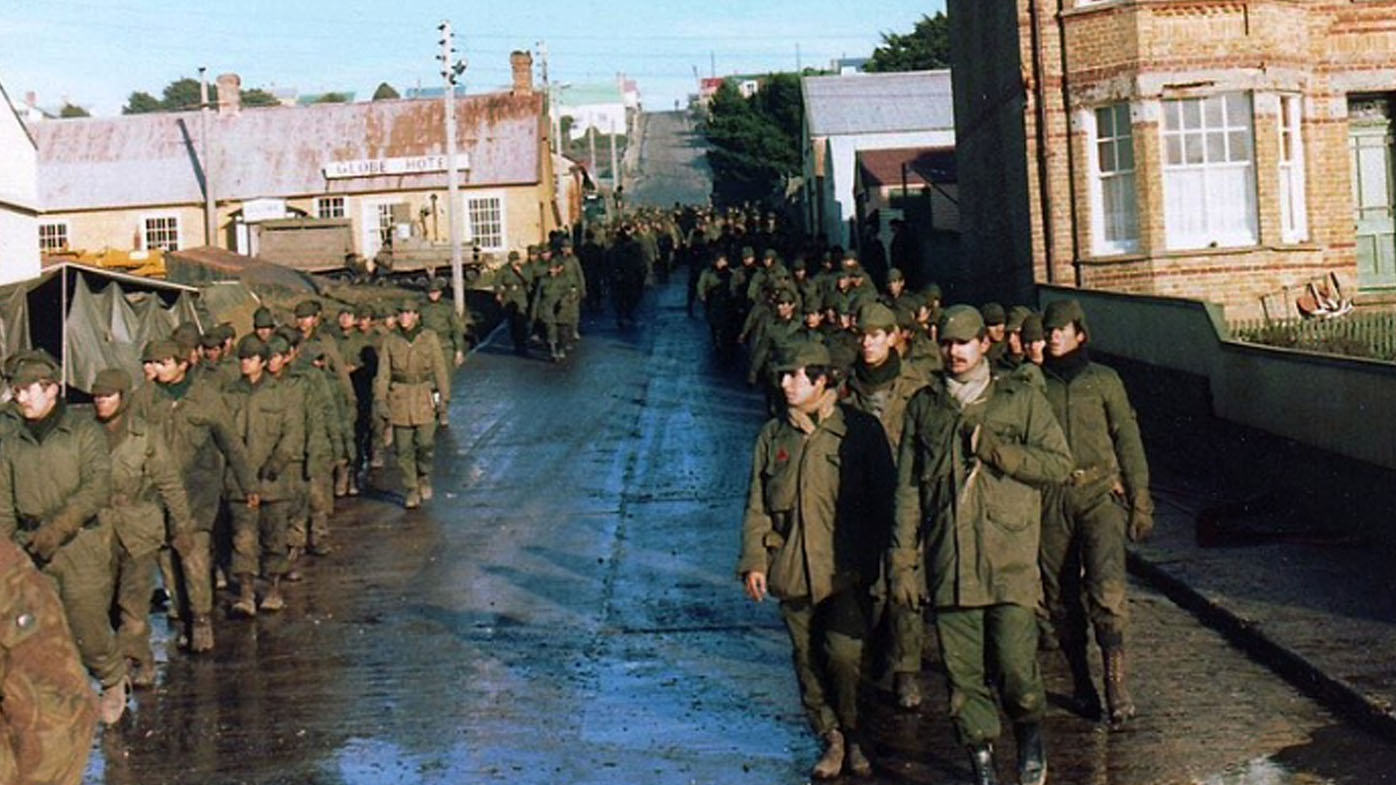
But there was more bloody fighting ahead for the paratroopers involving the final land battle of the war at Wireless Ridge, one of several strategically important hills overlooking Port Stanley.
Adding to the intensity of the fighting was the decision by British commanders to launch a night assault.
Mr Moorhouse described it as a "noisy attack", with gunfire from naval ships and light tanks in support.
"As we advanced from the start line, we felt the crack of returning rounds [bullets] around our heads … we thankfully took no casualties until we hit the ridge."
Three soldiers of 2 Para were killed and eight wounded during the battle, which opened the way for the recapture of Port Stanley and the eventual Argentinian surrender on June 14, 1982.
READ MORE: Fall of Singapore anniversary: How military disaster changed Australia
Mr Moorcroft left the British Army in 1987 before moving to Perth in 1991.
Today he is Secretary of the veterans group Airborne Forces Association of Western Australia, that among its roles provides welfare and other benevolent work for members.
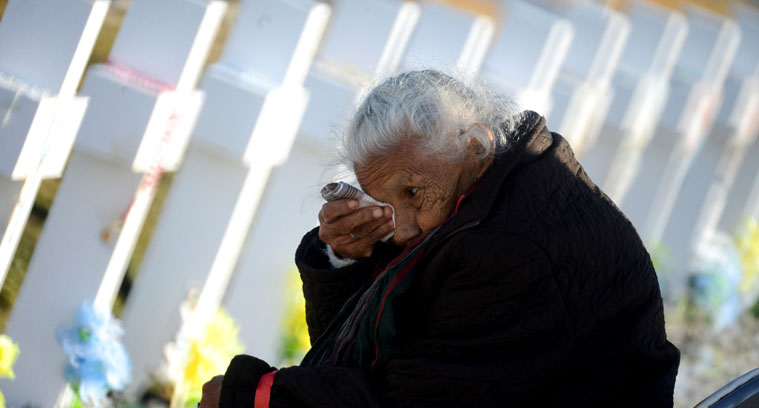
Mr Moorcroft said a disturbing legacy of the Falklands War has been the high number of veteran suicides since 1982.
While UK casualties included 255 troops killed in action, the past decades have seen an estimated 264 veterans die from self harm.
Argentina recorded 649 deaths in the war, but the number of post-conflict veteran suicides is believed to be 350 to 500.
Lifeline can be called on 13 11 14 or at www.lifeline.org.au.
Covid 19 Omicron outbreak: 23 deaths, 11,560 community cases
There are 23 new Covid deaths today, making this week New Zealand’s deadliest since the start of the pandemic.The Ministry of Health has also reported 11,560 new community cases.According to ministry data, last week was the deadliest…
Australia and India sign 'historic' new free trade deal
Australia and India have signed a "historic" new free trade deal which will boost exports by at least $45 billion.
The new agreement will strip tariffs off 96 per cent of Indian imports into Australia and 85 per cent of Australian exports, rising to 91 per cent over the next decade.
It will particularly support Australian exports of wine, wool and lobsters.
READ MORE: New anti-COVID-19 drug eliminated virus in three days, study shows
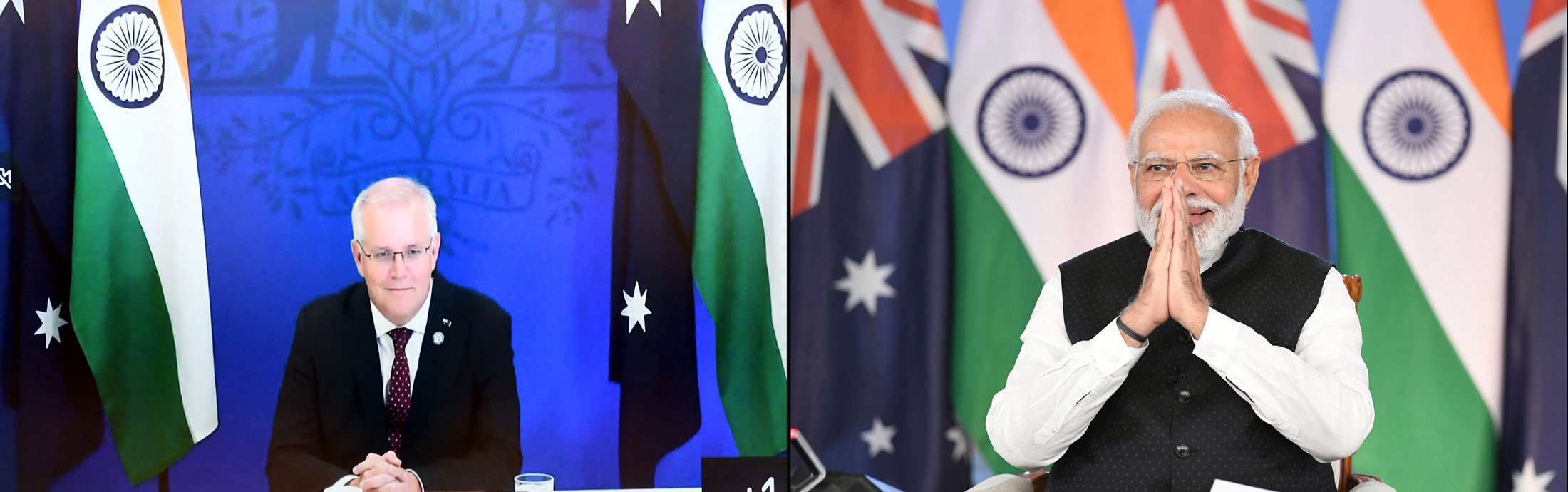
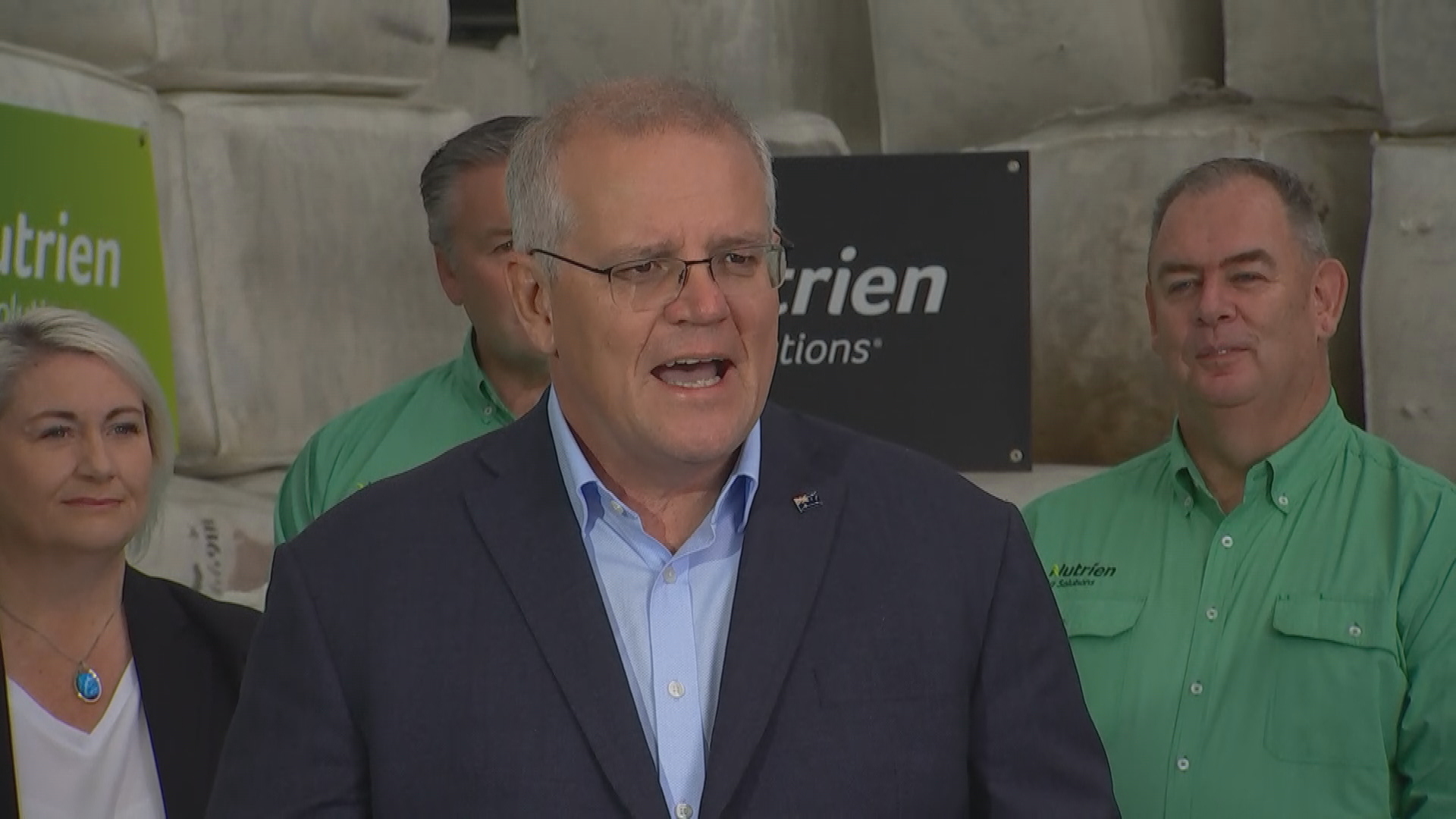
Prime Minister Scott Morrison announced the agreement while on the campaign trail in Tasmania for one of the most marginal seats in the upcoming election.
"This agreement is an agreement that ensures that whether you're producing wool or whether you're producing crayfish or mining resources, critical minerals and rare earths," he said.
"Whether you're growing berries or avocados or cherries or beans, producing alumina."
"All of this is part of the important trade agreement that we've been able to reach with India."
Mr Morrison said the agreement is all about jobs.
"It means jobs in the regions and when the regions are successful… then all of Australia is successful," he said.
READ MORE: Asian countries once COVID-19 success stories seeing massive outbreaks
Wine and coal will benefit most from the new deal after two years of uncertainty due to sanctions imposed by China.
Tariffs on wine will be cut immediately while tariffs on vegetables, fruit and vegetables will be gradually reduced.
Australian coal, gas, copper and critical minerals will be tariff-free.
However, Minister for Trade, Tourism and Investment Dan Tehan has pointed out that some major industries will miss out including beef and dairy, but claims the industries are supportive of this.
"Meat and livestock in Australia are very supportive of this agreement," he said.
READ MORE: Chinese military set to be based on Australia's doorstep

Federal Labor has supported the government's new agreement, saying it will enhance relations between India and Australia.
"Labor supports closer trade links with India, which is in the national and economic interests of both nations," Shadow Minister for Trade Madeleine King said.
Ms King did say she hopes the agreement is more "substantial than previous rumours and expectations" and it is signed soon.
The deal has been agreed on after more than a decade of negotiations.