Category Archives: headline

Russian soldiers 'low on morale and refusing to obey orders'

The head of a British spy agency visiting Australia has said some Russian soldiers in Ukraine have refused to carry out orders and Vladimir Putin has seriously misjudged the conflict.

Speaking at the Australian National University in Canberra, Sir Jeremy Fleming, director of GCHQ, the UK's intelligence listening centre, said: "It increasingly looks like Putin has massively misjudged the situation.

"It's clear he misjudged the resistance of the Ukrainian people".

READ MORE: Trump's brazen Putin request
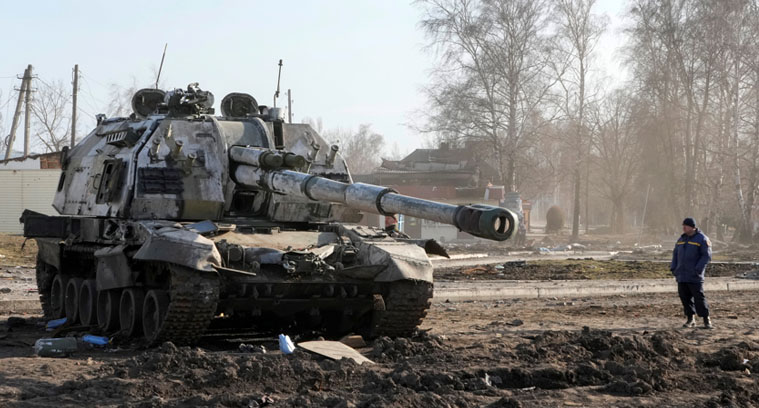
Sir Jeremy said Mr Putin had overestimated the abilities of the Russian military to secure a rapid victory.

"We've seen Russian soldiers – short of weapons and morale – refusing to carry out orders, sabotaging their own equipment and even accidentally shooting down their own aircraft," he said.

Ukrainian military sources claimed early on in the war, which began on February 24, that a Russian ship in the Black Sea destroyed an aircraft in "friendly fire", though it was not confirmed by Russia.

It was unclear whether this was one of the incidents highlighted by Sir Jeremy.

Sir Jeremy also said Mr Putin was also hampered by the reluctance of senior Kremlin advisers to tell him the truth about Russia's staggering military campaign.

"Even though we believe Putin's advisers are afraid to tell him the truth, what's going on and the extent of these misjudgments must be crystal clear to the regime," he said.

Sir Jeremy said British intelligence experts have seen "sustained intent from Russia to disrupt Ukrainian government and military systems" and has seen indicators suggesting Russia's cyber actors are looking for targets in countries that oppose the Kremlin's actions.

READ MORE: Dangerous weather system tracks south as frustrations grow in northern NSW

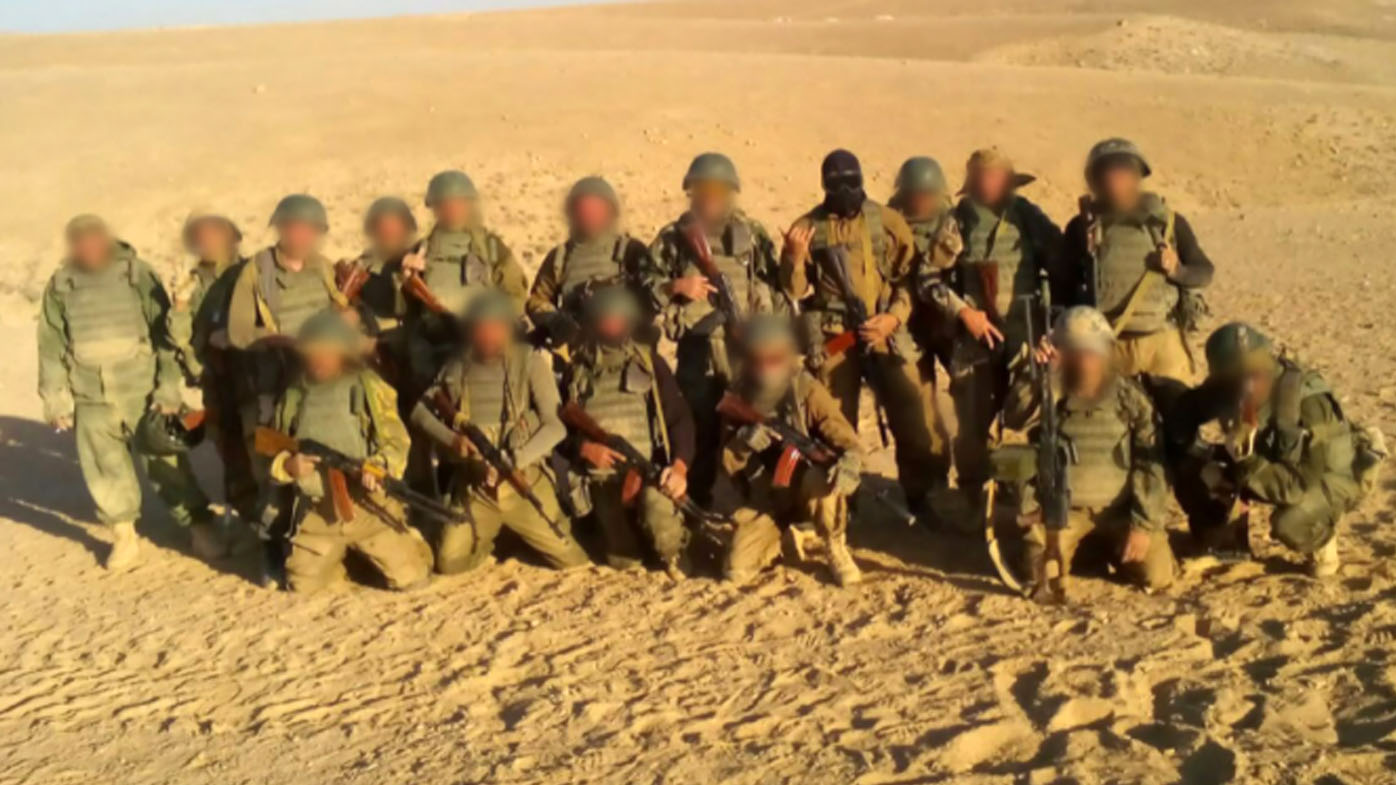
He said it is "clear" that Russia is using mercenaries and foreign fighters to support its forces — including the Wagner group.

"The group works as a shadow branch of the Russian military, providing implausible deniability for riskier operations," Sir Jeremy said, adding that Wagner is now prepared to send large number of personnel into Ukraine to fight on the Russian side.

"They are looking at relocating forces from other conflicts and recruiting new fighters to bolster numbers," he said.

"These soldiers are likely to be used as cannon fodder to try to limit Russian military losses."

READ MORE: Tears, stories and laughs flow for Shane Warne as Australia says farewell
On the position of China in the Ukraine conflict, Sir Jeremy said there are risks for Russia and China associated with the two countries aligning too closely.

"Russia understands that long term, China will become increasingly strong militarily and economically. Some of their interests conflict; Russia could be squeezed out of the equation," he said.

– Reported with CNN
Eastern brown snakes released into wild in dangerous mission

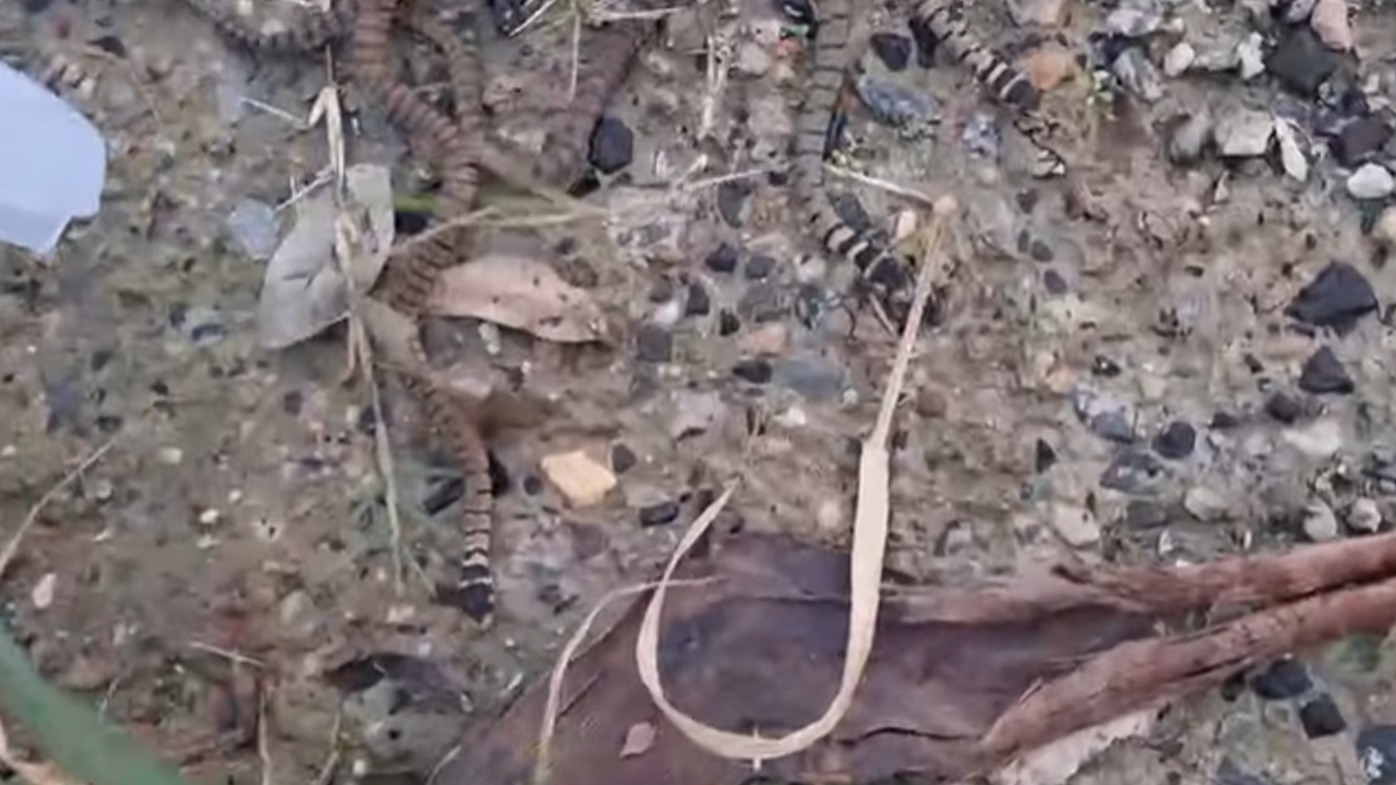
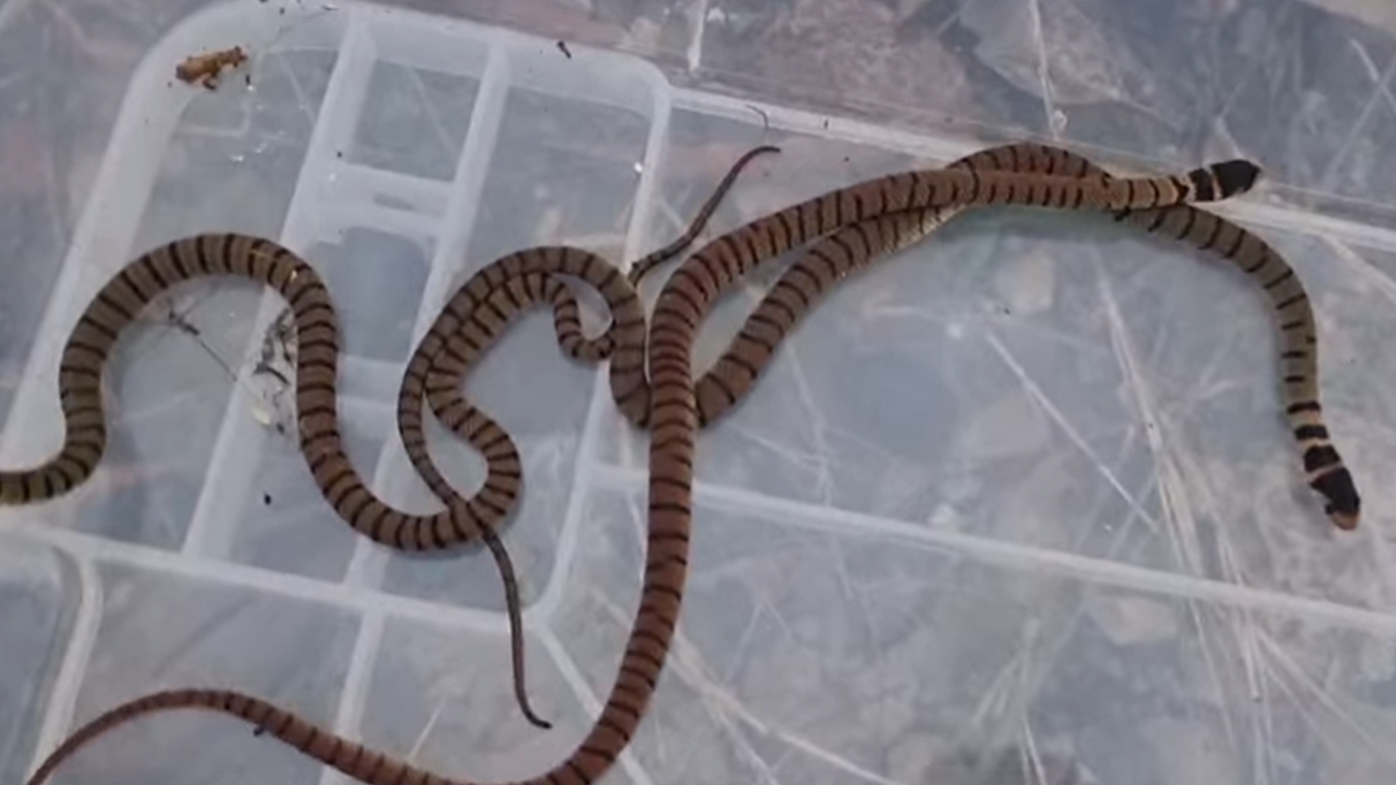
Wriggling in a clear plastic box the six tiny, striped eastern brown snakes were eager to return to the wild.

New South Wales snake catcher Sean Cade, Owner of Australian Snake Catchers, filmed the moment the reptiles returned to their natural habit yesterday.

Mr Cade became an unwitting surrogate mother to the second most deadly snake in Australia after "twenty-three perfect eggs" were laid in his bag at the beginning of the year.

And with snake season coming to an end an influx of young reptiles, from browns to red-bellied black snakes, are now coming forward.

READ MORE: Trump's brazen Putin request

The six eastern browns ranged in color from orange to brown. All had black stripes.

Mr Cade said yesterday's release was a very careful one, as baby eastern browns are as deadly as their adult counterparts.

An untreated eastern brown snake bite can kill in under half an hour.

The six small reptiles were eager to return to the wild.

"Venom is venom — no matter if the snake is 20 centimetres or six foot," he told 9News.

"It's the volume that causes issues with humans.

"In general, adults can regulate their venom and deliver a dry bite as a warning, but a baby, because they're more frightened, they can deliver several drops.

"Luckily, I don't get bitten."

READ MORE: Dangerous weather system tracks south as frustrations grow in northern NSW

Once on the ground the power of the young eastern brown snakes' camouflage came into play.

Mr Cade said as he released his young wards he struggled to spot them due to the black stripes across their back.

"Eastern brown snakes, when they're born, they traditionally have black banding every centimetre to help with camouflaging," he said, explaining residents often misidentify young eastern brown snakes.

"We get a lot of calls for tiger snakes that turn out to be young eastern brown snakes.

"Tigers are generally found in cooler climates.

"But it's great to know that camouflaging works."

READ MORE: Tears, stories and laughs flow for Shane Warne

The baby eastern browns are just as poisonous as their adult counterparts.

Mr Cade said watching them set off into the bush was one of the best moments of his job after the long process of incubating them and watching them hatch in February.

"The best part of my job is releasing stuff back to their natural environment, it's not catching them," he said.

"Because all of these snakes are losing their habits, displaced and injured, if I can put six more back into the environment they play an important part in the ecosystem."

Mr Cade held onto the eggs as wet weather battered the east coast for months on end.

The eastern brown snakes began hatching late February.

He waited for the baby snakes to do their first shedding before releasing them.

"I know they've eaten, I know they shed the skin — it's an indicator they've grown," he said.

"They're quite vulnerable in the first one or two weeks.

"It gives them the best chance of survival."

Twinkle, twinkle giant star, astronomers see how far you are

Astronomers have discovered the farthest star yet, a super-hot, super-bright giant that formed nearly 13 billion years ago at the dawn of the cosmos.

But this luminous blue star is long gone, so massive that it almost certainly exploded into bits just a few million years after emerging.

Its swift demise makes it all the more incredible that an international team spotted it with observations by the Hubble Space Telescope.

It takes eons for light emitted from distant stars to reach us.

READ MORE: Ice volcanoes on Pluto could contain life, study suggests

The Hubble telescope has broken a record, spotting the furthest star ever seen.

“We’re seeing the star as it was about 12.8 billion years ago, which puts it about 900 million years after the Big Bang,” said astronomer Brian Welch, a doctoral student at Johns Hopkins University and lead author of the study appearing in Wednesday’s journal Nature.

“We definitely just got lucky.”

He nicknamed it Earendel, an Old English name which means morning star or rising light — “a fitting name for a star that we have observed in a time often referred to as Cosmic Dawn”.

The previous record-holder, Icarus, also a blue supergiant star spotted by Hubble, formed 9.4 billion years ago. That’s more than four billion years after the Big Bang.

In both instances, astronomers used a technique known as gravitational lensing to magnify the minuscule starlight. Gravity from clusters of galaxies closer to us — in the foreground — serve as a lens to magnify smaller objects in the background. If not for that, Icarus and Earendel would not have been discernible given their vast distances.

While Hubble has spied galaxies as far away as 300 million to 400 million years of the universe-forming Big Bang, their individual stars are impossible to pick out.

“Usually they’re all smooshed together … But here, nature has given us this one star — highly, highly magnified, magnified by factors of thousands — so that we can study it,” said NASA astrophysicist Jane Rigby, who took part in the study.

“It’s such a gift really from the universe.”

Vinicius Placco of the National Science Foundation’s NOIRlab in Tucson, Arizona, described the findings as “amazing work.” He was not involved in the study.

READ MORE: Ancient pool may have been way to navigate the stars

The star is nicknamed Earendel, after the Old English for "morning star".

Placco said based on the Hubble data, Earendel may well have been among the first generation of stars born after the Big Bang.

Future observations by the newly launched James Webb Space Telescope should provide more details, he said, and “provide us with another piece of this cosmic puzzle that is the evolution of our universe”.

Current data indicate Earendel was more than 50 times the size of our sun and an estimated one million times brighter, outsizing Icarus.

Earendel’s small, yet-to-mature home galaxy looked nothing like the pretty spiral galaxies photographed elsewhere by Hubble, according to Welch, but rather “kind of an awkward-looking, clumpy object.”

Unlike Earendel, he said, this galaxy probably has survived, although in a different form after merging with other galaxies.

“It's like a little snapshot in amber of the past,” Rigby said.

Earendel may have been the prominent star in a two-star, or binary, system, or even a triple- or quadruple-star system, Welch said. There’s a slight chance it could be a black hole, although the observations gathered in 2016 and 2019 suggest otherwise, he noted.

Regardless of its company, the star lasted barely a few million years before exploding as a supernova that went unobserved as most do, Welch said. The most distant supernova seen by astronomers to date goes back 12 billion years.

The Webb telescope — 100 times more powerful than Hubble — should help clarify how massive and hot the star really is, and reveal more about its parent galaxy.

By studying stars, Rigby said: “We are literally understanding where we came from because we’re made up of some of that stardust.”

'It won't happen to me': Melanoma rates to surge 50 per cent by 2040

The number of new melanoma cases will increase by 50 per cent worldwide by 2040, while deaths are set to surge 68 per cent, according to a new study.

International and Australian researchers have analysed the future and current impacts of the deadly skin cancer around the world, revealing there were 325,000 new melanoma cases and 57,000 deaths globally in 2020.

Melanomas killed 1725 Australians in 2020 and a further 15,229 new cases were diagnosed, data from the International Agency for Research on Cancer showed. 

READ MORE: Donald Trump's brazen request for Vladimir Putin

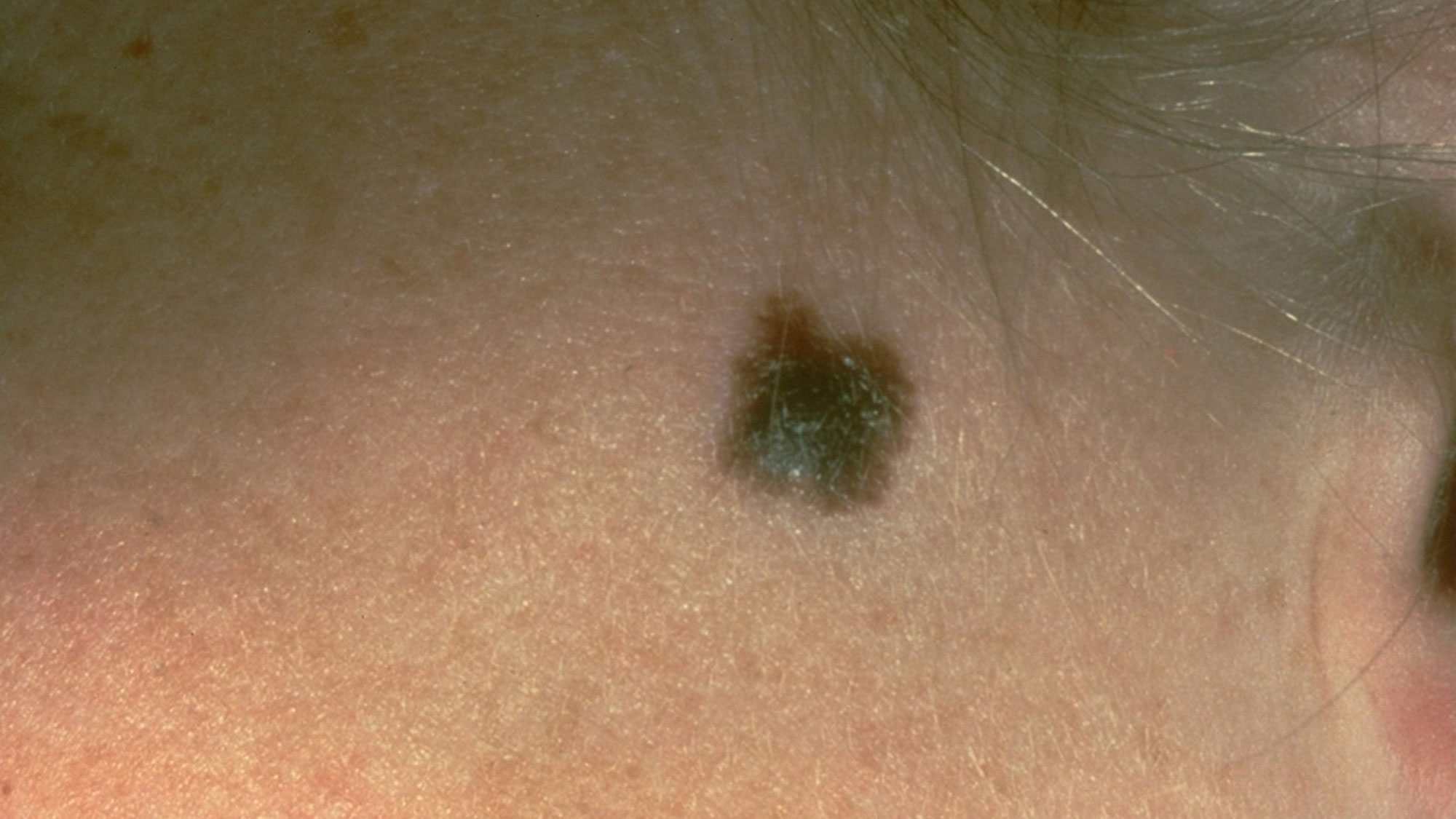
This photo, provided by the American Academy of Dermatology, shows a typical presentation of a suspicious mole that eventually was diagnosed as melanoma.

The study, published in the journal JAMA Dermatology, found Australia continues to have the highest incidence of melanoma in the world.

Australia has the second highest mortality rate behind New Zealand, with melanomas accounting for 4.5 deaths per 100,000 here and 5 per 100,000 across the ditch.

David Whiteman, a cancer epidemiologist at Brisbane's QIMR Berghofer Medical Research Institute, is one of the study's co-authors.

Australia's melanoma mortality rate had dropped sharply over recent years thanks to the introduction of immunotherapy drugs which became available around 2014, Professor Whiteman said.

"In Australia, the melanoma mortality over the last six or seven years has actually been declining pretty pretty quickly, because of the new immunotherapy drugs that have come on board," Professor Whiteman said.

"So they're having quite a dramatic effect, whereas New Zealand has fewer drugs available and has been slower to license them so that's why our death rate is coming down more quickly."

Rates rising for Aussies over 60

Overall melanoma rates appear to be plateauing in Australia, Dr Whiteman said, with cases falling amongst the younger generations due to more awareness of the dangers of sun exposure, but still increasing in people aged 60 and over.

"Rates continue to rise in older people in Australia, particularly those in their 60s, 70s and 80s. 

"That's in part due to the fact that those people having a lot of sun exposure as kids back in the 1950s – before 'slip, slop, slap.'

"So they're kind of reaping the harvest of earlier sun damage."

Australia's growing and ageing population means the number of melanoma cases are still increasing, at least for now.

"We can hope that Australia might have peaked, that we can now start to reduce the rate of melanoma," Professor Whiteman said.

"We can turn the ship around, but it's a big ship and it's going to take a lot of turning.

"We can't expect it to happen quickly, but we can expect it to happen."

Meanwhile, in many other parts of the world – including Northern Europe, the US, Canada and the UK – melanoma rates are rising sharply, Professor Whiteman said.

'It was a tiny, inconspicuous thing'

Gold Coast psychologist Danielle Rancie, 30, is one Australian who has become passionate about spreading awareness of the dangers of sun damage, after she was diagnosed with a melanoma herself in 2019.

For Ms Rancie, her stage two melanoma came as a terrifying shock.

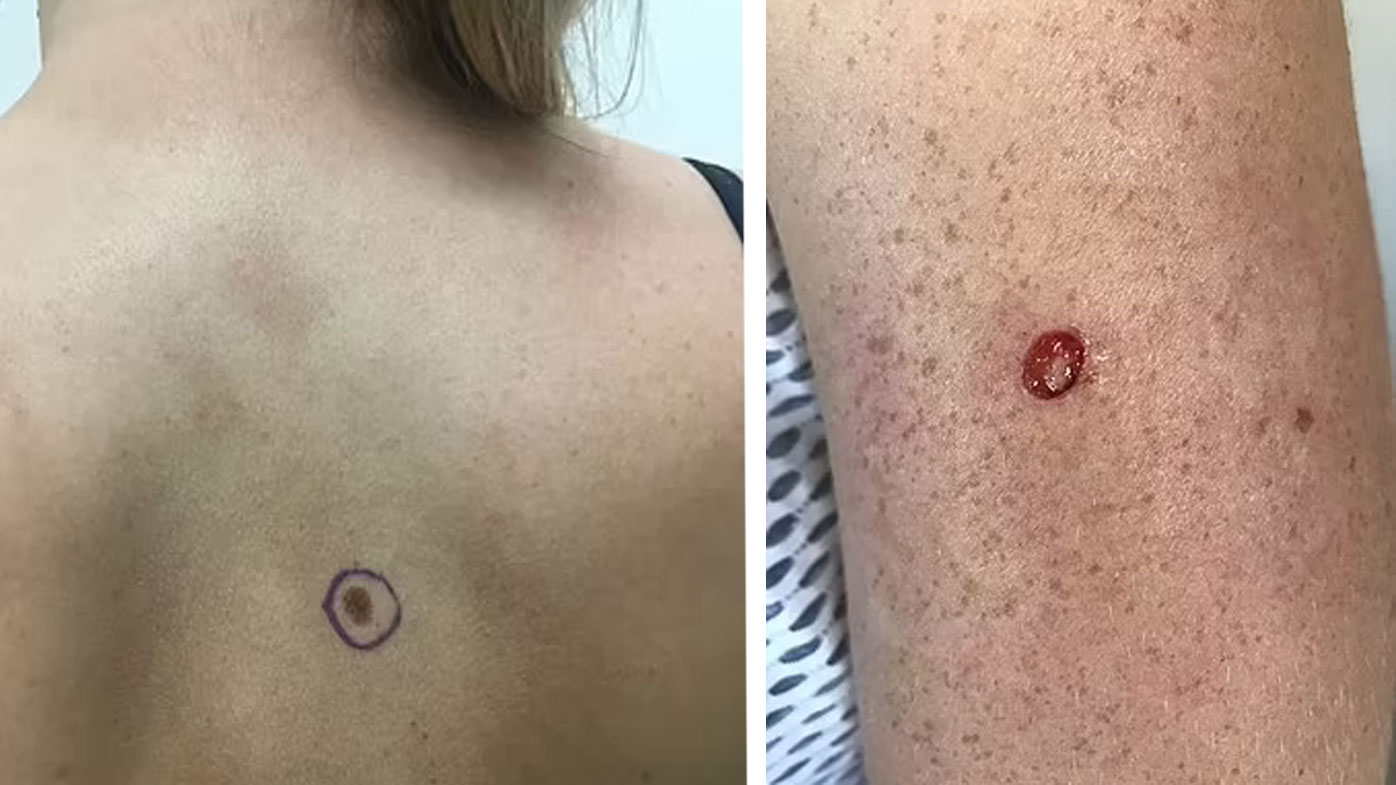
Ms Rancie, who was living in Townsville at the time, had gone to get a skin check after noticing a mole on her back had grown to the size of a 5 cent piece.

READ MORE: The letter sent from Jason Warne to his brother Shane 30 years ago

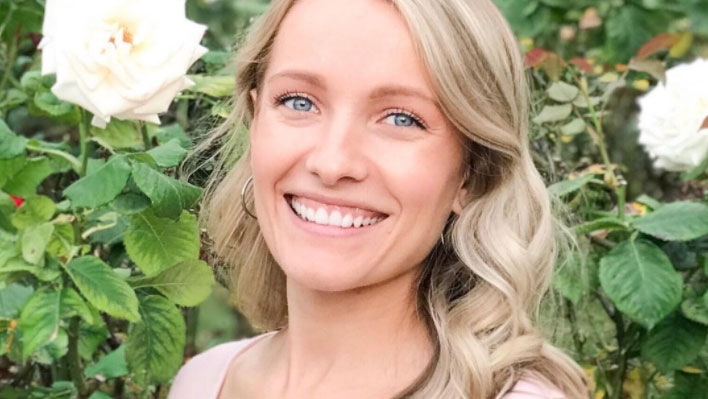
Danielle Rancie was diagnosed with a melanoma in 2019.

However, that particular mole, while precancerous, would turn out to be the least of her worries.  

While getting the skin check, the doctor noticed something Ms Rancie had not. 

"They found this little pinprick of a dot that was inside of another freckle on my left arm," she said.

"It was a tiny, inconspicuous thing. I wouldn't have even known it was there if the doctor hadn't looked at it with a microscope.

"That ended up being a stage two melanoma. It was a huge shock.

"I honestly thought I was fine.

"I was that typical person that thought, 'No I'm going to delay, I don't need a skin check. It won't happen to me.'"

A large mole on Danielle Rancie's back turned out to be pre-cancerous. But, to her surprise, her doctor picked up a tiny spot on her arm, which was a stage-2 melanoma.

Ms Rancie needed surgery to remove the melanoma and surrounding tissue.

Luckily, the cancer had not spread to her lymph nodes.

These days she gets full mole mapping done at regular skin checks, which have since picked up several suspicious spots.

Ms Rancie said the message was simple.

"Just go get checked, don't delay, don't think that you are that exception to the rule in that it can't happen to you," she said.

"Chuck on a hat, wear sunscreen and just don't worry about what people think, especially young girls in particular because there is that huge stigma around tanned being more desirable than white porcelain skin."

Contact reporter Emily McPherson at em********@******om.au

'An evacuation, then a non-evacuation, then an evacuation'

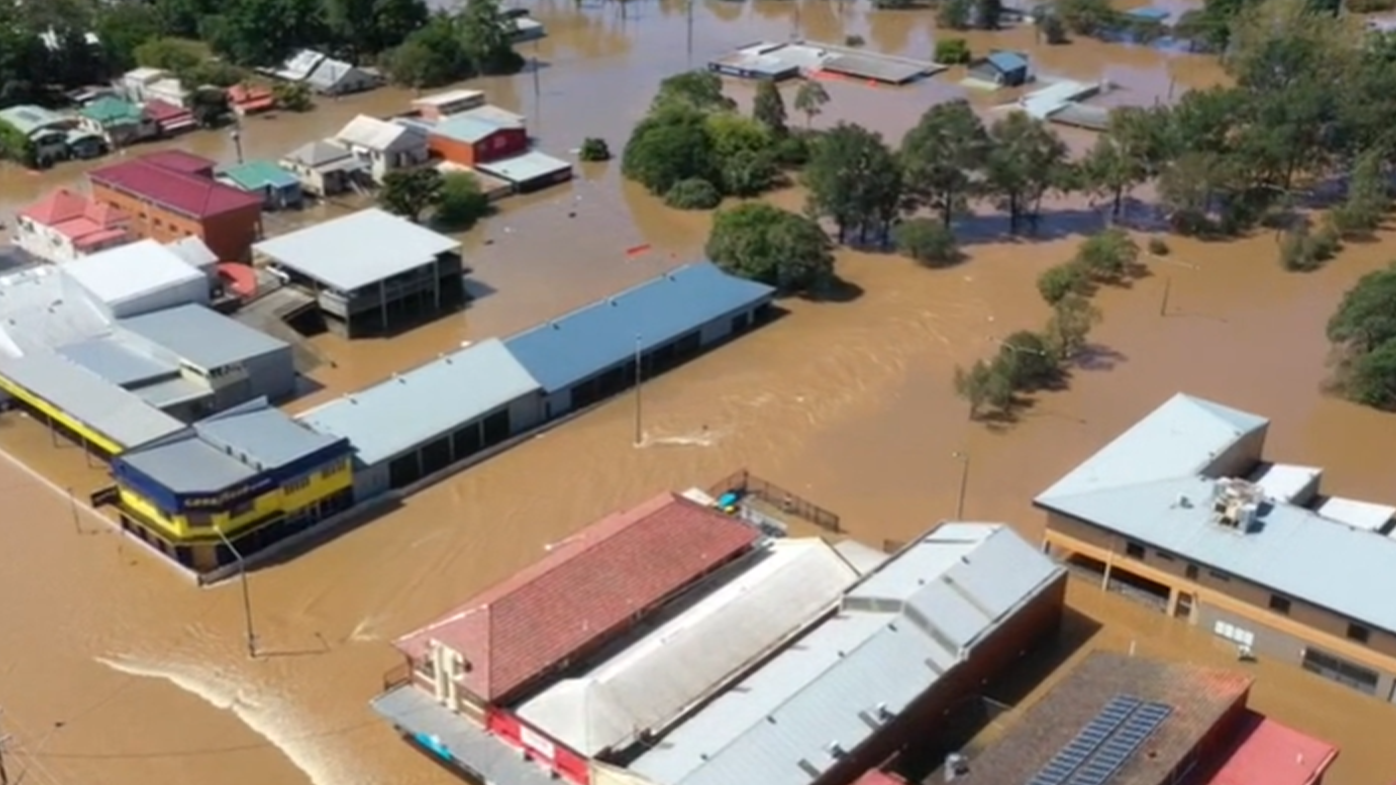
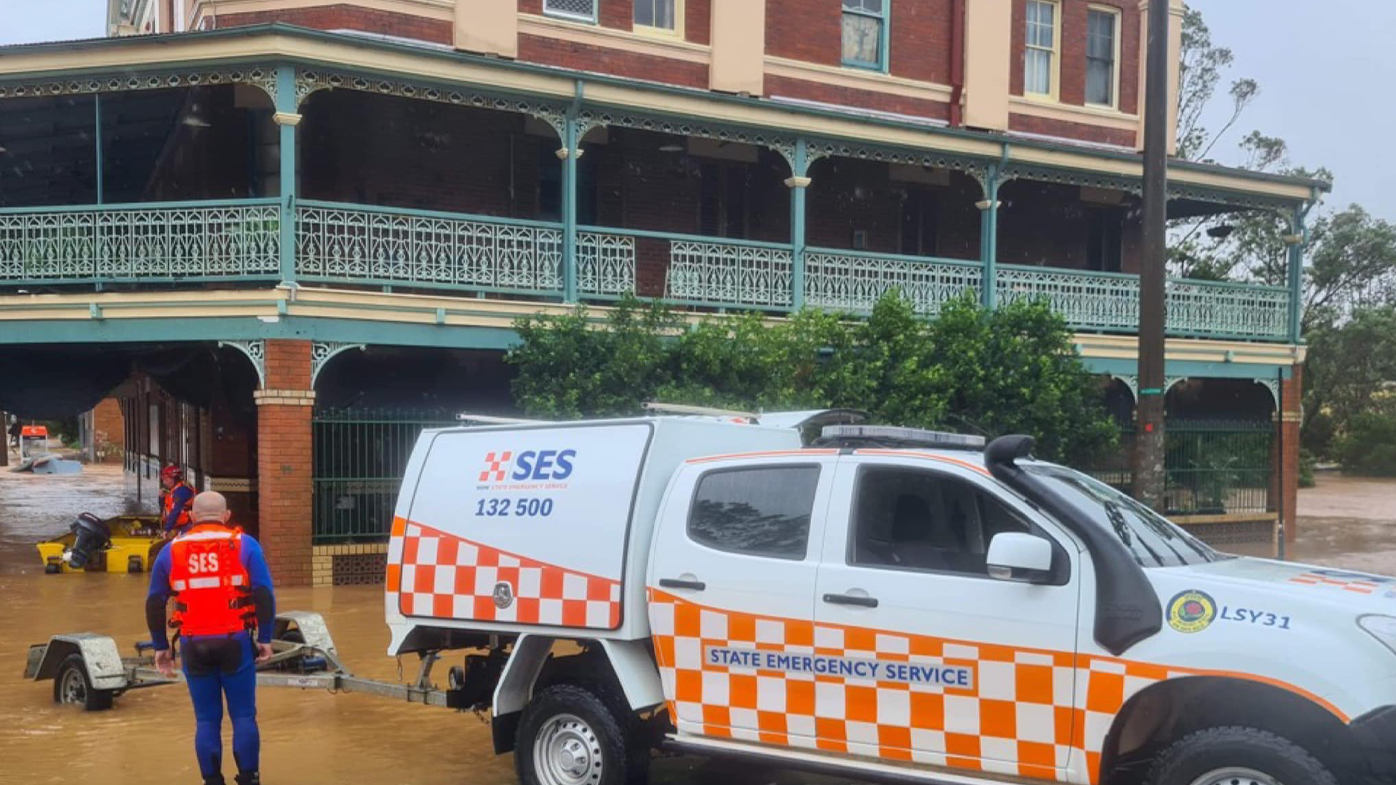
The SES has come under fire for its "confusing" warnings and instructions during the ongoing flood crisis in the New South Wales Northern Rivers region.

Currently more than 20 flood warnings for river systems are in place across the north and mid north coast, down to Sydney's Hawkesbury where a minor flood warning has been issued.

Lismore went under for the second time in weeks in recent days after the levee broke.

LIVE UPDATES: New 'bully' claim hits Prime Minister

Lismore was inundated for the second time in a month after heavy rains lashed NSW's north coast.

Resident and local business owner Nancy Casson said she was "incredibly disappointed" with the instructions from the SES.

"We had an evacuation, then a non-evacuation, then an evacuation again," she said.

"I don't know what is lacking in their instructions to us. I don't know why they constantly get it wrong."

Ms Casson attributed the back-and-forth to twin factors – the provision of weather data and predictions from the Bureau of Meteorology, and the fact that decisions were being made at a far-removed SES headquarters in Sydney.

60 MINUTES: Is the world ready for another term of President Donald Trump?

The Lismore SES unit thanked the 'wonderfully responsive community' for heading warnings.

"Their instructions to us are coming from somewhere, and that place is getting it wrong every time," she said.

"For me personally, the next time the BoM get it right will be the first."

SES Assistant Commissioner Nicole Hogan said she could understand the "emotion" in the community.

"Floods can be devastating," she said.

READ MORE: Bruce Willis diagnosed with aphasia

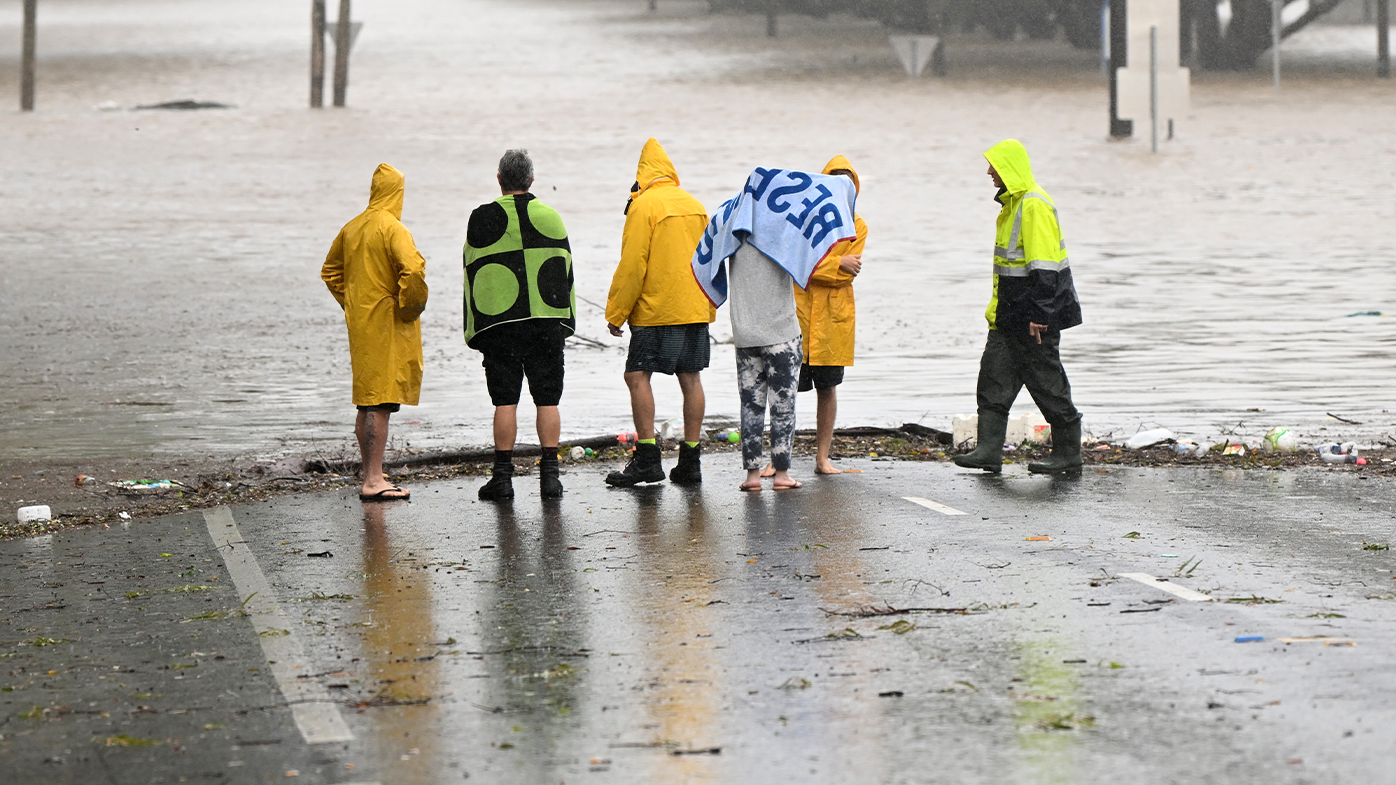
Local residents inspect a flooded road on March 30, 2022 in Lismore, Australia.

She said that when the evacuation order for Lismore had been lifted on Tuesday afternoon, it had been based on advice from volunteers and locals on the ground.

She said the priority at that point had been to help people recover from the recent flooding of some weeks ago, which involved letting people back into the ravaged community.

But an unpredictable thunderstorm, followed by flash flooding, triggered the subsequent re-imposition of the evacuation order.

"It is hard to predict that flash flooding can occur," Assistant Commissioner Hogan said.

She pointed out that flash flooding and severe weather warnings had been in place for the region for some days.

And she disputed the suggestion that SES command's distance from the crisis region was a problem.

"We work with our volunteers, and our volunteers work with the community," she said.

'I have no doubt that he is a bully': Lambie hits out at Morrison

Senator Jacqui Lambie has joined the wave of criticism against Prime Minister Scott Morrison, saying she had "no doubt" he was a bully.

She is the third senator to level that accusation at the PM, following outgoing Liberal Senator Concetta Fierravanti-Wells' searing address in Parliament House.

Senator Fierravanti-Wells, who had been placed in an unwinnable third spot on the NSW Liberal Senate ticket for the federal election, said Mr Morrison was a "bully" and an "autocrat" without a moral compass who was "unfit" for office.

LIVE UPDATES: New 'bully' claim hits Prime Minister

She was supported by One Nation Senator Pauline Hanson, who "absolutely" backed up her claims.

Now, Senator Lambie has joined them.

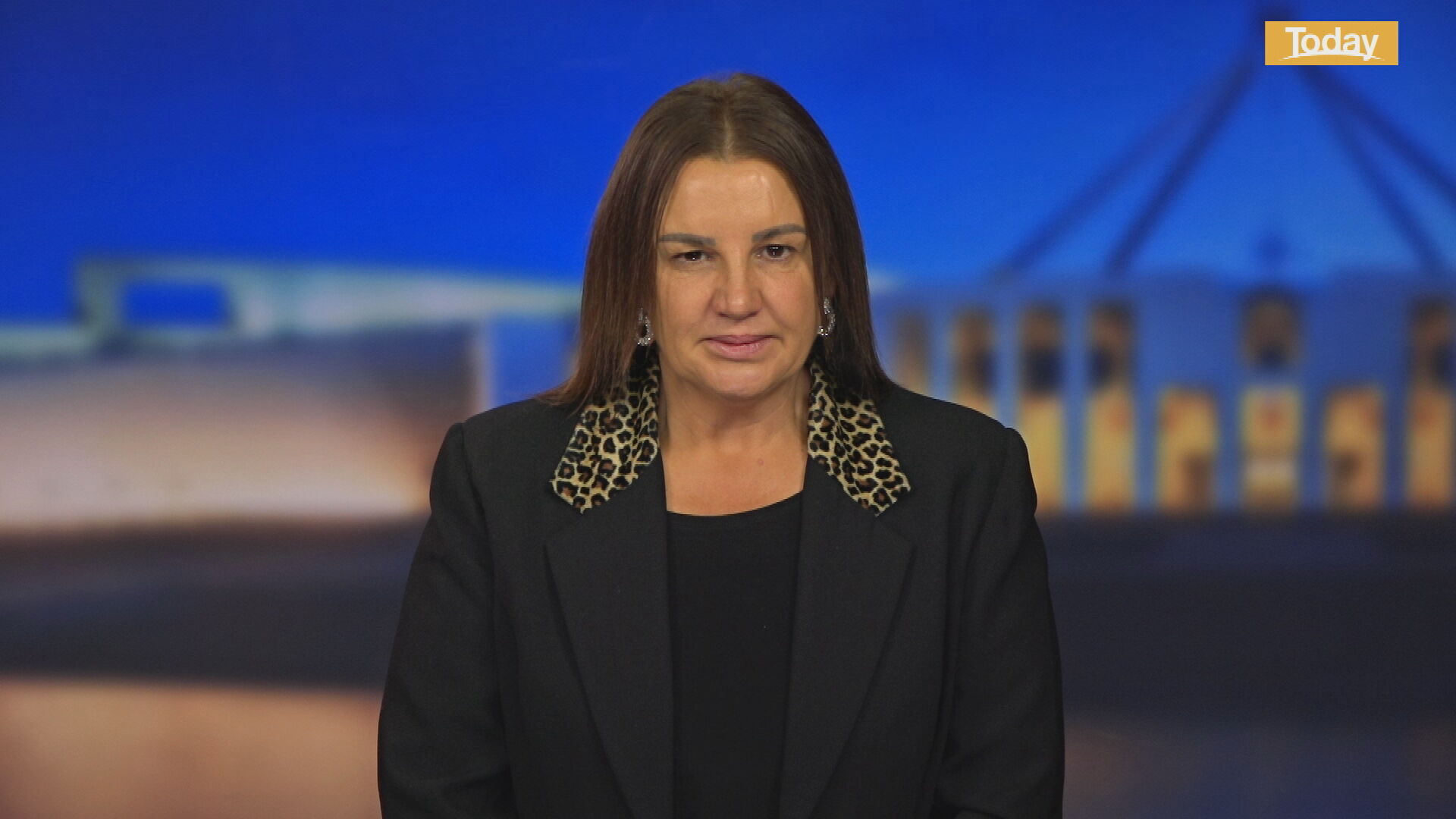
"I have no doubt that he is a bully, I've dealt with him one on one," she told Today this morning.

"He got everything he deserved from (Senator Fierravanti-Wells) this week, and honestly, good for her. It's been a long time coming."

READ MORE: Twin threats off coast as dangerous system tracks south

Mr Morrison yesterday dismissed the accusations, suggesting that Senator Fierravanti-Wells had simply been "disappointed" with the pre-selection results.

"She's been similarly disappointed in the past with my predecessors," Mr Morrison said.

"There were 500 people from the Liberal Party who turned up on the weekend to make their choice about who they wanted to represent them."

Senators Marise Payne and Jim Molan were awarded the top two spots, amid accusations that Mr Morrison and Immigration Minister Alex Hawke had interfered in the process.

60 MINUTES: Is the world ready for another term of President Donald Trump?

Prime Minister Scott Morrison.

"I understand she's disappointed about that," Mr Morrison said.

"When people are disappointed, they say things."

He said he encouraged Senator Fierravanti-Wells to take any "real complaints" she had to the State or Federal Liberal Party, which had processes in place to ensure she was heard.

But Senator Lambie said Senator Fierravanti-Wells' attack was not solely motivated by the preselection, and that she had been "seething" for some time.

"What annoys me is, I don't care if you've got personal issues with someone on the same team," she said.

"If they're the best person for the job you should put the country first and put them in the job."

She said Senator Fierravanti-Wells was a "top performer" who should have been a minister, instead of being left on the back-bench "because she wouldn't stand and nod to (Mr Morrison)".

"I don't care what anybody says, he's an absolute bully," Senator Lambie said.

Bruce Willis to quit acting after shock medical diagnosis

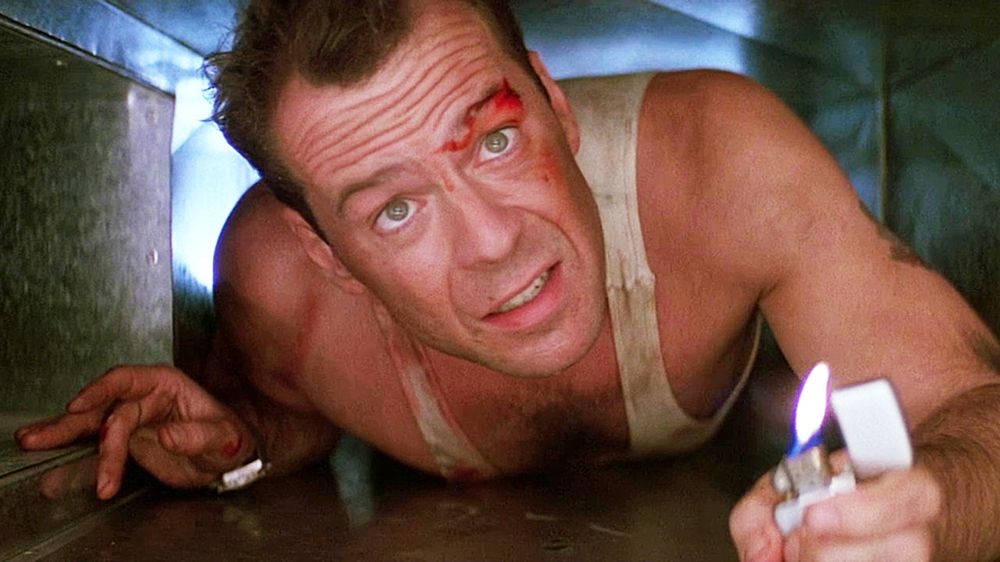
Bruce Willis is suffering from a medical condition that is affecting his cognitive abilities and will be taking a break from acting.

In a post on his daughter Rumer's verified Instagram account, the caption on a photo of the "Die Hard" actor read: "To Bruce's amazing supporters, as a family we wanted to share that our beloved Bruce has been experiencing some health issues and has recently been diagnosed with aphasia, which is impacting his cognitive abilities."

"As a result of this and with much consideration Bruce is stepping away from the career that has meant so much to him," the caption continued.

"This is a really challenging time for our family and we are so appreciative of your continued love, compassion and support."

Die Hard Bruce Willis

According to the Mayo Clinic, aphasia is "a condition that robs you of the ability to communicate" and can be caused by a stroke, head injury, a brain tumor or a disease.

The caption went on to read that the family is "moving through this as a strong family unit, and wanted to bring his fans in because we know how much he means to you, as you do to him."

"As Bruce always says, "Live it up" and together we plan to do just that," it concluded, along with the names of his former wife, Demi Moore, who also shared the post, their daughters Rumer, Scout and Tallulah, as well as his current wife, Emma, and their daughters Mabel and Evelyn.

What is aphasia, the condition impacting Bruce Willis' acting career?

Aphasia is a devastating condition that steals a person's ability to communicate, making it difficult to write or speak or even understand what others are saying.

People with aphasia can have problems finding words, use words out of order, speak in a choppy, halting manner or use short fragments of speech. They can even make up nonsense words and sprinkle those into their speech and writing, according to the American Speech-Language-Hearing Association.

Written communications can be full of grammatical errors and run-on sentences. A person with aphasia can also have problems with accurately copying letters and words, ASHA said.

Understanding others can also be impacted. People with aphasia may not understand spoken or written sentences or need extra time to absorb and understand what is being said or what they are reading. They may lose their ability to recognize words by sight or to sound out written words. It can be difficult for people with aphasia to follow a fast talker, or understand complex sentences and concepts, ASHA said.

How aphasia impacts a person can differ, based on the extent and site of damage in the brain. Some people only lose their abilities to find or repeat words and phrases, but are still able to speak and be understood. That's called "fluent" aphasia, as compared to "nonfluent" aphasia for those with more extensive damage.

Causes and treatment

Caused by damage to the language centres of the brain, aphasia is often the result of a traumatic brain injury, an infection or tumor in the brain, or a degenerative brain disease such as dementia, according to ASHA.

However, stroke is by far the biggest cause of the condition. Between 25 per cent and 40 per cent of stroke survivors acquire aphasia, according to the National Aphasia Association, with the elderly at highest risk.

Treatment focuses on the person's symptoms. For those with milder forms of aphasia, treatment can be restorative, using speech therapy to retrain the brain to recognize words and speak and write.

For people with degenerative conditions, where further decline is expected, health professionals often focus on providing compensatory assistance in the form of pictures and large print formatting to help the person communicate.

According to the National Aphasia Association, a complete recovery from aphasia is unlikely if the symptoms last longer than two or three months after a stroke, but hastens to add that "some people continue to improve over a period of years and even decades."

Police appeal to help find missing boy

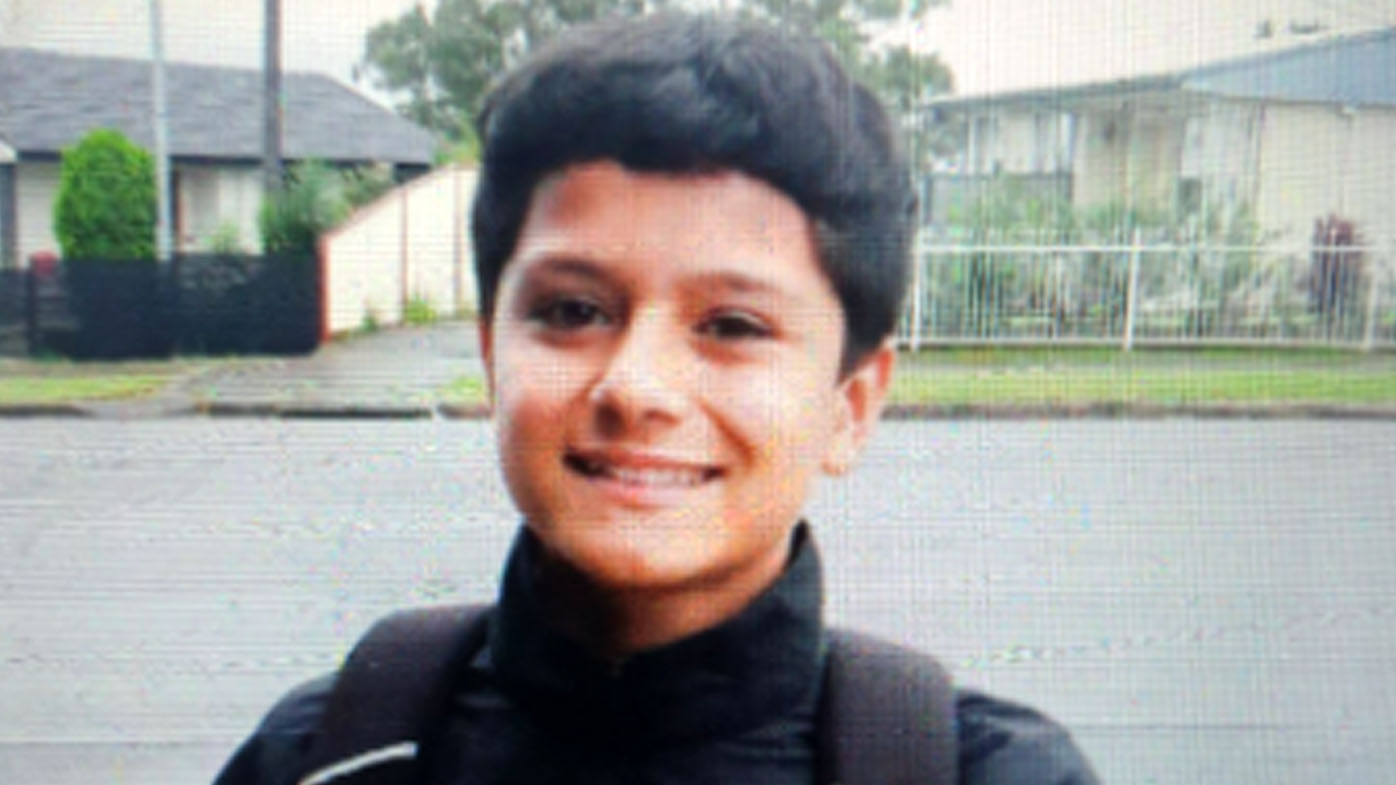
Police in Sydney are appealing for public help to find a boy reported missing from the city's south west.

Kolio Leaupepe, aged 13, was last seen at about 2.45pm on Tuesday, March 29, catching a train to Liverpool from Regents Park Train Station.

He was reported to police and and inquiries started into his whereabouts.

READ MORE: Russia shells areas in Ukraine where it vowed to scale back

Police and his family have concerns for his welfare due to his young age.

Kolio is described as being of Pacific Islander/Maori appearance, 155cm- to 160cm tall, weighing about 60kg with a thin build and black hair cut in a mullet style.

He was last seen wearing a school uniform of a black polo shirt with a red stripe, and black shorts.

It's believed Kolio may be in the Liverpool area or Sydney CBD.

Anyone who sees Kolio or has information on his whereabouts should contact Liverpool Police or Crime Stoppers 1800 333 000.

Prices Going Up: Russia War Ends Era of Globalization that Kept Inflation Low

By PAUL WISEMAN21 minutes ago A damaged building and car after recent shelling, in the center of Kharkiv, Ukraine, Sunday, March 27, 2022. (AP Photo/Efrem Lukatsky)   For decades, the free flow of trade across much of the world allowed the richest nations to enjoy easy access to low-priced goods and supplies. It meant solid […]

The post Prices Going Up: Russia War Ends Era of Globalization that Kept Inflation Low appeared first on The St Kitts Nevis Observer.

T&T PM to UK’s Prince William: Actions Speak Louder Than Words

CNW- Trinidad and Tobago’s prime minister, Dr. Keith Rowley has called on Britain’s Prince William to do more than just offer words of acknowledgment that his country had played a significant role in the slave trade and ensure a level of compensation to those who had their liberties taken away as a result of the […]

The post T&T PM to UK’s Prince William: Actions Speak Louder Than Words appeared first on The St Kitts Nevis Observer.