Category Archives: headline

'Those people could be here today': Lung cancer patient's plea over screening plan

Leeanne Undy didn't display any of symptoms of lung cancer you would describe as normal.

The Victorian grandmother had already been diagnosed with breast cancer and so she was given a lung check after suffering a blood clot.

It was then she was told she also had lung cancer, a disease which kills more Australians than any other form of cancer.

LIVE UPDATES: Toddler confirmed to have died from COVID-19
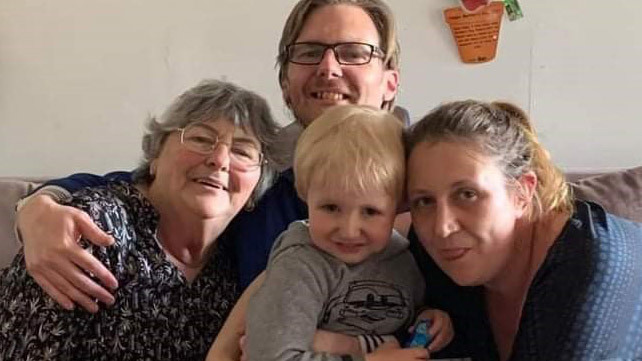
Leeanne Undy has lung cancer

It was unrelated to her breast cancer.

The 65-year old, who works as a teacher's aid, said the discovery of a tumour in her right lung was devastating, but it did mean she could start some treatment sooner rather than later.

"Without the screening I wouldn't have known," she said.

READ MORE: Woman's mission to help cancer carers inspired by late friend

"In one way I was lucky I was getting screened."

Now Ms Undy is backing a plea from campaigners to roll out lung cancer screening to all Australians at risk.

A government study has suggested screening could save 12,000 lives in the first ten years. That is because the key to treatment is picking it up early.

Ahead of Tuesday's Federal Budget campaigners are making a last-minute push to try and make Australia one of the first places in the world to launch a lung cancer screening program.

READ MORE: What we know so far about the 2022 Federal Budget
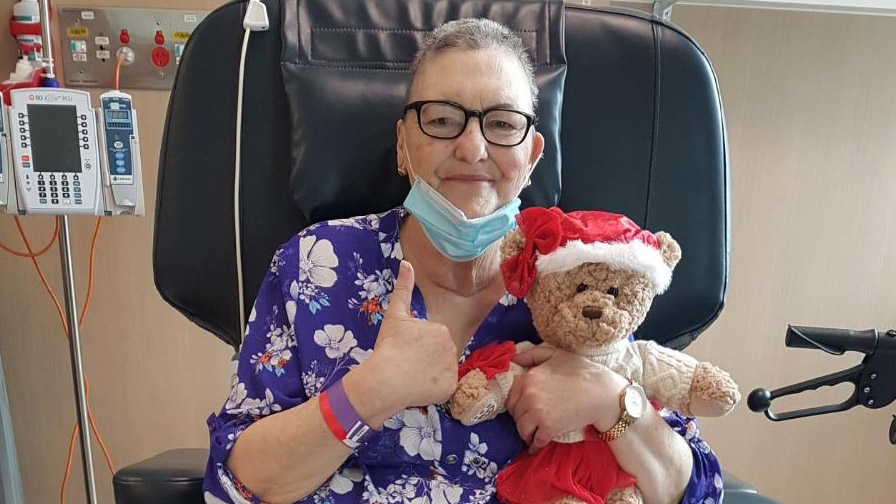
Leeanne Undy has lung cancer

READ MORE: Flight attendant's 'jet lag' turned out to be deadly disease

Not everybody who gets lung cancer is a smoker. Bu those that do smoke are largely targeted by the screening.

GPs would assess risk factors, with Australians aged between 55 and 75, and Aboriginal and Torres Strait Islanders aged from 50m sent for a CT scan to check their lungs.

It could start within the next three years.

READ MORE: Lung screening program could save 12,000 lives, experts say

The government pledged $6m last year to push the idea forward, but campaigners say politicians needs to commit more cash in Tuesday's budget to actually make it happen.

Lung Foundation CEO Mark Brooke said the benefit of funding the scheme far outweighs the ongoing cost of treatment for people diagnosed.

"If the government doesn't fund it then they are putting at risk 12,000 Australians," he said.

READ MORE: 'Stark': Woman diagnosed with breast and lung cancer describes the contrast between how she was treated

"If we were talking about women's violence or suicide in rural and remote communities, with numbers of saving 12,000 lives people would find the money tomorrow, but because lung cancer is bogged by stigma and mistaken beliefs that people bring it upon themselves, it has been a battle to get this in the budget."

Ms Undy's cancer is now incurable, but she is making the most of time with her three grandchildren.

She believes if lung screening had started years ago, many lives could have been saved.

"Those people could be here today sharing memories with good times and friends," she said.

https://twitter.com/Lungfoundation/status/1503621814635069440?ref_src=twsrc%5Etfw

An Australian Government spokesperson said the $6.9m 2020 Lung Cancer Screening Enquiry, commissioned by the Minister for Health and led by Cancer Australia, recommended the establishment of a national lung cancer screening program targeting high-risk individuals.

READ MORE: Tens of thousands of Aussies could have cancer and not yet know due to pandemic

"The potential program is also being examined by the independent Medical Services Advisory Committee (MSAC), who will provide advice to the Minister in the near future," a spokesman, said.

Lung cancer or lung disease symptoms

Persistent or unexplained cough which lasts more than three weeks, or changes to an existing cough, breathlessness, coughing up blood, fatigue, weight loss, chest pain, voice hoarseness

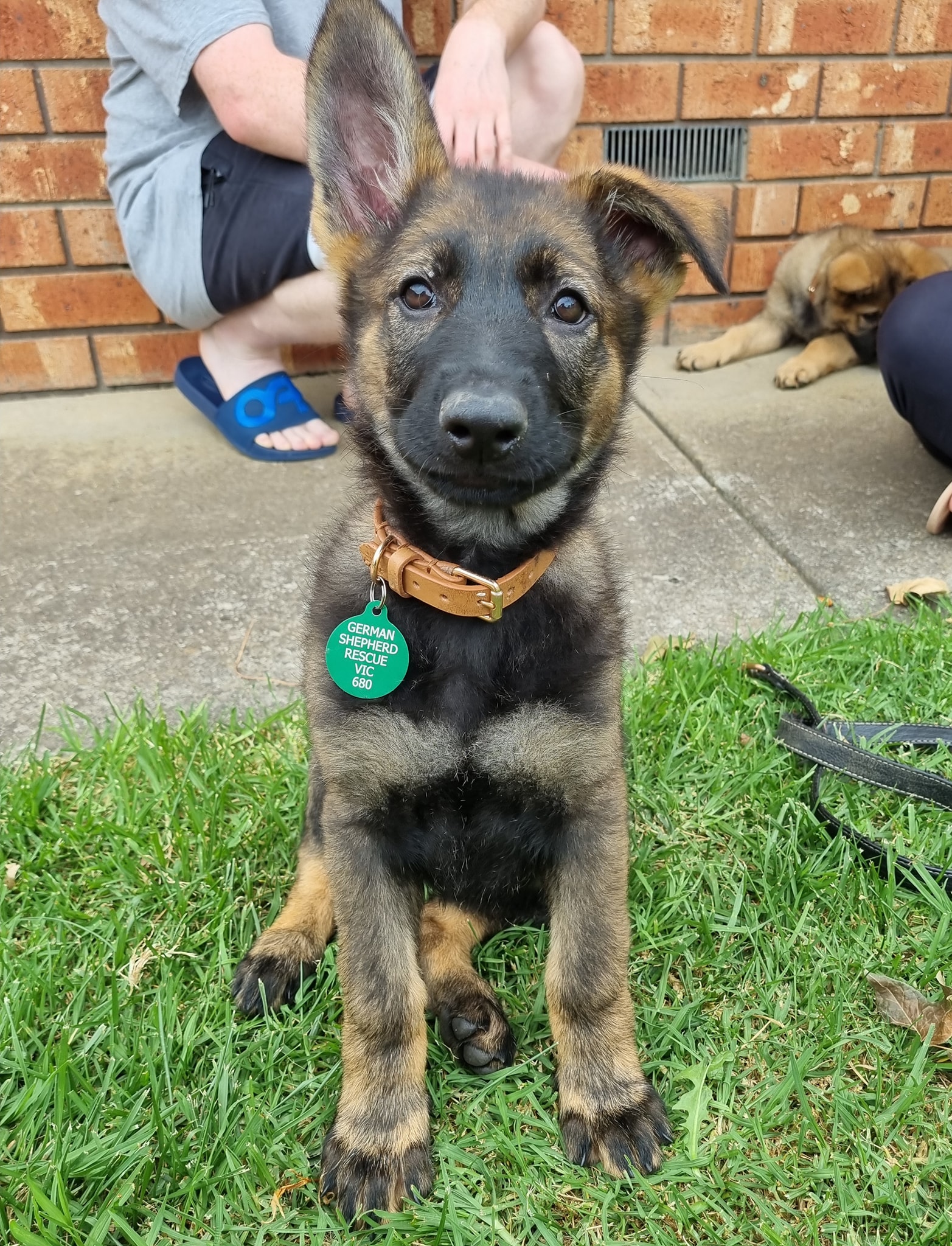
Pet dogs being given up across Victoria in unprecedented numbers

Animal rescue shelters and organisations across Victoria are being inundated as an unprecedented number of pet dogs are given up by their owners.

The surge in the number of pets being surrendered began just before Christmas and has not slowed down in the past three months.

About 50 dogs a month were being surrendered to RSPCA Victoria before Christmas. That figure is now close to 150.

READ MORE: Australian-based Ukrainians 'absolutely helpless'

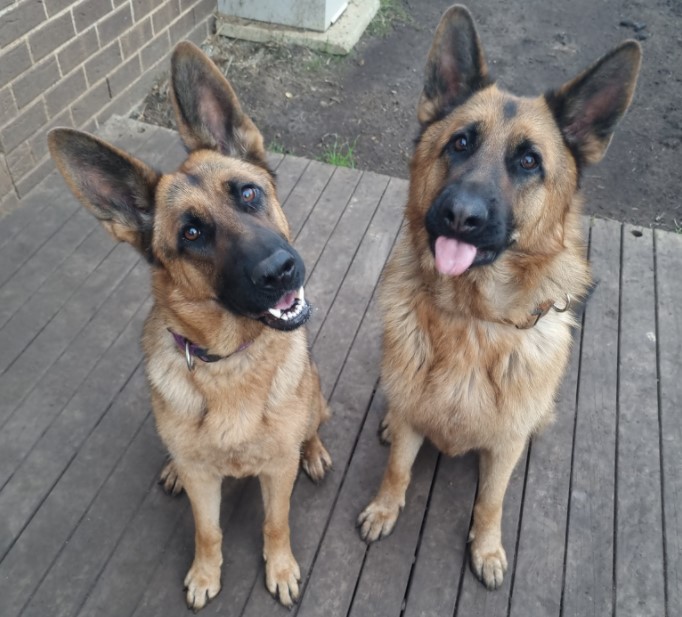
For years, rescue organisation German Shepherd Rescue Victoria received about one request to surrender a German shepherd dog every two days.

The charity is now getting about three requests a day, with five coming in on one day last week.

The association has been so overwhelmed it has been forced to stop accepting any more surrenders until at least after Easter — a "heartbreaking decision" to make.

"It's not something we've experienced before, we've been in operation since 2014," president Hayley Finch said.

The RSPCA is also seeing a first with small dogs being surrendered, "which almost never happens", according to RSPCA Victoria animal care manager Nadia Peiris.

The charity is also seeing a drop in the number of people coming to reclaim lost dogs that get handed into its shelters.

Dog behaviour the main driver of surrenders

The majority of dogs being handed over have significant behavioural issues.

Victoria's COVID-19 lockdowns are believed to have largely contributed to dogs having these issues.

"COVID had a huge impact," Ms Peiris said.

German Shepherd Rescue Victoria's Ms Finch agreed.

"People weren't getting their dogs out enough in lockdown," she said.

Lockdown, as well as people's general aversion to socialising too much due to COVID-19, meant many dogs were not exposed to enough of the world outside their homes last year, causing them to become anxious.

With plenty of people buying puppies during lockdown, many dogs were not socialised between eight- and 16-weeks-old — the crucial time for their social development.

Ms Peiris said there were many dogs in RSPCA shelters that were not comfortable around other dogs, nor around people.

Dogs' anxiety often leads them to having trouble interacting with others.

Ms Finch said anxious dogs became reactive, an attitude often mistaken for aggression.

She said dogs' protective instinct was "fight or flight".

"And when they are on a lead you take that option away for them to run away," she said.

People spending less time at home since COVID-19 restrictions eased is also thought to be affecting dogs' behaviour, likely leading to separation anxiety and the animals becoming destructive when at home alone.

However, while COVID-19 has led to a rise in dogs with behavioural issues, Ms Finch has seen the issue of dogs suffering from a lack of socialisation rising year upon year.

"Behaviour issues are getting worse every year due to the lack of socialisation," she said.

And while Victoria was the worst hit by lockdowns, Ms Peiris also suspects the issue of an unusual number of dogs being surrendered is occurring around Australia.

"I would expect that quite a few of your biggest states are seeing capacity issues for sure," she said.

Behavioural issues are one of the hardest problems for rescue centres to manage because they require a lot of attention to help get the dog in a state to be adopted out.

Call for volunteers to help manage surrendered dogs

RSPCA Victoria is "absolutely desperate" for foster carers and volunteers amid the surrender crisis.

"I can't even stress enough how desperate we are for volunteers," Ms Peiris said.

"They do some super amazing and important work for the animals in the shelter."

Ms Peiris said volunteers just coming into the shelter and interacting with dogs, giving them treats and cuddles, would greatly help socialise them.

People can register to become a foster carer or volunteer on the RSPCA website.

Push to help dog owners

If someone can't care for their dog, rescuers would always prefer the animal be surrendered.

However, the organisations are working to educate pet owners to help them manage their dogs and not to have to give them up.

"If there's some way that we can help people to keep their animal, that's what we're aiming to do," Ms Peiris said.

"If people are having problems returning back to the workplace, we can help them with what they can do to give their dog some enrichment during the day."

Crossbreed dogs

The RSPCA customer team will also offer advice on behavioural training and are happy to be contacted for advice.

Of course, training dogs before issues arise is the most crucial step.

Ms Finch said German Shepherd Rescue Australia was putting emphasis on the need to socialise dogs, as well as just train them.

She said dogs should be given regular interaction with people, visits to public parks, and walks on lead.

Australia's cost of living rises due to Russia Ukraine conflict

Australia's cost of living has risen substantially since the start of Russia's war on Ukraine but now experts say we're in for yet another price hike.

The federal budget next week is set to ease some of the costs Australians are facing.

Some of the daily living costs for millions of Australians have blown out over the past year.

READ MORE: Ukraine says 300 died in theatre attack as hunger grips cities

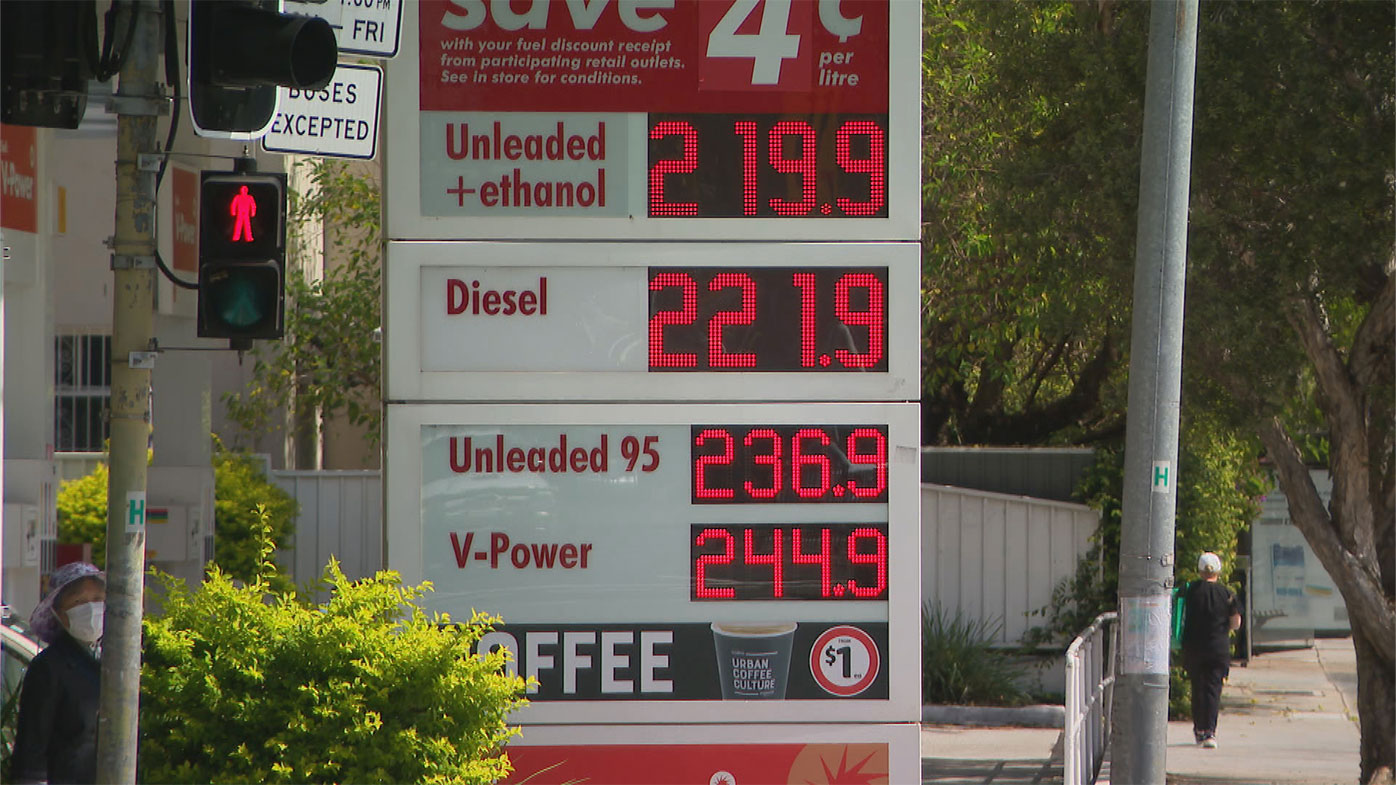
petrol costs sydney surging petrol station

Petrol prices have skyrocketed since the start of the conflict, with the cost at the bowser up by 55 per cent.

House rent has risen by nearly 9.5 per cent adding to the cost for Australians who have crossed out the dream of owning a home due to the surging house prices.

Childcare costs are up by 6.5 per cent.

The cost of baby products has also risen by 5.2 per cent.

Australians' total grocery shop is getting higher too with fresh fruit and vegetables rising more than 5 per cent.

READ MORE: Sixth severe coral bleaching event confirmed in the Great Barrier Reef

Not only have food prices been impacted by the conflict in Ukraine, the recent devastating floods in New South Wales and Queensland have also impacted the supply and therefore the price of fruit and vegetables.

Experts say prices will go up again before they drop.

There have been hints by the federal government that these rising costs will be addressed in the federal budget next week.

READ MORE: Pre-flight COVID-19 tests to be scrapped, Greg Hunt announces

The prime minister said last week the federal government is "very aware" of the strain on household budgets due to the rise of the cost of living.

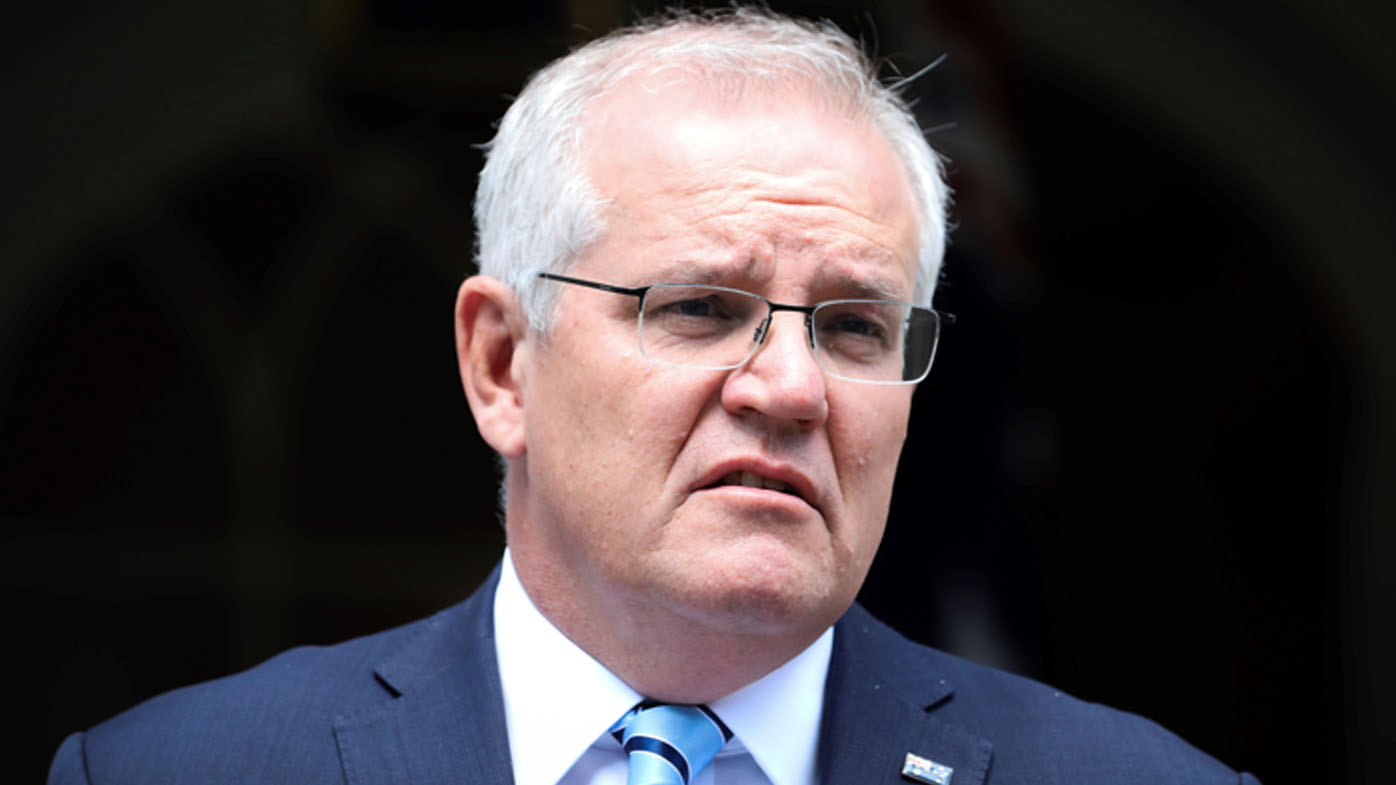
"These cost of living impacts are real, and the Australian government understands that," Scott Morrison said.

The Treasurer has made it clear we're likely to see more tax offset lump sum payments, an increase in childcare subsidies and potentially even a lowering of the fuel excise, currently set at 44.2 cents per litre.

According to the Australian Bureau of Statistics, the annual consumer price index rose 3.5 per cent over the December quarter.